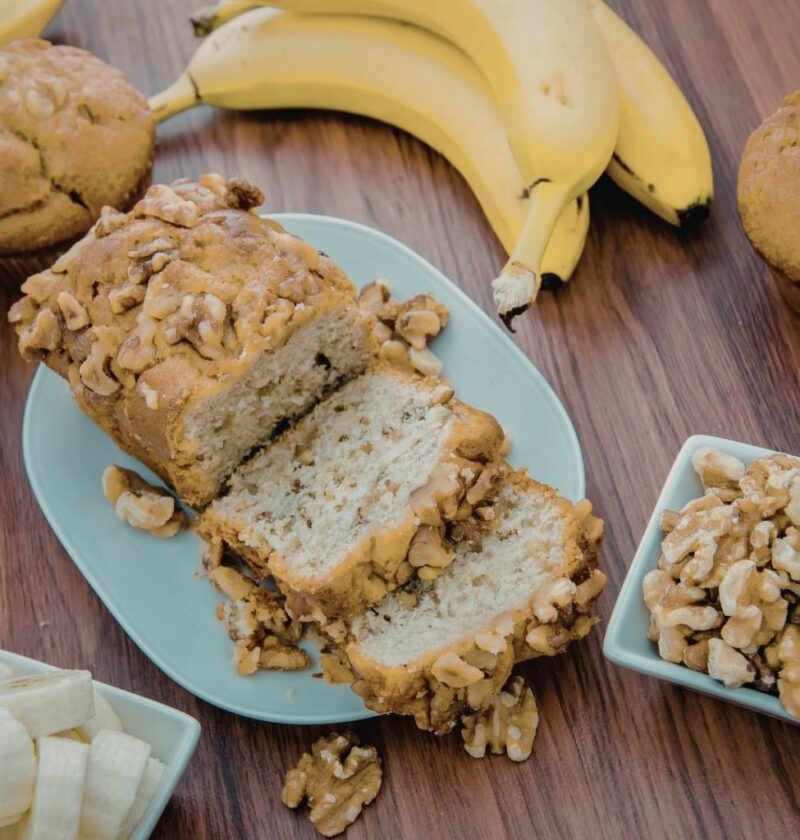
Few baked goods evoke such universal comfort and appeal as a slice of warm, moist banana bread fresh from the oven, filling your kitchen with that unmistakable aroma of caramelized bananas and cinnamon spice. Banana Bread stands as a timeless classic that transforms overripe bananas into something absolutely extraordinary, creating a dessert that’s simultaneously simple and absolutely delicious. What makes this recipe truly special is how it celebrates the natural sweetness of ripe bananas while creating a moist, tender crumb that remains fresh for days, making it perfect for busy families and meal planning. Whether you’re looking to use up those overripe bananas before they go to waste, searching for a quick breakfast solution that feels homemade and special, preparing treats for a bake sale or gathering, or simply craving something warm and comforting, this bread delivers every single time. The beauty of banana bread lies in its remarkable reliability; the recipe is forgiving, straightforward, and produces consistent results that rival any bakery while costing just a fraction of store-bought versions. Beyond its delicious taste and wonderful aroma, banana bread offers the satisfaction of creating something genuinely homemade that becomes a family favorite and requested treat for years to come. From the moment you fold the first spoonful of batter into the pan, you’ll understand why this recipe has remained beloved across generations and cultures.
Ingredients
Servings: 12-16 slices (1 loaf)
Dry Ingredients: • 2 cups all-purpose flour • 1 teaspoon baking soda • 1/2 teaspoon salt • 1 teaspoon ground cinnamon • 1/4 teaspoon ground nutmeg • 1/4 teaspoon ground ginger (optional but recommended)
Wet Ingredients: • 3 to 4 very ripe bananas (about 1 1/2 cups mashed, or 12-14 ounces) • 1/3 cup unsalted butter, melted • 3/4 cup granulated sugar • 1 large egg, room temperature • 1/4 cup Greek yogurt or sour cream • 1 1/2 teaspoons vanilla extract
Optional Add-Ins: • 1/2 cup chopped walnuts or pecans • 1/2 cup chocolate chips • 1/3 cup shredded coconut • 2 tablespoons honey • 1/4 teaspoon almond extract
Optional Topping: • 2 tablespoons coarse sugar or pearl sugar • 2 tablespoons cinnamon sugar mixture
Step-by-Step Instructions
Prepare Your Pan and Preheat
- Preheat your oven to 350°F and position a rack in the center of the oven for even baking.
- Grease a standard 9×5-inch loaf pan thoroughly with cooking spray or butter, ensuring all corners and edges are well coated.
- Alternatively, line the pan with parchment paper for easy removal and cleanup.
- Set the prepared pan aside while you gather and prepare all ingredients.
Prepare the Bananas
- Peel the very ripe bananas and place them in a small bowl, breaking them into chunks with a fork.
- Mash the bananas thoroughly until mostly smooth with a few small chunks remaining for texture.
- Measure out 1.5 cups of mashed banana, which should be approximately 3 to 4 very ripe bananas.
- The bananas should have brown speckles or be mostly brown, as overripe bananas are sweeter and create more moist bread.
Mix the Dry Ingredients
- Combine flour, baking soda, salt, cinnamon, nutmeg, and ginger in a medium mixing bowl.
- Whisk the dry ingredients together thoroughly, breaking up any small lumps and ensuring even distribution.
- The mixture should be uniform in color with no visible streaks of unmixed ingredients.
Prepare the Wet Ingredients
- Whisk together the melted butter and sugar in a large mixing bowl until well combined.
- Add the mashed bananas to the butter mixture and stir until thoroughly incorporated.
- Add the egg and stir until the mixture is uniform and the egg is completely beaten in.
- Add the Greek yogurt and vanilla extract, stirring until the mixture is smooth and well combined.
- The wet ingredients should appear creamy and homogeneous at this point.
Combine Wet and Dry Ingredients
- Make a well in the center of the dry ingredients and pour in the wet ingredient mixture.
- Using a spatula or wooden spoon, stir gently until the ingredients are just combined.
- The batter should come together with a few streaks of flour still visible—do not overmix.
- Continue stirring only until you no longer see any significant dry flour, which typically takes about 12 to 15 strokes.
- Overmixing develops gluten and results in tough, dense bread rather than the tender crumb everyone expects.
Add Optional Mix-Ins
- If using walnuts, chocolate chips, coconut, or other optional add-ins, fold them gently into the batter at this point.
- Distribute the add-ins evenly throughout the batter using gentle folding motions with a rubber spatula.
Transfer to Pan and Top
- Pour the batter into the prepared loaf pan, smoothing the top with a spatula for an even surface.
- If desired, sprinkle coarse sugar or cinnamon sugar over the top before baking.
- This topping will create a slightly crispy, sweet exterior that adds texture and visual interest.
Bake the Banana Bread
- Place the loaf pan in the preheated oven on the center rack, ensuring it’s level and stable.
- Bake for 55 to 65 minutes, until the top is golden brown and a toothpick inserted into the center comes out with just a few moist crumbs.
- Begin checking for doneness at the 50-minute mark to prevent overbaking.
- The top should be evenly brown without any pale spots, and the bread should smell wonderfully aromatic.
- If the top begins to brown too quickly, loosely tent it with aluminum foil for the remaining baking time.
Cool the Bread
- Remove the loaf pan from the oven and allow it to cool in the pan for about 15 minutes.
- This cooling time allows the bread to set slightly and become easier to remove without falling apart.
- Run a thin-bladed knife or small spatula around the edges of the pan to loosen the bread from the sides.
- Turn the pan on its side and gently slide the banana bread out onto a wire cooling rack.
- Allow the bread to cool completely on the wire rack, which will take about 1 hour.
Slice and Serve
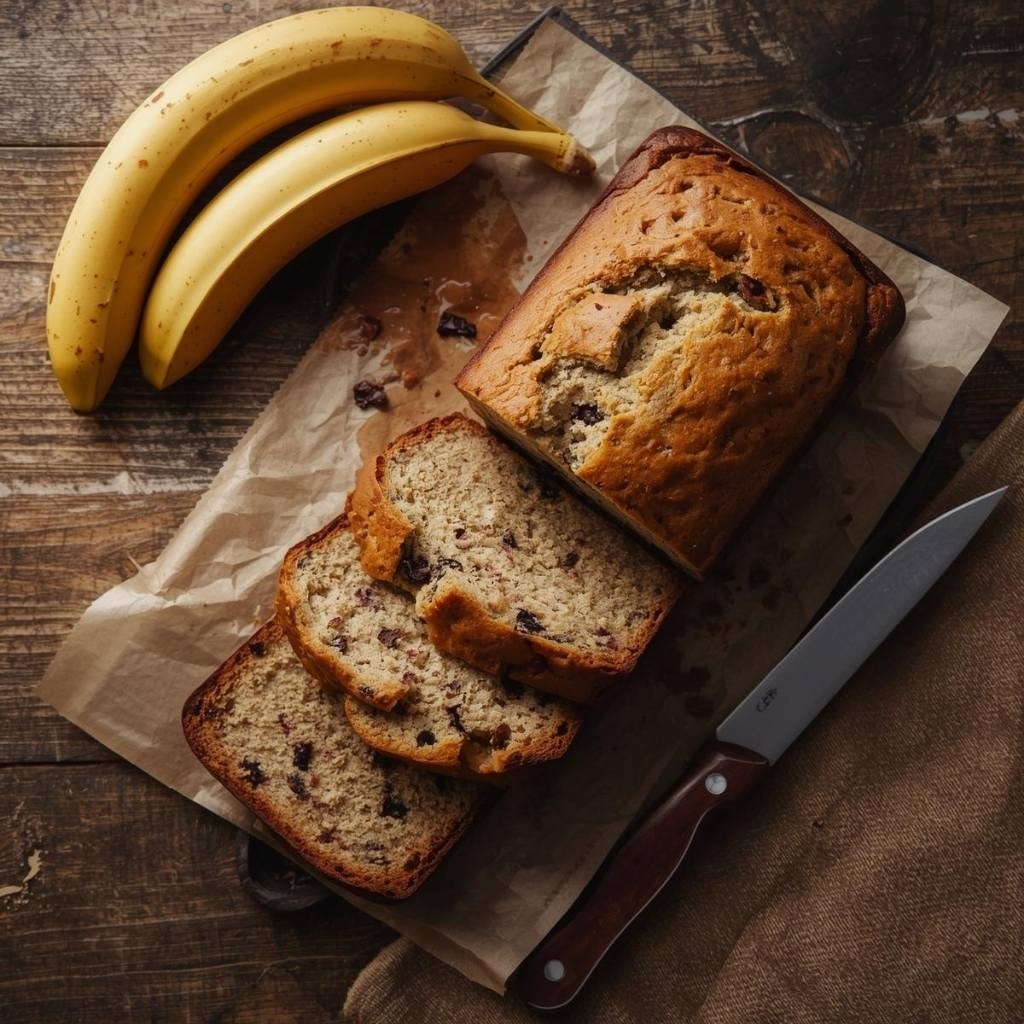
- Once completely cooled, use a sharp serrated knife to cut the banana bread into thick, even slices.
- A slightly warm slice with a pat of butter is absolutely heavenly, though room temperature slices are equally delicious.
Serving and Storing Tips
Serving Tips
First, serve slices of banana bread warm or at room temperature with a generous pat of butter, allowing it to melt into the soft crumb. Next, present the bread on a beautiful board or platter, creating an inviting display that encourages people to help themselves. Additionally, you can serve slices alongside cream cheese frosting, whipped cream, or honey for those who enjoy additional sweetness and richness. These slices pair wonderfully with coffee, hot tea, or cold milk, making them ideal for breakfast, afternoon snacks, or dessert after dinner. Furthermore, banana bread works beautifully as part of a larger brunch spread alongside fresh fruit, pastries, and other baked goods. For a special touch, lightly toast thicker slices before serving, which restores their warmth and creates a slightly crispy exterior. Consider serving with jam, peanut butter, or cream cheese for breakfast, or with ice cream for a simple dessert.
Storage Tips
Store your banana bread wrapped tightly in plastic wrap or in an airtight container at room temperature for up to 4 days, maintaining its moist, tender crumb throughout the storage period. Meanwhile, you can also wrap the entire cooled loaf tightly in plastic wrap and then in aluminum foil for freezer storage of up to 3 months. To thaw frozen banana bread, simply transfer it to the refrigerator the night before serving, or leave it at room temperature for 2 to 3 hours for room temperature thawing. Additionally, you can freeze individual slices wrapped in plastic wrap for convenient single servings that can be thawed as needed. Furthermore, do not refrigerate banana bread, as the cold temperature accelerates moisture loss and causes the bread to become dry and stale more quickly than room temperature storage. If your bread does become slightly dry after a few days, you can refresh it by placing a slice of bread in the storage container overnight, which helps the banana bread reabsorb moisture. The added slice can be removed the next day, and your loaf will be noticeably softer and more moist.
Helpful Notes
Ingredient Substitutions and Variations
The versatility of this banana bread recipe allows for countless adaptations while maintaining the wonderful banana flavor and tender crumb that makes this classic so beloved. First, you can substitute sour cream for Greek yogurt in equal amounts for a tangier flavor and equally moist crumb. Next, applesauce can replace up to half the Greek yogurt for a lighter option, though you may notice a slight difference in texture. Meanwhile, whole wheat flour can replace up to half the all-purpose flour for a heartier, nuttier flavor profile and added nutrition. Additionally, those avoiding dairy can use vegan butter and unsweetened almond milk mixed with cornstarch as a yogurt substitute, creating equally delicious bread. For chocolate lovers, fold 1/2 cup of chocolate chips into the batter for a delightful banana-chocolate combination. Furthermore, you can incorporate chopped nuts, shredded coconut, or raisins to add texture and flavor variations without changing the basic recipe.
Flavor Enhancement Ideas
These banana breads provide an excellent foundation for subtle flavor variations that enhance the banana without overwhelming its natural sweetness. For a caramel note, add 1 tablespoon of honey to the wet ingredients before mixing with the dry ingredients. Additionally, a pinch of cardamom or increased nutmeg creates warm spice notes that pair wonderfully with bananas. Meanwhile, adding 1/2 teaspoon of almond extract brings out the nutty undertones in the banana and adds subtle complexity. For a more decadent version, add 1/4 cup of chocolate chips and 1/4 cup of chopped walnuts for a balanced combination of flavors and textures. Furthermore, incorporating a streusel topping made from brown sugar, cinnamon, and chopped nuts pressed onto the batter before baking creates extra texture and visual interest. Consider experimenting with a cream cheese glaze drizzled over the cooled bread for an elegant finish that elevates this simple treat into something truly special.
Common Mistakes to Avoid
One of the most frequent mistakes is using bananas that aren’t ripe enough, which results in bread that lacks the natural sweetness and moisture everyone expects. Only use bananas with brown speckles or mostly brown skin, as these are sweeter and contain more moisture. Additionally, overmixing the batter after combining wet and dry ingredients develops gluten and results in tough, dense bread that lacks the tender crumb. Mix only until just combined, leaving some small lumps of flour visible. Furthermore, opening the oven door excessively during baking causes temperature fluctuations that prevent proper rising and even cooking. Avoid opening the oven until at least 50 minutes have passed. Meanwhile, filling the loaf pan too full causes the batter to overflow and spread across the oven, creating a mess and misshapen bread. Fill the pan only about three-quarters full, leaving room for rising. Finally, overbaking the bread for even a few extra minutes creates dry, crumbly texture that’s disappointing, so start checking for doneness at the lower end of the time range.
Time-Saving and Make-Ahead Tips
Banana bread is perfect for advance preparation, making it ideal for busy weeks when you want homemade goodness without stress. First, you can prepare the dry ingredients the evening before and store them in an airtight container, ready to combine with wet ingredients whenever you’re ready to bake. Next, you can mash the bananas and store them in an airtight container in the refrigerator for up to 1 day, or freeze the mashed bananas in ice cube trays for portion-controlled freezing. Additionally, complete batter can be prepared up to 2 hours ahead and refrigerated in a covered bowl before baking—simply add 2 to 3 extra minutes to the baking time. For maximum convenience, bake the banana bread completely the day before and store it wrapped at room temperature, then slice and serve as needed throughout the week. Furthermore, frozen banana bread can be grabbed from the freezer and thawed at room temperature whenever you need a quick snack or breakfast solution. You can also prepare individual slices and freeze them separately for ultimate convenience.
Professional Baking Tips
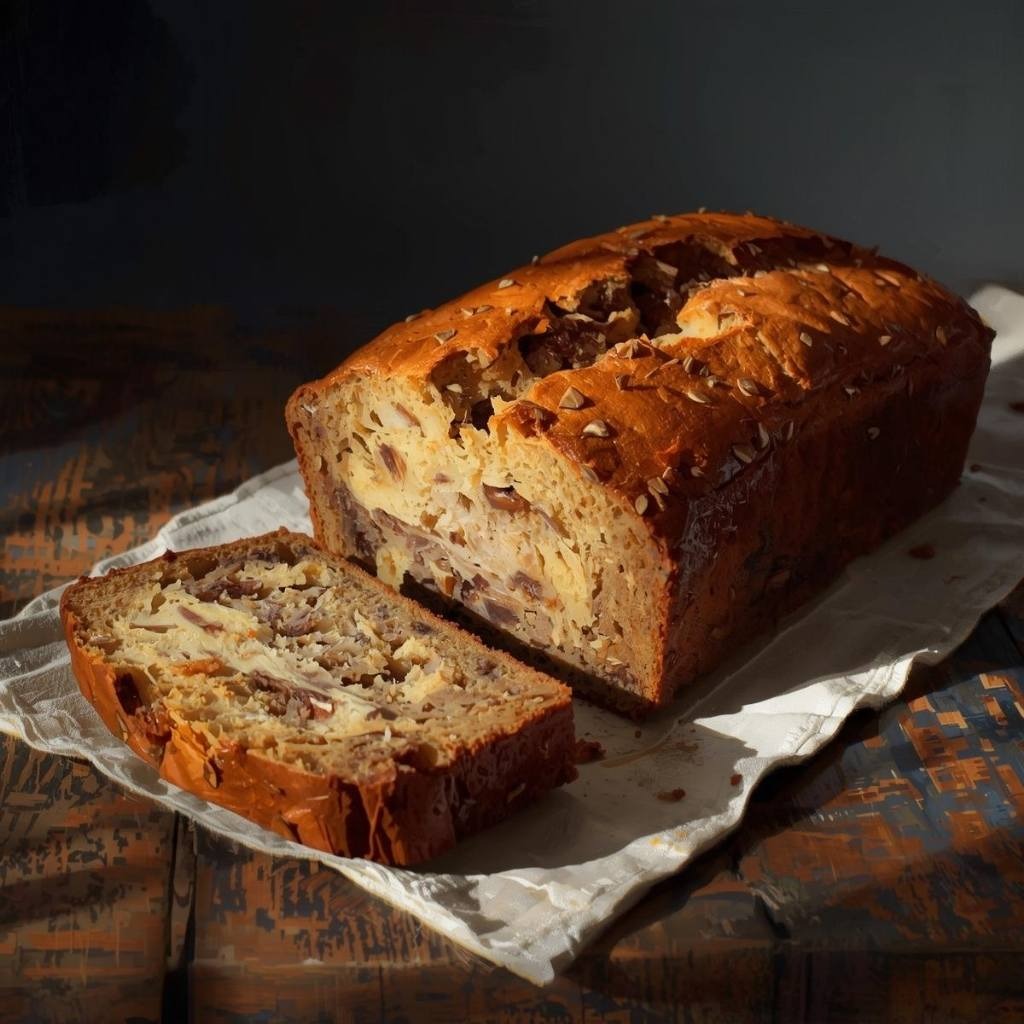
The secret to perfectly moist, tender banana bread lies in using very ripe bananas and not overworking the batter, understanding the difference between properly mixed and overmixed. Additionally, using room temperature ingredients helps them blend smoothly without lumps, creating a more uniform batter. Meanwhile, adding the optional yogurt or sour cream increases moisture and tenderness considerably, making it a worthwhile addition even though it’s not strictly necessary. Furthermore, tenting the top with aluminum foil during baking if it begins to brown too quickly prevents the exterior from burning while the interior finishes cooking. Finally, allowing the bread to cool in the pan for 15 minutes before removing it prevents the delicate crumb from falling apart, and cooling completely on a wire rack ensures proper moisture distribution throughout the loaf.
Frequently Asked Questions
Can I use overripe bananas with brown spots inside, and should I refrigerate them to make them last longer? Yes, bananas with brown internal spots are perfect for banana bread and actually create the sweetest, most moist results; refrigeration doesn’t prevent browning but keeps the peel brown longer without affecting the fruit inside.
Why is my banana bread dense and heavy, and what can I do to make it lighter and more tender? This usually indicates overmixing; stir only until just combined, leaving some streaks of flour visible, and ensure you’re not overfilling the loaf pan.
Can I make banana bread in a different size pan, like a bundt pan or muffin tins, and do I need to adjust baking time? Yes, fill muffin tins halfway and bake for 20 to 25 minutes; for a bundt pan, bake for 50 to 60 minutes; adjust time based on pan size and check with a toothpick.
What should I do if I don’t have Greek yogurt, and can I skip it entirely? You can substitute sour cream, regular yogurt, or applesauce in equal amounts, or skip it and replace with an additional 1/4 cup mashed banana, though moisture may be slightly reduced.
How can I prevent the top of my banana bread from browning too much while the inside is still cooking? Tent the top loosely with aluminum foil after the first 40 to 45 minutes of baking, then remove it for the final 10 to 15 minutes to allow browning.
Conclusion
Banana Bread represents the ultimate comfort food that transforms simple ingredients into something absolutely wonderful, proving that home baking doesn’t require complexity or advanced techniques to create results that rival any bakery. This classic recipe celebrates ripe bananas in their most delicious form while creating a moist, tender loaf that remains fresh for days, making it perfect for families, meal planning, and sharing with loved ones. The remarkable simplicity of basic ingredients combined with straightforward techniques creates banana bread that tastes homemade, feels special, and becomes an instant favorite within your family.
The versatility of this recipe allows for endless adaptations and flavor variations, ensuring you’ll never grow bored regardless of how frequently you bake it. Furthermore, the make-ahead nature of banana bread means you can prepare it days or weeks in advance, keeping your schedule flexible while always having freshly-baked goodness available for unexpected guests or personal enjoyment. The opportunity to use up overripe bananas while creating something absolutely delicious means less food waste and more happiness in your kitchen.
Next time you notice those bananas becoming spotted and overripe, want to fill your home with wonderful aromas, or simply crave something warm and comforting, remember that banana bread is always the perfect choice. Your family and friends will be absolutely delighted, and you’ll love how straightforward and rewarding the entire baking process truly is.
If you loved making this Banana Bread and found this recipe helpful, we’d absolutely love it if you’d save it, pin it to your Pinterest board, or share it with friends and family who might enjoy making it too! Your support and feedback inspire us to keep creating delicious, accessible recipes and helpful guides that bring the joy of homemade baking into every kitchen. We can’t wait to hear about your experience making this banana bread, so please come back and let us know if you tried any creative variations or flavor combinations. Happy baking!