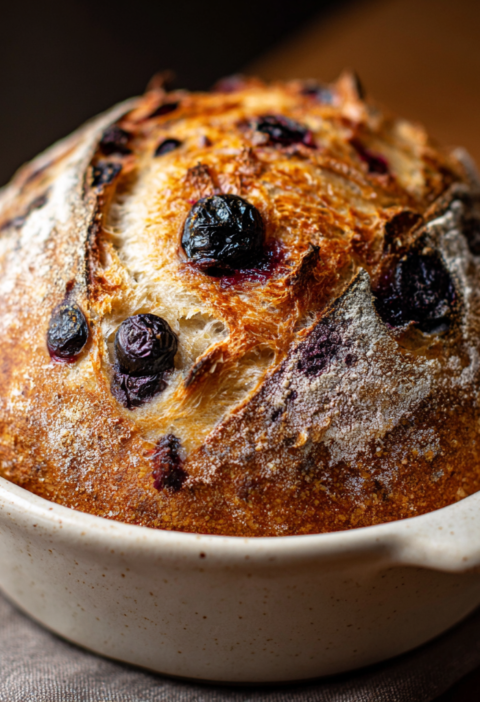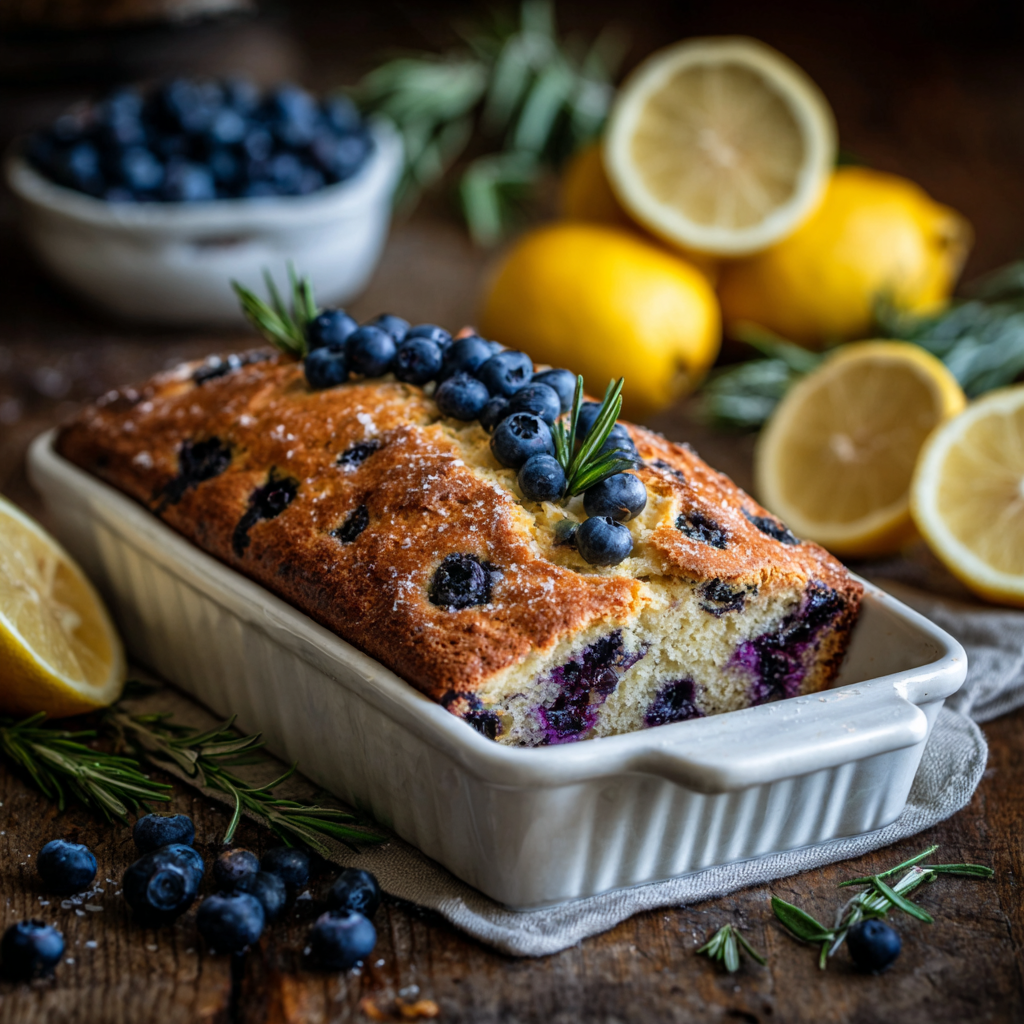
Blueberry lemon sourdough bread represents the perfect marriage of tangy sourdough complexity with bright, fruity flavors that create something utterly extraordinary and completely memorable. This artisanal bread delivers the distinctive flavor profile that fermented sourdough creates while featuring pockets of juicy blueberries and zesty lemon notes that awaken your palate with every single bite. What makes this recipe truly special is how it combines traditional sourdough techniques with fruit and citrus elements, proving that sourdough extends far beyond classic plain loaves into creative, sophisticated territory that impresses even the most discerning bread enthusiasts. Whether you’re an experienced sourdough baker seeking exciting variations, a home baker wanting to expand your bread-making repertoire, or simply someone who loves the taste of artisanal bread with unexpected flavor combinations, this sourdough delivers impressive results that taste like they came from an upscale bakery. The combination of tangy fermented dough, sweet-tart blueberries, and aromatic lemon creates complexity and depth that develops beautifully throughout the baking process and improves even further the following day. From the moment you fold the berries into the dough to the final moment you slice into a warm loaf with steam rising from the tender crumb, you’ll appreciate how thoughtful ingredient selection and proper technique create something genuinely exceptional.
Ingredients
This recipe makes 1 large artisanal loaf.
- 1 cup active sourdough starter (fed 4 to 8 hours prior, bubbly and active)
- ¾ cup warm water (approximately 80 to 85 degrees Fahrenheit)
- 3 cups bread flour or all-purpose flour
- 1½ teaspoons sea salt
- 2 tablespoons honey or granulated sugar
- Zest of 2 lemons (about 2 tablespoons)
- 2 tablespoons fresh lemon juice
- 1½ cups fresh blueberries (divided)
- 2 tablespoons all-purpose flour (for tossing berries)
- 1 tablespoon butter, melted (for finishing)
- Coarse sea salt for topping (optional)
- Rice flour or cornmeal for dusting (for the banneton)
Step-by-Step Instructions
Mix the Dough
- In a large mixing bowl, combine the active sourdough starter and warm water, stirring together until partially combined. Next, the starter doesn’t need to be completely smooth—just loosely distributed throughout the water.
- Add the bread flour to the starter mixture and stir with a wooden spoon until all the dry flour is incorporated and a shaggy dough forms. Meanwhile, the dough will appear rough and somewhat dry at this stage, which is completely normal and expected.
- Cover the bowl loosely with a damp cloth or plastic wrap and let the dough rest at room temperature for 30 to 45 minutes. This autolyse period allows the flour to fully hydrate, developing the dough’s gluten structure naturally without additional mixing.
- After the rest period, add the sea salt, honey or sugar, lemon zest, and fresh lemon juice to the dough. Next, mix these ingredients in thoroughly, ensuring the salt and seasonings are evenly distributed throughout.
Build Gluten Structure Through Folding
- Perform a series of stretch-and-fold movements by wetting your hand and grabbing the dough from one side, stretching it up and folding it over itself. Meanwhile, repeat this motion around the dough bowl four times, rotating the bowl between folds.
- Cover the bowl and let it rest for 30 minutes at room temperature. Afterward, repeat the stretch-and-fold sequence two more times with 30-minute rests between each series, totaling three sets of folds over approximately 1.5 hours.
- After completing the final stretch-and-fold sequence, the dough should feel noticeably stronger, more cohesive, and slightly elastic when handled. Furthermore, these folding movements develop gluten structure without aggressive kneading, creating beautiful, open crumb structure.
Prepare and Add the Blueberries
- In a small bowl, toss 1 cup of the fresh blueberries with 2 tablespoons all-purpose flour, coating each berry lightly. This flour coating prevents the berries from releasing excess juice and creating soggy dough while also helping them distribute evenly throughout.
- Gently press the floured blueberries into the dough during the final fold, distributing them as evenly as possible throughout the mass. Additionally, reserve the remaining ½ cup blueberries for pressing onto the loaf’s surface before baking if desired.
First Rise and Bulk Fermentation
- After incorporating the blueberries, transfer the dough to a clean bowl if needed and cover it with a damp cloth. Next, allow the dough to bulk ferment at cool room temperature (approximately 70 to 72 degrees Fahrenheit) for 4 to 6 hours, until it increases in volume by roughly 50 to 75 percent.
- The dough doesn’t need to double—in fact, sourdough often doesn’t increase dramatically—but it should feel noticeably airier and lighter when gently poked. Furthermore, warmer temperatures accelerate fermentation, while cooler temperatures slow it down, allowing more flavor development.
- Perform the poke test to determine if the first rise is complete: gently poke the dough with your finger about ½ inch deep. If the indentation springs back slowly and leaves a slight depression, the dough is ready for shaping.
Shape the Dough
- Turn the fermented dough out onto a lightly floured work surface, being gentle to preserve the air bubbles you’ve developed. Next, gently pre-shape the dough into a round ball by folding the edges toward the center several times, then flip it seam-side down.
- Let the pre-shaped dough rest on the counter for 20 to 30 minutes, which allows the gluten to relax and makes final shaping easier. Meanwhile, this bench rest prevents the dough from snapping back when you perform the final shape.
- Perform the final shape by folding the dough in half, then rolling it away from you firmly to create tension on the surface. Subsequently, rotate the dough 90 degrees and repeat the rolling motion, creating a round boule shape with surface tension.
- Place the shaped dough seam-side up in a banneton basket dusted with rice flour or cornmeal. Additionally, if you don’t have a banneton, line a round bowl with a well-floured cloth napkin or tea towel for shaping support.
Final Proof
- Cover the banneton with a damp cloth or plastic wrap and place it in the refrigerator for 8 to 16 hours for a cold, slow final proof. This extended cold fermentation develops flavor complexity, makes scoring easier, and helps create that desirable open crumb structure.
- Alternatively, if you prefer not to refrigerate, cover at room temperature for 2 to 4 hours until the dough passes the poke test—poking gently should leave a slight indentation that doesn’t bounce back completely. However, the cold overnight proof creates superior flavor development.
Prepare for Baking
- About 45 minutes before baking, remove the dough from the refrigerator and preheat your oven to 500 degrees Fahrenheit with a Dutch oven inside. Meanwhile, preheating the vessel creates steam, which helps develop a beautiful, crispy crust with good oven spring.
- Once the Dutch oven is hot, carefully remove it and turn the dough out onto parchment paper by inverting the banneton. Next, the parchment will prevent sticking and make transferring the dough into the hot pot easier.
Score and Bake
- Using a very sharp serrated knife or bread lame, score the top of the dough with a single confident slash about ¼ inch deep at a 45-degree angle. Furthermore, scoring controls where the bread expands and creates the attractive “ear” that characterizes artisanal sourdough.
- If desired, press the reserved ½ cup fresh blueberries into the top of the dough, distributing them artfully around the score. These surface berries will burst slightly during baking, creating beautiful purple streaks and adding visual appeal.
- Carefully transfer the dough on parchment paper into the hot Dutch oven, then cover with the lid. Next, transfer to the oven and bake at 500 degrees for 20 minutes covered, which traps steam around the dough.
- After 20 minutes, carefully remove the Dutch oven lid and reduce the oven temperature to 450 degrees Fahrenheit. Then continue baking for an additional 25 to 35 minutes until the loaf is deep golden brown on top and sounds hollow when tapped on the bottom.
- Remove the bread from the oven and transfer it to a wire cooling rack, brushing the warm crust with melted butter and sprinkling with optional coarse sea salt. Finally, let the bread cool for at least 1 hour before slicing—this allows the crumb to set properly and become more structural.
Serving and Storing Tips
How to Serve This Sourdough Bread
First, slice the cooled bread and serve it warm or at room temperature, perhaps with a light spread of butter or your favorite jam. Additionally, this bread pairs beautifully with morning coffee or afternoon tea, making it perfect for breakfast, brunch, or light snacking. Furthermore, the subtle lemon and blueberry flavors make it wonderful alongside cheese and charcuterie boards, creating an unexpectedly sophisticated pairing. For a simple indulgence, toast slices and spread with whipped cream cheese and honey, letting the blueberries shine. Alternatively, serve alongside soups, stews, or salads where the bread’s tang and bright flavors complement the meal beautifully.
Storing Your Sourdough Bread
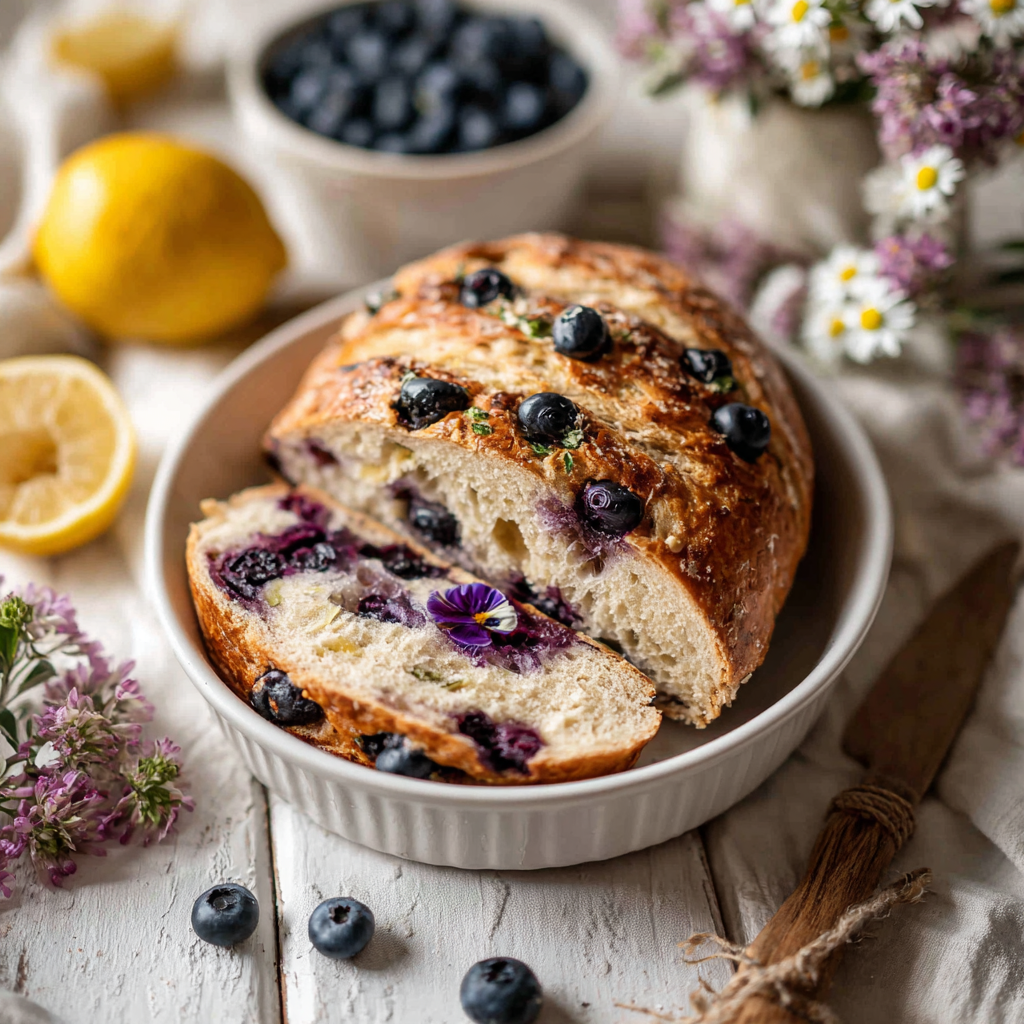
Next, allow the bread to cool completely before storing it in a paper bag at room temperature, where it keeps fresh for 2 to 3 days. Additionally, paper bags allow air circulation that maintains crust crispness better than plastic, which traps moisture and causes the crust to soften. Furthermore, once the crust begins to soften, store the bread in an airtight plastic bag or wrap to slow staling and preserve the moist interior. For longer storage, slice the bread and freeze individual slices in a freezer-safe bag for up to 1 month—simply toast slices directly from frozen for convenient servings. Alternatively, wrap the entire loaf in plastic wrap and aluminum foil before freezing for up to 2 weeks, then thaw at room temperature before serving.
Helpful Notes and Variations
Ingredient Substitutions and Adjustments
Meanwhile, if fresh blueberries aren’t available, frozen blueberries work beautifully when thawed and drained thoroughly to remove excess moisture. For those seeking a stronger lemon flavor, increase the zest to 3 tablespoons and add an additional tablespoon of fresh lemon juice. Additionally, if you prefer a sweeter bread, increase the honey or sugar to 3 tablespoons, though this may slightly accelerate fermentation. For a lighter crumb structure, use bread flour rather than all-purpose flour, which has higher protein content and develops gluten more readily.
Creative Variations to Explore
To create a raspberry lemon sourdough, replace the blueberries with fresh raspberries, adjusting the flour coating slightly since raspberries are more delicate than blueberries. Additionally, you might make a blackberry lemon sourdough using blackberries instead, creating deeper, earthier berry flavors. For a completely different direction, create a blueberry lavender sourdough by adding ½ teaspoon food-grade lavender buds to the dough, creating floral, sophisticated flavors. Furthermore, make a mixed berry sourdough by combining blueberries, raspberries, and blackberries in equal parts for a complex berry profile. Another wonderful option is to create a blueberry lemon rosemary sourdough by adding fresh rosemary sprigs between the berries and dough surface, creating herbaceous complexity.
Common Mistakes to Avoid
First, don’t skip the flour coating on blueberries—this crucial step prevents excess juice from creating wet, gummy dough that becomes difficult to work with. Additionally, avoid using inactive sourdough starter—your starter should be bubbly, doubled in size, and at peak activity when you begin this recipe. Furthermore, resist the urge to rush the bulk fermentation period, as sourdough develops flavor complexity during this extended fermentation that cannot be replicated with quick rising. Another common error is over-shaping the dough, which creates a tight surface that traps gas and doesn’t rise properly. Finally, don’t slice the bread while it’s hot—this causes steam to escape and creates gummy, underdeveloped crumb structure.
Chef Tips
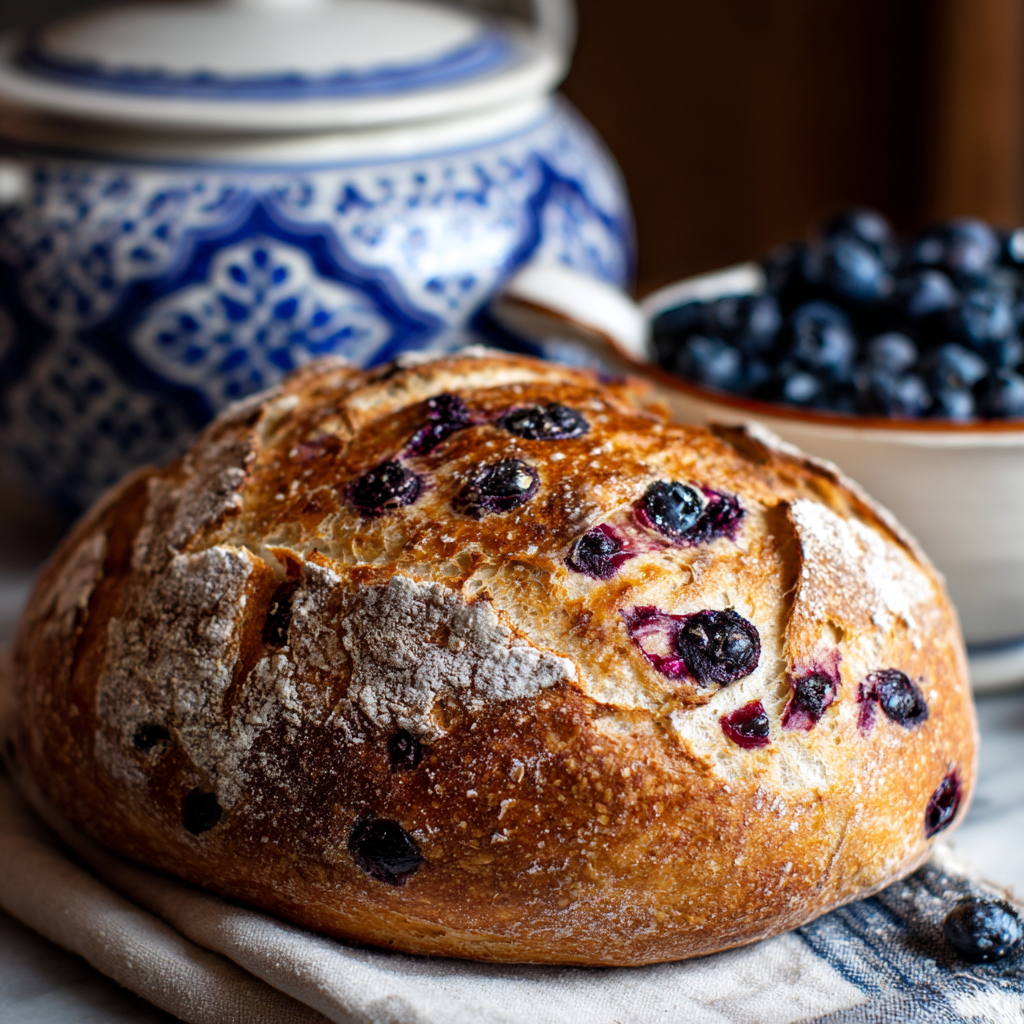
The secret to exceptional blueberry lemon sourdough lies in extended cold fermentation after shaping, which develops complex flavors that quick fermentation cannot achieve while making the dough easier to score and shape. Additionally, for the most beautiful crust and optimal flavor development, invest in a quality Dutch oven—this vessel traps steam during the first stage of baking, creating the distinctive crispy crust that characterizes excellent sourdough bread.
Frequently Asked Questions
What if my sourdough starter isn’t very active or strong?
Use a starter that’s recently fed and bubbly—ideally feed it 4 to 8 hours before mixing and use it at peak activity when it’s doubled or tripled in size. If your starter is weak, consider extending fermentation times by an hour or two to ensure proper rise and flavor development.
Can I make this bread without a banneton or Dutch oven?
A banneton prevents spreading and is difficult to replace, but you can use a flour-lined bowl. For the Dutch oven, a large covered baking vessel works, though results may vary slightly—the key is trapping steam, which many covered dishes can accomplish.
How do I know when the cold proof is complete if I refrigerate overnight?
Simply bake when ready—extended cold fermentation develops flavor beautifully. If you want to test, perform the poke test when you remove from the fridge; the dough should pass immediately or after about 30 minutes of warming.
What if I want to use dried blueberries instead of fresh?
Rehydrate dried blueberries by soaking them briefly in warm water, then drain thoroughly before tossing with flour and adding to the dough. Dried berries are more concentrated in flavor, so use about ¾ cup instead of 1½ cups fresh.
Can I bake this bread in a regular baking pan instead of using a Dutch oven?
A Dutch oven creates steam that’s difficult to replicate, but you can place a pan of boiling water on the rack below your bread and bake covered loosely with foil for the first 20 minutes. Results won’t be identical but will still be delicious.
Conclusion
Blueberry lemon sourdough bread proves that traditional sourdough welcomes creative flavor variations that expand its possibilities while respecting its time-honored techniques and traditions. This exceptional bread showcases how extended fermentation develops complex, tangy flavors that form the perfect backdrop for bright citrus and sweet-tart berries. From the moment you fold the fruit into the dough to the final moment you slice into a warm loaf with beautiful purple-streaked crumb, you’ll appreciate how artisanal bread-making creates something genuinely extraordinary. Whether you’re seeking impressive gifts, impressive breakfast foods, or simply something special for quiet mornings, this sourdough delivers reliable, consistent results that taste absolutely exceptional.
Did you absolutely love making this blueberry lemon sourdough bread? Please save this recipe, pin it to your baking board, or share it with friends and family who would adore this unique, sophisticated, and delicious bread. We’d genuinely love to hear from you—drop a comment below and tell us if you tried a creative variation, served it at a special gathering, or discovered your own favorite flavor combination that became a household favorite. Your feedback and shares inspire us to continue creating delicious, approachable recipes that bring joy and artistry to your kitchen!