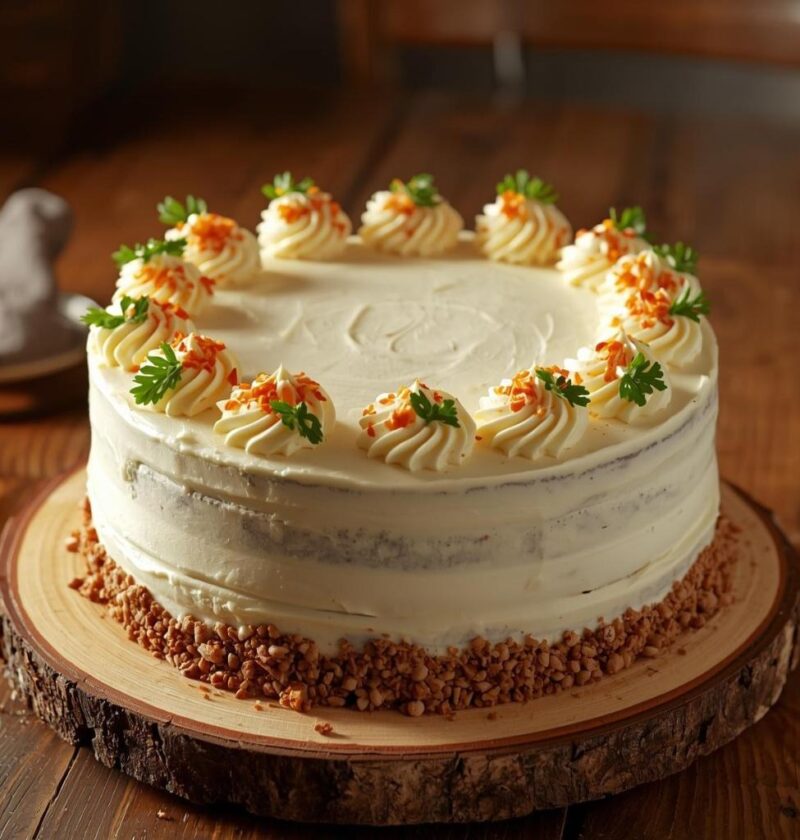
Carrot cake with cream cheese frosting represents the pinnacle of sophisticated desserts, combining moist, flavorful spiced cake with tangy, luxurious frosting to create something truly memorable and utterly irresistible. First, this classic preparation celebrates the natural sweetness of carrots while elevating them with warm spices, tropical elements, and a rich cream cheese frosting that perfectly balances sweetness with subtle tartness. The beauty of carrot cake lies in its ability to feel indulgent while incorporating vegetables, creating a dessert that satisfies both health-conscious and dessert-loving guests alike. Additionally, this cake brings sophistication and elegance to any table, whether you’re celebrating special occasions or simply treating yourself to something genuinely spectacular and delicious. Carrot cake works perfectly for weddings, anniversaries, Easter celebrations, and any occasion where you want a dessert that impresses without requiring professional pastry skills. Next, you’ll appreciate how this recipe takes approximately one hour from start to finish, with most of that time dedicated to baking rather than complicated preparation techniques. Furthermore, the versatility of this preparation allows for endless variations with different nuts, dried fruits, and frosting styles while maintaining the classic appeal that makes carrot cake universally beloved and anticipated. Whether you’re an experienced baker or someone just beginning their dessert-making journey, carrot cake with cream cheese frosting delivers consistently impressive results that taste bakery-quality yet completely homemade and authentic.
Ingredients
Serves: 12-16 servings
For the Cake:
- 2 cups all-purpose flour
- 2 teaspoons baking soda
- 1½ teaspoons baking powder
- 2 teaspoons ground cinnamon
- 1 teaspoon ground ginger
- ½ teaspoon ground nutmeg
- ¼ teaspoon ground cloves
- ½ teaspoon salt
- 1 cup vegetable oil
- 1 cup granulated sugar
- ¾ cup packed brown sugar
- 4 large eggs
- 1 teaspoon vanilla extract
- 2 cups grated carrots (about 4 to 5 medium carrots)
- 1 cup crushed pineapple with juice
- ¾ cup chopped walnuts or pecans, divided
- ½ cup unsweetened shredded coconut
- ¼ cup raisins or chopped dried cranberries (optional)
For the Cream Cheese Frosting:
- 8 ounces cream cheese, softened to room temperature
- ½ pound unsalted butter, softened to room temperature
- 2 cups powdered sugar, sifted
- 1 teaspoon vanilla extract
- ¼ teaspoon salt
- Pinch of ground cinnamon (optional)
For Garnish:
- ¼ cup chopped walnuts or pecans
- ¼ cup unsweetened shredded coconut
- Fresh carrot ribbons (optional)
- Small fondant carrots (optional)
Preparation and Cooking Instructions
Preparing the Pans and Oven
First, preheat your oven to 350°F and position two racks in the center of the oven if baking two layers simultaneously. Next, grease two 9-inch round cake pans thoroughly with butter or non-stick cooking spray, ensuring every corner is coated to prevent sticking. Line the bottom of each pan with parchment paper and grease the parchment as well, which guarantees easy cake removal without crumbling or sticking.
Mixing the Dry Ingredients
In a medium mixing bowl, whisk together the all-purpose flour, baking soda, baking powder, cinnamon, ginger, nutmeg, cloves, and salt, combining thoroughly. This whisking distributes the leavening agents and spices evenly throughout, preventing clumps and ensuring consistent flavor and rise throughout the cake. Set the dry ingredient mixture aside.
Creating the Wet Ingredients
In a large mixing bowl, whisk together the vegetable oil and both sugars, stirring until the mixture becomes well combined and slightly thickened. Next, add the eggs one at a time, whisking thoroughly after each addition to ensure the eggs incorporate completely and create a uniform mixture. Adding eggs slowly prevents the batter from appearing curdled or separated. Stir in the vanilla extract, combining well.
Incorporating the Vegetables and Additions
Next, add the grated carrots, crushed pineapple with juice, and the dry ingredient mixture, folding gently with a rubber spatula rather than stirring vigorously. Overmixing develops too much gluten, which can result in tough cake texture rather than the moist, tender crumb you’re seeking. Fold until the dry ingredients are just incorporated and no streaks of flour remain visible.
Fold in three-quarters cup of the chopped nuts, the unsweetened shredded coconut, and optional raisins or dried cranberries, distributing them evenly throughout the batter. Reserve the remaining quarter cup of nuts for garnishing the finished cake.
Baking the Cake
Divide the batter equally between the two prepared pans, spreading it evenly with a rubber spatula. Place both pans in your preheated 350°F oven and bake for 35 to 40 minutes until a toothpick inserted into the center of each cake comes out clean or with just a few moist crumbs. The cakes should spring back when lightly touched and the edges should pull away slightly from the sides of the pans.
Remove from the oven and allow the cakes to cool in their pans for approximately 10 minutes, which allows the structure to set slightly while remaining warm. Next, invert each cake onto a wire cooling rack, removing the parchment paper, and allow the cakes to cool completely to room temperature before frosting. This typically takes one to two hours, depending on your kitchen temperature.
Preparing the Cream Cheese Frosting
While the cakes cool, prepare the frosting by ensuring both the cream cheese and butter are at room temperature, which is essential for achieving smooth, fluffy frosting. In a large mixing bowl, beat the softened cream cheese and softened butter together using an electric mixer on medium speed for about 3 to 4 minutes until the mixture becomes light, fluffy, and uniform in color.
Next, add the sifted powdered sugar in two additions, beating on low speed after each addition to incorporate without creating clouds of powdered sugar. Once all the powdered sugar has been added and incorporated, increase the speed to medium and beat for about 2 to 3 minutes until the frosting becomes light and fluffy. Add the vanilla extract and salt, beating for an additional 30 seconds until fully incorporated. If desired, add a pinch of ground cinnamon for subtle spice that complements the cake beautifully.
The frosting should be smooth, creamy, and spreadable; if it seems too soft, refrigerate for 15 to 30 minutes before applying to the cake. If it becomes too stiff from refrigeration, allow it to sit at room temperature for a few minutes to soften slightly.
Assembling the Cake
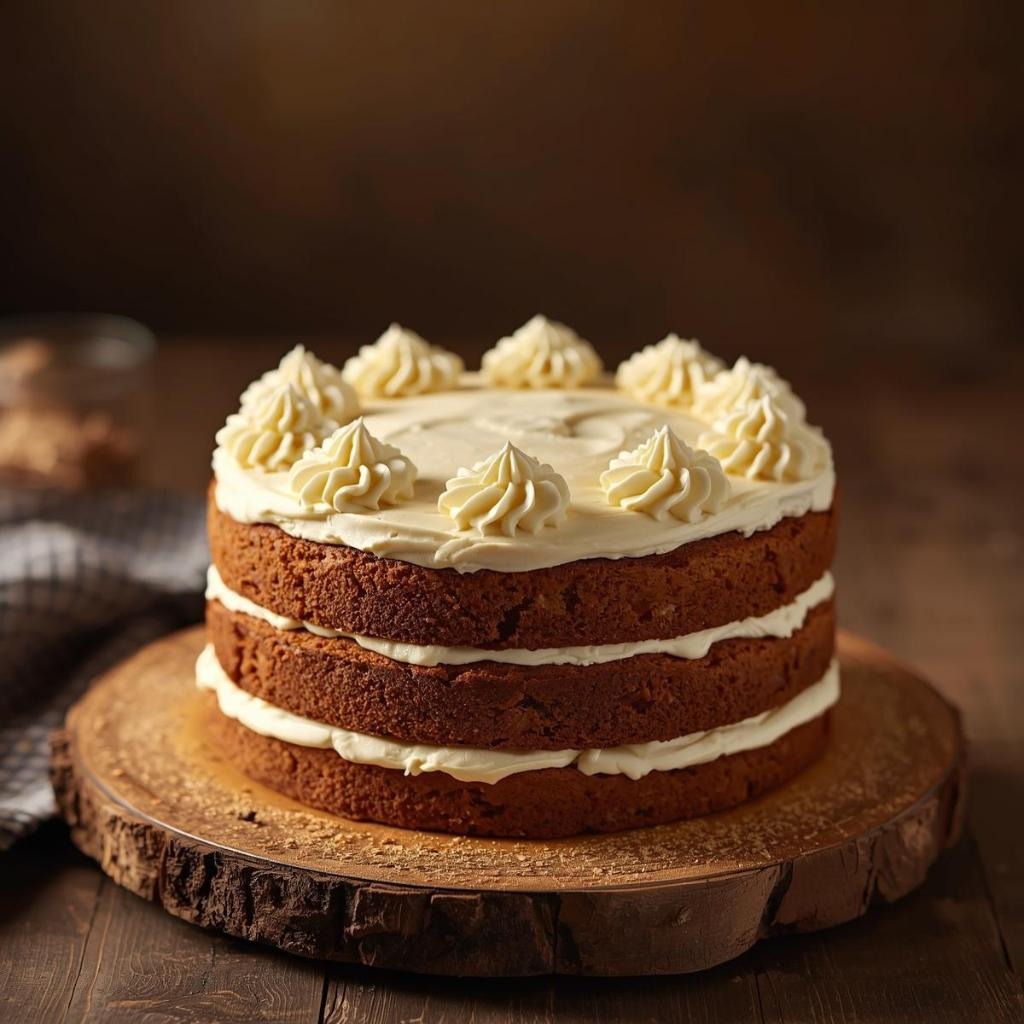
Place the first cake layer on a serving plate or cake board, leveling the top if necessary by trimming any domed portions with a sharp serrated knife for a more uniform appearance. Next, spread a generous layer of cream cheese frosting on top of the first layer, using an offset spatula to create an even, smooth surface. The frosting layer should be approximately half an inch thick, providing luxurious creaminess without overwhelming the cake.
Carefully place the second cake layer on top of the frosting, pressing gently to create good contact without squishing the frosting out the sides excessively. Next, spread the remaining frosting over the top and sides of the assembled cake, creating an even coating. Use an offset spatula or knife to create decorative swirls or smooth the frosting for a more elegant appearance, depending on your preference.
Decorating the Cake
Scatter the reserved quarter cup of chopped walnuts or pecans on top of the frosted cake, pressing gently so they adhere to the frosting. Next, sprinkle the unsweetened shredded coconut over the nuts, creating a beautiful, textured presentation. If desired, add fresh carrot ribbons or small fondant carrots on top for an elegant finishing touch that indicates the cake’s ingredient.
Serving Tips
Carrot cake with cream cheese frosting shines as a sophisticated dessert for virtually any celebration or special occasion. First, serve it for Easter celebrations, where the carrot and spring vegetable themes align perfectly with the holiday’s symbolism. Additionally, it pairs beautifully with wedding celebrations, anniversaries, and milestone birthdays as an elegant alternative to traditional white or chocolate cakes. Next, try carrot cake for baby showers, bridal showers, and garden parties where guests appreciate sophisticated flavors and beautiful presentation.
Furthermore, this cake works wonderfully for casual gatherings and potluck celebrations where you want to contribute something truly memorable and impressive. Meanwhile, carrot cake makes a perfect dessert for spring and early summer menus when lighter flavors transition the palate from rich winter desserts. For family celebrations, carrot cake with cream cheese frosting often becomes the requested favorite that family members anticipate and remember fondly for years.
Serve the cake at room temperature for optimal flavor and texture, allowing the frosting to soften slightly and the spice flavors to fully develop. Additionally, pair each slice with coffee, tea, or milk for a satisfying dessert experience that feels complete. For buffet presentations, cut the cake into generous slices for an elegant display, or provide smaller portions for dessert tastings where multiple options are offered.
Storage and Make-Ahead Tips
Room Temperature Storage
Allow the frosted cake to sit at room temperature for about one hour to set the frosting slightly. Next, cover the cake loosely with plastic wrap or store it in an airtight cake container at room temperature. When stored properly away from direct sunlight and heat sources, the cake will keep for up to 2 days at room temperature, though it tastes best within the first day of assembly.
Refrigerator Storage
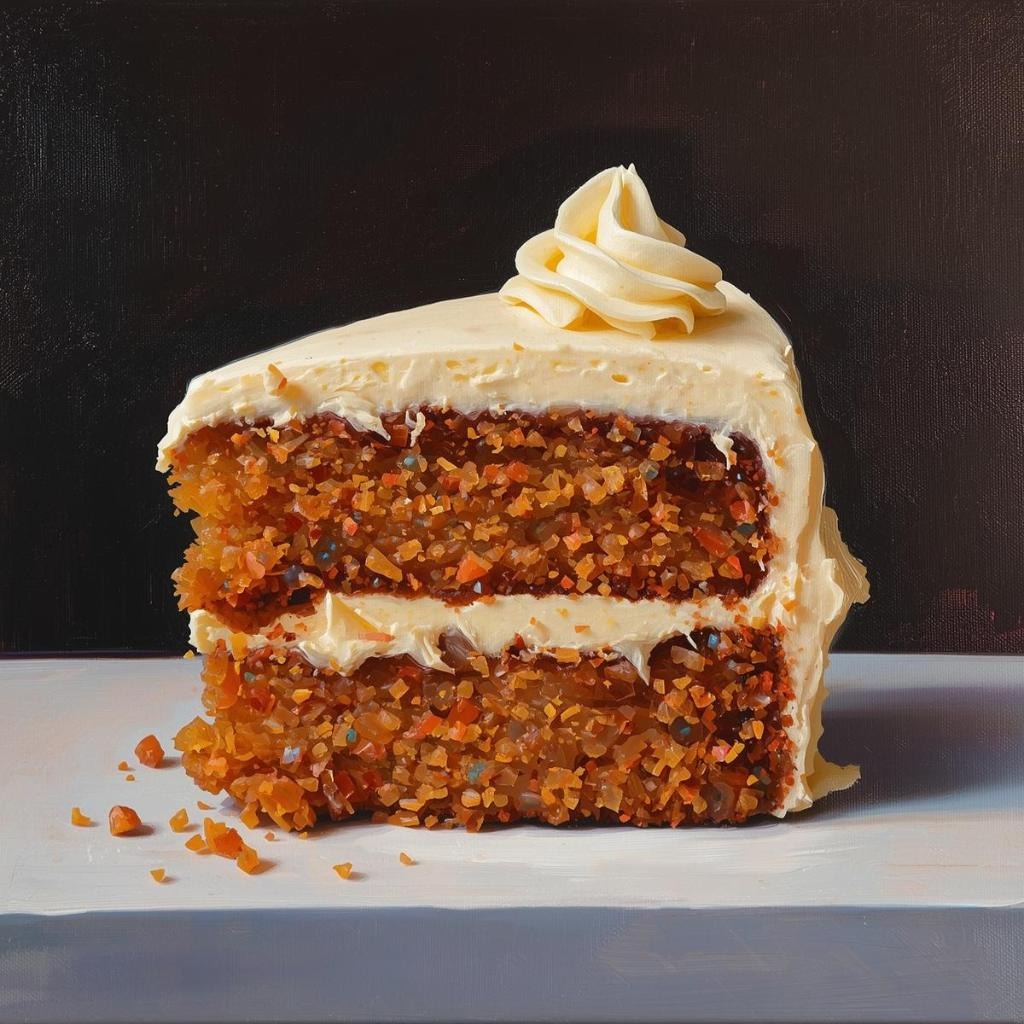
Additionally, carrot cake stores beautifully in the refrigerator for up to 4 days when covered properly with plastic wrap or stored in an airtight container. The cream cheese frosting benefits from refrigeration as it firms up slightly, making the cake easier to serve in neat slices. Before serving, allow refrigerated cake to sit at room temperature for about 30 minutes to allow the frosting to soften and flavors to fully develop.
Freezing Instructions
Furthermore, unfrosted cake layers freeze beautifully for up to 3 months when wrapped securely in plastic wrap followed by a layer of aluminum foil. When ready to use, thaw the layers at room temperature for about one hour, then proceed with frosting and assembly as directed. Frosted cake does not freeze as successfully due to texture changes in the cream cheese frosting, though it can be frozen for up to 1 month if necessary. Thaw the frosted cake in the refrigerator overnight before serving.
Make-Ahead Strategy
Additionally, you can prepare the unfrosted cake layers one day ahead and store them at room temperature covered loosely with plastic wrap. The next day, prepare the frosting and assemble the cake, which takes only about 15 minutes and allows flexibility in your entertaining timeline. Alternatively, prepare both the cake and frosting ahead, then assemble the cake up to 4 hours before serving for optimal freshness.
Helpful Notes and Variations
Carrot Selection and Preparation
First, use fresh carrots for the best flavor and nutritional content, grating them yourself using a box grater or food processor fitted with the grating attachment. Meanwhile, baby carrots can be grated, though larger, mature carrots provide better structure and don’t release as much water. Additionally, freshly grated carrots work better than packaged pre-grated varieties, which often contain additives and don’t perform as well in baking.
When grating carrots, don’t squeeze out the excess moisture; allow the natural juice to remain in the grated carrots, as this moisture keeps the cake incredibly tender and moist.
Pineapple and Tropical Variations
If crushed pineapple isn’t available, fresh pineapple can be chopped finely and used instead, though you may need to drain some juice so the batter doesn’t become too wet. Next, for a lighter version, use pineapple juice instead of crushed pineapple, though the cake will be slightly less moist. Additionally, drained canned pineapple works perfectly when fresh isn’t available.
For those preferring to skip the pineapple entirely, substitute it with an additional quarter cup of applesauce or crushed banana, though the flavor profile will shift accordingly.
Nut and Coconut Customization
First, walnuts and pecans are traditional choices that provide wonderful texture and nutty flavor, though almonds or chopped macadamia nuts create different flavor profiles. Next, the amount of coconut can be adjusted based on preference; increase to one cup for more pronounced coconut flavor or eliminate entirely for those who dislike coconut. Additionally, toasted coconut provides deeper, more intense coconut flavor compared to regular unsweetened shredded coconut.
For those with nut allergies, substitute the walnuts or pecans with additional shredded coconut, crushed pineapple, or simply omit the nuts entirely for a delicious version without textural elements.
Spice Adjustments and Variations
First, the warm spices can be increased or decreased based on personal preference; some enjoy more pronounced cinnamon and ginger while others prefer subtle spice. Next, ground cardamom or allspice can be added for unique depth, while reducing traditional spices creates a lighter, less warming cake. Additionally, a touch of black pepper adds unexpected complexity, particularly complementing the ginger and cloves beautifully.
Frosting Variations
If you prefer less tangy frosting, increase the butter slightly and reduce the cream cheese. Next, for a more distinctively cream cheese flavor, increase the cream cheese to 10 ounces. Additionally, the frosting can be made less sweet by reducing the powdered sugar to 1.5 cups, creating a more sophisticated, less sugary experience. Meanwhile, a tablespoon of lemon juice or zest adds brightness that cuts through the frosting’s richness beautifully.
Common Mistakes to Avoid
First, avoid overmixing the batter after adding the dry ingredients, as this develops too much gluten and creates tough cake texture rather than moist, tender crumb. Fold gently until ingredients are just combined. Additionally, do not use cold cream cheese or butter when making the frosting; room temperature ingredients combine smoothly into fluffy frosting without lumps or separated texture.
Next, resist adding the sugar too quickly to the frosting mixer, as this creates powdered sugar clouds and requires extensive additional mixing to incorporate. Furthermore, do not frost the cake until it’s completely cooled to room temperature; frosting warm cake causes it to melt and slide off the sides unevenly.
Chef Tips
First, for extra moist cake, brush the cooled cake layers with pineapple juice before frosting, which adds moisture and reinforces the tropical flavor profile beautifully. Next, to achieve perfectly level cake layers, use an offset spatula dipped in hot water and wiped dry to trim any domed tops, creating uniform layers that stack neatly and look professionally finished.
Frequently Asked Questions
Can I make carrot cake without pineapple? Yes, substitute with an additional quarter cup of applesauce or mashed banana, though the cake will be slightly less moist; add a tablespoon more oil to compensate for the moisture difference.
What’s the best way to prevent the frosting from sliding off the cake? Ensure the cake is completely cooled before frosting and use room-temperature frosting that’s firm enough to hold its shape; refrigerate the frosting briefly if it seems too soft.
Can I make individual carrot cakes in cupcake tins? Yes, divide the batter among cupcake liners and bake for 18 to 22 minutes until a toothpick comes out clean, then frost each cupcake individually for elegant single-serve presentations.
How do I store frosting that I’ve made ahead? Cover the frosting tightly and refrigerate for up to 3 days; bring to room temperature before using, or remix briefly with an electric mixer if it has separated slightly during storage.
Can I make this cake with oil instead of the vegetables? The vegetables provide moisture and structure essential to this cake; removing them would require reformulating the entire recipe significantly, so they cannot be easily substituted.
Why This Recipe Works
The magic of carrot cake with cream cheese frosting lies in understanding how vegetables, spices, and proper technique combine to create exceptional flavor and texture. First, the combination of oil and eggs creates an incredibly moist, tender crumb that remains fresh longer than butter-based cakes. Additionally, grated carrots and crushed pineapple provide natural moisture that keeps the cake tender while the warm spices create depth and complexity that prevents the cake from tasting one-dimensional.
Furthermore, the combination of granulated and brown sugar creates richness and moisture that simple white sugar cannot achieve alone. Meanwhile, the cream cheese frosting provides tangy balance that prevents the cake from tasting overly sweet, while the butter creates fluffy texture that contrasts beautifully with the moist cake. The nuts, coconut, and dried fruit additions provide textural interest and prevent each bite from tasting identical.
This recipe respects the quality of fresh ingredients while the preparation technique honors traditional cake-making principles. The result is a dessert that feels elegant and special while remaining approachable and achievable for cooks of all baking experience levels.
Variations Worth Exploring
Next time you prepare carrot cake, consider these creative variations that build on the classic foundation. First, try a pumpkin spice variation by replacing the grated carrots with pureed pumpkin and increasing the warm spices for autumn-inspired flavor that resonates with seasonal preferences.
Additionally, create a spiced rum version by adding two tablespoons of dark rum to the batter and rum extract to the frosting for sophisticated adult flavors. Furthermore, experiment with a maple cream cheese frosting by adding a tablespoon of pure maple syrup to the frosting for subtle sweetness and depth. Meanwhile, try a salted caramel version by drizzling caramel sauce over the frosted cake and sprinkling with fleur de sel for elevated sweetness and textural contrast.
Perfect Pairings and Serving Suggestions
Carrot cake with cream cheese frosting works beautifully as part of festive celebrations in numerous combinations. First, serve it as the dessert finale to Easter dinners alongside spring vegetables and roasted proteins. Next, feature it as the wedding cake alternative for receptions where couples appreciate sophisticated flavors over traditional white cake. Additionally, it complements spring garden party menus when paired with fresh salads and light beverages. Furthermore, carrot cake works perfectly as the dessert highlight for milestone birthday celebrations where the guest of honor deserves something truly memorable and special.
For casual gatherings, carrot cake makes an excellent contribution to potluck celebrations where it’s always appreciated and quickly consumed. Meanwhile, it works beautifully as a special treat for afternoon tea or coffee service when paired with beverages and cheese selections.
Final Thoughts
Carrot cake with cream cheese frosting proves that sophisticated desserts need not be complicated when proper ingredients and technique guide the process. The combination of moist, spiced cake with tangy, luxurious frosting creates a dessert that satisfies on multiple levels while requiring approximately one hour of total time with most dedicated to baking rather than complex preparation. This makes carrot cake practical for any celebration without requiring professional pastry experience or excessive advance planning.
This classic recipe has remained beloved for generations for good reason: it delivers consistent, impressive results every single time when prepared with attention and care. Whether you’re baking for family or entertaining guests, carrot cake with cream cheese frosting brings elegance, warmth, and genuine satisfaction to the table, making it an indispensable dessert for countless occasions and cherished memories spanning years.
Did you love making this Carrot Cake with Cream Cheese Frosting? If this recipe brought joy to your kitchen and delightful indulgence to your celebration, please save this recipe for future use, pin it to your favorite board, or share it with friends and family who appreciate sophisticated, homemade desserts that impress. Your support means everything to us and helps us continue creating more amazing recipes that make home baking easier, more enjoyable, and genuinely delicious. We’d love to hear how your carrot cake turned out—your feedback inspires us to keep bringing you quality recipes that deliver real, memorable results every single time you bake.