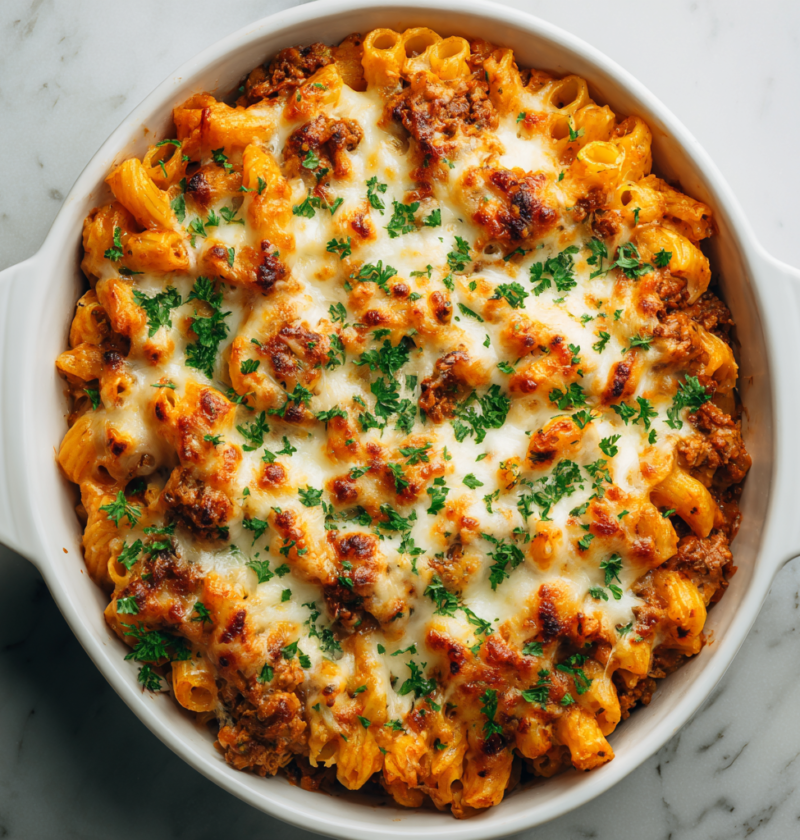
There’s something absolutely irresistible about a bubbling, golden casserole loaded with tender pasta enveloped in a luxuriously creamy cheese sauce and topped with melted mozzarella that stretches beautifully with every delicious forkful. First time I made cheesy baked pasta from scratch using quality techniques and fresh ingredients instead of relying on boxed versions, I understood immediately why this simple comfort dish has remained beloved in households everywhere—it’s the ultimate expression of cheesy, creamy satisfaction. The beauty of this classic comfort food lies in its remarkable simplicity combined with absolutely impressive results: quality pasta, a silky cheese sauce, and multiple types of cheese layer together to create something genuinely greater than the sum of its parts. Additionally, this recipe proves that restaurant-quality baked pasta doesn’t require complicated techniques or hard-to-find ingredients; straightforward cooking methods combined with proper ingredient quality create results that taste far more impressive than the minimal effort involved. Whether you’re cooking for a hungry family, meal prepping for busy weeks ahead, hosting casual dinner parties, or simply craving something warm and deeply satisfying, this cheesy baked pasta delivers pure comfort that reminds you exactly why cheese and pasta were meant to be together forever.
Ingredients
This recipe makes 6 servings.
• 1 pound pasta (penne, rigatoni, or elbow pasta) • 4 tablespoons unsalted butter • 1/4 cup all-purpose flour • 3 cups whole milk, warmed • 1 teaspoon kosher salt • 1/2 teaspoon black pepper • 1/4 teaspoon white pepper (optional) • 1/4 teaspoon nutmeg (just a pinch) • 1/2 teaspoon garlic powder • 1/4 teaspoon onion powder • 1 cup grated Parmesan cheese • 2 cups shredded sharp cheddar cheese • 1.5 cups shredded mozzarella cheese, divided • 1/2 cup heavy cream or half-and-half • 1 tablespoon Dijon mustard • 1 teaspoon fresh lemon juice • 1/2 teaspoon honey (optional, for balance) • 1/4 cup fresh parsley, finely chopped • 2 tablespoons fresh chives, finely chopped (optional) • 1/2 cup panko breadcrumbs (optional, for topping) • 2 tablespoons melted butter (optional, for breadcrumb topping) • 1/4 teaspoon paprika (optional, for topping) • Zest of 1 lemon
Step-by-Step Instructions
Preparing Your Ingredients and Workspace
- Preheat your oven to 375°F (190°C) and allow at least 15 minutes for it to reach full temperature.
- Lightly butter a 9×13-inch baking dish, ensuring the bottom and sides are completely coated.
- Bring a large pot of salted water to a rolling boil for cooking the pasta.
- If using panko breadcrumb topping, combine the panko with melted butter and paprika in a small bowl, mixing thoroughly and setting aside.
Cooking the Pasta
- Add the pasta to the boiling water and cook according to package directions until just al dente—usually 8-10 minutes.
- Drain the pasta thoroughly and set aside momentarily while you prepare the cheese sauce.
- Don’t rinse the pasta—the starch helps the sauce adhere better to the noodles.
Creating the Perfect Cheese Sauce
- In a large saucepan, melt the butter over medium heat, swirling to coat the bottom evenly.
- Sprinkle the flour over the melted butter and stir thoroughly, creating a thick paste.
- Cook this flour mixture for about 2 minutes, stirring constantly, which helps eliminate the raw flour taste while creating a proper roux.
- Gradually pour in the warmed milk while stirring constantly to prevent lumps from forming in the sauce.
- Continue stirring until the sauce is completely smooth and beginning to thicken, which typically takes 4-5 minutes.
- The sauce should coat the back of a spoon and flow slowly when tilted—this is the perfect consistency.
- Remove the saucepan from the heat momentarily while you add the cheeses and cream.
- Add the grated Parmesan cheese and shredded cheddar cheese in batches, stirring thoroughly after each addition until completely melted.
- Stir in 1 cup of the mozzarella cheese, allowing it to melt completely into the sauce.
- The cheese should be fully incorporated, creating a smooth, silky sauce without any lumps.
- Pour in the heavy cream and stir gently to incorporate and create extra richness and luxury.
- Add the Dijon mustard and fresh lemon juice, stirring gently to incorporate and creating perfectly balanced flavors.
- Season with kosher salt, black pepper, white pepper, garlic powder, and onion powder, stirring to distribute the seasonings evenly.
- Just a tiny pinch of nutmeg should be added, stirring carefully—this adds sophisticated depth without being obvious or overpowering.
- If the sauce seems slightly too acidic, add the honey—just 1/2 teaspoon helps balance flavors beautifully without sweetness.
- Taste the sauce and make any necessary adjustments to seasonings, adding more salt for depth or more lemon juice for brightness.
- The sauce should taste creamy, cheesy, and perfectly balanced with no single flavor overwhelming the others.
Combining Pasta and Sauce
- Add the cooked pasta to the cheese sauce, stirring gently but thoroughly to combine everything evenly.
- Fold the pasta and sauce together carefully, ensuring every piece of pasta is coated with the creamy cheese sauce.
- The combination should be creamy but not soupy—there should be enough sauce to coat everything without excess liquid pooling at the bottom.
- If the mixture seems too thick, add a splash of milk at a time and stir until you reach the desired consistency.
- If the mixture seems too thin, the sauce will thicken as it bakes—don’t add more ingredients, just proceed with assembly.
Assembling the Baked Pasta
- Transfer the pasta and cheese sauce to the prepared baking dish, spreading it evenly across the bottom.
- Sprinkle the remaining 1/2 cup of mozzarella cheese evenly over the top of the pasta.
- If using panko breadcrumb topping, sprinkle it evenly over the cheese, creating an even layer.
- The breadcrumb topping will create a crispy, textured contrast to the creamy pasta underneath.
Baking to Perfection
- Transfer the baking dish to the preheated oven and bake for 25-30 minutes until the top is golden brown.
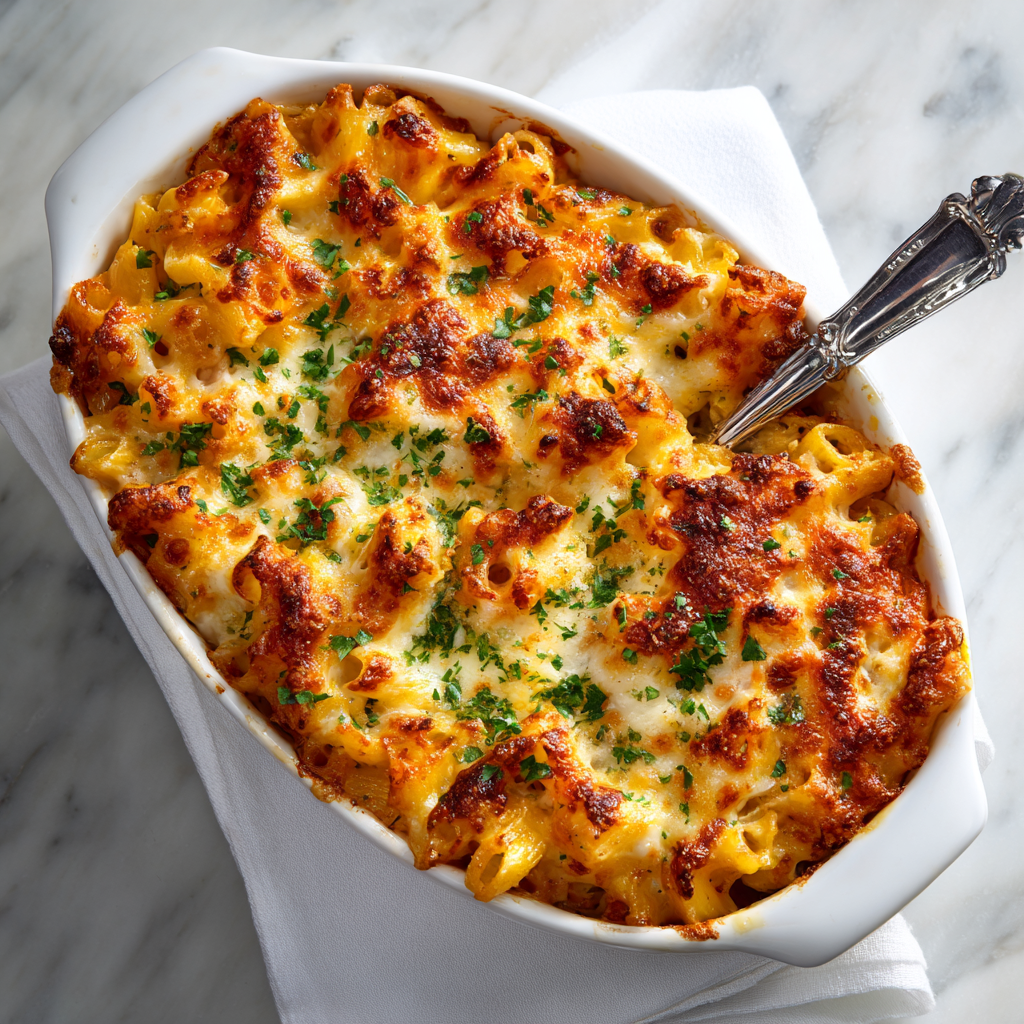
- The cheese should be completely melted and bubbly, and the breadcrumb topping should be golden and crispy.
- If not browning sufficiently after 25 minutes, increase the oven temperature to 425°F for the final 2-3 minutes.
- Watch carefully during this time to prevent burning—the top should be golden, not blackened.
- Remove from the oven and let rest for 5 minutes before serving, allowing the baked pasta to set slightly.
Final Presentation
- Sprinkle additional fresh parsley and chives over the top just before serving for brightness and visual appeal.
- Add a light sprinkle of lemon zest over the entire dish, which provides subtle brightness that complements the rich, cheesy flavors beautifully.
Serving and Storing Tips
How to Serve This Ultimate Comfort Dish
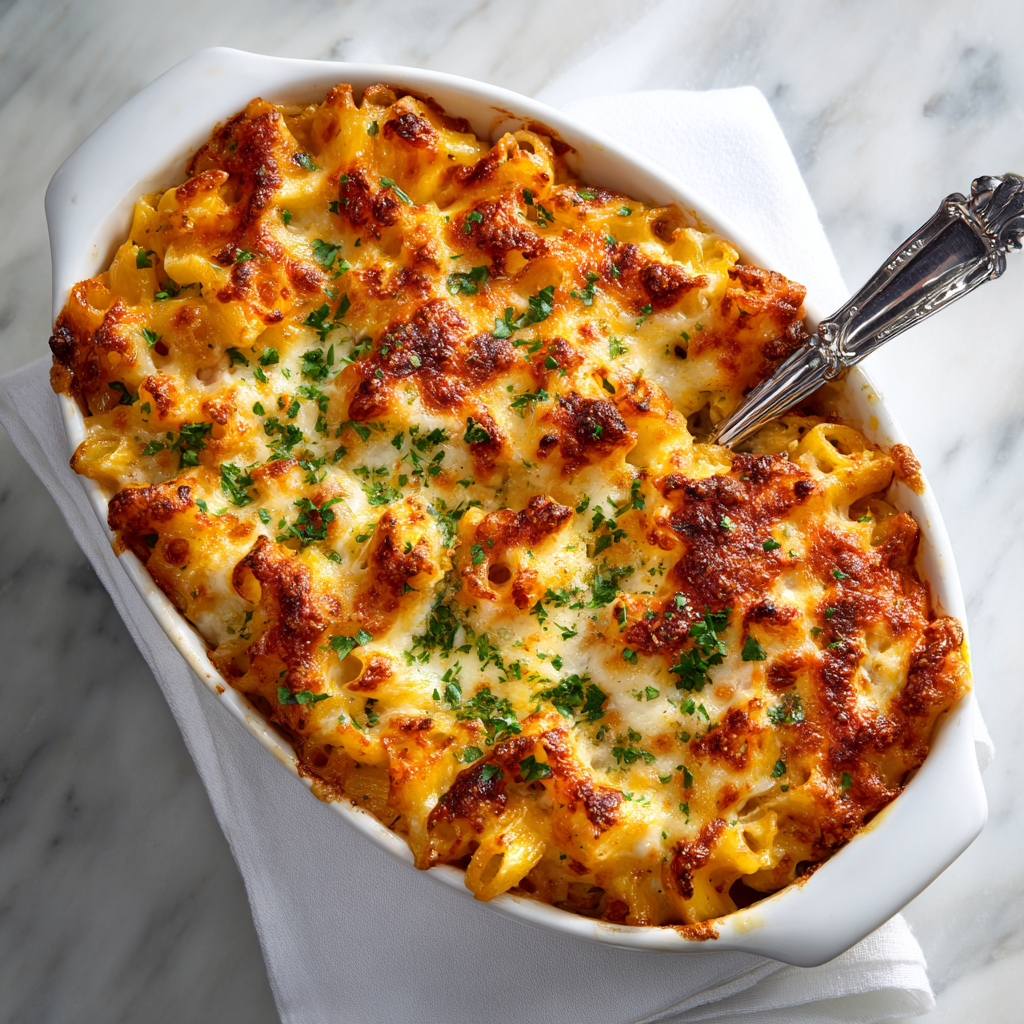
This cheesy baked pasta is essentially a complete meal on its own, requiring nothing more than perhaps a simple side salad or crusty bread for a completely satisfying dinner. However, if you want to round out the table, consider serving a fresh green salad dressed in light vinaigrette to cut through the richness and add brightness and freshness. Next, roasted vegetables like asparagus, green beans, or roasted broccoli provide wonderful textural contrast and additional nutrition without overwhelming the creamy, cheesy flavors. Additionally, steamed vegetables tossed with a touch of garlic and olive oil work beautifully alongside the baked pasta for a more balanced meal. For a more casual approach, serve with crusty bread or dinner rolls for soaking up any flavorful juices from the casserole. A light white wine like Pinot Grigio or even a crisp beer pairs beautifully with the rich, creamy cheese sauce and comforting pasta.
Storing Your Leftovers Properly
Store any leftover cheesy baked pasta in an airtight container in the refrigerator for up to 4 days, keeping it completely covered to prevent drying out. To reheat, place portions in a baking dish, cover loosely with foil, and warm at 350°F for 15-20 minutes until heated through—this gentle method prevents the pasta from becoming mushy or the cheese from becoming tough. Alternatively, microwave individual portions in a microwave-safe container for 1-2 minutes, stirring halfway through, though the oven method produces noticeably superior results for texture and cheese quality. For freezing, let the baked pasta cool completely before covering tightly with plastic wrap and foil for up to 3 months. Thaw frozen baked pasta overnight in the refrigerator and reheat gently in the oven at 350°F for 25-30 minutes until completely warmed through.
Helpful Tips and Tricks
Ingredient Substitutions and Variations
If you don’t have sharp cheddar cheese, use mild cheddar, Gruyère, or even Fontina cheese for different flavor profiles and melting qualities. Swap the pasta shape—penne, rigatoni, shells, or elbow pasta all work beautifully and trap sauce nicely in different ways. For a lighter version, use half-and-half or whole milk instead of heavy cream, reducing the cheese amounts by 1/4 cup. Fresh herbs can be replaced with dried herbs at one-third to one-half the quantity, though fresh parsley and chives provide noticeably more vibrant flavor. Consider adding sautéed mushrooms, caramelized onions, roasted red peppers, or cooked bacon to the pasta for additional flavor complexity and richness. For a spicier version, add a pinch of cayenne pepper or hot sauce to the cheese sauce for extra heat and depth.
Common Mistakes to Avoid
Many home cooks cook the pasta until completely soft before combining with sauce, which results in mushy pasta since it continues cooking in the oven—always cook to al dente. Don’t skip making the roux with flour; this creates the proper sauce consistency and prevents the cheese sauce from being too thin or breaking. Another common mistake is adding cold milk to hot butter, which can create lumps—always warm the milk before adding it gradually. Adding cheese while the sauce is too hot can cause it to become grainy rather than smooth—remove from heat before adding cheese. Finally, overfilling the baking dish can cause the mixture to bubble over during baking—fill only three-quarters full for safe, beautiful results.
Time-Saving Strategies
Prepare the cheese sauce completely the day before and refrigerate it, then cook the pasta and combine when ready to bake. Use store-bought shredded cheese if hand-shredding seems time-consuming, though freshly shredded melts more smoothly. Pre-measure all your seasonings into a small bowl the night before, making the cooking process require only quick, efficient steps. Another useful tip is cooking the pasta while the cheese sauce is being prepared, which streamlines the overall cooking process. Consider making a double batch of baked pasta and freezing half for future quick meals with minimal cooking required.
Chef Tips for Perfect Results
The absolute secret to incredibly smooth, silky cheese sauce is making a proper roux, warming the milk before adding it gradually, and never overheating the cheese—remove from heat before adding cheese to prevent graininess. Always use freshly shredded cheese when possible, as pre-shredded varieties contain anti-caking agents that prevent proper melting and can create grainy, unpleasant texture.
Frequently Asked Questions
Can I use different types of cheese? Absolutely—use any combination of cheeses you prefer; sharp cheddar, Gruyère, Fontina, or Gouda all work beautifully alone or in combination.
What if my cheese sauce is too thick or too thin? Add milk gradually to thin, or make more pasta to incorporate if too thick; cheese sauce will thicken slightly as it cools and bakes.
Can I prepare this completely ahead of time? Yes, assemble completely and refrigerate up to 24 hours before baking; add 5-10 extra minutes to baking time if starting cold.
How do I prevent the cheese from becoming stringy or breaking? Don’t overcook the sauce, remove from heat before adding cheese, and stir gently—avoid high heat once cheese is added.
Can I add vegetables to the baked pasta? Absolutely—add sautéed mushrooms, spinach, peas, or roasted red peppers to the pasta and sauce before baking for added nutrition and flavor.
Conclusion
This cheesy baked pasta recipe represents the perfect balance of ultimate comfort food and accessible home cooking, delivering results that taste exactly like the most delicious, indulgent versions served at family tables everywhere. Moreover, the combination of tender pasta, silky cheese sauce, and melted mozzarella creates a complete meal that satisfies everyone at the table while providing genuine comfort and satisfaction. The magic of this dish lies in respecting proper technique: making a proper roux for smooth sauce, warming milk before adding it gradually, and understanding the delicate balance of multiple cheeses working together. Additionally, this recipe is incredibly adaptable, allowing you to customize it with different cheeses, proteins, or vegetables without compromising the fundamental excellence of this beloved classic. I genuinely believe this will become a beloved staple in your cooking rotation because it’s simple enough for weeknight family dinners, impressive enough for casual entertaining, and so delicious that you’ll make it again and again. The combination of creamy cheese sauce, tender pasta, and luxurious melted cheese creates a complete meal that tastes like pure comfort and pure satisfaction in every single bite.
Did you love this recipe? Please save it, pin it, and share it with your friends and family! Your support means the world to us and motivates us to keep creating more delicious, easy recipes for you to enjoy. Let us know in the comments how your cheesy baked pasta turned out—we’d absolutely love to hear about your experience and any creative variations or cheese combinations you tried to make this ultimate comfort dish your own!