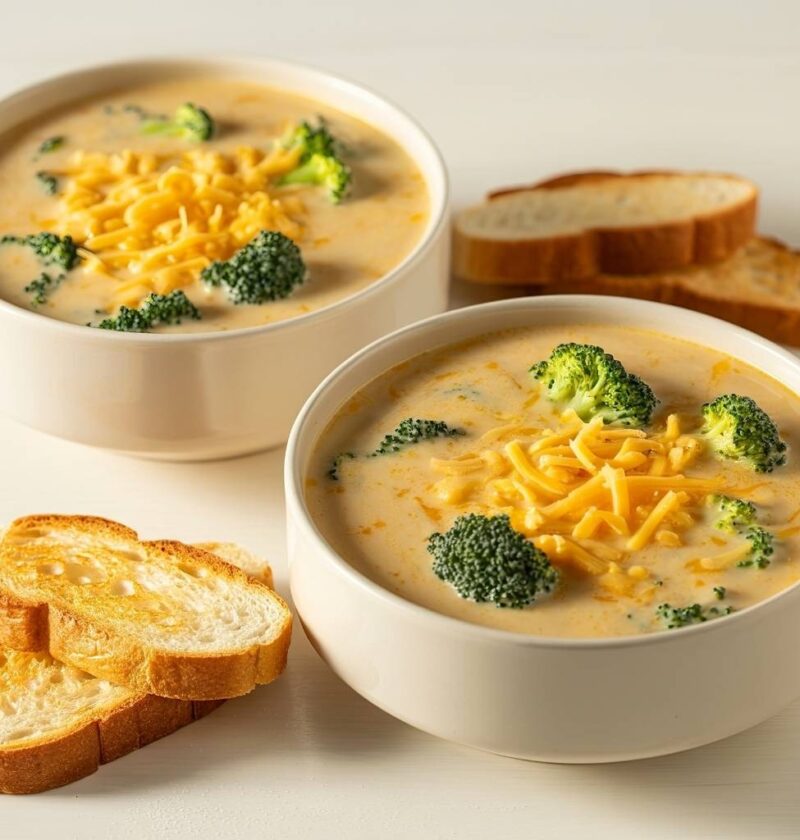
Few dishes carry the universal appeal and nostalgic comfort of a steaming bowl of chicken noodle soup—that perfect balance of tender chicken, silky noodles, and savory broth that somehow manages to soothe both body and spirit simultaneously. This timeless classic has earned its place at dinner tables worldwide not through complexity or pretension, but through its honest, genuine ability to nourish and console. First, what makes this soup truly special is its remarkable simplicity; it requires no exotic ingredients or advanced cooking techniques, yet delivers profound satisfaction with every spoonful. Additionally, the beauty of homemade chicken noodle soup lies in how vastly superior it tastes compared to canned versions, even though the preparation is straightforward enough for any home cook. Whether you’re nursing a cold, seeking comfort on a difficult day, or simply craving wholesome nourishment, this recipe delivers every single time. The magic happens when quality ingredients are treated with care and given adequate time to develop their flavors, transforming simple components into something genuinely greater than the sum of their parts.
Ingredients
This recipe makes 6 servings with generous bowls.
• 2 tablespoons butter • 1 large yellow onion, diced • 3 medium carrots, sliced into thin rounds • 3 celery stalks, diced • 5 cloves garlic, minced • 8 cups chicken broth (preferably homemade or low-sodium) • 3 cups cooked chicken, shredded or diced (about 1 pound) • 2 cups egg noodles or small pasta (uncooked) • 1 teaspoon sea salt (adjust to taste) • ½ teaspoon black pepper • 1 teaspoon dried thyme • ½ teaspoon dried oregano • ¼ teaspoon cayenne pepper (optional) • 2 bay leaves • Juice of half a fresh lemon • 3 tablespoons fresh parsley, chopped • 2 green onions, sliced thin (for garnish)
Detailed Step-by-Step Instructions
Melt the butter in a large stockpot over medium heat. Once the butter is foaming, add the diced onion and cook for about 4 minutes, stirring occasionally until the onion becomes soft and translucent. Next, add the sliced carrots and diced celery to the pot, stirring frequently for another 5 minutes to allow these vegetables to soften slightly and release their essential oils.
Add the minced garlic to the pot and cook for exactly one minute, stirring constantly so the garlic infuses the butter without burning or becoming bitter. Pour in the chicken broth carefully, then add the bay leaves and increase the heat to bring the mixture to a gentle boil. Additionally, season the broth with salt, pepper, dried thyme, dried oregano, and cayenne pepper if you enjoy a hint of heat.
Allow the broth to simmer for about 10 minutes, which gives the vegetables time to soften completely and the seasonings time to distribute throughout the liquid. Meanwhile, while the broth is simmering, bring a separate pot of salted water to boil for cooking the noodles. Furthermore, cooking the noodles separately prevents them from absorbing too much broth and becoming mushy before serving.
Cook the egg noodles according to package directions, then drain them in a colander. In contrast to adding uncooked noodles directly to the soup, this separate cooking method gives you complete control over the noodles’ texture. As a result, you’ll achieve perfectly al dente pasta that maintains its integrity throughout the soup.
Add the cooked chicken and the cooked noodles to the simmering broth, stirring gently to combine everything without breaking the noodles. Taste the soup carefully and adjust seasonings as needed, adding extra salt, pepper, or herbs depending on your preferences and the intensity of your broth. Furthermore, this tasting and adjusting step is crucial, as different broths vary in saltiness and flavor intensity.
Squeeze the fresh lemon juice into the pot and stir well, allowing the acidity to brighten all the flavors and create better balance. Additionally, stir in the fresh parsley, which adds both visual appeal and a fresh herbal note that elevates the entire dish.
Allow the soup to simmer gently for about 2 more minutes, giving the fresh parsley time to infuse slightly into the broth. Remove the bay leaves before serving. Ladle the soup into bowls and garnish each serving with sliced green onions for a final touch of color and freshness.
The Foundation of Great Chicken Noodle Soup
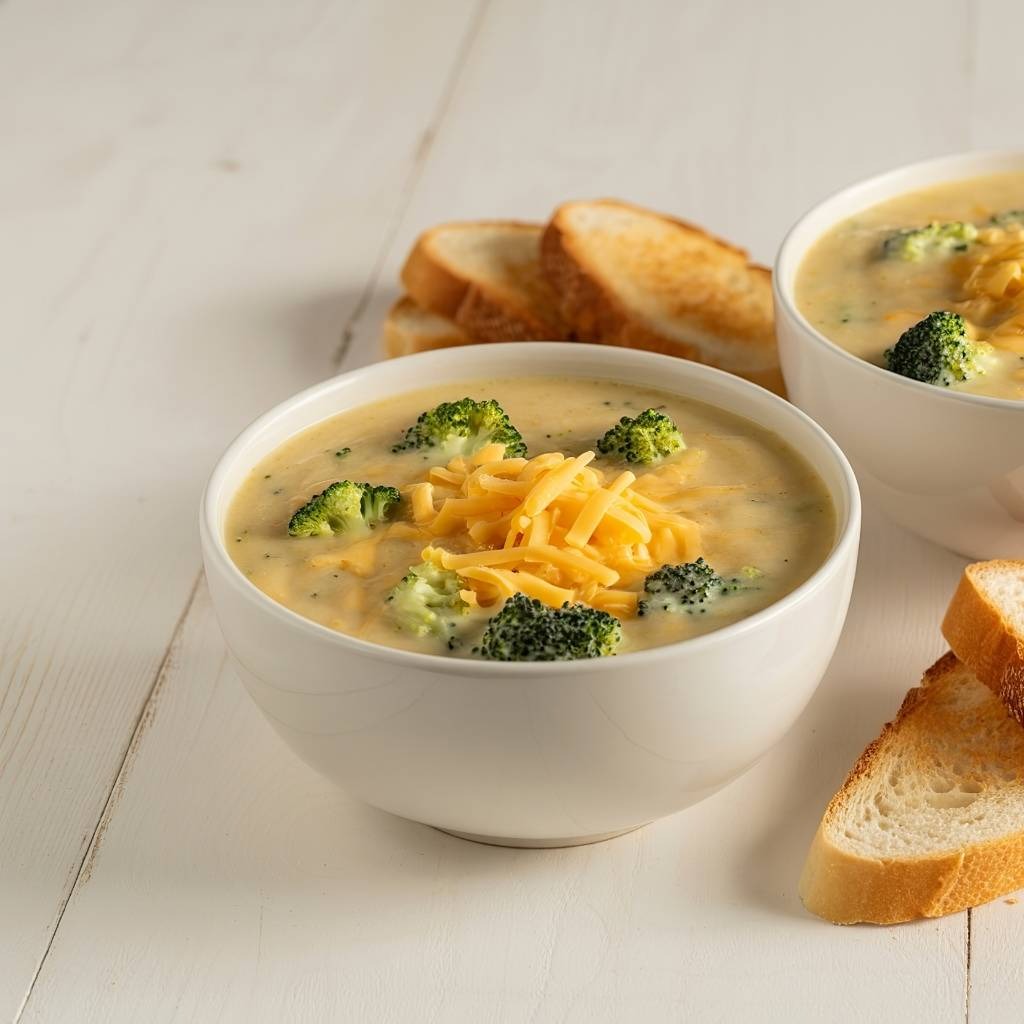
Understanding what makes chicken noodle soup truly exceptional helps you appreciate the recipe and make it consistently well. First, quality broth forms the foundation of exceptional soup—the difference between homemade broth and store-bought varieties is genuinely remarkable. Additionally, homemade broth develops subtle, complex flavors that store-bought versions simply cannot replicate, though good low-sodium store-bought broth works acceptably when time is limited.
The vegetables—carrots, celery, and onion—create what French cooks call mirepoix, a flavor base that provides depth and complexity throughout the soup. As a result, taking time to properly sauté these vegetables before adding broth creates a soup with genuine character and development. In contrast, skipping this step results in a flatter, less satisfying final product.
The decision to cook noodles separately rather than directly in the broth represents an important distinction between good soup and great soup. Furthermore, separately cooked noodles maintain their texture and don’t absorb excessive amounts of broth, which would make the soup starchy and heavy. Additionally, this method allows you to adjust broth-to-noodle ratio perfectly at serving time.
Serving Suggestions for Every Occasion
Serve chicken noodle soup immediately while it’s piping hot, as the warmth enhances both flavors and provides that quintessential comfort feeling. Pair it with crusty bread, oyster crackers, or buttery toast for a complete, satisfying meal. Additionally, a simple green salad offers fresh, crisp contrast to the warm, savory soup.
For casual dining, serve the soup directly from a beautiful pot at the table, allowing guests to help themselves family-style. Meanwhile, for more formal entertaining, ladle portions into individual bowls in the kitchen before presenting them to guests. Furthermore, offering extra crackers, fresh parsley, and sliced green onions on the side allows guests to customize their servings.
The versatility of this soup makes it suitable for various situations. Serve it as a comforting weeknight dinner, a healing meal for someone who’s been ill, or a first course at a more elaborate meal. Additionally, it’s equally appropriate for lunch on a quiet afternoon or as a warming supper during cold months.
Storing and Reheating Your Soup
Store leftover soup in an airtight container in the refrigerator for up to four days. The noodles will continue absorbing broth during storage, so the soup becomes slightly thicker—this is perfectly normal and actually quite pleasant. To reheat, place the desired amount in a saucepan over medium heat, stirring occasionally and adding extra broth or water if the soup has become too thick during storage.
Freezing is also an excellent option for longer-term storage, though note that freezing is best done without the noodles. First, allow the soup base (broth and vegetables with chicken) to cool completely to room temperature. Next, transfer it to freezer-safe containers, leaving about an inch of headspace. Label with the date and freeze for up to three months. When you’re ready to use it, thaw overnight in the refrigerator and reheat gently on the stovetop.
Cook fresh noodles separately and add them to the thawed soup just before serving. As a result, you’ll achieve perfectly cooked, tender noodles rather than ones that have absorbed liquid over weeks in the freezer. Furthermore, this approach means you can enjoy truly fresh-tasting soup even when using frozen components.
If you do freeze soup with noodles, the noodles may become very soft during freezing and reheating, though the soup will still taste delicious. However, cooking noodles fresh produces superior results and is worth the extra two minutes of effort.
Helpful Tips for Success
The quality of your broth truly makes the difference between merely acceptable soup and genuinely exceptional soup. If possible, use homemade chicken broth made from bones and aromatic vegetables—it delivers flavors that store-bought varieties cannot match. Meanwhile, if purchasing broth, select low-sodium varieties so you maintain control over salt levels throughout cooking.
Using rotisserie chicken saves significant time and effort. Additionally, it provides moist, flavorful chicken that actually tastes better than chicken cooked specifically for soup. As a result, you can have this soup on the table in less than 30 minutes.
Don’t skip the lemon juice at the end, as this acidic element brightens all the flavors and prevents the soup from tasting flat or one-dimensional. Furthermore, the brightness of lemon creates better balance against the richness of the broth.
Fresh parsley added just before serving provides both visual appeal and a fresh herbal quality that dried parsley simply cannot replicate. However, if you don’t have fresh parsley available, dried herbs work acceptably—just use about one-third the amount.
A common mistake involves cooking the noodles in the broth, which results in starchy, overcooked pasta and a thickened, cloudy broth. Instead, always cook noodles separately in salted water, then add them to individual bowls before ladling broth over them. As a result, you’ll achieve perfectly textured noodles and clear, clean-tasting broth.
The ratio of broth to noodles and chicken is important—you want more broth than noodles, creating a soup rather than a stew. Additionally, if your finished soup seems too thick after sitting overnight, simply add extra broth or water when reheating to restore the proper consistency.
Don’t boil the soup vigorously after all components are added; instead, maintain a gentle simmer so flavors develop harmoniously. In contrast, aggressive boiling breaks down delicate vegetables and makes the soup feel chaotic rather than coherent.
Chef Tips
Make a double batch of the vegetable base without noodles or chicken, then freeze portions for future quick meals—just thaw, add chicken and fresh noodles, and you have soup in minutes.
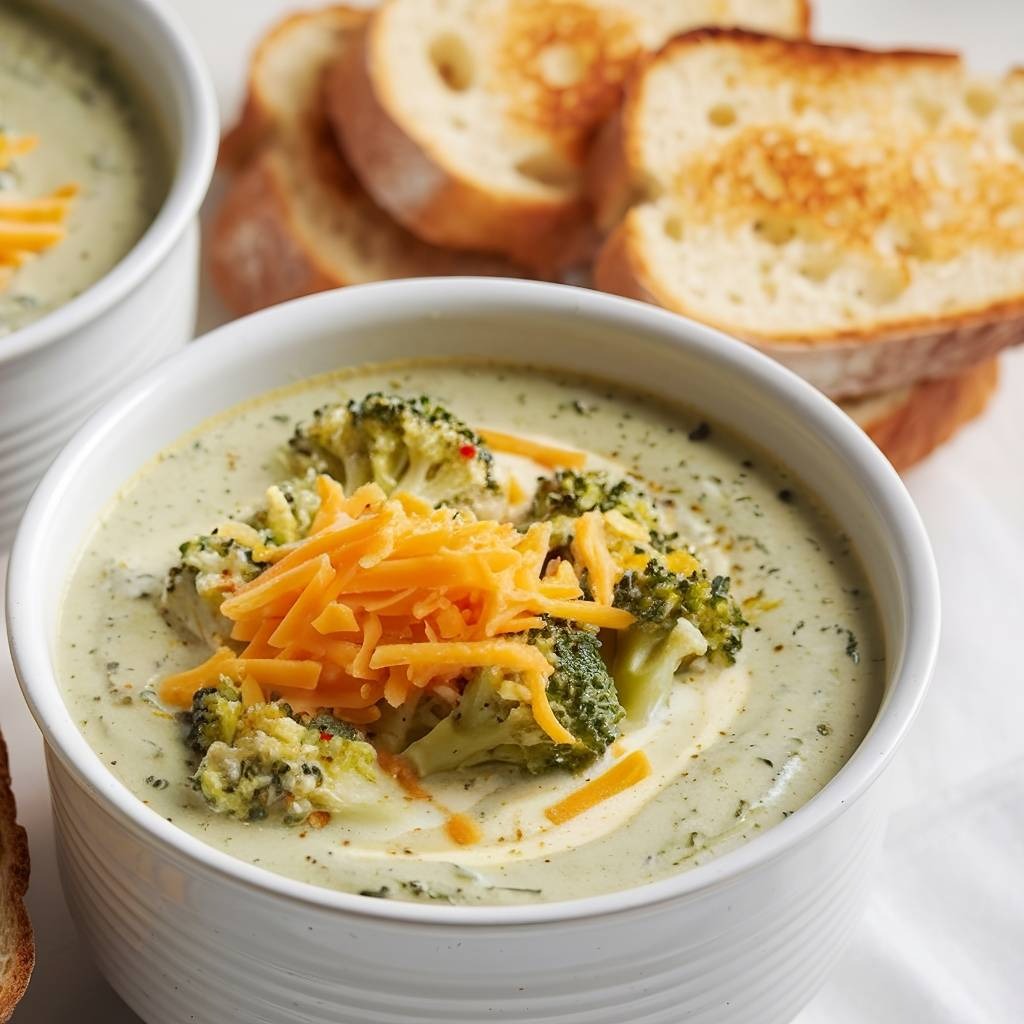
Toast your bread in a skillet with butter and garlic before serving alongside the soup; the rich, fragrant bread elevates the entire meal and provides the perfect vehicle for soaking up flavorful broth.
Frequently Asked Questions
Can I use store-bought rotisserie chicken? Absolutely—rotisserie chicken is actually an excellent choice, as it’s flavorful, moist, and saves significant cooking time compared to poaching chicken specifically for soup.
What type of noodles work best? Egg noodles are traditional and provide wonderful flavor, but small pasta shapes like ditalini, orzo, or small shells work beautifully as well; avoid large pasta shapes that can overwhelm individual spoonfuls.
How can I make this soup vegetarian or vegan? Use vegetable broth instead of chicken broth and substitute the chicken with cooked chickpeas, white beans, or extra vegetables, and use vegan butter if desired.
Can I add other vegetables? Yes, peas, corn, spinach, diced zucchini, or mushrooms all work wonderfully; add them during the simmering stage so they cook through and infuse the broth with flavor.
Is this soup freezer-friendly? Yes, it freezes excellently for up to three months, though freezing noodles with the soup results in softer pasta; freeze the broth base separately and cook fresh noodles when reheating.
Why Chicken Noodle Soup Remains Timeless
Chicken noodle soup has endured for generations because it transcends mere nutrition—it addresses something deeper, something fundamentally human. First, this soup carries emotional weight for most people; it connects us to memories of childhood, of being cared for, of feeling safe and nourished. Additionally, the simple act of making soup from scratch feels inherently nurturing and generous.
The universality of chicken noodle soup means it bridges cultural and generational divides. Furthermore, nearly every culture has its own version, suggesting that this combination of tender protein, soft vegetables, and warm broth speaks to something universal about human comfort and nourishment.
In contrast to trendy foods that come and go, chicken noodle soup remains steadfast and reliable. Additionally, it performs equally well as a casual weeknight dinner or as something special worthy of entertaining. As a result, this soup occupies a unique position in our culinary landscape—neither humble nor pretentious, but genuinely beloved across countless households.
Most importantly, this soup demonstrates that the best foods often come from simplicity rather than complexity. Furthermore, respecting quality ingredients and treating them with care creates results far superior to elaborate preparations using inferior components.
Final Thoughts
Chicken noodle soup represents everything worth loving about home cooking—accessibility, nourishment, comfort, and genuine care. Whether you’re making it for the first time or returning to a recipe you’ve prepared countless times, approach it with appreciation for its elegant simplicity and profound ability to satisfy.
The beauty of this soup lies in how it adapts to your needs and preferences while maintaining its essential character and soul. Additionally, the basic formula provides a foundation that welcomes creativity while respecting tradition.
Did this homemade chicken noodle soup become a beloved favorite in your kitchen? We’d absolutely love to hear about your experience making it! Please save this recipe to your collection so you can quickly find it whenever you need warmth and comfort, pin it to your Pinterest board for easy future reference, and share it with friends and family who deserve the nourishment and care that comes with homemade soup. Your support means the world to us and motivates us to keep creating more amazing recipes that bring joy and satisfaction to your table. Happy cooking!