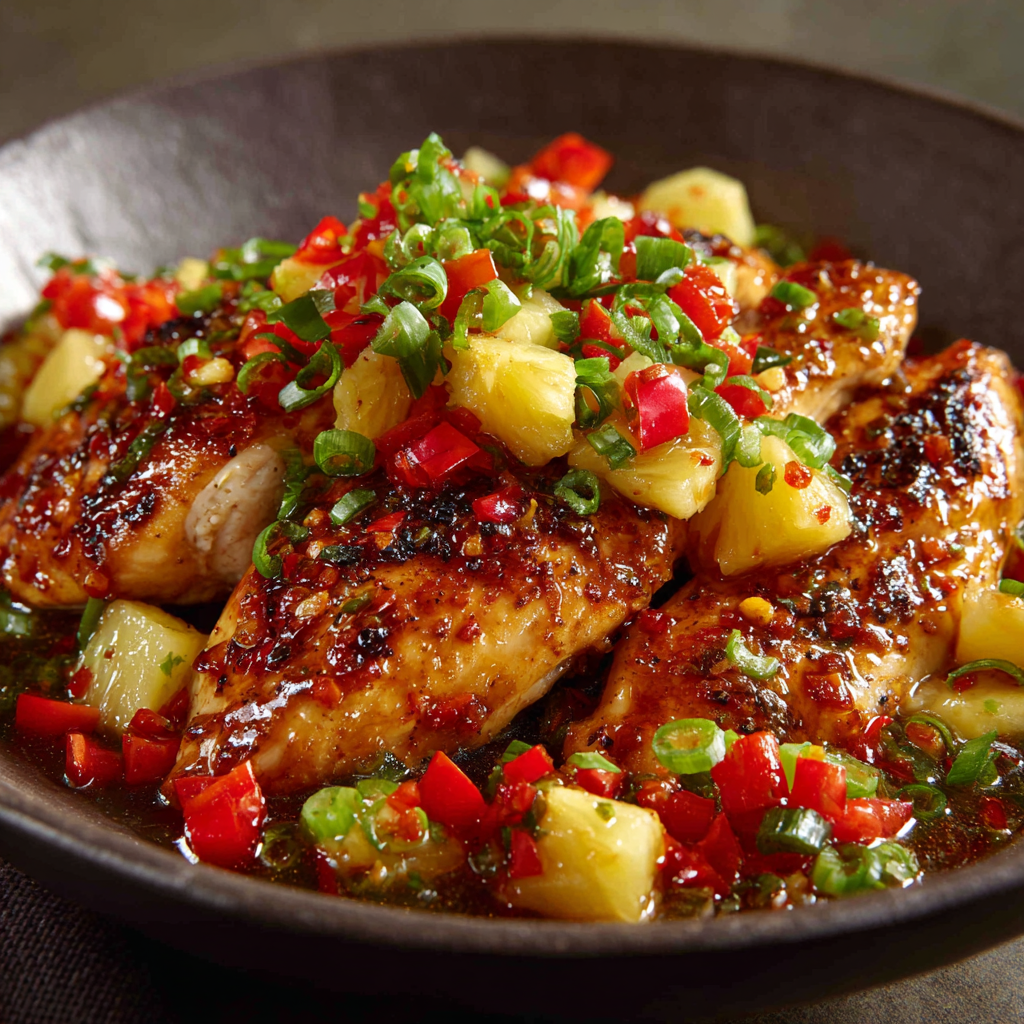
Imagine a restaurant-quality dinner on your table in under thirty minutes—tender chicken with a glossy, sweet and savory sauce studded with caramelized pineapple chunks. This chicken pineapple recipe delivers that restaurant experience without the wait, the crowds, or the hefty bill. What makes this dish genuinely special is how it balances the sweetness of fresh pineapple with savory chicken, creating a harmony of flavors that feels elegant yet approachable for everyday cooking. The sauce clings beautifully to each piece of chicken, creating a dish that tastes like you spent hours perfecting it when reality is far simpler. Whether you’re cooking for your family, impressing dinner guests, or seeking a weeknight meal that feels special, this chicken pineapple recipe accomplishes all three with surprising ease. The natural sweetness from pineapple juice combines with aromatic ginger, garlic, and soy sauce to create a sauce that’s neither overly sweet nor too savory—perfectly balanced for maximum flavor impact.
Ingredients
Servings: 4-6
- 2 pounds boneless, skinless chicken breasts or thighs
- 1 fresh pineapple (about 3-4 pounds) or 3 cups fresh pineapple chunks
- 3 tablespoons soy sauce
- 2 tablespoons honey or brown sugar
- 2 tablespoons rice vinegar or white vinegar
- 2 tablespoons cornstarch
- 1/4 cup pineapple juice (from fresh pineapple or canned)
- 3 cloves garlic, minced
- 1 tablespoon fresh ginger, minced
- 2 tablespoons coconut oil or vegetable oil
- 1/2 teaspoon sea salt
- 1/4 teaspoon black pepper
- 1/2 teaspoon red pepper flakes (optional, for heat)
- 1/4 cup fresh cilantro, chopped (optional)
- 2 green onions, sliced (optional)
- Sesame seeds (optional, for garnish)
- Cooked rice or noodles for serving
Why This Chicken Pineapple Combination Works So Well
First, pineapple contains natural enzymes that tenderize chicken while adding brightness and natural sweetness. Meanwhile, the acidity from pineapple juice balances the richness of chicken fat, creating a sauce that tastes lighter than heavy cream-based alternatives. However, the real magic lies in combining pineapple with ginger and garlic, which adds complexity and prevents the dish from tasting one-dimensional or overly fruity. Additionally, the caramelization that occurs when pineapple cooks in the sauce transforms it from simple fruit into a sophisticated flavor component. As a result, this dish delivers restaurant-quality taste that impresses without requiring special technique or hard-to-find ingredients.
Step-by-Step Instructions
1. Prepare your fresh pineapple for cooking. To begin, if using a whole pineapple, cut off the crown and base, then slice away the skin in vertical strips. Next, remove the eyes using a small knife, then cut the pineapple in half lengthwise. Afterward, cut each half into quarters and remove the core, then slice the pineapple into chunks about one to one-and-a-half inches. Reserve about one-quarter cup of pineapple juice for your sauce. Alternatively, use pre-cut fresh pineapple from the grocery store produce section for convenience.
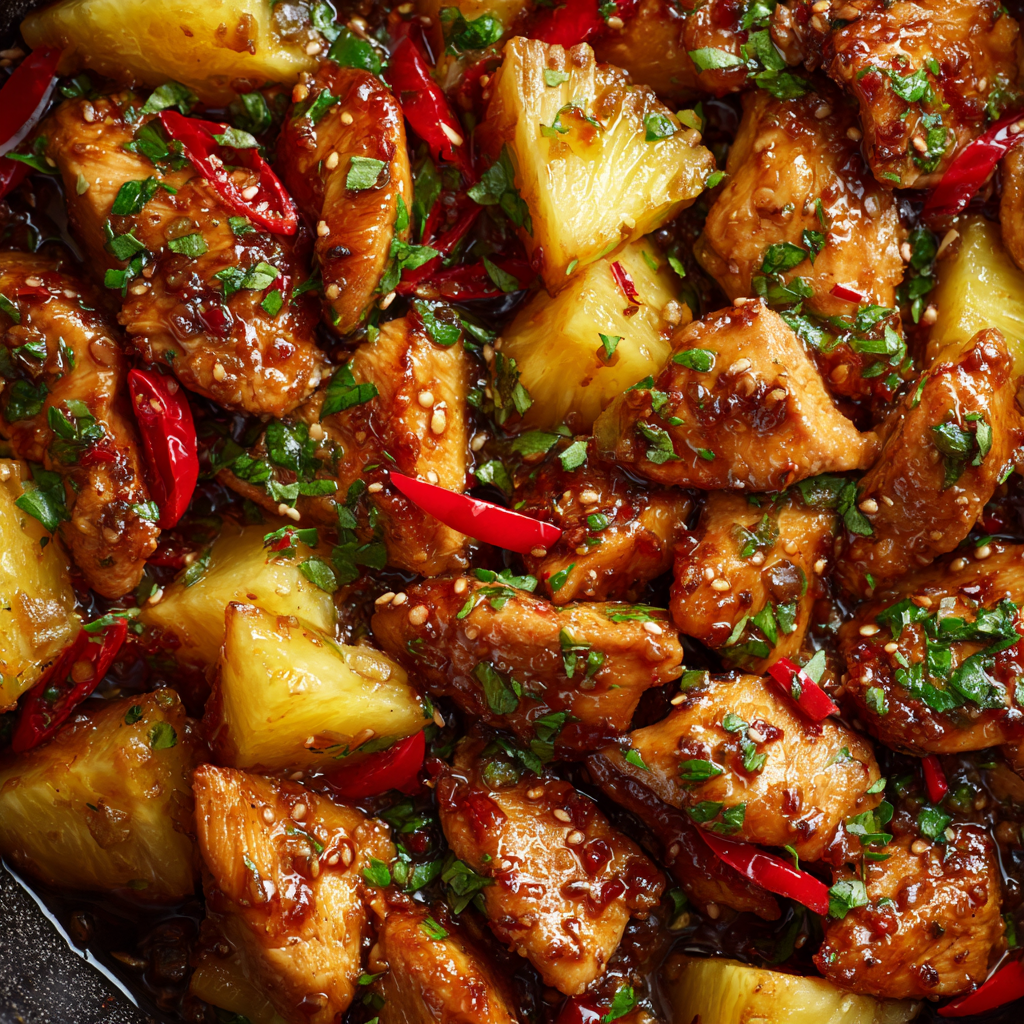
2. Prepare your chicken by cutting into uniform pieces. Pat your chicken breasts or thighs dry with paper towels. Next, cut them into bite-sized pieces approximately one-and-a-half inches square, ensuring pieces are relatively uniform in size for even cooking. Season your chicken generously with sea salt and black pepper. Additionally, uniform sizing ensures all pieces cook at the same rate.
3. Create your sauce in a small bowl. In a small mixing bowl, whisk together the soy sauce, honey, rice vinegar, pineapple juice, and cornstarch until smooth and well combined. Meanwhile, ensure no cornstarch lumps remain, as they will affect your sauce’s texture. Additionally, taste the mixture and adjust sweetness or saltiness to your preference—this sauce can be customized to your taste.
4. Prepare your garlic and ginger. Mince three cloves of garlic finely, and mince about one tablespoon of fresh ginger as well. Meanwhile, fresh ginger delivers far superior flavor compared to ground ginger, so using fresh is worth the extra effort. However, if only ground ginger is available, use one-quarter teaspoon instead.
5. Heat your oil in a large skillet or wok over high heat. Pour the coconut oil or vegetable oil into a large skillet and place it over high heat. Next, wait until the oil is shimmering and nearly smoking—this indicates proper temperature for searing chicken. Meanwhile, proper heat is essential for creating golden, flavorful chicken exteriors.
6. Sear the chicken in batches. Working in batches to avoid overcrowding your pan, carefully place seasoned chicken pieces into the hot oil. First, allow them to sear undisturbed for about two minutes on one side, creating a golden-brown exterior. Afterward, flip each piece and sear the other side for an additional one to two minutes. Next, transfer your seared chicken to a clean plate, and repeat with remaining chicken.
7. Cook your aromatic ingredients. Return your skillet to medium-high heat. Next, add your minced garlic and ginger to the remaining oil, stirring constantly for about thirty seconds to one minute. Meanwhile, the aromatics will become fragrant and slightly golden. However, avoid burning them by not leaving them unattended. Additionally, if using red pepper flakes, add them now for subtle heat.
8. Add your pineapple chunks to the skillet. Pour your prepared pineapple chunks into the skillet with the garlic and ginger. Stir everything together, allowing the pineapple to cook in the aromatic oil for about two minutes. Meanwhile, the pineapple will begin to caramelize slightly on the edges. In contrast to using only pineapple juice, fresh chunks provide texture and visual appeal.
9. Return the chicken to the skillet. Pour your seared chicken pieces back into the skillet with the pineapple and aromatics. Stir everything together, ensuring each piece of chicken is coated with the fragrant oil and surrounded by pineapple chunks. Next, allow the mixture to heat through for about one minute over high heat.
10. Add your sauce to the skillet. Pour your prepared sauce directly over the chicken and pineapple mixture. Immediately begin stirring constantly to prevent the cornstarch from clumping on the bottom of the pan. Meanwhile, the sauce will begin to thicken almost immediately as it heats.
11. Simmer until the sauce reaches desired thickness. Continue stirring frequently for about three to five minutes, allowing the sauce to thicken and coat each piece of chicken beautifully. First, the sauce will transform from watery and thin to glossy and silky. However, if you prefer a thinner sauce, simmer for just two to three minutes. Meanwhile, if you want a thicker sauce, simmer for a few additional minutes until you reach your desired consistency.
12. Check chicken doneness and adjust seasoning. Ensure all chicken pieces are cooked through completely—the largest piece should reach an internal temperature of 165 degrees Fahrenheit. Meanwhile, taste the sauce and adjust the seasoning as needed, adding more soy sauce for saltiness, honey for sweetness, or vinegar for tang. In contrast to tasting before fully cooked, this final check ensures perfect flavor balance.
13. Remove from heat and add optional fresh ingredients. Turn off your heat. Next, add your chopped fresh cilantro and sliced green onions if desired, folding them gently into the sauce. These fresh elements add brightness and contrast to the rich, savory-sweet sauce. However, the dish is absolutely delicious without these garnishes.
14. Serve over rice or noodles. Portion your chicken pineapple over cooked rice, noodles, or your preferred grain. Meanwhile, ensure you pour the glossy sauce generously over everything, as the sauce is the star of this dish. Additionally, garnish with sesame seeds if desired for added visual appeal and nutty flavor.
Serving and Storage Tips
How to Serve Your Chicken Pineapple
First, serve your chicken pineapple immediately while the sauce is still glossy and warm. Next, white rice, jasmine rice, or brown rice all complement this dish beautifully, soaking up the delicious sauce. Additionally, rice noodles, udon noodles, or even regular pasta work wonderfully if you prefer noodles. However, this dish is equally satisfying served over cauliflower rice for a lower-carb option. Furthermore, fresh cilantro, green onions, and sesame seeds create an impressive presentation when scattered over the top. As a result, this dish works equally well for casual weeknight dinners and impressive dinner party presentations.
Proper Storage Methods
To begin, store leftover chicken pineapple in an airtight container in the refrigerator for up to four days. Next, the flavors actually deepen as the dish sits, making it wonderful for meal prep or next-day enjoyment. Additionally, this dish freezes beautifully for up to three months when stored in a freezer-safe container. Furthermore, thaw frozen portions overnight in the refrigerator before reheating gently on the stovetop with a splash of water if needed. However, add fresh garnishes like cilantro and green onions after reheating rather than before freezing. In contrast to many sauced dishes, this chicken pineapple maintains excellent texture and flavor after freezing.
Helpful Notes and Tips for Success
Understanding key techniques ensures your chicken pineapple turns out absolutely delicious every single time. First, proper heat when searing chicken is absolutely essential for developing flavorful, golden exteriors. Meanwhile, high heat creates what cooks call the Maillard reaction—a chemical process that develops complex flavors and attractive color. However, medium or low heat results in pale, steamed chicken rather than beautifully seared pieces.
Next, fresh pineapple is superior to canned for this recipe because the fruit maintains its structure and texture during cooking. Additionally, canned pineapple tends to become mushy and loses its appealing appearance. However, if fresh pineapple isn’t available, canned works acceptably, though results won’t be quite as impressive.
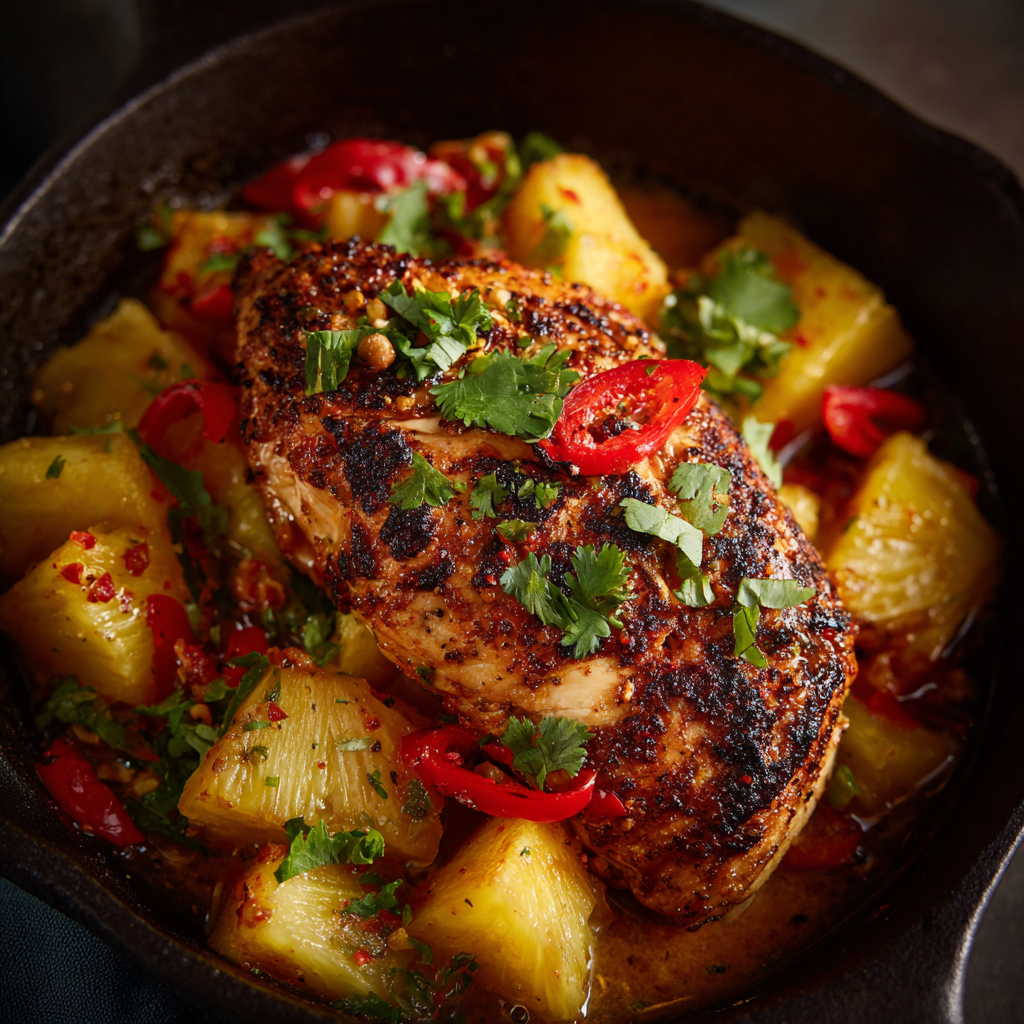
Furthermore, cornstarch is essential for creating the glossy, silky sauce that clings to chicken and pineapple. To begin, this thickening agent is superior to flour for Asian-inspired dishes because it creates clarity and shine. Meanwhile, properly whisking cornstarch into your sauce liquid before adding prevents lumps.
Additionally, the quality of your soy sauce matters for flavor. Meanwhile, better soy sauce delivers more complex, nuanced saltiness. However, any regular soy sauce works acceptably, though premium varieties create noticeably superior results.
Finally, cooking chicken in batches prevents overcrowding your pan, which keeps the temperature high enough for proper browning. To begin, overcrowded pans cause steaming rather than searing. As a result, patience when cooking chicken in multiple batches produces superior final results.
Common Mistakes to Avoid
To begin, one frequent error is overcrowding the skillet when searing chicken. Meanwhile, too many pieces simultaneously drops the oil temperature, resulting in pale, steamed chicken rather than beautifully browned pieces. However, cooking in batches solves this issue completely.
Additionally, another mistake involves skipping the searing step entirely and simply dumping raw chicken into the sauce. In contrast, searing creates flavorful, golden exteriors through the Maillard reaction. Furthermore, some home cooks use only canned pineapple juice without any fresh fruit, missing out on the textural contrast that fresh pineapple provides.
Finally, stirring the sauce constantly is absolutely essential to prevent lumps from forming where cornstarch settles. Meanwhile, insufficient stirring results in a lumpy, unappetizing sauce. As a result, stay engaged with your cooking and keep that sauce moving.
Chef Tips
Professional cooks recommend preparing all your ingredients before beginning to cook—what chefs call mise en place—as this ensures smooth, stress-free cooking with no scrambling mid-process. Additionally, for extra depth, add one tablespoon of fish sauce to your sauce, which enhances savory flavors without making the dish taste fishy, creating restaurant-quality complexity.
Frequently Asked Questions
Can I use frozen chicken instead of fresh? You can use frozen chicken if thawed completely beforehand. However, thawed frozen chicken may release more liquid when searing, requiring extra patience to achieve golden browning. Fresh chicken produces superior texture and flavor.
What can I substitute for pineapple if someone is allergic? You can use mango chunks, bell peppers, or even peaches for similar sweetness and visual appeal. However, you may need to adjust honey or vinegar amounts depending on the fruit’s natural sweetness and acidity.
Can I make this dish in a slow cooker instead of on the stovetop? You can, though you’ll miss the seared chicken exterior that creates superior flavor. If using a slow cooker, sear the chicken first in a skillet, then transfer to the slow cooker with remaining ingredients and cook on low for 4-5 hours.
How spicy will this dish be if I use red pepper flakes? The red pepper flakes add subtle heat without making the dish overly spicy. Start with the suggested half-teaspoon and add more to taste if you prefer more heat.
Can I make this dish ahead and reheat it? Absolutely. This dish actually tastes even better the next day as flavors develop and meld. Simply reheat gently on the stovetop or in the microwave without overcooking the chicken.
Why This Chicken Pineapple Becomes a Weeknight Favorite
First, the combination of sweet pineapple and savory chicken creates a flavor profile that appeals to everyone, making this dish excellent for family meals. Next, the entire dish comes together in about thirty minutes, making it perfect for busy weeknights. Meanwhile, minimal cleanup compared to many main dishes means you spend less time at the sink. Additionally, the sauce is glossy and impressive-looking without requiring any special technique or culinary training. Furthermore, because it freezes beautifully, you can batch-prepare for meal prep success.
As a result, this chicken pineapple bridges the gap between weeknight convenience and restaurant-quality results perfectly. In contrast to takeout that arrives cold and uninspiring, homemade versions taste infinitely better and cost significantly less. However, this dish requires no special equipment or hard-to-find ingredients. Additionally, once you master this basic formula, you’ll find yourself making variations using different proteins or vegetables. Therefore, this recipe deserves a permanent place in your dinner rotation.
The Bottom Line
Chicken pineapple represents the ideal solution for those seeking impressive, restaurant-quality dinners without the restaurant wait or expense. Next, whether you’re cooking for family, entertaining guests, or simply wanting dinner that tastes special on a regular Tuesday, this recipe delivers professional results every single time. Additionally, the combination of tender chicken, caramelized pineapple, and glossy sauce creates something genuinely memorable and worth repeating frequently.
To begin your chicken pineapple journey, gather fresh chicken and a ripe pineapple this week. Afterward, set aside just thirty minutes on your next weeknight to create this impressive dish. Furthermore, as you watch your family or guests enjoy every last bite, commenting on how restaurant-quality this tastes, you’ll understand why this recipe deserves regular rotation in your dinner repertoire. The authentic flavor, impressive presentation, quick preparation time, and genuine deliciousness combine to create something truly special that transforms ordinary weeknight dinners into memorable meals.
Did you adore this chicken pineapple recipe? We’d absolutely love to hear about it! Please save this recipe for your next weeknight dinner adventure, pin it to your Pinterest board for easy access, and share it with friends and family who deserve impressive, delicious meals. Your love and support mean everything to us—every save, share, and pin encourages us to create more delicious recipes and helpful cooking content. Thank you for being part of our warm, welcoming culinary community!