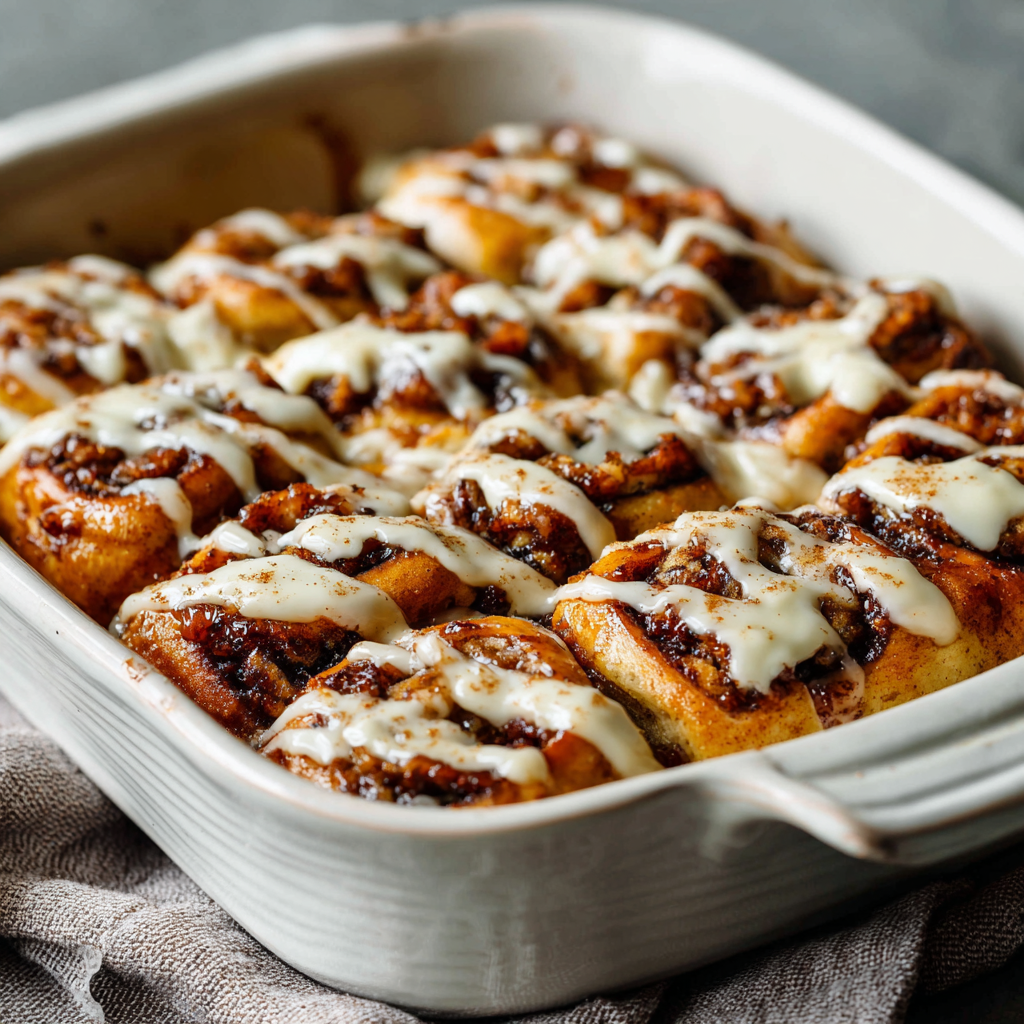
What happens when you combine the cozy comfort of warm cinnamon rolls with the rustic simplicity of Italian focaccia? First, magic happens. This innovative Cinnamon Roll Focaccia bridges two beloved baking traditions into one stunning creation that defies categorization and delights every palate. The moment you pull this beauty from the oven, your entire home fills with an aroma so intoxicating that family members emerge from every corner asking when they can have a slice. What makes this recipe truly special is its surprising versatility—serve it as a sweet breakfast treat, a decadent dessert, or even as an unexpected brunch centerpiece that sparks conversation. Additionally, the soft, pillowy focaccia base provides the perfect canvas for sweet cinnamon-sugar swirls and a luscious glaze that soaks into every bite. Unlike traditional cinnamon rolls, this focaccia-style version bakes up flatter, allowing easier sharing and serving to larger groups. Furthermore, the technique combines straightforward bread-making with foolproof sweetness, making it accessible to bakers of all experience levels. Whether you’re an experienced breadmaker exploring new territory or a casual home baker seeking something exciting and achievable, this recipe welcomes you with open arms.
Ingredients
Serves 8-10
For the Focaccia Dough:
- 3 cups all-purpose flour
- 1 tablespoon instant yeast
- 1 tablespoon granulated sugar
- 1½ teaspoons sea salt
- 1 cup warm water (110°F)
- 3 tablespoons extra virgin olive oil, divided
- ½ teaspoon garlic powder
For the Cinnamon-Sugar Filling:
- ½ cup unsalted butter, melted
- ¾ cup granulated sugar
- 3 tablespoons ground cinnamon
- ½ teaspoon sea salt
- ¼ teaspoon ground nutmeg
- 2 tablespoons crystallized ginger, finely chopped (optional)
For the Glaze:
- 1 cup powdered sugar, sifted
- 2½ tablespoons whole milk
- 1 tablespoon melted butter
- ½ teaspoon vanilla extract
- Pinch of sea salt
For Topping:
- 2 tablespoons coarse sea salt
- 1 tablespoon rosemary or thyme (optional, for garnish)
- Extra powdered sugar for dusting
Understanding Focaccia and Cinnamon Swirl Fusion
Creating Cinnamon Roll Focaccia requires understanding how each component contributes to the final result. Next, focaccia traditionally relies on generous olive oil and a yeast-based dough for its characteristic tender crumb and dimpled surface. Meanwhile, cinnamon rolls depend on sweet filling and sugar spirals for their signature appeal. Additionally, combining these techniques means adjusting expectations—your creation won’t have tight cinnamon roll spirals, but rather beautiful swirled layers visible when sliced. This understanding prevents disappointment and allows full appreciation of what makes this recipe uniquely wonderful.
Step-by-Step Instructions
- Combine warm water, instant yeast, and granulated sugar in a large mixing bowl, stirring gently to combine. Allow this mixture to rest undisturbed for approximately 5 minutes until foamy, indicating the yeast is active and viable.
- Add all-purpose flour, sea salt, and garlic powder to the yeast mixture, stirring with a wooden spoon until a shaggy dough forms. Next, add 2 tablespoons of extra virgin olive oil to the dough, stirring until the oil is fully incorporated.
- Turn the dough onto a lightly floured work surface and knead for 8-10 minutes until smooth, elastic, and supple. The dough should bounce back slightly when poked with a finger. Subsequently, shape the dough into a ball.
- Oil a large bowl with the remaining 1 tablespoon of olive oil and place the dough ball inside, turning it to coat all surfaces. Cover the bowl with a clean kitchen towel and allow the dough to rise at room temperature for 1 to 1½ hours until doubled in volume.
- Meanwhile, prepare the cinnamon-sugar filling by whisking together granulated sugar, ground cinnamon, sea salt, and nutmeg in a small bowl. Additionally, if using crystallized ginger, finely chop it and set aside separately.
- When the dough has doubled, preheat your oven to 400°F and position the rack to the center. Subsequently, oil a 13-by-9-inch baking pan or similar rectangular pan generously with olive oil.
- Transfer the risen dough to your oiled baking pan, pressing and stretching it gently to fill the entire surface evenly. Work from the center outward, being careful not to tear the dough.
- Using your fingertips, create shallow dimples across the entire surface of the dough, which is characteristic of authentic focaccia. This technique helps the dough cook evenly and creates pockets for olive oil.
- Drizzle the melted butter evenly across the dough surface, allowing it to pool slightly in the dimples. Subsequently, sprinkle the cinnamon-sugar mixture generously over the buttered dough, ensuring even distribution from edge to edge.
- Add the optional crystallized ginger pieces scattered across the surface if desired, pressing them gently so they adhere to the sticky filling.
- Using a knife or bench scraper, create swirls by gently dragging the blade through the filling in curved patterns, creating beautiful spiral designs visible through the dough. However, avoid cutting too deeply into the dough itself; these should be surface swirls only.
- Cover the pan loosely with a clean kitchen towel and allow the dough to rise for 20-30 minutes until slightly puffed. This second rise is shorter than the first because the dough is already aerated.
- Place the pan in your preheated 400°F oven and bake for 20-25 minutes until golden brown on top and cooked through. Additionally, the edges and bottom should turn deep golden brown, indicating proper baking.
- Remove the focaccia from the oven and allow it to cool in the pan for 5 minutes only. Subsequently, turn it out onto a wire rack to cool completely before applying the glaze.
- While the focaccia cools, prepare the glaze by whisking together sifted powdered sugar, milk, melted butter, vanilla extract, and sea salt until smooth and pourable. The consistency should resemble thin honey.
- Drizzle the glaze generously over the cooled focaccia, allowing it to cascade naturally across the surface and into the dimples. For a more generous glaze, double the amount and apply liberally.
- Finish with a sprinkle of powdered sugar for sweet appeal and optional fresh rosemary or thyme for rustic sophistication. The contrast between sweet glaze and herbaceous garnish creates visual and flavor interest.
- Allow the glaze to set for approximately 10-15 minutes before slicing and serving. This timing prevents the glaze from being overly sticky while maintaining its glossy finish.
Mastering the Focaccia Technique
The success of any focaccia begins with understanding the importance of dimpling and olive oil distribution. First, those characteristic dimples aren’t merely decorative—they serve functional purposes by creating pockets where olive oil pools and conducts heat more effectively. Additionally, this technique prevents large air pockets from forming on the surface and ensures even baking throughout. Meanwhile, the generous olive oil coating is what distinguishes focaccia from ordinary bread, creating a crispy exterior and tender interior impossible to achieve any other way.
Serving and Storing Tips
Serving Suggestions
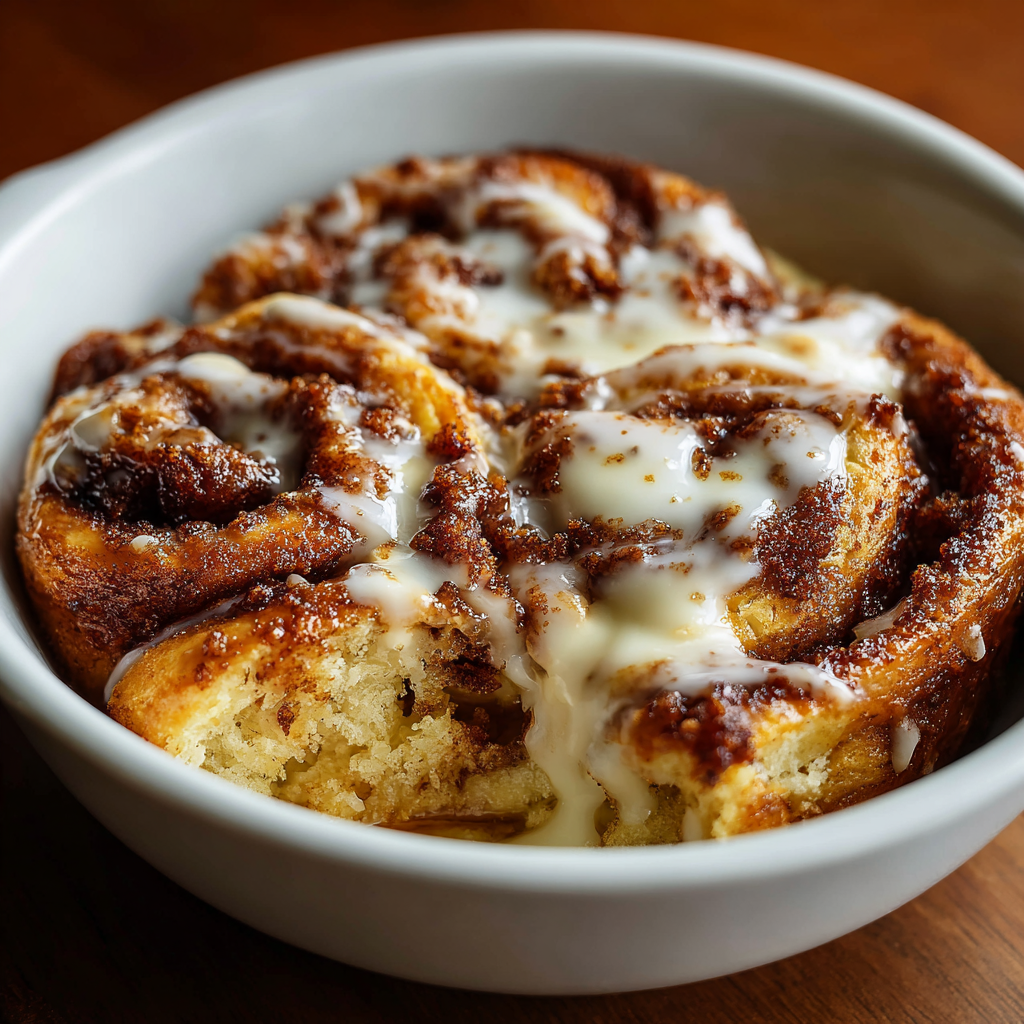
Serve this stunning Cinnamon Roll Focaccia warm or at room temperature for maximum enjoyment of both texture and flavor. First, pair it with strong coffee, espresso, or rich hot chocolate for an exceptional breakfast or brunch experience. Additionally, serve alongside fresh fruit, yogurt, or whipped cream for a more substantial meal. For afternoon gatherings, present it as an elegant alternative to traditional desserts that surprises and delights guests. Furthermore, tear pieces by hand rather than using utensils, encouraging casual, communal eating that makes everyone feel welcome and comfortable.
Storage Tips
Store cooled focaccia in an airtight container at room temperature for up to 2 days, keeping it soft and moist without becoming stale. However, if your kitchen runs warm or you live in a humid climate, refrigerate the focaccia loosely covered for up to 3 days. To revive slightly stale focaccia, wrap it loosely in foil and warm it in a 300°F oven for about 10 minutes. Subsequently, the dough’s moisture content allows for successful freezing—wrap the completely cooled focaccia tightly in plastic wrap and aluminum foil, storing it in the freezer for up to one month. When ready to serve, thaw overnight on the counter before unwrapping and warming gently as described above.
Helpful Notes and Variations
Understanding how to customize this recipe ensures it meets your specific preferences and any dietary considerations. Next, if you dislike crystallized ginger, simply omit it entirely without affecting the focaccia’s success or texture. Meanwhile, those preferring more subtle cinnamon flavor can reduce the ground cinnamon to 2 tablespoons while maintaining all other measurements. Additionally, if you lack traditional focaccia experience, remember that slight imperfections in shaping contribute to rustic charm rather than detracting from the final result.
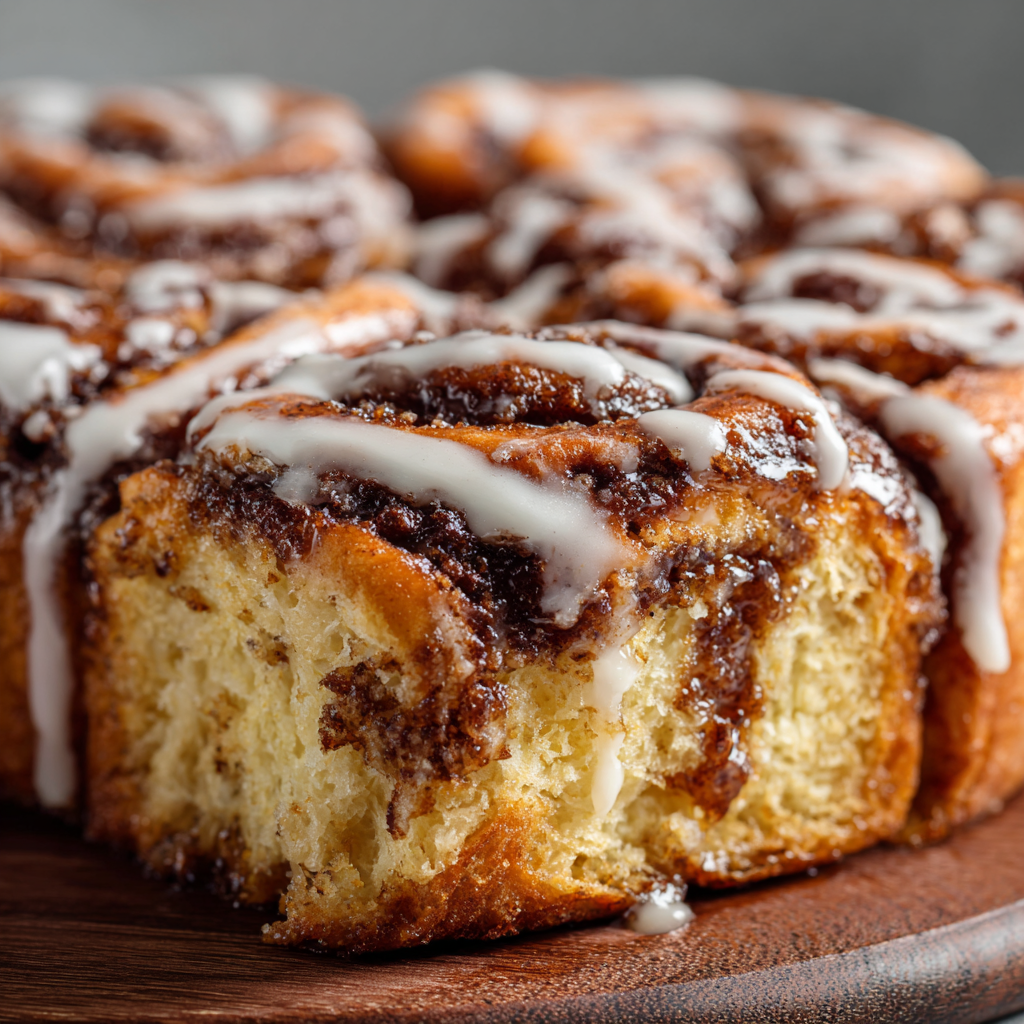
The filling variations offer endless creative possibilities for experimentation. For those who adore chocolate, add 2 tablespoons of unsweetened cocoa powder to the cinnamon-sugar mixture for deeper complexity. In contrast, substituting half the cinnamon with cardamom creates sophisticated Middle Eastern notes. Subsequently, some bakers incorporate chopped pecans or walnuts into the filling for textural contrast and nutty richness. Furthermore, adding ½ teaspoon of vanilla extract to the cinnamon-sugar mixture enhances the overall sweetness and aroma.
Common mistakes occur when bakers allow the second rise to continue too long, resulting in overproofed dough that doesn’t hold its shape during baking. Instead, watch for slight puffing rather than doubling in volume. Additionally, applying the glaze to warm focaccia causes it to melt unevenly; always wait until completely cooled. Furthermore, using water instead of milk in the glaze creates thinner consistency that doesn’t cling to the focaccia properly; milk’s fat content creates better adhesion and creamier flavor.
Chef Tips for Exceptional Results
First, invest in an instant-read thermometer and check that your water reaches exactly 110°F for optimal yeast activation without killing the living cells. Subsequently, allowing the dough to rest for 5 minutes after adding yeast ensures you’ll see dramatic foaming, confirming healthy yeast activity before proceeding further.
Frequently Asked Questions
Can I make this focaccia ahead and reheat it? Yes, bake it completely and wrap it tightly; reheat wrapped in foil at 300°F for 10-15 minutes until warm through while maintaining moisture.
What if I don’t have coarse sea salt for topping? Regular sea salt or even kosher salt works perfectly fine, though coarse varieties provide more authentic focaccia texture and visual appeal.
Can I make the dough the night before and bake it the next day? Absolutely! Prepare the dough through step 7, cover, and refrigerate overnight; allow it to come to room temperature before the second rise and baking.
Is this recipe suitable for those with yeast sensitivities? No, this recipe requires active yeast for proper rise and structure; those with sensitivities should explore non-yeast bread alternatives instead.
Can I use whole wheat flour instead of all-purpose flour? Yes, though the texture will be denser; substitute up to half the all-purpose flour with whole wheat flour for a nuttier flavor.
Exploring Creative Variations
This versatile recipe welcomes numerous flavor explorations that keep it exciting and fresh throughout the year. Next, adding 1 tablespoon of orange zest to the cinnamon-sugar filling creates bright citrus notes perfect for spring. Meanwhile, some bakers incorporate maple syrup into the glaze instead of milk for deeper, more complex sweetness. Additionally, sprinkling black sesame seeds across the surface creates visual drama and nutty flavor. Furthermore, a savory variation using everything bagel seasoning instead of cinnamon creates an entirely different focaccia style for those preferring less sweetness.
The Perfect Bread-Dessert Hybrid
Cinnamon Roll Focaccia occupies a delightful space between bread and dessert, making it perfect for virtually any occasion or meal time. First, this hybrid approach appeals to people seeking something sweeter than everyday bread but less formal than traditional desserts. Subsequently, the casual nature of focaccia-eating creates relaxed atmosphere that encourages conversation and connection. Additionally, serving it family-style, tearing off pieces by hand, transforms a simple baked good into a communal experience that strengthens bonds between people sharing the meal.
Building Bread-Making Confidence
Creating this focaccia provides excellent practice for developing bread-making skills while remaining forgiving enough for absolute beginners. Next, the relatively short rising times mean you’ll see visible progress within an hour or two rather than waiting overnight. Meanwhile, the forgiving dough tolerates slight variations in technique without producing disappointing results. Additionally, successful completion of this recipe builds confidence to explore more advanced bread projects like sourdough, bagels, or artisan loaves. Furthermore, understanding yeast activation, dough hydration, and proper proofing through this recipe creates foundational knowledge applicable to countless other baking adventures.
The Aroma Experience
One often-overlooked aspect of baking is how aroma transforms your home and your mood while you wait. First, the moment your focaccia enters the oven, cinnamon and yeast fragrances begin filling every room, creating anticipation for what’s about to emerge. Subsequently, this sensory experience elevates baking from mere cooking into something genuinely therapeutic and joyful. Additionally, bakers often report that the aroma alone justifies the effort, regardless of how the final product appears or tastes. Furthermore, the memory of those aromas becomes associated with warmth, comfort, and home in ways that improve overall wellbeing.
Conclusion
Your Cinnamon Roll Focaccia awaits creation, ready to transform your kitchen and delight everyone fortunate enough to taste it. This innovative recipe proves that combining tradition with creativity produces something genuinely special and memorable. Through patient preparation, proper technique, and attention to timing, you’ll create a showstopping bread that tastes as incredible as it looks. Gather your ingredients, follow these steps methodically, and prepare yourself for the compliments and requests for this recipe that are sure to follow.
Did you love this Cinnamon Roll Focaccia recipe? Please save this recipe to your collection, pin it to your Pinterest board, and share it with friends and family who deserve to experience this delicious hybrid creation. Your support means everything and encourages us to keep creating more innovative recipes that bring joy, creativity, and deliciousness to your kitchen every single day!