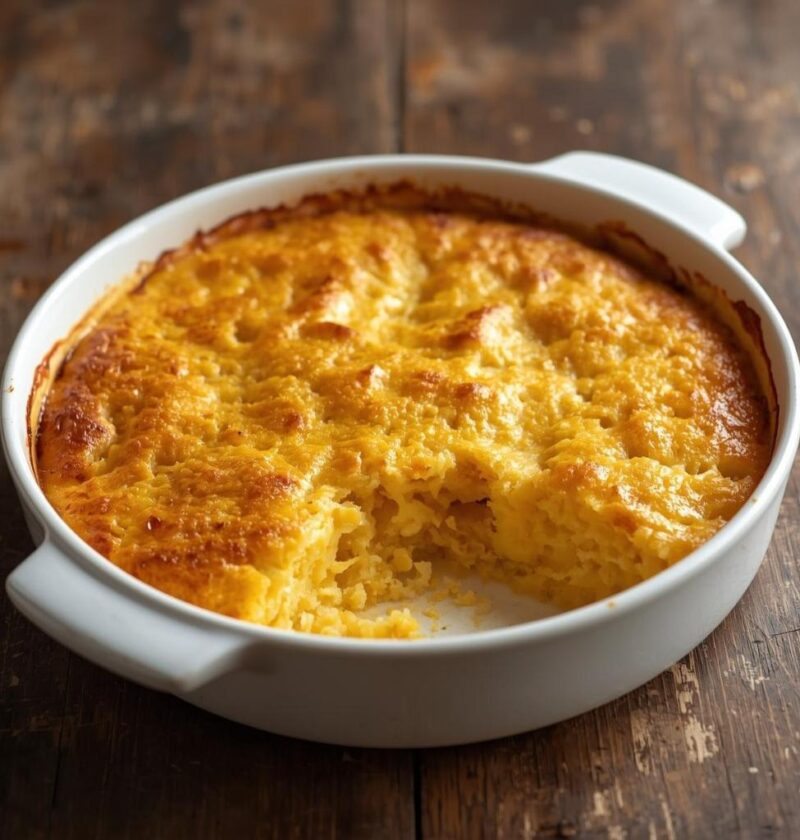
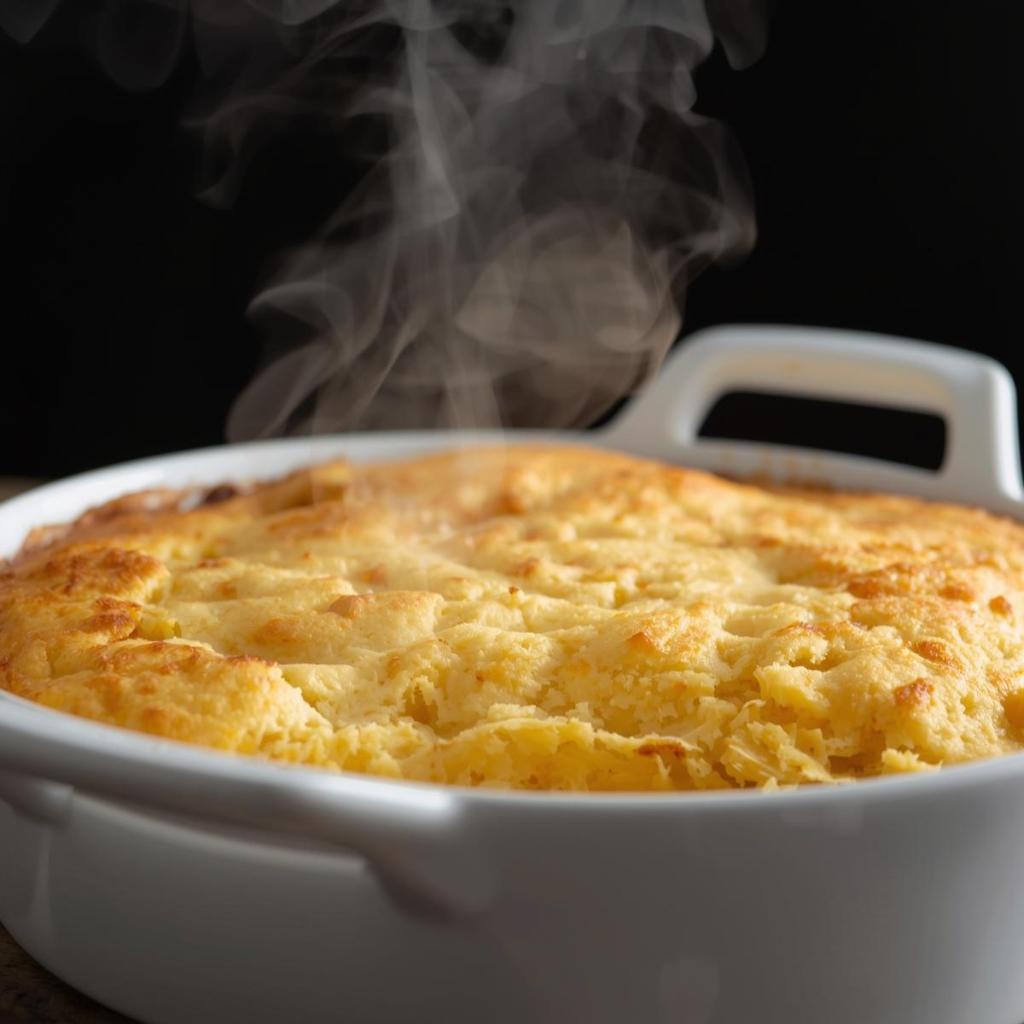
Cornbread casserole represents the perfect marriage of two beloved comfort food traditions, combining the rustic charm of homemade cornbread with the creamy richness of a vegetable casserole into one spectacular dish. First, this classic preparation celebrates the natural sweetness of corn kernels layered with a buttery custard and topped with a golden cornbread crust that’s crispy on the outside and tender within. The beauty of cornbread casserole lies in its ability to deliver maximum comfort and satisfaction on a single plate, requiring no additional side dishes while remaining versatile enough to complement virtually any main course. Additionally, this dish brings warmth and abundance to any table, whether you’re preparing a casual family dinner or hosting an impressive gathering where guests expect something truly memorable. Cornbread casserole works perfectly as the star of potluck dinners, holiday celebrations, and any occasion where you want a side dish that disappears before the main course finishes. Next, you’ll appreciate how this recipe takes approximately one hour from start to finish, making it accessible even when managing multiple dishes during busy cooking times. Furthermore, the versatility of this preparation allows for endless variations with different vegetables and flavor additions while maintaining the classic appeal that makes people anticipate this dish year after year. Whether you’re using fresh corn at peak season or frozen kernels year-round, cornbread casserole delivers consistently impressive results that taste homemade, comforting, and genuinely delicious.
Ingredients
Serves: 8-10 people
For the Casserole Base:
- 4 tablespoons unsalted butter
- 1 medium yellow onion, finely diced
- 1 red bell pepper, finely diced
- 2 cups fresh corn kernels (about 3 to 4 ears) or frozen corn kernels, thawed
- 1 cup whole milk
- ¾ cup heavy cream or half-and-half
- 3 large eggs
- 1 teaspoon salt
- ½ teaspoon freshly ground black pepper
- ¼ teaspoon garlic powder
- ¼ teaspoon smoked paprika
- ⅛ teaspoon cayenne pepper (optional)
- 2 tablespoons fresh chives, finely chopped
- 1 tablespoon fresh parsley, finely chopped
- ½ cup sharp cheddar cheese, shredded (optional but recommended)
For the Cornbread Topping:
- 1 cup all-purpose flour
- 1 cup cornmeal
- ¼ cup granulated sugar
- 1 tablespoon baking powder
- ½ teaspoon salt
- 4 tablespoons unsalted butter, melted
- 1 cup buttermilk
- 2 large eggs
- 2 tablespoons fresh corn kernels (optional, for garnish)
Preparation and Cooking Instructions
Preparing the Casserole Base
First, preheat your oven to 350°F and position the rack in the center. Meanwhile, generously butter a 9-by-13-inch baking dish, ensuring every corner is coated to prevent sticking. Next, melt 4 tablespoons of butter in a large skillet over medium heat, swirling gently as it foams and turns golden. Once the butter is completely melted and fragrant, add the diced onion and red bell pepper, sautéing for about 4 to 5 minutes, stirring occasionally until the vegetables become translucent and fragrant.
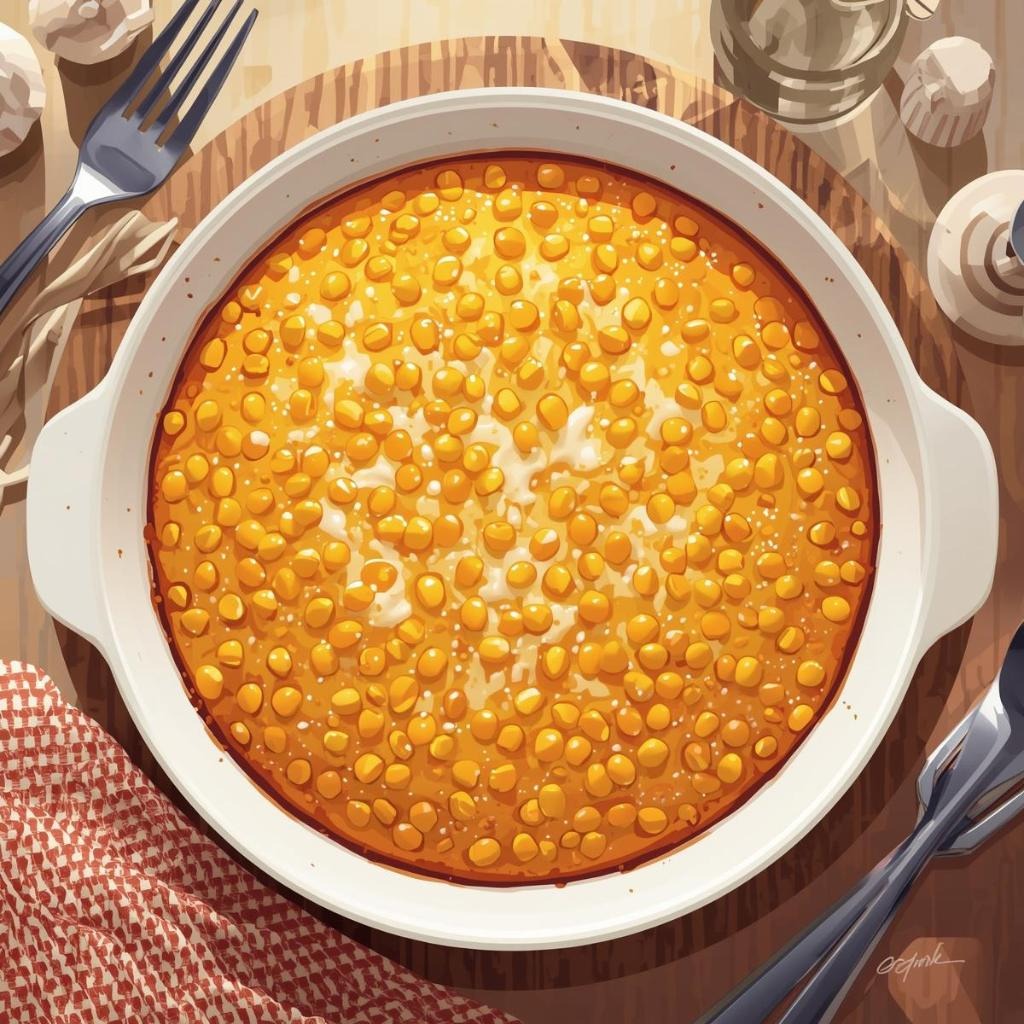
Add the corn kernels to the skillet and cook for an additional 2 minutes, allowing the corn to heat through while maintaining its bright color and tender texture. Remove the skillet from heat and transfer the vegetable mixture to the prepared baking dish, spreading it evenly across the bottom.
Creating the Custard Base
In a large mixing bowl, whisk together the whole milk and heavy cream until combined. Next, crack the eggs into a separate bowl and beat them thoroughly, then add them to the milk mixture, whisking constantly until the eggs incorporate completely and create a smooth, uniform custard. Add the salt, black pepper, garlic powder, smoked paprika, and optional cayenne pepper, stirring well to distribute the seasonings evenly throughout the custard base.
Stir in the fresh chives and parsley, distributing the fresh herbs throughout. If using the optional sharp cheddar cheese, fold it gently into the custard mixture until fully incorporated. Carefully pour the custard mixture over the vegetables in the baking dish, making sure the liquid distributes evenly. The custard should settle around and partially cover the vegetables.
Preparing the Cornbread Topping
While the casserole base settles, prepare the cornbread topping. In a medium mixing bowl, whisk together the flour, cornmeal, sugar, baking powder, and salt, combining thoroughly. Create a well in the center of the dry ingredients and pour in the melted butter, buttermilk, and beaten eggs. Using a wooden spoon or rubber spatula, stir until just combined, being careful not to overmix. The batter should be slightly lumpy; overmixing results in tough, dense cornbread rather than the tender texture you’re seeking.
Assembling and Baking
Carefully spoon or pour the cornbread batter over the custard mixture in the baking dish, spreading it gently to cover the entire surface without pressing down too firmly. If desired, scatter a few fresh corn kernels on top for visual appeal and textural contrast. Place the assembled casserole in your preheated 350°F oven and bake for 40 to 50 minutes until the cornbread topping turns golden brown and a toothpick inserted into the cornbread portion comes out clean or with just a few moist crumbs.
The casserole is done when the edges bubble slightly and the cornbread top feels firm to the touch. Remove from the oven and let rest for 10 minutes before serving, which allows the casserole to set slightly and makes serving easier. This resting period prevents the casserole from falling apart when divided into portions.
Serving Tips
Cornbread casserole shines as a versatile side dish that complements virtually any main course while substantial enough to anchor lighter meals. First, serve it alongside roasted chicken or herb-baked poultry, where the sweet corn and rich custard provide perfect balance to lighter proteins. Additionally, it pairs beautifully with roasted pork, grilled pork chops, or ham for traditional flavor combinations that never disappoint. Next, try cornbread casserole with roasted beef or meatloaf for hearty, comforting meals that feel both casual and satisfying.
Furthermore, this dish works wonderfully alongside baked fish or seafood, particularly when served with fresh vegetables and light sides for elegant presentations. Meanwhile, cornbread casserole makes a perfect main course for vegetarian celebrations when paired with roasted vegetables, fresh salads, and other plant-based proteins. For casual family dinners, serve it alongside simple green salads and roasted vegetables for complete, satisfying meals.
For holiday gatherings, cornbread casserole holds a traditional place on the table, often becoming a favorite dish that family members specifically request year after year. Additionally, it works beautifully as part of traditional Thanksgiving spreads alongside turkey, gravy, and other classic sides. Furthermore, it complements Christmas ham, roasted prime rib, and other festive proteins that grace holiday tables. Meanwhile, smaller portions work as elegant additions to potluck dinners where it’s always among the first dishes to disappear from the serving table.
Storage and Make-Ahead Tips
Refrigerator Storage
Allow the cornbread casserole to cool to room temperature before covering with foil or transferring to an airtight glass container for refrigerator storage. It will keep for up to 3 days when stored properly in a covered container. To reheat, place the casserole in a baking dish, cover with foil, and warm in a 325°F oven for about 20 to 25 minutes until heated throughout. Alternatively, transfer individual portions to microwave-safe dishes, cover loosely, and microwave on medium power for 2 to 3 minutes until warmed, though the oven method preserves texture better.
Freezing Instructions
Next, cornbread casserole freezes well for up to 3 months when prepared and stored correctly. Cool the dish completely, then cover tightly with plastic wrap followed by a layer of aluminum foil to prevent freezer burn. When ready to use, thaw overnight in the refrigerator. Bake the thawed casserole covered with foil at 325°F for about 30 to 35 minutes until heated throughout. However, note that the texture becomes slightly denser after freezing, though the flavor remains excellent.
Make-Ahead Strategy
Additionally, you can prepare the casserole base completely and refrigerate it covered for up to 24 hours before adding the cornbread topping. When ready to finish, simply top with the cornbread batter and bake as directed, adding about 10 minutes to the baking time since the base will be cold. Alternatively, you can prepare both components separately and assemble just before baking for maximum freshness and flexibility in your holiday timing.
Helpful Notes and Variations
Corn Selection and Preparation
First, fresh corn at peak season provides the sweetest, most tender kernels for the best flavor and texture. Meanwhile, frozen corn works beautifully year-round and often retains superior flavor to fresh corn shipped long distances. Additionally, canned corn can be used in a pinch, though it requires thorough draining and rinsing to remove excess sodium that would overwhelm delicate flavors.
When selecting fresh corn, choose ears with bright green husks and plump kernels that are tightly arranged, as these indicate maximum freshness. If using frozen corn, thaw it completely and pat it dry before adding to prevent excess moisture that could make the casserole watery.
Vegetable Variations and Seasonal Swaps
If red bell pepper isn’t available, substitute with green, yellow, or orange bell pepper depending on your color preferences and availability. Next, diced jalapeños add gentle heat and color for those preferring spicy variations. Additionally, diced carrots add sweetness and textural contrast, though they should be cut smaller than bell pepper pieces and cooked slightly longer. Furthermore, fresh green beans, peas, or diced zucchini can replace or supplement the bell pepper for different vegetable profiles.
Flavor Customization and Add-Ins
First, add crispy bacon bits, diced ham, or cooked sausage to the vegetable mixture for more substantial, savory variations with protein depth. Next, incorporate fresh herbs like cilantro, basil, or dill into the custard base for unique flavor dimensions. Additionally, different cheese varieties like gruyere, fontina, or pepper jack create distinctive cheese-forward versions. Furthermore, roasted red peppers add sophisticated depth, while sun-dried tomatoes provide concentrated sweetness and complexity.
Cornbread Topping Variations
For a slightly spicier cornbread topping, add a pinch of cayenne pepper and diced jalapeños to the batter. Next, incorporate fresh thyme or chives into the cornbread batter for herbaceous complexity. Additionally, sharp cheddar cheese stirred into the cornbread batter creates a more substantial, cheese-forward topping. Meanwhile, honey drizzled over the cornbread topping before baking adds subtle sweetness that complements savory elements.
Common Mistakes to Avoid
First, avoid overmixing the cornbread batter, as this develops gluten and creates tough, dense cornbread rather than the tender, delicate texture you’re seeking. Mix just until the dry ingredients are moistened, leaving some small lumps. Additionally, do not skip the resting period after baking; this allows the casserole to set and become easier to serve without falling apart.
Next, resist using overly hot milk or cream when creating the custard, as this can cause the eggs to scramble slightly. Use room temperature or slightly warm dairy products instead. Furthermore, ensure the casserole base vegetables are distributed evenly across the baking dish, and don’t press down on the cornbread topping, which prevents it from rising properly during baking.
Chef Tips
First, for a moister cornbread topping, add a tablespoon of sour cream or Greek yogurt to the batter, which adds tenderness without affecting flavor. Next, to achieve a perfectly golden-brown cornbread top without over-baking the custard base, place the casserole on a lower oven rack and tent with foil if the cornbread seems to be browning too quickly.
Frequently Asked Questions
Can I make cornbread casserole without heavy cream? Yes, use all whole milk or half-and-half, though the custard will be slightly less rich; the casserole will still taste delicious with slightly lighter texture overall.
What’s the best way to reheat leftover cornbread casserole? Cover with foil and reheat in a 325°F oven for 20 to 25 minutes until warmed throughout; the oven method preserves texture better than microwave reheating.
Can I freeze the unbaked casserole? Yes, assemble completely, cover tightly with plastic wrap and foil, and freeze for up to 1 month, then thaw overnight and bake as directed, adding 10 to 15 minutes to the baking time.
How do I prevent the cornbread from becoming dry? Avoid overbaking and don’t overmix the cornbread batter; keep the custard base moist to provide steam that keeps the cornbread tender during baking.
Can I make individual cornbread casseroles in ramekins? Yes, divide the components among individual baking dishes and reduce the baking time to 25 to 30 minutes until the cornbread is set and golden.
Why This Recipe Works
The magic of cornbread casserole lies in understanding how custard, vegetables, and cornbread interact to create exceptional flavor and texture. First, the custard base made with eggs, milk, and cream creates a savory, creamy layer that keeps the casserole moist while allowing the corn’s natural sweetness to shine. Additionally, the corn kernels provide textural contrast and sweet flavor that balances the buttery custard beautifully.
Furthermore, the cornbread topping provides textural contrast and visual appeal while baking directly on top of the custard, creating a cohesive dish that’s moist throughout with a slightly crispy, golden exterior. Meanwhile, the fresh vegetables and herbs distributed throughout add layers of flavor and prevent the dish from tasting one-dimensional. The optional cheese adds richness and depth that makes guests wonder about your secret ingredients.
This recipe respects the individual qualities of corn, custard, and cornbread while combining them into something greater than the sum of its parts. The result is a side dish that feels substantial, elegant, and special while remaining approachable and easy to execute for cooks of all skill levels.
Variations Worth Exploring
Next time you prepare cornbread casserole, consider these creative variations that build on the classic foundation. First, try a Southwestern version by adding diced jalapeños, cilantro, and cotija cheese for spicy, tangy flavors that transport diners to different culinary regions.
Additionally, create a bacon and cheddar variation by stirring crispy bacon bits and sharp cheddar cheese into both the custard base and cornbread topping for a more substantial, savory dish. Furthermore, experiment with a roasted pepper version using charred red peppers and fresh basil for sophisticated Mediterranean flavors. Meanwhile, try a ham and herb version by incorporating diced ham into the vegetable mixture and fresh thyme into the cornbread topping for classic, nostalgic flavors.
Perfect Pairings and Meal Planning
Cornbread casserole works beautifully as part of complete meals in numerous combinations. First, pair it with roasted chicken and fresh green salad for satisfying, comforting dinners. Next, serve alongside grilled pork chops and roasted vegetables for hearty weeknight meals. Additionally, it complements baked ham and traditional sides for holiday celebrations. Furthermore, cornbread casserole works perfectly as a main course for vegetarian meals when paired with fresh salads and additional roasted vegetables.
For holiday gatherings, cornbread casserole deserves prominent placement alongside other classic sides. Meanwhile, it works beautifully as part of potluck dinners where it’s always appreciated and quickly consumed. Additionally, it makes an excellent contribution to casual family gatherings where comfort food reigns supreme.
Final Thoughts
Cornbread casserole proves that combining two beloved traditions creates something truly spectacular and memorable. The combination of creamy custard, sweet corn, aromatic vegetables, and golden cornbread creates a dish that satisfies on multiple levels while requiring approximately one hour of total preparation and baking time. This makes cornbread casserole practical for any meal without requiring extensive advance planning or complicated techniques.
This classic recipe has remained popular for good reason: it delivers consistent, impressive results every single time when prepared with attention and care. Whether you’re cooking for family or entertaining guests, cornbread casserole brings warmth, abundance, and genuine satisfaction to the table, making it an indispensable part of countless meals and cherished family traditions.
Did you love making this Cornbread Casserole? If this recipe brought joy to your kitchen and delight to your table, please save this recipe for future use, pin it to your favorite board, or share it with friends and family who appreciate comforting, substantial vegetable dishes that never go out of style. Your support means everything to us and helps us continue creating more amazing recipes that make home cooking easier, more enjoyable, and genuinely delicious. We’d love to hear how your cornbread casserole turned out—your feedback inspires us to keep bringing you quality recipes that deliver real, satisfying results every single time you cook.