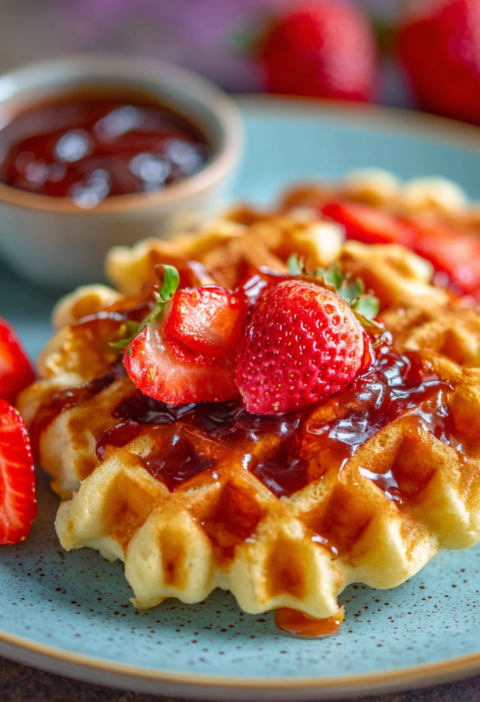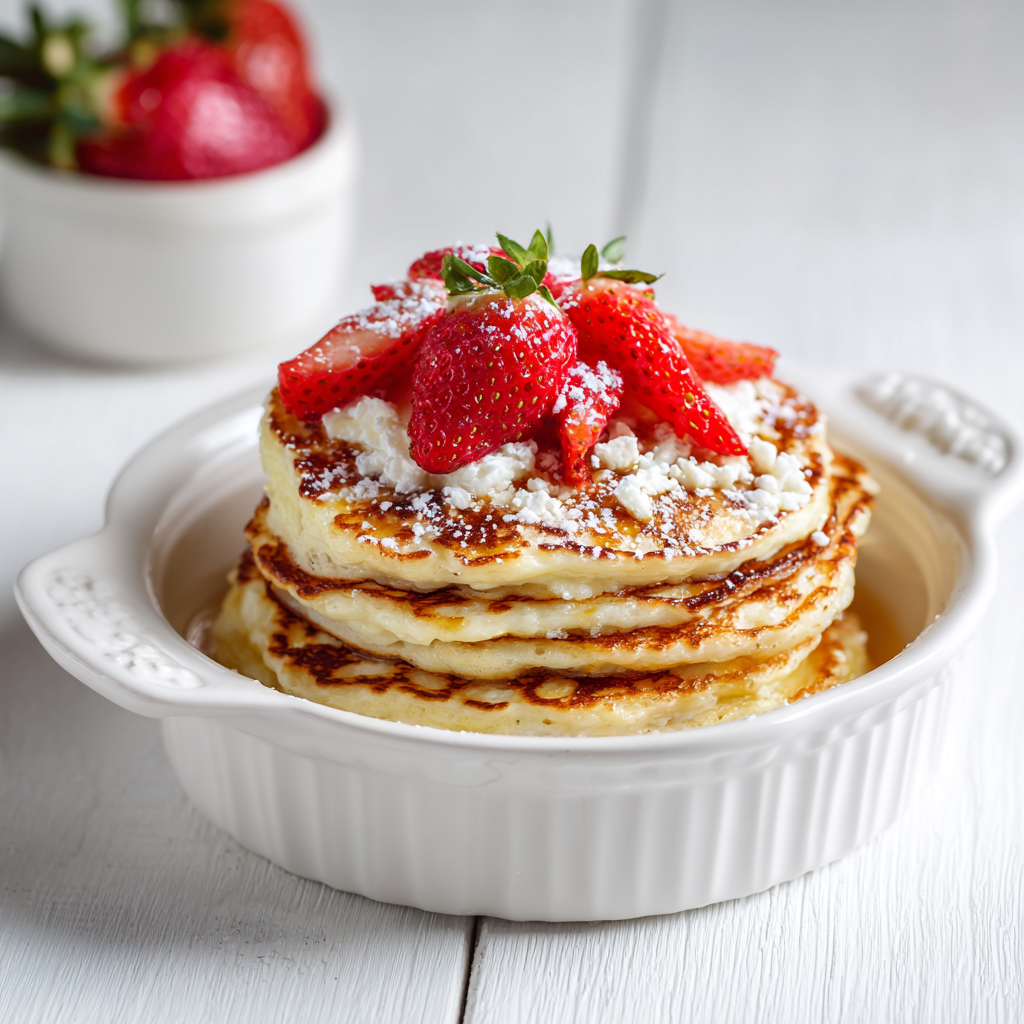
Imagine discovering that cottage cheese creates the most incredibly fluffy, protein-rich pancakes imaginable—pancakes that contain 20-25 grams of protein while delivering a texture so light and airy they practically melt on your tongue. These cottage cheese protein pancakes transform a humble dairy ingredient into breakfast magic that rivals any café pancake while delivering nutritional substance that keeps you satisfied until lunch. What makes this recipe truly special is how cottage cheese creates an impossibly fluffy texture through blending that no other ingredient provides, combined with enough protein to make these genuine meal-replacement pancakes. The mild, slightly tangy flavor of cottage cheese pairs beautifully with warming spices and natural sweetness, creating something that tastes indulgent rather than protein-focused. Each pancake emerges from the skillet with a delicate golden-brown exterior and tender, almost cloud-like interior that surprises everyone who discovers the secret ingredient. Whether you’re building muscle, managing energy levels throughout long days, seeking quick high-protein breakfasts, or wanting to impress breakfast guests with a secret recipe, these cottage cheese protein pancakes accomplish all four with results that taste nothing like “healthy” food.
Ingredients
Servings: 8-10 pancakes
- 1 cup cottage cheese (regular or low-fat, not non-fat)
- 3 large eggs
- 1/4 cup vanilla protein powder (or unflavored)
- 1/4 cup honey or maple syrup
- 1 teaspoon vanilla extract
- 1 teaspoon baking powder
- 1/2 teaspoon ground cinnamon
- Pinch of sea salt
- 2 tablespoons coconut oil or butter, for cooking
- Optional mix-ins: fresh blueberries, sliced strawberries, chocolate chips, or chopped walnuts
- Optional toppings: Greek yogurt, fresh berries, maple syrup, nut butter, whipped cream, or fresh fruit
Why Cottage Cheese Creates the Fluffiest Pancakes
First, cottage cheese contains casein protein, which creates exceptional structure and fluffiness when blended properly. Meanwhile, the curds in cottage cheese, when pulverized in a blender, create air pockets that transform into tiny bubbles during cooking. However, the real magic lies in how cottage cheese provides moisture while maintaining structural integrity that prevents dense, rubbery pancakes. Additionally, cottage cheese contains significantly more protein than Greek yogurt while creating lighter, airier texture. As a result, these pancakes deliver 20-25 grams of protein per pancake while maintaining the delicate, fluffy texture that makes pancakes genuinely enjoyable to eat.
Step-by-Step Instructions
1. Prepare your workspace and gather all equipment. To begin, assemble your blender, measuring cups, mixing bowl, skillet, and spatula in one convenient location. Next, ensure your skillet is clean and completely dry. Additionally, having everything organized prevents mid-cooking scrambling. Meanwhile, preparation is especially important with pancakes because the batter benefits from quick cooking once prepared. However, taking these few organizational moments translates into smoother cooking and consistently better results.
2. Add cottage cheese to your blender pitcher. Pour one cup of cottage cheese into your blender pitcher. Next, ensure you’re using regular or low-fat cottage cheese—non-fat varieties won’t create optimal texture. Meanwhile, the curds in cottage cheese will look chunky, but blending transforms them completely. Additionally, room-temperature cottage cheese blends more smoothly than cold—remove it from the refrigerator 15 minutes before starting if possible.
3. Crack eggs directly into the blender. Break three large eggs into your blender with the cottage cheese. Next, don’t worry about the appearance—the ingredients will look unappetizing at this stage. Additionally, using a long spoon, stir briefly to break up the cottage cheese into smaller pieces. Meanwhile, this gentle pre-stirring helps the blender process ingredients more efficiently.
4. Add your sweetener and vanilla extract. Pour your honey or maple syrup and vanilla extract directly into the blender. Next, these provide the sweetness and flavor that make the pancakes delicious rather than just protein-focused. Meanwhile, honey creates a slightly richer taste while maple syrup provides familiar pancake flavor. However, either works beautifully depending on your preference.
5. Blend until completely smooth and consistent. Secure your blender lid firmly and blend on high speed for about 60-90 seconds. Next, your goal is to completely pulverize the cottage cheese curds into a smooth, consistent batter. Meanwhile, you should see no cottage cheese chunks remaining—it should look like thin pancake batter. However, if you see remaining curds, blend for an additional 30 seconds. Additionally, proper blending is absolutely crucial for achieving the fluffy texture this recipe is known for.
6. Add your dry ingredients to the blended mixture. Add your vanilla protein powder, baking powder, cinnamon, and sea salt directly to your blender. Next, blend on low speed for about 20-30 seconds, until the dry ingredients are just incorporated. However, don’t over-blend—you want minimal mixing at this point. Meanwhile, a few small lumps are perfectly acceptable and won’t affect your final pancakes.
7. Transfer batter to a mixing bowl and fold in mix-ins. Pour your prepared batter into a large mixing bowl. Next, if you’re using fresh blueberries, sliced strawberries, chocolate chips, or chopped nuts, fold them in gently using a spatula. Meanwhile, folding gently distributes mix-ins evenly without breaking them apart. Additionally, fresh berries add tartness and nutrition while chocolate chips provide indulgence. However, the pancakes are absolutely delicious without any mix-ins.
8. Heat your skillet to the proper cooking temperature. Place your skillet or griddle over medium-high heat. Next, allow it to preheat for about two to three minutes—you want it hot enough that water droplets sizzle immediately when they hit the surface. Meanwhile, proper heat ensures pancakes cook quickly, creating golden-brown exteriors while cooking interiors through. Additionally, too-low heat results in pale, undercooked pancakes, while too-high heat burns exteriors before insides cook through.
9. Add fat and let it coat the cooking surface. Add one tablespoon of coconut oil or butter to your hot skillet. Next, allow it to melt and coat the entire surface evenly. Meanwhile, melted butter creates that delicious golden-brown exterior and adds richness. Additionally, ensure the entire skillet is coated—this prevents sticking and ensures even browning. However, be careful not to use excessive fat, as it can cause pancakes to be greasy.
10. Pour your first batch of pancakes carefully. Using a one-quarter cup measuring cup or ladle, pour your batter onto the hot skillet. Next, you can typically fit two to three pancakes per batch depending on your skillet’s size. Additionally, allow about two inches between pancakes for expansion and heat circulation. Meanwhile, pouring slowly prevents splashing and keeps your cooking surface organized. However, don’t overfill your measuring cup—about half full creates perfect-sized pancakes.
11. Wait for visual signals before flipping. Allow your pancakes to cook undisturbed for about two to three minutes. Next, you’ll notice bubbles forming on the surface and the edges beginning to look set and dry. Additionally, the bottom will be golden brown if you peek underneath carefully. Meanwhile, these visual signals indicate the bottom is properly cooked and ready to flip. However, if you flip too early, pancakes will break apart and remain gooey inside. As a result, patience at this stage is absolutely crucial.
12. Flip with confident, smooth motions. Once bubbles appear on the surface and edges look dry and set, carefully slide your spatula under each pancake. Next, flip quickly and confidently in one smooth motion. Meanwhile, decisive flipping prevents pancakes from tearing or breaking apart. Additionally, the second side typically cooks faster than the first—just about 60-90 seconds until the bottom is golden brown.
13. Transfer cooked pancakes to a warm plate. As each pancake finishes cooking, place it on a serving plate or keep warm on a low oven setting covered with foil. Next, repeat the cooking process with remaining batter in batches. Meanwhile, it’s helpful to have someone eating the first pancakes while you finish cooking—they taste best enjoyed fresh and warm. Additionally, storing finished pancakes loosely under foil prevents them from drying out while you complete cooking.
14. Reapply fat between batches as needed. Between each batch, add additional butter or oil if the skillet seems dry. Next, this prevents sticking and ensures even browning on all pancakes. Meanwhile, you may need to adjust your heat slightly during cooking. However, if pancakes are burning too quickly, reduce heat slightly. Additionally, if they’re cooking too slowly, increase heat a bit. As a result, monitoring the process helps you perfect results.
15. Prepare toppings while final pancakes cook. While your last batch cooks, prepare your preferred toppings. Next, arrange fresh berries on a plate, warm maple syrup gently in a small saucepan, or prepare Greek yogurt dollops. Meanwhile, having toppings ready streamlines serving and allows you to enjoy pancakes immediately. Additionally, warm syrup tastes noticeably better than cold syrup on warm pancakes. However, you can prepare toppings ahead if time is limited.
16. Stack and serve immediately while warm. Arrange your finished pancakes on a serving plate in an attractive stack. Next, add your preferred toppings generously. Additionally, serve immediately while pancakes are still warm and at their texture best. Meanwhile, stack height is entirely personal—some prefer modest stacks while others enjoy towering presentations. However, eating immediately ensures you experience the optimal texture and temperature.
Serving and Storage Tips
How to Serve Your Cottage Cheese Protein Pancakes
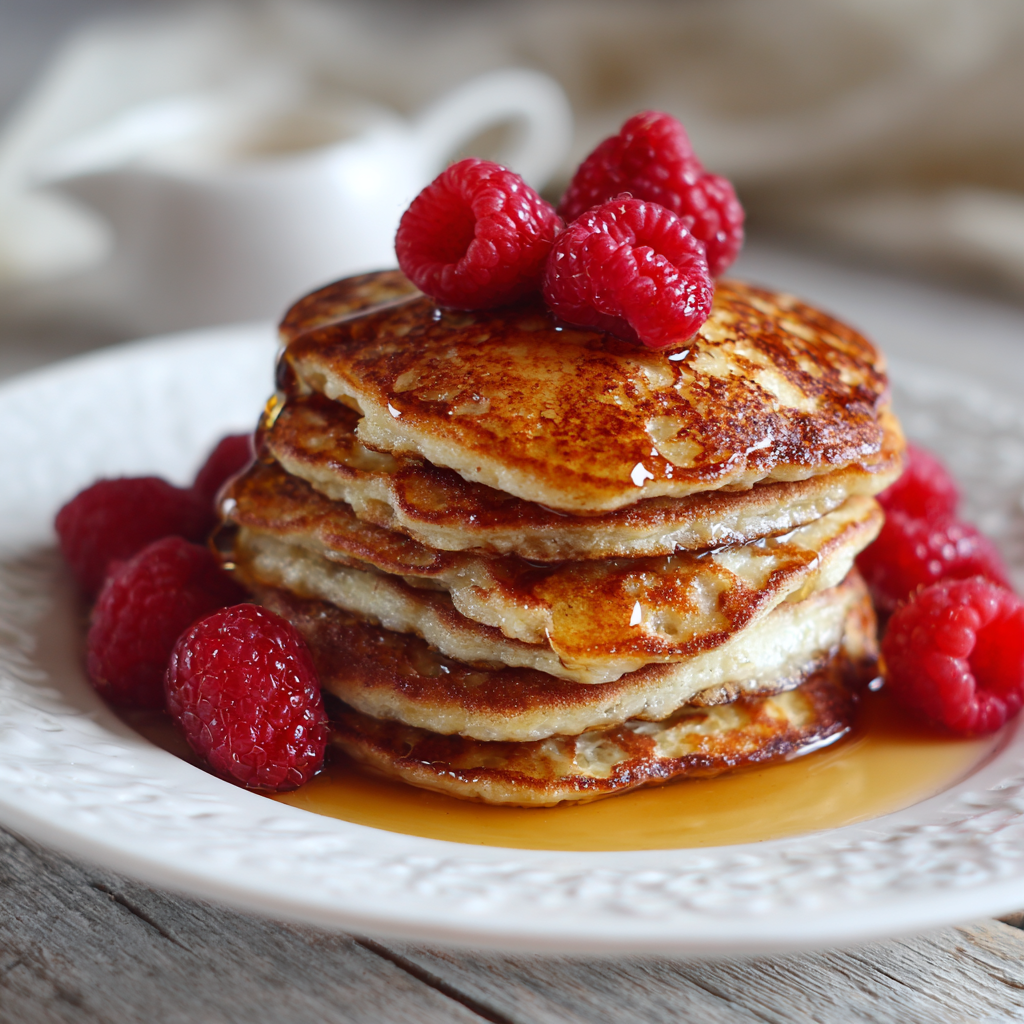
First, serve your pancakes warm straight from the skillet, topped with your preferred accompaniments. Next, Greek yogurt creates a creamy, tangy topping that complements the pancakes beautifully. Additionally, fresh berries add brightness and natural sweetness without excessive sugar. However, traditional maple syrup is absolutely appropriate and delicious for these pancakes. Furthermore, almond butter or tahini work wonderfully for additional protein and healthy fats. As a result, these pancakes work equally well for leisurely weekend breakfasts and quick weekday mornings before rushing out.
Making Ahead and Storage Considerations
To begin, cottage cheese protein pancakes are best enjoyed immediately after cooking when they’re warm and have optimal fluffy texture. Next, you can prepare your batter ahead and refrigerate for up to 24 hours in a covered container. Additionally, the batter actually thickens slightly overnight—add a splash of milk if needed before cooking. However, prepare pancakes only when ready to eat, as cooked pancakes become progressively less fluffy and more dense if stored. Furthermore, you can freeze cooked pancakes in a freezer-safe container between parchment paper for up to one month. Additionally, reheat frozen pancakes in a toaster or toaster oven until warm and crispy. In contrast to fresh pancakes, frozen versions won’t be quite as fluffy but remain perfectly delicious and convenient for busy mornings.
Helpful Notes and Tips for Success
Understanding key techniques ensures your cottage cheese protein pancakes turn out absolutely fluffy and delicious every single time. First, thorough blending is absolutely essential for this recipe’s success. Meanwhile, under-blended cottage cheese creates lumpy, unpleasant pancakes with strange texture. However, proper 60-90 second blending transforms cottage cheese completely into smooth batter. Additionally, the blending step is non-negotiable—don’t attempt to skip it or reduce time.
Next, the type of cottage cheese matters significantly for texture and results. Additionally, regular or low-fat cottage cheese works beautifully. Meanwhile, non-fat cottage cheese often contains gums and thickeners that affect texture negatively. However, if non-fat is all you have available, reduce the amount to three-quarters cup and add two tablespoons of milk. Furthermore, temperature matters—room-temperature cottage cheese blends more smoothly than cold.
Furthermore, baking powder is absolutely essential for creating fluffy pancakes. To begin, without it, pancakes would be dense and crepe-like despite their high protein content. Meanwhile, baking powder reacts with acidic ingredients to create lift and fluffiness. However, ensure your baking powder is fresh—old baking powder loses potency and won’t create proper rise. Additionally, baking powder that’s been open longer than six months should be replaced.
Additionally, proper heat is crucial for successful pancake cooking. To begin, medium-high heat ensures pancakes cook through with golden-brown exteriors. Meanwhile, low heat creates pale, undercooked pancakes that take forever to cook. However, too-high heat burns exteriors before insides cook properly. As a result, finding proper heat level is key to perfect results.
Finally, using a light hand when flipping prevents pancakes from breaking and ensures even cooking on both sides. To begin, confident flipping in one smooth motion is better than tentative, multiple-attempt flipping. Meanwhile, hesitation allows the pancake to cool and lose momentum. As a result, practice and confidence improve your flipping technique significantly.
Common Mistakes to Avoid
To begin, one frequent error is under-blending the cottage cheese, leaving visible curds in the batter. Meanwhile, cottage cheese curds that aren’t completely pulverized create unpleasant texture. However, proper 60-90 second blending completely prevents this issue.
Additionally, another mistake involves using non-fat cottage cheese, which contains gums and thickeners that negatively affect texture and taste. In contrast, regular or low-fat cottage cheese creates proper results. Furthermore, some home cooks flip pancakes before bubbles appear. However, patient waiting until bubbles form ensures bottoms are cooked through.
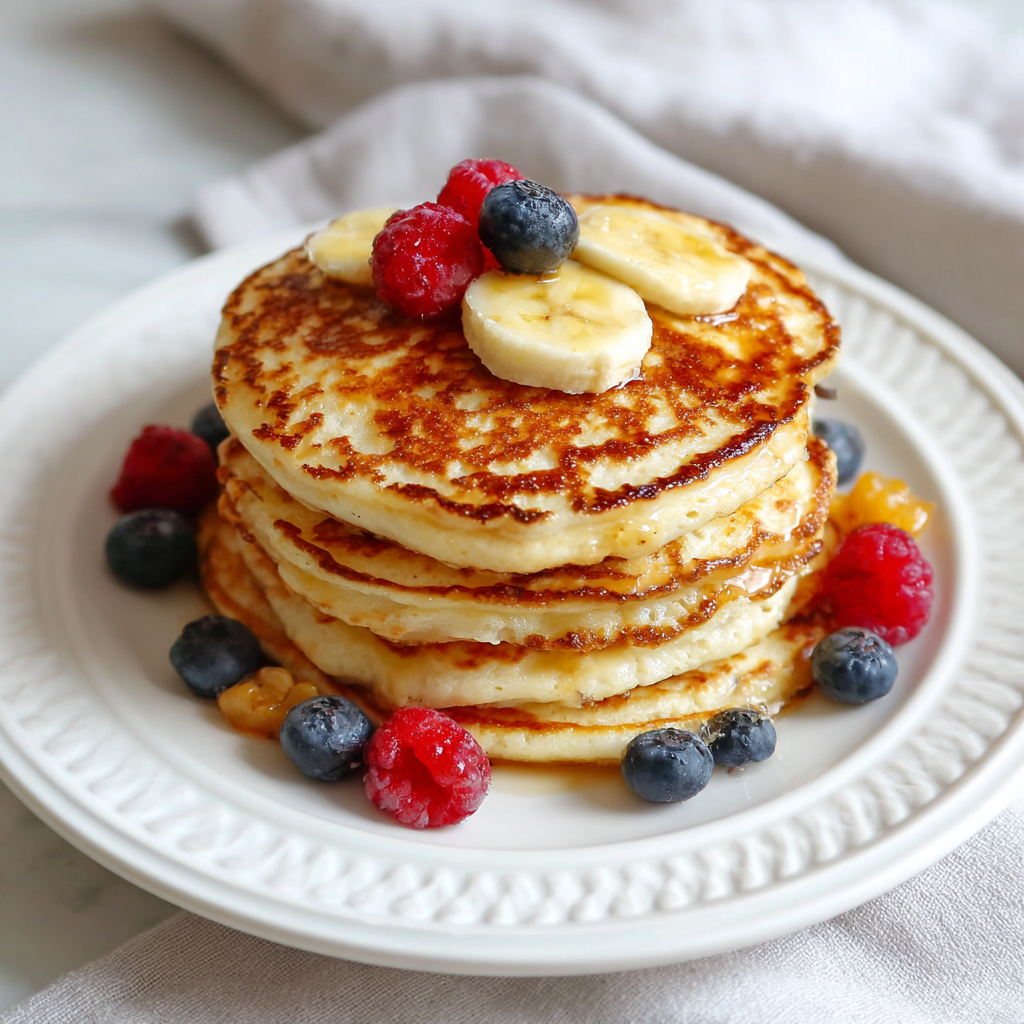
Finally, cooking on too-low heat results in pale, dense pancakes that take too long to cook through. Meanwhile, medium-high heat ensures proper browning and thorough cooking. As a result, heat management is absolutely crucial for successful pancake cooking.
Chef Tips
Professional breakfast chefs recommend preparing your entire mise en place—all ingredients measured and ready—before beginning to cook, since pancake batter doesn’t keep well and cooking happens quickly once you start. Additionally, for extra decadence, add one teaspoon of almond extract to your batter alongside vanilla, creating a sophisticated flavor profile that pairs beautifully with fresh berries and almond butter toppings.
Frequently Asked Questions
How much protein is actually in each cottage cheese protein pancake? Each pancake contains approximately 20-25 grams of protein depending on your specific cottage cheese brand and egg size. This makes pancakes genuinely substantial as a complete breakfast and suitable for serious fitness goals.
Can I use Greek yogurt instead of cottage cheese? You can use Greek yogurt, though the pancakes won’t be quite as fluffy. Cottage cheese’s unique texture creates exceptional fluffiness that yogurt cannot replicate, though yogurt pancakes are still delicious.
What if my blended batter seems too thick? If batter seems too thick to pour, add milk one tablespoon at a time until you reach pourable consistency. The batter should be similar to traditional pancake batter thickness.
Can I prepare the batter the night before? Absolutely. Prepare your batter, cover tightly, and refrigerate for up to 24 hours. The batter will thicken slightly overnight—add a splash of milk if needed before cooking.
Are these pancakes suitable for freezing and meal prep? Yes, you can cook all pancakes, cool them, and freeze between parchment paper for up to one month. Reheat in a toaster or toaster oven until warm and crispy before serving.
Why These Cottage Cheese Protein Pancakes Become a Breakfast Favorite
First, the combination of genuine fluffiness with exceptional protein content makes these pancakes feel indulgent while genuinely nourishing your body. Next, the quick preparation means you can have fresh pancakes on the table in under 20 minutes. Meanwhile, the impressive protein content delivers sustained energy that prevents mid-morning energy crashes and cravings. Additionally, the simple ingredient list means you likely have everything needed already. Furthermore, because they freeze beautifully, you can batch-prepare for convenient weekday breakfasts throughout the month.
As a result, these cottage cheese protein pancakes bridge the gap between indulgence and genuine nutrition perfectly. In contrast to sugary traditional pancakes that cause energy crashes, these deliver sustained satisfaction. However, they taste just as delicious and feel just as indulgent. Additionally, once you master this basic formula, you’ll find yourself experimenting with different mix-ins and toppings. Therefore, this recipe deserves a permanent place in your breakfast rotation.
The Bottom Line
Cottage cheese protein pancakes represent the ideal solution for those seeking exceptionally fluffy, indulgent breakfasts that align with fitness and nutrition goals without compromise. Next, whether you’re building muscle, managing weight, seeking quick morning solutions, or wanting to impress family with nutritious yet delicious breakfasts, this recipe delivers professional results every single time. Additionally, the combination of simple ingredients, exceptional fluffiness, and complete protein creates something genuinely memorable and worth making regularly.
To begin your cottage cheese protein pancake journey, gather quality cottage cheese and eggs this week. Afterward, set aside 20 minutes on your next weekend morning to create your first batch. Furthermore, as you stack your impossibly fluffy pancakes and taste the tender interior combined with satisfying protein content, you’ll understand why this recipe deserves permanent space in your breakfast rotation. The exceptional fluffiness, impressive nutrition, quick preparation, and remarkable deliciousness combine to create something truly special that transforms ordinary mornings into memorable breakfast experiences.
Did you adore this cottage cheese protein pancakes recipe? We’d absolutely love to hear about it! Please save this recipe for your next pancake craving, pin it to your Pinterest board for easy access, and share it with friends and family who deserve delicious, protein-packed breakfasts. Your love and support mean everything to us—every save, share, and pin encourages us to create more delicious recipes and helpful breakfast content. Thank you for being part of our warm, welcoming culinary community!