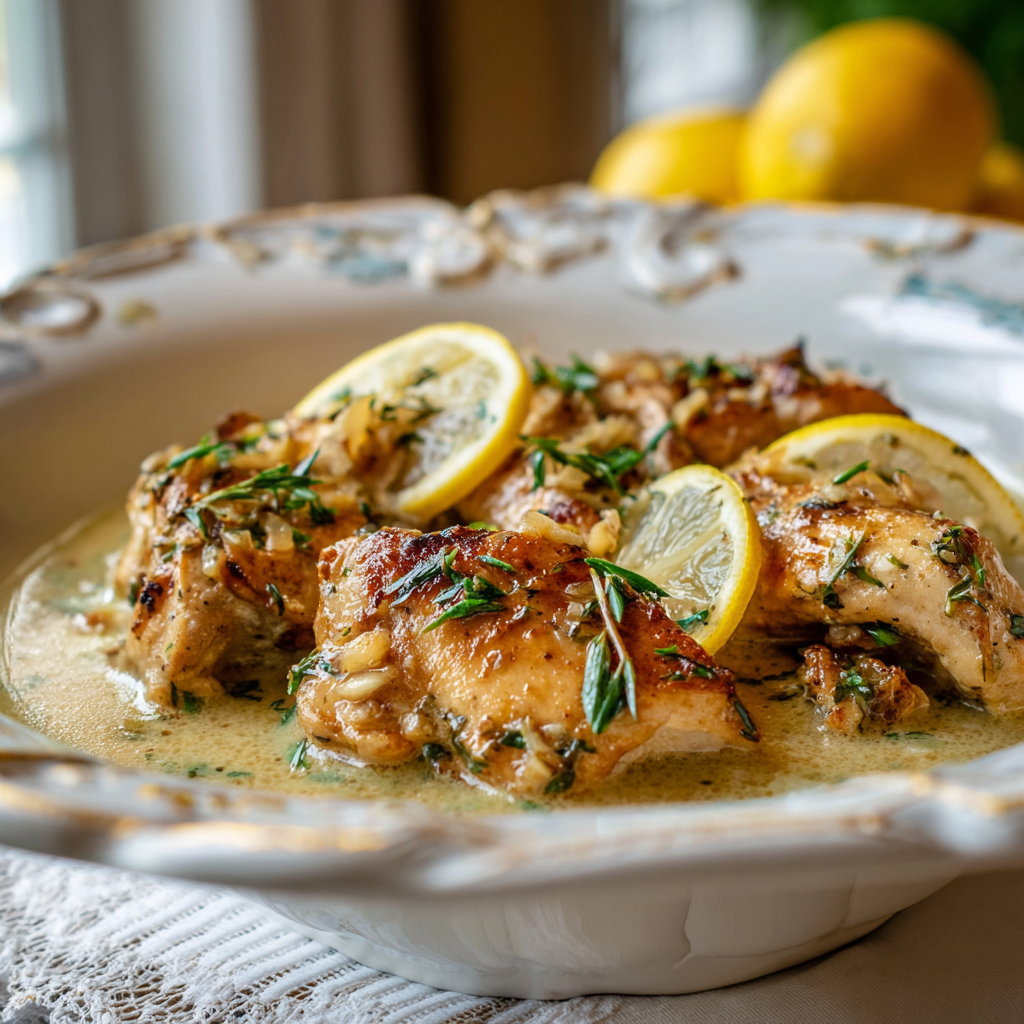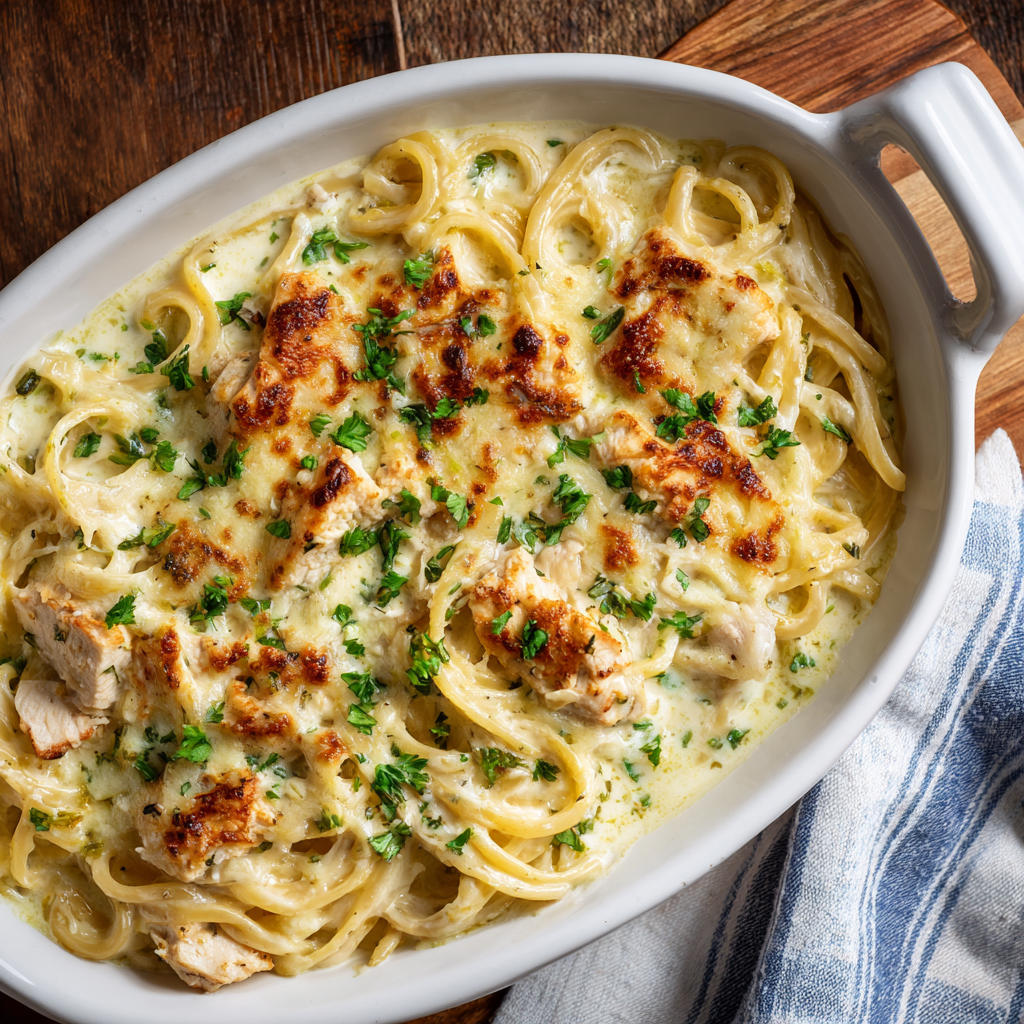
When winter evenings call for something rich, creamy, and utterly satisfying, nothing delivers pure comfort quite like fettuccine Alfredo with tender chicken coated in silky, luxurious sauce that clings to every strand of pasta. This Italian-American classic combines perfectly seasoned chicken, al dente pasta, and restaurant-quality cream sauce into a dish that feels like a warm hug on the coldest nights. What makes this recipe truly exceptional is how it achieves that signature velvety texture and complex flavor through proper technique rather than relying on jarred sauce that never quite tastes right. The combination of real butter, heavy cream, and freshly grated Parmesan creates authentic Alfredo sauce that’s so delicious you’ll wonder why you ever settled for anything less. Whether you’re treating yourself to an indulgent weeknight dinner, impressing a date with your cooking skills, or feeding your family a meal they’ll enthusiastically devour, this chicken Alfredo delivers satisfaction that makes winter feel a little more magical. Best of all, it comes together in about thirty minutes using simple ingredients and straightforward techniques that anyone can master, proving that restaurant-quality Italian food is absolutely achievable in your own kitchen.
Ingredients
This recipe makes 6 servings.
For the Chicken:
- 1.5 pounds boneless, skinless chicken breasts
- 1 teaspoon salt
- 1/2 teaspoon black pepper
- 1 teaspoon garlic powder
- 1/2 teaspoon Italian seasoning
- 2 tablespoons olive oil
- 2 tablespoons unsalted butter
For the Pasta:
- 1 pound fettuccine pasta
- 1 tablespoon salt (for pasta water)
For the Alfredo Sauce:
- 4 tablespoons unsalted butter
- 4 cloves garlic, minced
- 2 cups heavy cream
- 1.5 cups freshly grated Parmesan cheese
- 1/2 cup freshly grated Romano cheese (optional)
- 1/4 teaspoon nutmeg
- Salt and black pepper to taste
- 1/4 cup reserved pasta water (as needed)
For Serving:
- Fresh parsley, chopped
- Additional Parmesan cheese
- Red pepper flakes (optional)
- Lemon wedges (optional)
Instructions
- Bring a large pot of salted water to a boil over high heat for the pasta.
- Meanwhile, pat the chicken breasts completely dry with paper towels.
- If the chicken breasts are thick, pound them to even thickness using a meat mallet.
- Season both sides of the chicken with salt, pepper, garlic powder, and Italian seasoning.
- Heat the olive oil in a large skillet over medium-high heat until shimmering.
- Add the seasoned chicken breasts to the hot skillet.
- Cook for 6 to 7 minutes per side until golden brown and the internal temperature reaches 165°F.
- Add the 2 tablespoons of butter to the pan during the last minute of cooking.
- Remove the chicken to a cutting board and tent with foil to rest.
- Add the fettuccine to the boiling water and cook according to package directions until al dente.
- Reserve 1 cup of pasta water before draining.
- While the pasta cooks, make the Alfredo sauce in the same skillet used for chicken.
- Reduce heat to medium and melt the 4 tablespoons of butter in the skillet.
- Add the minced garlic and sauté for 1 minute until fragrant but not browned.
- Pour in the heavy cream and bring to a gentle simmer, stirring occasionally.
- Reduce heat to medium-low and let the cream simmer for 3 to 4 minutes to thicken slightly.
- Remove the skillet from heat and add the Parmesan cheese gradually, stirring constantly.
- Continue stirring until the cheese melts completely and the sauce becomes smooth.
- Add the Romano cheese if using, stirring until fully incorporated.
- Season with nutmeg, salt, and black pepper to taste.
- Slice the rested chicken into strips on a diagonal for elegant presentation.
- Add the drained pasta to the Alfredo sauce, tossing to coat every strand.
- Add splashes of reserved pasta water if the sauce seems too thick.
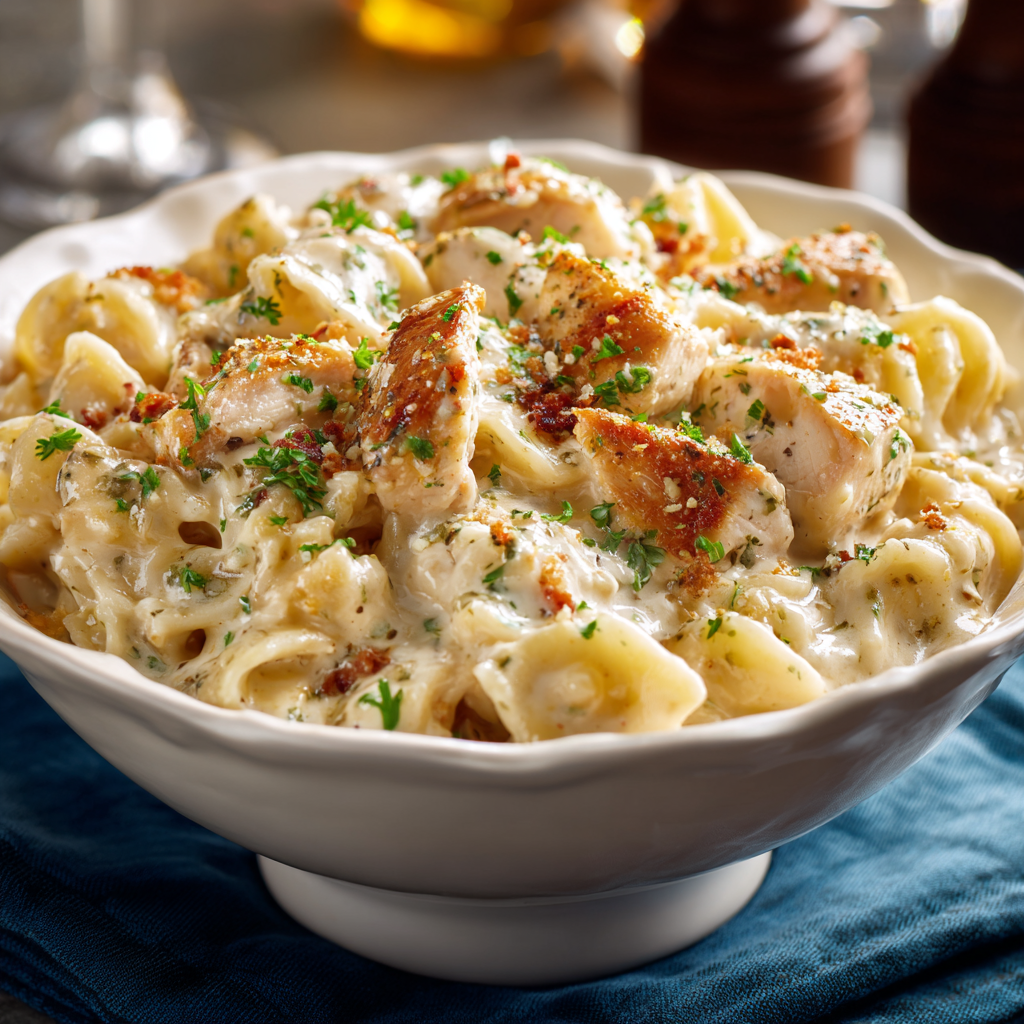
- Continue tossing until the pasta is evenly coated and the sauce clings beautifully.
- Arrange the sauced pasta on serving plates or a large platter.
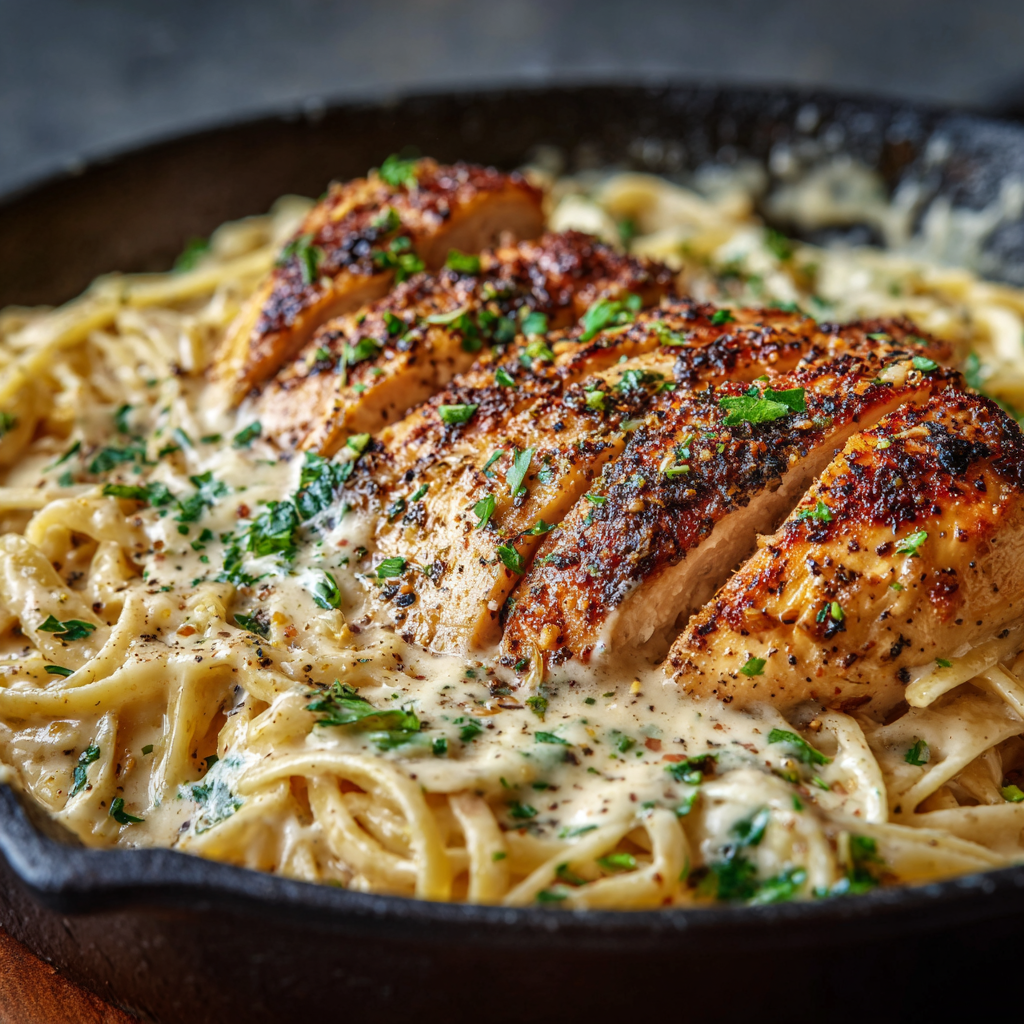
- Top with the sliced chicken, arranging it attractively over the pasta.
- Garnish with fresh parsley and additional Parmesan cheese.
- Serve immediately while hot with red pepper flakes and lemon wedges on the side.
Preparing Perfect Chicken
Achieving tender, juicy chicken requires proper preparation and cooking technique that prevents the dryness that plagues so many chicken dishes. Pounding chicken breasts to even thickness ensures they cook uniformly—thick portions won’t be undercooked while thin ends overcook and dry out. This simple step takes just a minute but makes enormous difference in final texture. Additionally, thoroughly drying the chicken with paper towels removes surface moisture that would prevent proper browning and create steamed rather than seared surfaces.
Seasoning the chicken generously before cooking builds flavor from the inside out, creating depth that salt added after cooking can never achieve. The combination of salt, pepper, garlic powder, and Italian seasoning creates savory complexity that complements the rich Alfredo sauce beautifully. Don’t be shy with seasoning—chicken needs substantial flavoring to taste properly seasoned throughout rather than bland with just surface flavor.
Cooking chicken over medium-high heat develops golden-brown color and delicious crust through the Maillard reaction. However, resist the temptation to move the chicken around—let it sit undisturbed for the full cooking time to develop that gorgeous color. Adding butter during the final minute bastes the chicken and adds richness while creating beautiful glossy finish. Using a meat thermometer ensures the chicken reaches safe 165°F without overcooking, which is the primary cause of dry, disappointing chicken.
Creating Authentic Alfredo Sauce
Authentic Alfredo sauce contains just butter, cream, and Parmesan cheese—no flour, cream cheese, or other thickeners that change the sauce’s character. This simplicity means technique and quality ingredients matter enormously since there’s nowhere for inferior products to hide. Using real heavy cream rather than milk or half-and-half provides the fat content necessary for proper texture and richness. Meanwhile, freshly grated Parmesan melts smoothly and contributes nutty, complex flavor that pre-grated cheese cannot match.
The key to smooth, non-grainy Alfredo sauce lies in removing the pan from heat before adding cheese and stirring constantly as it melts. High heat causes the proteins in Parmesan to clump together and separate from the fat, creating grainy, broken sauce that looks and tastes unappetizing. Adding cheese gradually rather than all at once gives each addition time to melt and incorporate smoothly before more is added. These careful techniques ensure silky, luxurious sauce that coats pasta beautifully without any graininess.
Romano cheese, while optional, adds sharp, tangy complexity that prevents the sauce from tasting one-dimensional or too mild. This aged cheese contributes bolder flavor that some people prefer, though authentic Alfredo uses only Parmesan. The nutmeg represents a classic Italian touch that adds subtle warmth and depth most people can’t identify but definitely notice. Just a tiny pinch transforms good sauce into exceptional sauce without making it taste overtly spiced.
Mastering Pasta Perfection
Cooking pasta properly might seem straightforward, but several techniques separate mediocre results from restaurant-quality perfection. Using abundant salted water—at least 4 quarts for a pound of pasta—gives the noodles room to move freely and prevents sticking. The salt seasons the pasta from within as it absorbs water during cooking, creating better flavor than adding salt after cooking could achieve. Many Italian cooks say the water should taste like the sea—quite salty but not unpleasantly so.
Cooking pasta until al dente—tender but with slight firmness when bitten—creates ideal texture that holds up to sauce without becoming mushy. Al dente pasta also continues cooking slightly when tossed with hot sauce, so stopping just before perfectly tender ensures the final dish has proper texture. Testing a piece a minute or two before the package time suggests doneness prevents overcooking. Remember that pasta continues cooking from residual heat even after draining.
Reserving pasta water before draining provides starchy liquid that’s invaluable for adjusting sauce consistency. This cloudy water contains dissolved starches that help bind sauce to pasta while providing proper thinning that plain water or additional cream cannot match. The starch acts as an emulsifier, helping fat and water-based components stay combined rather than separating. Professional chefs always have pasta water available—it’s the secret to sauce that clings perfectly rather than pooling at the bottom of the bowl.
Bringing It All Together
Combining pasta and sauce properly ensures every strand gets evenly coated rather than having naked noodles mixed with overly sauced sections. Adding drained pasta directly to the sauce in the skillet and tossing over low heat for a minute or two allows the pasta to absorb some sauce and the flavors to meld together. This technique, called “marrying” the pasta and sauce, creates integrated results rather than sauce sitting on top of pasta.
The tossing motion matters more than you might think—use tongs or two large spoons to lift and turn the pasta repeatedly, ensuring every strand gets thoroughly coated. Adding small splashes of pasta water while tossing helps create that glossy, clingy coating that defines great pasta dishes. The sauce should coat the pasta like a glaze rather than pooling at the bottom—if you can see puddles of sauce, you need to toss more or the consistency needs adjusting.
Serving immediately while everything is hot ensures the best possible eating experience. Alfredo sauce thickens as it cools, and while it’s still delicious, it won’t have that silky, flowing quality that makes freshly made Alfredo so irresistible. If you must hold the dish briefly before serving, keep it warm over very low heat and add splashes of pasta water or cream to maintain proper consistency. These final touches separate home cooking from restaurant-quality results.
Serving and Storing Tips
Serving Tips
Serve this chicken Alfredo in wide, shallow bowls or on dinner plates that showcase the creamy pasta and golden chicken beautifully. Twirling the pasta into neat nests before topping with sliced chicken creates restaurant-style presentation that makes weeknight dinner feel special. Garnishing with fresh parsley adds color and brightness that cuts through the richness, while extra Parmesan and red pepper flakes allow guests to customize their portions according to preference.
Classic accompaniments that complement without competing include simple Caesar salad, garlic bread for soaking up extra sauce, or roasted asparagus for elegant color contrast. A crisp green salad with tangy vinaigrette provides refreshing counterpoint to the rich pasta, while steamed broccoli adds nutrition and color. Additionally, a glass of crisp white wine like Pinot Grigio or Chardonnay pairs beautifully with creamy Alfredo sauce, cutting through the richness and enhancing the meal’s sophistication.
For elegant dinner parties, consider serving smaller portions as a first course before a lighter main dish. The richness of Alfredo makes it ideal in smaller quantities that leave room for subsequent courses. Alternatively, serve it as the main event for casual gatherings where comfort and satisfaction matter more than multi-course formality. This flexibility makes chicken Alfredo valuable for various entertaining scenarios from date nights to family dinners.
Storage Tips
Store leftover chicken Alfredo in airtight containers in the refrigerator for up to 3 days, though the sauce will thicken considerably as it cools. The pasta continues absorbing sauce during storage, creating drier texture than when freshly made. When reheating, add generous splashes of cream, milk, or chicken broth to restore creamy consistency. Heat gently over medium-low on the stovetop or in the microwave in 1-minute intervals, stirring frequently to prevent hot spots.
The best reheating method involves adding the pasta to a skillet with a few tablespoons of cream or milk over medium-low heat. Stir constantly until warmed through and the sauce loosens and becomes creamy again. This stovetop method produces significantly better results than microwaving, which can create rubbery pasta and separated sauce. Adding a pat of butter and a sprinkle of fresh Parmesan at the end refreshes the flavors and makes leftovers taste nearly as good as fresh.
Freezing chicken Alfredo isn’t generally recommended because cream-based sauces often separate and become grainy when frozen and thawed. If you must freeze it, the pasta and chicken freeze acceptably for up to 2 months, but expect the sauce to need aggressive stirring or even re-emulsifying with additional cream when reheated. For best results, freeze the cooked chicken separately and make fresh Alfredo sauce when you’re ready to eat, which takes only minutes and produces far superior results.
Helpful Notes
Making chicken Alfredo more weeknight-friendly involves smart shortcuts that save time without sacrificing too much quality. Use pre-cooked rotisserie chicken shredded and warmed in the sauce, which eliminates the chicken cooking step entirely. Additionally, while freshly grated Parmesan produces best results, using quality pre-grated Parmesan in a pinch creates acceptable though not perfect sauce. These modifications reduce active cooking time significantly while still producing satisfying, homemade-tasting Alfredo.
For those wanting lighter versions that maintain good flavor while reducing calories, several modifications help. Use half-and-half instead of heavy cream for moderately lighter sauce, add chicken broth to extend the sauce without excessive cream, or incorporate cauliflower puree which adds creaminess with fewer calories. Using less butter and Parmesan creates leaner results, though the sauce won’t be quite as rich and luxurious as the full-fat version. These adjustments create lighter Alfredo that still satisfies comfort food cravings.
Customizing chicken Alfredo with interesting additions keeps it exciting across multiple preparations. Sun-dried tomatoes and fresh basil create Tuscan-inspired variation. Crispy bacon and peas add texture and flavor. Mushrooms and spinach contribute earthy notes and nutrition. Blackened or Cajun-seasoned chicken creates spicy version. These variations use the same basic technique while creating different flavor profiles that prevent boredom and showcase the recipe’s versatility.
Common mistakes that ruin Alfredo sauce include using pre-shredded cheese that contains anti-caking agents, adding cheese to sauce that’s too hot, or cooking the sauce too long after adding cheese. Always shred cheese fresh from blocks when possible, remove the pan from heat before adding cheese, and serve promptly after the sauce comes together. Additionally, avoid cream cheese or flour-thickened versions marketed as “easy Alfredo”—they create entirely different sauce that lacks authentic texture and flavor.
Chef Tips
Professional chefs know that finishing the pasta in the sauce over heat for the final minute creates superior integration where the pasta actually absorbs flavor rather than just being coated. This technique, called “finishing” the pasta, uses the starchy pasta water to create an emulsified sauce that clings perfectly to every strand. The gentle heat helps marry the elements together rather than simply mixing them, which is why restaurant pasta always seems more cohesive than home-cooked versions.
Another expert technique involves adding a squeeze of fresh lemon juice at the very end, which brightens the rich sauce and prevents it from tasting heavy or cloying. The acid cuts through the cream and cheese, making the dish more balanced and interesting. Just a small amount—about a teaspoon—makes noticeable difference without making the sauce taste citrusy. This professional touch elevates simple Alfredo into something more complex and restaurant-worthy.
Frequently Asked Questions
Can I use milk instead of heavy cream? Not for authentic results; milk lacks fat for proper texture and richness, creating thin, watery sauce instead of luxurious Alfredo.
Why did my Alfredo sauce separate or become grainy? The sauce got too hot after adding cheese, causing proteins to clump; always remove from heat before adding cheese and stir constantly.
Can I make Alfredo sauce ahead of time? It’s best fresh, but you can make it 1 hour ahead and keep warm over lowest heat, stirring frequently and adding cream to maintain consistency.
What’s the best pasta shape for Alfredo? Fettuccine is traditional, but linguine, pappardelle, or even penne work beautifully; choose shapes that hold sauce well.
How do I prevent pasta from sticking together? Use plenty of boiling water, stir occasionally during cooking, and toss with sauce immediately after draining rather than letting it sit.
Creating Cozy Winter Evenings
Few meals capture the essence of comfort and indulgence quite like a plate of creamy chicken Alfredo that makes you feel warm and satisfied from the first bite. This recipe represents more than dinner—it’s the kind of food that transforms ordinary weeknights into special occasions, creates romantic ambiance for date nights, and provides the comfort we all crave during cold winter months. When you serve generous portions of tender chicken over silky Alfredo-coated pasta, you’re offering more than calories; you’re creating an experience of luxury and care that makes everyone feel pampered and thoroughly content.
The practical advantages of homemade chicken Alfredo extend beyond its incredible taste to include remarkable speed and simplicity. This dish comes together faster than ordering takeout and driving to pick it up, making it perfect for busy weeknights when you want something special without spending hours in the kitchen. Furthermore, making Alfredo from scratch costs significantly less than restaurant versions while tasting infinitely better than jarred sauce could ever achieve.
As you make this Alfredo repeatedly, you’ll develop your own signature touches and personal preferences. Perhaps you’ll adjust the garlic level, experiment with different cheese ratios, or create various chicken preparations that showcase the versatile sauce. These personal adaptations transform a basic recipe into your signature dish—something you become known for among friends and family who request it for special occasions.
The simple ritual of stirring creamy sauce, tossing pasta with care, and arranging everything beautifully on plates becomes an act of love and attention that transcends the cooking itself. These small acts of intentional preparation create satisfaction beyond eating, making dinner time something special to look forward to rather than just another meal to rush through. Chicken Alfredo isn’t just food—it’s edible comfort that makes winter evenings feel cozier and ordinary dinners feel like celebrations.
Did this Cozy Winter Chicken Alfredo become your new cold-weather craving? If you loved how creamy and rich the sauce turned out, how the chicken was perfectly tender, and how restaurant-quality the whole dish tasted, we’d be thrilled if you could save this recipe for regular rotation, pin it to your comfort food Pinterest board, or share it with friends who appreciate Italian classics done right. Your support and enthusiasm inspire us to continue creating and sharing recipes that bring warmth and deliciousness to your table. Tell us in the comments what you served alongside your Alfredo and whether this became your new weeknight favorite—we love hearing about your cozy dinner successes!