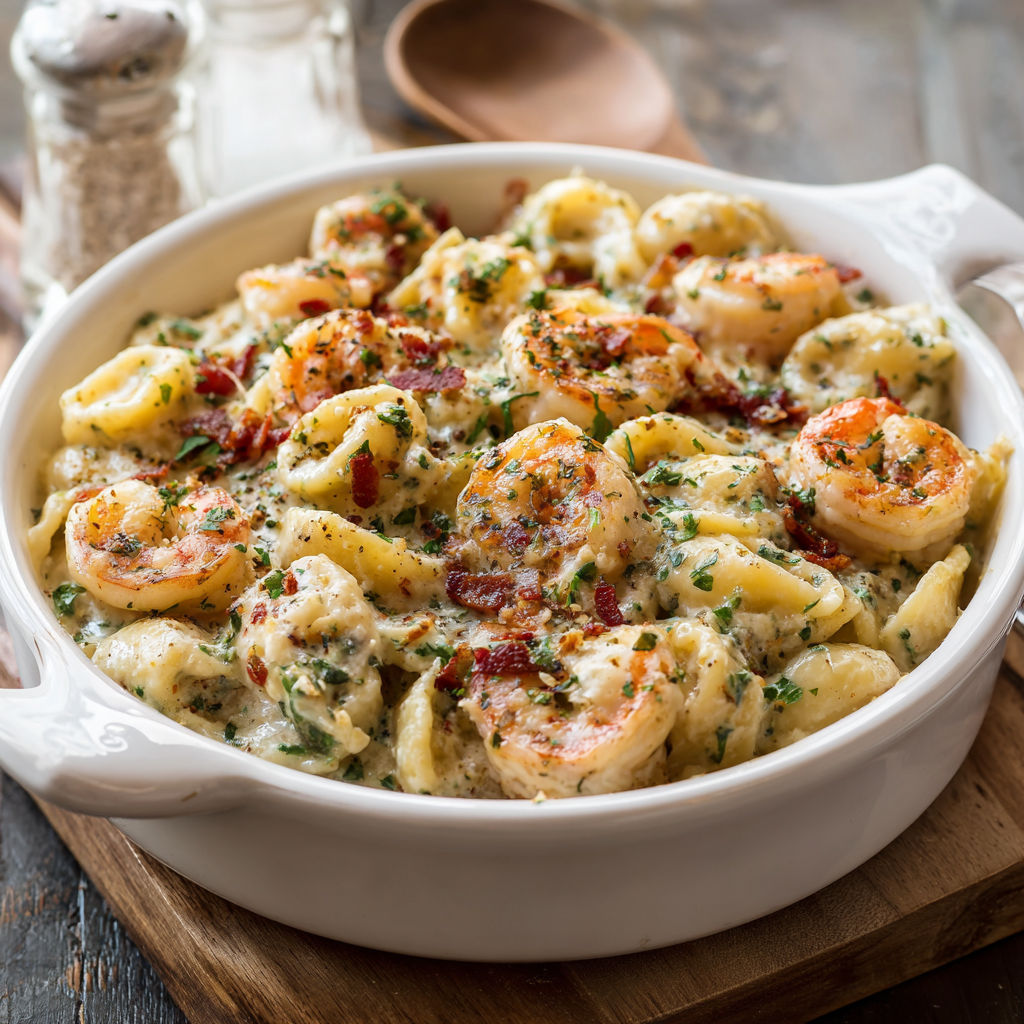
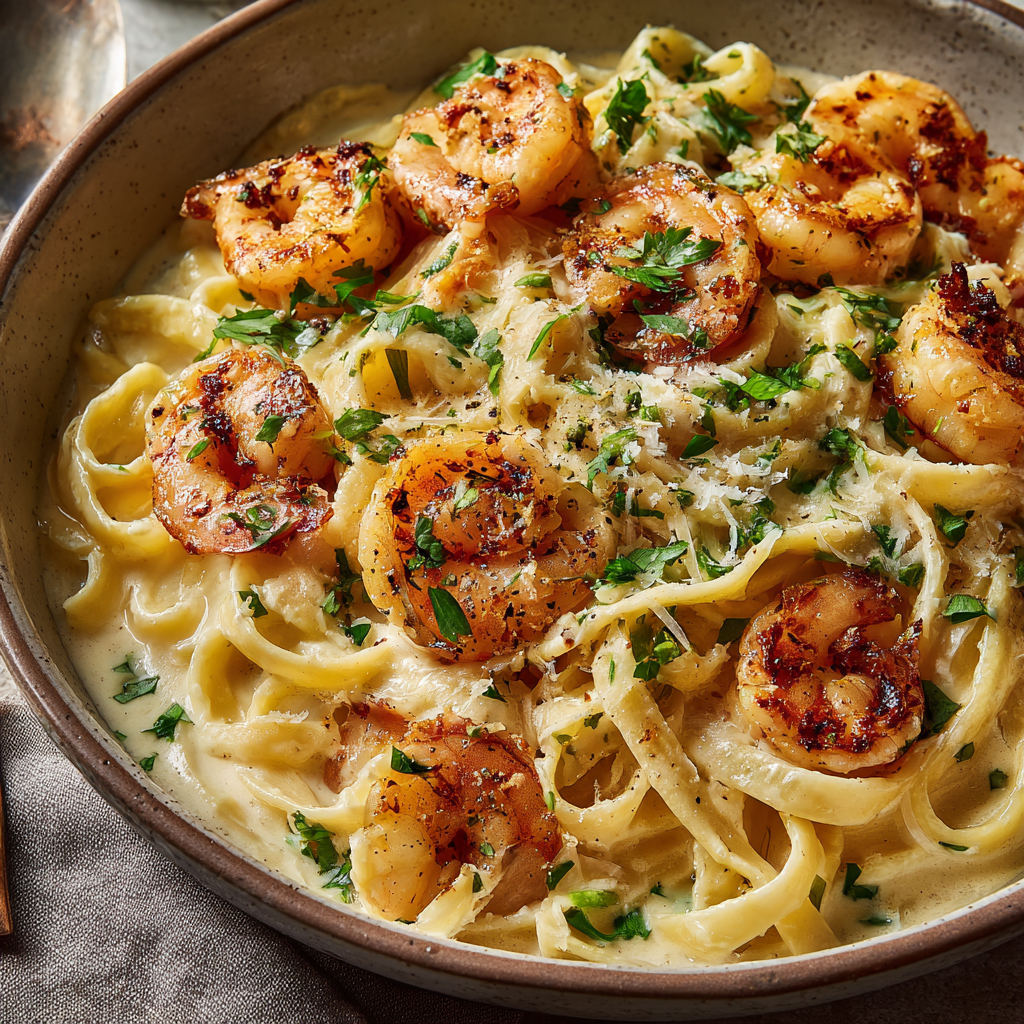
When winter evenings demand something rich, comforting, and utterly satisfying, this creamy shrimp alfredo delivers restaurant-quality indulgence that transforms a simple dinner into something truly special. Plump, succulent shrimp nestle into silky homemade alfredo sauce that clings to every strand of perfectly cooked pasta, creating pure comfort in every forkful. What makes this recipe particularly wonderful is how it achieves that luxurious, velvety texture and deep flavor using real ingredients and straightforward techniques rather than jarred sauces or complicated processes. The combination of butter, cream, and freshly grated Parmesan creates a sauce so smooth and flavorful that it rivals anything you’d order at an Italian restaurant, while the tender shrimp add protein and elegant sophistication. Whether you’re craving cozy comfort food on a cold night, planning a romantic dinner at home, or looking to impress dinner guests without spending hours in the kitchen, this shrimp alfredo delivers impressive results in just 30 minutes from start to finish.
Ingredients
This recipe makes 4 servings.
For the Pasta and Shrimp:
- 1 pound fettuccine pasta
- 1.5 pounds large shrimp (16-20 count), peeled and deveined
- 1 teaspoon salt
- 1/2 teaspoon black pepper
- 1/2 teaspoon garlic powder
- 1/4 teaspoon paprika
- 2 tablespoons olive oil
- 2 tablespoons butter
For the Alfredo Sauce:
- 4 tablespoons unsalted butter
- 4 cloves garlic, minced
- 1.5 cups heavy cream
- 1 cup whole milk
- 1.5 cups freshly grated Parmesan cheese
- 1/2 teaspoon salt
- 1/4 teaspoon black pepper
- 1/4 teaspoon nutmeg (optional)
- 1/4 cup reserved pasta water
- 2 tablespoons fresh parsley, chopped
- Additional Parmesan for serving
- Red pepper flakes (optional)
Instructions
- Bring a large pot of generously salted water to a rolling boil over high heat for cooking the pasta.
- Add the fettuccine to the boiling water and cook according to package directions until al dente, usually 10 to 12 minutes.
- Reserve 1 cup of the starchy pasta cooking water before draining, then drain the pasta and set aside.
- While the pasta cooks, pat the shrimp completely dry with paper towels to remove excess moisture that prevents proper searing.
- Season the shrimp on both sides with salt, black pepper, garlic powder, and paprika, tossing to coat evenly.
- Heat the olive oil and 2 tablespoons butter in a large skillet over medium-high heat until the butter melts and begins to foam.
- Add the seasoned shrimp to the hot skillet in a single layer, making sure not to overcrowd the pan.
- Cook the shrimp for 2 to 3 minutes without moving them, allowing the bottoms to turn pink and develop slight golden color.
- Flip each shrimp and cook for another 1 to 2 minutes until just cooked through and opaque, then transfer to a clean plate.
- Reduce the heat to medium and add 4 tablespoons of butter to the same skillet, swirling to melt completely.
- Add the minced garlic to the melted butter, stirring constantly for 30 seconds until fragrant but not browned.
- Pour in the heavy cream and whole milk, whisking to combine with the butter and garlic.
- Bring the mixture to a gentle simmer, then reduce heat to medium-low and let it simmer for 3 to 4 minutes to thicken slightly.
- Add the freshly grated Parmesan cheese gradually, whisking constantly until it melts completely and creates a smooth sauce.
- Season the sauce with salt, black pepper, and nutmeg if using, stirring to incorporate evenly.
- Add the drained pasta to the sauce along with a splash of reserved pasta water, tossing to coat every strand thoroughly.
- Continue tossing and adding more pasta water as needed until the sauce reaches your desired consistency and clings to the pasta.
- Return the cooked shrimp to the skillet along with any accumulated juices, folding gently to warm them through.
- Remove from heat and stir in the fresh parsley for color and brightness.
- Taste and adjust seasonings with additional salt, pepper, or Parmesan as needed.
- Divide the shrimp alfredo among serving plates or bowls while still hot and creamy.
- Garnish with extra Parmesan cheese, fresh parsley, and red pepper flakes if desired before serving immediately.
Understanding Authentic Alfredo Sauce
True alfredo sauce contains just butter, cream, and Parmesan cheese—no flour, no cream cheese, no complicated roux. This simple trio creates luxurious texture through the emulsification of fat and cheese with the help of pasta water’s starch. The result is a silky, coating sauce that tastes purely of quality ingredients rather than thickeners or additives that dilute flavor and create artificial texture.
The name “Alfredo” comes from Alfredo di Lelio, a Roman restaurateur who created this dish in the early 1900s using butter and Parmesan tossed with fettuccine. Over time, American versions evolved to include cream, which creates a richer, more stable sauce that holds better during service. While purists might object to the cream addition, it produces the luscious, velvety texture that most people expect from alfredo sauce and makes home preparation more forgiving and successful.
Understanding that alfredo sauce relies entirely on quality ingredients means using the best butter, cream, and Parmesan you can afford. Store-brand or pre-grated Parmesan produces grainy, separated sauce with bland flavor, while freshly grated Parmigiano-Reggiano creates smooth, nutty richness that transforms the entire dish. Similarly, real heavy cream—not half-and-half or milk—provides the fat content necessary for proper emulsification and luxurious mouthfeel.
Selecting and Preparing Perfect Shrimp
Choosing the right size shrimp ensures they remain juicy and prominent in the finished dish without getting lost among the pasta. Large shrimp labeled 16-20 count (meaning 16 to 20 shrimp per pound) provide substantial bites with satisfying texture that holds up to the rich sauce. Smaller shrimp can work but may overcook easily and feel less luxurious, while jumbo shrimp can overwhelm the pasta and feel disproportionate.
Fresh shrimp taste best but frozen shrimp work perfectly well and offer better value and convenience for most home cooks. If using frozen, thaw them overnight in the refrigerator or quickly under cold running water, then pat them completely dry before seasoning. Excess moisture creates steam rather than allowing proper browning, resulting in pale, rubbery shrimp instead of the slightly caramelized exterior that adds flavor and visual appeal.
Properly cooking shrimp requires understanding that they transform from translucent to opaque in just minutes and continue cooking from residual heat even after removal from the pan. Shrimp are done when they form a loose “C” shape—if they curl into tight circles, they’re overcooked and will have tough, rubbery texture. Therefore, slightly undercook the shrimp during their initial sear, as they’ll finish cooking when returned to the warm sauce, ensuring perfectly tender results.
Creating Silky, Non-Grainy Sauce
The key to smooth alfredo sauce lies in using freshly grated Parmesan rather than the pre-grated varieties that contain cellulose to prevent clumping. These anti-caking agents prevent proper melting and create grainy, separated sauce no matter how carefully you prepare it. Taking five minutes to grate fresh Parmesan from a wedge dramatically improves your sauce and transforms it from acceptable to exceptional.
Adding cheese gradually while whisking constantly allows each addition to melt completely before adding more, preventing clumping and ensuring smooth incorporation. Dumping all the cheese in at once creates a stringy, separated mess that never fully emulsifies into the cream. Furthermore, maintaining moderate heat during this process prevents the cheese from seizing or the cream from breaking, both of which ruin the sauce’s texture.
The starchy pasta cooking water serves as a secret weapon that helps bind the sauce to the pasta while adjusting consistency perfectly. The starch acts as an emulsifier that helps fat and water stay combined, creating cohesion between the sauce and noodles. Adding it gradually allows you to control the final texture—thicker for a coating sauce or slightly thinner for more saucy results—while the salt in the pasta water seasons everything from within.
Mastering Garlic Without Bitterness
Fresh garlic provides aromatic foundation that elevates alfredo from simple cream sauce to something complex and crave-worthy. However, garlic requires careful handling because it burns quickly and turns acrid and bitter when exposed to high heat. Adding garlic after reducing the heat and cooking it for just 30 seconds in butter allows it to release its essential oils and mellow slightly without developing harsh, burnt flavors.
Mincing garlic finely ensures it distributes evenly throughout the sauce and cooks quickly without leaving large chunks that remain raw or burn before the rest cooks through. Using a garlic press or microplane creates even finer texture that melts into the sauce almost completely, contributing pure garlic essence rather than textural presence. This approach creates more subtle, integrated garlic flavor rather than distinct bites that might overwhelm the delicate sauce.
Some cooks prefer roasted garlic for sweeter, mellower flavor that complements the rich cream and cheese without any sharpness. If you have time, roasting a head of garlic wrapped in foil at 400°F for 40 minutes creates spreadable cloves with caramelized sweetness. Squeeze the roasted garlic directly into your sauce for depth that differs from but equals fresh garlic in its contribution to the overall flavor profile.
Achieving Restaurant-Quality Pasta Texture
Cooking pasta properly forms the foundation for excellent alfredo—even perfect sauce cannot salvage mushy, overcooked noodles. Al dente pasta has a slight firmness when bitten that provides pleasant texture and prevents it from becoming soft and pasty when tossed with sauce. Testing a strand a minute or two before the package’s suggested time ensures you catch the pasta at precisely the right moment.
Salting the pasta water generously—it should taste like the sea—seasons the noodles from within as they cook and absorb water. This internal seasoning cannot be replicated by salting after cooking and contributes significantly to the final dish’s flavor depth. Additionally, properly salted pasta water seasons the sauce when you add some of it later, creating cohesive seasoning throughout every component.
Tossing the pasta with sauce while both are hot allows the noodles to absorb some sauce and creates better integration than simply topping pasta with sauce. This technique, fundamental to Italian cooking, ensures every strand carries sauce rather than the sauce pooling at the bottom of the bowl. Working quickly while everything remains hot helps the sauce cling properly and creates that restaurant-quality presentation where pasta and sauce appear inseparable.
Balancing Richness with Brightness
Heavy cream and butter create luxurious richness but can taste monotonous without elements that provide contrast and brightness. Fresh parsley adds color and fresh, herbaceous notes that cut through the fat and make each bite more interesting and less heavy. Similarly, the optional nutmeg contributes warm, aromatic complexity that enhances rather than dominates the cheese and cream, creating subtle depth that most people can’t identify but definitely notice.
The contrast between the rich sauce and properly seasoned shrimp prevents the dish from tasting one-dimensional despite its indulgent nature. Seasoning the shrimp before cooking ensures they contribute their own flavors rather than simply absorbing sauce, creating more complex taste with each forkful. Additionally, any caramelization achieved during searing adds depth that plain, unseasoned shrimp would lack.
Offering red pepper flakes at the table allows each person to customize their heat level while adding another dimension that makes the rich pasta more dynamic. The slight heat wakes up your palate and prevents richness fatigue that can occur when eating cream-based dishes. Even those who don’t typically enjoy spicy food often appreciate a small pinch that adds interest without creating discomfort.
Preventing Common Alfredo Failures
Grainy, separated sauce typically results from using pre-grated Parmesan, adding cheese too quickly, or cooking over heat that’s too high. Preventing this disappointing outcome requires patience, proper ingredients, and gentle heat that allows cheese to melt gradually without seizing. If your sauce does break, sometimes whisking in a tablespoon of warm water or cream while off the heat can bring it back together, though prevention is always easier than correction.
Sauce that’s too thin lacks the coating ability that makes alfredo so satisfying and allows the pasta and sauce to remain separate rather than unified. This usually happens from using too much liquid or not enough cheese, though adding pasta water gradually while tossing helps achieve perfect consistency. Conversely, sauce that’s too thick becomes pasty and heavy, which you can correct by thinning with additional cream or pasta water until it flows smoothly and coats pasta without clumping.
Overcooked shrimp plague many home cooks who fear undercooking and compensate by cooking too long. Remember that shrimp cook incredibly quickly—usually less than 5 minutes total—and become rubbery when overcooked. Watching for the color change from translucent to opaque provides a more reliable indicator than timing, as shrimp size and pan temperature affect cooking speed significantly.
Serving and Storing Tips
Serving Tips
Serve this shrimp alfredo immediately while the sauce is silky and hot for optimal texture and enjoyment. Cream sauces begin solidifying as they cool, so alfredo tastes best within minutes of preparation when it’s smooth and coating rather than thick and separated. Using warmed plates or bowls helps maintain temperature longer and keeps the sauce fluid and appealing throughout the meal.
Classic accompaniments include garlic bread or breadsticks for soaking up extra sauce, and a crisp Caesar or arugula salad that provides refreshing contrast to the rich pasta. Roasted asparagus, sautéed spinach, or steamed broccoli add color, nutrition, and textural variety while their slight bitterness balances the cream’s sweetness. These simple sides transform the pasta into a complete meal without requiring additional complex preparation.
For special occasions, present the alfredo in a large serving bowl at the table, garnished generously with fresh herbs and shaved Parmesan. This family-style service creates a convivial atmosphere while allowing guests to serve themselves generous portions. Alternatively, plate individually with shrimp arranged artfully on top of pasta twirls for restaurant-style presentation that impresses without pretension.
Storage Tips
Store leftover shrimp alfredo in an airtight container in the refrigerator for up to 2 days maximum, though texture deteriorates significantly during storage. The cream sauce separates and becomes grainy as it cools, while the pasta continues absorbing liquid and becomes softer. Despite these changes, leftovers remain edible and many people still enjoy them, though they never quite match the original preparation’s quality.
When reheating, add a splash of cream, milk, or even water to the pasta before warming gently in a skillet over low heat or in the microwave in short bursts. Stir frequently to redistribute the sauce and prevent hot spots that can make the shrimp rubbery. Adding a bit of freshly grated Parmesan during reheating can help restore some of the creamy texture and improve the overall result, though it won’t be quite the same as fresh.
Freezing alfredo is not recommended because cream sauces separate completely when frozen and thawed, creating unappetizing, watery results with grainy texture. The shrimp also suffer texture changes from freezing that make them tough and less pleasant to eat. If you must freeze leftovers, understand that you’ll need to make a fresh sauce and possibly discard the old one, keeping only the shrimp and pasta for use in a different preparation.
Helpful Notes
For lighter versions, substitute half the heavy cream with whole milk or half-and-half, though the sauce will be slightly less rich and may require a touch more Parmesan for proper consistency. Greek yogurt stirred in at the end can add tang and creaminess while reducing overall fat, though it changes the character significantly from traditional alfredo. These modifications work reasonably well for those watching calories while still wanting creamy pasta.
Adding vegetables like sun-dried tomatoes, spinach, or peas creates more complete nutrition and adds color that makes the dish more visually appealing. Stir tender greens directly into the hot sauce where they’ll wilt in seconds, or add heartier vegetables that have been pre-cooked. These additions stretch the recipe further and add interest without significantly changing the preparation method or time investment.
Substituting other proteins like grilled chicken, scallops, or even crispy bacon creates entirely different but equally delicious variations. The alfredo sauce serves as a versatile base that complements virtually any protein, allowing you to customize based on preferences, what’s on sale, or what you have available. This flexibility makes mastering the basic sauce technique worthwhile, as it opens up countless dinner possibilities.
Common mistakes include using dried pasta that’s past its prime and breaks during cooking, rinsing cooked pasta which removes the starch needed for sauce adhesion, or making the sauce ahead and trying to reheat it, which never works well. Additionally, using skim milk or reduced-fat cream produces thin, watery sauce that never achieves proper consistency or satisfying richness no matter how much cheese you add.
Chef Tips
Professional chefs often finish the pasta by tossing it in the sauce over low heat for a minute or two rather than simply combining off the heat. This technique allows the pasta to absorb some sauce while the starch releases further, creating even better integration and coating. The gentle heat also helps thicken the sauce slightly through evaporation while ensuring everything reaches serving temperature simultaneously.
Another expert approach involves using a blend of Parmesan and Pecorino Romano cheeses for more complex, slightly sharper flavor that adds interest to the mild cream base. Use about three-quarters Parmesan and one-quarter Pecorino for balanced results, or adjust the ratio based on how assertive you want the cheese flavor to be.
Frequently Asked Questions
Can I use pre-cooked shrimp? Yes, though fresh raw shrimp taste better; add pre-cooked shrimp at the very end just to warm through without additional cooking.
Why is my sauce grainy instead of smooth? You likely used pre-grated Parmesan with anti-caking agents; always use freshly grated cheese from a wedge for smooth results.
Can I make alfredo sauce ahead of time? Not recommended as it separates when cooled and reheated; alfredo tastes best made fresh and served immediately for optimal texture.
What can I substitute for heavy cream? Half-and-half works but creates thinner sauce; evaporated milk provides richness with less fat, though results differ from traditional alfredo.
How do I know when shrimp are done? They turn pink and opaque throughout, usually in 4-5 minutes total; overcooking makes them rubbery and tough.
Embracing Comforting Indulgence
Mastering rich, satisfying dishes like shrimp alfredo reminds us that food serves purposes beyond mere nutrition—it provides comfort, pleasure, and connection during cold winter months when we need warmth most. This creamy pasta proves that occasional indulgence has its place in balanced living and that denying yourself entirely often leads to feeling deprived rather than virtuous. When you prepare decadent dishes mindfully and enjoy them without guilt, food becomes a source of joy rather than stress or conflict.
The practical skill of creating restaurant-quality sauces at home empowers you to enjoy luxury dishes without the expense or hassle of dining out. Once you understand how emulsification works and master the simple technique of gradually adding cheese to cream, countless variations become possible. This knowledge transforms you into a more confident cook capable of improvising and creating impressive meals from basic pantry staples and fresh ingredients.
As winter deepens and comfort becomes increasingly important, having recipes for warming, indulgent dishes that feel like special occasions becomes valuable for maintaining morale and satisfaction. The act of cooking something luxurious for yourself or loved ones demonstrates care and creates experiences that nourish souls alongside bodies. Many people find that preparing and sharing rich, comforting foods becomes a cherished winter ritual that marks the season and creates warmth that extends beyond the physical.
The simple pleasure of twirling creamy pasta around your fork and savoring tender shrimp in silky sauce creates moments of contentment that remind us why we cook and eat together. Each satisfying bite offers a brief escape from winter’s harshness and life’s stresses, providing comfort that goes deeper than mere calories. These moments of genuine enjoyment, shared around the table with people we care about or savored quietly alone, become the memories we return to when we need reminding that life contains beauty, pleasure, and reasons to celebrate even during the coldest, darkest months.
Did this Cozy Winter Shrimp Alfredo become your new favorite indulgence? If you loved how the silky sauce coated every strand of pasta, how the tender shrimp added elegant luxury, and how quickly this restaurant-quality dinner came together in your own kitchen, we’d be absolutely thrilled if you could save this recipe for special occasions, pin it to your comfort food or date night dinners board, or share it with friends who appreciate indulgent, satisfying meals. Your support and enthusiasm mean everything to us and inspire us to keep creating and sharing recipes that make home cooking feel special, achievable, and deeply rewarding for everyone. Tell us in the comments what you served alongside your alfredo and whether you tried any creative variations—we love hearing about your culinary successes and the joy that good food brings to your table!