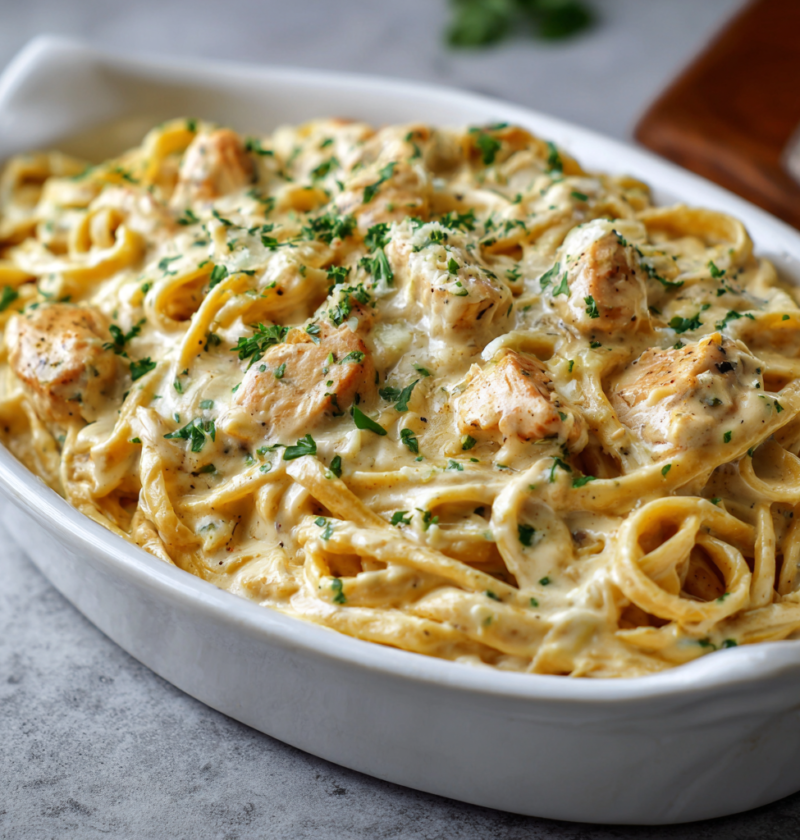
There’s nothing quite like the comfort of twirling a fork through silky, luxurious pasta coated in a creamy sauce while tender chicken pieces add protein and heartiness to every bite. First time I made homemade Alfredo sauce from scratch, I realized why restaurants charge such premium prices for this seemingly simple dish—when done correctly, it’s pure magic on a plate. The secret isn’t some mysterious ingredient or complicated technique; rather, it’s understanding how to balance cream, butter, and Parmesan cheese into a sauce so velvety and rich that you’ll wonder why you ever relied on jarred versions again. Additionally, this creamy chicken Alfredo comes together in under thirty minutes, making it equally suitable for busy weeknights and special dinner occasions when you want to impress without hours of preparation. Whether you’re cooking for your family, surprising a loved one with a home-cooked meal, or hosting casual dinner guests, this restaurant-quality creamy chicken Alfredo delivers elegance and satisfaction that feels indulgent without requiring professional training or hard-to-find ingredients.
Ingredients
This recipe makes 4 servings.
• 1 pound fettuccine or penne pasta • 1.5 pounds boneless, skinless chicken breasts • 6 tablespoons unsalted butter, divided • 4 cloves fresh garlic, minced • 1 cup heavy cream • 1 cup whole milk • 1.5 cups freshly grated Parmesan cheese (about 6 ounces) • 1/2 teaspoon kosher salt • 1/4 teaspoon black pepper • 1/4 teaspoon white pepper (optional, for smoother flavor) • 1/2 teaspoon garlic powder • 1/4 teaspoon nutmeg (just a pinch) • 2 tablespoons fresh lemon juice • 2 tablespoons olive oil • 1 teaspoon fresh thyme leaves (or 1/2 teaspoon dried) • 3 tablespoons fresh parsley, finely chopped • Zest of 1 lemon • 1 tablespoon cornstarch mixed with 2 tablespoons milk (optional, if sauce needs thickening)
Step-by-Step Instructions
Preparing Your Ingredients and Pasta
- Bring a large pot of salted water to a rolling boil, as this is the first step in creating properly seasoned, flavorful pasta.
- Add the fettuccine or penne to the boiling water and cook according to package directions until al dente—usually 9-11 minutes depending on the brand.
- Reserve 1 cup of pasta cooking water before draining the pasta, as this starchy liquid will help adjust the consistency of your sauce later.
- Pat the chicken breasts completely dry using paper towels, ensuring every surface is moisture-free for proper browning.
- Cut each chicken breast horizontally in half to create thinner, more evenly-cooked pieces that will finish cooking faster.
- Mix together the kosher salt, black pepper, garlic powder, and white pepper in a small bowl.
- Season both sides of each chicken piece generously with the spice mixture, distributing it evenly across the entire surface.
Searing the Chicken Perfectly
- Heat 2 tablespoons of butter and 2 tablespoons of olive oil in a large skillet over medium-high heat until the butter foams and just starts to brown slightly.
- Carefully place the seasoned chicken pieces into the hot skillet, arranging them without overlapping if possible—if necessary, work in two batches rather than crowding the pan.
- Sear the chicken for 5-6 minutes on the first side without moving them around, allowing a golden-brown crust to develop across the entire surface.
- Flip each piece using tongs and sear the other side for another 4-5 minutes until light golden brown and cooked through.
- Transfer the cooked chicken to a cutting board and let it rest for 3-4 minutes, then cut it into bite-sized pieces suitable for tossing with pasta.
Creating the Creamy Alfredo Sauce
- Reduce the heat to medium and add the remaining 4 tablespoons of butter to the same skillet, allowing it to melt and coat the bottom evenly.
- Stir in the minced garlic and cook for about 1 minute, stirring constantly until it becomes fragrant and light golden without burning.
- Pour in the heavy cream and whole milk together, stirring to combine and creating a smooth, creamy base for your sauce.
- Bring the cream mixture to a gentle simmer, then immediately reduce the heat to medium-low to maintain a steady, gentle simmer without boiling.
- Cook for 2-3 minutes, stirring occasionally, allowing the cream to warm completely and the flavors to meld together.
- Sprinkle the fresh thyme into the sauce and stir to distribute evenly.
- Taste the sauce and adjust salt and pepper as needed, remembering that Parmesan cheese adds saltiness, so be conservative with additional salt at this stage.
Adding the Cheese and Building Creaminess
- Remove the skillet from the heat—this is crucial, as high heat can cause the cheese to become grainy and separate rather than creating a smooth sauce.
- Gradually add the grated Parmesan cheese in several batches, stirring constantly after each addition to ensure the cheese melts smoothly and evenly.
- Stir in the fresh lemon juice, which brightens the sauce and prevents it from tasting one-dimensional or overly heavy.
- Add just a tiny pinch of nutmeg, stirring gently—nutmeg adds sophisticated depth to the sauce but should never taste obvious or prominent.
- If the sauce seems too thick, gradually stir in some of the reserved pasta water a tablespoon at a time until you reach your desired consistency.
- If the sauce is too thin, mix the cornstarch slurry and stir it into the warm sauce, cooking over medium-low heat for 1-2 minutes until it reaches the perfect consistency.
Bringing It All Together
- Return the cooked chicken pieces to the sauce and stir gently to coat them evenly, heating through for about 1-2 minutes.
- Add the drained pasta to the skillet, tossing everything together until the pasta is completely coated in the creamy sauce.
- If the pasta seems too dry, add more reserved pasta water a splash at a time, tossing gently until you achieve the right consistency.
- Taste and adjust seasonings one final time, adding salt, pepper, or lemon juice as needed to achieve a perfectly balanced flavor.
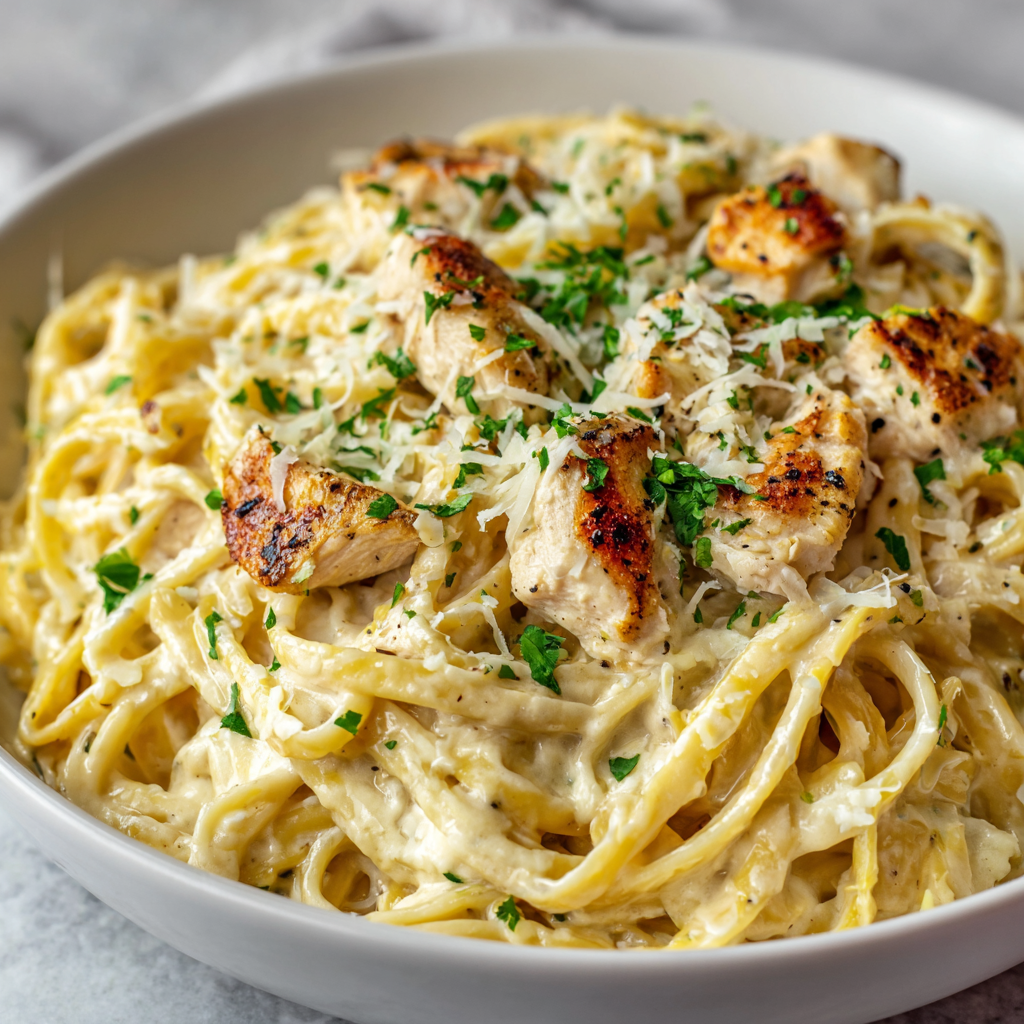
- Transfer the creamy chicken Alfredo to serving bowls or plates, sprinkled generously with fresh parsley and lemon zest for brightness and visual appeal.
Serving and Storing Tips
How to Serve This Elegant Dish
This creamy chicken Alfredo is essentially a complete meal on its own, requiring nothing more than perhaps a simple side salad or crusty bread for soaking up the sauce. However, if you want to round out the table, consider serving a fresh green salad dressed in a light vinaigrette to cut through the richness of the cream sauce. Next, garlic bread or focaccia provides a wonderful textural contrast and gives guests something to enjoy while twirling pasta on their forks. Additionally, roasted vegetables like asparagus, broccoli, or roasted garlic can be tossed directly into the pasta for added nutrition and color without overwhelming the palate. For a more substantial presentation, serve this alongside roasted Brussels sprouts or sautéed spinach tossed with garlic for a balanced meal. A crisp white wine like Pinot Grigio or Sauvignon Blanc pairs beautifully with the creamy sauce, while a light red like Pinot Noir works if you prefer red wine.
Storing Your Leftovers Properly
Store any leftover creamy chicken Alfredo in an airtight container in the refrigerator for up to 2 days, though it’s best enjoyed fresh on the day it’s made. To reheat, place the pasta in a skillet over medium-low heat with a splash of milk or pasta water, stirring occasionally until heated through and the sauce returns to its creamy consistency. Alternatively, microwave individual portions in a microwave-safe container for 1-2 minutes, stirring halfway through, though the stovetop method produces superior results. The sauce can be made ahead and refrigerated separately from the pasta for up to 2 days, then tossed with freshly cooked pasta when ready to serve. Freezing isn’t recommended due to the cream-based sauce, which can separate and become grainy when thawed, though the chicken can be frozen separately if desired.
Helpful Tips and Tricks
Ingredient Substitutions and Variations
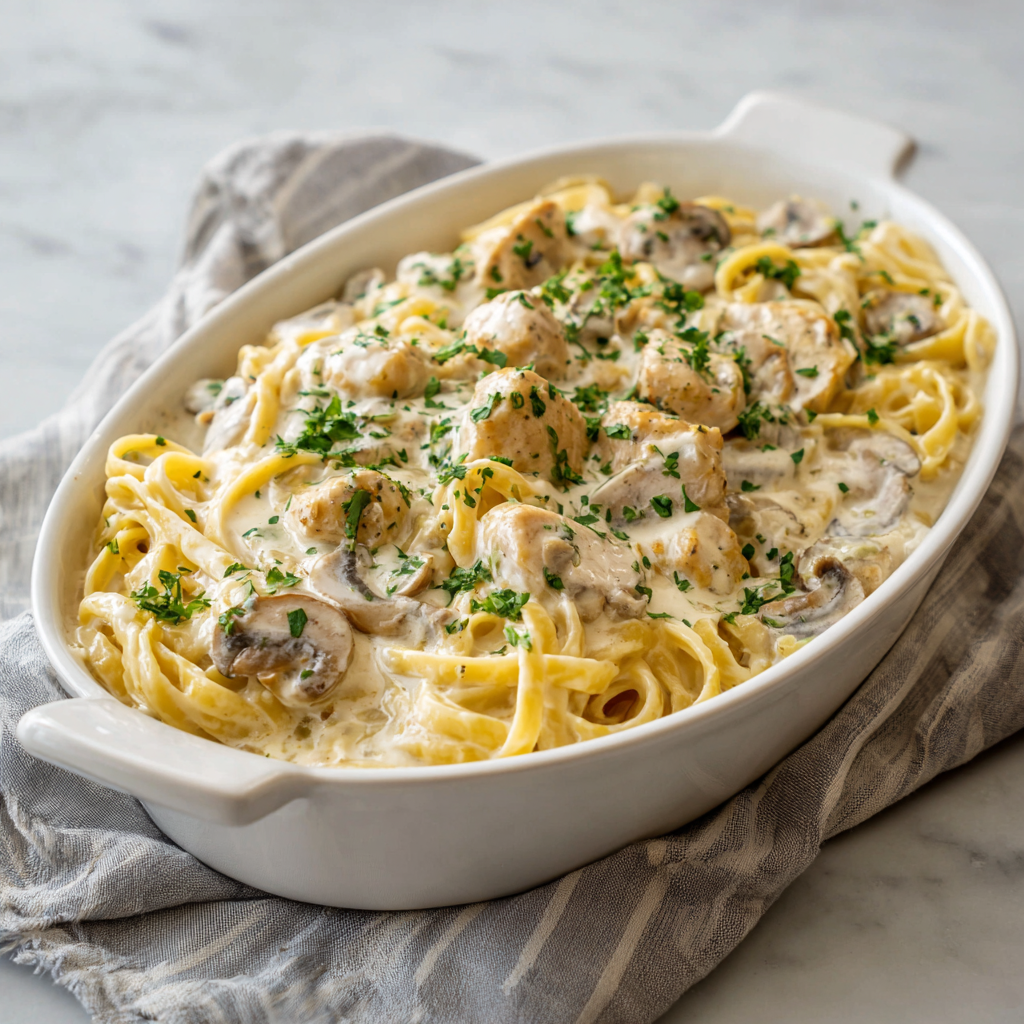
If you don’t have heavy cream, substitute with half-and-half or even whole milk, though the sauce won’t be quite as rich—compensate by using an extra tablespoon of butter. Swap traditional Parmesan for Pecorino Romano for a sharper, more assertive flavor, or use a combination of both cheeses for complexity. Fresh herbs can be replaced with dried herbs at half the quantity, though fresh herbs provide noticeably more vibrant, aromatic flavor. For a lighter version, use skinless chicken breast and reduce the butter to 4 tablespoons total while using a combination of heavy cream and milk. If you want to add vegetables, fold in sautéed mushrooms, sun-dried tomatoes, or steamed broccoli florets directly into the finished sauce just before serving. Consider adding pancetta, prosciutto, or crispy bacon pieces for a smoky, savory variation that elevates the dish beautifully.
Common Mistakes to Avoid
Many home cooks overheat the sauce after adding cheese, which causes the Parmesan to separate and become grainy rather than creating a smooth texture—always remove from heat before adding cheese. Don’t skip patting the chicken dry, as moisture prevents proper browning and creates steam instead of developing that golden crust. Another common mistake is not reserving pasta water; this starchy liquid is invaluable for adjusting sauce consistency and helping it cling to the pasta. Using pre-grated Parmesan from a bag is problematic because the anti-caking agents prevent proper melting—always grate fresh cheese directly from the block. Finally, adding salt too early can result in an overly salty dish, as Parmesan cheese itself is quite salty; taste before making final adjustments.
Time-Saving Strategies
Prepare your minced garlic and fresh herbs the night before, storing them separately in the refrigerator for quick assembly. Use store-bought rotisserie chicken and shred it instead of cooking chicken breasts, which saves significant time on busy weeknights. Consider cooking the pasta while the sauce is being prepared, which reduces overall cooking time substantially. Pre-grate your Parmesan cheese before starting to cook, though store it separately in an airtight container so it doesn’t dry out. Another useful tip is marinating the chicken in salt and garlic powder for 15-20 minutes while you prepare other components, adding flavor depth without additional cooking time. If time is really tight, use boneless, skinless chicken thighs which are naturally more forgiving and harder to overcook than breasts.
Chef Tips for Perfect Results
The absolute secret to silky smooth Alfredo sauce is removing it from heat before adding the cheese and never returning it to high heat afterward—this prevents the cheese from becoming grainy and separating. Always use freshly grated Parmesan cheese directly from a block, not the pre-grated variety, as the anti-caking agents in packaged cheese prevent proper melting and sauce smoothness.
Frequently Asked Questions
Can I use chicken thighs instead of breasts? Absolutely—boneless, skinless chicken thighs are naturally more forgiving and stay incredibly juicy; they cook slightly faster so reduce searing time to 4-5 minutes per side.
What if my sauce breaks or separates? Remove it from heat immediately, then slowly whisk in a splash of cold milk or cream to help bring it back together; if necessary, strain and start over with the dairy.
Can I make this sauce in advance? Yes, prepare the sauce up to 24 hours ahead and refrigerate it, then gently reheat over medium-low heat with a splash of milk to restore creaminess.
How do I prevent the sauce from being too thick or too thin? Reserve pasta water before draining and add it gradually to adjust consistency; use the cornstarch slurry sparingly if you need a thicker sauce.
Can I use store-bought rotisserie chicken? Absolutely—shred about 2 pounds of rotisserie chicken and fold it into the finished sauce, eliminating the need to cook chicken entirely.
Conclusion
This creamy chicken Alfredo recipe proves that restaurant-quality Italian comfort food doesn’t require hours of preparation, expensive ingredients, or professional training to achieve at home. Moreover, the combination of tender, perfectly-seared chicken, silky Parmesan cream sauce, and al dente pasta creates a meal that satisfies both the stomach and the soul. The magic of this dish lies in respecting simple techniques: properly searing the chicken for deep flavor, creating a smooth sauce through careful temperature control, and understanding how to balance richness with brightness through lemon and fresh herbs. Additionally, this recipe is incredibly adaptable, allowing you to customize it with your favorite vegetables, proteins, or cheese variations without compromising the fundamental excellence of the dish. I genuinely believe this will become a go-to recipe in your cooking rotation because it’s fast enough for weeknight dinners, elegant enough for special occasions, and delicious enough that everyone asks for seconds. The combination of creamy sauce, tender chicken, and perfectly cooked pasta creates a complete meal that tastes far more impressive than the minimal effort required to prepare it.
Did you love this recipe? Please save it, pin it, and share it with your friends and family! Your support means the world to us and motivates us to keep creating more delicious, easy recipes for you to enjoy. Let us know in the comments how your creamy chicken Alfredo turned out—we’d absolutely love to hear about your experience and any creative variations you tried to make it your own!