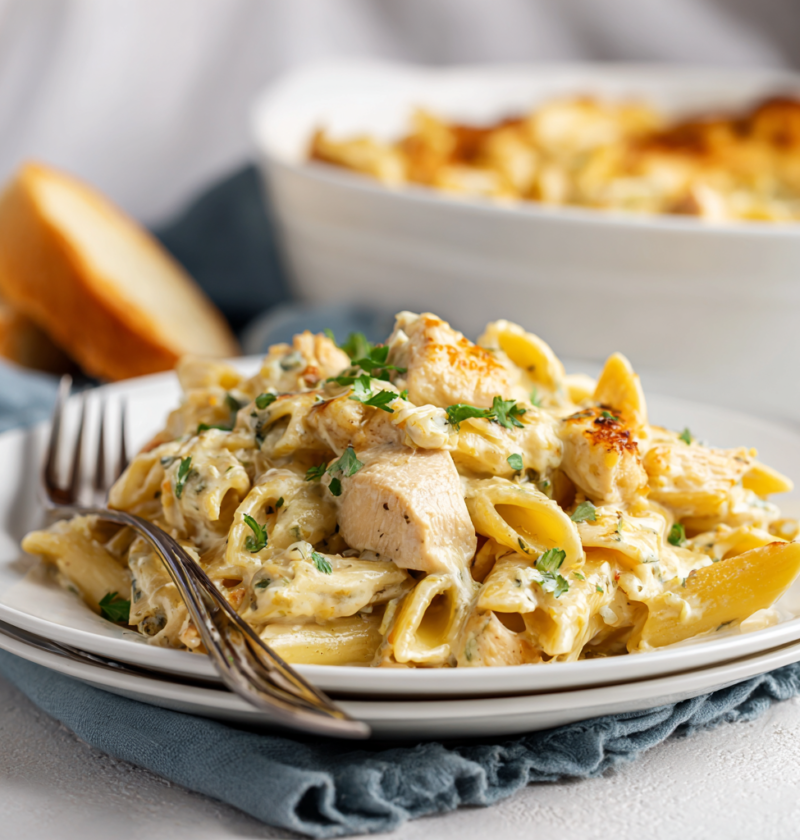
There’s something absolutely irresistible about tender pasta coated in a silky, luxurious cream sauce studded with chunks of perfectly cooked chicken and fresh vegetables that tastes like pure elegance while remaining surprisingly simple to prepare at home. First time I made creamy chicken pasta from scratch using proper techniques instead of relying on jarred creams or boxed versions, I was amazed at how dramatically superior homemade tastes when you build the sauce from quality ingredients and allow proper flavors to develop. The beauty of this classic comfort-meets-elegance dish lies in its remarkable balance: tender chicken, al dente pasta, and a silky cream sauce layer together to create something genuinely greater than the sum of its parts. Additionally, this recipe proves that restaurant-quality pasta dishes don’t require hours of preparation or complicated techniques; straightforward cooking methods combined with quality ingredients create results that taste far more impressive than the minimal actual effort involved. Whether you’re cooking an elegant dinner for someone special, preparing an impressive weeknight meal, entertaining guests who appreciate genuine comfort food, or simply craving something warm and deeply satisfying, this creamy chicken pasta delivers sophisticated flavors that taste indulgent while remaining accessible and manageable for home cooks of all skill levels.
Ingredients
This recipe makes 4 servings.
• 1 pound fettuccine, penne, or linguine pasta • 1.25 pounds boneless, skinless chicken breasts • 4 tablespoons unsalted butter, divided • 2 tablespoons olive oil • 1 medium yellow onion, diced • 5 cloves fresh garlic, minced • 8 ounces mushrooms (cremini or button), sliced • 2 medium carrots, peeled and diced • 1 cup frozen peas • 2 tablespoons all-purpose flour • 1 cup chicken broth • 1 cup heavy cream • 1/2 cup sour cream or Greek yogurt • 1/2 cup dry white wine or additional chicken broth • 1/2 cup grated Parmesan cheese • 1/4 cup cream cheese (optional, for extra richness) • 1 teaspoon kosher salt • 1/2 teaspoon black pepper • 1/2 teaspoon garlic powder • 1/4 teaspoon white pepper (optional) • 1/2 teaspoon Italian seasoning • 1/4 teaspoon thyme (fresh or dried) • 1/4 teaspoon nutmeg (just a pinch) • 2 bay leaves • 1 tablespoon fresh lemon juice • 1 teaspoon Dijon mustard • 1/4 cup fresh parsley, finely chopped • 2 tablespoons fresh basil, finely chopped (optional) • 2 tablespoons fresh chives, finely chopped (optional) • 1 tablespoon cornstarch mixed with 2 tablespoons water (optional, for thickening) • Zest of 1 lemon
Step-by-Step Instructions
Preparing Your Ingredients
- Bring a large pot of salted water to a rolling boil for cooking the pasta.
- Pat the chicken breasts completely dry using paper towels, ensuring every surface is moisture-free for optimal browning.
- Cut each chicken breast into bite-sized pieces or thin strips, depending on your preference for chunk size in the finished dish.
- In a small bowl, combine the kosher salt, black pepper, garlic powder, white pepper, Italian seasoning, and thyme.
- Season the chicken pieces generously with the spice mixture, distributing it evenly across all surfaces.
- Slice the mushrooms into uniform pieces about 1/4-inch thick for even cooking.
- Dice the carrots and onion into uniform pieces so they cook at the same rate.
Cooking the Pasta
- Add the pasta to the boiling water and cook according to package directions until al dente—usually 8-11 minutes depending on type.
- Reserve 1 cup of pasta cooking water before draining the pasta, as this starchy liquid will help adjust the sauce consistency.
- Drain the pasta thoroughly and set aside momentarily while you prepare the creamy chicken sauce.
Searing the Chicken
- Heat 2 tablespoons of butter and 2 tablespoons of olive oil in a large skillet over medium-high heat until the butter foams.
- Add the seasoned chicken pieces to the hot skillet, working in batches if necessary to avoid overcrowding.
- Cook the chicken for about 4-5 minutes without moving it around, allowing it to develop a light golden color.
- Stir the chicken and cook for another 3-4 minutes until mostly cooked through but still slightly pink in the center.
- Transfer the browned chicken to a clean plate, being careful not to overcook it—it will continue cooking in the creamy sauce.
Building the Vegetable Base
- Add the remaining 2 tablespoons of butter to the same skillet, allowing it to melt and coat the bottom evenly.
- Add the sliced mushrooms to the butter and sauté for about 5-6 minutes, stirring occasionally until they release moisture and brown lightly.
- Stir in the diced onion and cook for another 3-4 minutes, stirring occasionally until it becomes soft and translucent.
- Add the minced garlic and cook for approximately 1 minute until fragrant and light golden, being careful not to burn it.
- Add the diced carrots to the skillet, stirring gently to combine with the vegetable base.
- Cook the carrots for about 2-3 minutes, allowing them to begin softening.
Creating the Creamy Sauce Base
- Sprinkle the flour over the vegetables and stir thoroughly, coating everything and creating a thick paste.
- Cook this flour mixture for about 1-2 minutes, stirring constantly, which helps eliminate the raw flour taste while creating a roux base.
- Gradually pour in the chicken broth while stirring constantly to prevent lumps from forming in the sauce.
- Continue stirring until the sauce is completely smooth and beginning to thicken, which typically takes 2-3 minutes.
- Pour in the white wine and use a wooden spoon to gently scrape up any browned bits stuck to the bottom of the pan.
- Add the bay leaves and stir gently to distribute them evenly throughout the sauce.
- Reduce the heat to medium-low and allow the sauce to simmer gently for about 2 minutes.
- Taste the sauce and adjust seasonings with additional salt and pepper as needed for proper balance.
Adding Creaminess and Richness
- Remove the skillet from the heat—this is absolutely crucial, as high heat can cause sour cream to curdle rather than creating smoothness.
- Pour in the heavy cream and sour cream, stirring gently to incorporate and creating a luxurious base.
- If using cream cheese, add it now and stir thoroughly until completely melted and incorporated into the sauce.
- Add the Dijon mustard and fresh lemon juice, stirring gently to incorporate and creating perfectly balanced flavors.
- Stir in the grated Parmesan cheese until completely melted and incorporated.
- Just a tiny pinch of nutmeg should be added, stirring carefully—this adds sophisticated depth without being obvious or overpowering.
- Taste the sauce and make any necessary adjustments to seasonings, adding more salt for depth or more lemon juice for brightness.
- If the sauce seems too thick, gradually stir in some of the reserved pasta water a splash at a time.
- If the sauce seems too thin, mix the cornstarch slurry and stir it into the warm sauce for 1-2 minutes.
Bringing Everything Together
- Return the browned chicken pieces to the skillet, stirring gently to coat them evenly with the creamy sauce.
- Fold in the frozen peas, stirring carefully to distribute them evenly throughout.
- Place the skillet over medium-low heat and cook for 1-2 minutes, stirring occasionally, until everything is heated through completely.
- Remove and discard the bay leaves from the sauce.
- Add the cooked pasta to the skillet, tossing gently but thoroughly to combine everything evenly.
- If the pasta seems too dry, add more reserved pasta water a splash at a time until you reach your desired consistency.
Final Presentation
- Transfer the creamy chicken pasta to a serving platter or individual bowls.
- Sprinkle the fresh parsley, basil, and chives over the top just before serving for brightness and fresh herbal notes.
- Add a generous sprinkle of lemon zest over the entire dish, which provides subtle brightness that complements the rich, creamy sauce beautifully.
Serving and Storing Tips
How to Serve This Elegant Comfort Dish
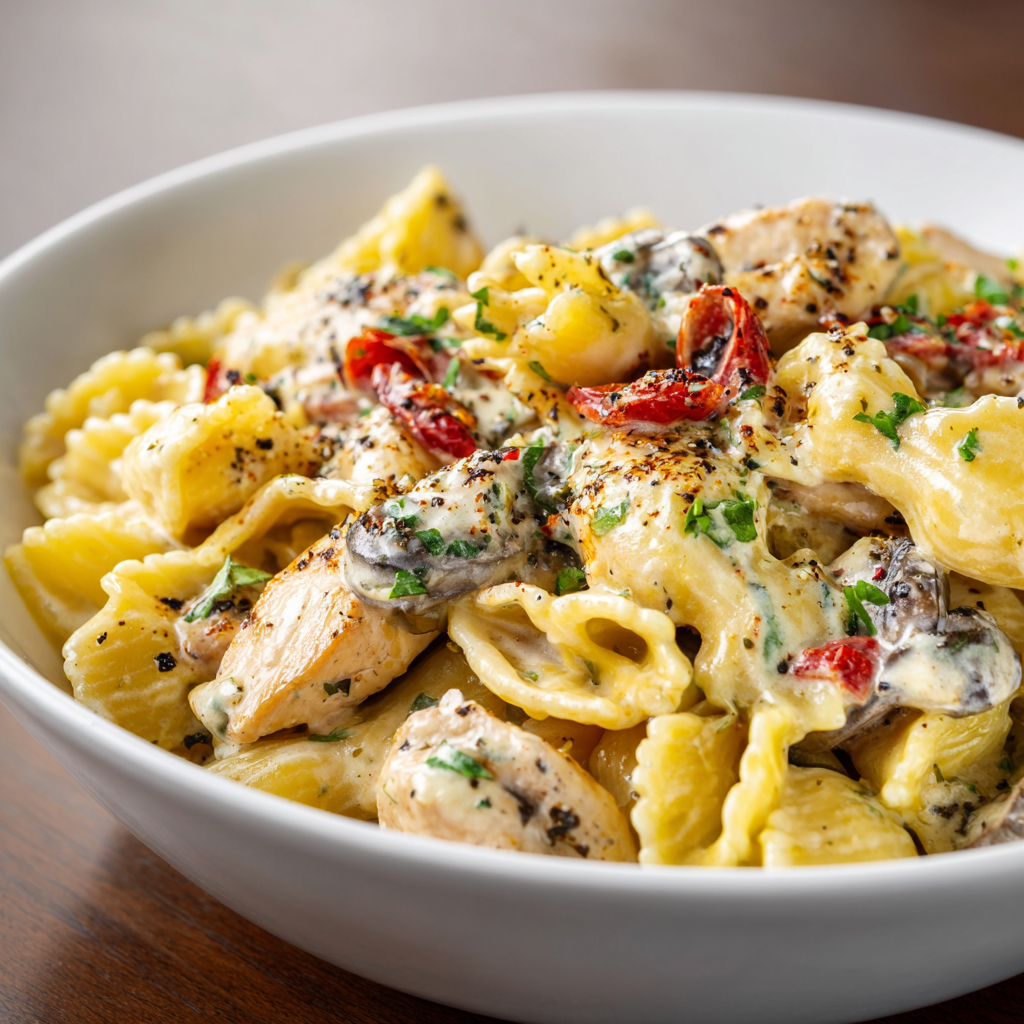
This creamy chicken pasta is essentially a complete meal on its own, requiring nothing more than perhaps a simple side salad or crusty bread for a completely satisfying dinner. However, if you want to round out the table, consider serving a fresh green salad dressed in light vinaigrette to cut through the richness and add brightness. Next, roasted vegetables like asparagus, green beans, or roasted broccoli provide wonderful textural contrast and additional nutrition without overwhelming the delicate, creamy flavors. Additionally, garlic bread or crusty Italian bread works beautifully alongside the pasta for soaking up any flavorful sauce. For a lighter presentation, serve alongside steamed or sautéed spinach tossed with garlic for added vegetables and nutrition without heaviness. A crisp white wine like Pinot Grigio or Sauvignon Blanc pairs beautifully with the creamy sauce and chicken flavors.
Storing Your Leftovers Properly
Store any leftover creamy chicken pasta in an airtight container in the refrigerator for up to 3 days, keeping it completely covered to prevent the sauce from drying out or oxidizing. To reheat, place the pasta in a skillet over medium-low heat, stirring occasionally and adding a splash of chicken broth if the sauce has thickened too much—this gentle stovetop method preserves the creamy texture beautifully. Alternatively, microwave individual portions in a microwave-safe container for 1-2 minutes, stirring halfway through, though the stovetop method produces noticeably superior results. For freezing, let the pasta cool completely before transferring to a freezer-safe container or zip-top bag for up to 2 months. Thaw frozen portions overnight in the refrigerator and reheat gently on the stovetop over medium-low heat, adding additional broth if the sauce has become too thick.
Helpful Tips and Tricks
Ingredient Substitutions and Variations
If you don’t have sour cream, substitute with Greek yogurt or crème fraîche for different flavor profiles and creaminess levels. Swap the pasta shape—any pasta works beautifully, though wider shapes like fettuccine or pappardelle hold sauce nicely. For a lighter version, use half-and-half or whole milk instead of heavy cream and reduce the cheese amounts. Fresh herbs can be replaced with dried herbs at half the quantity, though fresh herbs provide noticeably more vibrant, aromatic flavor. Consider adding sun-dried tomatoes, roasted red peppers, spinach, or artichoke hearts to the sauce for additional flavor complexity and nutrition. For a spicier version, increase the red pepper flakes or add hot sauce to the finished pasta for extra heat and depth.
Common Mistakes to Avoid
Many home cooks add sour cream while the pan is still hot, which can cause curdling and create a broken, unappetizing sauce—always remove from heat first. Don’t skip browning the chicken properly; this develops crucial flavor through the Maillard reaction that you simply can’t replicate. Another common mistake is overcooking the chicken in the initial browning—it should still be slightly pink since it continues cooking in the hot sauce. Burning the garlic is problematic, as burnt aromatics taste bitter and ruin the entire dish—cook over medium heat and watch constantly. Finally, overcooking the pasta before combining with the sauce can result in mushy, overcooked pasta since it continues cooking.
Time-Saving Strategies
Prepare your minced garlic and fresh herbs the night before, storing them separately in the refrigerator for quick assembly. Slice your mushrooms and vegetables the morning of cooking, storing them in the refrigerator in airtight containers. Consider using pre-cooked rotisserie chicken, which saves significant time on busy evenings. Another useful tip is cooking the pasta while the sauce is being prepared, which streamlines the overall cooking process. Pre-measure all your seasonings into a small bowl the night before, making the cooking process require only quick, efficient steps.
Chef Tips for Perfect Results
The absolute secret to silky smooth creamy chicken pasta sauce is removing it from heat before adding the sour cream and never returning it to high heat afterward—this prevents curdling and maintains a luxurious texture. Always use freshly grated Parmesan cheese rather than pre-grated varieties, as fresh cheese melts smoothly while pre-grated contains anti-caking agents that prevent proper melting.
Frequently Asked Questions
Can I use chicken thighs instead of breasts? Absolutely—boneless, skinless chicken thighs are naturally more forgiving and stay incredibly juicy; they cook slightly faster so reduce cooking time to 3-4 minutes per step.
What if my sauce curdles or breaks? Remove it from heat immediately, then slowly whisk in a splash of cold broth or sour cream to help bring it back together smoothly.
Can I make the sauce in advance? Yes, prepare the sauce up to 24 hours ahead and refrigerate it, then gently reheat over medium-low heat and combine with cooked pasta when ready.
How do I prevent the sauce from being too thick or too thin? Add pasta water gradually to thin, or make a cornstarch slurry to thicken; you can always adjust at the end.
Can I add different vegetables to customize this dish? Absolutely—add spinach, broccoli, sun-dried tomatoes, roasted red peppers, or artichoke hearts; adjust cooking time based on vegetable type.
Conclusion
This creamy chicken pasta recipe represents the perfect balance of elegant sophistication and accessible home cooking, delivering restaurant-quality results that taste far more complicated than the straightforward technique actually requires. Moreover, the combination of tender chicken, silky cream sauce, fresh pasta, and aromatic vegetables creates a complete meal that satisfies both the appetite and the soul simultaneously. The magic of this dish lies in respecting proper technique: properly browning the chicken for deep flavor, sautéing vegetables until tender, and creating a smooth sauce through careful temperature control and gentle cream incorporation. Additionally, this recipe is incredibly adaptable, allowing you to customize it with different proteins, vegetables, or sauce variations without compromising the fundamental excellence of the dish. I genuinely believe this will become a go-to recipe in your cooking rotation because it’s fast enough for busy weeknights, elegant enough for special occasions, and delicious enough that everyone asks for seconds. The combination of tender chicken, creamy sauce, fresh vegetables, and perfectly cooked pasta creates a complete meal that tastes impressive without requiring the stress or time investment usually associated with restaurant-quality cooking.
Did you love this recipe? Please save it, pin it, and share it with your friends and family! Your support means the world to us and motivates us to keep creating more delicious, easy recipes for you to enjoy. Let us know in the comments how your creamy chicken pasta turned out—we’d absolutely love to hear about your experience and any creative variations you tried to make this elegant comfort dish your own!