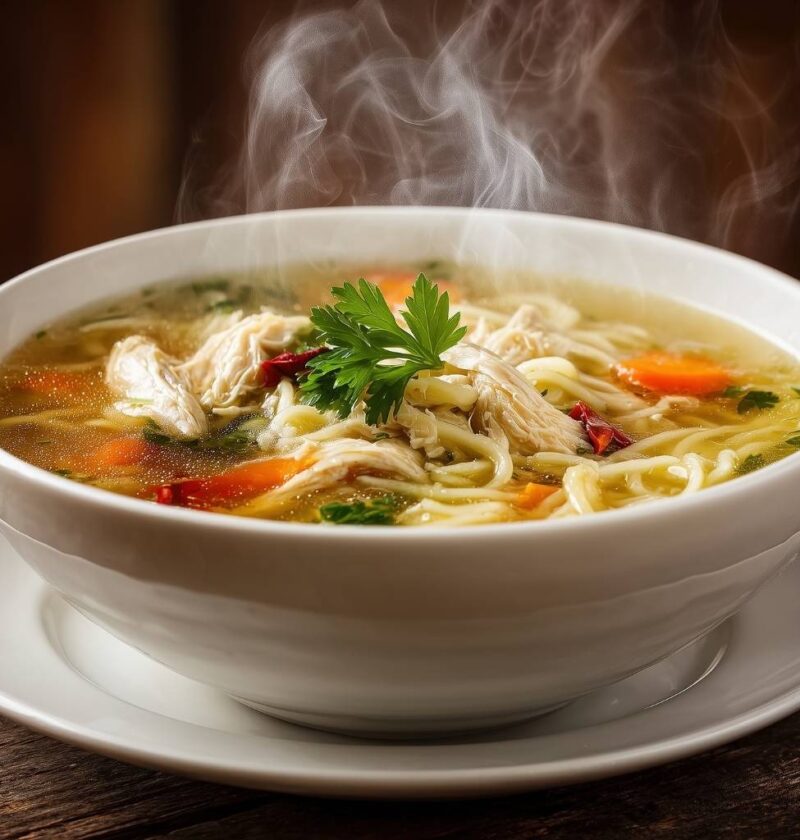
There’s something deeply satisfying about a steaming bowl of creamy potato soup—the kind that wraps around you like a warm hug on a chilly evening, filling your belly and soothing your soul in equal measure. This classic comfort food has graced dinner tables for generations because it delivers pure, uncomplicated satisfaction through humble ingredients transformed by proper technique and care. First, what makes this soup truly special is its velvety texture that comes from potatoes themselves rather than excessive cream, making it both indulgent and surprisingly wholesome. Additionally, the recipe is remarkably flexible, allowing you to build flavors exactly as you prefer while maintaining that signature creamy consistency everyone craves. Whether you’re cooking for a quiet night at home, preparing a meal for guests, or looking to warm your family after a long day, this soup never fails to deliver comfort and nourishment. The beauty lies in its simplicity—no exotic ingredients or complicated techniques required, just quality potatoes, fresh vegetables, and a touch of culinary intuition that makes all the difference.
Ingredients
This recipe makes 6 servings with generous portions.
• 3 pounds russet potatoes, peeled and cut into 1-inch cubes • 4 tablespoons butter • 1 large yellow onion, diced • 3 celery stalks, diced • 4 cloves garlic, minced • 4 cups chicken or vegetable broth • 1 cup heavy cream (or half-and-half for lighter version) • ½ cup whole milk • 1 teaspoon sea salt (adjust to taste) • ½ teaspoon black pepper • ½ teaspoon dried thyme • ¼ teaspoon cayenne pepper (optional) • 2 bay leaves • 4 slices bacon, cooked and crumbled (optional) • ¾ cup sharp cheddar cheese, shredded (optional) • 3 green onions, sliced thin • Fresh chives for garnish (optional)
Step-by-Step Cooking Instructions
Melt the butter in a large pot or Dutch oven over medium heat. Once the butter is foaming, add the diced onion and celery, stirring frequently for about 5 minutes until the vegetables become soft and translucent. Next, add the minced garlic and cook for an additional minute, stirring constantly so the garlic flavors the butter without burning.
Pour the chicken broth into the pot and bring it to a gentle simmer. Add the cubed potatoes and bay leaves, then increase the heat slightly to maintain a steady simmer. Additionally, season with salt, pepper, and dried thyme at this point, stirring well to distribute the seasonings throughout the liquid.
Allow the potatoes to cook uncovered for about 15 to 18 minutes, or until they’re completely tender when pierced with a fork. Meanwhile, monitor the pot to ensure it’s simmering gently rather than boiling vigorously, which can break down the potatoes too quickly and create an unpleasant texture.
Once the potatoes are completely soft, reduce the heat to low. Using an immersion blender, blend the soup directly in the pot until you reach your desired consistency. Furthermore, you have complete control over texture—blend until completely smooth for an elegant presentation, or leave some chunks for a rustic, chunky soup that maintains more substance.
If you don’t have an immersion blender, carefully transfer half the soup to a blender in batches, blend until smooth, and return it to the pot. Additionally, this method works equally well, though it requires more caution when handling hot liquid.
Stir in the heavy cream and whole milk, mixing thoroughly to combine. Next, taste the soup and adjust seasonings as needed, adding extra salt, pepper, or cayenne pepper depending on your preferences. In contrast to adding seasonings earlier, tasting at this stage allows you to fine-tune the flavors after the cooking process has intensified them.
If using cheese, stir it in now, allowing it to melt completely into the soup and create additional richness. Meanwhile, if adding bacon, gently fold it into the soup, reserving some for garnish.
Heat the soup through gently without allowing it to boil, as boiling can break down the cream and create separation. Allow it to simmer on low heat for about 5 minutes, letting all the flavors meld together beautifully. Furthermore, this gentle heating period helps the soup develop a more cohesive, unified flavor profile.
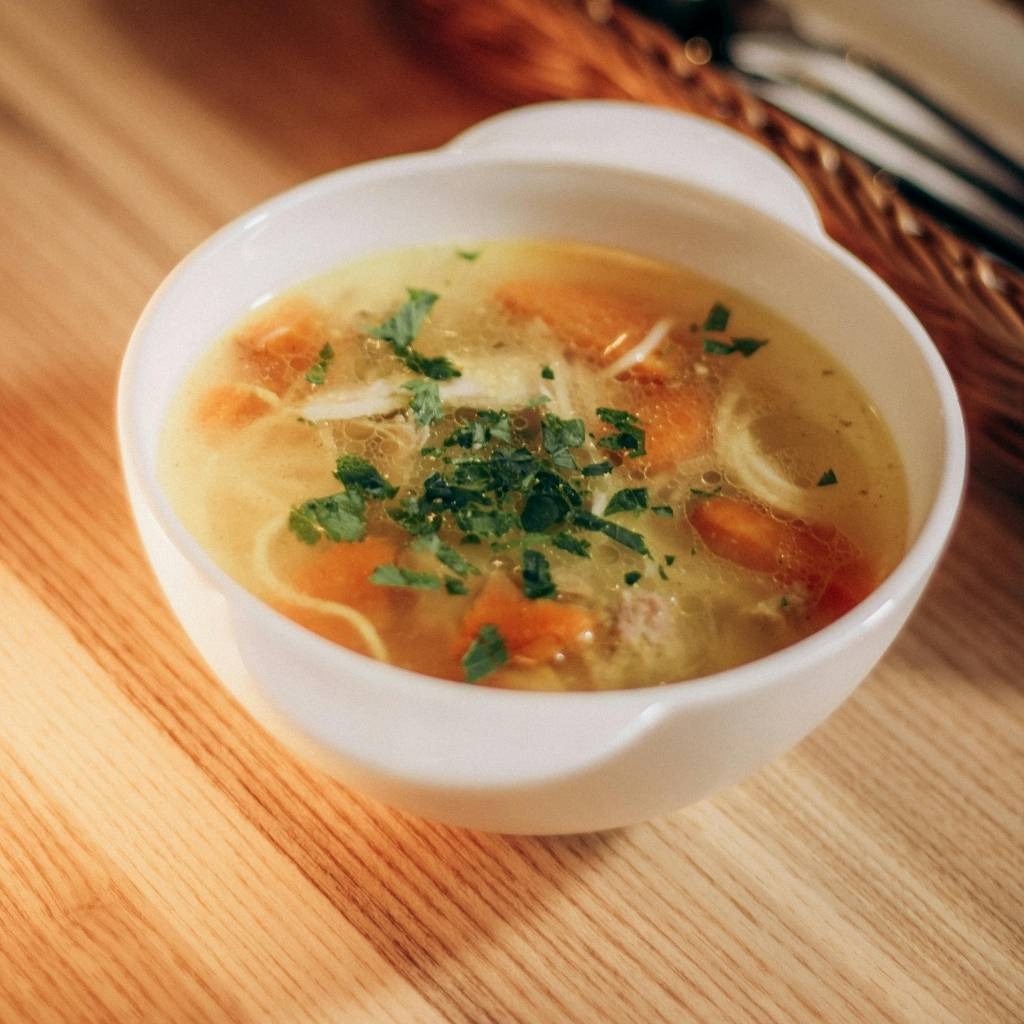
Remove the bay leaves and ladle the soup into bowls. Top each serving generously with sliced green onions, crispy bacon if using, and fresh chives if you have them available. Additionally, a sprinkle of shredded cheddar cheese on top adds both visual appeal and extra flavor dimension.
Understanding Potato Soup Success
The foundation of exceptional potato soup begins with ingredient selection and preparation. First, russet potatoes are ideal because their high starch content naturally thickens the soup without requiring flour or cornstarch, creating that signature creamy texture through the potatoes themselves. In contrast, waxy potatoes like red potatoes don’t break down as effectively and won’t create the same luxurious consistency.
Cutting potatoes into uniform 1-inch cubes ensures even cooking throughout the pot. Meanwhile, inconsistently sized pieces result in some being overcooked and mushy while others remain firm. Additionally, uniform sizing contributes to a more pleasant mouthfeel in the finished soup.
The aromatics—onion, celery, and garlic—create the flavor foundation for everything that follows. As a result, taking time to develop these flavors through proper sautéing creates a soup with genuine depth and complexity. Furthermore, this foundational step should never be rushed, as these vegetables require adequate time to soften and release their essential oils.
Serving Suggestions and Pairings
Serve creamy potato soup in bowls while it’s piping hot, as the warmth enhances the flavors and provides that comforting sensation people crave. Pair it with crusty bread, grilled cheese sandwiches, or buttery crackers for a complete meal that satisfies completely. Additionally, a simple green salad offers fresh, acidic contrast to the rich, creamy soup.
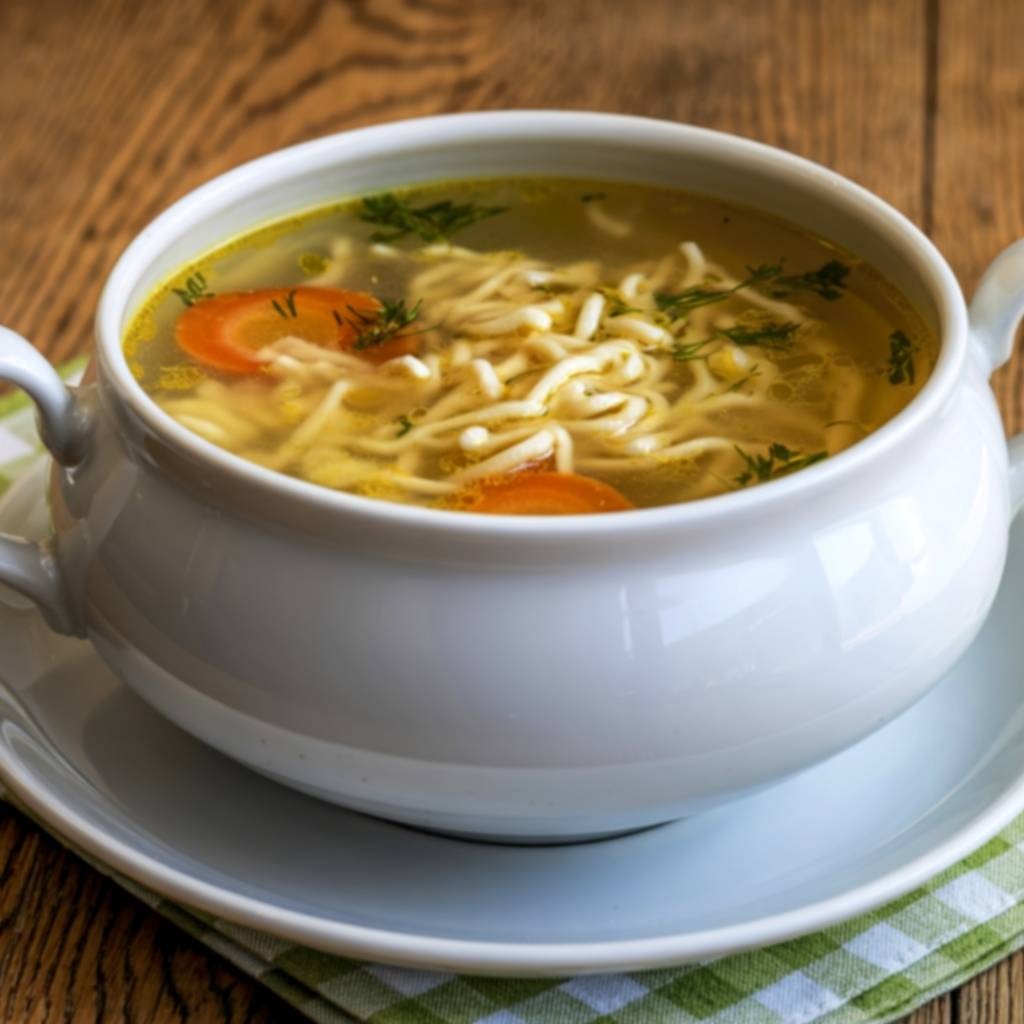
For entertaining, present the soup in a decorative tureen at the table, allowing guests to serve themselves family-style. Meanwhile, arrange toppings in separate bowls—crispy bacon bits, shredded cheese, sliced green onions, and chives—so guests can customize their servings according to personal preferences.
The versatility of this soup makes it suitable for various occasions. Serve it as a first course at a formal dinner, or offer it as a casual weeknight meal with minimal sides. Furthermore, it’s equally appropriate for lunch with a sandwich or as a warming supper during cold months.
Storage and Make-Ahead Instructions
Store leftover soup in an airtight container in the refrigerator for up to five days. The soup actually improves slightly after a day, as flavors continue developing and melding together. To reheat, place the desired amount in a saucepan over medium-low heat, stirring occasionally and adding a splash of milk if the soup has thickened too much during storage.
Freezing is also an excellent option for longer-term storage. First, allow the soup to cool completely to room temperature before transferring to freezer-safe containers or bags. Next, leave about an inch of headspace in containers, as the soup expands slightly during freezing. Label with the date and freeze for up to three months. However, note that freezing may slightly alter the cream’s texture, though the flavor remains delicious and the consistency remains acceptable.
When thawing frozen soup, transfer it to the refrigerator overnight to thaw gradually. Subsequently, reheat it gently on the stovetop over low to medium-low heat, adding milk or broth as needed to reach your preferred consistency. Furthermore, gentle reheating prevents the cream from separating, maintaining that smooth, luxurious texture.
You can make this soup ahead by preparing it through the blending stage, then storing it in the refrigerator for up to two days before adding cream and milk. As a result, finishing the soup takes just minutes when you’re ready to serve, making it perfect for entertaining when you’d rather focus on guests than cooking.
Helpful Tips and Helpful Techniques
Don’t peel the potatoes until just before cooking, as exposed potato flesh oxidizes and discolors. Additionally, if you must prep ahead, submerge peeled potatoes in water and refrigerate them until cooking time.
The ratio of broth to cream creates a soup that’s rich without being heavy. However, if you prefer an even creamier version, simply reduce the broth by half a cup and increase the cream by the same amount. Meanwhile, if you’d like a brothier soup, adjust in the opposite direction.
Immersion blenders are invaluable for soup making, as they allow you to blend directly in the pot, reducing cleanup and preventing the mess associated with transferring hot liquid. Furthermore, they give you precise control over texture, allowing you to create exactly the consistency you prefer.
Never allow the soup to boil after adding cream, as high heat can cause the cream to break and become separated. Instead, maintain a gentle simmer and stir frequently to ensure even heating throughout the pot.
The order of seasoning matters significantly. Adding salt and spices early to the broth allows them to infuse throughout the cooking process, but tasting and adjusting after adding cream ensures you’re not over-seasoning or under-seasoning the final product.
A common mistake involves skipping the sautéing step and dumping all ingredients into the pot simultaneously. Although this saves a few minutes, it results in a soup lacking the depth and complexity that proper technique provides. Furthermore, the initial browning and caramelization of vegetables creates additional flavor that simply cannot be replicated through direct boiling.
The optional additions—cheese, bacon, and herbs—transform the basic soup into something uniquely yours. Additionally, these toppings and mix-ins allow you to serve the same soup multiple ways throughout the week, preventing meal boredom.
Chef Tips
Use a potato ricer to create the smoothest possible texture if you prefer an ultra-creamy soup, though an immersion blender achieves excellent results with much less equipment.
Keep vegetable scraps in the freezer to make homemade broth, which elevates this soup beyond compare when used instead of store-bought broth.
Frequently Asked Questions
Can I use a different type of potato? Russet potatoes work best due to their high starch content, but Yukon gold potatoes create a slightly buttery flavor that’s also delicious, though the texture will be slightly less creamy.
What should I do if my soup is too thick? Simply stir in additional milk, broth, or cream a little at a time until you reach your preferred consistency, remembering that the soup thickens slightly as it cools.
Can I make this soup dairy-free? Yes, substitute the butter with olive oil, use vegetable broth, and replace the cream with full-fat coconut milk or cashew cream for a surprisingly delicious dairy-free version.
How can I add more protein to this soup? Stir in diced rotisserie chicken, cooked ground turkey, or white beans for added substance and nutrition without changing the essential character of the soup.
Is this soup gluten-free? Yes, potato soup is naturally gluten-free as long as you use gluten-free broth and avoid bread or cracker toppings that contain gluten.
Why Potato Soup Endures
Creamy potato soup has remained popular across cultures and generations because it represents pure comfort in a bowl. First, there’s nothing intimidating or complicated about it—the ingredient list is straightforward and accessible. Additionally, the cooking method is intuitive, requiring no specialized skills or equipment beyond what most home cooks already possess.
The soup’s versatility contributes significantly to its enduring appeal. Whether served as a light first course or as a hearty main dish with bread and salad, it adapts beautifully to different occasions and preferences. Furthermore, the basic recipe welcomes endless variations, allowing creative cooks to personalize it while maintaining its essential character.
Beyond its practical appeal, potato soup carries emotional significance for many people. In contrast to trendy foods that come and go, this soup connects us to tradition, memory, and the comfort of being nourished by someone who cares. Additionally, the act of making soup from scratch feels inherently nurturing and generous.
Most importantly, this soup tastes deeply satisfying in a way that transcends simple nutrition. As a result, serving creamy potato soup means giving others more than just a meal—you’re offering warmth, care, and the intangible sense of being looked after and valued.
Final Thoughts
Creamy potato soup demonstrates that exceptional cooking doesn’t require exotic ingredients, complicated techniques, or hours in the kitchen. Instead, it requires respecting your ingredients, understanding fundamental cooking principles, and paying attention to the small details that transform good food into truly memorable meals.
Whether you’re cooking this soup for the first time or returning to a recipe you’ve made countless times, approach it with the understanding that you’re participating in a culinary tradition that stretches back generations. Furthermore, the pleasure you take in making and sharing this soup ripples outward, nourishing both body and spirit.
Did this creamy potato soup become a favorite in your home? We’d absolutely love to hear about your experience making it! Please save this recipe to your collection so you can find it easily whenever a craving strikes, pin it to your Pinterest board for future reference, and share it with friends and family who deserve the comfort and warmth of homemade soup. Your support encourages us to keep creating more amazing recipes that bring joy and nourishment to your table. Happy cooking!