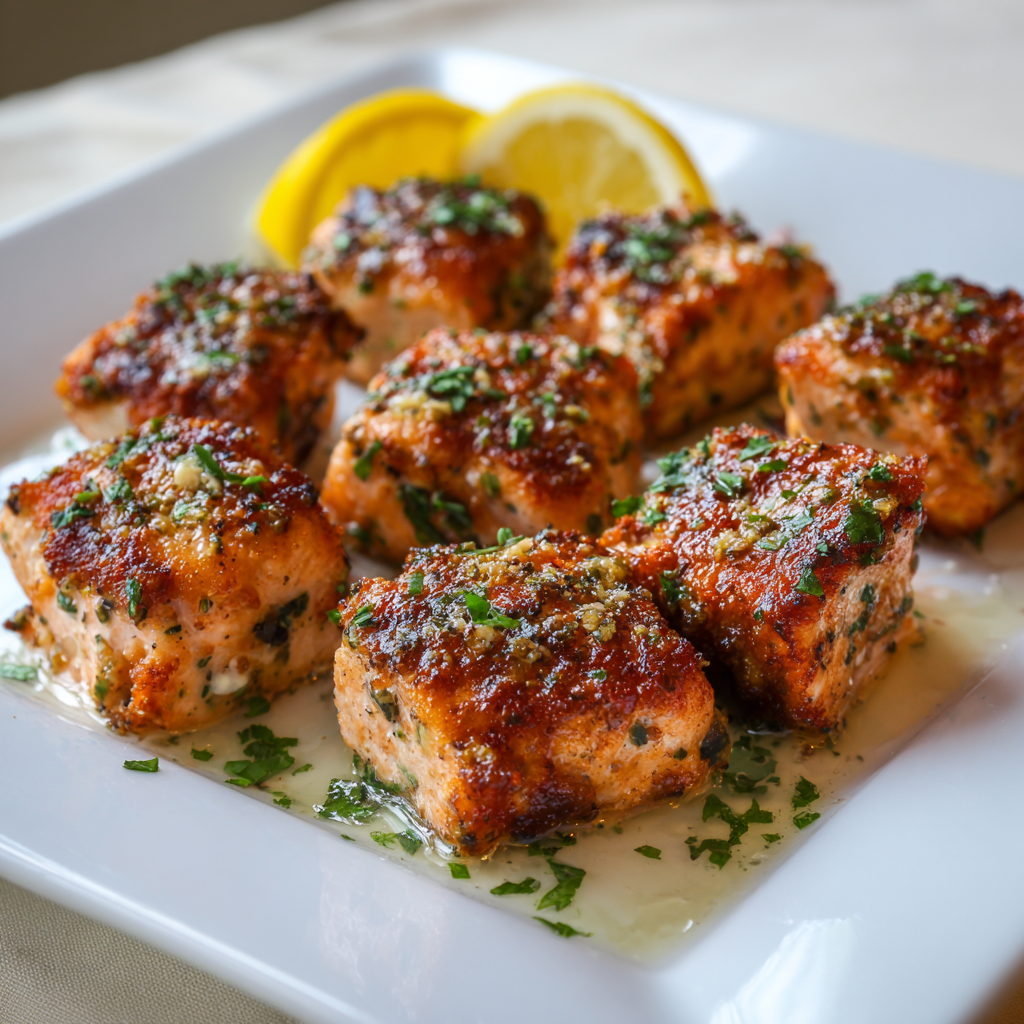
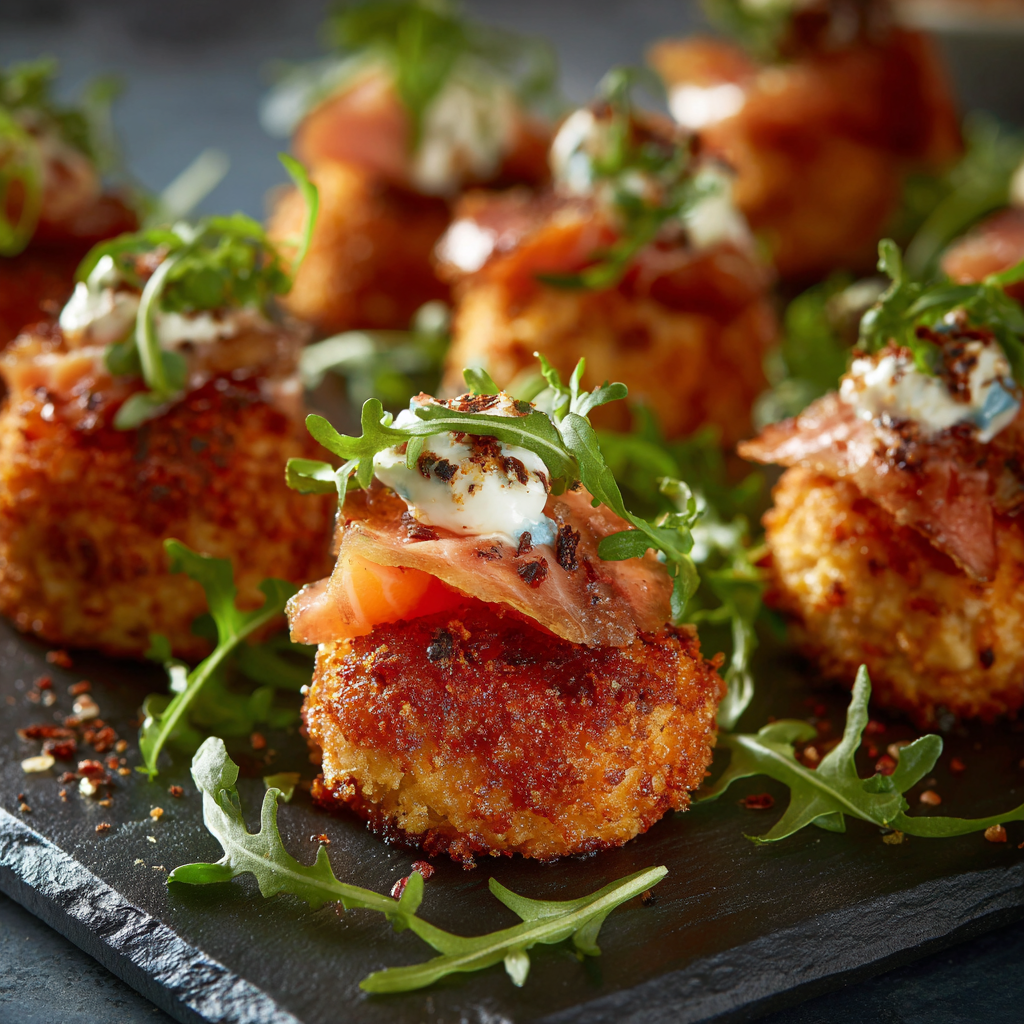
When winter calls for something warm, satisfying, and incredibly delicious, nothing delivers quite like golden-crusted salmon bites that are crispy on the outside, tender and flaky on the inside, and perfect for dipping into your favorite sauces. These bite-sized pieces combine all the health benefits of omega-3 rich salmon with the irresistible appeal of finger food that everyone from kids to adults enthusiastically devours. What makes this recipe truly exceptional is how it transforms premium fish into approachable, fun-to-eat portions that feel more like a treat than healthy eating. The combination of perfectly seasoned salmon, crunchy coating, and quick cooking creates restaurant-quality results that work equally well for casual family dinners, game day appetizers, or elegant entertaining when you want to impress without stress. Whether you’re trying to get your family to eat more fish, looking for crowd-pleasing appetizers, or simply craving something deliciously crispy, these salmon bites deliver satisfaction that makes winter evenings feel more special. Best of all, they come together in less than thirty minutes using simple ingredients and straightforward techniques that guarantee success every single time.
Ingredients
This recipe makes 4 servings (about 24-28 bites).
For the Salmon Bites:
- 1.5 pounds fresh salmon fillet, skin removed
- 1 teaspoon salt
- 1/2 teaspoon black pepper
- 1 teaspoon garlic powder
- 1/2 teaspoon paprika
- 1/4 teaspoon cayenne pepper (optional)
For the Breading:
- 1/2 cup all-purpose flour
- 2 large eggs
- 2 tablespoons milk
- 1 cup panko breadcrumbs
- 1/2 cup regular breadcrumbs
- 1/4 cup grated Parmesan cheese
- 1 teaspoon dried parsley
- 1/2 teaspoon garlic powder
- 1/2 teaspoon onion powder
- 1/2 teaspoon salt
- 1/4 teaspoon black pepper
For Cooking:
- Vegetable oil or avocado oil for frying
- Cooking spray (if baking)
For Serving:
- Lemon wedges
- Fresh parsley, chopped
- Tartar sauce
- Honey mustard
- Garlic aioli
- Sweet chili sauce
- Ranch dressing
Instructions
- Cut the salmon fillet into 1.5-inch cubes, removing any bones with tweezers if needed.
- Pat the salmon cubes completely dry with paper towels on all sides.
- Season the salmon pieces with salt, pepper, garlic powder, paprika, and cayenne if using.
- Toss gently to coat all the pieces evenly with the seasonings.
- Set up three shallow bowls for your breading station in assembly-line fashion.
- Add the flour to the first bowl.
- Whisk together the eggs and milk in the second bowl until well combined.
- Combine the panko, regular breadcrumbs, Parmesan, parsley, garlic powder, onion powder, salt, and pepper in the third bowl.
- Working with a few salmon pieces at a time, dredge them in flour and shake off excess.
- Dip the floured salmon into the egg mixture, coating all sides thoroughly.
- Press the salmon pieces into the breadcrumb mixture, coating generously and pressing to adhere.
- Place the breaded salmon bites on a clean plate and repeat with remaining pieces.
For Frying:
- Heat about 1/2 inch of oil in a large skillet over medium-high heat to 350°F to 375°F.
- Test the oil by dropping in a breadcrumb—it should sizzle immediately.
- Carefully place salmon bites in the hot oil without overcrowding, working in batches.
- Fry for 2 to 3 minutes per side until deep golden brown and crispy.
- Transfer cooked bites to a paper towel-lined plate to drain excess oil.
- Repeat with remaining salmon bites, maintaining proper oil temperature.
For Baking:
- Preheat your oven to 425°F and line a baking sheet with parchment paper.
- Spray the lined baking sheet generously with cooking spray.
- Arrange the breaded salmon bites in a single layer with space between them.
- Spray the tops of the salmon bites generously with cooking spray.
- Bake for 12 to 15 minutes, flipping halfway through.
- Continue baking until golden brown and the salmon is cooked through.
For Serving:
- Transfer the hot salmon bites to a serving platter.
- Garnish with fresh parsley and lemon wedges.
- Serve immediately with your choice of dipping sauces.
- Enjoy while hot and crispy for the best texture and flavor.
Selecting and Preparing Quality Salmon
Choosing fresh, quality salmon makes an enormous difference in both flavor and texture of these bites. Look for salmon with firm flesh that springs back when pressed, bright color without brown spots, and a clean, ocean-like smell rather than fishy odor. Wild-caught salmon typically offers firmer texture and more robust flavor, though quality farmed salmon works beautifully too. Sockeye, king, or coho varieties provide excellent flavor and texture, while Atlantic salmon offers milder taste that appeals to those new to fish.
Removing the skin before cutting ensures even coating and better texture in the finished bites. Use a sharp knife to carefully separate the skin from the flesh, or ask your fishmonger to do this when you purchase the salmon. Additionally, run your fingers over the salmon to feel for any pin bones that need removing—these small bones can be extracted easily with clean tweezers or needle-nose pliers. This brief inspection prevents unpleasant surprises when eating and creates more enjoyable dining experience.
Cutting the salmon into uniform 1.5-inch cubes ensures even cooking where all pieces finish simultaneously. Pieces that are too small overcook and dry out quickly, while oversized chunks remain undercooked in the center when the coating is perfectly golden. Using a sharp knife and cutting with confidence rather than sawing creates clean cuts that maintain the salmon’s integrity. Furthermore, cubes rather than strips provide more surface area for crispy coating, making each bite more satisfying.
Creating the Perfect Coating
The three-step breading process creates layers that build up to that signature crispy exterior everyone craves. Flour dries the salmon’s surface and provides a foundation for the egg to grip. The egg wash acts as glue that holds the breadcrumb coating in place during cooking. The breadcrumb mixture provides the crunchy, flavorful outer layer that makes these bites so irresistible. Skipping any step compromises the final coating’s adhesion and texture.
Combining panko with regular breadcrumbs creates superior texture compared to using either alone. Panko’s large, flaky structure provides exceptional crunch and lighter coating, while regular breadcrumbs offer finer texture that fills gaps and creates more complete coverage. Additionally, the Parmesan cheese adds savory depth and helps create golden-brown color during cooking. The herbs and spices mixed into the breading ensure every bite delivers flavor rather than just the salmon being seasoned.
Pressing the breadcrumbs firmly onto the salmon ensures good adhesion that prevents coating from falling off during cooking. Use your hands to really pack that breading on, creating an even, substantial layer on all sides. Once breaded, letting the salmon rest for 5 to 10 minutes if time allows helps the coating set and adhere better, though this step is optional if you’re in a hurry. These careful techniques create restaurant-quality coating that stays crispy and intact rather than falling off in disappointing patches.
Choosing Your Cooking Method
Frying creates the crispiest, most golden exterior with rich flavor from the oil. This traditional method produces bites with that signature crunch and golden color that makes them look as good as they taste. The high heat quickly sears the coating while cooking the salmon perfectly—just 2 to 3 minutes per side creates ideal results. However, frying requires attention to oil temperature and working in batches, plus it adds calories from the cooking oil absorption.
Baking offers a lighter alternative that’s more hands-off and creates less mess than frying. Generous coating with cooking spray before and during baking helps achieve golden color and crispy texture that rivals fried versions. The slightly longer cooking time—12 to 15 minutes—allows the salmon to cook through gently while the coating crisps up. Baking also allows you to cook all the salmon bites simultaneously rather than in batches, making it more convenient for feeding crowds.
Air frying provides a middle ground that creates excellent crispiness with minimal oil and faster cooking than conventional baking. Preheat the air fryer to 400°F, spray the breaded salmon generously with oil, and cook for 10 to 12 minutes, turning halfway through. The circulating hot air creates golden, crispy coating that’s remarkably close to deep-fried texture. This method also requires less attention than stovetop frying while producing superior results to conventional baking.
Perfect Cooking Temperatures and Timing
Achieving properly cooked salmon that’s moist and flaky rather than dry or undercooked requires understanding proper doneness. Salmon should reach an internal temperature of 145°F according to USDA guidelines, though many prefer it cooked to 125°F to 130°F for medium-rare that’s more moist. The salmon will continue cooking slightly from residual heat after removing from oil or oven. Since these bites are small, they cook quickly—erring on the side of slight undercooking is safer than overcooking which creates dry, tough results.
Visual cues help determine doneness when you don’t have a thermometer handy. The salmon should be opaque rather than translucent, though a slightly darker center is fine if you prefer medium-rare. The coating should be deep golden brown and crispy, not pale or soggy. Additionally, the salmon should feel firm but still give slightly when pressed gently. Cutting one bite open to check is perfectly acceptable—better to verify than serve undercooked or overcooked salmon.
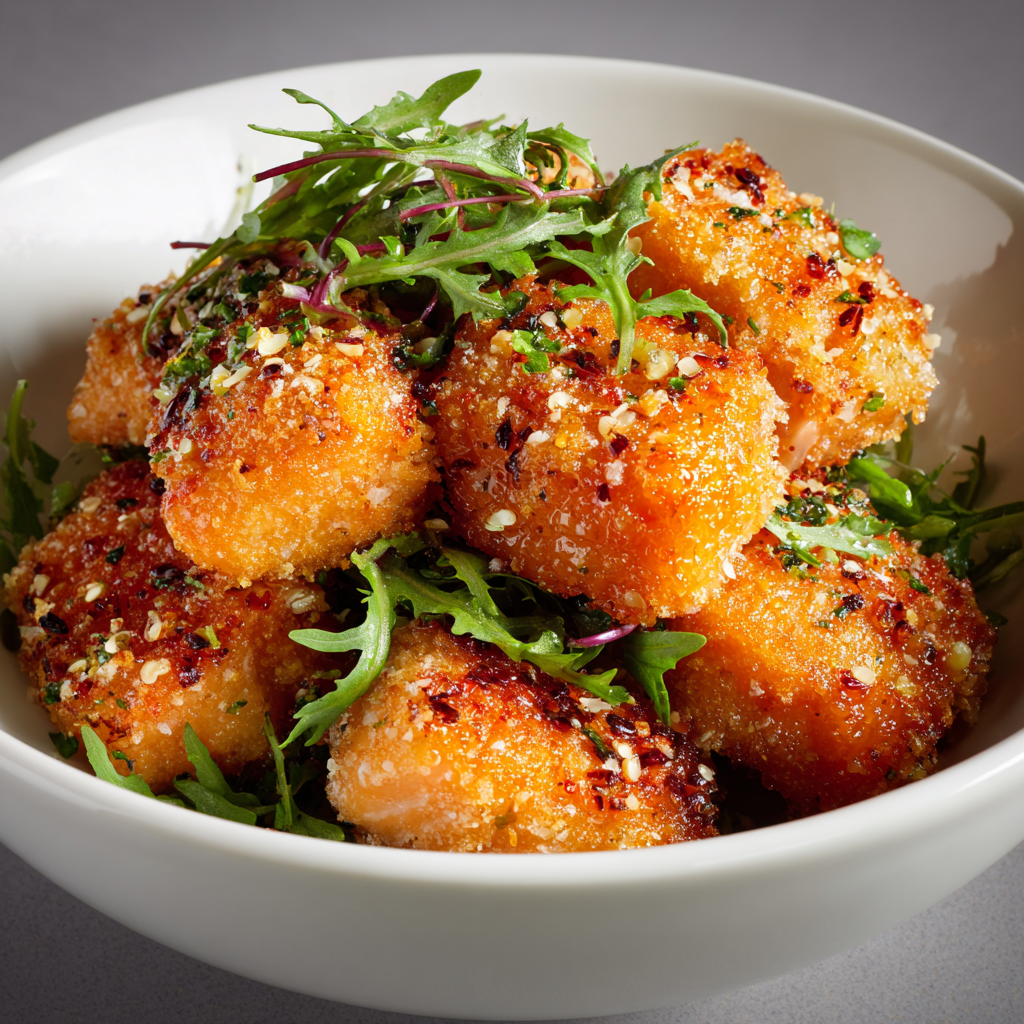
Maintaining proper oil temperature during frying ensures crispy coating without excessive grease absorption. Too-low temperature causes the coating to absorb oil and become greasy rather than crispy, while too-high temperature burns the coating before the salmon cooks through. Using a thermometer provides certainty, though you can test by dropping a breadcrumb into the oil—it should sizzle immediately and brown in about 30 seconds. Adjusting heat between batches maintains consistent temperature and produces uniformly golden, crispy results.
Serving and Storing Tips
Serving Tips
Serve these salmon bites immediately while they’re hot and at peak crispiness for the best eating experience. Arrange them on a serving platter lined with parchment or on individual plates, garnished with fresh parsley and lemon wedges for squeezing. The bright lemon juice adds acidity that cuts through the richness and enhances the salmon’s natural flavors. Setting out multiple dipping sauces allows guests to customize their experience and creates interactive element that makes the meal more fun.
These versatile bites work beautifully in various serving scenarios beyond simple appetizers. Serve over salad greens with dressing for a complete meal that’s lighter but still satisfying. Tuck them into pita pockets or wraps with vegetables and sauce for handheld sandwiches. Place over rice or quinoa bowls with roasted vegetables for grain bowl dinners. Use as protein topping for pasta salad. This flexibility makes one batch of salmon bites transform into multiple different meals throughout the week.
For entertaining, salmon bites create impressive appetizer spread with minimal effort. Arrange them on a platter with various dipping sauces, lemon wedges, and fresh herbs for beautiful presentation. Provide small plates and cocktail forks or toothpicks for easy serving. These bites are equally appropriate for casual game day gatherings and elegant cocktail parties, making them one of the most versatile appetizers you can prepare. Furthermore, their finger-food format encourages mingling and casual eating perfect for social gatherings.
Storage Tips
Store leftover salmon bites in an airtight container in the refrigerator for up to 2 days, though they’re best consumed within 24 hours for optimal texture. The coating will soften during storage as it absorbs moisture, though reheating can restore some crispiness. Separate layers with parchment paper to prevent sticking. When storing, keep the salmon bites separate from any sauces or lemon wedges to maintain the best possible texture.
Reheating salmon bites properly makes enormous difference in how enjoyable leftovers taste. Place them on a wire rack over a baking sheet and heat in a 375°F oven for 8 to 10 minutes until warmed through and the coating crisps up. Alternatively, reheat in an air fryer at 350°F for 5 to 7 minutes for excellent results. Avoid microwaving, which creates soggy coating and rubbery salmon that bears little resemblance to the original crispy glory. Adding a squeeze of fresh lemon after reheating refreshes the flavors.
Freezing breaded salmon bites works wonderfully for make-ahead convenience. Bread the salmon completely, then freeze the pieces in a single layer on a baking sheet before transferring to freezer bags. When ready to cook, fry or bake directly from frozen (adding 1 to 2 extra minutes to cooking time). This approach provides homemade salmon bites on demand with minimal effort. Alternatively, freeze fully cooked bites for up to 2 months, then reheat from frozen in the oven or air fryer.
Helpful Notes
Making salmon bites more family-friendly for picky eaters involves several adjustments that make fish more approachable. Cut the salmon into smaller, more uniform pieces that look less intimidating. Use mild seasonings without cayenne pepper. Offer familiar dipping sauces like ketchup or ranch that kids already love. Involve children in the breading process, which creates investment and curiosity about the food. These modifications help introduce fish to reluctant eaters in fun, non-threatening way.
For those following specific dietary requirements, several modifications maintain great taste while accommodating restrictions. Use gluten-free flour and breadcrumbs for gluten-free version. Skip the Parmesan or use dairy-free alternative for dairy-free option. Use egg replacer or aquafaba for egg-free breading. These adjustments create inclusive versions that allow everyone to enjoy salmon bites regardless of dietary limitations. The coating won’t be identical to the original but still delivers satisfying crunch and flavor.
Customizing the flavor profile keeps salmon bites interesting across multiple preparations. Asian-inspired version uses sesame seeds, ginger, and soy sauce in the coating. Cajun variation adds blackening spices for heat and complexity. Mediterranean style incorporates lemon zest, dill, and feta. Everything bagel seasoning creates trendy, flavorful coating. These variations showcase the recipe’s versatility and prevent boredom from eating the same preparation repeatedly.
Common mistakes include using salmon that’s too wet, not pressing the breading firmly enough, or cooking at incorrect temperature. Always thoroughly dry the salmon before breading. Press the coating on with conviction rather than gentle tapping. Monitor oil temperature carefully and adjust heat between batches. Additionally, resist overcrowding the pan during frying, which drops temperature and creates steam rather than crispiness. These precautions ensure golden, crispy results rather than disappointing soggy coating.
Chef Tips
Professional chefs know that seasoning the salmon itself before breading ensures flavor throughout rather than just on the surface. The salt in the initial seasoning also helps draw out surface moisture, creating drier exterior that helps breading adhere better. This foundational seasoning makes the difference between salmon that tastes seasoned throughout versus fish that’s bland inside with flavorful coating. Never skip this crucial step even when you’re in a hurry.
Another expert technique involves chilling the breaded salmon for 15 to 30 minutes before cooking if time allows. This rest period helps the coating set and adhere more firmly, reducing the likelihood of it falling off during cooking. The cold coating also creates temperature differential with hot oil that promotes extra crispiness. While not essential, this professional trick produces noticeably superior results worth the small time investment when you’re seeking perfection.
Frequently Asked Questions
Can I use frozen salmon for this recipe? Yes, thaw it completely in the refrigerator overnight and pat it very dry before cutting and breading; frozen salmon won’t crisp properly.
Why did my breading fall off during cooking? The salmon was too wet, the coating wasn’t pressed firmly enough, or the oil wasn’t hot enough; ensure thorough drying and firm pressing.
Can I make these dairy-free? Yes, omit the Parmesan cheese from the breading; the bites will still be delicious and crispy without it.
How do I know when the salmon is cooked through? It should be opaque throughout and reach 145°F internally; slightly undercooked is safer than overcooked since residual heat continues cooking.
Can I prep these ahead for a party? Bread the salmon up to 4 hours ahead and refrigerate, then cook just before serving; don’t cook ahead as they lose crispiness quickly.
Creating Cozy Winter Gatherings
Few appetizers create the kind of excitement and satisfaction that a platter of golden, crispy salmon bites generates when placed on the table. These bite-sized morsels transform premium fish into fun, approachable food that brings people together around shared plates and conversation. When you serve these beautifully golden bites with various dipping sauces, you’re offering more than food—you’re creating an interactive experience that encourages lingering, tasting, and enjoying the moment together.
The practical advantages of salmon bites extend beyond their delicious taste to include remarkable versatility and crowd-pleasing reliability. These bites work equally well for casual family dinners and elegant cocktail parties, making them one of the most useful recipes in your entertaining repertoire. Furthermore, salmon’s impressive nutritional profile means you’re serving genuinely healthy food that happens to taste indulgent, which represents the ideal combination for modern eating.
As you make these salmon bites repeatedly, you’ll develop your own signature touches and preferred cooking methods. Perhaps you’ll perfect your favorite seasoning blend, discover the ideal dipping sauce combinations, or create both fried and baked versions depending on the occasion. These personal adaptations transform a basic recipe into your signature appetizer—something you become known for among friends and family who request it for gatherings and celebrations.
The simple act of preparing beautiful, delicious food that brings joy to others represents one of cooking’s greatest rewards. Watching guests reach for salmon bite after salmon bite, seeing kids who “don’t like fish” enthusiastically devour them, or receiving compliments on how perfectly crispy they turned out creates satisfaction beyond the eating itself. These moments of connection and shared enjoyment make winter gatherings feel warmer and more special.
Did these Crispy Winter Salmon Bites become your new favorite way to serve fish? If you loved how golden and crispy they turned out, how even picky eaters devoured them, and how they worked perfectly for both dinners and parties, we’d be thrilled if you could save this recipe for regular rotation, pin it to your seafood Pinterest board, or share it with friends looking for crowd-pleasing appetizers. Your support and enthusiasm inspire us to continue creating and sharing recipes that make cooking fun and delicious for everyone. Tell us in the comments what dipping sauce was the biggest hit and whether these became a family favorite—we love hearing about your crispy salmon successes!