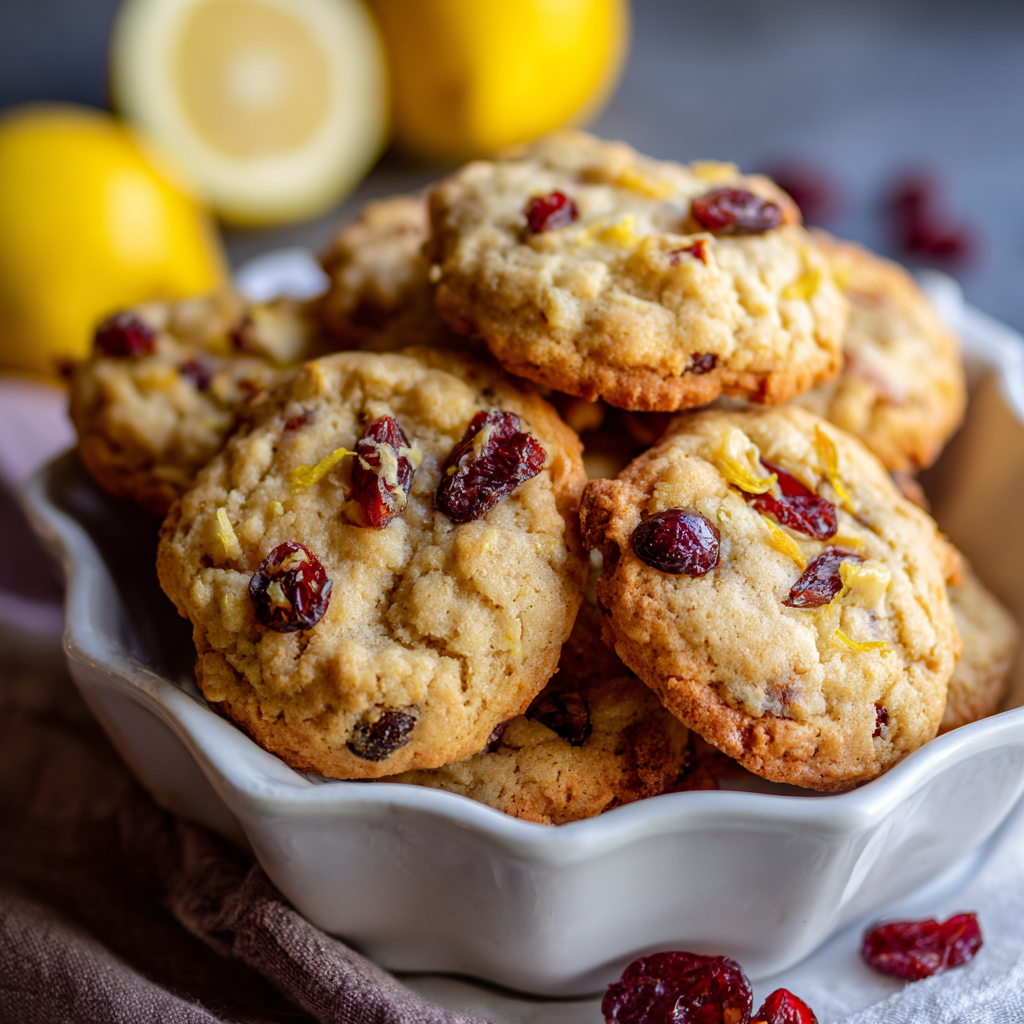
There’s something wonderfully refreshing about biting into a cookie bursting with tart cranberry and bright lemon flavors that feel both elegant and entirely approachable. First, these easy cranberry lemon cookies represent the perfect solution for anyone seeking cookies that taste sophisticated without requiring complicated techniques or temperamental ingredients. The beauty of this recipe lies in how it delivers bright, citrusy cookies with tangy-sweet bursts of cranberry through straightforward preparation and foolproof baking that encourages confidence. What makes this dish truly special is how the combination of lemon and cranberry creates flavor complexity that transcends simple cookie eating into genuinely memorable eating experiences. Additionally, these cookies work beautifully as gifts, brunch additions, afternoon treats, or even holiday alternatives to traditional sweet varieties because their refreshing nature suits virtually any occasion imaginable. Whether you’re baking specifically for spring gatherings or making them regularly throughout the year, the result remains the same—absolutely delicious, perfectly balanced cookies that disappear faster than you can refill the plate. The combination of buttery tender crumb, bright lemon flavor, and tart cranberry bursts creates irresistible bites that appeal to everyone from casual cookie lovers to devoted enthusiasts seeking something genuinely special and refreshingly different.
Ingredients
Makes approximately 24-30 cookies
For the Cookie Dough:
- ¾ cup unsalted butter, softened to room temperature
- ¾ cup granulated sugar
- 1 large egg
- 2 tablespoons fresh lemon juice
- 2 teaspoons fresh lemon zest
- 1 teaspoon vanilla extract
- ½ teaspoon lemon extract (optional but recommended)
- 2 cups all-purpose flour
- ½ teaspoon baking powder
- ¼ teaspoon sea salt
- ¾ cup dried cranberries, roughly chopped
- Optional: ½ teaspoon ground ginger or cardamom for depth
For the Lemon Glaze:
- 1½ cups powdered sugar, sifted
- 3 tablespoons fresh lemon juice
- 1 tablespoon unsalted butter, melted
- ½ teaspoon vanilla extract
- Optional: pinch of sea salt and fresh lemon zest for garnish
Understanding Cranberry and Lemon Flavor Balance
Creating cookies that highlight both cranberry and lemon requires understanding how these bright flavors interact and complement each other. Next, the tartness of both cranberry and lemon creates complexity that prevents cookies from becoming cloyingly sweet. Additionally, fresh lemon juice and zest provide brightness that dried extracts cannot match, creating authentically citrusy flavor. Meanwhile, chopped dried cranberries provide texture and flavor bursts that distribute throughout cookies evenly, creating interesting eating experiences in every bite.
Step-by-Step Instructions
- Combine softened unsalted butter and granulated sugar in a large mixing bowl, beating together on medium speed for approximately 2-3 minutes until light and fluffy. First, this beating incorporates air into the mixture, creating lighter cookies rather than dense versions. Subsequently, properly creamed butter and sugar should appear pale and noticeably lighter than when you began beating.
- Add the large egg to the mixture, beating on medium speed for approximately 30-45 seconds until fully incorporated and the mixture becomes smooth and homogeneous. Next, ensure the egg is completely combined before proceeding, as unincorporated eggs create separated texture rather than smooth dough.
- Add fresh lemon juice and lemon zest to the mixture, beating for an additional 20-30 seconds until well combined and the bright citrus aroma becomes noticeable. Additionally, the lemon juice slightly thins the dough while providing authentic flavor impossible to replicate with extracts alone. Meanwhile, the zest distributes tiny flecks throughout that add visual appeal and flavor intensity.
- Pour vanilla extract and optional lemon extract into the mixture, beating for an additional 15-20 seconds until the extracts distribute throughout evenly. First, this brief beating ensures all ingredients combine thoroughly without overdeveloping gluten that would make cookies tough rather than tender.
- In a separate medium bowl, whisk together all-purpose flour, baking powder, sea salt, and optional ground ginger or cardamom to combine evenly. Next, this whisking distributes leavening agents uniformly throughout the dry ingredients. Subsequently, sifting this mixture prevents lumps that would create uneven texture in finished cookies.
- Add the dry ingredient mixture to the wet ingredients gradually, folding gently with a rubber spatula until just combined. First, avoid using an electric mixer for this step as it develops excessive gluten that creates tough cookies rather than the tender ones you’re seeking. Subsequently, stop folding the moment you no longer see visible flour streaks, even if the dough appears slightly uneven.
- Fold the roughly chopped dried cranberries into the dough gently, distributing them evenly throughout without crushing or breaking them apart. Additionally, this gentle folding ensures cranberries remain distributed throughout rather than settling to the bottom. Meanwhile, properly distributed cranberries create pleasant flavor bursts in every cookie bite.
- Cover the cookie dough with plastic wrap and refrigerate for at least 30 minutes, preferably up to 1 hour, allowing flavors to develop and dough to firm. Additionally, chilled dough is easier to scoop and prevents excessive spreading during baking. Meanwhile, proper chilling allows lemon and cranberry flavors to meld beautifully, creating more sophisticated taste experience.
- Preheat your oven to 375°F and position the rack to the center, allowing proper heat circulation around cookies during baking. Subsequently, line baking sheets with parchment paper, which prevents sticking while facilitating easy cleanup afterward.
- Remove dough from refrigeration and allow it to sit at room temperature for exactly 3-5 minutes, making it slightly more workable without becoming overly soft. First, this brief rest prevents the dough from being so cold that it’s difficult to scoop. Subsequently, overly warm dough becomes sticky and difficult to work with, so resist the urge to warm it further.
- Scoop dough using a cookie scoop or two teaspoons, creating balls approximately 1 to 1¼ inches in diameter and placing them on your parchment-lined baking sheets. Additionally, consistent sizing ensures all cookies bake evenly without some becoming overdone while others remain underbaked. Meanwhile, space cookies approximately 2 inches apart to allow for spreading during baking.
- Place baking sheets in your preheated 375°F oven and bake for 9-12 minutes until cookie edges turn pale golden brown while centers remain light in color. First, watch carefully during final minutes as these delicate cookies brown quickly once browning begins. Subsequently, cookies should feel set on top when gently touched, indicating proper doneness without overbaking.
- Remove cookies from the oven and allow them to cool on the baking sheet for exactly 3-5 minutes while they firm up slightly without becoming brittle. First, this brief cooling period allows cookies to set structure and become firm enough to transfer. Subsequently, cookies removed from pans too quickly may fall apart; cooling briefly prevents this issue.
- Transfer cooled cookies to wire cooling racks and allow them to cool completely to room temperature, approximately 15-20 minutes, before applying glaze. Additionally, completely cooled cookies provide stable bases for glaze that won’t melt or slide. Meanwhile, applying glaze to warm cookies causes it to become thin and runs off unevenly.
- While cookies cool, prepare the lemon glaze by whisking together sifted powdered sugar, fresh lemon juice, melted butter, and vanilla extract in a small bowl until smooth. Next, the consistency should resemble thin honey; if too thick, add water drop by drop until reaching desired consistency.
- Add optional pinch of sea salt to the glaze, whisking briefly to distribute evenly and enhance the bright lemon flavor. Subsequently, sea salt creates sophisticated depth that prevents the glaze from tasting cloyingly sweet.
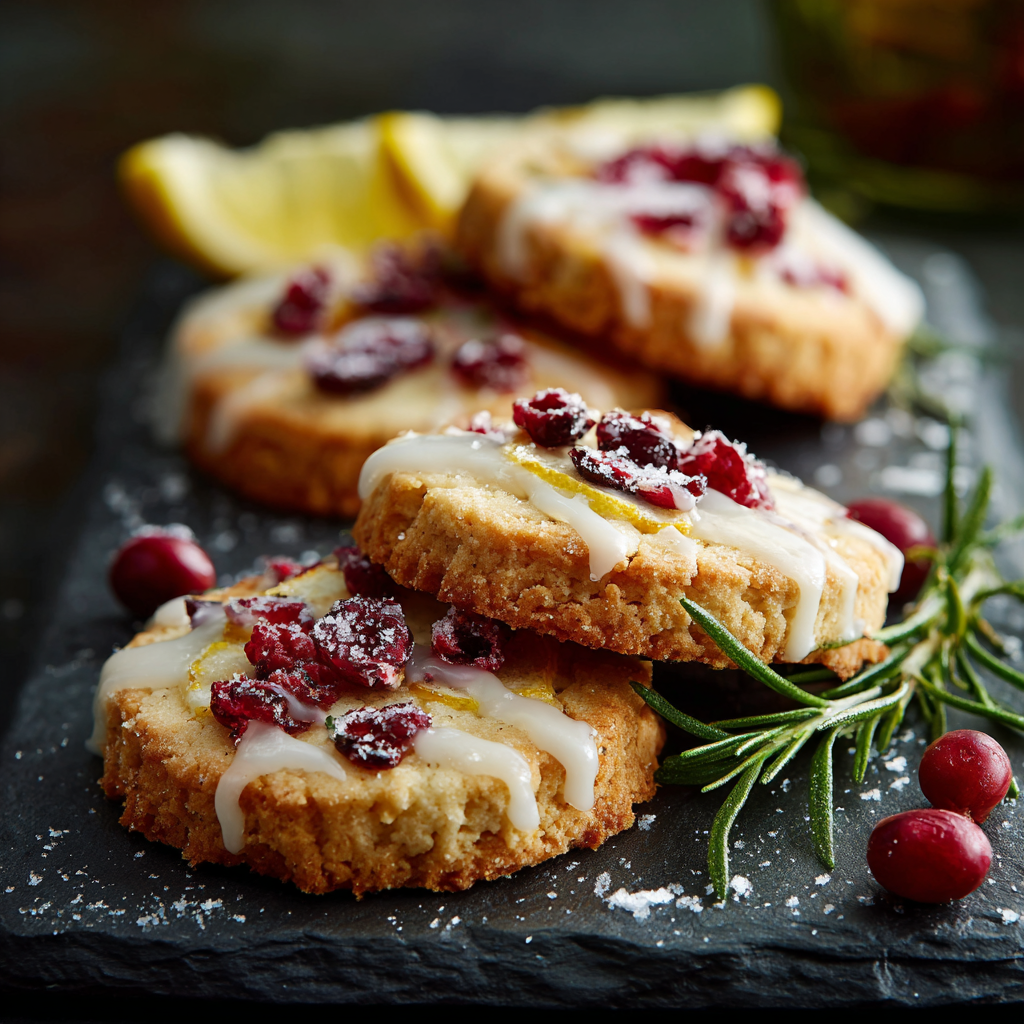
- Dip the top of each cooled cookie into the lemon glaze, allowing excess to drip off before returning the cookie to the cooling rack. Additionally, the glaze will set partially as cookies cool, creating a smooth, glossy finish that’s neither sticky nor hard.
- Immediately after dipping in glaze while it remains slightly wet, optionally sprinkle with fresh lemon zest or a tiny pinch of dried cranberry pieces. First, this application ensures garnishes adhere to the glaze rather than sliding off dry cookies. Subsequently, garnishes add visual appeal and reinforce the bright flavors.
- Allow glazed cookies to sit undisturbed for at least 15 minutes while the glaze sets completely, creating a smooth, glossy finish. Meanwhile, you can store these cookies as they cool or once glaze has completely hardened.
Mastering Bright Citrus Flavor in Cookies
Understanding how to balance lemon and cranberry flavors creates cookies with sophisticated taste rather than overwhelming acidity. Next, fresh lemon juice and zest provide authentic brightness that extracts cannot replicate. Meanwhile, the tartness of both cranberry and lemon prevents cookies from becoming cloyingly sweet. Additionally, proper glaze application creates additional lemon flavor that reinforces the cookie’s taste while adding visual appeal.
Serving and Storing Tips
Serving Suggestions
Serve your cranberry lemon cookies at room temperature to fully appreciate their bright citrus and tart berry flavors. First, present them on ceramic plates, wooden boards, or tiered stands that showcase their beautiful glazed appearance attractively. Additionally, pairing cookies with hot coffee, herbal tea, iced tea, or sparkling water creates refreshing flavor combinations enhancing enjoyment. Meanwhile, these cookies work beautifully as gifts, brunch additions, afternoon treats, or spring-themed gatherings because their refreshing nature suits any occasion requiring something lighter than traditional sweet cookies.
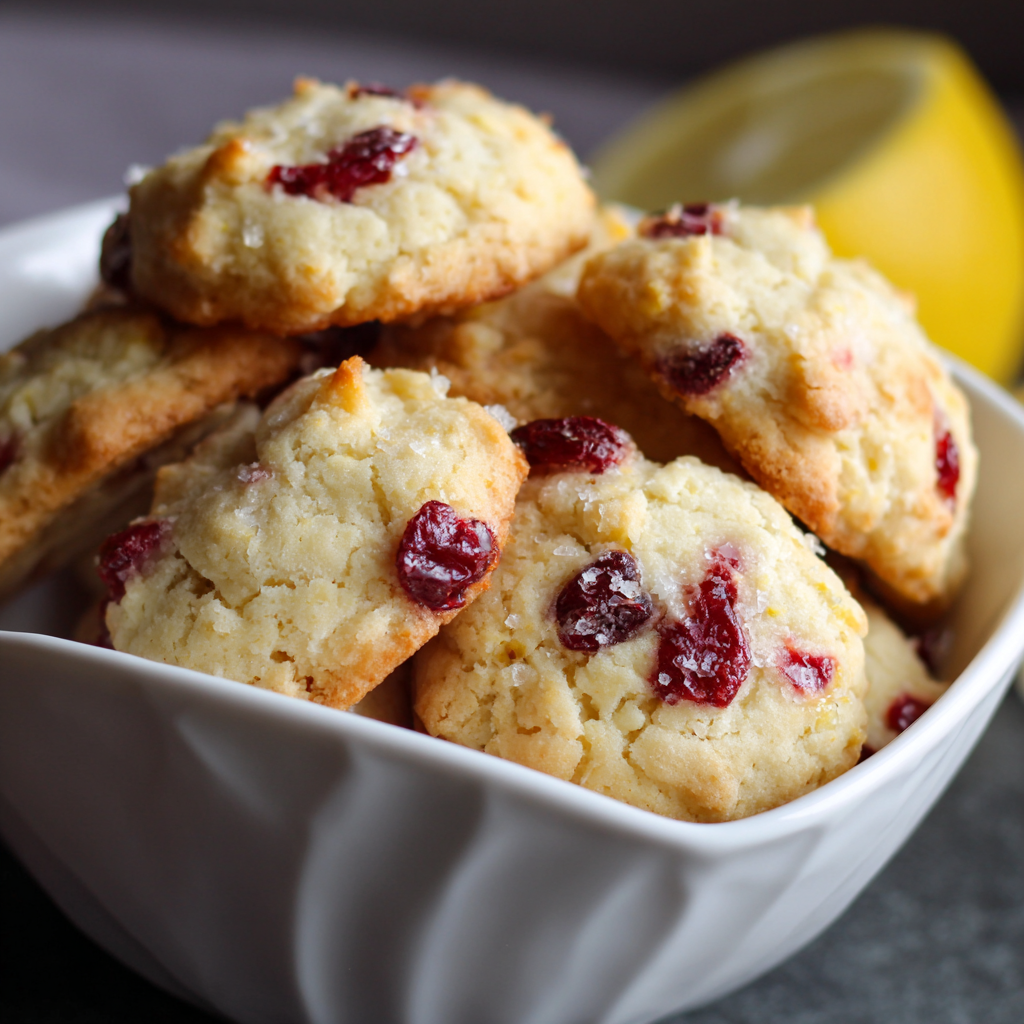
The versatility means cookies suit virtually any occasion from casual family moments to sophisticated entertaining because they deliver satisfying indulgence without overwhelming sweetness. Subsequently, packaging cookies beautifully in clear cellophane bags tied with ribbon creates impressive gifts demonstrating thoughtfulness and care. Furthermore, these cookies travel beautifully in airtight containers, making them perfect for sharing with friends, family, coworkers, or brunch gatherings.
Storage Tips
Store cooled glazed cookies in an airtight container at room temperature for up to 5 days, keeping them fresh and flavorful without drying out. However, cookies taste best within the first 2-3 days after glazing while the glaze remains glossy and bright. Subsequently, if cookies begin to soften slightly during storage, add a slice of bread to the container and replace daily; bread absorbs excess moisture. Alternatively, layer cookies between parchment paper in airtight containers to prevent sticking and protect the glaze.
To freeze, store completely cooled unglazed cookies in freezer-safe containers for up to three months, allowing quick glaze application and serving on future occasions. Additionally, frozen cookies thaw at room temperature in approximately 20 minutes, maintaining quality beautifully. Furthermore, you can also freeze the prepared dough in scoops on sheet pans, then transfer frozen dough balls to freezer bags for up to one month; bake directly from frozen, adding 1-2 extra minutes to baking time.
Helpful Notes and Variations
Ingredient substitutions ensure this recipe adapts to whatever you have available in your kitchen and pantry while maintaining bright, delicious results. Next, if you lack fresh lemon zest, use preserved lemon peel or additional lemon extract though flavor will differ slightly. Meanwhile, those preferring different fruit can substitute dried cherries, blueberries, or raspberries for cranberries, though tartness will decrease. Additionally, if you dislike the lemon glaze, simply dust finished cookies with powdered sugar or serve unglazed for simpler presentation.
The flavor profile can be customized based on personal preferences and available ingredients. For those preferring less tart flavor, reduce lemon juice by half tablespoon while maintaining zest amount. In contrast, adding additional lemon zest or reducing powdered sugar in glaze creates more intensely citrusy versions. Subsequently, experimenting with different citrus varieties—lime, orange, grapefruit—creates entirely different cookie experiences. Furthermore, adding white chocolate chips or white chocolate drizzle complements the bright lemon and cranberry beautifully.
Common mistakes occur when cookies are baked too long, resulting in overly crispy edges that prevent optimal texture. Instead, remove cookies when centers yield slightly to pressure and edges barely turn golden. Additionally, using bottled lemon juice instead of fresh juice creates less authentic flavor; fresh juice is worth the minimal extra effort. Furthermore, overcrowding baking sheets prevents proper air circulation and even baking; space cookies adequately.
Chef Tips for Exceptional Results
First, using a microplane zester ensures fine, thin lemon zest that distributes evenly throughout dough without creating large bitter pieces. Subsequently, refrigerating dough adequately prevents excessive spreading and allows lemon and cranberry flavors to develop fully before baking.
Frequently Asked Questions
Can I make this dough ahead and refrigerate it? Absolutely, wrap dough tightly and refrigerate for up to 3 days before baking, or freeze for up to 3 months and thaw overnight before using.
What if I don’t have fresh lemon juice or zest? You can use bottled lemon juice and zest, though fresh provides superior flavor; adjust lemon extract amounts if using bottled alternatives exclusively.
Can I substitute dried cranberries with fresh cranberries? Fresh cranberries would release too much moisture; stick with dried cranberries which provide concentrated flavor without affecting dough texture.
How do I prevent the glaze from running off? Ensure cookies are completely cooled before glazing, and dip only the top surface rather than submerging entire cookie in glaze.
Can I add other mix-ins to this recipe? Yes, white chocolate chips, chopped pistachios, or dried blueberries complement the lemon-cranberry combination beautifully without exceeding ¾ cup total.
Exploring Citrus and Berry Variations
This foundational cranberry lemon cookie recipe welcomes numerous creative interpretations based on seasonal fruits and personal preferences. Next, orange-raspberry variations using orange zest and fresh raspberries create distinctly different flavor profiles. Meanwhile, lime-blueberry versions with lime zest and blueberries celebrate tropical brightness. Additionally, grapefruit-pomegranate versions create sophisticated, bittersweet alternatives.
The beauty of citrus and berry cookie baking lies in its adaptability to whatever flavor combinations inspire your creativity. First, consider your favorite fruit pairings and how they complement each other, then build cookie variations around those concepts. Subsequently, experimenting with different citrus varieties and dried fruits keeps this fresh recipe from becoming predictable throughout the seasons.
Understanding Bright Citrus Appeal
Recognizing why bright, citrusy cookies deserve special appreciation removes any concern that tart flavors might be off-putting. First, the brightness of lemon and tartness of cranberry create genuine sophistication impossible to achieve through sweetness alone. Subsequently, these cookies satisfy those seeking cookies that don’t feel heavy or overly indulgent. Additionally, the refreshing nature makes them perfect for spring, summer, and any time traditional sweet cookies feel too rich.
Building a Citrus Cookie Tasting Experience
Creating memorable citrus cookie experiences transforms simple treats into moments worth savoring and appreciating. First, present cookies alongside beverages that complement their bright flavors rather than compete. Subsequently, allowing cookies to sit undisturbed for few minutes before eating allows flavors to fully develop. Additionally, intentional pairing of cookies with thoughtful beverage selections elevates casual snacking into mindful enjoyment.
Making Citrus Cookies Your Signature Creation
Understanding why bright citrus cookies deserve regular rotation into your baking repertoire removes any hesitation about dedicating time to these special treats. First, properly executed cranberry lemon cookies deliver genuine satisfaction rivaling any store-bought version. Subsequently, the ability to control ingredient freshness and quality ensures superior flavor compared to commercial alternatives. Additionally, knowing that citrus cookies appeal to health-conscious eaters and sophisticated palates means you’ll bake them regularly throughout the year.
Mastering Citrus Cookie Texture Control
Proper baking technique ensures each cookie delivers ideal texture rather than becoming crispy or underbaked. First, accurate oven temperature is essential for proper baking without overcooking. Subsequently, removing cookies when centers yield slightly to gentle pressure ensures tender texture rather than crispness. Additionally, allowing adequate cooling on the baking sheet prevents breakage while maintaining optimal texture.
The technique improves with practice, but even your first attempts will likely succeed because these cookies are forgiving compared to more delicate preparations. Next, watching your oven during final baking minutes helps you understand exactly when cookies reach perfect doneness. Meanwhile, recognizing that slightly imperfect appearance adds character and charm removes anxiety about perfection.
Customizing for Dietary Preferences
These cranberry lemon cookies adapt beautifully to various dietary approaches including dairy-free, vegan, gluten-free, and lower-sugar preferences. Next, using dairy-free butter creates completely dairy-free versions while maintaining tender texture. Meanwhile, using flaxseed eggs or aquafaba in place of regular eggs creates vegan alternatives. Additionally, substituting gluten-free flour blends creates gluten-free versions though texture may vary slightly depending on flour chosen.
The flexibility means these cookies suit virtually any dietary approach family members navigate. First, focus on maintaining brightness, flavor balance, and tender crumb regardless of specific dietary substitutions. Subsequently, providing alternative cookie options ensures all family members enjoy these special treats equally.
Conclusion
Your Easy Cranberry Lemon Cookies Recipe awaits creation, ready to become your new favorite treat for every season and celebration. This recipe delivers bright, sophisticated cookies through straightforward preparation accessible to bakers of all skill levels. Through proper ingredient selection, adequate chilling, careful baking technique, and thoughtful glazing, you’ll create cookies that taste genuinely special and refreshingly different from traditional sweet varieties. Gather your ingredients, follow these steps methodically, and prepare yourself for how bright, flavorful, and genuinely delicious these cookies become.
Did you love this Easy Cranberry Lemon Cookies Recipe? Please save this recipe to your collection, pin it to your Pinterest board, and share it with friends and family who crave bright, citrusy treats that feel sophisticated yet entirely approachable. Your support means everything and encourages us to keep creating more accessible, delicious recipes that bring joy, brightness, and creativity to your kitchen!