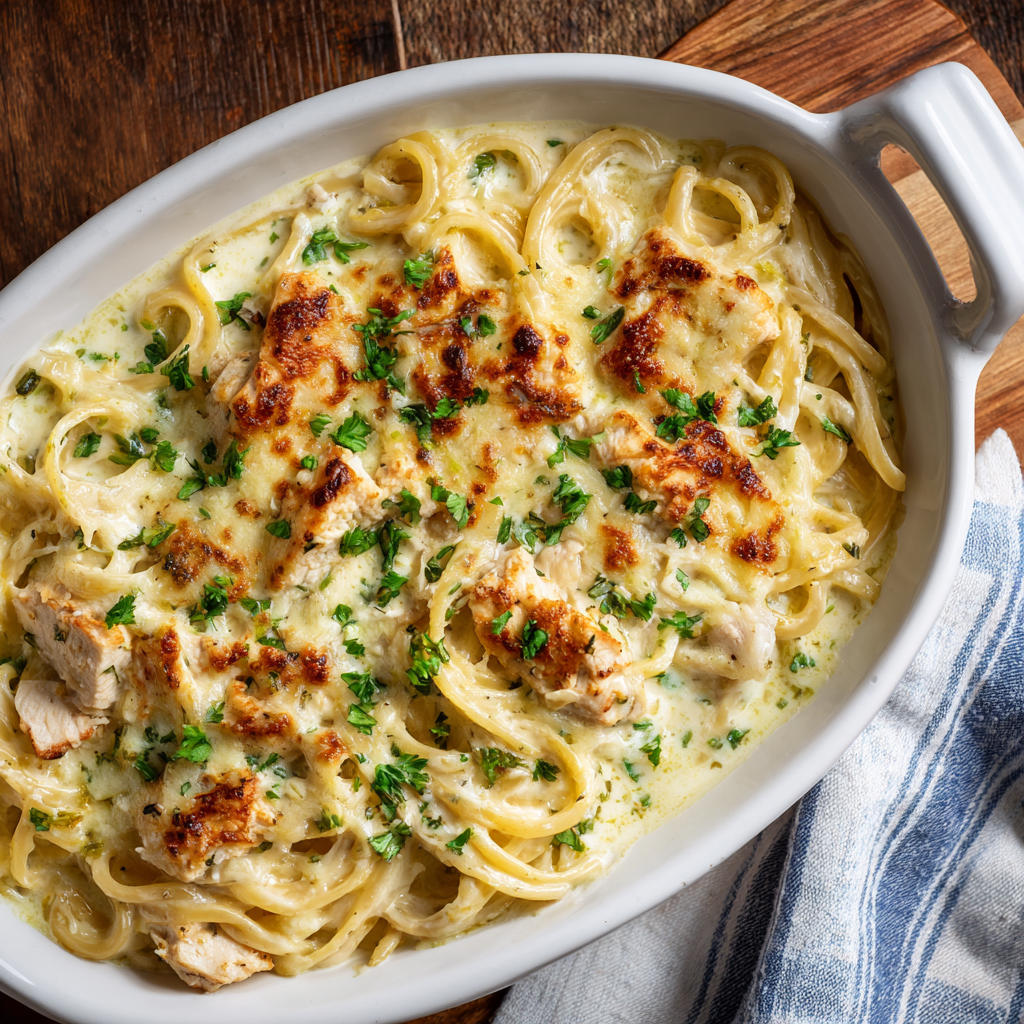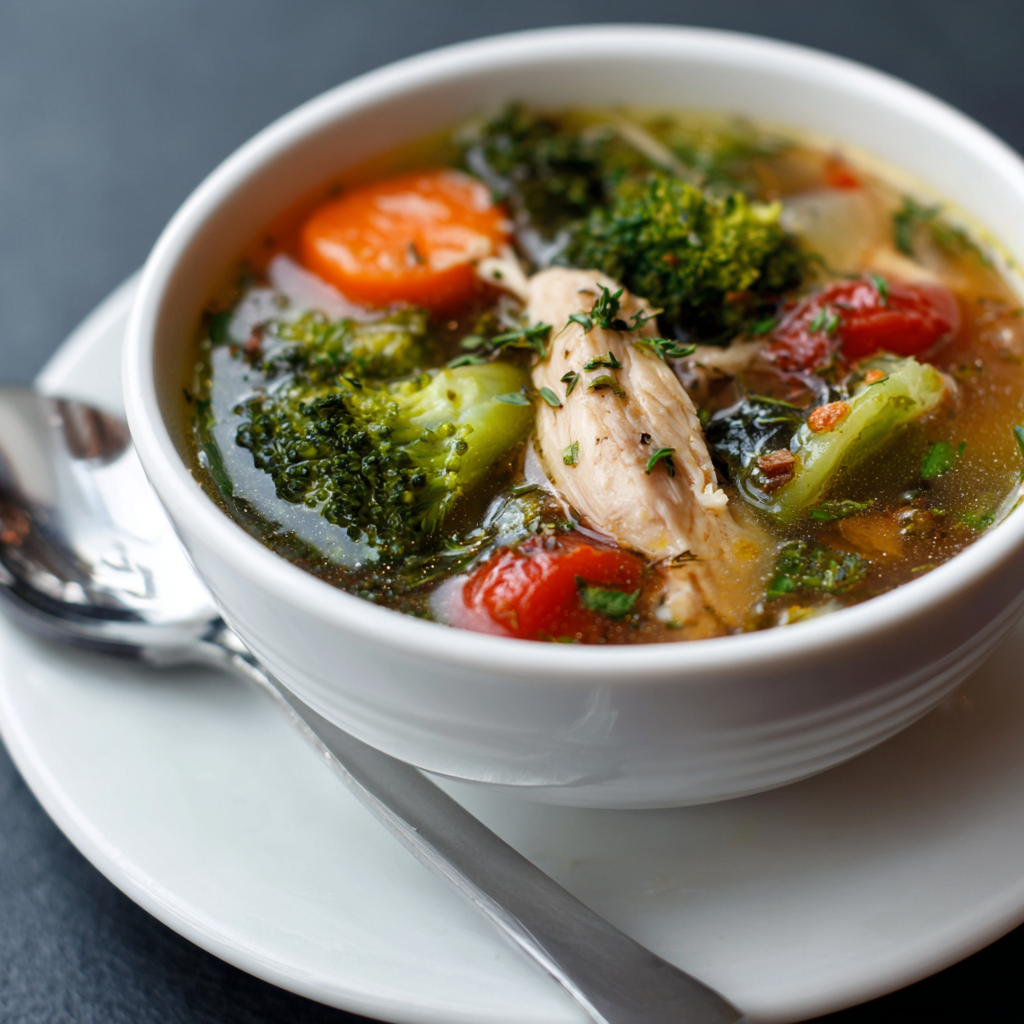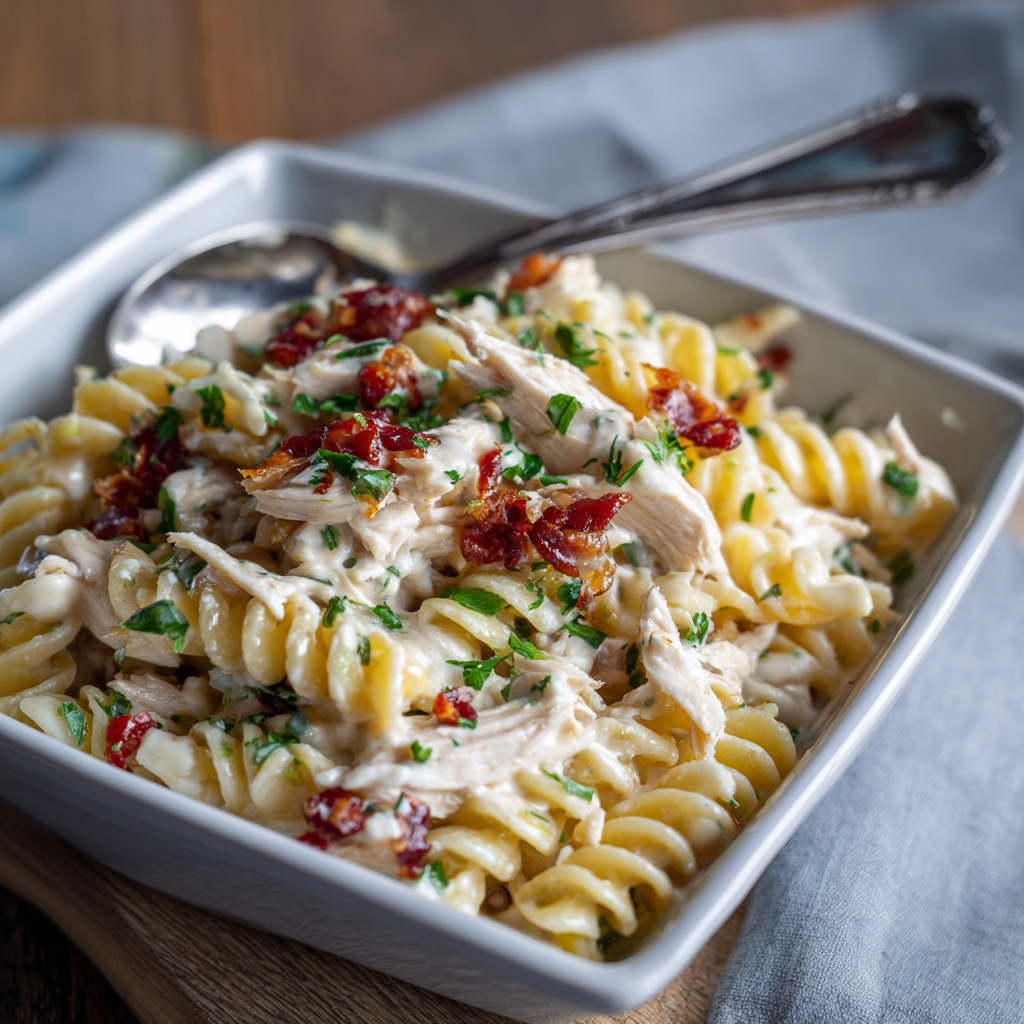
If you’ve ever felt the post-holiday slump of wondering what to do with mountains of leftover turkey, this simple pasta dish is about to become your new best friend. Rather than eating the same turkey sandwich for the fifth day in a row, imagine transforming those leftovers into a warm, comforting pasta that tastes completely different and infinitely more exciting. This recipe celebrates the truth that leftover turkey isn’t something you merely endure—it’s an opportunity to create something genuinely delicious that comes together faster than ordering takeout. The magic happens when you combine tender turkey with aromatic garlic, fresh herbs, and a simple sauce that brings everything together into something that tastes intentional and carefully prepared. What makes this pasta truly special is how adaptable it is; you can create a creamy version, a light tomato-based dish, an herb-forward combination, or a garlic-laden masterpiece depending entirely on what appeals to you in that moment. Whether you’re navigating the days after Thanksgiving or Christmas, looking for an easy weeknight dinner, or simply wanting to use up protein that’s taking up refrigerator space, this leftover turkey pasta delivers restaurant-quality results in about 30 minutes with minimal effort and maximum satisfaction.
Ingredients
Makes 4 servings
For the pasta and base:
- 1 pound pasta of your choice (penne, fettuccine, rigatoni, or spaghetti all work beautifully)
- 3 tablespoons olive oil or butter
- 6 cloves garlic, minced
- 1/2 teaspoon red pepper flakes (optional)
- 3 cups cooked turkey, shredded or diced (leftover turkey works perfectly)
- 1 teaspoon dried Italian seasoning or dried thyme
- 1/2 teaspoon dried oregano
- Sea salt and black pepper to taste
For the sauce (choose one): Option A—Creamy Garlic Parmesan:
- 1 cup heavy cream or half-and-half
- 1/2 cup chicken or turkey broth
- 1/2 cup grated Parmesan cheese
- 2 tablespoons butter
- 1/4 teaspoon nutmeg
Option B—Light Tomato Herb:
- 1 can (14.5 ounces) diced tomatoes, undrained
- 1/2 cup chicken or turkey broth
- 3 tablespoons tomato paste
- 1 tablespoon balsamic vinegar
- 1 teaspoon sugar
Option C—Garlic Olive Oil (Aglio e Olio Style):
- 1/2 cup extra virgin olive oil
- 8 cloves garlic, thinly sliced
- 1/4 teaspoon red pepper flakes
- 2 tablespoons reserved pasta water
- Zest and juice of 1 lemon
For finishing and garnish:
- 1/4 cup fresh parsley, finely chopped
- 2 tablespoons fresh basil, torn (if available)
- Grated Parmesan cheese
- Lemon wedges for serving
- Red pepper flakes (optional)
- Extra virgin olive oil for drizzling
Instructions
- Bring a large pot of salted water to a rolling boil and add the pasta, stirring occasionally to prevent sticking. Cook according to package directions until the pasta is al dente—tender but still with a slight bite. Next, reserve one cup of pasta water before draining the pasta, as this starchy water is essential for adjusting sauce consistency.
- While the pasta cooks, heat the olive oil or butter in a large skillet over medium heat until it shimmers and becomes fragrant. Add the minced garlic and red pepper flakes if you’re using them, then stir constantly for about 30 seconds until the garlic becomes incredibly aromatic and just barely begins to turn golden at the edges.
- Add the shredded or diced cooked turkey to the skillet along with the dried Italian seasoning and oregano, stirring well to distribute the turkey and seasonings evenly. Cook for two to three minutes, stirring occasionally, until the turkey is heated through and infused with the garlic and herb flavors.
- Now choose your sauce path and proceed accordingly. For the creamy version, reduce heat to medium-low and stir in the heavy cream, broth, butter, and nutmeg, then simmer gently for three to four minutes, stirring frequently, until the sauce begins to thicken and the flavors meld together beautifully.
- For the tomato herb version, add the diced tomatoes with their juice, tomato paste, broth, balsamic vinegar, and sugar to the turkey mixture. Stir everything together thoroughly and bring to a gentle simmer over medium heat, then cook for five to six minutes, stirring occasionally, until the sauce thickens slightly and the flavors blend together.
- For the garlic olive oil version, heat the extra virgin olive oil in a separate small skillet over medium-low heat with the sliced garlic and red pepper flakes, stirring gently for two to three minutes until the garlic is golden and fragrant but not brown. Meanwhile, have the reserved pasta water nearby for adjusting consistency.
- Stir the cooked pasta into the turkey and sauce mixture, tossing everything together gently but thoroughly until every strand or piece of pasta is coated with sauce. If the pasta seems too dry, add reserved pasta water one tablespoon at a time until you reach your desired consistency.
- For the garlic olive oil version, toss the hot pasta with the garlic oil and red pepper flakes, then add the lemon zest and juice, stirring gently to combine everything evenly throughout.
- Taste the pasta and adjust the seasonings as needed, adding more salt, pepper, herbs, or other seasonings to match your preferences. Remember that you can always add more seasoning, but you cannot remove it once added, so taste as you go.
- Divide the hot pasta into serving bowls and garnish generously with fresh parsley, torn basil if you have it, and grated Parmesan cheese. Additionally, offer red pepper flakes at the table for anyone wanting to add extra heat, and serve with fresh lemon wedges for squeezing over the top.
Why This Pasta Dish Works So Well
First, the combination of tender turkey, aromatic garlic, and your choice of sauce creates a dish that’s comforting, satisfying, and completely different from how the turkey tasted a few days ago. The transformation from leftover protein into something deliberately delicious is the entire appeal of this recipe.
The beauty of offering three sauce options is that you can choose based on your mood, what’s available in your pantry, or what flavors you’re craving in that moment. Meanwhile, each sauce celebrates the turkey while adding distinct personality and depth to the finished dish.
In contrast to recipes that mask leftovers or disguise their origins, this pasta celebrates the turkey as the star ingredient while surrounding it with complementary flavors and textures. Additionally, the quick cooking time—just 30 minutes from start to table—makes this perfect for busy weeknights when you need nourishment without spending hours in the kitchen.
Furthermore, this dish is naturally elegant enough to serve to guests without them knowing they’re eating leftovers, yet casual enough for family dinners and weeknight meals when you want something straightforward and satisfying.
Serving and Storing Tips
How to Serve
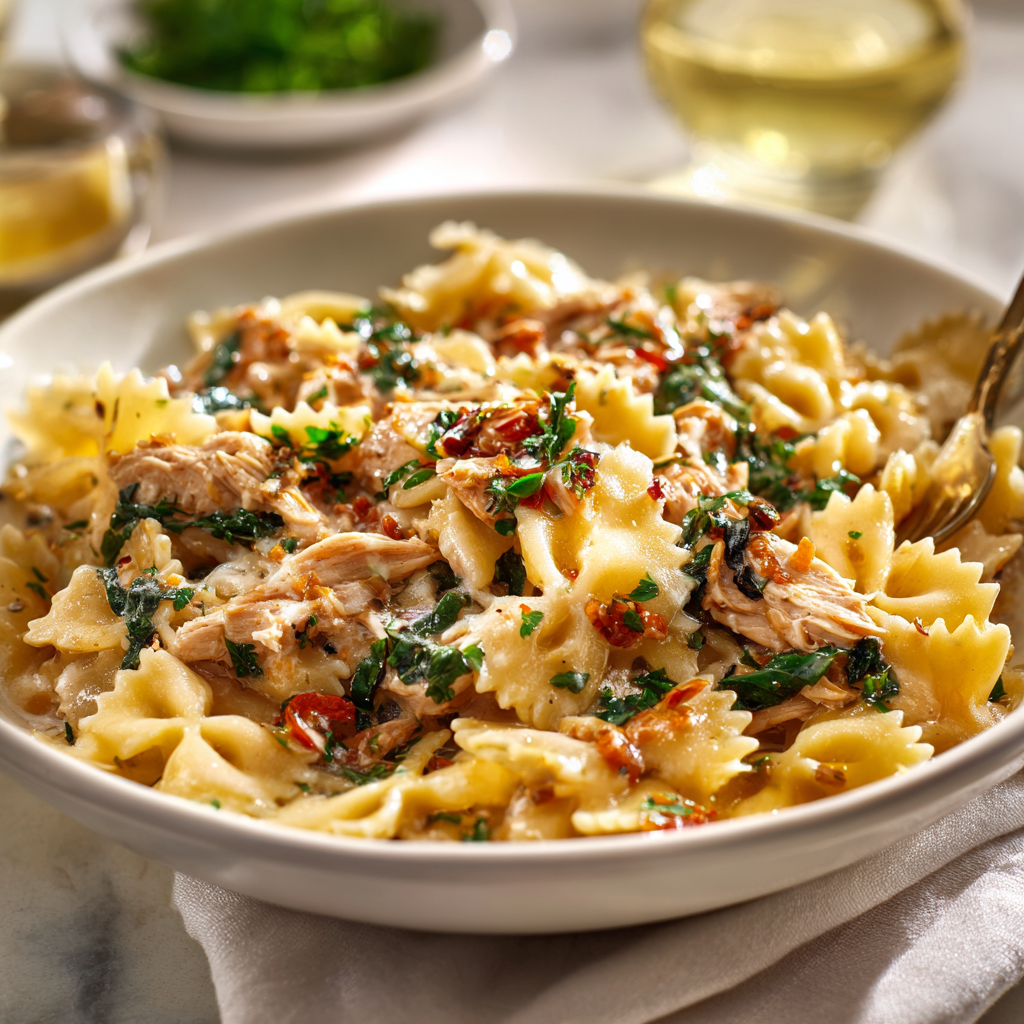
This turkey pasta is wonderfully versatile in how you present and enjoy it throughout your week. For casual family dinners, serve it directly from the skillet with crusty bread and a simple side salad for a complete meal. Next, consider plating individual servings and topping each with extra cheese and fresh herbs for a more elegant presentation suitable for entertaining.
Additionally, you can serve the pasta in shallow bowls with a splash of the sauce pooled in the center, which looks restaurant-quality and inviting. At lighter meals, pair smaller portions with a substantial green salad and garlic bread for balance. Furthermore, leftover pasta is wonderful for lunch boxes the next day or reheated gently on the stovetop for a quick weeknight dinner solution.
Storage Instructions
Store cooled pasta in an airtight container in the refrigerator for up to four days, making this perfect for meal planning and preparing several days’ worth of easy dinners ahead of time. However, note that pasta continues to absorb sauce as it sits, so you might want to store extra sauce separately or add a splash of broth when reheating.
To reheat refrigerated pasta, transfer it to a skillet over medium heat with a splash of broth or pasta water, stirring gently and frequently until heated through. This method restores moisture that pasta loses during storage better than microwaving. For best results, eat the pasta within two to three days of making it, as the quality begins to decline after that point.
Helpful Notes and Tips for Success
Before you begin, ensure your leftover turkey is at room temperature or warmed slightly, as this helps everything heat through evenly and prevents cold spots in the finished dish. If your turkey has been refrigerated, let it sit out for 15 minutes or warm it gently in the microwave before adding it to the skillet.
Here’s an important tip about pasta water: this starchy liquid is liquid gold in the kitchen because it helps emulsify sauces and brings everything together beautifully. Always reserve it before draining, and don’t hesitate to use it generously to adjust sauce consistency.
Regarding the sauce options, choose based on what you have available and what appeals to you. The creamy version is luxurious and rich, perfect for when you want maximum comfort. The tomato version is lighter and brighter, ideal when you want something fresher. The garlic olive oil version is elegant and simple, celebrating the turkey with minimal intervention.
If your leftover turkey is quite dry, the creamy sauce option works beautifully to add moisture and richness. Conversely, if your turkey is still quite moist with skin, any of the sauce options work equally well.
For extra vegetables, consider adding diced bell peppers, mushrooms, zucchini, or fresh spinach to the pan while cooking the turkey. They’ll add nutrition, texture, and bulk to make the dish more substantial without significantly changing the cooking time or technique.
Chef Tips
First, the secret to deeply flavored turkey pasta is to take your time with the garlic—never rush this step or let it burn, as proper garlic cooking creates incredible aromatic foundations that make everything taste better. Golden, fragrant garlic is your friend; brown, burnt garlic is your enemy.
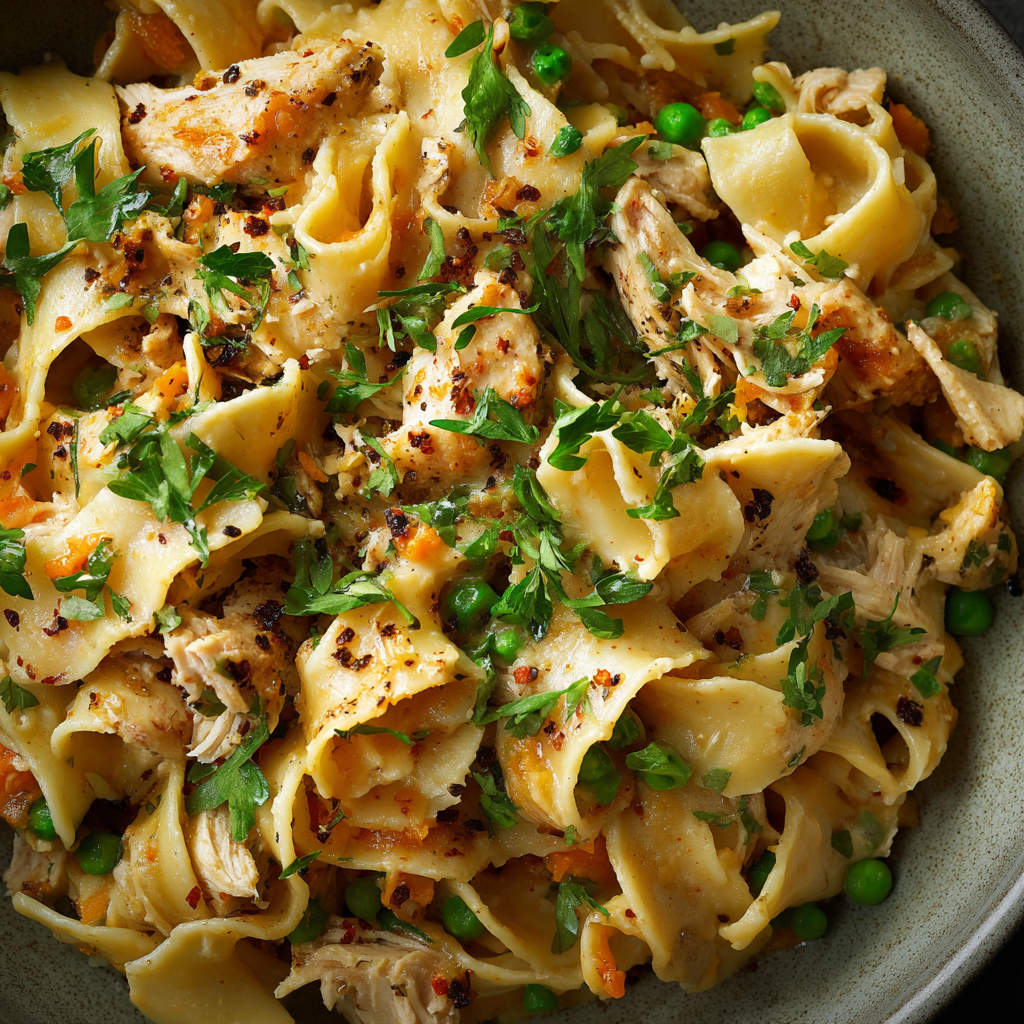
Additionally, for extra sophistication, try finishing the creamy version with a squeeze of fresh lemon juice and a pinch of fresh thyme, or add a splash of white wine to the tomato version before simmering. These small touches elevate the dish from straightforward into genuinely special without requiring extra time or complicated techniques.
Frequently Asked Questions
Can I make this pasta with fresh turkey instead of leftovers? Absolutely—cut fresh turkey breast into bite-sized pieces and cook them in the skillet for five to seven minutes before adding the sauce, and the finished dish will be equally delicious.
What if I want to make this pasta vegetarian? Replace the turkey with mushrooms, beans, or extra vegetables, and use vegetable broth instead of chicken broth for a completely plant-based version that’s equally satisfying and flavorful.
How can I make this pasta creamier or lighter? For creamier, use the creamy garlic Parmesan sauce option with the full amount of heavy cream listed. For lighter, choose the garlic olive oil version or use the tomato version with broth rather than cream.
Can I freeze leftover turkey pasta? Yes, cooled pasta freezes beautifully for up to two months, though the texture of the pasta will be slightly softer upon thawing. Store it in an airtight container, and reheat gently on the stovetop with a splash of broth.
What pasta shapes work best for this dish? Any pasta shape works beautifully—choose based on personal preference, though shorter shapes like penne and rigatoni trap sauce nicely, while longer shapes like fettuccine and spaghetti create elegant strands.
Transforming Leftovers Into Something Special
Creating this turkey pasta is genuinely one of the most practical and rewarding ways to use leftover turkey without feeling like you’re eating the same thing multiple times. Next time you open your refrigerator to find that container of leftover turkey, instead of sighing and making another sandwich, reach for this recipe and experience how delicious transformation can be.
The satisfaction of turning modest leftovers into a meal that tastes deliberately prepared and genuinely exciting is one of the great pleasures of home cooking. Furthermore, this skill—transforming leftovers into something entirely new—is one of the most valuable abilities a home cook can develop, saving both money and time while reducing food waste.
Additionally, once you master this basic turkey pasta formula, you’ll discover endless variations that keep the dish exciting and prevent repetition. Try different sauce combinations, add various vegetables, or experiment with different pasta shapes and fresh herbs to create completely new experiences using the same foundation.
As you cook this recipe multiple times, you’ll develop intuition about adjusting seasonings, sauce consistency, and ingredient quantities to match your specific preferences and what’s available in your kitchen. The wonderful thing about pasta dishes is that they welcome creativity and experimentation while remaining incredibly forgiving even for complete beginners.
With this recipe in your repertoire, you’ll never dread the days after the holidays when you have leftover turkey to use up. Instead, you’ll view that container of turkey as the beginning of something delicious that tastes carefully prepared while requiring minimal effort and time investment on your part. Your family will ask for this recipe again and again, never suspecting they’re eating leftovers transformed into something completely new and genuinely special.