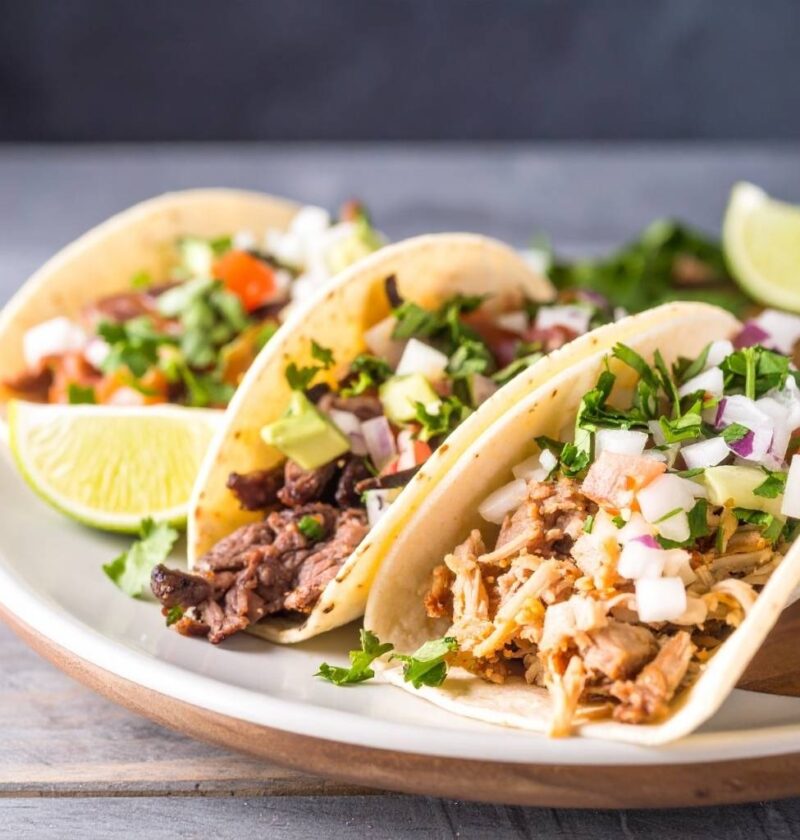
There’s something utterly magical about perfectly crafted fish tacos—crispy fish, cool toppings, and vibrant flavors that transport you straight to a coastal paradise with every bite. These handheld delights have become beloved favorites far beyond Mexican shores because they deliver restaurant-quality results with surprisingly simple preparation and accessible ingredients. First, fish tacos require minimal cooking skill and straightforward assembly, making them perfect for home cooks of all experience levels seeking something impressive yet manageable. Beyond their simplicity, fish tacos offer remarkable nutritional benefits, delivering lean protein, omega-3 fatty acids, and nutrient-dense vegetables in one beautifully balanced package. Moreover, the combination of crispy-on-the-outside, tender-on-the-inside fish, cool creamy sauce, crunchy vegetables, and soft tortillas creates textural and flavor complexity that keeps people reaching for more. The true magic of this recipe lies in how it proves that the finest dishes often emerge from honoring quality ingredients and using simple technique to allow their natural flavors and textures to shine brilliantly.
Ingredients
This recipe makes 12 to 16 tacos, serving 4 to 6 people as a main course.
For the Fish
• 1.5 pounds white fish fillets (cod, mahi-mahi, or tilapia work beautifully) • 1 cup all-purpose flour • 1 teaspoon ground cumin • 1 teaspoon chili powder • 1/2 teaspoon paprika • 1/2 teaspoon garlic powder • 1/2 teaspoon onion powder • Salt and black pepper to taste • 1 egg • 2 tablespoons milk or water • Oil for frying (vegetable or peanut oil works best)
For Assembly and Toppings
• 12 to 16 flour or corn tortillas (6-inch size) • 1 cup sour cream or Mexican crema • 2 tablespoons fresh lime juice • 1/2 teaspoon cumin • 1 small head of cabbage, thinly sliced • 1 cup diced pineapple (fresh or canned) • 1/2 cup fresh cilantro, chopped • 3 jalapeños, sliced thin (optional) • 2 limes, cut into wedges • 1/4 cup diced red onion • 2 avocados, sliced (optional) • 1/2 cup diced tomato (optional) • Hot sauce or salsa for serving
Step-by-Step Instructions
Preparing the Sauce
- Begin by making the creamy lime sauce that ties everything together—combine sour cream or Mexican crema with fresh lime juice and cumin in a small bowl. Whisk until smooth and well combined, creating a tangy, flavorful sauce. Additionally, taste the sauce and adjust seasonings as needed, keeping in mind that lime juice can always be added but cannot be removed.
- Cover the sauce and refrigerate until ready to serve, allowing the flavors to meld together while you prepare the remaining components.
Preparing the Fish
- Pat the fish fillets completely dry with paper towels, as moisture on the surface prevents proper browning and creates uneven cooking. Next, cut the fish into bite-sized pieces roughly two inches long and one inch wide, keeping the pieces consistent in size for even cooking.
- In a shallow bowl, combine the flour, ground cumin, chili powder, paprika, garlic powder, onion powder, salt, and black pepper. Whisk everything together until the spices are evenly distributed throughout the flour mixture. In a separate shallow bowl, whisk together the egg and milk or water to create an egg wash.
- Set up your breading station with the seasoned flour on one side and the egg wash on the other. Additionally, have a clean plate ready for the breaded fish. This organized setup makes the breading process quick and efficient.
Breading the Fish
- Working with one piece at a time, dip the fish into the egg wash, coating all sides completely. Next, remove it from the egg wash and place it directly into the seasoned flour, turning it gently to coat all sides evenly. Additionally, shake off any excess flour and place the breaded fish on the clean plate.
- Repeat the breading process with the remaining fish pieces, ensuring each one is completely and evenly coated. However, if pieces are sitting for more than a few minutes, you can lightly spray them with cooking spray to help the breading stick better during frying.
Cooking the Fish
- Heat about one-quarter inch of oil in a large skillet over medium-high heat. Once the oil is hot—you can test it by carefully dropping a small piece of bread in the oil; it should sizzle immediately—add the breaded fish pieces in a single layer. Furthermore, avoid overcrowding the pan, as this creates steam rather than crispy browning.
- Cook the fish undisturbed for about three to four minutes until the bottom is golden brown and crispy. Next, carefully flip each piece and cook for another two to three minutes until the second side is also golden brown. The fish inside should flake easily when tested with a fork and be opaque throughout.
- Transfer the cooked fish to a paper towel-lined plate to drain any excess oil. However, don’t let it sit too long, as you want to serve it while it’s still warm and crispy. Additionally, season the hot fish lightly with additional salt and lime juice if desired.
Preparing the Toppings
- While the fish cooks, prepare all your toppings and have them organized and accessible for easy assembly. Slice the cabbage into thin, uniform pieces, chop the cilantro, slice the jalapeños, and cut the limes into wedges. Furthermore, if using avocados, slice them just before serving to prevent browning.
- Arrange all the toppings in small bowls or on a platter, creating a beautiful taco bar where diners can customize their tacos according to personal preference. This interactive element makes the meal more enjoyable and allows everyone to create exactly the tacos they want.
Warming the Tortillas
- Warm the tortillas just before serving—you can do this by wrapping them in a damp paper towel and microwaving for about thirty seconds, or by warming them one at a time in a dry skillet over medium heat for about ten seconds per side. Warm tortillas are pliable and delicious, while cold tortillas are difficult to fold without tearing.
Assembling the Tacos
- Place a warm tortilla on a clean surface and spread a small amount of the creamy lime sauce down the center. Next, add a small handful of sliced cabbage, then top with two to three pieces of crispy fish.
- Add your desired toppings—fresh cilantro, diced pineapple, sliced jalapeños, diced red onion, sliced avocado, and diced tomato all work beautifully. Additionally, a squeeze of fresh lime juice brightens all the flavors. In contrast to loading tacos with excessive filling, less is often more—you want the fish to shine without overwhelming the delicate tortilla.
- Fold or roll the tortilla gently, keeping the filling tucked inside. Repeat the assembly process with remaining tortillas and toppings until all tacos are prepared. Additionally, serve immediately while the fish is still warm and crispy.
Serving and Storing Tips
How to Serve
Fish tacos shine best when served immediately after assembly, with the fish still warm and crispy and all components fresh and bright. However, you can prepare all components in advance and assemble tacos to order, allowing guests to customize their selections. Setting out a beautiful taco bar with all ingredients organized in small bowls invites diners to participate in assembly and personalization. Furthermore, serve with lime wedges, hot sauce, salsa, and additional cilantro available for those wanting extra brightness and heat. A simple Mexican rice or black beans on the side provides satisfying accompaniment. Additionally, beverages such as fresh limeade, horchata, Mexican beer, or margaritas pair wonderfully with fish tacos.
How to Store
Store uncooked breaded fish in an airtight container in the refrigerator for up to one day before cooking. Cooked fish tacos don’t store well as the fish loses its crispy exterior and the tortillas become soggy, so it’s best to cook and assemble them just before serving. However, you can store the individual components separately—the lime sauce keeps for up to three days, the sliced cabbage and other raw vegetables keep for one to two days in airtight containers, and the cooked fish can be refrigerated for up to two days. Additionally, you can reheat cooked fish gently in a 275-degree Fahrenheit oven for about five minutes if necessary, though this will diminish the crispiness slightly. Freezing cooked fish is not recommended as thawing compromises texture and quality significantly.
Helpful Notes and Ingredient Substitutions
Understanding these practical tips will ensure your fish tacos turn out perfectly every time:
The type of fish you choose affects both flavor and texture, so select the freshest, highest-quality white fish available at your market. Additionally, cod provides a slightly firm texture with mild flavor, mahi-mahi offers a slightly sweeter taste with more substantial texture, and tilapia delivers delicate, mild flavor with tender texture. Ask your fishmonger for recommendations on which fish arrived most recently and would be ideal for your tacos.
For protein variations, you can substitute the fish with shrimp, which cooks in about two to three minutes total, or with grilled chicken breast for a non-seafood option. Furthermore, you can even use tempeh or tofu for vegetarian versions—simply prepare them using the same breading and frying technique. In contrast to adhering strictly to traditional fish tacos, experimenting with different proteins allows you to make this dish uniquely yours.
Regarding the breading, you can create a lighter version by using panko breadcrumbs mixed with flour instead of flour alone, which creates extra crispiness. Additionally, for a gluten-free version, use cornmeal mixed with gluten-free flour or almond flour. However, test the texture carefully to ensure the coating adheres properly.
For the sauce, if you don’t have sour cream available, Greek yogurt, mayonnaise, or crème fraîche all work beautifully as substitutes. Furthermore, you can make a spicy chipotle version by adding one to two minced chipotle peppers in adobo sauce to the lime sauce. Additionally, a cilantro lime version incorporates fresh chopped cilantro into the sauce for additional herbaceous brightness.
The toppings welcome significant customization based on availability and preference. Additionally, mango, salsa, corn, black beans, and queso fresco all work beautifully on fish tacos. For a healthier version, use lettuce wraps or corn tortillas instead of flour tortillas. Finally, don’t skip the fresh lime juice—it’s absolutely essential for brightening all the flavors and tying everything together beautifully.
A common mistake is overcrowding the pan while frying, which causes the oil temperature to drop and creates soggy, oil-soaked fish instead of crispy pieces. Furthermore, overcooking the fish results in dry, tough texture, so monitor the cooking carefully and remove pieces as soon as they’re golden and cooked through. Finally, ensure you’re using fresh limes rather than bottled lime juice—the flavor difference is significant and crucial to the success of this dish.
Chef Tips
The secret to exceptionally crispy fish tacos lies in maintaining proper oil temperature and not overcrowding the pan—the oil should remain between 350 and 375 degrees Fahrenheit throughout cooking for consistent, perfect results. Additionally, immediately transferring cooked fish to paper towels removes excess oil while still maintaining crispiness, ensuring your tacos are light and delicious rather than heavy and greasy.
Frequently Asked Questions
Can I bake the fish instead of frying it? Yes, though it won’t be quite as crispy—place breaded fish on a parchment-lined baking sheet, spray lightly with cooking spray, and bake at 400 degrees Fahrenheit for about twelve to fifteen minutes until golden and cooked through.
What if I don’t have fresh fish available? Frozen fish fillets work beautifully—thaw them overnight in the refrigerator, pat dry completely, then bread and cook using the same technique and timing as fresh fish.
How do I prevent the fish from sticking to the pan? Ensure the oil is hot enough before adding the fish, and avoid moving the pieces during the first few minutes of cooking, which allows them to develop a crispy crust that prevents sticking.
Can I prepare the fish ahead of time and reheat it? You can bread the fish up to eight hours in advance and refrigerate it, then fry just before serving for optimal crispiness and quality.
Is this recipe suitable for meal prep? Fish tacos are best served immediately after cooking and assembly, so meal prepping the individual components in advance is recommended rather than fully assembled tacos.
Final Thoughts
Fish tacos represent one of those magnificent dishes that perfectly demonstrate how simple components can combine to create something greater than the sum of their parts. What makes this recipe truly special is how it celebrates the natural qualities of fresh fish while using complementary flavors, textures, and bright toppings to create a dining experience that’s both satisfying and refreshing. Moreover, it teaches valuable cooking principles applicable across cuisines—respecting ingredient quality, understanding proper frying temperature and technique, and knowing how to layer flavors and textures for maximum impact.
Beyond their deliciousness and relative simplicity, fish tacos offer remarkable practical advantages for home cooks seeking hFish Tacosealthful, exciting meals that don’t demand hours of kitchen time. Additionally, they make an excellent option for casual entertaining, allowing guests to participate in assembly and customization. The recipe also welcomes creativity—different fish varieties, sauce options, and topping combinations allow you to make these tacos uniquely yours while maintaining their essential character and appeal.
The satisfaction of serving beautiful, crispy fish tacos to your table demonstrates care through thoughtful cooking. Furthermore, watching family and friends savor every bite while enjoying the contrast of crispy and tender, cool and warm, simple and complex flavors reminds you why cooking from scratch remains such a rewarding endeavor. These moments of nourishment, connection, and pure enjoyment represent some of life’s greatest pleasures and make all the cooking absolutely worthwhile.
Did you love making these fish tacos? If you try this recipe, I’d absolutely love to hear about your experience! Please share your results in the comments below, save this recipe to your favorites, pin it to your cooking board, and share it with friends and family who deserve these delicious, healthful, absolutely irresistible tacos. Your feedback and support inspire me to keep creating more accessible, flavorful recipes that bring joy and confidence to your kitchen. Happy cooking!