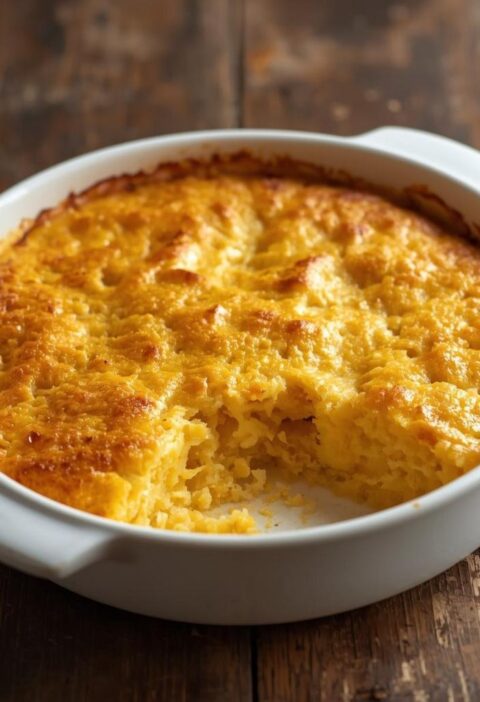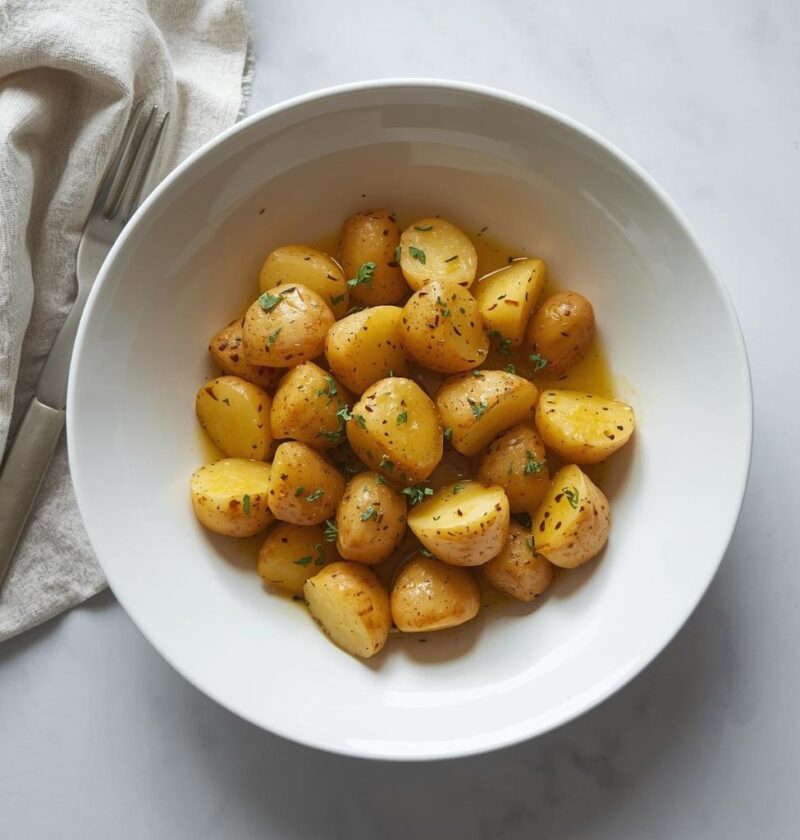
Funeral potatoes, also known as hot potato casserole, represent a cherished comfort food that transcends its somewhat somber name to become a beloved dish at countless gatherings, celebrations, and everyday family meals. This creamy, cheesy casserole has graced tables for generations, earning its distinctive name from its frequent appearance at funeral receptions and memorial services where grieving families gather to share food and memories. There’s something undeniably comforting about this dish—the combination of tender potatoes, rich cream sauce, and crispy topping creates layers of texture and flavor that bring genuine warmth to any occasion. What makes funeral potatoes so special isn’t just their delicious taste or the way they pair perfectly with virtually any main course; it’s the emotional connection they represent, offering solace and togetherness during difficult times. Beyond funerals, this versatile casserole has become an essential staple at holiday gatherings, potlucks, family reunions, and everyday dinners where comfort and satisfaction are paramount. The beauty of this recipe lies in its straightforward preparation combined with sophisticated flavors, transforming humble potatoes and basic pantry ingredients into something truly memorable that everyone will remember fondly.
Ingredients
This recipe makes 12 to 14 servings as a side dish.
- 2 pounds russet potatoes
- 4 tablespoons butter, divided
- 1 medium onion, finely diced
- 2 cups sharp cheddar cheese, shredded
- 1 can (10.5 ounces) cream of chicken soup, undiluted
- 1 cup sour cream
- ½ cup whole milk
- 1 teaspoon salt
- ½ teaspoon black pepper
- ¼ teaspoon garlic powder
- ⅛ teaspoon cayenne pepper
- 2 cups frozen hash browns (optional, for texture variation)
- 1 cup cornflakes cereal, crushed
- 2 tablespoons butter, melted (for topping)
- ½ cup crispy bacon bits (optional)
- 2 tablespoons fresh chives, finely chopped (optional garnish)
Step-by-Step Instructions
Preheat your oven to 350 degrees Fahrenheit and lightly coat a 9×13 inch baking dish with cooking spray or butter, ensuring even coverage on all sides and bottom. This prevents sticking and makes cleanup much easier after baking. Next, prepare the potatoes by peeling them and cutting them into half-inch cubes, which ensures even cooking throughout the casserole without taking too long to prepare.
Bring a large pot of salted water to a rolling boil and carefully add the cubed potatoes, cooking them for approximately 8 to 10 minutes until they’re just barely tender but still maintain their shape. The potatoes should be fork-tender but not mushy or falling apart, which would create an unpleasant texture in the final dish. Drain the potatoes thoroughly in a colander and set them aside on the counter to cool slightly.
Meanwhile, melt two tablespoons of butter in a large saucepan over medium heat, then add the finely diced onion and sauté for 3 to 4 minutes until softened and fragrant. This builds a flavor foundation for the entire casserole. Next, reduce the heat to low and add the cream of chicken soup, stirring until it’s smooth and fully incorporated into the butter and onions.
Add the sour cream and milk to the soup mixture, stirring constantly until everything is combined smoothly without any lumps remaining. The mixture should be creamy and uniform throughout. Additionally, stir in the salt, black pepper, garlic powder, and cayenne pepper, mixing thoroughly to distribute all seasonings evenly. Fold in one and one-half cups of the shredded cheddar cheese, reserving the remaining half cup for the top of the casserole.
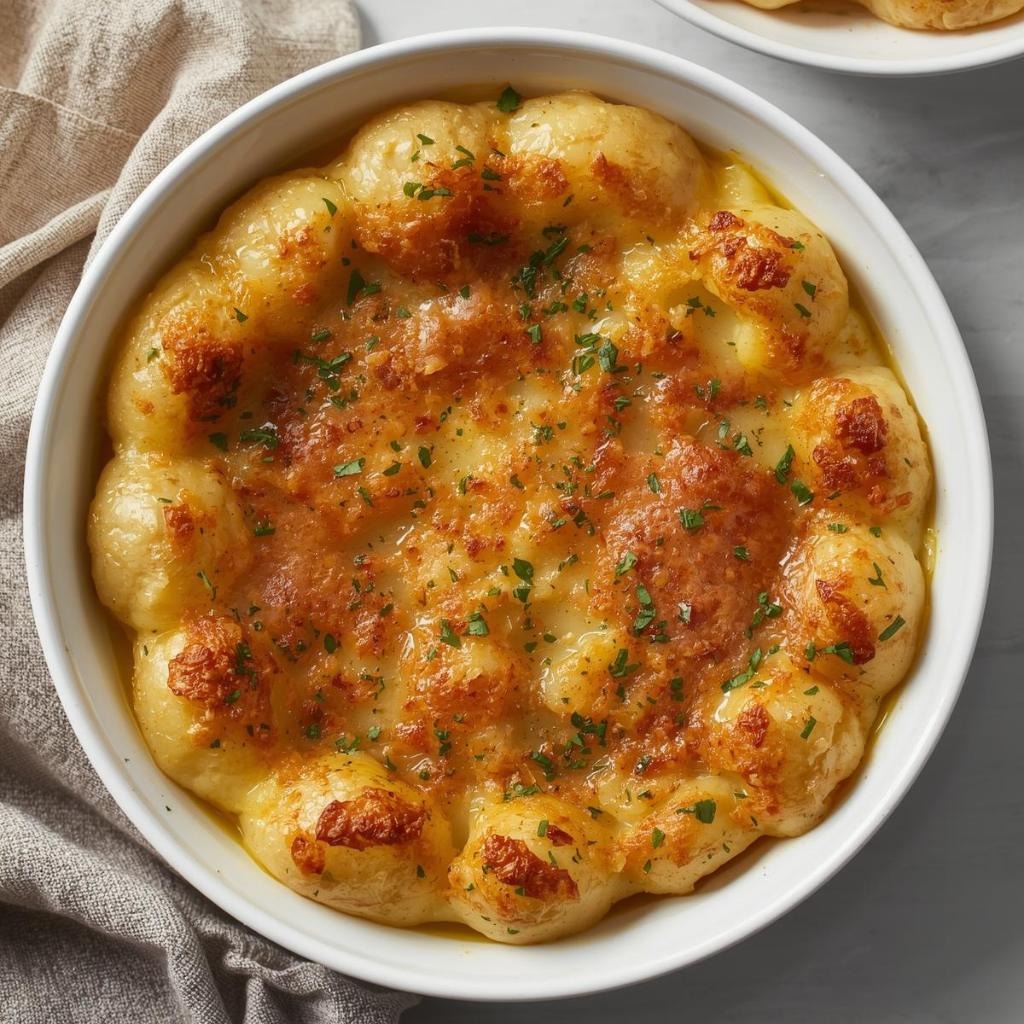
Gently fold the cooled potatoes into the creamy sauce mixture using a spatula, being careful not to break them apart or crush them unnecessarily. If using optional frozen hash browns for extra texture, fold them in at this point as well. Next, transfer the entire mixture to your prepared baking dish, spreading it into an even layer and pressing down gently with the back of a spatula.
In a small bowl, combine the crushed cornflakes with two tablespoons of melted butter, tossing until all the cereal pieces are evenly coated with butter. This creates a golden, crispy topping that contrasts beautifully with the creamy potato mixture below. Spread the cornflake mixture evenly over the top of the potatoes, then sprinkle the reserved half cup of cheddar cheese over the cornflakes.
Bake the casserole for 45 to 50 minutes until the top is golden brown and the edges are bubbling gently, indicating that the filling has heated through completely. The longer baking time allows all the flavors to meld together beautifully. Remove from the oven and let the casserole rest for 5 minutes before serving, which allows everything to set slightly.
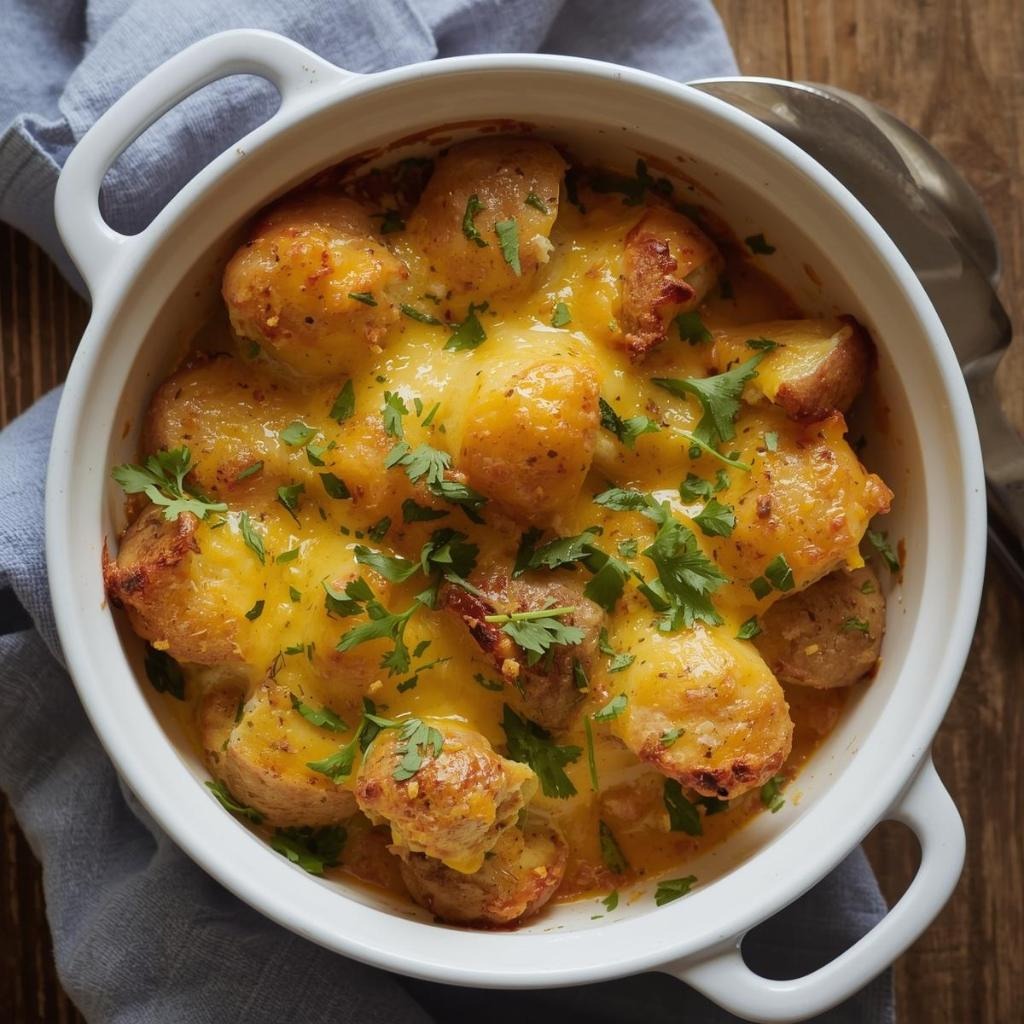
If using optional bacon bits and fresh chives, sprinkle them over the top immediately after removing from the oven while the casserole is still hot. The warmth brings out their flavors and aromas, creating an enticing presentation. Serve the funeral potatoes warm directly from the baking dish, scooping generous portions onto individual plates.
Preparing Your Potatoes for Success
Selecting and Preparing the Right Potatoes
The foundation of excellent funeral potatoes starts with choosing the right potato variety. First, russet potatoes work best because they have a higher starch content that absorbs the creamy sauce beautifully while maintaining their shape during cooking. Additionally, waxy potatoes like red potatoes don’t work quite as well, as they don’t absorb flavors as effectively and can turn mushy more easily. Next, cutting your potatoes into uniform half-inch cubes ensures even cooking throughout the casserole without some pieces remaining hard while others become overcooked.
Cooking Your Potatoes Properly
Bring a large pot of salted water to a boil before adding your cut potatoes, which helps them cook more evenly. Meanwhile, avoid overcooking your potatoes at this stage, as they’ll continue cooking when you bake the casserole. Furthermore, slightly underdone potatoes work better than overcooked ones, as they’ll firm up slightly during baking while absorbing the creamy sauce. To begin testing, pierce a piece with a fork at the 8-minute mark to check for doneness.
Creating the Perfect Creamy Sauce
Building Flavor Layers
Start with sautéed onions rather than using raw onions, as cooking them first mellows their sharpness and creates a more refined flavor foundation. First, use a medium onion diced into small pieces, which distribute throughout the dish without overwhelming any single bite. Additionally, medium heat prevents the butter from burning while allowing the onions to caramelize slightly for deeper flavor development.
Achieving the Right Sauce Consistency
The sauce should be thick enough to coat the potatoes evenly but thin enough to distribute throughout the entire casserole. Meanwhile, if your sauce seems too thick, add an additional tablespoon of milk and stir thoroughly. In contrast, if it appears too thin, let it simmer over low heat for a few minutes to reduce slightly, which concentrates the flavors and thickens the consistency naturally.
Serving and Storage Tips
How to Serve Your Funeral Potatoes
Present funeral potatoes as a substantial side dish at holiday dinners, family gatherings, memorial services, or everyday meals where comfort food feels appropriate and welcome. These creamy potatoes pair beautifully with roasted chicken, baked ham, grilled steak, or herb-roasted turkey, creating a complete, satisfying meal. Additionally, serve them alongside green salad, fresh vegetables, or dinner rolls to round out your table spread. They work wonderfully at potlucks, picnics, and casual family gatherings because they’re hearty, familiar, and universally appealing to diners of all ages.
For a more elegant presentation, scoop the casserole into individual gratin dishes and bake them separately, creating individual portions that feel special and refined. Furthermore, funeral potatoes work beautifully as part of a larger comfort food spread alongside other beloved casseroles and classic sides.
Storage Instructions for Leftovers
Allow any leftover funeral potatoes to cool to room temperature before transferring them to an airtight container. Properly stored in the refrigerator, leftovers stay fresh and safe to eat for up to four days, maintaining good quality throughout that timeframe. Next, you can reheat leftovers gently in a 350-degree oven for 20 to 25 minutes, covered with foil to prevent the top from over-browning. Alternatively, microwave individual portions at 50 percent power for 2 to 3 minutes, stirring halfway through for even warming.
Freezing for Extended Storage
For longer storage, freeze your leftover funeral potatoes in a freezer-safe container for up to three months without any noticeable quality loss. Meanwhile, you can freeze the casserole either before or after baking, though unbaked casseroles offer the advantage of crispier toppings when baked from frozen. To bake from frozen, add 15 to 20 minutes to the standard baking time and cover loosely with foil to prevent over-browning while the center heats through.
Transporting to Events
When bringing funeral potatoes to a gathering, transport the casserole in the baking dish covered tightly with foil or plastic wrap to maintain temperature and prevent spills. Place the dish on a flat surface in your car or keep it on a trivet in a slow cooker to maintain warmth during travel. Additionally, if the casserole cools during transport, simply reheat it for 15 to 20 minutes in a 350-degree oven before serving for the best taste and texture.
Helpful Notes and Creative Tips
The foundation of funeral potatoes is beautifully straightforward, but personalizing it with your favorite flavors and additions creates something uniquely yours. First, you can easily substitute some of the sour cream with Greek yogurt for a lighter version with subtle tang and reduced fat content without sacrificing creaminess. Next, experiment with different cheese varieties such as sharp provolone, gruyere, or a combination of mild cheddar and parmesan for more complex flavors.
Fresh herbs transform funeral potatoes beautifully, so try adding fresh thyme, rosemary, or sage to the sauce mixture before baking. Meanwhile, crispy bacon crumbles stirred into the filling or sprinkled on top add smoky, savory depth that elevates the entire dish. Furthermore, a small amount of hot sauce whisked into the sauce creates subtle heat and complexity for those who enjoy spice in their comfort food.
For make-ahead convenience, assemble the casserole completely up to 24 hours before baking, covering it tightly with plastic wrap and refrigerating it overnight. This technique allows you to prepare ahead and simply pop the dish into the oven at serving time, which significantly reduces last-minute stress. However, if baking from refrigerated, add 10 to 15 minutes to the standard baking time to ensure the center heats through completely.
Avoid using waxy potatoes like red potatoes or fingerlings, as they don’t absorb the creamy sauce as effectively and can become mushy during baking. Additionally, if your casserole seems too thick after mixing, add a small amount of milk one tablespoon at a time until you reach the desired consistency. As a result, the potatoes will be creamy and luxurious throughout the entire dish.
The cornflake topping creates wonderful texture contrast, but you can substitute it with crushed potato chips, panko breadcrumbs mixed with melted butter, or crushed crackers if you prefer. Meanwhile, some people prefer omitting the topping entirely for a creamier, simpler version. In contrast, adding crispy fried onions or crushed potato chip flavors like ranch or barbecue creates fun variations that appeal to different palates.
Chef Tips for Exceptional Results
First, use sharp cheddar cheese rather than mild versions, as the robust flavor stands up to all the other ingredients and creates more memorable, complex taste notes throughout the casserole. Additionally, shredding cheese from a block rather than using pre-shredded varieties ensures better melting and a creamier final product without anti-caking agents affecting the texture.
Second, don’t skip the step of sautéing the onions before adding them to the sauce, as this mellows their sharp flavor and creates a more refined, sophisticated taste that feels elevated beyond simple comfort food. This technique demonstrates the difference between good casseroles and truly exceptional ones that earn genuine compliments from your guests.
Frequently Asked Questions
Can I make funeral potatoes without sour cream? Yes, substitute Greek yogurt, cream cheese thinned with milk, or additional heavy cream for sour cream while maintaining similar creaminess and texture in the final dish.
How long can I store funeral potatoes in the refrigerator? Properly stored in an airtight container, funeral potatoes stay fresh for up to four days in the refrigerator while maintaining good quality and flavor.
Can I prepare this casserole the day before? Absolutely—assemble the casserole completely, cover it tightly, and refrigerate overnight, then add about 10 to 15 extra minutes to the baking time for proper heating.
What are good substitutes for the cornflake topping? Try crushed potato chips, panko breadcrumbs mixed with melted butter, crushed Ritz crackers, crispy fried onions, or even crushed pretzels for interesting texture variations.
Can I make funeral potatoes in a slow cooker? Yes, prepare the casserole as directed, transfer it to a slow cooker on low for 4 to 5 hours, topping it with the cornflake mixture during the last 30 minutes of cooking.
Delicious Variations to Customize Your Casserole
Loaded Bacon and Cheddar Version
Add one cup of crispy bacon crumbles to the filling and increase the cheese to two and one-half cups for a more indulgent, smoky version. Furthermore, top with additional bacon crumbles and cheddar cheese mixed with the cornflakes for a hearty, restaurant-style presentation. This variation appeals to bacon lovers and those seeking extra savory depth in their comfort food.
Broccoli and Cheddar Variation
Fold three cups of fresh broccoli florets into the potato mixture before baking, creating a vegetable-enhanced version that feels more balanced and nutritious. Meanwhile, the broccoli absorbs the creamy sauce beautifully while maintaining its bright color and subtle flavor. Furthermore, this variation transforms funeral potatoes into something that works well alongside lighter protein options or as a standalone vegetable-rich side dish.
Garlic and Herb Version
Add four cloves of minced roasted garlic, two tablespoons of fresh thyme, and one tablespoon of fresh rosemary to the sauce mixture for an herbaceous, sophisticated flavor profile. Additionally, this version feels especially appropriate for holiday gatherings and more upscale dinners where elevated comfort food feels fitting. Furthermore, fresh herbs create aromatic complexity that makes this variation memorable and conversation-starting.
Jalapeño and Cheese Version
Fold one-half cup of diced fresh jalapeños into the filling along with one-half teaspoon of smoked paprika for a spicy, Southwestern-inspired take on the classic. Next, use a combination of sharp cheddar and pepper jack cheese for layered heat and flavor. Furthermore, this bold variation appeals to those who enjoy spicy food and seek to transform traditional comfort food into something with more adventurous flavor notes.
Caramelized Onion and Thyme Version
Replace the sautéed onion with slowly caramelized onions cooked over low heat for 30 to 40 minutes until deep golden and sweet. Meanwhile, add two tablespoons of fresh thyme and a touch of balsamic vinegar to complement the onions’ natural sweetness. Furthermore, this sophisticated variation transforms funeral potatoes into something feeling almost restaurant-worthy while maintaining its comforting essence.
Understanding Why This Dish Endures
The enduring appeal of funeral potatoes comes from their ability to provide comfort and nourishment during both challenging times and happy celebrations. Moreover, this dish represents more than just food—it symbolizes community, care, and the way people come together through shared meals. Next, the creamy, cheesy combination satisfies at a deep level, triggering memories of family gatherings and home cooking that most people associate with their happiest times.
Additionally, funeral potatoes work for virtually any occasion because they’re humble enough for everyday meals yet elegant enough for formal gatherings. Furthermore, the name itself carries significance, honoring the tradition of supporting grieving families through nourishing food that sustains both body and spirit. As a result, this casserole has earned its place in American culinary tradition across multiple generations and diverse communities.
Beyond their practical advantages, funeral potatoes carry emotional weight that transcends their simple ingredients and straightforward preparation. Many families associate this dish with specific relatives who made it often, preserving memories through the simple act of preparing and serving it. The comfort it provides goes far deeper than physical hunger, addressing emotional needs during difficult times and celebrating joy during happy occasions.
Troubleshooting Common Problems
Your Casserole Seems Too Dry or Watery
If your finished casserole appears dry, the potatoes may have been overcooked before adding them to the sauce mixture. Next time, undercook them slightly at the boiling stage. Meanwhile, if it’s too watery, you may have used too much milk or the potatoes didn’t cook long enough to absorb the sauce. Furthermore, covering the casserole loosely with foil for the first 30 minutes of baking helps retain moisture while allowing the top to brown.
The Topping Isn’t Crispy or Is Burning
If your cornflake topping isn’t crisping properly, make sure it’s evenly coated with melted butter before spreading on top. Additionally, if it’s burning before the casserole finishes cooking, cover just the topping loosely with foil during the first 30 minutes. As a result, the casserole can finish cooking while the topping browns more gently at the end.
The Sauce Seems Too Thick or Separated
This usually means your sauce needs more liquid or the heat was too high during initial preparation. Next time, add the milk and sour cream more slowly while stirring constantly. Furthermore, if the sauce has already separated, blend it briefly with an immersion blender or whisk vigorously while adding a touch more milk until smooth again.
Final Thoughts and Meaningful Connection
Funeral potatoes represent more than just a side dish—they’re a celebration of community, tradition, and the universal language of shared food. Whether you prepare them for a memorial service, holiday gathering, family reunion, or everyday dinner, you’re participating in a culinary tradition that spans generations. The combination of creamy sauce, tender potatoes, and crispy topping creates sensory satisfaction that goes far beyond mere nutrition, addressing deeper human needs for comfort and connection.
In conclusion, mastering funeral potatoes opens doors to countless variations while honoring a beloved classic recipe. However, the foundation remains beautifully simple: quality potatoes, good cheese, a well-made sauce, and a crispy topping that provides textural contrast. This timeless recipe proves that sometimes the most meaningful dishes are those made with care and served with genuine intention to nourish both body and spirit.
When you’re looking for a side dish that feels special without requiring exotic ingredients, that works for any occasion from casual to formal, or that carries deeper emotional significance beyond its simple components, funeral potatoes are your answer. They bridge generations, honor traditions, and remind us that food prepared with love becomes more than sustenance—it becomes a tangible expression of care, support, and community connection.
We’d Love to Hear From You!
Did you enjoy making these Funeral Potatoes? We’d be thrilled if you’d save this recipe to your collection, pin it to your Pinterest board, or share it with your friends and family who love classic comfort food and time-honored traditions. Your feedback and engagement truly encourage us to keep creating more delicious recipes and helpful cooking guides that celebrate culinary traditions and bring people together through food. Please leave a comment below letting us know how your funeral potatoes turned out, which variation you tried, or if you created your own unique version—we read and genuinely appreciate every single one! Share your creations on social media and tag us so we can celebrate your kitchen success together and honor the traditions that make these simple dishes so deeply meaningful!