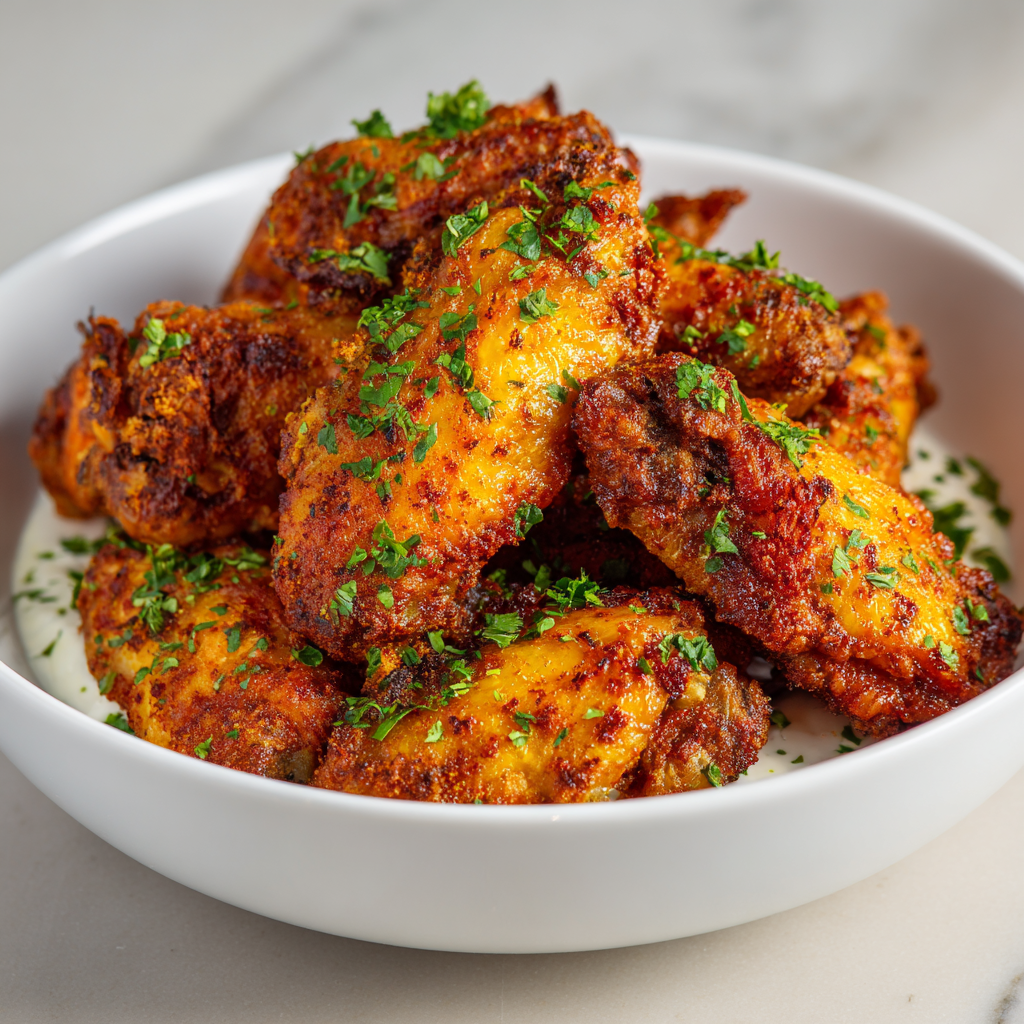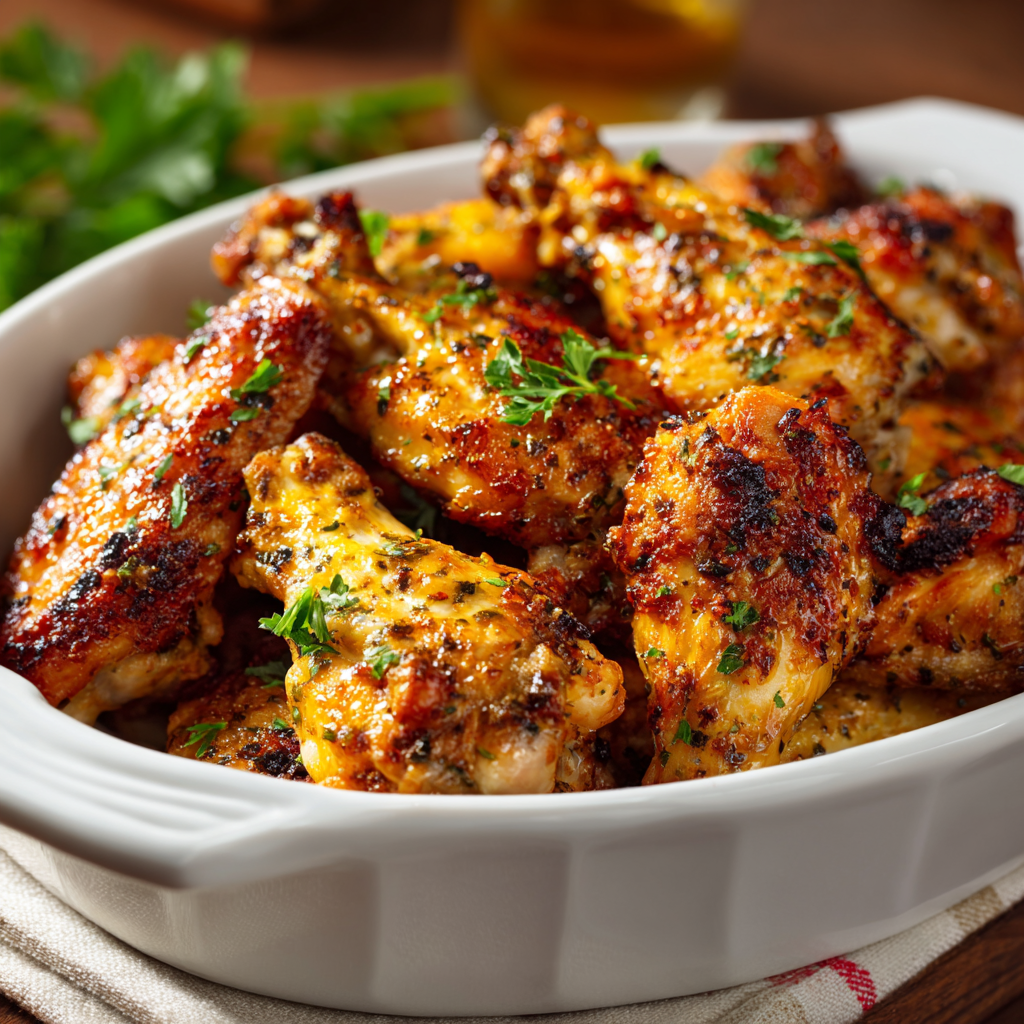
There’s nothing quite like the aroma of crispy chicken wings wafting through your home while friends gather for gameday excitement and celebration. First, these baked chicken wings represent the perfect solution for feeding crowds without deep-frying in oil or spending hours fussing in the kitchen while missing all the action. The beauty of this recipe lies in how it delivers crispy, flavorful wings through simple baking rather than messy, complicated frying that requires careful temperature monitoring and extensive cleanup. What makes this dish truly special is how it transforms humble chicken wings into something genuinely craveable that satisfies serious appetites without requiring professional cooking skills. Additionally, baking means you’re free to prepare toppings, sauces, and side dishes without constantly tending to bubbling oil or monitoring cooking temperatures. Whether you’re roasting wings specifically for gameday or making them regularly throughout the year, the result remains the same—absolutely delicious, restaurant-quality wings that disappear faster than you can refill the platter. The combination of crispy skin, tender meat, and bold sauces creates irresistible bites that appeal to everyone from casual sports watchers to wing enthusiasts seeking something different from traditional deep-fried versions.
Ingredients
Serves 6-8 (Makes approximately 24-32 wings depending on size)
For the Wings:
- 3 pounds chicken wings, patted dry
- 2 tablespoons olive oil
- 1 teaspoon sea salt
- ½ teaspoon black pepper
- 1 teaspoon garlic powder
- 1 teaspoon paprika
- ½ teaspoon cayenne pepper (optional)
For the Sauce Options (Choose One or Combine):
- Buffalo Sauce: ¾ cup hot sauce mixed with 4 tablespoons unsalted butter, 1 tablespoon honey, ½ teaspoon Worcestershire sauce
- Garlic Parmesan: 6 tablespoons melted butter, 4 cloves minced garlic, ½ cup grated Parmesan cheese, 2 tablespoons fresh parsley, 1 teaspoon Italian seasoning
- Honey Soy Glaze: ¼ cup honey, ¼ cup soy sauce, 2 tablespoons rice vinegar, 3 cloves minced garlic, 1 teaspoon ginger, 1 tablespoon sesame oil
- Barbecue: ¾ cup barbecue sauce, 2 tablespoons honey, 1 tablespoon apple cider vinegar, 1 teaspoon Worcestershire sauce
For Serving:
- Blue cheese dressing or ranch dressing for dipping
- Fresh celery and carrot sticks
- Optional garnishes: sesame seeds, fresh cilantro, scallions, crushed red pepper
Preparing Your Wings and Workspace
Success with baked chicken wings begins with properly prepared poultry and organized equipment. Next, pat your chicken wings completely dry using paper towels, as moisture prevents crispy skin from developing during baking. Additionally, removing excess water ensures wings brown properly and develop that coveted caramelized exterior that makes them irresistible. Meanwhile, arranging your workspace with sheet pans, racks, and all ingredients nearby accelerates the entire process from preparation through serving.
Step-by-Step Instructions
- Preheat your oven to 400°F and position racks to the upper-middle and lower-middle positions, allowing hot air circulation around wings. Subsequently, line two large sheet pans with aluminum foil for easy cleanup and to catch any dripping fat during baking.
- Place oven-safe wire racks on each foil-lined sheet pan, which elevates wings above accumulated fat and allows heat circulation underneath for maximum crispiness. First, this elevation prevents wings from sitting in rendered fat, which creates soggy bottoms instead of crispy overall texture.
- Pat your chicken wings completely dry using paper towels, removing all surface moisture that prevents proper browning and crisping. Additionally, if wings are particularly large, consider separating the flats from the drumettes for more even cooking throughout.
- Place dried wings in a large mixing bowl and drizzle with olive oil, tossing gently to coat all pieces evenly. Subsequently, this light oil coating promotes browning and prevents sticking without requiring excessive fat.
- Combine sea salt, black pepper, garlic powder, paprika, and cayenne pepper in a small bowl, stirring to blend seasonings thoroughly. Next, sprinkle this seasoning mixture over the oiled wings, tossing gently until all pieces are evenly coated with the savory blend.
- Divide seasoned wings evenly between the two prepared sheet pans with racks, arranging them in single layers without crowding or overlapping. Additionally, ensure adequate space between wings allows hot air circulation and prevents steam from accumulating, which would soften rather than crisp the skin.
- Place sheet pans in your preheated 400°F oven, positioning one on the upper-middle rack and one on the lower-middle rack. First, this dual-rack arrangement maximizes oven space while ensuring even cooking. Subsequently, swap pan positions halfway through cooking to ensure uniform browning on both batches.
- Bake for 20 minutes, then remove pans from the oven and flip each wing using tongs or a spatula. Additionally, this flipping ensures wings cook evenly on both sides and develop crispy skin across their entire surface.
- Return pans to the oven and continue baking for an additional 15-20 minutes until wings turn golden brown and skin becomes crispy when touched. Meanwhile, look for wings that have developed dark, caramelized edges indicating proper rendering of fat and development of flavor.
- Remove wings from the oven when fully cooked and internal temperature reaches 165°F when measured with a meat thermometer. First, test by inserting the thermometer into the thickest part of a wing without touching bone. Subsequently, properly cooked wings should feel crispy on the outside while remaining tender and juicy on the inside.
- Allow wings to rest on the sheet pans for exactly 3-5 minutes while you prepare your sauce choice, allowing residual heat to further crisp the exterior. Additionally, this brief rest prevents sauce from immediately cooling hot wings and losing optimal temperature.
- Transfer cooled wings to a large mixing bowl and pour your chosen sauce over them, tossing gently but thoroughly to ensure even coating. Next, the amount of sauce varies based on preference—use less for subtle coating, more for heavily sauced wings that drip deliciously.
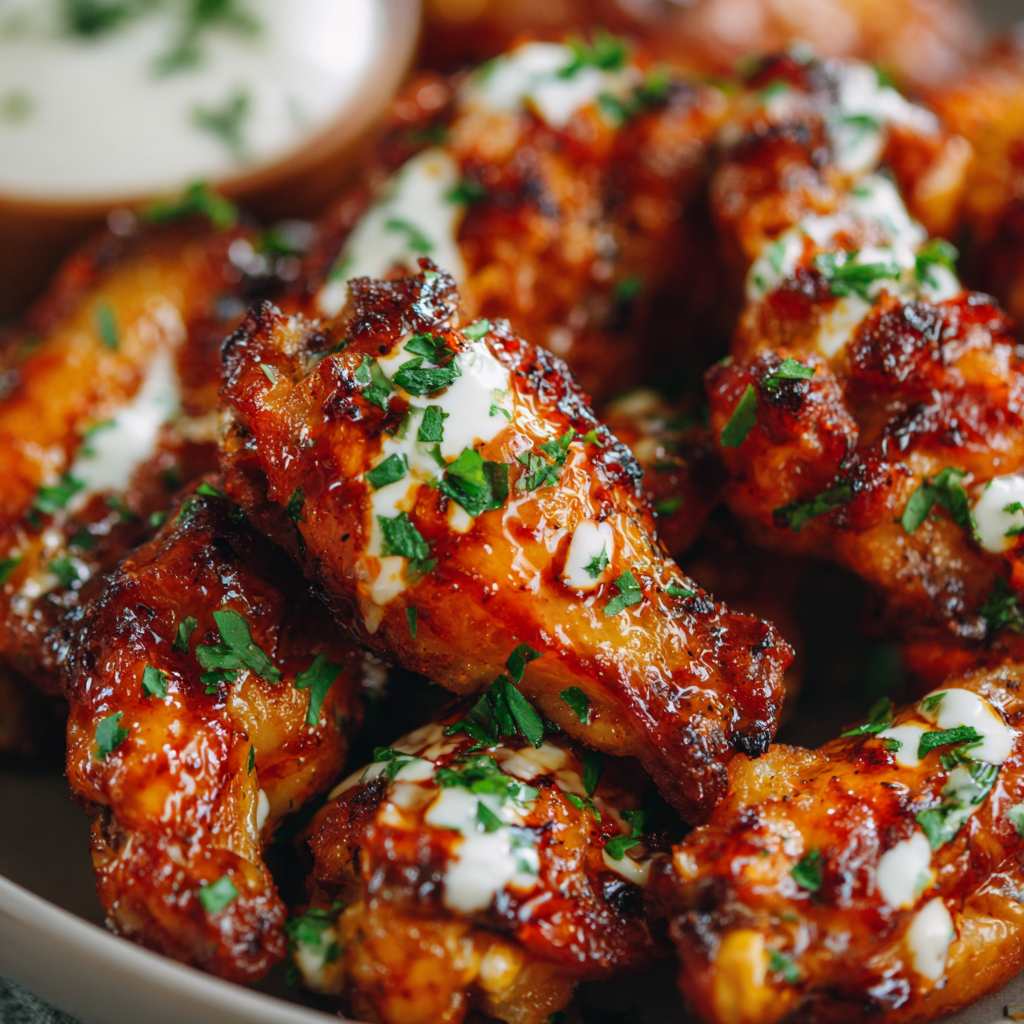
- For Buffalo Sauce: Combine hot sauce, melted butter, honey, and Worcestershire sauce in a saucepan over low heat, stirring until smooth and warm. Subsequently, pour over wings and toss to combine, ensuring all pieces receive adequate sauce coverage.
- For Garlic Parmesan: Combine melted butter with minced garlic and Italian seasoning in a small bowl, then pour over wings and toss. Additionally, immediately sprinkle Parmesan cheese and fresh parsley over sauced wings, tossing gently to distribute evenly before cheese melts completely.
- For Honey Soy Glaze: Whisk together honey, soy sauce, rice vinegar, minced garlic, ginger, and sesame oil in a small bowl until well combined. Meanwhile, pour over wings and toss thoroughly, allowing the glaze to coat all surfaces evenly before serving.
- For Barbecue: Combine barbecue sauce, honey, apple cider vinegar, and Worcestershire sauce in a saucepan over low heat, stirring until warm and smooth. Subsequently, pour over wings and toss until all pieces are evenly coated with the tangy, sweet mixture.
- Transfer sauced wings to serving platters or wooden boards lined with parchment paper for easy serving and cleanup. First, arrange wings attractively to encourage guests to grab and enjoy. Subsequently, garnish with optional toppings like sesame seeds, fresh cilantro, scallions, or crushed red pepper depending on your sauce choice.
- Serve immediately alongside blue cheese dressing or ranch dressing for dipping, along with fresh celery and carrot sticks for cool, crisp contrast. Additionally, providing wet napkins and finger bowls demonstrates thoughtful hospitality while accommodating the naturally messy nature of wing eating.
Mastering Crispy Baked Wings
Understanding how to achieve crispy skin without deep frying removes the intimidation factor while delivering superior results. Next, patting wings completely dry is non-negotiable for developing crispy exterior rather than steamed, soggy skin. Meanwhile, using wire racks elevates wings above rendering fat, preventing the soggy bottom problem that plagues baked wings. Additionally, maintaining proper oven temperature ensures wings brown adequately without cooking too quickly on the outside while remaining raw inside.
Serving and Storing Tips
Serving Suggestions
Serve your baked chicken wings hot directly from the oven for maximum crispiness and optimal sauce adhesion. First, present wings on wooden boards, ceramic platters, or tiered stands that showcase them attractively while making grabbing easy. Additionally, setting up a dipping station with multiple sauce options allows guests to customize their wings according to personal heat preferences and flavor desires. Meanwhile, these wings work beautifully as gameday food, tailgate offerings, casual entertaining, appetizers, or even main courses because their handheld nature suits informal settings perfectly.
The versatility means wings suit virtually any occasion from casual family meals to sophisticated entertaining because they offer impressive presentation without requiring formal plating techniques. Subsequently, pairing with side salads, coleslaw, or grilled vegetables creates complete meal experiences. Furthermore, these wings travel beautifully in containers with sauce stored separately, making them perfect for potlucks and on-the-go gatherings.
Storage Tips
Store leftover cooked wings in an airtight container in the refrigerator for up to 3 days, keeping them moist and flavorful without drying out. However, wings taste best consumed within a few hours of cooking while they remain as crispy as possible. Subsequently, if you have leftover sauced wings, store them in containers with sauce included to prevent them from drying out during refrigeration. Alternatively, store wings and sauce separately in airtight containers, reheating wings briefly in a 300°F oven while warming sauce separately before tossing together just before serving.
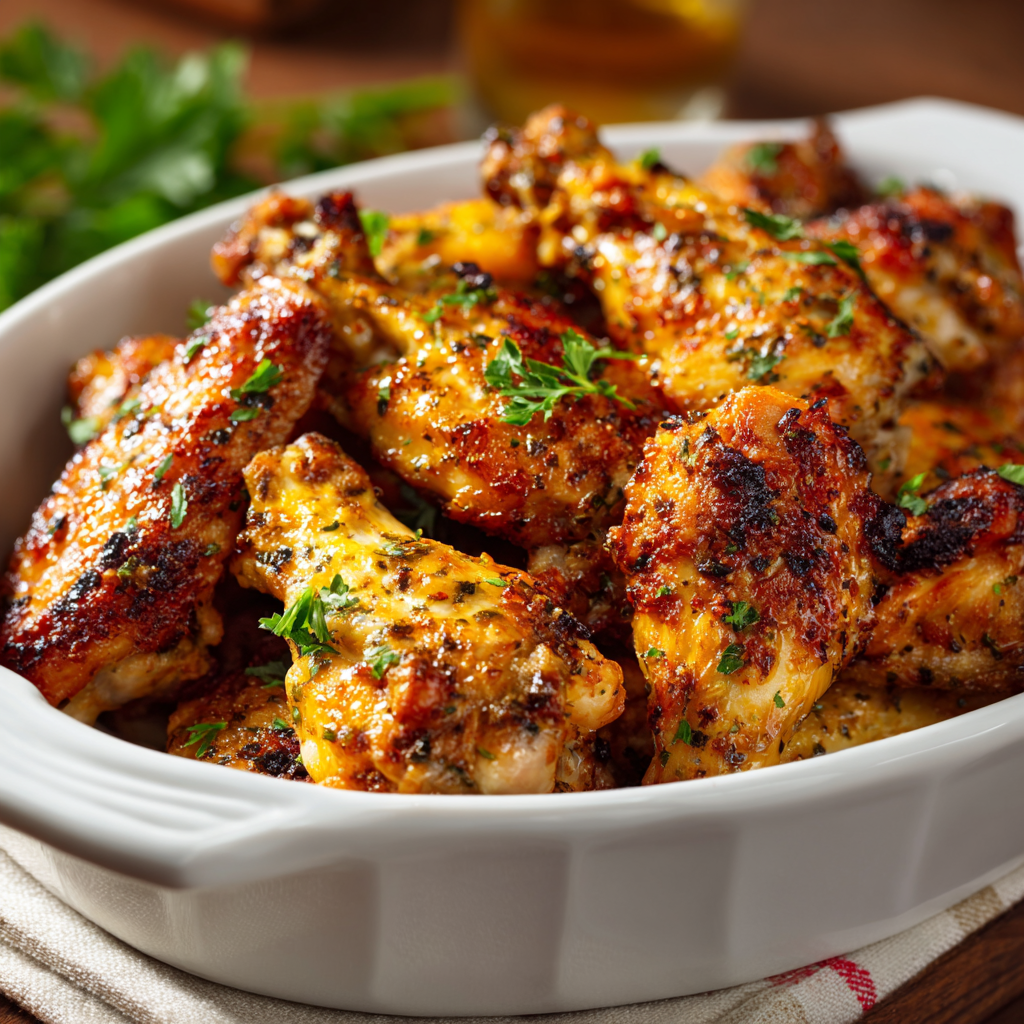
To freeze, store cooled unsauced wings in freezer-safe containers or bags for up to three months, allowing quick wing preparation on future occasions. Additionally, frozen wings reheat beautifully in a 350°F oven for 15-20 minutes until warmed through and crispy. Furthermore, thaw overnight in the refrigerator and reheat gently in the oven rather than using a microwave, which softens the crispy exterior that makes these wings so appealing.
Helpful Notes and Variations
Ingredient substitutions ensure this recipe adapts to whatever you have available in your kitchen and pantry while maintaining delicious results. Next, if you lack specific hot sauce brands, any wing sauce works beautifully—use your favorite barbecue sauce, teriyaki, or even curry-based preparations. Meanwhile, those preferring milder versions can reduce cayenne pepper or omit spicy elements entirely while maintaining all other measurements. Additionally, if you dislike certain sauce flavors, simply choose one of the other options provided or create your own sauce variation.
The sauce options represent merely suggestions rather than strict requirements, encouraging creativity and customization based on available ingredients. For those preferring dry-rub wings instead of sauced varieties, skip sauce entirely and serve with dipping sauces on the side for individual customization. In contrast, experimenting with Asian-inspired sauces, curry variations, or Mediterranean flavors creates entirely different wing experiences. Subsequently, combining sauce elements from different options creates unique hybrid flavors that appeal to your specific preferences.
Common mistakes occur when wings are crowded on sheet pans, trapping steam rather than allowing hot air circulation necessary for crisping. Instead, use adequate sheet pans and space wings generously without overlapping or crowding. Additionally, skipping the wing-flipping step results in unevenly cooked wings with crispy tops but soggy bottoms; take time to flip wings halfway through cooking. Furthermore, forgetting to pat wings completely dry before cooking prevents proper browning and crisping; moisture is the enemy of crispy skin.
Chef Tips for Exceptional Results
First, using oven-safe wire racks elevates wings above accumulated fat and renders them far crisper than wings sitting directly on sheet pans. Subsequently, swapping oven rack positions halfway through cooking ensures both batches brown evenly rather than one batch cooking more aggressively than the other.
Frequently Asked Questions
Can I prepare these wings ahead and reheat them? Yes, bake wings ahead and reheat in a 350°F oven for 10-15 minutes until warmed through and crispy; add sauce just before serving for best results.
What’s the best way to keep wings warm during a gathering? Use a slow cooker set on low or a warming tray to maintain temperature for several hours without drying out the wings or softening their crispy exterior.
Can I use frozen wings instead of fresh? Absolutely, thaw frozen wings completely before patting dry and cooking; adjust baking time slightly if starting from frozen, adding 5-10 minutes as needed.
How do I prevent wings from becoming soggy when sauced? Add sauce immediately after wings finish cooking while they’re still hot, and serve within 30 minutes to maintain maximum crispiness before moisture softens the skin.
Can I make these wings with less heat or no spice? Yes, omit cayenne pepper from the dry rub and choose milder sauces; use ranch dressing or mild barbecue sauce instead of hot sauce for completely mild versions.
Exploring Flavorful Sauce Variations
This foundational wing recipe welcomes numerous creative interpretations based on seasonal ingredients and personal preferences. Next, Korean-inspired variations using gochujang, soy sauce, and sesame oil create distinctly different flavor profiles. Meanwhile, Caribbean versions with jerk spices, pineapple, and cilantro celebrate island flavors beautifully. Additionally, Italian-inspired wings using pesto, garlic, and Parmesan create Mediterranean appeal.
The beauty of wing preparation lies in its adaptability to whatever sauce and flavor combinations appeal to your guests and inspire your creativity. First, consider your favorite cuisines and how chicken wings complement them, then build sauce variations around those concepts. Subsequently, experimenting with different heat levels, sweetness profiles, and aromatic elements keeps this simple recipe from becoming predictable or boring throughout the year.
Understanding Wing Appeal for Entertaining
Wings represent the perfect entertaining food because they’re impressive without requiring fancy technique, satisfying without requiring utensils or plates, and shareable in ways that encourage casual gathering and conversation. Next, the handheld nature means guests can eat while standing, socializing, and watching the game simultaneously. Meanwhile, wings allow for multiple sauce options accommodating diverse preferences without requiring entirely different recipes. Additionally, knowing that wings take minimal time to prepare means you’re actually available to enjoy your gathering rather than disappearing into the kitchen.
Building a Wing Sauce Bar
Creating a sauce station transforms basic wings into customizable creations that appeal to diverse preferences and heat tolerances. First, prepare two or three sauce varieties in small bowls with spoons, allowing guests to dip or coat wings according to personal preference. Subsequently, offering mild, medium, and spicy options accommodates different heat tolerances without requiring separate cooking. Additionally, this interactive approach turns wing preparation into casual dining where guests become participants in customizing their eating experience.
Making Wings Your Go-To Entertaining Solution
Understanding why wings deserve regular rotation into your entertaining strategies removes any lingering belief that they’re inadequate for proper gatherings. First, properly executed baked wings deliver impressive results with minimal time investment and no deep-frying stress. Subsequently, the casual nature suits entertaining friends better than complicated cooking that requires constant attention. Additionally, knowing that wings work for gameday, tailgates, casual entertaining, and even upscale gatherings means you’ll use this recipe frequently throughout the year.
Mastering Wing Cooking Consistency
Proper wing cooking ensures each piece delivers balanced flavor and texture rather than becoming unevenly cooked or overly crisped in some areas. First, arranging wings in single layers without crowding creates adequate space for hot air circulation. Subsequently, flipping wings halfway through cooking ensures even browning on both sides. Additionally, using an instant-read thermometer confirms doneness at 165°F internal temperature without relying on guesswork or experience.
The technique improves with practice, but even your first attempts will likely succeed because wings are forgiving compared to more delicate proteins. Next, watching instructional videos or cooking wings multiple times builds confidence and develops intuition about optimal cooking times for your specific oven. Meanwhile, recognizing that slight variations in wing size require minor time adjustments prevents over or undercooking.
Customizing for Dietary Preferences
These wings adapt beautifully to various dietary approaches including low-carb, dairy-free, gluten-free, and plant-based preferences. Next, most sauce options naturally align with these approaches, though checking sauce ingredients ensures they match dietary requirements regarding gluten content, sodium, and additives. Meanwhile, vegetarians and vegans can explore cauliflower wing alternatives prepared using identical technique and sauce options. Additionally, those avoiding sugar can adjust sauce recipes by reducing honey or using sugar-free alternatives.
The flexibility means these wings suit virtually any dietary approach or restriction your guests navigate. First, focus on offering options and reading ingredient labels to accommodate guests’ needs. Subsequently, providing alternative proteins for non-poultry eaters ensures everyone feels included and nourished at your gathering.
Conclusion
Your Gameday Easy Baked Chicken Wings await creation, ready to prove that crispy, impressive wings don’t require deep frying or complicated technique. This recipe transforms simple chicken wings into something exciting and crave-worthy that keeps guests satisfied and happy throughout hours of entertaining. Through proper preparation, organized cooking, and attention to crispiness and flavor, you’ll create wings that exceed expectations while requiring minimal cooking ability whatsoever. Gather your ingredients, follow these steps methodically, and prepare yourself for how quickly your platter empties and how much appreciation you receive for creating such delicious, shareable food.
Did you love this Gameday Easy Baked Chicken Wings recipe? Please save this recipe to your collection, pin it to your Pinterest board, and share it with friends and family who need impressive entertaining solutions that require minimal stress and maximum crispy, delicious flavor. Your support means everything and encourages us to keep creating more simple, crowd-pleasing recipes that make entertaining enjoyable and achievable for everyone!