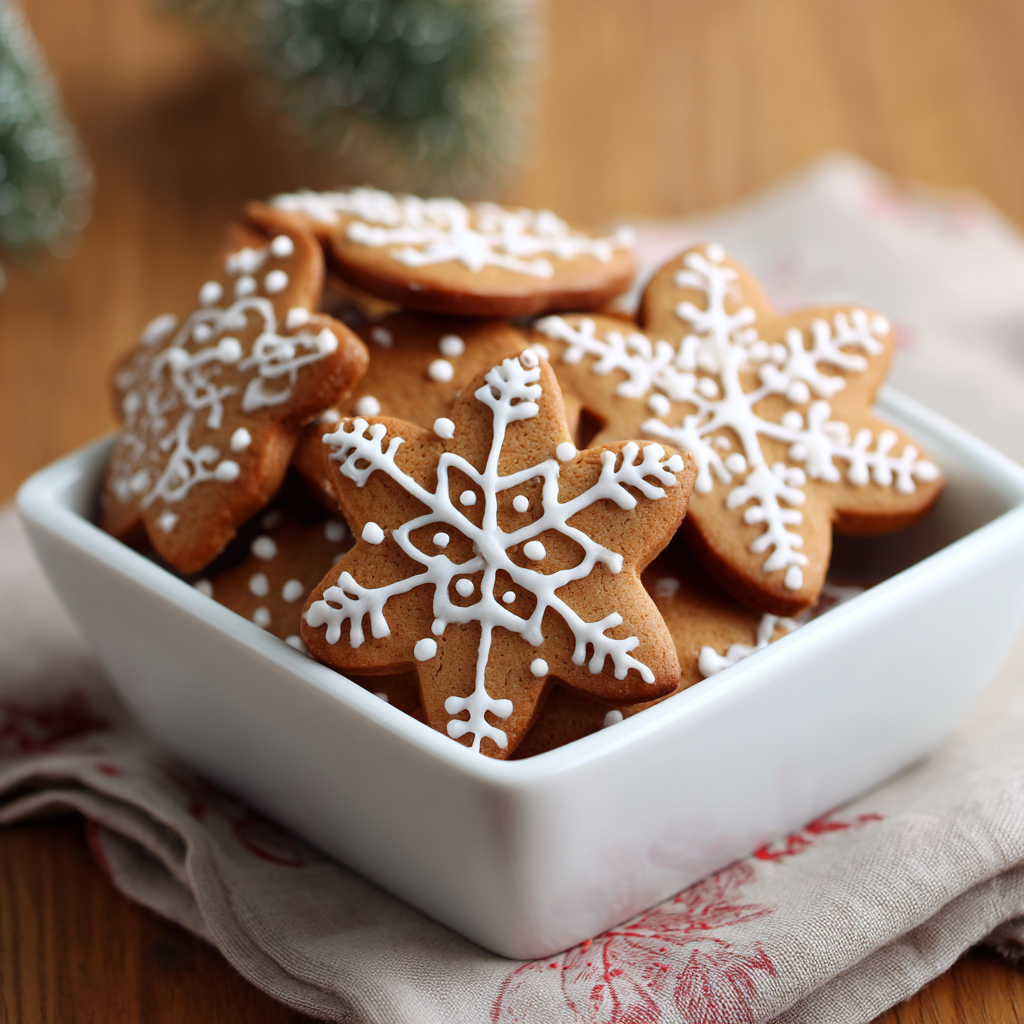
The intoxicating aroma of gingerbread baking in the oven instantly transports you to cherished holiday memories, evoking images of gingerbread houses, decorated cookies displayed on platters, and the warmth of genuine celebration. Gingerbread Cookies represent the quintessential holiday treat—aromatic spices blended into soft, tender dough that holds its shape beautifully for decorating while remaining absolutely delicious whether you adorn them elaborately or enjoy them plain. These aren’t the rock-hard cookies that crack your teeth or require dunking in liquid to become edible; instead, they’re tender masterpieces that taste incredible from the moment they emerge from the oven and improve as they age over several days. First, this recipe produces cookies that remain moist and flavorful for up to two weeks when stored properly, making them perfect for advance baking throughout the entire holiday season. Next, the dough comes together quickly without finicky requirements that derail baking confidence, making this accessible for bakers of every skill level. Additionally, these cookies decorate beautifully with royal icing, creating showstopping presentations that make wonderful gifts or impressive centerpieces for holiday gatherings. Most importantly, these cookies capture the very essence of Christmas—warm spices, buttery richness, and that indescribable comfort that only genuine gingerbread delivers. Whether you’re creating your family’s signature cookie, building elaborate gingerbread structures, or simply seeking an iconic treat that tastes like the holidays should taste, this recipe delivers consistent perfection year after year.
Ingredients
This recipe makes approximately 24 to 36 cookies depending on size and shape.
For the Gingerbread Dough:
- 3/4 cup unsalted butter, softened to room temperature
- 1 cup packed brown sugar
- 1 large egg, room temperature
- 1/4 cup unsulfured molasses, unsweetened
- 2 1/4 cups all-purpose flour
- 1 1/2 teaspoons ground ginger
- 1 teaspoon ground cinnamon
- 1/2 teaspoon ground cloves
- 1/4 teaspoon ground nutmeg
- 1/4 teaspoon ground allspice
- 1/2 teaspoon baking soda
- 1/4 teaspoon sea salt
- 1/4 teaspoon black pepper, optional
For Royal Icing and Decorating:
- 3 cups powdered sugar, sifted
- 2 to 3 tablespoons meringue powder, or 2 egg whites (pasteurized)
- 3 to 4 tablespoons warm water, plus more as needed
- 1/2 teaspoon vanilla extract
- Pinch of sea salt
- Gel food coloring, optional
- Festive sprinkles, pearl dust, edible glitter
- Decorator bags and piping tips
For Baking:
- Parchment paper or silicone baking mats
- Baking sheets
- Cooling racks
- Cookie cutters in festive shapes
Creating Your Spice-Infused Dough
To begin, preheat your oven to 325 degrees Fahrenheit and position the racks to the middle setting for even baking throughout. Meanwhile, in a medium bowl, whisk together the all-purpose flour, ground ginger, ground cinnamon, ground cloves, ground nutmeg, ground allspice, baking soda, sea salt, and optional black pepper. First, the black pepper adds subtle depth without making cookies taste peppery—it enhances ginger and spice complexity beautifully. Next, combine these dry ingredients thoroughly, breaking up any lumps to ensure even distribution of spices throughout your cookies.
In a large mixing bowl, combine the softened unsalted butter and packed brown sugar, beating them together on medium speed using an electric mixer for approximately two to three minutes. First, the mixture should become pale, light, and noticeably fluffy—this creaming process incorporates air that creates tender cookies with delicate crumb structure. Next, brown sugar adds moisture and molasses undertones that enhance your gingerbread cookies’ complexity.
Add the room-temperature egg to the creamed mixture, beating on medium speed for approximately one minute until everything combines smoothly. Next, add the unsulfured molasses, which provides deep, rich gingerbread flavor and adds moisture that keeps cookies tender as they age. Beat for an additional 30 seconds until the mixture becomes well combined, dark, and slightly glossy. First, room-temperature ingredients combine much more smoothly than cold ones, creating a homogeneous batter. Next, molasses can vary in thickness between brands, so don’t worry if your mixture looks slightly different from others’ results.
Gradually add the flour mixture to the wet ingredients, mixing on low speed and stopping frequently to scrape down the bowl with a rubber spatula. First, adding flour gradually prevents overmixing that develops too much gluten and creates tough cookies instead of tender ones. Next, stop mixing as soon as the flour disappears—don’t continue stirring once everything has combined, as additional mixing works the dough and creates dense, unpleasant texture.
Preparing Dough for Rolling and Cutting
At this point, your dough will be soft and slightly sticky—this is completely normal and exactly what you want. First, gingerbread dough benefits from refrigeration before rolling, which firms it up and allows flavors to develop further. Next, chilling also prevents excessive spreading during baking and makes dough easier to handle without sticking frustratingly to your work surface.
Divide your dough in half, wrapping each portion tightly in plastic wrap and refrigerating for at least one hour, though overnight refrigeration produces even better results. First, if you refrigerate overnight, simply remove the dough 15 minutes before you’re ready to roll it out, allowing it to become slightly more pliable. Next, properly chilled dough is firm enough to handle without sticking yet still pliable enough to roll without cracking excessively.
Remove one portion of chilled dough from the refrigerator and place it between two sheets of parchment paper. Roll to approximately one-quarter inch thickness, using even pressure throughout to ensure uniform cookie thickness. First, cookies of equal thickness bake evenly without some browning too quickly while others remain underdone. Next, one-quarter inch thickness produces the perfect balance between crispy edges and tender centers that defines exceptional gingerbread cookies.
Cut your dough using festive gingerbread people shapes, stars, hearts, trees, or any festive cutters that capture your holiday spirit. Transfer the cut cookies to parchment-lined baking sheets, spacing them approximately one inch apart to allow for minimal spreading during baking. Gather all the dough scraps, press them together gently, wrap in plastic wrap, and refrigerate for 15 to 20 minutes before rolling, cutting, and baking again. First, gently handling dough scraps prevents overdevelopment of gluten that would toughen subsequent batches. Next, these re-rolled cookies bake just as beautifully as those from the first rolling if you treat the dough with appropriate care.
Baking Your Gingerbread Cookies
Place your baking sheet in the preheated 325-degree oven and bake for approximately 10 to 12 minutes, watching carefully as your cookies near completion. First, the exact baking time depends on your oven’s individual hot and cold spots, so check at the 10-minute mark to prevent overbaking. Next, perfectly baked gingerbread cookies should have set, firm edges with just a hint of golden color, while the centers remain pale with no browning visible.
Remove from the oven when the edges are just barely beginning to turn golden but the centers still look completely pale and soft—they’ll continue cooking slightly from residual heat. First, underbaking slightly produces cookies that become softer, chewier, and more complex in flavor as they age over several days. Next, these slightly underbaked cookies taste buttery, rich, and tender rather than hard or stale-feeling, improving as they sit.
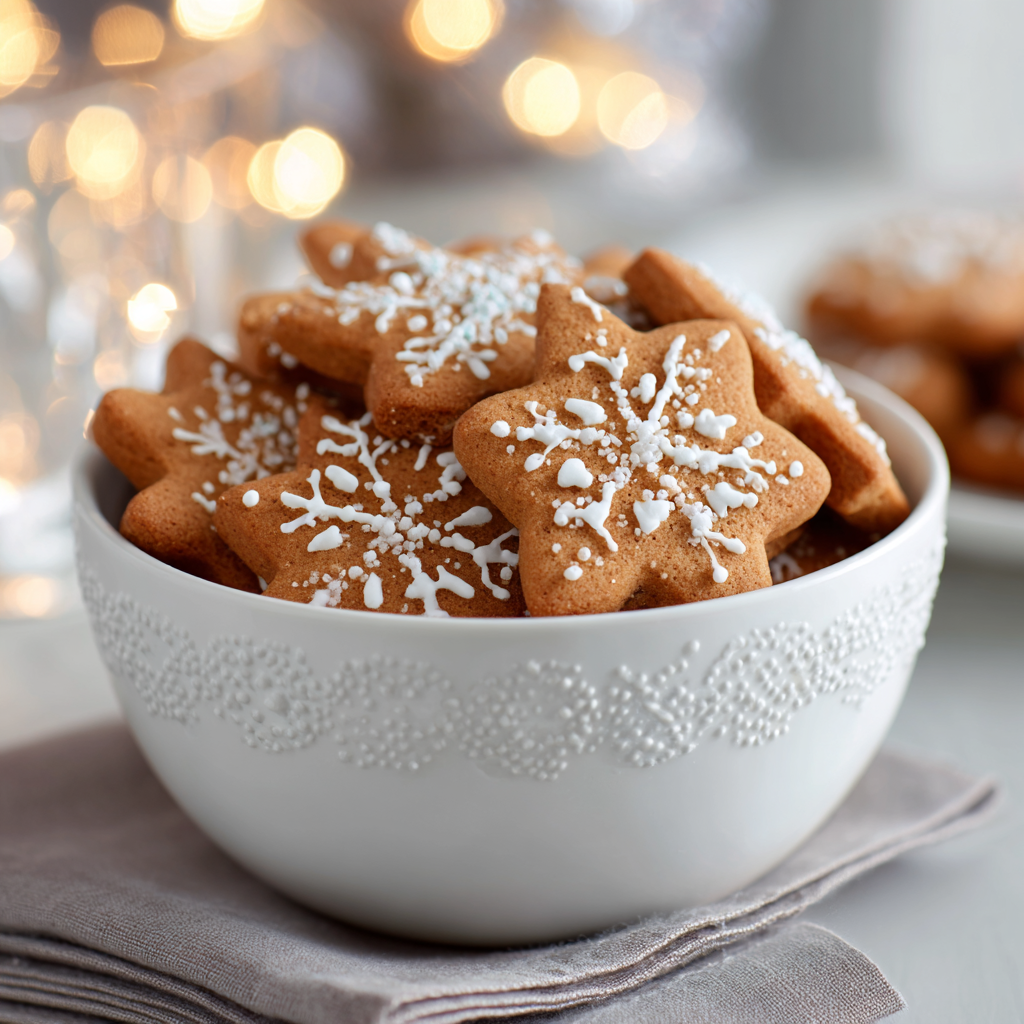
Allow the cookies to cool on the baking sheet for approximately five minutes, which firms them up just enough for safe handling without becoming brittle. Next, transfer them to a wire cooling rack using a thin spatula, being gentle to avoid cracking or breaking them. Allow them to cool completely before decorating—warm cookies won’t hold royal icing properly and the moisture from their residual heat causes icing to run.
Preparing Royal Icing for Decorating
To create royal icing, sift your powdered sugar into a large mixing bowl—sifting is essential here as it removes lumps that create grainy, unappealing icing. Add meringue powder or pasteurized egg whites along with warm water and vanilla extract, stirring gently with a wooden spoon or whisk. First, stir carefully at this stage to avoid incorporating too much air, which creates bubbles that mar your finished decorating. Next, add water gradually—start with three tablespoons and add more one teaspoon at a time until you reach your desired consistency.
For flooding—covering large cookie areas—your icing should flow smoothly off a spoon and level out on its own within 10 to 15 seconds. For outlining—creating borders and detailed designs—your icing should hold a peak when you lift your spoon and require deliberate piping pressure to flow. Taste your icing and adjust vanilla if needed, adding more for stronger flavor or salt to balance sweetness. First, royal icing can be made up to three days in advance if stored in an airtight container, making it convenient for holiday baking marathons. Next, if your icing thickens as it sits, thin it with water one teaspoon at a time rather than adding more powdered sugar.
Decorating Your Gingerbread Cookies
Divide your royal icing among small bowls based on how many colors you want to use. Add gel food coloring one tiny drop at a time, stirring well before adding more—gel coloring is intensely pigmented, so start conservatively. First, gel coloring doesn’t water down your icing the way liquid food coloring does, maintaining perfect consistency. Next, test your icing colors on the edge of a cookie before fully committing, as colors deepen slightly as they dry.
Transfer your icing to decorator bags fitted with fine-tipped piping tips, or use small spoons and squeeze bottles for simpler decorating. First, start by outlining your gingerbread figures with a contrasting color if desired, using steady, confident piping pressure. Next, allow this outline to set for approximately one minute before flooding the interior with thinner icing that flows to fill the space evenly.
Add sprinkles, pearl dust, edible glitter, and other embellishments while the icing remains wet—these adhere beautifully to wet icing but won’t stick to icing that has already dried. Create simple patterns, add personality details, and let your creativity shine through without overthinking the process. First, some of the most beautiful decorated gingerbread cookies come from confident, uninhibited decorating that prioritizes fun over perfection. Next, professional-looking cookies require only clean lines, coordinating colors, and confident execution—not artistic ability that feels intimidating.
Allow all decorated cookies to dry completely before storing—this typically requires two to four hours depending on humidity levels and icing thickness. First, store completely dry cookies in airtight containers with parchment between layers to prevent icing from sticking to other cookies. Next, properly stored decorated gingerbread cookies remain delicious and beautiful for up to two weeks, making them perfect for advance holiday preparation.
Serving and Storing Tips
Serving Tips
Present your gingerbread cookies on beautiful platters decorated with fresh greenery, ribbons, or festive linens that enhance their visual appeal and holiday spirit. Additionally, arrange them by color or design for a coordinated, gallery-like presentation that showcases your decorating effort. Serve alongside hot cocoa, coffee, cider, or eggnog for the ultimate holiday experience that engages multiple senses and creates memorable moments.
Furthermore, package decorated cookies into festive tins, boxes, or gift bags tied with ribbon for giving to neighbors, friends, teachers, and colleagues throughout December. Consider creating assorted cookie platters that combine different shapes, sizes, and decoration styles, which feels more elegant and thoughtful than single varieties. For holiday parties, arrange cookies on tiered cake stands or decorative platters positioned prominently where guests naturally gravitate while mingling.
Storage Tips
First, store completely cooled, undecorated gingerbread cookies in airtight containers at room temperature for up to two weeks, placing parchment between layers to prevent sticking. Next, these cookies actually improve over time as spice flavors develop and deepen—they taste even better on day three than day one. Additionally, these cookies freeze beautifully for up to three months—layer them in freezer-safe containers with parchment between layers, allowing you to bake weeks in advance.
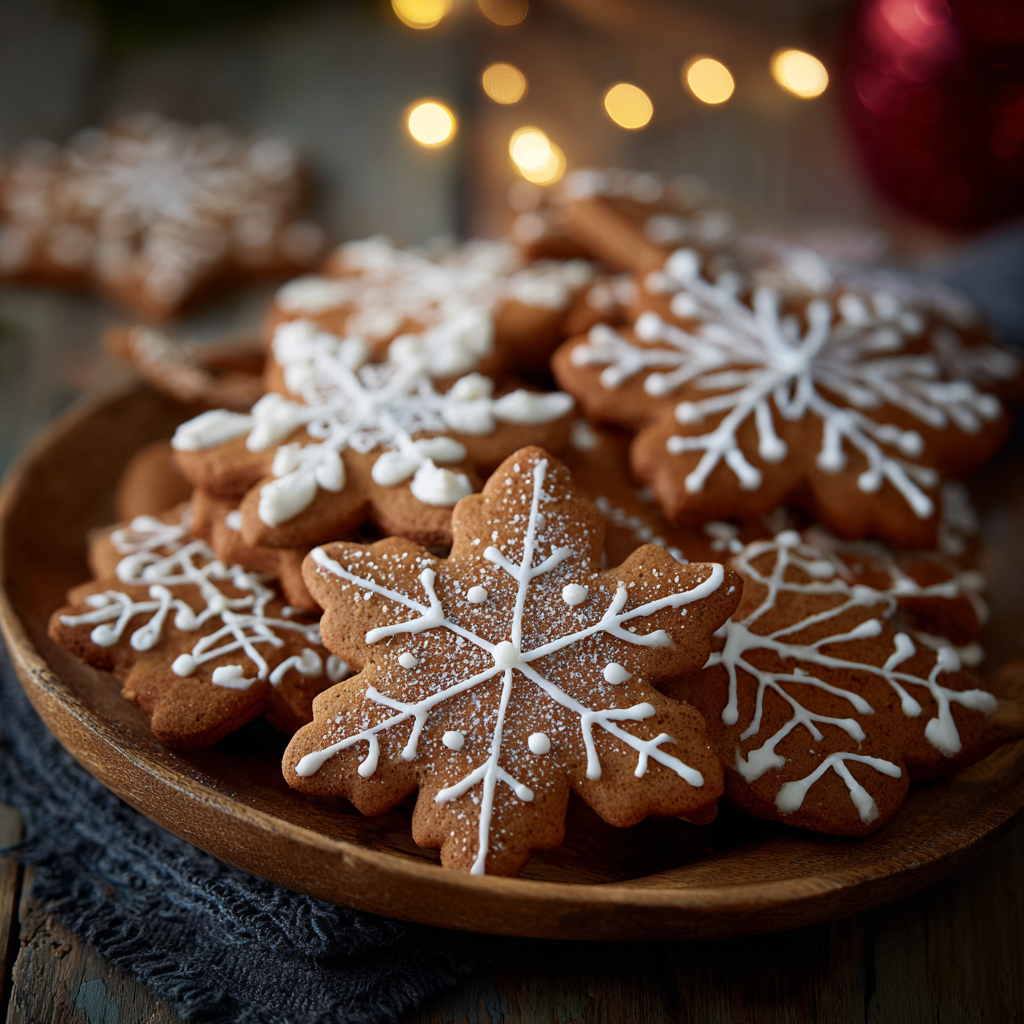
For decorated cookies, store them in airtight containers separated by parchment paper to prevent the royal icing from sticking to other cookies or being damaged. Keep them in cool, dry conditions away from humidity, which can cause the icing to become sticky and soft. Furthermore, decorated gingerbread cookies keep for up to two weeks at room temperature, though they’re most beautiful consumed within the first week when icing appears freshest and colors remain most vibrant.
Helpful Notes and Ingredient Substitutions
The magic of gingerbread lies in the balance of spices—if one dominates too strongly, the cookie becomes unpleasant rather than complex and aromatic. For spices, you can adjust quantities slightly based on your preferences, though the ratios provided create optimal balance. First, if you prefer spicier cookies, increase ginger to two teaspoons; if you prefer milder spice, reduce it to one teaspoon. Next, the black pepper is optional but adds incredible depth—don’t skip it if you want the most complex, sophisticated flavor profile.
For molasses, ensure you use unsulfured molasses for cleaner, more pleasant flavor compared to sulfured varieties. Additionally, the type and thickness of molasses varies between brands—this is completely normal and won’t affect your results significantly. For cookies that need to hold small pieces like gingerbread house components, slightly increase flour by one-quarter cup for firmer dough that holds its shape better.
To save time during busy weeks, prepare your dough several days in advance and refrigerate it—the flavor actually improves with time. Moreover, you can freeze unbaked dough portions for up to three months, allowing you to bake fresh cookies whenever inspiration strikes. Next, prep all your decorating supplies and icing colors in advance, allowing you to decorate in efficient, meditative assembly-line fashion.
Avoid common mistakes by not opening your oven door during baking, as temperature fluctuations cause uneven cooking and cookies to spread unpredictably. Additionally, don’t skip the chilling step—it’s essential for managing sticky dough and allowing flavors to develop. Next, resist overbaking these cookies—they’re finished when edges turn golden and centers still look underbaked, as they continue cooking from residual heat.
Chef Tips
First, create deeper molasses flavor by using dark molasses instead of unsulfured—this produces cookies with richer, more intense spiced flavor that feels more luxurious and indulgent. Next, add one-quarter teaspoon of fresh ground black pepper to enhance all spice flavors, creating complexity that makes people wonder about your secret ingredient without identifying it specifically.
Frequently Asked Questions
Can I decorate gingerbread cookies without royal icing? Absolutely—use canned frosting thinned with milk, cream cheese frosting, or simple glaze made from powdered sugar and milk for easier decorating options.
How far in advance can I make these cookies for Christmas? Undecorated cookies freeze for up to three months, while decorated cookies keep fresh for two weeks at room temperature in airtight containers.
What if my royal icing is too thick or too thin? Adjust consistency by adding water one teaspoon at a time for thin icing, or powdered sugar one tablespoon at a time for thick icing, stirring well between additions.
Can I use store-bought gingerbread dough instead of making it from scratch? Yes, store-bought dough saves time—though homemade dough tastes noticeably superior with better texture and authentic spice flavor that makes the extra effort worthwhile.
Is it necessary to use meringue powder or can I use raw eggs for royal icing? Meringue powder is safer and easier than raw eggs—if using pasteurized eggs, ensure they’re specifically labeled as pasteurized for food safety.
Why Gingerbread Cookies Deserve Permanent Status in Your Holiday Tradition
Gingerbread cookies represent the very essence of Christmas—warm spices, buttery richness, and that indescribable comfort that only genuine gingerbread delivers. First, they require no advanced baking skills or special equipment beyond basics you already possess, making them accessible for bakers of every experience level. Next, the combination of molasses, multiple spices, and tender dough creates complex flavor that improves as cookies age over several days.
The joy of creating gingerbread memories with people you care about—whether baking together, decorating elaborately, or simply sharing warm cookies—extends far beyond the treats themselves. Most importantly, these cookies prove that Christmas traditions don’t require complexity or expense; instead, quality ingredients, careful technique, and genuine care transform simple dough into edible art that brings happiness to everyone.
The process of baking and decorating gingerbread becomes meditative, stress-relieving, and deeply satisfying in a way that commercial cookies never achieve. Whether you’re baking alone as self-care, creating memories with children and grandchildren, or preparing gifts for your community, gingerbread facilitates connection and joy. From the first warm bite of spiced cookie to the final moment of admiring your finished creations, gingerbread embodies everything beautiful about holiday baking.
These cookies will inevitably become your signature recipe—the one you return to year after year, the one people request throughout the season, and the one that defines your personal Christmas baking legacy. Whether this is your first time making them or you’ve perfected this recipe for decades, each batch offers opportunity to create something beautiful and share genuine joy.
Did you love this Gingerbread Cookie Recipe? If so, we’d absolutely adore it if you’d save this recipe for later, pin it to your favorite Pinterest board, or share it with friends and family who appreciate homemade gingerbread that tastes as beautiful as it looks. Your support means everything to us and inspires us to keep creating delicious recipes that make holiday baking feel achievable and genuinely joyful. Thank you for baking with us this holiday season!