Glazed carrots represent a timeless vegetable preparation that has graced dinner tables for generations, yet remains as relevant and delicious today as ever. First, this classic dish transforms simple carrots into something truly spectacular through a combination of butter, brown sugar, and gentle heat that creates a silky, caramelized coating. The beauty of glazed carrots lies in their elegant simplicity, requiring minimal ingredients while delivering maximum flavor and visual appeal. Additionally, the naturally sweet carrots become even more luxurious when combined with the rich butteriness of a proper glaze, creating a side dish that feels special without demanding extensive culinary expertise. This recipe is perfect for family dinners, holiday gatherings, and any occasion where you want a vegetable dish that impresses without requiring hours of preparation. Next, you’ll discover that the entire cooking process takes approximately 25 minutes, making it accessible even on busy weeknights. Furthermore, the versatility of this dish allows it to pair beautifully with virtually any protein, from roasted chicken and ham to beef tenderloin and grilled fish. Whether you’re a seasoned home cook or someone just beginning their culinary journey, glazed carrots deliver restaurant-quality results that feel comforting, familiar, and utterly satisfying.
Ingredients
Serves: 4-6 people
- 2 pounds fresh carrots, peeled and sliced into ¼-inch thick rounds
- 4 tablespoons unsalted butter
- ¼ cup packed brown sugar
- 2 tablespoons pure maple syrup or honey
- ½ teaspoon salt
- ¼ teaspoon freshly ground black pepper
- ¼ teaspoon ground ginger (optional)
- Pinch of ground nutmeg (optional)
- ½ cup vegetable or chicken broth
- 1 tablespoon fresh lemon juice
- ½ teaspoon vanilla extract
- 1 tablespoon fresh parsley, finely chopped (for garnish)
- 1 teaspoon fresh thyme leaves (optional garnish)
- Pinch of fleur de sel or flaky sea salt (for finishing)
Preparation and Cooking Instructions
Preparing the Carrots
First, wash your carrots thoroughly under cool running water and peel them completely using a vegetable peeler or sharp knife. Next, slice the peeled carrots into uniform ¼-inch thick rounds, as consistent sizing ensures even cooking throughout. If you have particularly thick carrots, consider cutting them in half lengthwise before slicing to create more uniform pieces. Lay the sliced carrots on a clean kitchen towel and pat them dry, as removing excess surface moisture helps them cook more efficiently and allows the glaze to adhere properly.
Building the Glaze Base
Melt the butter in a large skillet or sauté pan over medium heat, watching as it foams slightly and develops a delicate nutty aroma. Once the butter is completely melted and the foaming subsides, add the brown sugar and stir constantly for about one minute until the sugar begins to dissolve and combine with the butter. Pour in the maple syrup or honey and continue stirring until the mixture becomes smooth and uniform. Additionally, add the salt, black pepper, and ground ginger and nutmeg if using, stirring well to incorporate all seasonings evenly throughout the glaze base.
Cooking the Carrots
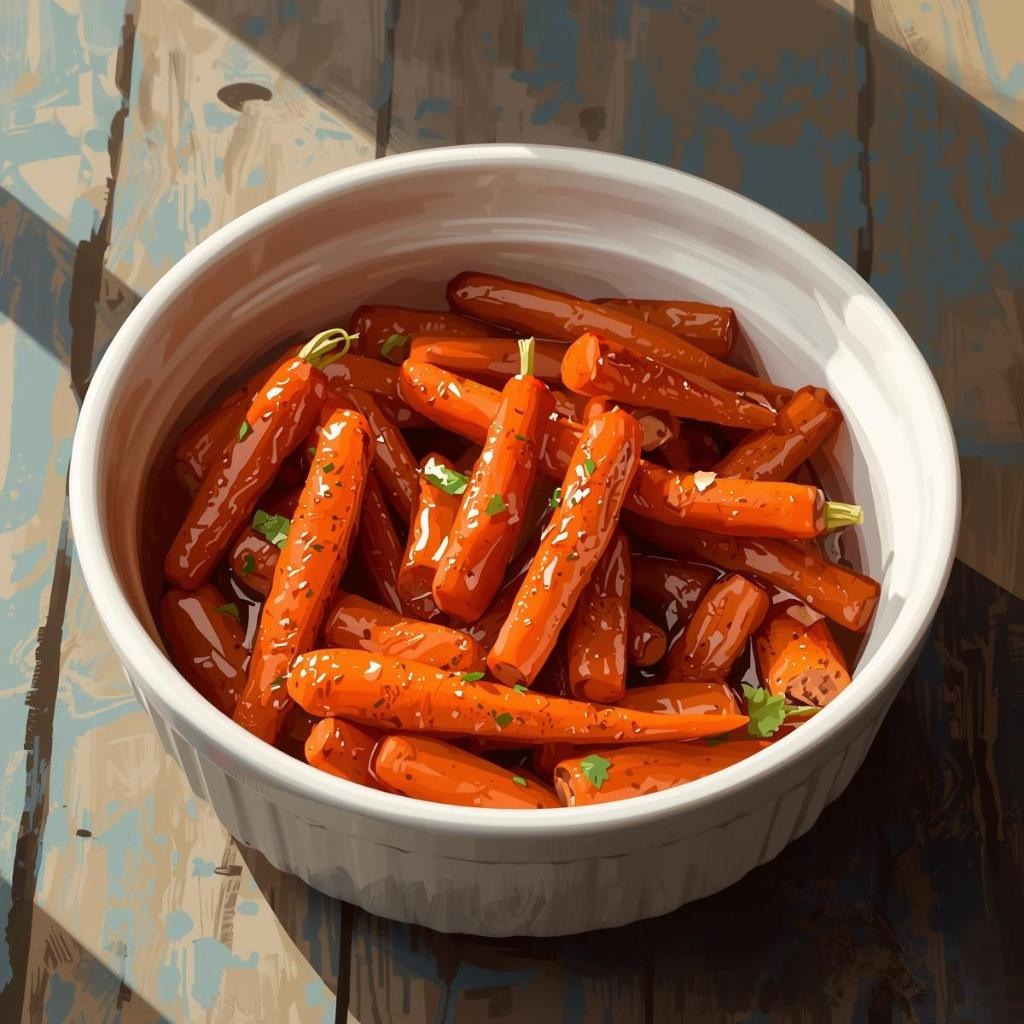
Transfer the prepared carrot slices directly into the skillet with the glaze mixture. Meanwhile, use a wooden spoon or rubber spatula to gently toss the carrots until every slice is evenly coated with the sweet, buttery glaze. Next, pour the vegetable or chicken broth around the carrots, distributing it evenly throughout the pan. Reduce the heat to medium-low and bring the mixture to a gentle simmer. Cover the skillet with a lid or aluminum foil and cook for 12 to 15 minutes, stirring occasionally to ensure the carrots cook evenly and develop consistent color throughout.
After 12 to 15 minutes, remove the lid and check the carrots by piercing one with a fork to ensure they’re tender. If they still require additional cooking time, cover again and continue simmering for another 2 to 3 minutes. However, if the carrots are fork-tender and the liquid has reduced to approximately half its original volume, proceed to the next step. At this point, the carrots should be beautifully caramelized on the edges with a glossy, luxurious coating beginning to form.
Finishing the Glaze
Remove the skillet from heat and add the fresh lemon juice and vanilla extract, stirring gently to combine these finishing ingredients with the glaze and carrots. Next, return the skillet to medium-high heat and cook uncovered for an additional 3 to 4 minutes, stirring occasionally. This final cooking stage allows the glaze to reduce further and become thicker, creating a more luxurious coating that clings beautifully to each carrot slice. The glaze should darken slightly and become more concentrated, though it should never appear burnt or overly dark.
Plating and Garnishing
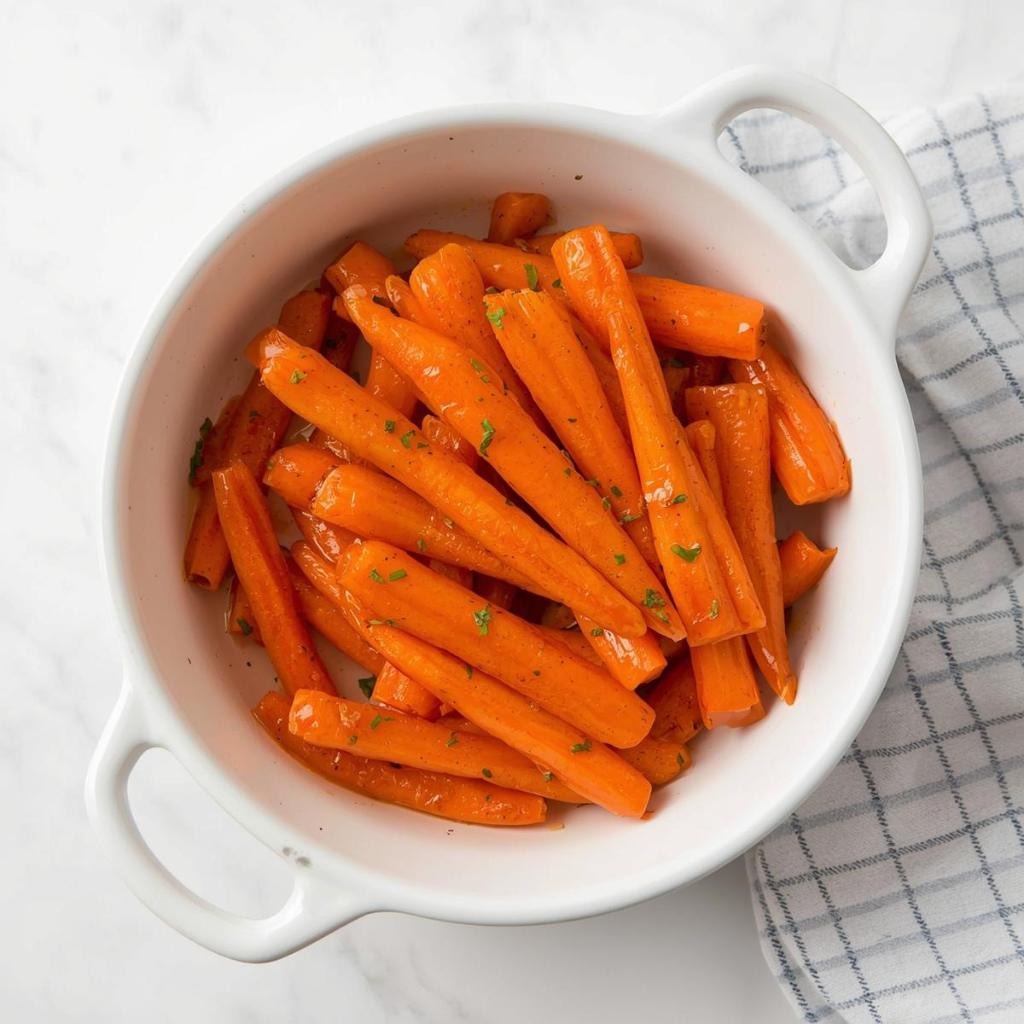
Transfer the glazed carrots to a serving dish or platter, pouring any remaining glaze from the pan over the top. Additionally, garnish with freshly chopped parsley and fresh thyme leaves if desired for a pop of fresh color and herbaceous flavor. Finally, finish with a light sprinkle of fleur de sel or flaky sea salt to enhance the flavors and add subtle textural contrast to each bite.
Serving Tips
Glazed carrots shine as an elegant side dish that complements virtually any main course without overwhelming delicate flavors. First, serve them alongside roasted or herb-baked chicken, where the sweet, buttery glaze provides a perfect counterpoint to poultry’s natural richness. Additionally, they pair beautifully with baked or glazed ham, creating a harmonious flavor combination that feels both comforting and special. Next, try them with roasted beef tenderloin or prime rib for a sophisticated holiday dinner presentation that impresses guests.
Furthermore, these carrots work wonderfully with seafood, particularly with baked salmon or roasted white fish, where the sweetness balances the richness of the fish. Meanwhile, for simpler preparations, serve them alongside meatloaf, roasted turkey, or grilled chicken breasts. Additionally, they make an excellent addition to a vegetarian meal when paired with roasted cauliflower, quinoa, or other hearty grains.
For holiday gatherings and special occasions, glazed carrots hold a place of honor on the table, often becoming a favorite dish that guests specifically request. Additionally, they work perfectly as part of a traditional Thanksgiving or Christmas dinner spread alongside stuffing, mashed potatoes, and cranberry sauce. Furthermore, smaller portions work beautifully as an elegant accompaniment to more formal dinner parties where each element of the plate deserves attention and care.
Storage and Make-Ahead Tips
Refrigerator Storage
Allow the glazed carrots to cool to room temperature before transferring them to an airtight glass container for storage. They will keep in the refrigerator for up to 4 days when stored properly. To reheat, place the carrots in a skillet over low heat, stirring occasionally until warmed through, which typically takes about 5 to 7 minutes. Alternatively, transfer them to a microwave-safe dish, cover loosely, and microwave on medium power for 2 to 3 minutes until heated throughout. The glazed carrots taste equally delicious at room temperature, making them convenient for picnics or cold meal preparations.
Freezing Instructions
Next, these glazed carrots freeze well for up to 3 months when prepared and stored correctly. Cool them completely, then transfer to a freezer-safe container or freezer bag, removing as much air as possible before sealing. When ready to use, thaw the carrots overnight in the refrigerator, then reheat gently in a skillet over low heat for about 8 to 10 minutes. However, note that the texture becomes slightly softer after freezing, so use frozen glazed carrots primarily for sides rather than featuring them as the star of the plate.
Make-Ahead Strategy
Additionally, you can prepare the glaze base and slice the carrots up to 8 hours ahead, storing them separately in airtight containers. When you’re ready to cook, simply combine the glaze base with the carrots and proceed with the cooking instructions, though you may need to add an additional 1 to 2 minutes to the cooking time since the carrots will be cold. Furthermore, you can fully prepare the dish up to 4 hours ahead and refrigerate before reheating gently just before serving, which is particularly convenient when entertaining.
Helpful Notes and Variations
Carrot Selection and Preparation
First, choose carrots that are relatively uniform in size and thickness, as they cook more evenly than a random assortment. Medium-sized carrots work best, though large carrots can be used if cut appropriately. Meanwhile, baby carrots can be prepared whole if they’re small enough, though they may require slightly less cooking time due to their smaller size. Additionally, for visual variety and different subtle flavors, consider using a mix of orange, purple, yellow, and white carrots, creating a beautiful rainbow presentation on the serving plate.
Sweetener Variations
If you prefer a different sweetness level, experiment with various sweetening options. First, try using regular granulated sugar instead of brown sugar for a lighter, more delicate sweetness. Next, substitute the maple syrup with honey, agave nectar, or even a quality fruit juice concentrate for unique flavor dimensions. Additionally, for a deeper molasses flavor, use dark brown sugar instead of light brown sugar. Furthermore, maple syrup can be increased to ¼ cup if you prefer a more pronounced maple flavor throughout the dish.
Flavor Customization and Add-Ins
First, add a pinch of cayenne pepper or red pepper flakes to create subtle heat that balances the sweetness beautifully. Next, incorporate orange zest or a tablespoon of fresh orange juice along with the lemon juice for a bright citrus note that cuts through the richness. Additionally, try adding a quarter teaspoon of ground cardamom or a touch of ground cinnamon for warm, aromatic spices that enhance the natural sweetness of the carrots.
Furthermore, fresh herbs like dill, mint, or cilantro added after cooking provide fresh, herbaceous contrast. Meanwhile, toasted nuts such as pecans, walnuts, or sliced almonds scattered over the top at serving time add delightful textural contrast and subtle nuttiness. Additionally, crispy bacon bits or diced ham stirred into the finished carrots create a more substantial side dish with savory depth.
Stovetop Versus Slow Cooker Method
Next, if you prefer a slower cooking method, transfer the carrots and glaze mixture to a slow cooker after combining them, then cook on low for 4 to 5 hours or on high for 2 to 3 hours until the carrots are very tender. However, the carrots won’t develop the same caramelized edges as the stovetop method, so finish them by transferring to a skillet and cooking uncovered for a few minutes to reduce the liquid slightly.
Common Mistakes to Avoid
First, avoid using overly high heat, as this causes the glaze to burn and develop bitter flavors rather than creating a sweet, luxurious coating. Keep the heat at medium or medium-low throughout cooking. Additionally, do not skip the lemon juice, as this bright element prevents the dish from tasting one-dimensional and cloying. Next, resist overcooking the carrots, as they should remain slightly firm and retain their vibrant color rather than becoming mushy and pale. Furthermore, ensure adequate liquid is present at the beginning of cooking, as too little broth results in a glaze that’s too thick and sticky rather than glossy and luxurious.
Chef Tips
First, for a silkier, more luxurious glaze, add a tablespoon of heavy cream or crème fraîche in the final minute of cooking, stirring gently until incorporated. Next, to deepen the color and flavor complexity, cook the brown sugar and butter together for a full minute before adding the carrots, allowing the mixture to develop deeper caramel notes and richer flavor.
Frequently Asked Questions
Can I make glazed carrots with carrots that have already been cooked? Yes, pre-cooked carrots work perfectly, though you’ll reduce the cooking time to about 5 minutes since they only need warming and glazing rather than full cooking.
What type of carrots work best for glazing? Medium-sized carrots work best, though any fresh carrots will work beautifully as long as they’re cut into uniform slices for even cooking throughout.
How do I prevent the glaze from burning? Keep the heat at medium or medium-low throughout cooking and stir frequently, especially during the final reduction phase when the glaze thickens and concentrates.
Can I double this recipe for a larger gathering? Absolutely, simply double all ingredients, though you may need to use a larger skillet or divide the recipe between two pans to avoid overcrowding and ensure proper cooking.
Are glazed carrots suitable for vegetarian or vegan diets? Yes, this recipe is naturally vegetarian, and it becomes vegan when using vegetable broth and substituting the butter with plant-based butter and maple syrup instead of honey.
Why This Recipe Works
The magic of glazed carrots lies in understanding how heat and sugar interact to create an irresistible flavor experience. First, gentle simmering allows the carrots to cook through completely while remaining distinct and not becoming mushy or overcooked. Additionally, the combination of butter and brown sugar creates a glaze that’s rich without being heavy, sweet without being cloying. The maple syrup or honey adds depth and complexity that prevents the dish from tasting simple or one-dimensional.
Furthermore, the vegetable or chicken broth provides moisture and savory notes that ground the sweetness in reality. Meanwhile, the final additions of lemon juice and vanilla extract brighten the flavors and add sophistication that makes guests wonder about your secret ingredients. The glaze reduction creates a luxurious coating that clings to each carrot slice, delivering maximum flavor in every bite.
This recipe respects the natural quality of fresh carrots while elevating them through complementary flavors and proper technique. The result is a side dish that feels elegant and special while remaining approachable and easy to execute even for novice cooks.
Variations Worth Exploring
Next time you prepare glazed carrots, consider these creative variations that build on the classic foundation. First, try a honey-dijon variation by replacing the brown sugar with additional honey and stirring in a tablespoon of whole grain or spicy brown mustard for tangy complexity. Additionally, create an Asian-inspired version using soy sauce, sesame oil, and ginger, then garnish with toasted sesame seeds and green onions for fresh contrast.
Furthermore, experiment with a maple-bourbon glaze by adding a tablespoon of bourbon whiskey or brandy to the glaze mixture for sophisticated depth, perfect for elegant dinner parties. Meanwhile, for a Mediterranean take, incorporate fresh orange juice, olives, and dried cranberries for a bright, colorful presentation with complex flavors. Additionally, try a Middle Eastern version with cardamom, cinnamon, and pistachios for warm, aromatic notes that transport diners to different culinary traditions.
Perfect Pairings and Meal Planning
These glazed carrots work beautifully as part of a complete dinner plate. First, pair them with herb-roasted chicken and creamy mashed potatoes for a classic, comforting meal. Next, serve them alongside grilled fish and wild rice for a lighter yet elegant dinner. Additionally, they complement beef tenderloin with asparagus and hollandaise sauce for a special occasion feast. Furthermore, they work perfectly in a vegetarian meal with roasted cauliflower steaks and quinoa for a nutritionally balanced, satisfying plate.
For holiday gatherings, glazed carrots hold their own alongside traditional sides like stuffing, sweet potato casserole, and cranberry sauce. Meanwhile, smaller portions work beautifully as an elegant addition to formal dinner parties where each component deserves attention and care.
Final Thoughts
Glazed carrots prove that sometimes the simplest recipes deliver the most remarkable results. The combination of fresh vegetables, butter, and a touch of sweetness creates something truly special that transforms a basic vegetable into a memorable dish. The entire preparation takes less than 30 minutes, making it practical for any meal without requiring advance planning or complicated techniques.
This classic recipe has remained popular for good reason: it works beautifully every single time when prepared with attention and care. Whether you’re cooking for family or entertaining guests, glazed carrots deliver consistent, impressive results that satisfy both the palate and the soul.
Did you love making these Glazed Carrots? If this recipe brought joy to your kitchen and delight to your table, please save this recipe for future use, pin it to your favorite board, or share it with friends and family who appreciate classic, elegant vegetable dishes. Your support means everything to us and helps us continue creating more amazing recipes that make home cooking easier, more enjoyable, and genuinely delicious. We’d love to hear how your glazed carrots turned out—your feedback inspires us to keep bringing you quality recipes that deliver real, satisfying results every single time.