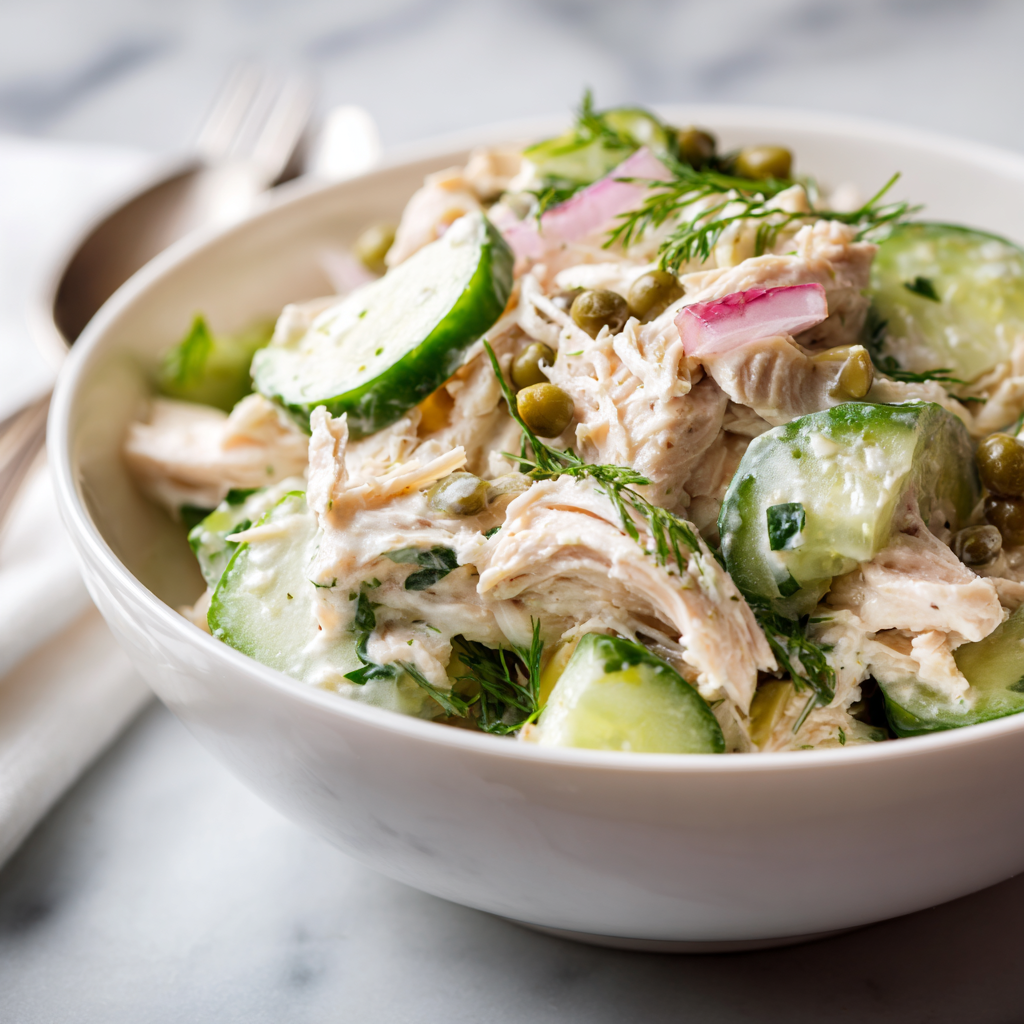
There’s something beautifully liberating about creating a nourishing meal that requires zero cooking and comes together faster than ordering takeout. First, this salad celebrates the magic that happens when quality roasted chicken meets fresh vegetables, crisp greens, and a simple dressing that tastes indulgent without being heavy. The magic of this recipe lies in how it transforms leftover poultry into something entirely fresh and exciting that tastes nothing like yesterday’s dinner. What makes this dish truly special is how it satisfies hunger while making you feel genuinely good about what you’re eating rather than guilty or sluggish afterward. Additionally, the bright vegetables, tender chicken, and flavorful dressing create a complete meal that delivers nutrition and satisfaction in every bite. Whether you’re recovering from roasting a whole bird, using store-bought rotisserie chicken, or cooking chicken specifically for this salad, the result remains the same—a restaurant-quality dish that costs a fraction of eating out. The combination of protein, vegetables, healthy fats, and greens creates perfect nutritional balance that sustains energy throughout your evening without overwhelming your digestive system.
Ingredients
Serves 4
For the Salad Base:
- 3 cups shredded or diced roasted chicken, cooled completely
- 6 cups mixed salad greens or baby spinach
- 1 cup cherry tomatoes, halved
- 1 medium cucumber, diced
- 1 cup shredded carrots
- ½ red onion, thinly sliced
- 1 bell pepper (any color), diced
- 1 avocado, sliced (optional)
- ¾ cup cooked quinoa or farro (optional)
- ¼ cup fresh herbs (cilantro, parsley, or basil), chopped
- ¼ cup sunflower seeds or pumpkin seeds
- Optional additions: chickpeas, beans, feta cheese, or nuts
For the Lemon Vinaigrette:
- 3 tablespoons extra virgin olive oil
- 2 tablespoons fresh lemon juice
- 1 tablespoon Dijon mustard
- 1 teaspoon honey or maple syrup
- 1 clove garlic, minced
- ½ teaspoon sea salt
- ¼ teaspoon black pepper
- ¼ teaspoon red pepper flakes (optional)
Preparing Your Fresh Ingredients
Successful salad assembly begins with properly prepared vegetables that maintain their texture and nutritional value. Next, wash all greens thoroughly and pat them completely dry using a salad spinner or clean kitchen towels. Additionally, damp greens dilute your dressing and create unpleasant soggy texture instead of crisp, refreshing bites. Meanwhile, preparing vegetables just before assembling prevents them from wilting or oxidizing and losing their vibrant colors and nutritional punch.
Step-by-Step Instructions
- Ensure your cooked chicken has cooled completely to room temperature before beginning assembly, preventing warm chicken from wilting delicate greens. First, this cooling step is essential for food safety and texture consistency. Subsequently, cold chicken also prevents the dressing from becoming too thin and runny when it contacts warm poultry.
- Prepare the lemon vinaigrette by combining extra virgin olive oil, fresh lemon juice, Dijon mustard, honey, minced garlic, sea salt, black pepper, and red pepper flakes in a small jar or bowl. Next, whisk vigorously or shake in the jar until the ingredients emulsify and form a cohesive dressing.
- Taste the dressing and adjust seasonings according to your preferences, adding more lemon juice for brightness, honey for sweetness, or salt for savory depth. Additionally, this tasting step ensures your dressing matches your flavor preferences rather than disappointing once applied to the salad.
- Divide mixed salad greens evenly among four serving bowls or plates, creating a generous base for all remaining components. Meanwhile, aim for approximately 1½ cups of greens per person, ensuring adequate vegetables to balance the protein.
- Arrange shredded or diced roasted chicken in the center of each salad bed, distributing it evenly so each person receives equal portions. Subsequently, the centered placement makes the chicken immediately visible as the salad’s protein foundation.
- Add halved cherry tomatoes, diced cucumber, shredded carrots, sliced red onion, and diced bell pepper in organized sections around the chicken. Additionally, this rainbow arrangement makes the salad visually appealing and ensures each bite contains multiple vegetable varieties.
- Place sliced avocado on one side if using, creating a creamy element that adds richness and healthy fats. Furthermore, avocado slices contribute smooth texture contrast against crisp vegetables and tender chicken.
- Scatter cooked quinoa or farro over the salad if using, adding nutty flavor, additional texture complexity, and increased satiety. Meanwhile, these grain additions make the salad heartier, perfect for substantial dinner meals rather than light lunch options.
- Sprinkle fresh chopped herbs, sunflower seeds or pumpkin seeds, and any optional additions like chickpeas, beans, or feta cheese across the salad. Subsequently, these finishing touches add layers of flavor and nutritional variety that prevent the salad from becoming monotonous.
- Drizzle the lemon vinaigrette evenly over each salad, using approximately 2-3 tablespoons per serving depending on personal preference for dressing intensity. Additionally, you can toss the salad gently to distribute the dressing throughout, or let individuals mix their own at the table.
- Serve immediately while greens remain crisp and all components maintain their ideal texture, temperature, and flavor profiles. First, serving promptly prevents vegetables from absorbing excess dressing and becoming soft. Subsequently, the salad tastes most vibrant when consumed shortly after assembly.
Mastering the Salad Foundation
Understanding how to build a balanced salad ensures each component contributes to an harmonious whole rather than conflicting with others. Next, the greens provide volume and nutritional density without excessive calories or weight. Meanwhile, the protein from chicken creates satiety that keeps you satisfied throughout your evening. Additionally, colorful vegetables contribute vitamins, minerals, and antioxidants that support overall health and energy levels.
Serving and Storing Tips
Serving Suggestions
Serve this salad immediately after assembly for maximum freshness, crisp texture, and vibrant vegetable appearance. First, present it on individual plates or bowls for elegant plating that makes the meal feel special. Additionally, serving with warm crusty bread, grilled vegetables, or a side of hummus creates a more substantial meal experience. Meanwhile, this salad works beautifully for lunch boxes, picnics, light weeknight dinners, or even sophisticated entertaining because it offers impressive nutrition without requiring formal preparation.
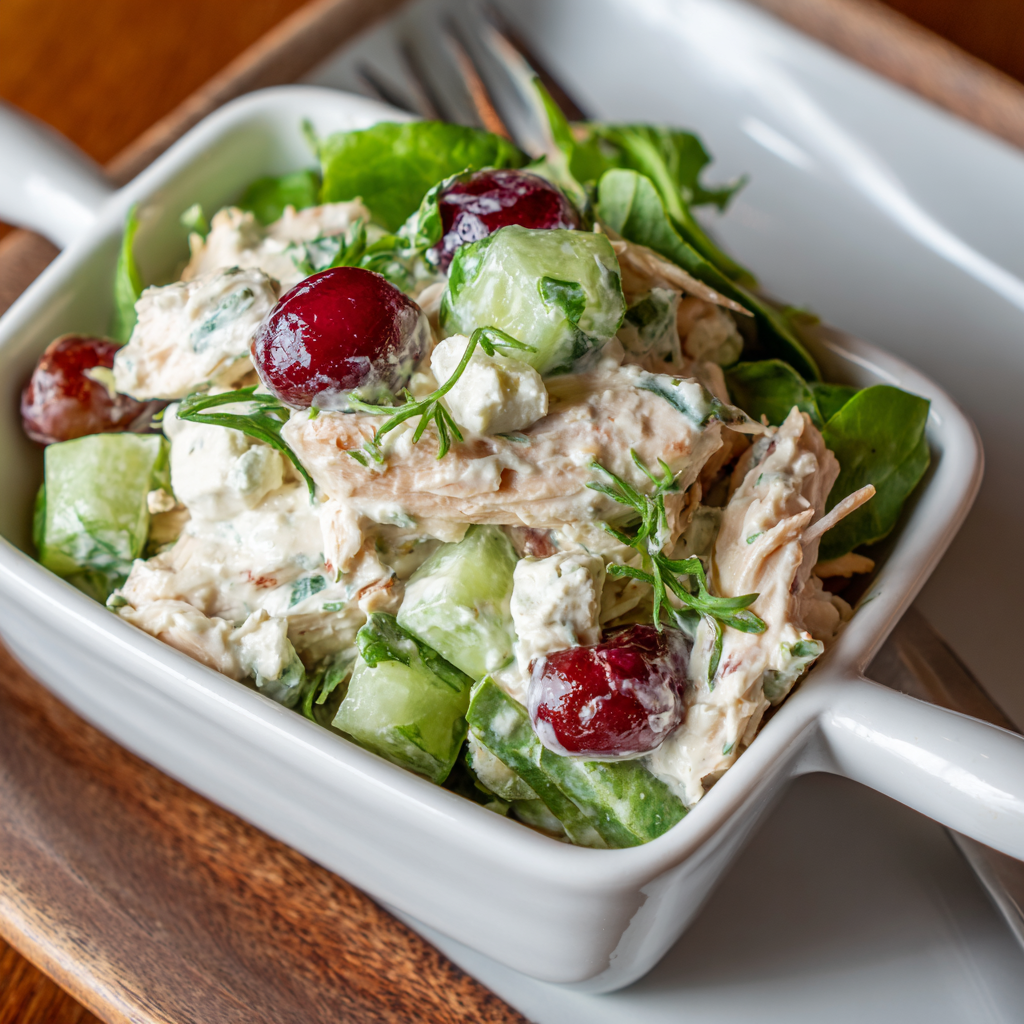
The versatility means this salad suits virtually any occasion from casual family meals to health-conscious entertaining. Subsequently, pairing with light beverages like sparkling water with lemon, herbal tea, or light white wine complements the fresh ingredients beautifully. Furthermore, this salad travels well in glass containers with dressing stored separately, making it perfect for meal prep and on-the-go nutrition.
Storage Tips
Store salad components separately in airtight containers in the refrigerator for up to 3 days, keeping them fresh and preventing wilting. However, if you prefer storing assembled salad, keep it in an airtight container for only 1-2 hours before serving, as greens will soften with time. Subsequently, storing dressing separately and adding just before eating maintains optimal salad texture for several hours. Alternatively, you can store all components separately and assemble salads just before serving, which extends freshness considerably.
To prepare ahead, slice and chop all vegetables the evening before, storing them in airtight containers in the refrigerator. Additionally, the dressing keeps for up to one week in a sealed jar in the refrigerator, making quick salad assembly possible on busy weeknights. Furthermore, storing components separately means you can create multiple salad varieties throughout the week rather than eating identical combinations daily.
Helpful Notes and Variations
Ingredient substitutions ensure this recipe adapts to whatever you have available in your refrigerator and pantry. Next, if you lack specific vegetables, substitute any fresh varieties you enjoy—grilled zucchini, sliced radishes, shredded cabbage, or blanched broccoli work beautifully. Meanwhile, those preferring different proteins can swap chicken for turkey, grilled fish, tofu, or legumes while maintaining the salad’s nutritional integrity. Additionally, if you dislike avocado, replace it with nuts, seeds, cheese, or additional vegetables for richness and satisfaction.
The dressing can be customized based on your flavor preferences and dietary needs. For those preferring lighter versions, use half the olive oil and add vegetable broth for volume without calories. In contrast, adding tahini or avocado creates creamier texture without requiring mayonnaise. Subsequently, experimenting with different vinegars like balsamic, apple cider, or rice vinegar creates entirely different flavor profiles. Furthermore, adding fresh herbs like mint, dill, or tarragon to the dressing transforms it into something specialized and unique.
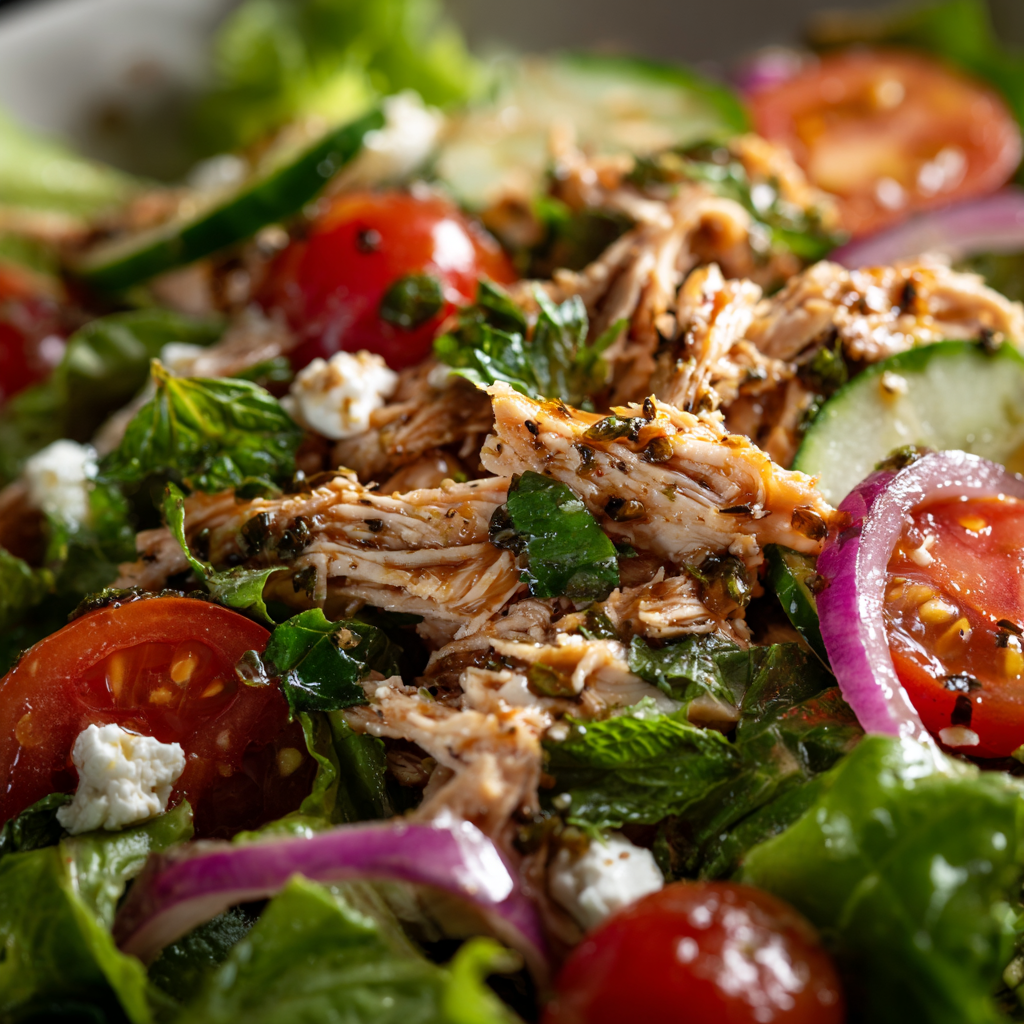
Common mistakes occur when assembling salads include using warm ingredients that wilt greens, adding dressing too far in advance which causes sogginess, or omitting adequate protein which leaves you hungry shortly after eating. Instead, ensure all ingredients reach room temperature or chill before combining. Additionally, dressing the salad minutes before eating preserves the crisp texture that makes fresh salads appealing and satisfying.
Chef Tips for Exceptional Results
First, massaging delicate greens gently with a tiny bit of olive oil and salt before adding vegetables allows them to remain crisp longer while absorbing flavors more effectively. Subsequently, storing your dressing in a mason jar allows quick whisking or shaking immediately before serving, ensuring proper emulsification and fresh flavor.
Frequently Asked Questions
Can I make this salad in advance for meal prep? Yes, store components separately in airtight containers for up to 3 days; assemble and dress immediately before eating for optimal texture and freshness.
What if my chicken is still warm from cooking? Allow it to cool to room temperature before combining with greens; warm chicken will wilt vegetables and thin your dressing unpleasantly.
Can I use a different dressing instead of lemon vinaigrette? Absolutely, ranch, balsamic vinaigrette, tahini dressing, or any favorite works beautifully; adjust to your personal flavor preferences.
How do I prevent the salad from becoming wilted? Store components separately until serving, add dressing immediately before eating, and ensure all ingredients are properly dried before combining.
Can I add carbs like pasta or bread to make it heartier? Yes, cooked quinoa, farro, brown rice, or whole grain bread croutons transform this into a more substantial meal while maintaining nutritional balance.
Exploring Nutritious Variations
This foundational salad recipe welcomes numerous creative interpretations based on seasonal ingredients and personal preferences. Next, Mediterranean variations using sun-dried tomatoes, olives, feta cheese, and oregano create distinctly different flavor profiles. Meanwhile, Asian-inspired versions with sesame oil, ginger, soy sauce, and edamame celebrate different culinary traditions beautifully. Additionally, Mexican-inspired salads using lime dressing, cilantro, black beans, and corn create vibrant, exciting alternatives.
The beauty of salad making lies in its adaptability to whatever ingredients inspire you and whatever nutritional goals you’re pursuing. First, consider your favorite flavor combinations and how chicken complements them, then build salads around those concepts. Subsequently, experimenting with different dressings, vegetables, proteins, and toppings keeps this simple recipe from becoming predictable or boring.
Understanding Nutritional Benefits
This salad delivers comprehensive nutrition that supports overall health without requiring restrictive eating or complicated meal planning. Next, the chicken provides lean protein that builds and repairs muscle while keeping you satisfied. Meanwhile, colorful vegetables offer vitamins, minerals, and antioxidants that support immune function and reduce disease risk. Additionally, healthy fats from olive oil, avocado, and seeds contribute to hormone production and nutrient absorption while providing satiety.
The combination of macronutrients—protein, healthy fats, and complex carbohydrates from vegetables—creates balanced nutrition that sustains energy without blood sugar spikes. First, this balance prevents the energy crashes that often follow less nutritious meals. Subsequently, eating this salad leaves you feeling nourished and energized rather than sluggish or guilty.
Making Salad Your Go-To Dinner Solution
Understanding why salads deserve regular rotation into your dinner plans removes any lingering belief that they’re inadequate main courses. First, properly constructed salads with adequate protein, healthy fats, and nutrient-dense vegetables satisfy hunger completely. Subsequently, the freshness and brightness prevent dinner from feeling repetitive or boring throughout the week. Additionally, knowing that salad takes minutes to assemble when components are prepped encourages choosing nutritious options even on busy evenings.
Mastering Salad Assembly Technique
Proper salad assembly ensures flavors develop cohesively and textures remain appealing rather than becoming mushy or overwhelming. First, layering ingredients with greens as the base creates structure that holds everything together. Subsequently, placing heavier ingredients like chicken and grains in the center allows them to anchor without wilting delicate greens. Additionally, adding dressing immediately before serving preserves crispness and prevents premature softening.
The technique improves with practice, but even your first attempts will likely succeed because salads are forgiving compared to other recipes. Next, watching instructional videos or creating salads regularly builds confidence and develops intuition about proportions and combinations. Meanwhile, recognizing that slight imperfections or creative variations enhance rather than detract from the final result removes pressure for perfection.
Customizing for Dietary Preferences
This salad adapts beautifully to various dietary approaches including low-carb, vegetarian, vegan, gluten-free, and dairy-free preferences. Next, removing the grain and quinoa creates a low-carb version while maintaining satisfying bulk from vegetables. Meanwhile, substituting tofu, tempeh, or legumes replaces chicken for plant-based versions. Additionally, omitting cheese and using oil-based dressings creates dairy-free options without sacrificing creaminess or satisfaction.
The flexibility means this recipe suits virtually any dietary approach or restriction you’re navigating. First, focus on including adequate protein, healthy fats, and diverse vegetables regardless of specific dietary philosophy. Subsequently, personalizing the salad to match your needs and preferences ensures you’ll actually enjoy eating it regularly.
Conclusion
Your Healthy Dinner Leftover Chicken Salad awaits creation, ready to prove that nutritious, satisfying meals require minimal cooking skill or time investment. This recipe transforms everyday leftover chicken into something exciting and crave-worthy that nourishes your body while satisfying your appetite. Through proper ingredient preparation, organized assembly, and attention to balancing flavors and textures, you’ll create salads that exceed expectations while requiring almost no cooking ability whatsoever. Gather your ingredients, follow these steps methodically, and prepare yourself for how energized and satisfied this salad leaves you feeling.
Did you love this Healthy Dinner Leftover Chicken Salad recipe? Please save this recipe to your collection, pin it to your Pinterest board, and share it with friends and family who need easy weeknight dinner inspiration that nourishes their bodies and satisfies their appetites. Your support means everything and encourages us to keep creating more simple, nutritious recipes that make healthy eating enjoyable and achievable for everyone!