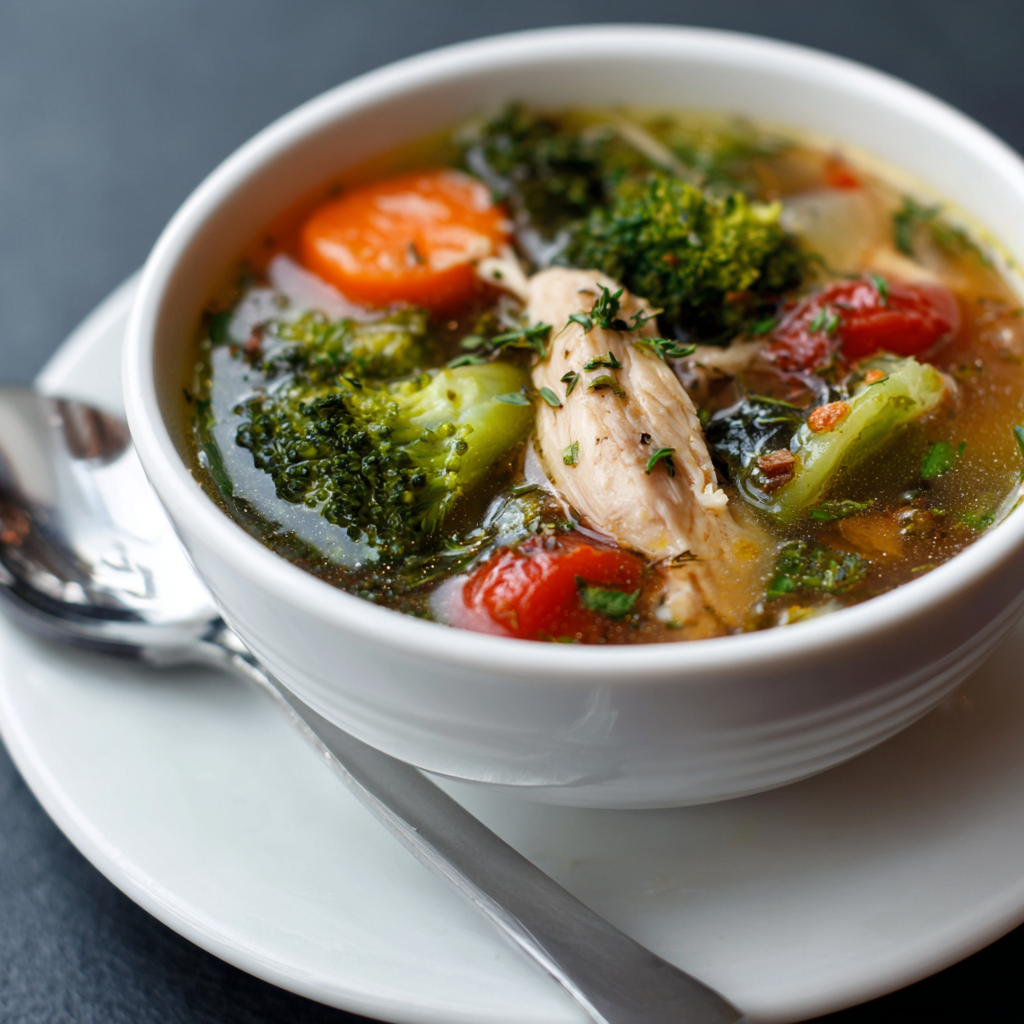
When you’re looking for comfort in a bowl that’s also genuinely good for you, this leftover chicken vegetable soup delivers exactly that—wholesome nourishment wrapped in warmth and flavor. There’s something almost magical about transforming a few simple leftovers and fresh vegetables into a restaurant-quality soup that tastes like you’ve been simmering it all day, when in reality it comes together in less than 40 minutes. This recipe celebrates the philosophy that healthy eating doesn’t have to be complicated, expensive, or time-consuming; instead, it can be straightforward, satisfying, and downright delicious. The beauty of making soup from leftovers is that you’re reducing food waste while simultaneously creating a meal that’s packed with protein, vegetables, and nourishing broth that supports your body’s wellbeing. Unlike canned soups that often contain excess sodium and mystery ingredients, this homemade version puts you in complete control of every element, allowing you to create something that aligns perfectly with your nutritional goals. Whether you’re seeking a light dinner, a meal to help you recover from a busy day, or a make-ahead option for busy weeks, this healthy chicken vegetable soup is the answer you’ve been looking for.
Ingredients
Makes 6 servings
For the broth base:
- 2 tablespoons olive oil or butter
- 1 large yellow onion, diced
- 3 celery stalks, diced
- 3 medium carrots, sliced into rounds
- 4 cloves garlic, minced
- 8 cups chicken broth or vegetable broth (or combination of broth and water)
- 1 bay leaf
- 1 teaspoon dried thyme
- 1 teaspoon dried oregano
- 1/2 teaspoon ground turmeric (optional but recommended for anti-inflammatory benefits)
- 1/4 teaspoon red pepper flakes
- Sea salt and black pepper to taste
For the protein and vegetables:
- 3 cups cooked chicken, shredded or diced (leftover chicken works perfectly)
- 2 cups fresh or frozen spinach, roughly chopped
- 1 cup diced zucchini or summer squash
- 1 cup fresh or frozen peas
- 1 cup diced tomatoes (fresh or canned, drained)
- 1 cup diced bell peppers (any color)
- 1/2 cup green beans, cut into one-inch pieces (fresh or frozen)
For finishing and garnish:
- Juice of 1/2 lemon or lime
- 3 tablespoons fresh parsley, finely chopped
- 2 tablespoons fresh basil or dill, chopped (optional)
- Grated Parmesan cheese (optional)
- Crusty bread for serving (optional)
- Red pepper flakes (optional, for heat)
Instructions
- Heat the olive oil or butter in a large pot or Dutch oven over medium-high heat until it shimmers and becomes fragrant. Next, add the diced onion, celery, and sliced carrots, then cook for five to six minutes, stirring occasionally, until the vegetables begin to soften and release their natural aromas.
- Add the minced garlic to the pot and stir constantly for about 30 seconds until the kitchen fills with that wonderful garlicky fragrance. Be careful not to let the garlic burn, as burned garlic creates a bitter taste that will negatively impact the entire soup.
- Pour the chicken broth into the pot along with the bay leaf, dried thyme, dried oregano, turmeric, and red pepper flakes. Stir everything together and bring the mixture to a gentle simmer over medium heat.
- Add the shredded or diced cooked chicken to the pot, stirring well to distribute it evenly throughout the broth. Additionally, add the zucchini, green beans, bell peppers, and diced tomatoes, mixing everything together thoroughly.
- Bring the soup back to a gentle simmer and cook for eight to ten minutes, stirring occasionally, until the fresh vegetables begin to soften slightly. Meanwhile, the flavors will continue to meld together, creating a rich and complex taste despite the simple ingredient list.
- Stir in the fresh or frozen spinach and peas, mixing well until the spinach begins to wilt into the soup. Next, allow the soup to simmer for an additional two to three minutes until the spinach is completely tender and the peas are heated through.
- Taste the soup and adjust the seasonings as needed, adding more salt, pepper, or additional herbs to match your preferences. Remember that you can always add more seasoning, but you cannot remove it once it’s added, so taste as you go.
- Remove the bay leaf from the soup using a slotted spoon or tongs, discarding it carefully. Afterward, squeeze the juice from half a lemon or lime into the pot, stirring well to distribute the citrus brightness throughout.
- Stir in the fresh parsley and any additional fresh herbs like basil or dill if you’re using them. The fresh herbs add a brightness and complexity that makes people pause mid-spoonful and say, “This is really good.”
- Ladle the hot soup into bowls and top each serving with a small amount of grated Parmesan cheese if desired, or serve with crusty bread on the side for dipping. Additionally, you can offer red pepper flakes at the table for anyone wanting to add extra heat to their bowl.
Why This Soup Is Your New Go-To Meal
First, the combination of protein from the chicken, fiber from the vegetables, and minerals from the broth creates a nutritionally complete meal that genuinely supports your health and wellbeing. Each bowl contains multiple servings of vegetables, meaning you’re nourishing your body with vitamins, minerals, and antioxidants in every spoonful.
The one-pot cooking method means minimal cleanup while maximum nutrition and flavor in every bowl. Meanwhile, the simmering process allows all the vegetables to release their nutrients into the broth, creating a liquid that’s essentially edible medicine supporting everything from immune function to joint health.
In contrast to takeout soups that often contain excess salt and hidden ingredients, this homemade version lets you know exactly what you’re consuming. Additionally, making soup from leftovers is one of the most sustainable and economical cooking practices, turning ingredients that might otherwise be wasted into something nourishing and delicious.
Furthermore, this soup is naturally adaptable to any dietary preferences or restrictions, whether you’re avoiding gluten, dairy, grains, or other ingredients—just adjust accordingly and it remains equally wholesome and satisfying.
Serving and Storing Tips
How to Serve
This healthy soup is wonderfully versatile in how you present and enjoy it throughout your week. For a light dinner, serve it in a bowl with a side salad and crusty bread for a complete, balanced meal. Next, consider serving it in smaller portions as a first course before your main dish, or as a complete meal when you want something nourishing but not overly heavy.
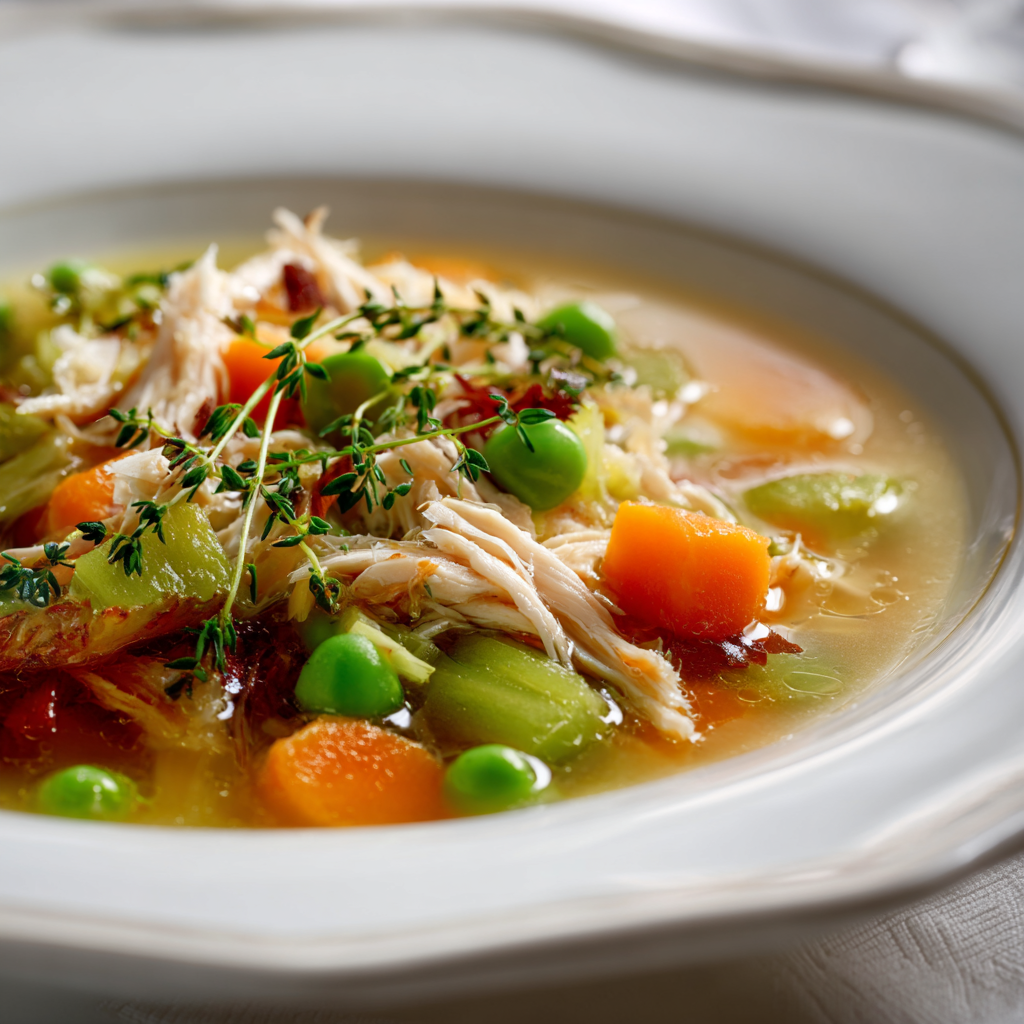
Additionally, you can serve bowls of the soup with various toppings set out—grated cheese, fresh herbs, croutons, or a drizzle of good olive oil—allowing everyone to customize their bowl to their preferences. At lunch, pair it with a simple sandwich or grilled cheese for a classic soup-and-sandwich combination. Furthermore, individual mugs of this soup are perfect for sipping while working or studying, providing sustained energy and nutrition throughout your day.
Storage Instructions
Store cooled soup in airtight containers in the refrigerator for up to five days, making this perfect for meal planning and preparing several days’ worth of healthy dinners ahead of time. However, if you want to extend the storage time even further, freeze the soup in freezer-safe containers or bags for up to three months, though note that some vegetables will soften more upon thawing.
To reheat refrigerated soup, simply pour it into a pot and warm it gently over medium heat, stirring occasionally until it reaches your desired temperature. For frozen soup, thaw it overnight in the refrigerator before reheating, or place it directly in a pot over medium-low heat, stirring frequently as it thaws and warms through.
Helpful Notes and Tips for Success
Before you begin, having all your ingredients prepped and ready makes the cooking process smooth and allows you to move quickly through the steps. Chop your vegetables, measure your seasonings, and have your leftover chicken ready so nothing catches you off guard during cooking.
Here’s an important tip about the leftover chicken: it can be any type—white meat, dark meat, rotisserie chicken, or chicken from last night’s dinner all work beautifully. The key is that it’s already cooked, so you’re just reheating it rather than cooking it from scratch, which saves significant time.
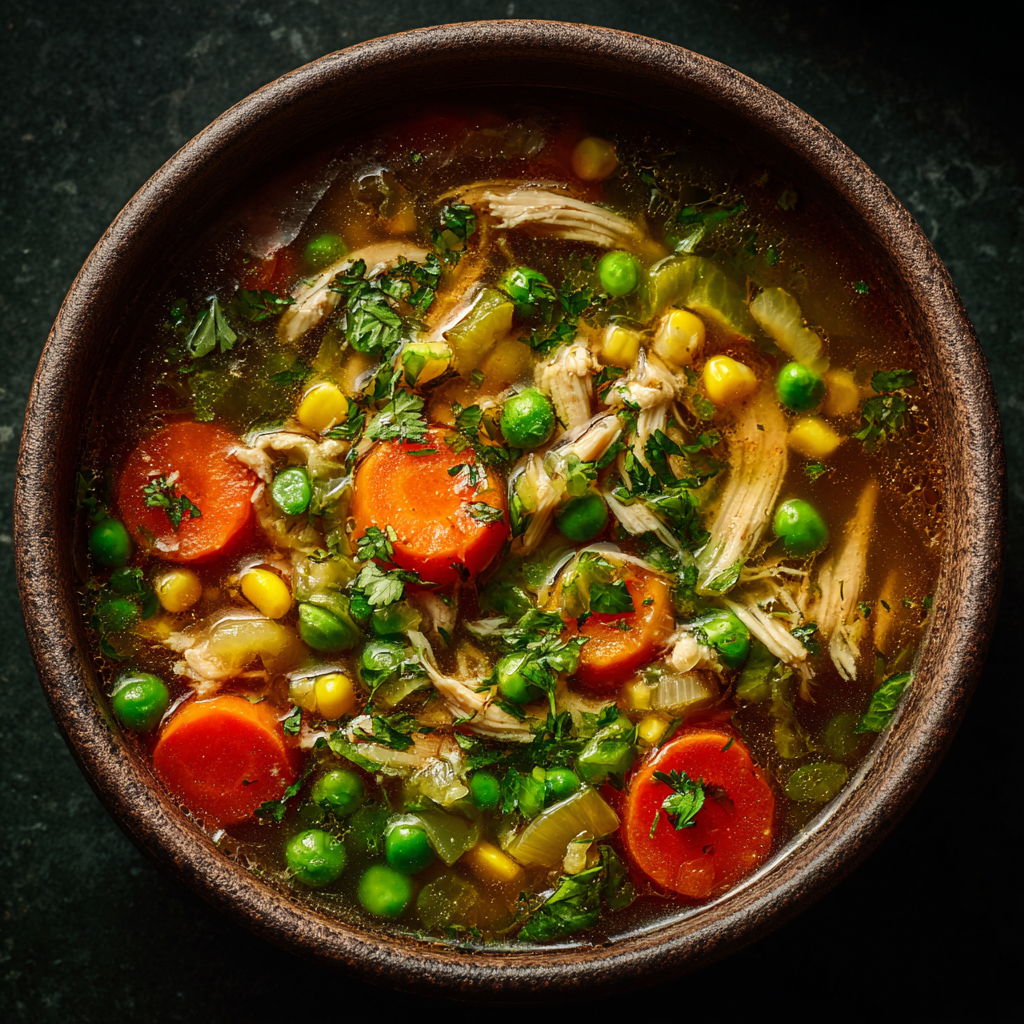
Regarding the vegetables, use whatever you have available or what’s currently on sale—this soup is incredibly forgiving and welcomes nearly any vegetable. Carrots, celery, onions, and garlic form the aromatic foundation, while spinach, zucchini, tomatoes, peas, and green beans add nutrition and substance.
If you prefer a brothier soup, use the full eight cups of broth, or add extra water if needed. Conversely, if you like a heartier, more substantial soup with less broth, you can reduce it to six cups or add extra vegetables to create a thicker consistency.
The turmeric is optional but highly recommended because it adds a subtle earthy flavor while providing anti-inflammatory benefits that support joint health and overall wellness. If you’re not familiar with turmeric, start with the smaller amount listed—you can always add more in future batches.
For a creamier soup that’s still healthy, you can stir in a splash of heavy cream, coconut milk, or Greek yogurt at the very end of cooking. This transforms the texture without significantly increasing calories or changing the fundamental healthfulness of the dish.
Chef Tips
First, the secret to deeply flavored soup is to allow the initial aromatics—onions, celery, carrots, and garlic—to cook properly before adding the broth. This foundational step through gentle browning creates more complex flavors than if you simply dumped everything into the pot simultaneously.
Additionally, for extra sophistication and depth, try adding a Parmesan rind if you have one available—simmer it with the broth for the entire cooking time, then remove and discard before serving. This adds incredible umami richness that makes people say, “Wow, this tastes restaurant-quality” without being able to identify exactly what makes it so special.
Frequently Asked Questions
Can I make this soup without leftover chicken? Absolutely—cook fresh chicken breasts, shred them, and add them to the soup, or replace the chicken with beans, lentils, or extra vegetables for a vegetarian version that’s equally nourishing.
What if I want to make this soup completely vegan? Use vegetable broth instead of chicken broth, replace the chicken with cooked beans or tofu, and skip the Parmesan cheese garnish for a completely plant-based soup that’s equally delicious and satisfying.
How can I make this soup thicker or heartier? Add a cup of cooked grains like rice or quinoa, include beans or lentils, or reduce the amount of broth to concentrate the flavors and create a thicker consistency.
Can I add pasta or rice to this soup? Yes, you can add cooked pasta or rice directly to the soup, or cook them separately and add them to individual bowls for better texture control and to prevent mushiness during storage.
Is this soup suitable for freezing? Yes, the soup freezes beautifully for up to three months—though note that vegetables will soften slightly more upon thawing and reheating, the flavor actually deepens and improves over time.
Nurturing Yourself With Healthy Homemade Soup
Creating this chicken vegetable soup is genuinely one of the most loving things you can do for yourself and your family. Next time you have leftover chicken sitting in your refrigerator, instead of feeling obligated to eat it plain or in a sandwich, transform it into this nourishing, satisfying soup that supports your health and wellbeing.
The satisfaction of consuming a meal that’s both delicious and genuinely good for your body is one of the great joys of home cooking. Furthermore, knowing exactly what went into your soup—no hidden additives, excess sodium, or mystery ingredients—brings peace of mind that store-bought options simply cannot match.
Additionally, the practice of making soup from leftovers embodies sustainable cooking that respects ingredients, supports your budget, and reduces food waste. This small action, repeated regularly, contributes to a lifestyle that feels aligned with your values while simultaneously delivering meals that nourish and satisfy.
As you cook this recipe multiple times, you’ll develop intuition about adjusting vegetables, seasonings, and cooking times to match whatever you have available and whatever your body needs in that moment. The wonderful thing about vegetable soup is that it welcomes creativity and experimentation while remaining impossibly forgiving even for complete beginners.
With this recipe in your regular rotation, you’ll never view leftover chicken as something to merely endure. Instead, you’ll see it as the beginning of something genuinely nourishing that tastes carefully prepared while requiring minimal effort and time investment on your part.