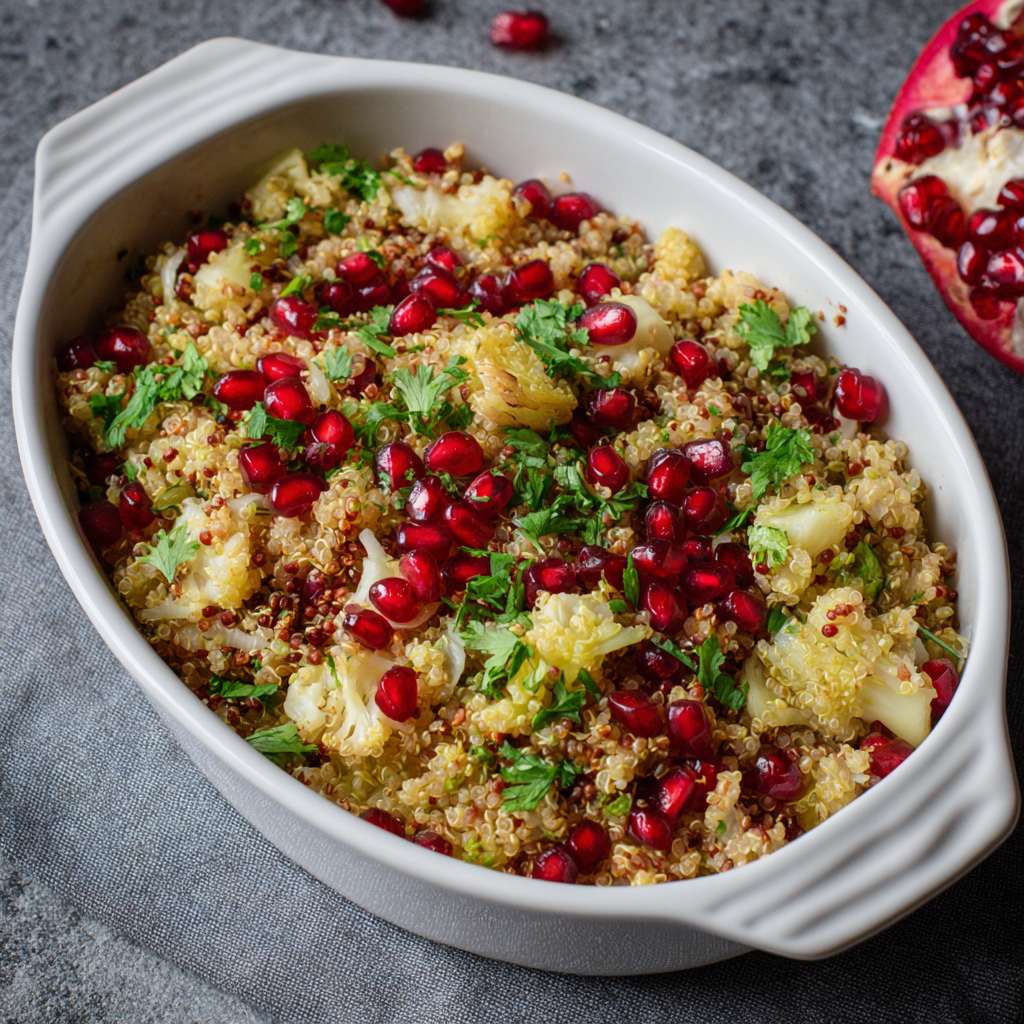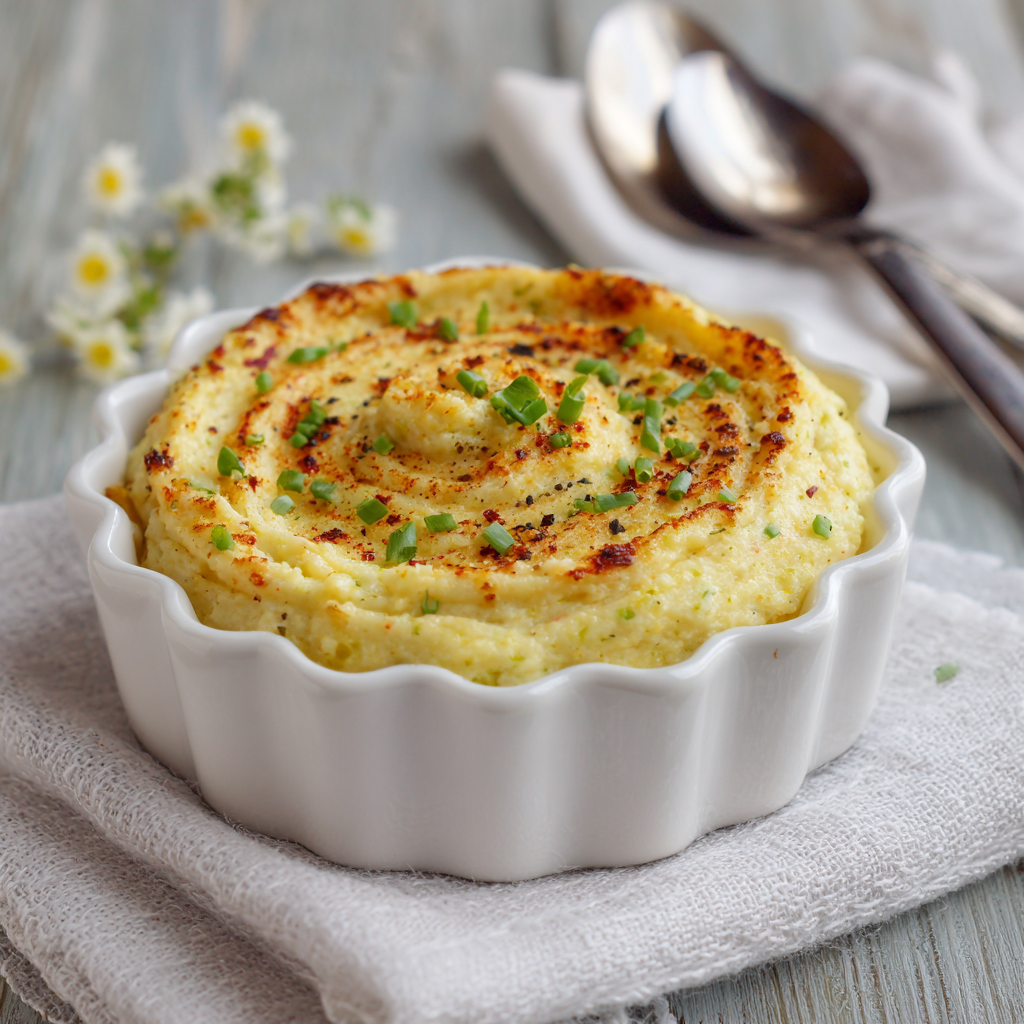
When you’re craving creamy, comforting mashed potatoes but want to stay aligned with your wellness goals, this velvety cauliflower mash delivers all the satisfaction with a fraction of the calories and carbohydrates. This lighter alternative combines tender roasted cauliflower, aromatic garlic, and just enough richness to create a side dish that’s so delicious you won’t even miss the potatoes. What makes this recipe truly exceptional is how it achieves restaurant-quality creaminess and flavor through simple techniques that transform humble cauliflower into something genuinely indulgent and crave-worthy. The combination of roasting for depth, proper seasoning, and strategic additions of butter or olive oil creates layers of taste that prove healthy food can be incredibly satisfying. Whether you’re committed to low-carb eating, simply trying to incorporate more vegetables, or serving guests who won’t even realize they’re eating cauliflower, this mash delivers comfort food satisfaction without derailing your intentions. Best of all, it comes together in about thirty minutes, pairs beautifully with virtually any protein, and provides all the cozy feelings of traditional mashed potatoes while supporting your health goals perfectly.
Ingredients
This recipe makes 6 servings.
- 2 large heads cauliflower (about 3 pounds), cut into florets
- 6 cloves garlic, peeled
- 3 tablespoons olive oil or melted butter
- 1/2 cup low-sodium vegetable or chicken broth
- 1/4 cup plain Greek yogurt or sour cream
- 2 tablespoons cream cheese, softened (optional)
- 3 tablespoons grated Parmesan cheese (optional)
- 1 teaspoon salt
- 1/2 teaspoon black pepper
- 1/4 teaspoon garlic powder
- 2 tablespoons fresh chives, chopped
- 2 tablespoons fresh parsley, chopped
- Extra olive oil or butter for drizzling
- Additional herbs for garnish
Instructions
- Preheat your oven to 425°F and line a large baking sheet with parchment paper.
- Cut the cauliflower into evenly sized florets, roughly 1 to 2 inches in size.
- Spread the cauliflower florets and peeled garlic cloves on the prepared baking sheet.
- Drizzle with 2 tablespoons of olive oil or melted butter, tossing to coat evenly.
- Season with half the salt and pepper, distributing it across all the florets.
- Roast in the preheated oven for 25 to 30 minutes until tender and golden brown on the edges.
- Check for doneness by piercing with a fork—the cauliflower should be very soft.
- Remove from the oven and let cool slightly for 2 to 3 minutes.
- Transfer the roasted cauliflower and garlic to a food processor or high-powered blender.
- Add the remaining olive oil or butter, vegetable broth, Greek yogurt, and cream cheese if using.
- Add the Parmesan cheese if using, along with the remaining salt, pepper, and garlic powder.
- Blend on high speed for 1 to 2 minutes until completely smooth and creamy.
- Stop and scrape down the sides as needed, then blend again briefly.
- Check the consistency—add more broth if too thick, or blend longer for smoother texture.
- Taste and adjust seasonings, adding more salt, pepper, or garlic powder as desired.
- Transfer the mash to a serving bowl and smooth the top with a spatula.
- Create a small well in the center and drizzle with olive oil or melted butter.
- Sprinkle with fresh chives and parsley for color and freshness.
- Serve immediately while hot, or keep warm in a covered dish until ready to serve.
- Garnish with additional herbs and a final crack of black pepper before bringing to the table.
Why Roasting Makes All the Difference
Roasting cauliflower before mashing transforms it from a vegetable with a somewhat sulfurous reputation into something sweet, nutty, and genuinely delicious. High heat triggers the Maillard reaction, which creates hundreds of new flavor compounds through caramelization that simply don’t develop when cauliflower is boiled or steamed. Additionally, roasting evaporates excess moisture that would otherwise create watery, thin mash that lacks body and richness. This dry-heat cooking method concentrates flavors and creates depth that makes people question whether they’re really eating cauliflower.
The golden-brown edges that develop during roasting contribute nutty, slightly sweet notes that balance cauliflower’s natural earthiness. These caramelized bits add visual appeal and complexity that prevents the mash from tasting flat or one-dimensional. Furthermore, roasting the garlic alongside the cauliflower mellows its sharp bite and creates sweet, creamy cloves that blend seamlessly into the finished mash. This roasted garlic contributes depth without the harsh pungency that raw or even sautéed garlic would bring.
In contrast, boiling or steaming cauliflower—the method many recipes recommend—produces watery results that lack flavor and require excessive draining. Waterlogged cauliflower creates thin mash that needs substantial additions of cream, butter, or cheese to achieve acceptable consistency. Roasting eliminates this problem entirely, allowing you to create rich, creamy results with minimal added fats. This technique proves that proper cooking methods matter just as much as ingredients when creating healthy dishes that actually taste good.
Creating Restaurant-Quality Creaminess
Achieving silky-smooth texture requires the right equipment and proper technique during the blending stage. A food processor works well for creating rustic mash with some texture, while a high-powered blender like a Vitamix produces ultra-smooth, almost whipped consistency that rivals the finest mashed potatoes. For those without either appliance, a potato masher creates chunkier results that some people prefer, though you won’t achieve the same cloud-like texture that makes this recipe special.
The additions of Greek yogurt, cream cheese, and Parmesan contribute creaminess, tang, and richness without the calories and carbs of heavy cream traditionally used in mashed potatoes. Greek yogurt provides protein and tangy flavor that brightens the earthy cauliflower, while cream cheese adds luxurious mouthfeel and subtle richness. Meanwhile, Parmesan contributes savory depth and helps create fuller body in the finished mash. These strategic additions prove you don’t need excessive amounts of cream and butter to create indulgent-tasting results.
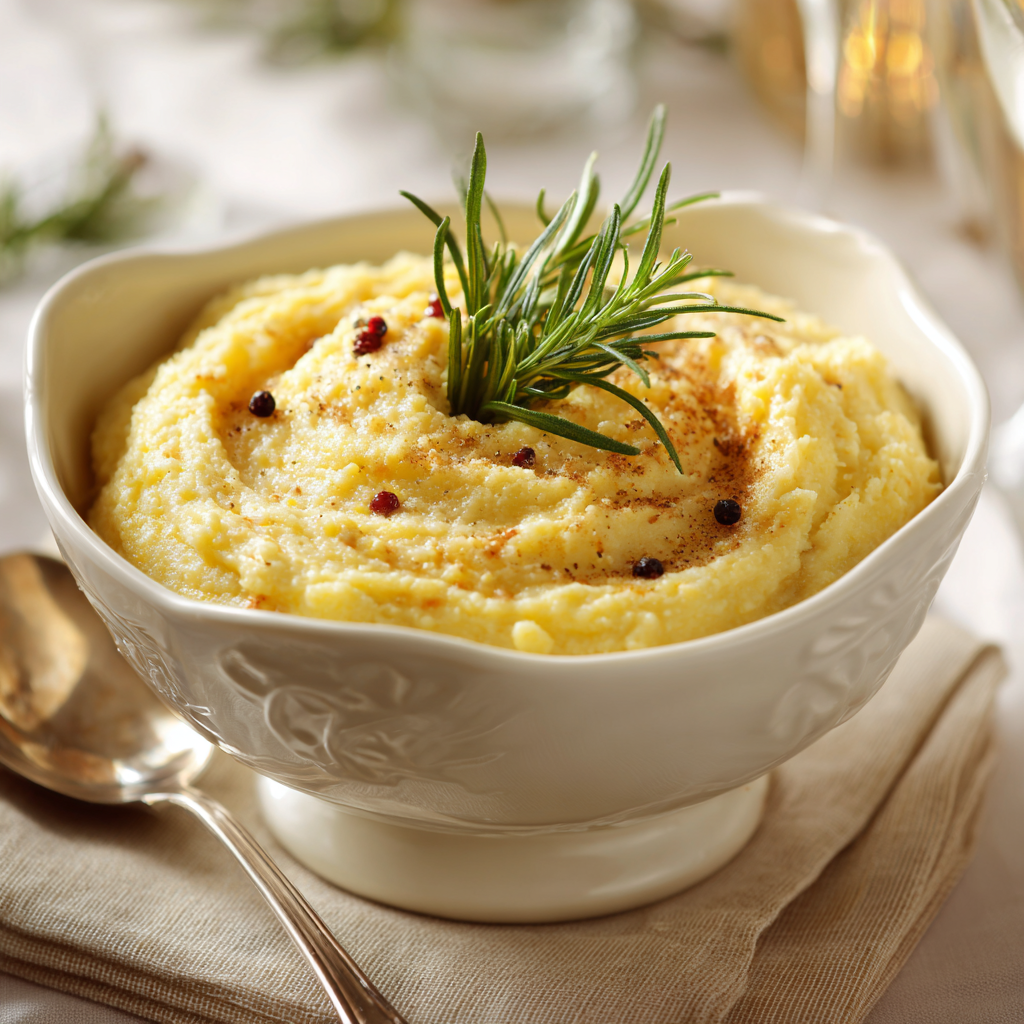
The broth serves multiple purposes beyond just thinning the mash to proper consistency. Using warm or hot broth rather than cold liquid helps maintain serving temperature and blends more easily into the hot cauliflower. Additionally, choosing quality vegetable or chicken broth adds subtle savory notes that enhance overall flavor. Starting with less broth and adding more as needed gives you complete control over final consistency—you can always thin mash that’s too thick, but you cannot thicken mash that’s too watery without starting over.
Balancing Richness and Health
This cauliflower mash strikes the perfect balance between being healthy enough to support your goals and indulgent enough to satisfy your comfort food cravings. Using olive oil instead of butter creates a dairy-free, heart-healthy version that’s appropriate for various dietary needs. However, if you’re not avoiding dairy and prefer the classic flavor of butter, using it instead provides that familiar richness many people associate with mashed potatoes. Both options work beautifully—choose based on your preferences and dietary requirements.
The optional ingredients like cream cheese and Parmesan add richness and depth but aren’t essential for creating delicious results. Including them makes the mash taste more indulgent and closer to traditional mashed potatoes, which helps when serving skeptics who need convincing that cauliflower can truly satisfy. Conversely, omitting these ingredients creates an even lighter version that’s still creamy and delicious thanks to the Greek yogurt and proper roasting technique. This flexibility allows you to adjust the recipe based on how strict your current eating plan is.
Fresh herbs added at the end provide brightness and visual appeal that elevate simple cauliflower into something special and restaurant-worthy. Chives and parsley offer mild onion flavor and fresh green color without overwhelming the delicate cauliflower taste. These herbs also contribute vitamins and antioxidants without adding calories, making them perfect for healthy cooking that doesn’t sacrifice flavor or presentation. Moreover, the contrast between creamy white mash and vibrant green herbs makes the dish look as appealing as it tastes.
Serving and Storing Tips
Serving Tips
Serve this cauliflower mash hot as a side dish alongside virtually any protein for a complete, satisfying meal. The mild, creamy flavor pairs beautifully with roasted chicken, grilled steak, baked salmon, pork chops, or even vegetarian mains like roasted portobello mushrooms. This versatility makes cauliflower mash an excellent staple side dish that works for everyday dinners and special occasions alike. Additionally, the neutral flavor profile means it doesn’t compete with bold sauces or seasonings on your main course.
For elegant presentation, transfer the mash to a serving bowl and create a shallow well in the center. Drizzle high-quality olive oil or melted butter into the well, allowing it to pool attractively. Then garnish with fresh herbs, a crack of black pepper, and perhaps a sprinkle of paprika for color. This restaurant-style finishing touch takes just seconds but makes your healthy side dish look worthy of special occasions. Furthermore, serving in a beautiful dish rather than directly from the blender signals that this isn’t just diet food—it’s genuinely delicious food that happens to be healthy.
Cauliflower mash works wonderfully in various creative applications beyond simple side dish duty. Use it as a base for shepherd’s pie instead of mashed potatoes, spread it on toast with toppings for a unique breakfast, or thin it slightly with extra broth to create creamy cauliflower soup. These alternative uses prevent food waste and add variety to your meal planning while maintaining your commitment to healthier eating patterns.
Storage Tips
Store leftover cauliflower mash in an airtight container in the refrigerator for up to 4 days, though the texture is best within the first two days. The mash will thicken considerably as it cools and the cauliflower continues absorbing liquid, which is completely normal. When storing, press plastic wrap directly onto the surface of the mash before covering with a lid to prevent a skin from forming and to maintain the best texture.
When reheating refrigerated mash, add a splash of broth or milk and warm it gently on the stovetop over medium-low heat, stirring frequently. Alternatively, microwave in 1-minute intervals, stirring between each burst and adding liquid as needed to restore creamy consistency. The key is reheating slowly and gently—high heat can cause separation or create an unpleasant texture. Adding fresh herbs after reheating refreshes the flavors and makes leftovers taste nearly as good as freshly made.
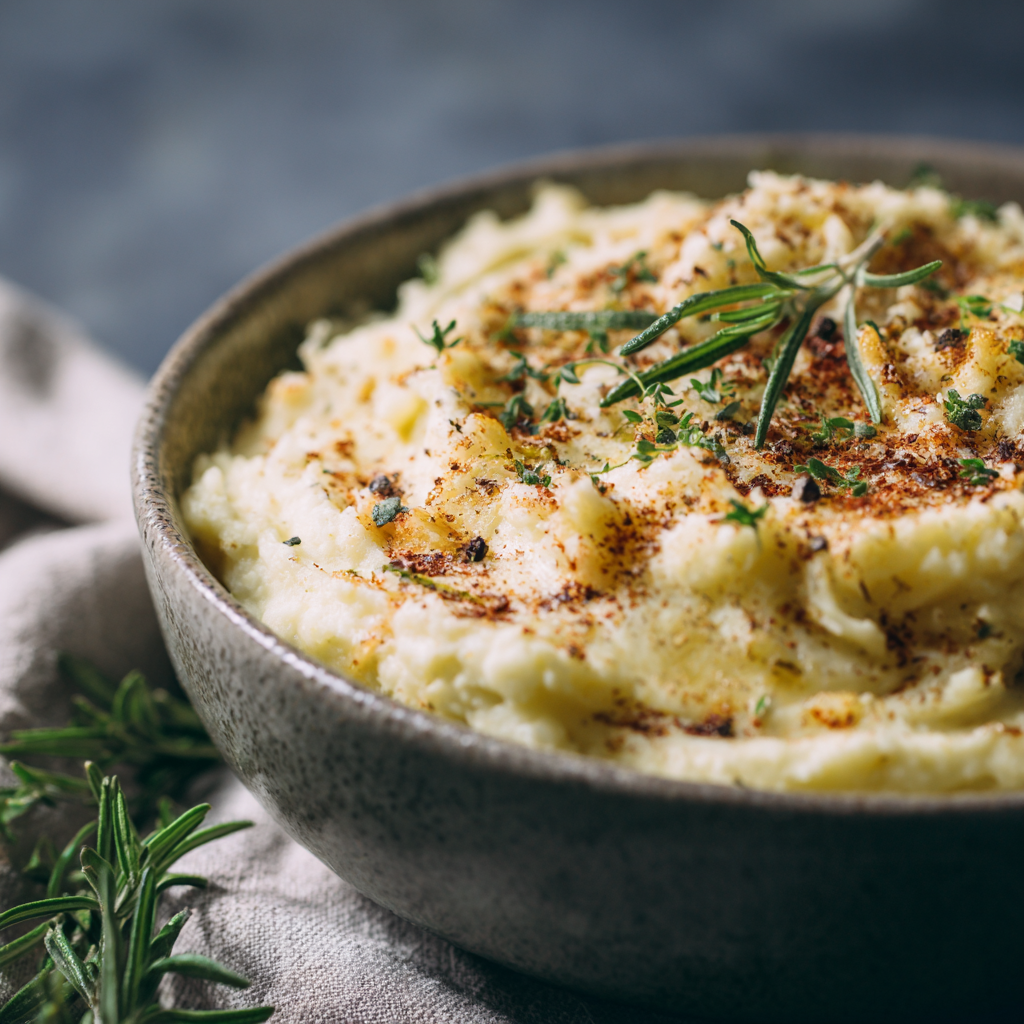
Freezing cauliflower mash works reasonably well for up to 2 months, though the texture may change slightly after thawing. The mash can become slightly grainy or watery, though vigorous stirring or brief reblending usually restores acceptable consistency. Freeze in individual portions for maximum convenience, then thaw overnight in the refrigerator before reheating. While frozen mash won’t be quite as perfect as fresh, it’s still significantly better than most other meal prep options and provides healthy sides when you need them most.
Helpful Notes
Selecting the right cauliflower makes a noticeable difference in your final results. Choose heads that feel heavy for their size with tight, compact florets and fresh green leaves. Avoid cauliflower with brown spots, loose florets, or yellowing color, which indicate age and potential off-flavors. Fresh cauliflower has a mild, slightly sweet smell, while older specimens develop stronger, less pleasant aromas that persist in the finished dish.
Cutting cauliflower into uniform pieces ensures even cooking where everything finishes simultaneously. Aim for florets that are roughly the same size—about 1 to 2 inches—so some pieces don’t become overly soft while others remain undercooked. The stems are perfectly edible and actually quite sweet when roasted, so don’t discard them unless they’re very thick and woody. Simply cut them into similar-sized pieces and roast alongside the florets.
For those who find cauliflower’s flavor too pronounced, several adjustments can make it milder and more potato-like. Adding a small boiled potato to the mash creates hybrid results that taste closer to traditional mashed potatoes while still being significantly lighter. Alternatively, increasing the Parmesan and butter creates richer flavor that masks more of the cauliflower taste. As your palate adjusts to eating more vegetables, you’ll likely find you need these adjustments less and actually begin enjoying cauliflower’s natural flavor.
Common mistakes that create disappointing cauliflower mash include under-roasting the cauliflower, over-blending which creates gluey texture, or under-seasoning which leaves the mash tasting flat. Roast until truly tender and golden, blend just until smooth, and be generous with salt and seasonings—cauliflower needs more seasoning than potatoes to taste vibrant and delicious. These simple precautions ensure your cauliflower mash becomes a beloved staple rather than a disappointing compromise.
Chef Tips
Professional chefs know that slightly over-roasting the cauliflower creates deeper, more complex flavors than stopping when it’s just tender. Let some florets develop dark golden-brown edges for concentrated sweetness and nutty notes that elevate the entire batch. These well-caramelized pieces contribute disproportionate flavor compared to their quantity, making the whole pot of mash taste richer and more interesting.
Another expert technique involves adding a small pinch of nutmeg, which creates warmth and subtle complexity that makes people wonder what makes your mash taste so special. This classic pairing with creamy dishes enhances richness without being identifiable, creating that elusive “restaurant quality” that’s hard to achieve at home. Just a tiny amount—about 1/8 teaspoon—makes a noticeable difference without tasting overtly of nutmeg.
Frequently Asked Questions
Can I make this cauliflower mash ahead of time?
Yes, prepare it up to 2 days ahead and reheat gently with added liquid; the texture won’t be quite as perfect but it’s still delicious and convenient.
Why does my cauliflower mash taste watery?
You likely didn’t roast it long enough to evaporate moisture, or you added too much liquid during blending; roast thoroughly and add liquid gradually.
Can I make this recipe dairy-free?
Absolutely, use olive oil instead of butter, omit cheese, and use coconut yogurt or cashew cream instead of Greek yogurt for equally creamy results.
How do I make cauliflower mash taste more like potatoes?
Add a small boiled potato, increase butter and Parmesan, or mix in some white miso paste for earthier, potato-like flavor.
Is cauliflower mash actually healthier than mashed potatoes?
Yes, it contains about 75% fewer carbs and calories while providing more fiber, vitamins C and K, and antioxidants than traditional mashed potatoes.
Embracing Healthier Comfort Foods
Starting the new year with healthier versions of beloved comfort foods makes wellness goals feel achievable rather than restrictive or punishing. This cauliflower mash proves that you don’t have to give up creamy, satisfying side dishes to eat better—you just need to approach them differently using smart techniques and quality ingredients. When you serve this silky, flavorful mash alongside your favorite protein, you’re demonstrating that healthy eating and genuine enjoyment aren’t mutually exclusive concepts.
The practical advantages of cauliflower mash extend beyond reduced calories and carbohydrates to include impressive versatility that makes meal planning easier. This side dish pairs with virtually anything you’d normally serve with mashed potatoes, which means you can swap it into existing favorite meals without completely overhauling your cooking routine. Furthermore, cauliflower costs less than many specialty “diet” foods while providing superior nutrition, making healthy eating accessible regardless of budget constraints.
Did this Healthy New Year Cauliflower Mash surprise you with how delicious and satisfying it was? If you loved how creamy it turned out, how it satisfied your comfort food cravings while supporting your goals, and how even non-cauliflower fans enjoyed it, we’d be thrilled if you could save this recipe for regular meal rotation, pin it to your healthy eating Pinterest board, or share it with friends looking for lighter side dishes. Your support and enthusiasm inspire us to continue creating and sharing recipes that make healthy eating delicious and sustainable for everyone. Tell us in the comments whether anyone realized it wasn’t mashed potatoes and what you served it alongside—we love hearing about your healthy cooking victories!