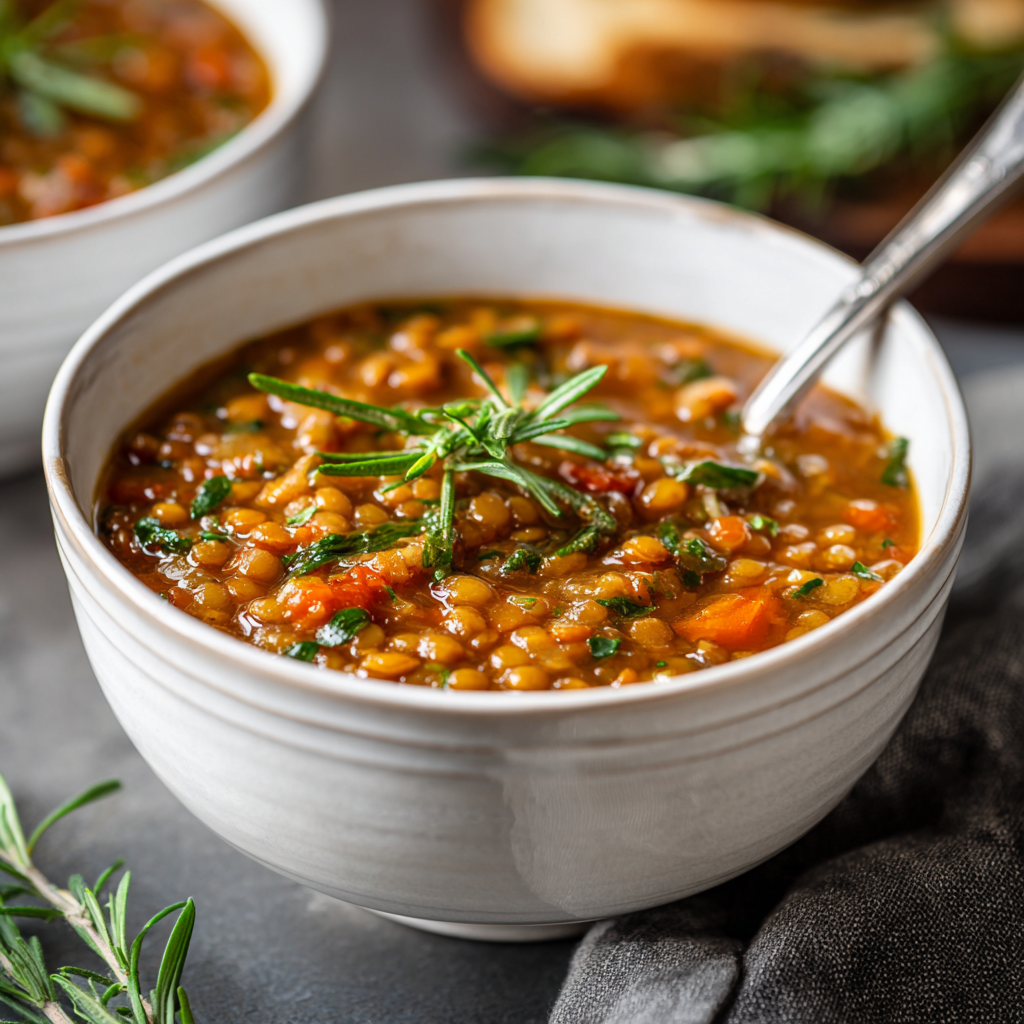
Starting the new year with a pot of warming, nourishing lentil soup feels like wrapping yourself in a cozy blanket while giving your body exactly what it needs to thrive. This hearty soup combines protein-rich lentils, colorful vegetables, and aromatic spices into a satisfying meal that supports your wellness goals without leaving you hungry or feeling deprived. What makes this recipe truly special is how it delivers incredible depth of flavor from simple, wholesome ingredients while providing the kind of lasting fullness that keeps you energized and satisfied for hours. The combination of fiber-packed lentils, nutrient-dense vegetables, and perfectly balanced seasonings creates comfort food that happens to be remarkably good for you. Whether you’re committed to eating healthier this year or simply want to add more plant-based meals to your routine, this soup delivers restaurant-quality taste with minimal effort and everyday ingredients. Best of all, it comes together in one pot, makes generous portions perfect for meal prep, and actually tastes even better the next day as the flavors continue to meld together.
Ingredients
This recipe makes 8 servings.
- 2 tablespoons olive oil
- 1 large yellow onion, diced
- 3 large carrots, peeled and diced
- 3 celery stalks, diced
- 4 cloves garlic, minced
- 1 tablespoon fresh ginger, grated
- 2 cups dry green or brown lentils, rinsed
- 1 can (14.5 ounces) diced tomatoes with juice
- 6 cups low-sodium vegetable broth
- 3 cups water
- 2 bay leaves
- 2 teaspoons ground cumin
- 1 teaspoon ground coriander
- 1 teaspoon turmeric
- 1/2 teaspoon smoked paprika
- 1/4 teaspoon cayenne pepper (optional)
- 1 1/2 teaspoons salt
- 1/2 teaspoon black pepper
- 2 cups fresh spinach or kale, chopped
- 2 tablespoons fresh lemon juice
- 1/4 cup fresh parsley, chopped
- 1/4 cup fresh cilantro, chopped (optional)
- Extra virgin olive oil, for drizzling
- Lemon wedges, for serving
Instructions
- Heat the olive oil in a large stockpot or Dutch oven over medium heat until it shimmers.
- Add the diced onion, carrots, and celery to the pot, stirring to coat with oil.
- Sauté the vegetables for 8 to 10 minutes, stirring occasionally, until softened and the onion becomes translucent.
- Stir in the minced garlic and grated ginger, cooking for 1 to 2 minutes until fragrant.
- Add the cumin, coriander, turmeric, smoked paprika, and cayenne pepper if using.
- Toast the spices for 1 minute while stirring constantly to release their aromatic oils.
- Pour in the rinsed lentils and stir to coat them with the spiced vegetable mixture.
- Add the diced tomatoes with their juice, stirring to incorporate everything.
- Pour in the vegetable broth and water, then add the bay leaves.
- Season with salt and black pepper, stirring to distribute the seasonings evenly.
- Bring the soup to a boil over high heat, stirring occasionally.
- Reduce the heat to medium-low and cover the pot, leaving the lid slightly ajar.
- Simmer for 30 to 35 minutes until the lentils are tender but not mushy.
- Check the lentils for doneness—they should be soft but still hold their shape.
- Stir in the chopped spinach or kale and cook for 2 to 3 minutes until wilted.
- Remove the bay leaves and discard them.
- Stir in the fresh lemon juice, which brightens all the flavors beautifully.
- Taste and adjust seasonings, adding more salt, pepper, or lemon juice as needed.
- Remove from heat and stir in the fresh parsley and cilantro.
- Ladle the hot soup into bowls and drizzle with extra virgin olive oil.
- Serve immediately with lemon wedges on the side for extra brightness.
The Nutritional Power of Lentils
Lentils stand among the most nutrient-dense foods available, offering remarkable health benefits that make them perfect for supporting new year wellness goals. These tiny legumes pack approximately 18 grams of protein and 16 grams of fiber per cooked cup, creating exceptional satiety that keeps you full and satisfied for hours despite being naturally low in calories and fat. Additionally, lentils provide impressive amounts of iron, folate, potassium, and B vitamins that support energy production, blood health, and overall vitality during periods when you’re reducing caloric intake.
The complex carbohydrates in lentils release energy slowly and steadily rather than causing the blood sugar spikes and crashes associated with refined grains or simple sugars. This stable energy supply helps maintain consistent mood, focus, and appetite control throughout your day, which significantly impacts your ability to stick with healthy eating plans. Furthermore, the resistant starch in lentils feeds beneficial gut bacteria and may improve insulin sensitivity, both of which support metabolic health and sustainable weight management.
Unlike many other plant-based proteins, lentils require no soaking and cook relatively quickly, making them accessible even for busy weeknights. Green and brown lentils hold their shape beautifully in soups, maintaining pleasant texture throughout cooking and storage. Meanwhile, red lentils break down more easily and create creamier texture, though either variety works wonderfully in this recipe. This versatility and convenience make lentils an invaluable ingredient for anyone seeking to incorporate more plant-based meals without spending hours in the kitchen.
Building Aromatic Flavor Foundations
The aromatic base of sautéed onions, carrots, celery, garlic, and ginger creates depth and complexity that prevents this healthy soup from tasting bland or one-dimensional. This classic combination, sometimes called a mirepoix with Asian influences, forms the flavor backbone that makes the soup taste rich and satisfying despite containing no meat or added fats beyond the initial olive oil. Taking time to properly cook these vegetables until softened and fragrant releases their natural sugars and develops nuanced flavors that simple simmering alone cannot achieve.
Fresh ginger adds warming spice and bright notes that elevate this soup beyond basic lentil preparations. Ginger also supports digestion and may help reduce inflammation, making it both flavorful and functional in this wellness-focused recipe. The combination of garlic and ginger creates an aromatic foundation common in many global cuisines, giving this soup international flair that keeps your taste buds interested rather than bored by plain, predictable flavors.
The spice blend transforms simple ingredients into a soup with restaurant-quality complexity and depth. Cumin provides earthy warmth that defines Middle Eastern and Indian flavor profiles, while coriander adds citrusy brightness that balances the earthiness. Meanwhile, turmeric contributes subtle peppery notes and that gorgeous golden color along with potential anti-inflammatory benefits. Smoked paprika adds depth without heat, and the optional cayenne provides adjustable spiciness that you can customize to your preferences. Together, these spices create layers of flavor that develop and deepen as the soup simmers.
Choosing the Right Lentils and Cooking Them Perfectly
Selecting the appropriate lentil variety significantly impacts your soup’s final texture and appearance. Brown and green lentils maintain their shape during extended cooking, creating hearty soup with distinct lentils suspended throughout the broth. These varieties provide satisfying bite and visual appeal that makes the soup look more substantial and interesting. Conversely, red or yellow lentils break down quickly and create creamier, thicker consistency that some people prefer for a more porridge-like texture.
For this recipe, brown or green lentils work best because they remain intact and create the ideal balance between brothy and thick. French green lentils (also called Puy lentils) offer the firmest texture and slightly peppery flavor that stays especially distinct throughout cooking. Regular brown lentils provide milder taste and slightly softer texture while still holding their shape beautifully. Both options cook in similar timeframes—about 30 to 35 minutes—making them equally convenient choices.
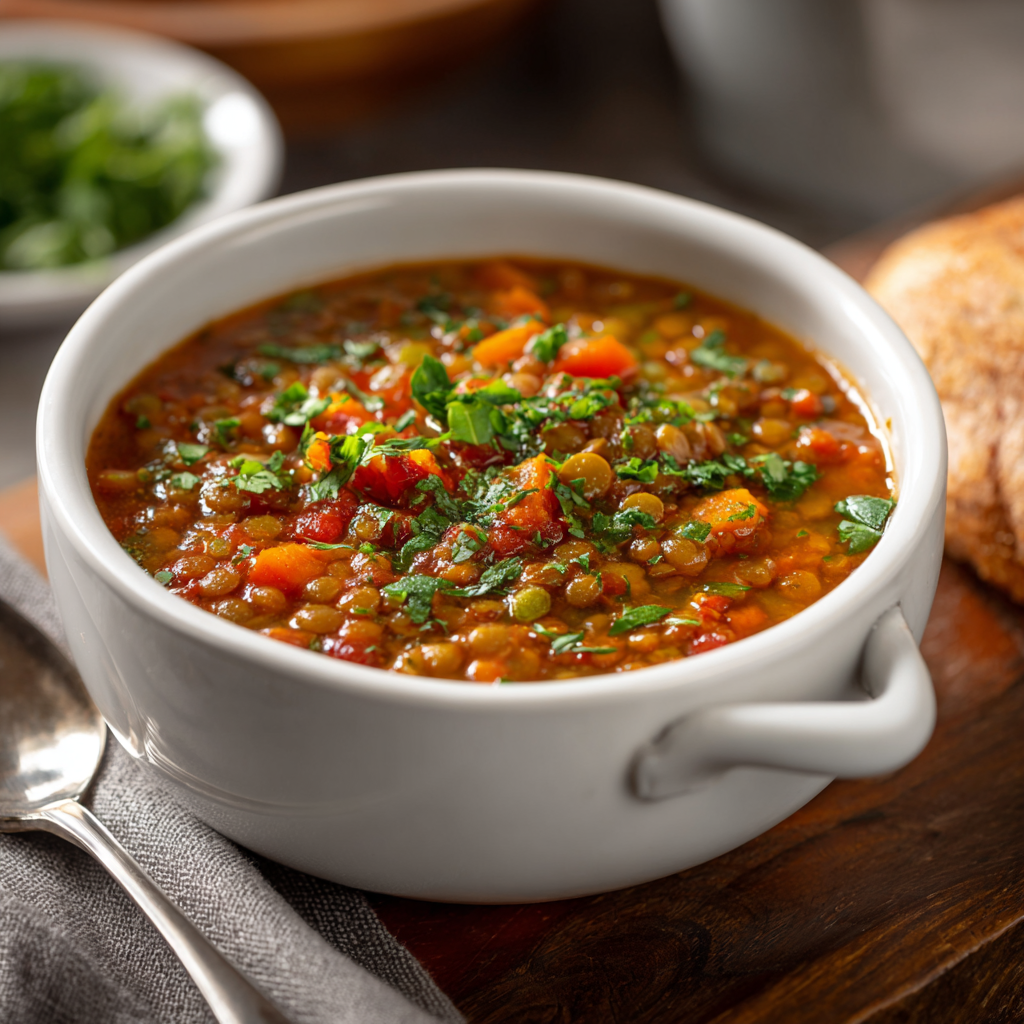
Rinsing lentils before cooking removes any dust or debris and also helps prevent foaming during the initial boiling stage. Unlike beans, lentils require no pre-soaking, which makes them incredibly convenient for spontaneous cooking when you haven’t planned ahead. Simply spread them on a light-colored plate and pick through them briefly to remove any small stones or shriveled lentils, then rinse in a fine-mesh strainer under cold water until the water runs clear. This quick inspection takes less than a minute and ensures pleasant eating experience without unexpected crunch from debris.
Creating Perfect Consistency and Texture
Achieving ideal soup consistency requires balancing liquid, lentils, and vegetables so the finished product is neither too thick nor too watery. The ratio in this recipe creates hearty, stewlike consistency where the broth just covers the lentils and vegetables. If you prefer brothier soup, add an extra cup or two of vegetable broth during cooking. Conversely, if you want thicker results, reduce the liquid slightly or simmer uncovered for the final 10 minutes to concentrate through evaporation.
Lentils continue absorbing liquid as the soup sits, which means it will thicken considerably during storage. This is completely normal and actually creates even better texture for reheated portions, though you’ll likely want to add a splash of broth or water when warming leftovers. Don’t be alarmed if tomorrow’s soup looks much thicker than today’s—this characteristic makes lentil soup excellent for meal prep since the texture actually improves rather than degrading over time.
The addition of leafy greens at the end provides nutritional boost, color contrast, and textural variety that makes the soup more interesting and complete. Spinach wilts almost instantly and maintains its bright green color, while kale requires slightly longer cooking but provides heartier texture and more assertive flavor. Both options contribute vitamins, minerals, and additional fiber without significantly altering the soup’s character. Moreover, adding greens at the end rather than during the long simmer preserves more nutrients and creates better visual appeal than overcooked, olive-drab greens.
Serving and Storing Tips
Serving Tips
Serve this lentil soup hot in deep bowls for a satisfying meal that nourishes both body and soul. The soup works beautifully as a complete light dinner on its own, providing balanced nutrition from protein, carbohydrates, vegetables, and healthy fats. For those wanting more substance, serve it alongside whole grain bread, crackers, or a simple side salad for additional texture and variety. The soup’s hearty nature means even generous portions remain relatively low in calories while providing impressive satisfaction.
Drizzling high-quality extra virgin olive oil over each bowl before serving adds richness, healthy fats, and restaurant-quality finish that elevates the presentation and flavor. This final touch of fat also helps your body absorb fat-soluble vitamins from the vegetables and adds luxurious mouthfeel that makes the soup taste more indulgent. Additionally, serving lemon wedges on the side allows each person to add bright acidity according to their preferences, which can dramatically enhance the flavors.
For those who enjoy additional texture and protein, consider offering optional toppings like toasted pumpkin seeds, crumbled feta cheese, a dollop of Greek yogurt, or crispy chickpeas. These additions transform the soup from simple to special while accommodating different dietary preferences and needs. Furthermore, a sprinkle of red pepper flakes, fresh herbs, or a swirl of harissa paste allows customization that keeps the soup interesting across multiple meals.
Storage Tips
Store leftover soup in airtight containers in the refrigerator for up to 5 days, where the flavors actually improve as they meld together overnight. The lentils continue absorbing the seasoned broth, creating even more flavorful results the next day. This characteristic makes lentil soup ideal for meal prep—cook once on Sunday and enjoy healthy lunches or dinners throughout your busy week without any additional effort beyond reheating.
When reheating refrigerated soup, warm it gently on the stovetop over medium heat, stirring occasionally and adding vegetable broth or water to thin it back to your preferred consistency. Alternatively, microwave individual portions in 2-minute intervals, stirring between each burst to ensure even heating. The soup will definitely thicken during storage, so plan to add liquid during reheating—this isn’t a mistake in the original recipe but rather the natural behavior of lentils absorbing liquid over time.
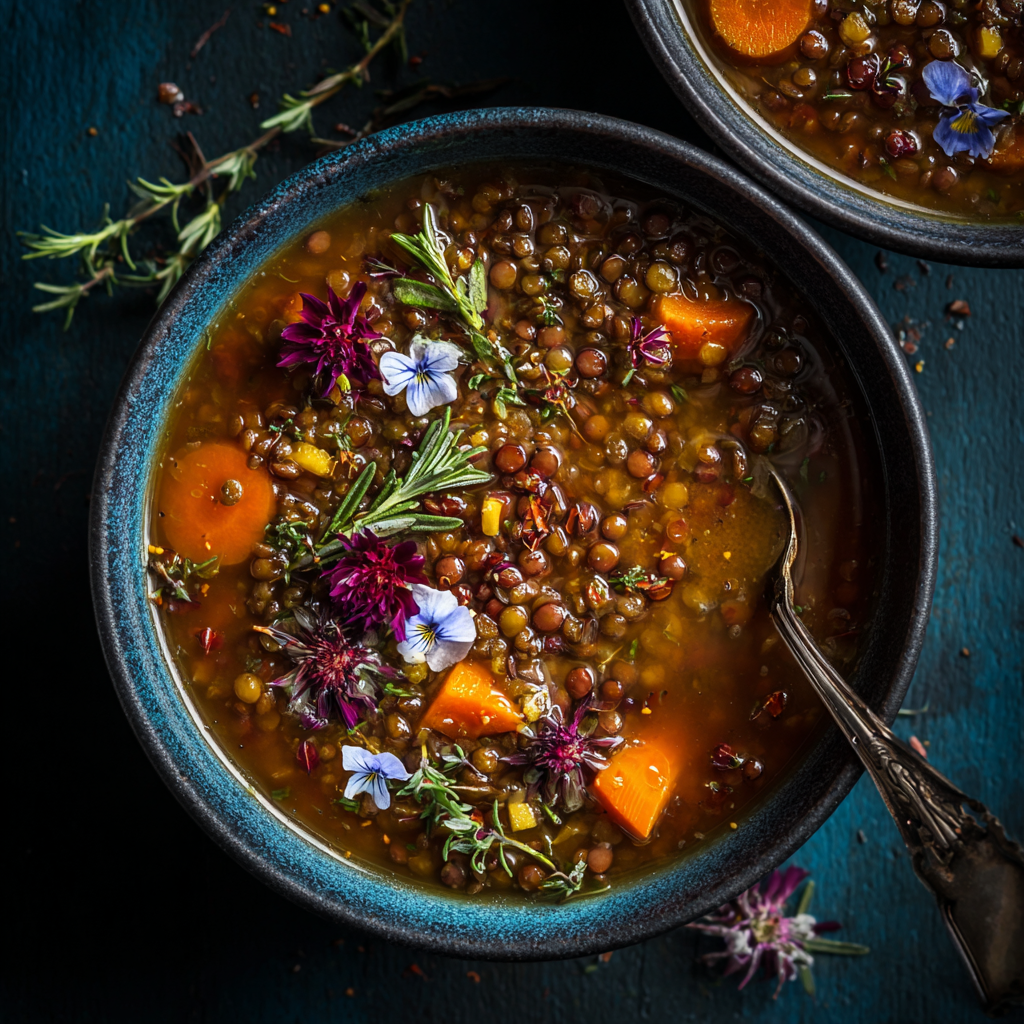
Freezing this lentil soup works exceptionally well for longer storage up to 4 months. Cool the soup completely before transferring it to freezer-safe containers, leaving about an inch of headspace to allow for expansion. For maximum convenience, portion the soup into individual servings before freezing, which allows you to thaw only what you need. Thaw frozen soup overnight in the refrigerator, then reheat as you would fresh leftovers, adding liquid as needed to restore the perfect consistency.
Helpful Notes
Making larger batches of this soup requires minimal additional effort and provides ready-made healthy meals for weeks. Simply double or triple the recipe using your largest stockpot, then portion the cooled soup into containers for easy meal prep. This strategy provides healthy options when you’re tired, busy, or tempted to order takeout, making it significantly easier to stick with wellness goals even during challenging weeks.
For those following specific dietary requirements, this soup adapts easily to various protocols without sacrificing flavor. The recipe is naturally vegan and vegetarian, though you can use chicken broth instead of vegetable broth if you prefer. Make it lower in sodium by using no-salt-added broth and adjusting salt to your taste. Additionally, the soup is naturally gluten-free, making it appropriate for those with celiac disease or gluten sensitivity.
Customizing vegetables based on what you have available or what’s in season makes this recipe endlessly adaptable. Sweet potatoes, butternut squash, zucchini, bell peppers, or mushrooms all work beautifully as additions or substitutions. However, maintain similar total vegetable quantities to preserve the ideal soup consistency. Too many vegetables absorbs too much liquid, while too few creates thin, watery results that lack body and substance.
Common mistakes that compromise flavor include under-seasoning, rushing the initial sauté step, or skipping the finishing lemon juice. Always taste and adjust seasonings before serving, take time to properly soften the aromatic vegetables, and never forget that bright hit of acidity at the end. These simple steps transform plain lentil soup into something genuinely crave-worthy that you look forward to eating rather than forcing down for the sake of your diet.
Chef Tips
Professional chefs understand that toasting spices in hot oil before adding liquids intensifies their flavors dramatically through releasing essential oils and aromatic compounds. This technique, called blooming, takes just one minute but creates exponentially more complex, vibrant taste than simply stirring dried spices into finished soup. The brief exposure to heat activates flavor molecules that would otherwise remain dormant, transforming your soup from good to exceptional.
Another expert technique involves adding the lemon juice at the very end rather than during cooking, which preserves its bright, fresh quality. Acid added early gets cooked out and loses much of its flavor-enhancing power, whereas finishing with lemon juice creates that restaurant-quality brightness that makes all the other flavors pop. This simple trick works in countless recipes and consistently elevates home cooking to professional standards.
Frequently Asked Questions
Can I use red lentils instead of green or brown?
Yes, though they’ll break down and create creamier, thicker soup; reduce cooking time to 15 to 20 minutes and expect different texture.
How do I prevent lentils from getting mushy?
Check them frequently after 25 minutes and remove from heat when tender but still holding their shape; overcooking is the main culprit.
Can I make this soup in a slow cooker?
Absolutely, sauté aromatics and spices first, then transfer everything to a slow cooker and cook on low for 6 to 8 hours or high for 3 to 4 hours.
Why does my soup taste bland?
Increase salt gradually until flavors brighten, add more lemon juice for acidity, or boost spices—proper seasoning transforms lentil soup completely.
Is this soup actually filling enough for a meal?
Yes, the combination of protein, fiber, and complex carbohydrates provides sustained energy and fullness; add whole grain bread if you need more calories.
Nourishing Your Body and Soul
Beginning the new year with intention means finding ways to eat healthfully that feel sustainable rather than punishing or restrictive. This lentil soup represents exactly that balance—genuinely delicious comfort food that happens to align perfectly with wellness goals and provide remarkable nutrition. When you prepare a large pot of this aromatic, satisfying soup, you’re making an investment in your health that pays dividends with every nourishing bowl throughout the week.
The practical advantages of this recipe extend well beyond nutrition to include impressive affordability that makes healthy eating accessible regardless of budget constraints. Lentils cost significantly less than most protein sources, and the simple vegetables required are among the most economical items in any grocery store. Furthermore, the generous yield means this soup costs just dollars per serving, proving that nutritious food doesn’t require expensive specialty ingredients or breaking your budget.
Did this Healthy New Year Lentil Soup become your secret weapon for eating well without feeling deprived? If you loved how satisfying and flavorful it was, how perfectly it supported your wellness goals, and how the leftovers tasted even better throughout the week, we’d be thrilled if you could save this recipe for regular rotation, pin it to your healthy eating Pinterest board, or share it with friends working toward their goals. Your support and enthusiasm inspire us to continue creating and sharing recipes that make nutritious eating delicious and sustainable for everyone. Tell us in the comments what variations you tried and whether this soup has become part of your meal prep routine—we love being part of your wellness journey!