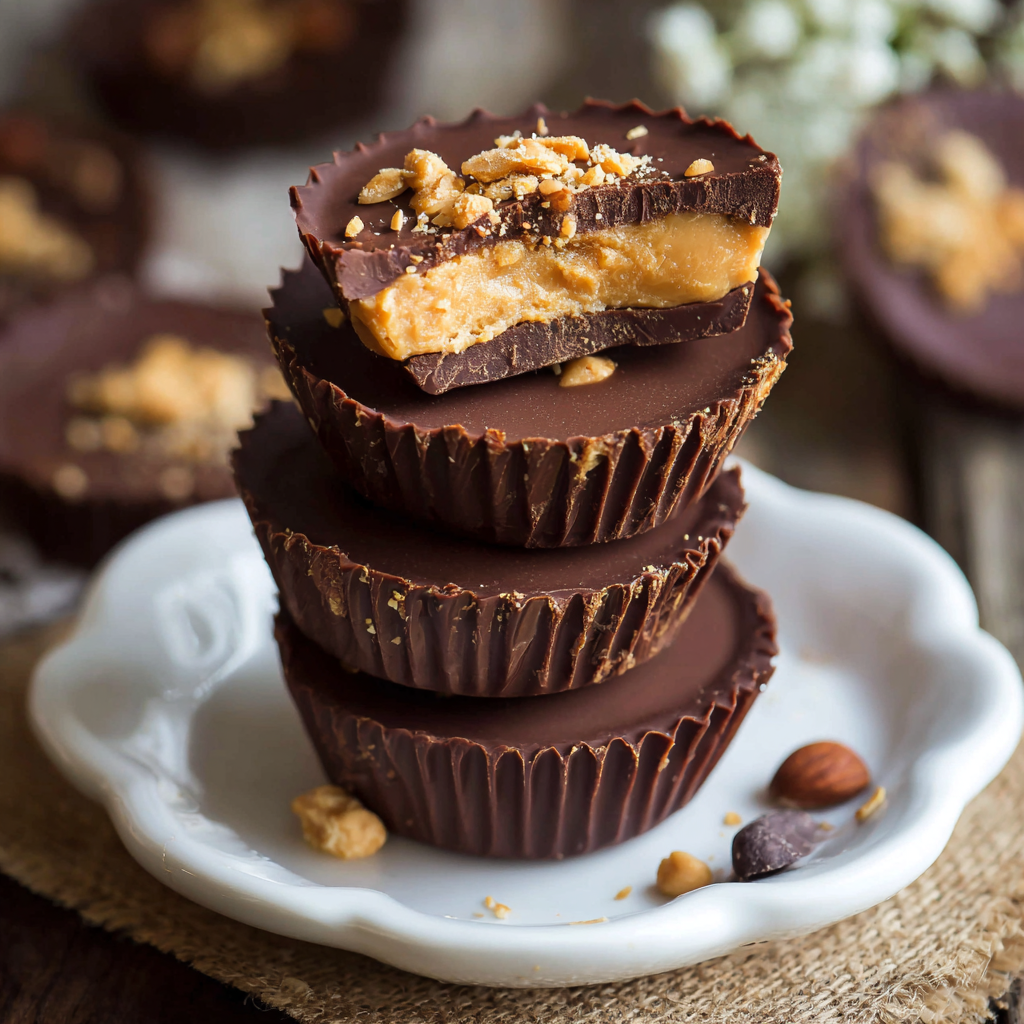
Imagine satisfying intense chocolate and peanut butter cravings while feeling genuinely good about what you’re eating—these healthy peanut butter cups prove that guilt-free indulgence is entirely possible. This healthy peanut butter cups recipe combines natural ingredients with reduced sugar, nourishing fats, and real food components that make each bite both delicious and nutritionally worthwhile. What makes this recipe truly special is how it maintains that perfect balance of crispy chocolate shell and creamy peanut butter center while incorporating wholesome ingredients that actually nourish your body. Using natural sweeteners, quality dark chocolate, and protein-rich peanut butter, these cups deliver genuine satisfaction without the blood sugar spikes or artificial aftertaste of standard candy. Whether you’re managing dietary restrictions, pursuing healthier lifestyle choices, or simply seeking indulgent treats that align with your wellness goals, these healthy peanut butter cups accomplish all three with impressive results. Each cup features real chocolate and peanut butter flavor that tastes luxurious rather than like a compromise, making them perfect for daily enjoyment rather than occasional special treats.
Ingredients
Yields: 12 peanut butter cups
- 8 ounces dark chocolate (70-85% cacao), chopped
- 2 tablespoons coconut oil or cocoa butter
- 1 cup natural peanut butter (creamy or chunky)
- 1/4 cup almond butter (adds richness)
- 1/4 cup unsalted butter, softened
- 1/4 cup monk fruit sweetener or erythritol
- 2 tablespoons coconut sugar (adds subtle complexity)
- 1 teaspoon vanilla extract
- Pinch of sea salt
- 1/2 teaspoon honey or maple syrup (optional, for smoothness)
- Optional toppings: fleur de sel, crushed almonds, or cacao nibs
Why These Healthy Cups Satisfy Completely
First, using monk fruit or erythritol instead of refined sugar eliminates blood sugar spikes while maintaining genuine sweetness that doesn’t taste artificial. Meanwhile, combining peanut butter with almond butter creates richer protein content and more complex flavor compared to peanut butter alone. However, the real magic lies in using high-cacao dark chocolate, which contains more antioxidants and less sugar than milk chocolate while delivering deeper, more sophisticated flavor. Additionally, the combination of natural fats from nuts and coconut oil creates satiety that prevents overeating. As a result, these cups deliver true indulgence without nutritional compromises, making them satisfying enough to enjoy regularly.
Step-by-Step Instructions
1. Prepare your candy mold or muffin tin properly. To begin, gather a standard muffin tin or silicone candy mold designed for twelve cups. Next, if using a metal muffin tin, line each cup with paper liners—these prevent sticking and make removal considerably easier. Additionally, ensure your mold is clean and completely dry. Meanwhile, silicone molds don’t require liners. However, chilling your mold in the freezer for five to ten minutes before starting helps the chocolate set faster and more firmly.
2. Melt your chocolate with coconut oil carefully. Combine your chopped dark chocolate and coconut oil in a heat-safe bowl. Next, place this bowl over a pot of simmering water, creating a double boiler that prevents chocolate from overheating. Alternatively, use short thirty-second microwave bursts, stirring thoroughly between each burst. Meanwhile, heat until the chocolate is completely melted and smooth. However, avoid overheating—chocolate that’s too hot can separate, become grainy, or develop an unpleasant texture.
3. Prepare your peanut butter filling mixture. In a separate bowl, combine your softened butter, natural peanut butter, and almond butter. Next, mix them together thoroughly until well blended and consistent throughout. Additionally, add your monk fruit sweetener or erythritol, coconut sugar, vanilla extract, and sea salt. Stir everything together until you have a smooth, spreadable mixture that resembles thick frosting. Meanwhile, the combination of two sweeteners creates balanced sweetness without artificial aftertaste.
4. Taste and customize your filling mixture. Sample your filling mixture and assess the sweetness level and flavor balance. Next, if it seems too sweet, reduce sweetener slightly in future batches. Meanwhile, if it tastes bland or doesn’t have enough depth, add an additional pinch of sea salt. Additionally, some people prefer slightly less almond butter for pure peanut butter flavor—adjust the ratio based on your personal preferences. However, the combination of both butters creates superior texture and nutrition.
5. Add a thin chocolate layer to each cup. Pour your melted chocolate into your prepared mold, adding approximately one-quarter inch to one-half inch to the bottom of each cup. Next, use a small spoon or brush to ensure the chocolate distributes evenly and covers the entire bottom and sides. Meanwhile, this base layer is essential—it prevents the filling from leaking out during assembly. Additionally, ensure chocolate reaches into all corners and edges for complete coverage.
6. Chill your chocolate base until firm. Place your filled mold in the freezer for about ten minutes, until the chocolate base is firm enough to support the filling without softening. Next, you want it frozen solid but not so frozen that it becomes brittle or cracks easily. Meanwhile, checking at the five-minute mark helps determine readiness. However, ten minutes is typically the ideal timeframe for proper setting without excessive brittleness.
7. Add your nutritious peanut butter filling. Remove your mold from the freezer carefully. Next, spoon approximately one tablespoon of your peanut butter mixture into each chocolate-lined cup. Using the back of a small spoon or your clean finger, smooth and level the filling, leaving about one-quarter inch of space at the top for the final chocolate layer. Meanwhile, work quickly so the chocolate base doesn’t warm and soften. Additionally, pressing firmly ensures your filling is compact and won’t shift during final chocolate application.
8. Cover with the final chocolate layer. Gently reheat your melted chocolate if it has solidified, then carefully spoon the remaining chocolate over each filled cup. Next, use a small offset spatula or knife to smooth the top, ensuring the filling is completely sealed beneath chocolate. Meanwhile, ensure the top layer is evenly distributed and reaches the edges of each cup. Additionally, create level, smooth tops for a professional appearance that looks like artisanal confections.
9. Optional: Add decorative toppings before setting. If desired, sprinkle your optional toppings on the chocolate before it completely sets. Next, fleur de sel enhances chocolate and peanut butter flavors beautifully, while crushed almonds add texture and nutrition. Additionally, cacao nibs provide antioxidants and appealing visual contrast. However, these toppings are entirely optional—the cups are absolutely delicious without them.
10. Chill until completely set and firm. Place your mold back in the freezer for at least 30 minutes, preferably one hour. Next, extended freezing ensures the peanut butter cups are completely solid and set throughout. Meanwhile, you’ll know they’re ready when they release easily from molds without cracking or deforming. Additionally, cold temperatures ensure the chocolate sets properly and won’t be sticky or greasy.
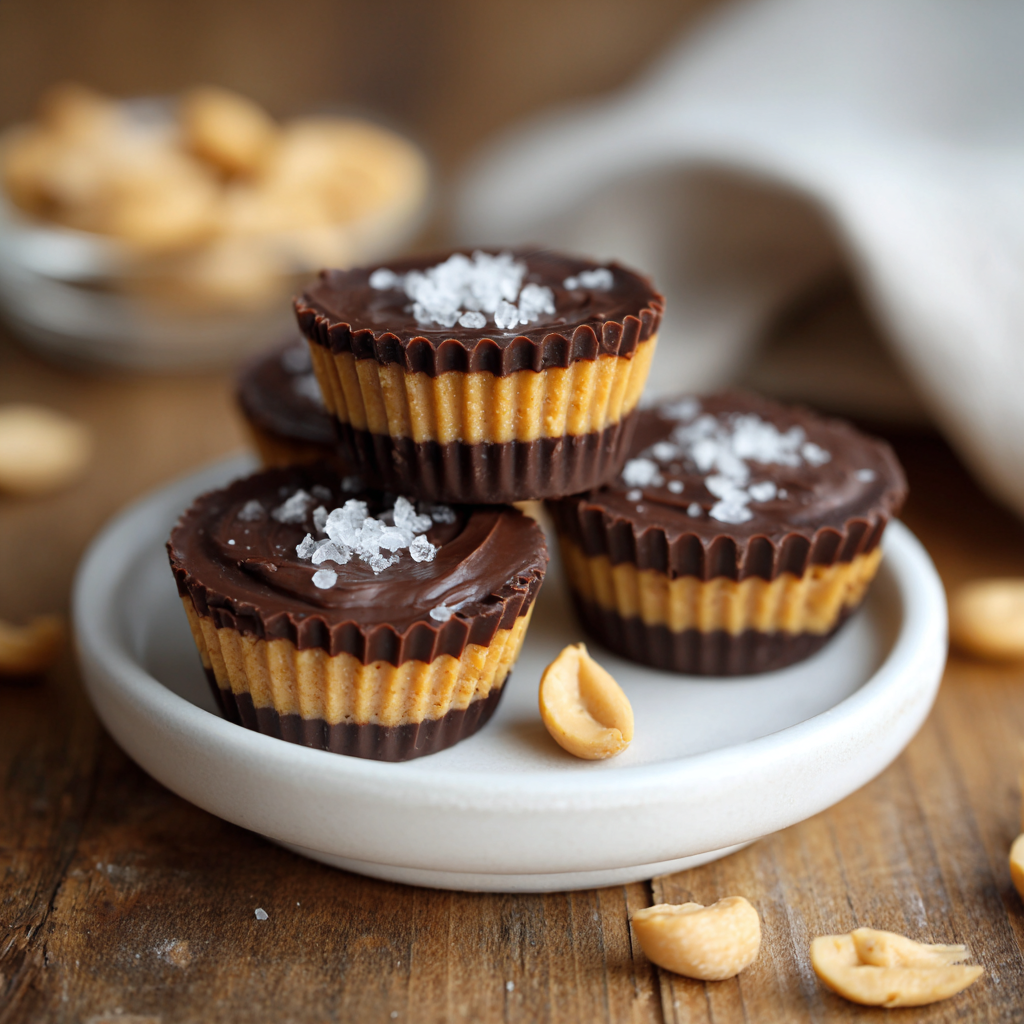
11. Remove from molds with gentle care. Remove your mold from the freezer and allow it to sit at room temperature for two to three minutes. Next, this brief warming makes the cups release more easily without cracking or breaking. Afterward, gently flex the silicone mold or carefully tap the metal tin against your counter to loosen the cups. Meanwhile, pop each cup out gently, handling them carefully with clean hands to avoid fingerprints or dents in the chocolate.
12. Store properly for optimal freshness. Place your finished healthy peanut butter cups in an airtight container, separating layers with parchment paper to prevent sticking. Next, store them in the refrigerator for optimal quality, texture, and flavor preservation. Meanwhile, they maintain perfect texture and integrity when kept chilled. However, they can also be stored at room temperature if your kitchen stays relatively cool, though they may soften slightly.
Serving and Storage Tips
How to Serve Your Healthy Peanut Butter Cups
First, serve your peanut butter cups chilled directly from the refrigerator, allowing the chocolate shell to snap delicately and the peanut butter center to have a perfect firm-yet-creamy texture. Next, enjoy them as afternoon snacks, post-workout treats, or dessert after meals without guilt or nutritional compromise. Additionally, package them beautifully in decorative boxes or cellophane bags tied with ribbon for impressive gifts to health-conscious friends and family. However, they’re equally satisfying eaten casually straight from your storage container. Furthermore, these cups pair beautifully with herbal tea or black coffee, creating a luxurious treat that feels indulgent despite being genuinely nourishing. As a result, these cups work equally well for personal daily enjoyment and impressive gift-giving.
Proper Storage and Extended Shelf Life
To begin, store your healthy peanut butter cups in an airtight container in the refrigerator for up to four weeks. Next, they maintain perfect texture and flavor when kept chilled at all times. Additionally, these cups freeze beautifully for up to three months when stored in a freezer-safe container with parchment paper between layers. Furthermore, thaw frozen cups in the refrigerator for 30 minutes before serving, maintaining that perfect firm-yet-creamy texture. However, you can also enjoy them straight from the freezer for a firmer, crunchier bite. In contrast to standard candy, these healthy versions maintain superior texture and nutritional integrity throughout extended storage.
Helpful Notes and Tips for Success
Understanding key techniques ensures your healthy peanut butter cups turn out absolutely professional and delicious every single time. First, the quality of your chocolate matters significantly for both flavor and nutritional value. Meanwhile, look for chocolate specifically labeled as containing minimal additives with no refined sugar added. However, using high-cacao dark chocolate ensures more antioxidants and deeper flavor despite lower sugar content.
Next, natural peanut butter is absolutely essential for this recipe’s integrity and nutritional value. Additionally, avoid heavily processed peanut butter filled with added sugars and hydrogenated oils. Meanwhile, natural peanut butter may have oil separation on top—simply stir it back in before using. However, if your natural peanut butter seems excessively oily, drain off some excess oil before measuring for proper consistency.
Furthermore, choosing the right natural sweetener significantly impacts your final cups’ flavor profile. To begin, monk fruit sweetener provides clean sweetness without metallic aftertaste that some people notice from erythritol. Meanwhile, erythritol creates slightly grainier texture in some applications. However, many people enjoy the combination of both, which balances sweetness perception and prevents aftertaste. Additionally, adding a small amount of coconut sugar provides subtle complexity and minerals compared to pure synthetic sweeteners.
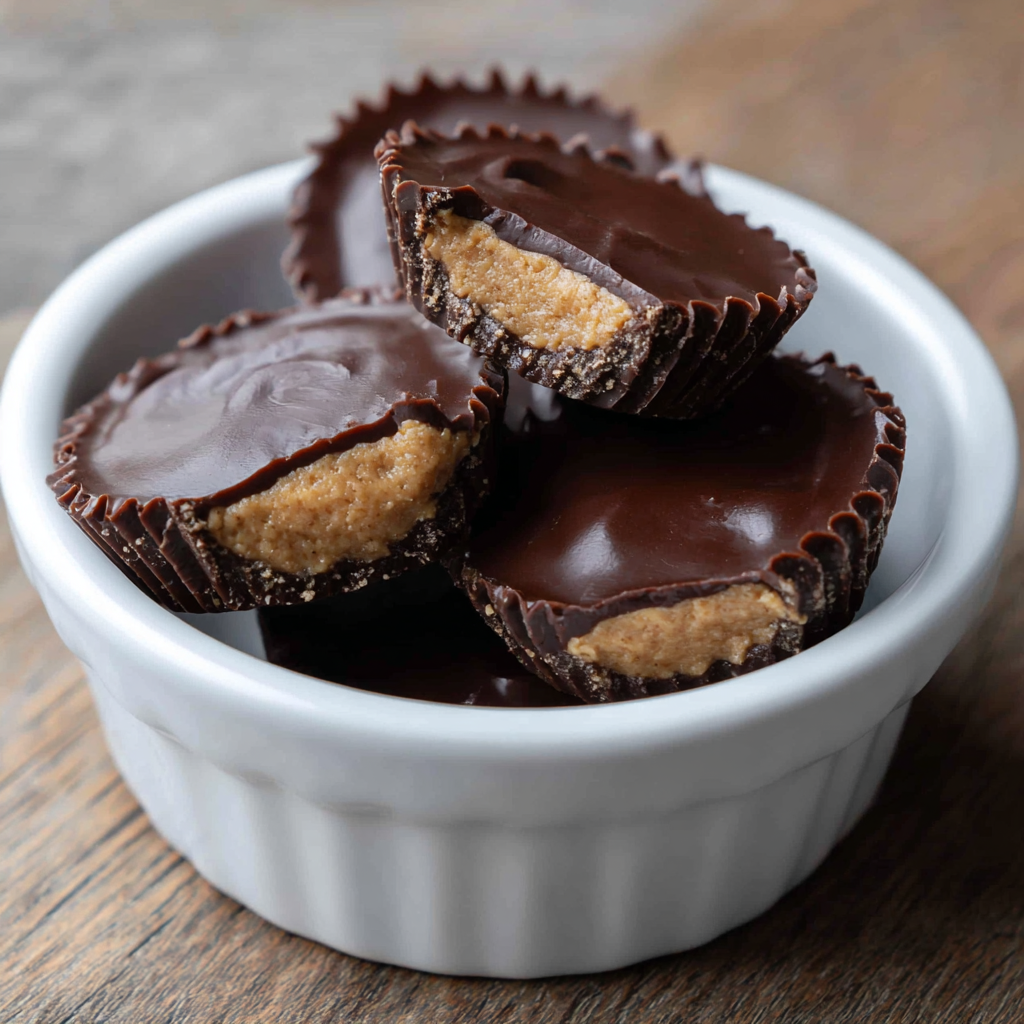
Additionally, the almond butter adds richness and increases protein content beyond peanut butter alone. To begin, this combination creates more complex flavor that tastes more sophisticated. Meanwhile, you can adjust the ratio based on preference—use more almond butter for nuttier flavor or less for pure peanut butter emphasis. However, the combination provides superior nutrition compared to using only one nut butter.
Finally, working quickly when assembling your cups prevents the chocolate base from softening and losing its crisp texture. To begin, organize all your ingredients and tools beforehand. Meanwhile, having everything within reach prevents scrambling mid-process. As a result, preparation and organization translate directly into better results and fewer frustrations.
Common Mistakes to Avoid
To begin, one frequent error is overheating chocolate, which causes it to become grainy, separated, or unpleasantly thick. Meanwhile, slow, gentle heat applied via double boiler or short microwave bursts prevents this issue. However, if you do accidentally overheat chocolate, a small amount of additional coconut oil stirred in might help salvage it.
Additionally, another mistake involves using sweeteners that taste artificial or leave unpleasant aftertaste in your mouth. In contrast, quality monk fruit or erythritol from reputable brands creates genuinely pleasant sweetness. Furthermore, some home cooks skip the salt, missing out on the crucial flavor enhancement it provides. However, even a tiny pinch significantly improves chocolate and peanut butter flavors without making the cups taste salty.
Finally, filling cups too generously causes peanut butter to leak out the sides when you apply the final chocolate layer. Meanwhile, keeping about one-quarter inch of space at the top ensures a proper seal and professional appearance. As a result, showing restraint with filling creates superior final results that look and taste impressive.
Chef Tips
Professional chocolatiers recommend tempering your chocolate for an ultra-shiny, snappy finish with a satisfying snap when bitten, though it requires more technique than the simple melting method described here. Additionally, for extra sophistication, add one-quarter teaspoon of instant espresso powder to your peanut butter filling—this enhances chocolate flavor without making the filling taste like coffee, creating restaurant-quality depth and complexity.
Frequently Asked Questions
How many grams of sugar are actually in these healthy peanut butter cups? These cups contain approximately 2-3 grams of net carbs per cup when using monk fruit or erythritol, compared to 15-20 grams in standard peanut butter cups. The natural sweeteners provide sweetness without blood sugar impact.
Can I substitute different nut butters for the almond butter? Absolutely. You can use cashew butter, sunflower seed butter, or tahini as alternatives. However, these alternatives have different oil content, which may require slight adjustments to sweetener amounts for proper consistency.
What’s the best natural sweetener for these cups? Monk fruit sweetener provides clean sweetness without metallic aftertaste, though erythritol works acceptably. Some people prefer combinations of both for balanced sweetness perception.
Can I make these cups completely nut-free? You can substitute sunflower seed butter for the nut butters, creating delicious nut-free healthy cups. The flavor profile will be slightly different but equally satisfying.
Do these healthy cups provide any nutritional benefits? Yes. These cups contain protein from peanut and almond butters, antioxidants from dark chocolate, and healthy fats that support satiety. They provide genuine nutrition compared to standard candy.
Why These Healthy Peanut Butter Cups Become Daily Treats
First, the ability to enjoy chocolate and peanut butter confections without guilt or nutritional compromise is genuinely life-changing for health-conscious individuals. Next, the superior flavor delivers satisfaction that prevents cravings and overeating. Meanwhile, the sustained energy from protein and healthy fats makes these suitable as afternoon snacks or post-workout treats. Additionally, the absence of blood sugar spikes means stable energy throughout your day. Furthermore, because they freeze beautifully, you can batch-prepare for convenient treats throughout the month.
As a result, these healthy peanut butter cups bridge the gap between indulgence and genuine nutrition perfectly. In contrast to diet candy that tastes artificial or disappointing, these deliver authentic satisfaction. However, they require no special equipment beyond a standard mold or muffin tin. Additionally, once you master this basic formula, you’ll find yourself experimenting with different chocolate percentages or nut butter combinations. Therefore, this recipe deserves a permanent place in your healthy snack rotation.
The Bottom Line
Healthy peanut butter cups represent the ideal solution for those seeking authentic, indulgent confections that align with wellness goals without compromise. Next, whether you’re managing blood sugar, pursuing sustainable health improvements, or simply wanting treats that nourish rather than deplete, this recipe delivers professional results every single time. Additionally, the combination of quality dark chocolate, natural nut butters, and smart sweetening creates something genuinely memorable and worth making regularly.
To begin your healthy peanut butter cup journey, invest in quality dark chocolate and natural nut butters this week. Afterward, set aside 45 minutes on your next afternoon to create your first batch. Furthermore, as you bite into your first healthy cup and taste the genuine chocolate and peanut butter flavor without artificial aftertaste, you’ll understand why making these confections is absolutely worthwhile. The authentic taste, impressive nutrition, minimal required effort, and remarkable satisfaction combine to create something truly special that transforms your relationship with indulgent treats.
Did you adore this healthy peanut butter cups recipe? We’d absolutely love to hear about it! Please save this recipe for your next snack occasion, pin it to your Pinterest board for easy access, and share it with friends and family who deserve delicious, nutritious homemade treats. Your love and support mean everything to us—every save, share, and pin encourages us to create more delicious recipes and helpful health-conscious content. Thank you for being part of our warm, welcoming culinary community!