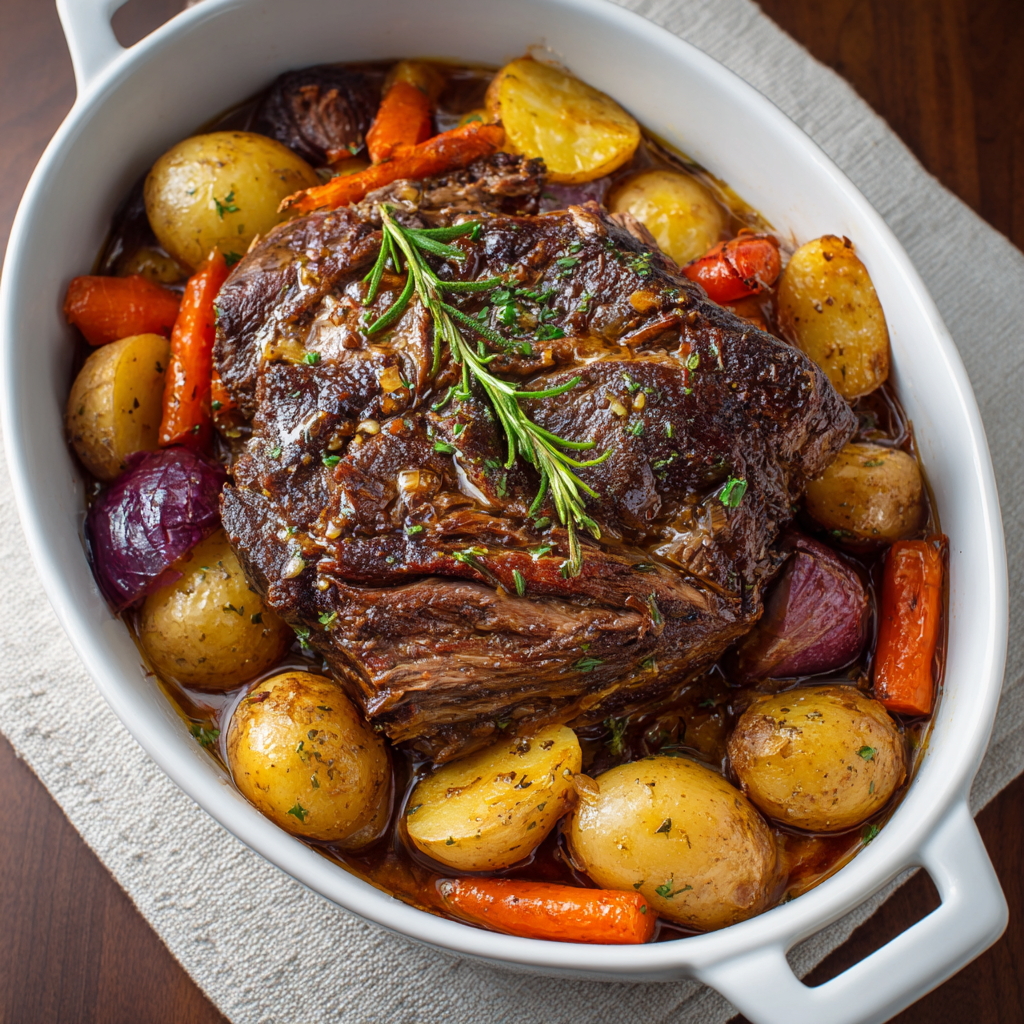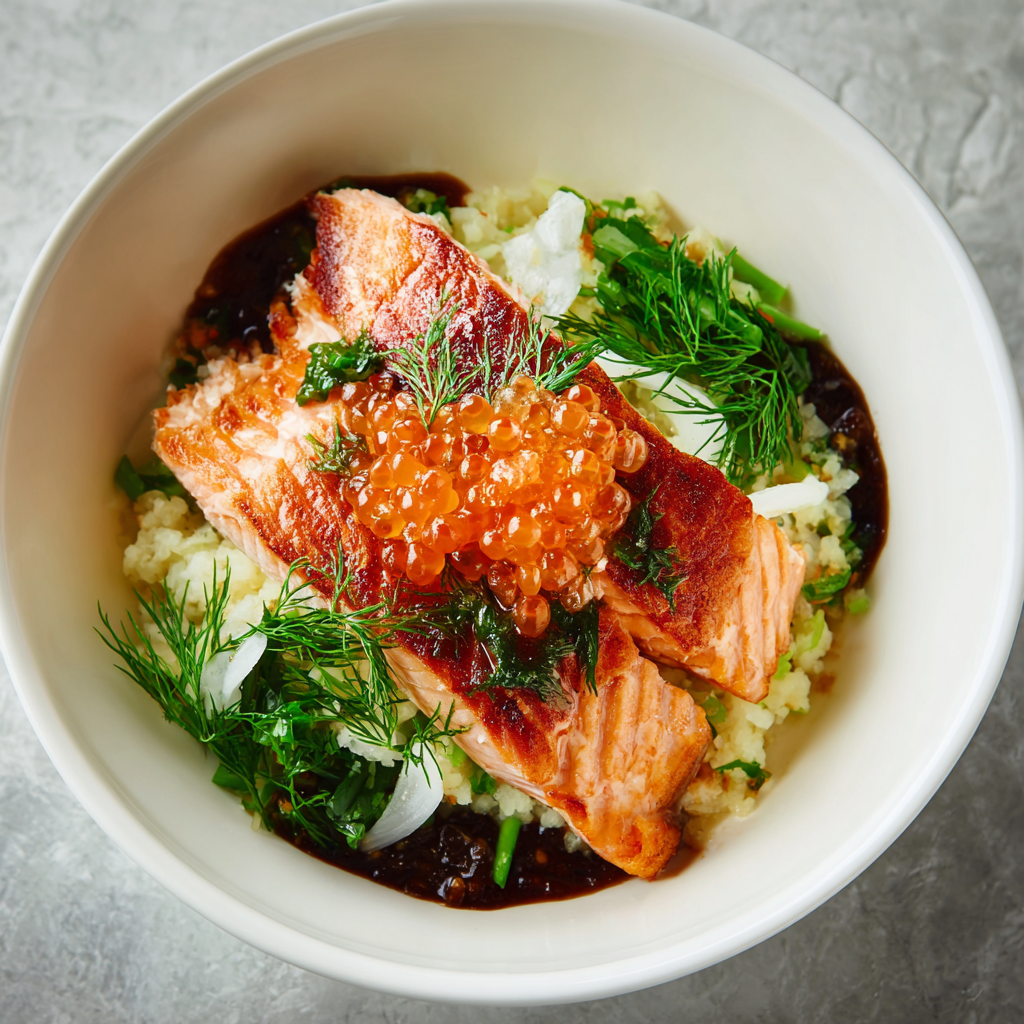
Winter is the perfect season to embrace salmon—when wild-caught varieties reach peak nutrition and farm-raised options become more sustainable and affordable. This Healthy Salmon Bowl for Winter transforms this magnificent fish into a restaurant-worthy meal that nourishes your body while satisfying your deepest comfort food cravings. Loaded with omega-3 fatty acids that combat winter depression and inflammation, protein that keeps you satisfied for hours, and vibrant roasted vegetables that add color and nutrients to gray winter days, these bowls prove that healthy eating tastes absolutely incredible. First, salmon provides exceptional heart health benefits through its natural oils and nutrients that become especially important during months when we spend more time indoors and move less. Next, the combination of crispy-skinned salmon with warm grains and roasted vegetables creates layers of texture that keep every bite interesting and deeply satisfying. Additionally, this recipe comes together in just 30 minutes, making it accessible for busy weeknights when elaborate cooking feels impossible. Most importantly, these bowls bridge the gap between genuine nutrition and authentic enjoyment, proving that you don’t need to choose between eating well and eating deliciously—with this recipe, you absolutely can have both.
Ingredients
This recipe makes 2 servings (one generous bowl per person).
For the Salmon:
- 2 salmon fillets (5 to 6 ounces each), skin-on or skinless
- 2 tablespoons extra virgin olive oil, divided
- 1 teaspoon Dijon mustard
- 1 tablespoon fresh lemon juice
- 1/2 teaspoon garlic powder
- 1/2 teaspoon paprika
- 1/4 teaspoon black pepper
- 1/4 teaspoon sea salt
- 1/2 teaspoon fresh dill, chopped (or 1/4 teaspoon dried dill)
- Lemon slices for roasting
For the Bowl Base:
- 2 cups cooked quinoa or wild rice, warm
- 2 cups baby spinach or mixed greens
- 1/2 cup shredded purple cabbage
- 1/4 cup shredded carrots
For the Roasted Vegetables:
- 1 cup Brussels sprouts, halved
- 1/2 cup diced beets or red onion
- 1 small parsnip, cut into batons
- 1 cup broccoli florets
- 1 tablespoon olive oil
- 1/2 teaspoon sea salt
- 1/4 teaspoon black pepper
- 1/4 teaspoon garlic powder
For the Creamy Dill Dressing:
- 1/2 cup plain Greek yogurt
- 2 tablespoons fresh dill, chopped (or 1 teaspoon dried dill)
- 1 tablespoon lemon juice
- 1 clove garlic, minced
- 1/4 teaspoon sea salt
- 1/8 teaspoon black pepper
- 2 to 3 tablespoons water (to reach desired consistency)
For Toppings and Garnish:
- 1/4 cup pomegranate seeds or fresh cranberries
- 2 tablespoons raw pumpkin seeds
- 1/2 avocado, sliced
- Fresh dill sprigs for garnish
- Lemon wedges for serving
- Sprinkle of sea salt, optional
Preparing Perfect Pan-Seared Salmon
To begin, remove your salmon fillets from the refrigerator about 10 minutes before cooking—this allows them to reach closer to room temperature, ensuring more even cooking throughout. Pat the fillets dry using paper towels, as moisture prevents proper browning and creates steam instead of the desirable golden crust. First, in a small bowl, combine the Dijon mustard, fresh lemon juice, garlic powder, paprika, black pepper, sea salt, and fresh dill to create a flavorful coating. Next, brush this mixture evenly over both sides of each salmon fillet, ensuring complete coverage that adds flavor and helps create a beautiful exterior.
Heat one tablespoon of olive oil in a large skillet over medium-high heat until the oil shimmers and moves easily across the pan. Once hot, carefully place the salmon fillets skin-side down (if using skin-on) in the skillet, listening for the satisfying sizzle that indicates proper heat. Cook for four to five minutes without moving the fillets, allowing them to develop a golden, crispy exterior. Resist the urge to flip or move them around, as this disrupts the browning process and prevents that coveted textural contrast.
After four to five minutes, gently flip the fillets and add small lemon slices around them in the pan. Cook for an additional two to three minutes on the second side, until the internal temperature reaches 145 degrees Fahrenheit when measured with a meat thermometer. The salmon should be opaque throughout with just a hint of translucency in the very center—this indicates perfect doneness that remains moist and tender rather than dry or overcooked. Remove from heat and allow the salmon to rest in the pan for a minute before transferring to your serving bowls, which allows the juices to redistribute and keeps the fish incredibly moist.
Roasting Vegetables for Winter Depth
Meanwhile, prepare your roasting vegetables by washing them thoroughly and cutting them into uniform sizes—this ensures even cooking throughout without some pieces becoming mushy while others remain raw. Add the halved Brussels sprouts, diced beets or red onion, parsnip batons, and broccoli florets to a large bowl. Drizzle with one tablespoon of olive oil and season generously with sea salt, black pepper, and garlic powder. Toss everything together using a rubber spatula or wooden spoon, ensuring each piece is well coated and the oil distributes evenly throughout.
Spread the vegetables across a large rimmed baking sheet in a single layer, making sure nothing overlaps excessively. First, this allows steam to escape and promotes proper caramelization rather than steaming. Next, roast in a preheated 400-degree Fahrenheit oven for 18 to 22 minutes, stirring halfway through to ensure even browning. The vegetables should be tender with caramelized, slightly darkened edges when finished—this brings out their natural sweetness and creates layers of complex flavor that elevate the entire bowl.
Remove from the oven and taste, adjusting salt and pepper as needed. Additionally, if your roasted vegetables finish before your salmon, transfer them to a plate and cover loosely with foil to keep them warm without continuing to cook. The combination of tender interiors with crispy edges creates textural contrast that makes these vegetables genuinely exciting rather than just a supporting player on your plate.
Creating the Creamy Dill Dressing
To prepare this fresh, bright dressing, combine the plain Greek yogurt and chopped fresh dill in a small bowl, stirring them together gently until the herbs distribute evenly throughout. Add the fresh lemon juice and minced garlic, whisking well to incorporate these zesty, punchy flavors that define this sauce. Next, sprinkle in the sea salt and black pepper, stirring until everything combines smoothly and creates a cohesive mixture.
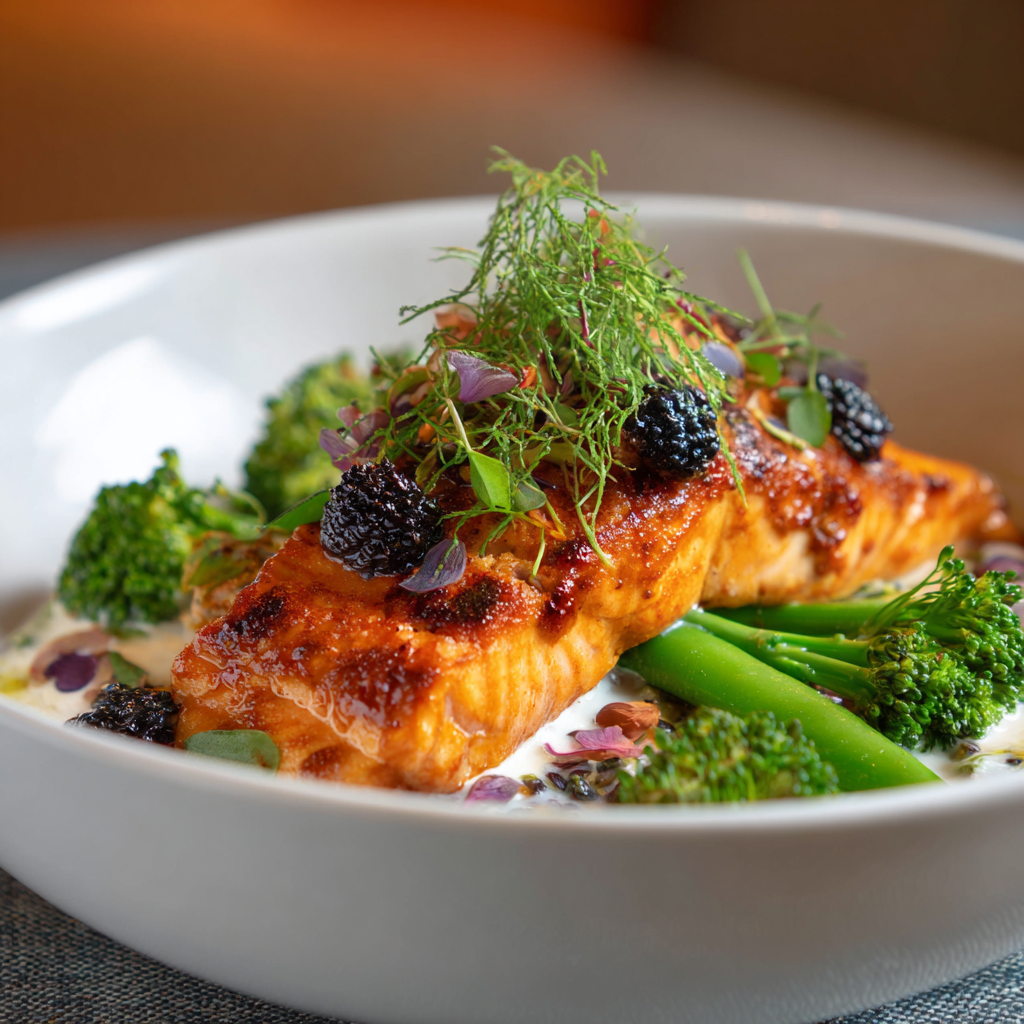
Pour in two tablespoons of water while whisking constantly, adding more one tablespoon at a time until the dressing reaches your desired consistency. The finished dressing should be pourable but still coat a spoon richly, not watery or too thin that it immediately sinks through your bowl components. Taste and adjust the lemon juice or fresh dill according to your preference—this component should feel bright and herbaceous, complementing the rich salmon beautifully. First, remember that dressing thickens slightly as it sits in the refrigerator, so start with consistency slightly looser than your final preference. Next, this homemade version far surpasses store-bought ranch or dill sauce, offering genuine herbs and healthy probiotics from Greek yogurt without mysterious additives.
Assembling Your Winter Salmon Bowl
To begin assembly, divide your warm cooked quinoa or wild rice evenly between two large bowls, creating a generous foundation for all the other components. Next, layer the baby spinach or mixed greens on top of the grain base, which will wilt slightly from the warmth of the rice while remaining fresh and nutrient-dense. Afterward, arrange a generous portion of your roasted vegetables on top of the greens, distributing them evenly across the bowl.
Place a beautifully pan-seared salmon fillet on each bowl, positioning it prominently so it’s the star of the presentation. Add shredded purple cabbage and shredded carrots for bright color, fresh crunch, and nutritional boost. First, scatter pomegranate seeds or fresh cranberries across the surface, adding bursts of tartness and jewel-like visual appeal. Next, arrange avocado slices on each bowl, positioning them so they’re visible and accessible in every bite without the creamy texture becoming lost among other components.
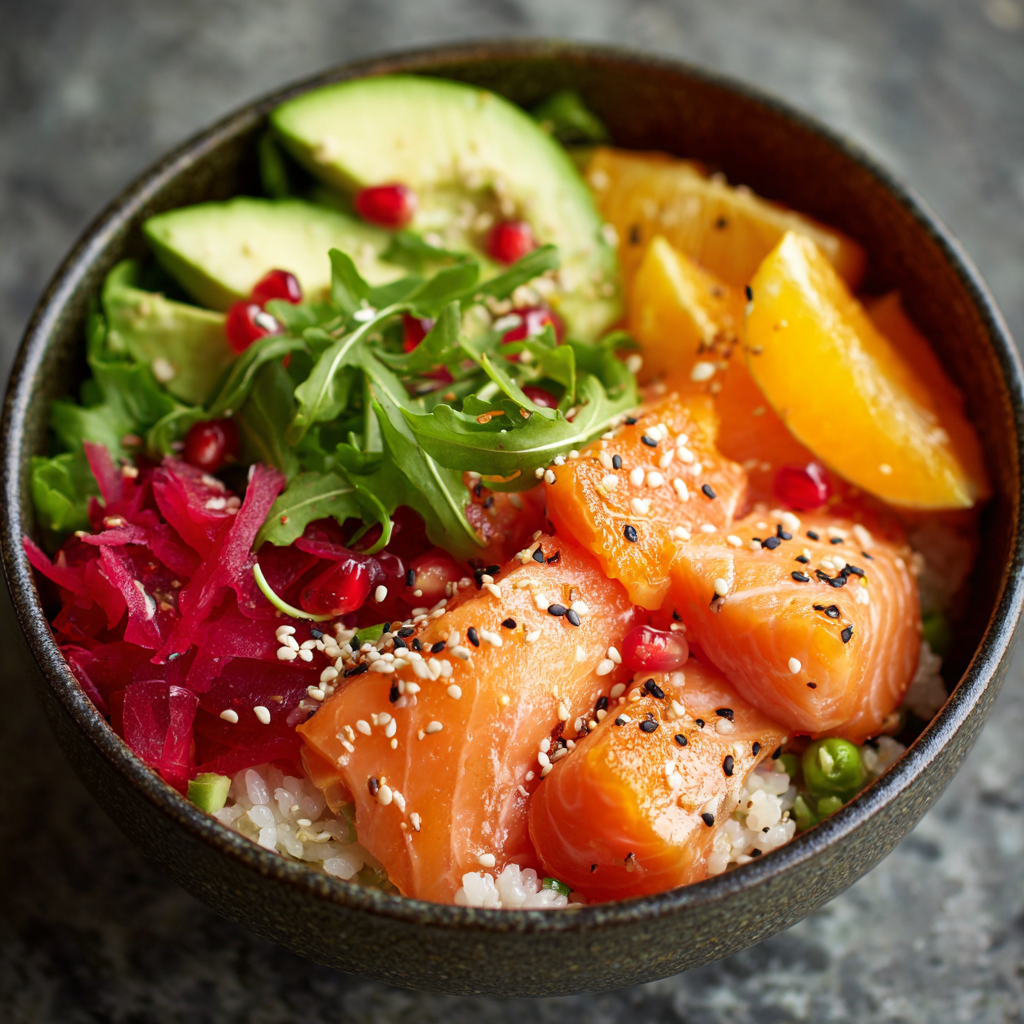
Sprinkle raw pumpkin seeds across the top for additional texture, healthy fats, and minerals that support winter immune function. Drizzle the creamy dill dressing generously across each bowl, allowing it to settle into crevices and lightly coat all components. Finally, add fresh dill sprigs as a final garnish for herbaceous aroma and visual sophistication, then serve immediately with lemon wedges on the side. The combination of warm, cooked elements with cool, fresh components creates a dynamic eating experience that satisfies on every level.
Serving and Storing Tips
Serving Tips
These bowls shine brightest when served warm, with the salmon still carrying heat while fresh toppings provide cool contrast and textural interest. Present them in substantial bowls or on large plates to make the meal feel restaurant-quality and worthy of your efforts. Additionally, arrange extra lemon wedges and additional dressing on the side, allowing guests or family members to customize their bowls to their exact preferences. Furthermore, they pair beautifully with warm crusty whole grain bread for soaking up extra dressing, or enjoy them on their own as a complete, balanced meal requiring no additional carbohydrates.
A crisp white wine like Sauvignon Blanc or a refreshing sparkling water with fresh lemon complements these bowls perfectly. For a casual gathering, serve the components in separate bowls family-style, allowing everyone to assemble their own personalized version with their preferred ratios of each ingredient. Consider adding small serving spoons so guests can help themselves to exactly the portion sizes they desire.
Storage Tips
First, store the cooked salmon, cooked grain base, and roasted vegetables in separate airtight containers in the refrigerator for up to three days. Afterward, keep the fresh components including spinach, purple cabbage, shredded carrots, pomegranate seeds, avocado, and fresh dill in their own containers rather than mixing them together—this prevents them from becoming soggy, wilted, or discolored. Store the pumpkin seeds in an airtight container in your pantry for up to two weeks, maintaining their crispness and nutritional integrity.
Additionally, keep the creamy dill dressing in a sealed container for up to four days, though it may thicken slightly as it sits. When ready to enjoy a bowl from your meal prep work, simply reheat the salmon and grain together in the microwave for 60 to 90 seconds, then top with the fresh components and drizzle with dressing. Next, if your salmon becomes overcooked during reheating, eat it cold instead, which remains absolutely delicious and prevents the texture from becoming dry. Unlike fully assembled bowls which become soggy after a few hours, storing components separately maintains their individual quality and textures throughout the week.
Helpful Notes and Ingredient Substitutions
The beauty of this recipe lies in its flexibility, allowing you to adapt it based on what’s available at your fishmonger, seasonal vegetables, and personal preferences. For salmon alternatives, substitute with any firm white fish like halibut or cod, adjusting cooking time slightly based on thickness—these work beautifully with the same seasoning and preparation method. Additionally, try trout, mackerel, or Arctic char for different flavor profiles that offer similar nutritional benefits and omega-3 content.
For grain options, replace quinoa or wild rice with farro, barley, brown rice, or even cauliflower rice if you prefer a lower-carb approach. Furthermore, any roastable winter vegetables work wonderfully—try cauliflower, carrots, root vegetables like turnips or rutabagas, or leafy greens like kale. Next, if you don’t have fresh dill available, substitute with fresh parsley, tarragon, or chives for different herbaceous profiles that complement salmon equally well.
To save time during busy weeks, cook your grain base and roast your vegetables during Sunday meal prep, storing them separately until assembly day. Moreover, the salmon can be prepared up to a day in advance and eaten cold, though it tastes best served warm. Next, prep your fresh vegetables and store them in separate containers—this takes just 10 minutes but saves considerable time throughout the week. Avoid common mistakes by not overcooking salmon, which becomes dry and loses its tender, buttery texture—use a meat thermometer to ensure perfect doneness at 145 degrees Fahrenheit.
Additionally, don’t skip seasoning your roasted vegetables adequately—they require generous salt and pepper to taste their best, so taste and adjust before serving. Next, ensure your skillet is sufficiently hot before adding salmon, as a properly heated pan creates the desirable golden crust that adds tremendous flavor and textural appeal.
Chef Tips
First, save the salmon skin after cooking and crisp it further in a separate pan—when broken into small pieces, it adds incredible umami depth and textural crunch that elevates the entire bowl experience. Next, add a touch of maple syrup or honey to your dill dressing, which creates subtle sweetness that balances the bright lemon and fresh herbs while complementing the salmon’s natural flavors beautifully.
Frequently Asked Questions
Can I use canned salmon instead of fresh fillets? Yes, canned salmon works beautifully and saves significant preparation time—drain it well and flake it into your bowl, though you’ll miss the textural appeal of a whole fillet.
How long can I store a cooked salmon fillet? Keep cooked salmon in an airtight container in the refrigerator for up to three days, though it’s best enjoyed within the first two days for optimal flavor and texture.
What if I don’t have time to roast vegetables? Use pre-cut raw vegetables or quickly sauté them in a pan with olive oil for five to seven minutes—while not identical to roasted, this saves time while maintaining nutrition and freshness.
Is frozen salmon acceptable or should I use fresh? Frozen salmon works beautifully and often equals fresh in nutritional content—thaw it overnight in the refrigerator and prepare it identically to fresh fillets for equally delicious results.
Can I make these bowls dairy-free without the Greek yogurt dressing? Absolutely—use cashew cream or silken tofu blended with lemon juice and dill, or simply drizzle with lemon juice and olive oil for a bright, simple dressing.
Why Winter Salmon Bowls Deserve a Place in Your Weekly Rotation
These bowls represent the perfect intersection of nutrition, flavor, and practicality that makes home cooking genuinely worthwhile. First, they deliver exceptional omega-3 fatty acids that support heart health, brain function, and mood during winter months when depression and seasonal affective disorder become more prevalent.