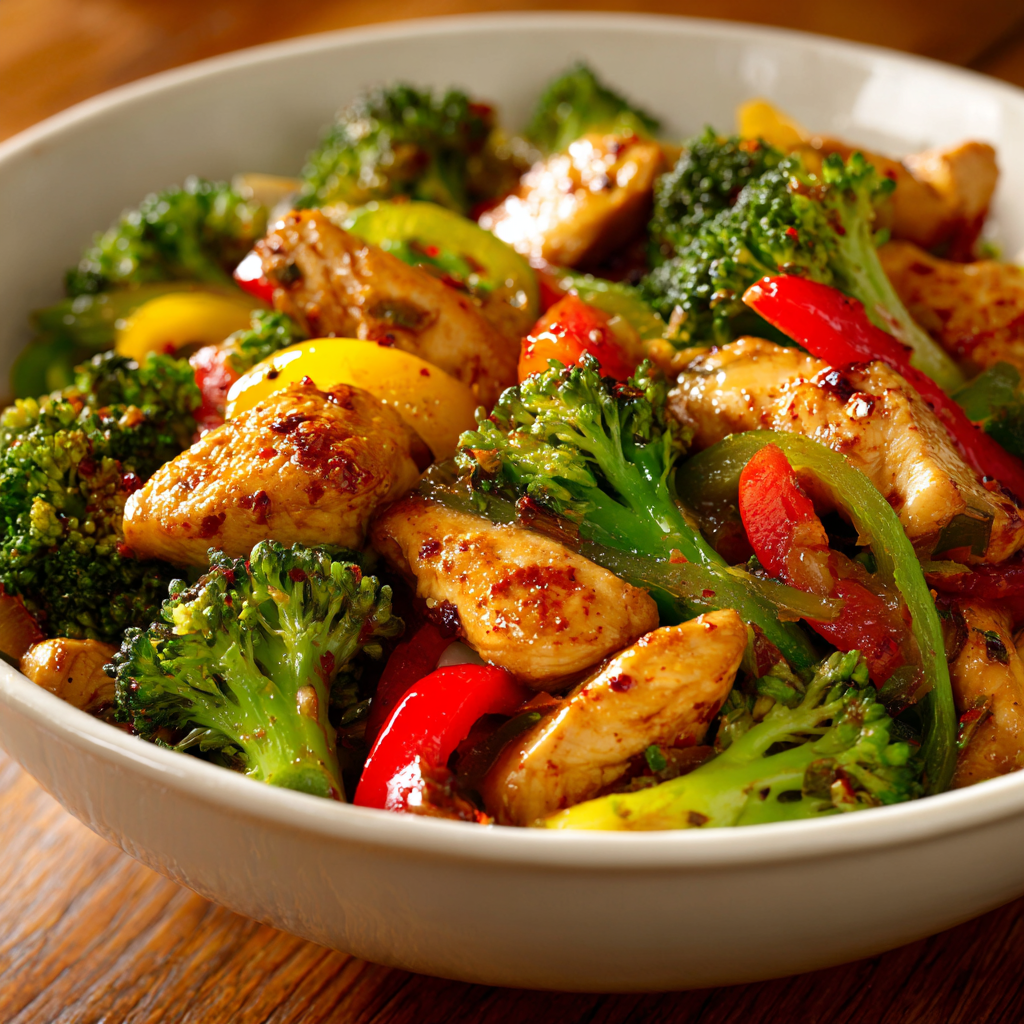
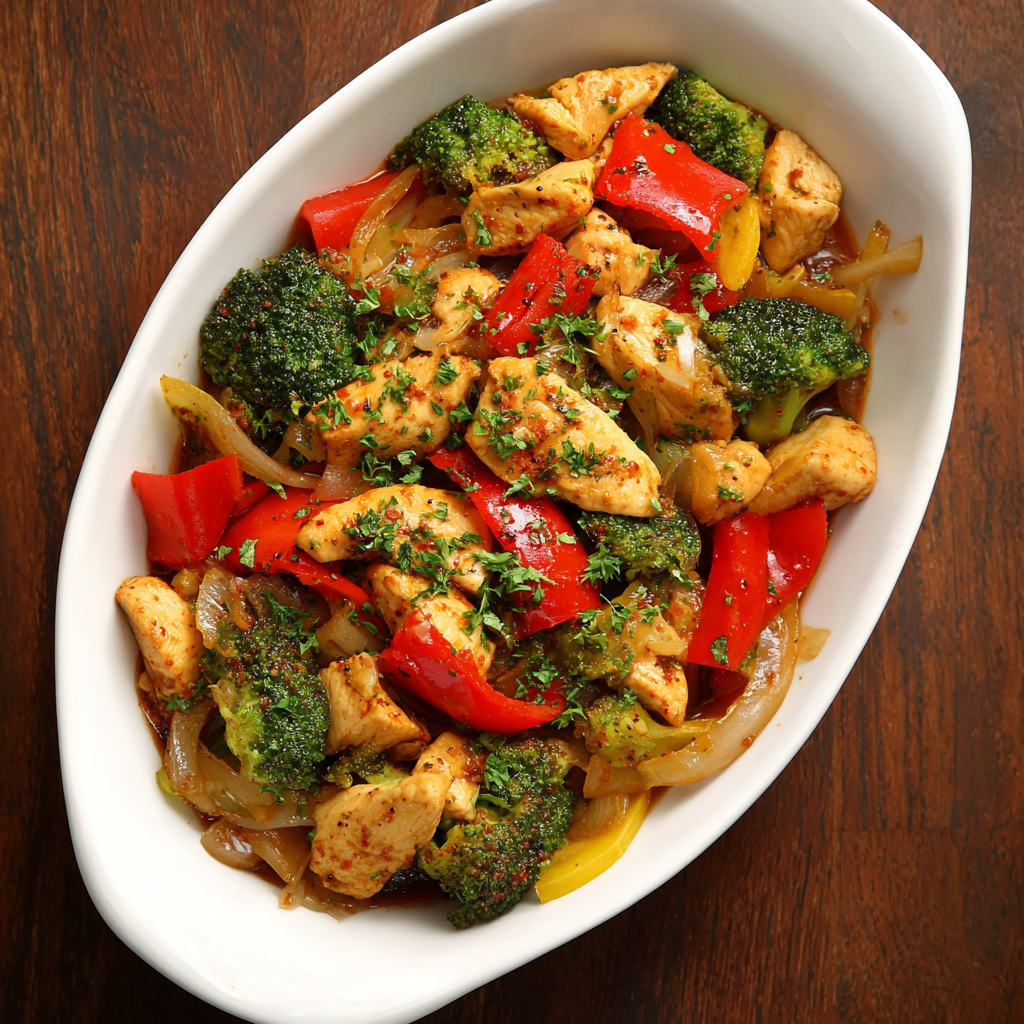
Heart healthy chicken stir fry represents the perfect balance between rapid weeknight cooking and genuine nutritional benefit, delivering a complete meal that supports cardiovascular wellness while tasting absolutely delicious and deeply satisfying. This vibrant stir fry combines lean protein from chicken breasts with an abundance of colorful vegetables, heart-healthy oils, and aromatic seasonings that create restaurant-quality results in under thirty minutes. What makes this recipe truly special is how it prioritizes ingredients that actively support heart health while creating flavors so impressive that no one would guess they’re eating foods specifically chosen for nutritional benefit. Whether you’re managing heart health concerns, seeking to improve your overall wellness, or simply wanting quick dinners that don’t compromise nutrition for convenience, this stir fry delivers impressive results that feel indulgent while being genuinely wholesome. The combination of lean protein, fiber-rich vegetables, heart-healthy fats, and aromatic spices creates meals that satisfy hunger completely without relying on excessive sodium or unhealthy oils. From the moment you begin stir frying the first ingredients to the final bite of tender chicken with crisp vegetables, you’ll appreciate how mindful ingredient selection and proper technique create something genuinely exceptional that tastes far better than takeout.
Ingredients
This recipe makes 4 generous servings.
- 1½ pounds boneless, skinless chicken breasts, thinly sliced
- 2 tablespoons extra virgin olive oil (divided)
- 1 tablespoon sesame oil (for finishing)
- 4 cloves garlic, minced
- 1 tablespoon fresh ginger, minced
- 1 red bell pepper, thinly sliced
- 1 yellow bell pepper, thinly sliced
- 2 cups broccoli florets, cut into bite-sized pieces
- 1 cup snap peas, trimmed
- 2 medium carrots, sliced into thin rounds
- 1 cup sliced mushrooms (cremini or button)
- 3 green onions, cut into 1-inch pieces (whites and greens separated)
- ¼ cup low-sodium soy sauce or tamari
- 2 tablespoons rice vinegar
- 1 tablespoon honey or maple syrup
- 1 teaspoon cornstarch
- 2 tablespoons water or low-sodium vegetable broth
- 1 teaspoon sriracha or hot sauce (optional, for heat)
- Pinch of red pepper flakes
- ¼ teaspoon white pepper
- 1 teaspoon sesame seeds for garnish
- Fresh cilantro for garnish (optional)
- Lime wedges for serving
Step-by-Step Instructions
Prepare All Ingredients in Advance
- Slice the chicken breasts into thin, bite-sized pieces approximately ¼ inch thick, working against the grain to ensure tenderness. Next, uniform thickness ensures all pieces cook at the same rate, preventing some from becoming dry while others remain undercooked.
- Prepare all vegetables by washing, trimming, and cutting them into bite-sized pieces or thin slices as appropriate. Meanwhile, having all ingredients prepared before cooking begins ensures the stir fry process moves smoothly without pausing to cut vegetables while the pan sits idle.
- Arrange the prepared ingredients in separate small bowls or plates around your work station, organizing them in the order they’ll be added to the pan. Additionally, this mise en place approach prevents scrambling for ingredients during the quick cooking process.
Create the Sauce
- In a small bowl, combine the low-sodium soy sauce, rice vinegar, honey or maple syrup, cornstarch, water or broth, sriracha if using, red pepper flakes, and white pepper. Whisk these ingredients together until the cornstarch dissolves completely and the sauce becomes smooth and uniform.
- Set the sauce aside at room temperature, as it will thicken slightly once it comes in contact with the hot wok or skillet. Meanwhile, preparing the sauce in advance ensures it’s ready when needed during the rapid cooking process.
Begin Cooking the Chicken
- Heat 1 tablespoon of the extra virgin olive oil in a large wok or skillet over medium-high heat until it shimmers and becomes hot enough that a piece of garlic immediately sizzles. Next, a properly heated pan is essential for creating that characteristic sear and preventing the chicken from steaming instead of browning.
- Add the sliced chicken to the hot wok in a single layer, spreading it out evenly. Allow it to cook undisturbed for 2 to 3 minutes, which allows the bottom side to brown properly without constant stirring.
- Stir the chicken and continue cooking for another 3 to 4 minutes until it’s mostly cooked through with only slight pinkness remaining in the thickest pieces. Furthermore, the chicken will continue cooking slightly after removal from heat, so slightly undercooking is actually preferable to overdrying.
- Transfer the cooked chicken to a clean plate using a slotted spoon, leaving any flavorful oil in the wok. Additionally, removing the chicken allows you to build flavor in the wok without the protein preventing vegetables from cooking properly.
Cook the Vegetables
- Add the remaining 1 tablespoon of olive oil to the wok and heat until it shimmers. Next, add the minced garlic and ginger, stirring constantly for about 30 seconds until fragrant, being careful not to allow them to brown and become bitter.
- Add the sliced red and yellow bell peppers along with the carrot rounds, stir-frying for about 2 to 3 minutes until they begin to soften slightly. Meanwhile, the peppers and carrots require longer cooking than more delicate vegetables, so they’re added first.
- Stir in the broccoli florets and sliced mushrooms, continuing to stir frequently for another 2 to 3 minutes. Furthermore, these vegetables contribute fiber, vitamins, and minerals essential for cardiovascular health.
- Add the snap peas and the white parts of the green onions, stirring everything together and cooking for approximately 1 minute until the snap peas brighten in color. Additionally, snap peas are best enjoyed when still slightly crisp, retaining their pleasant texture rather than becoming soft.
Combine Everything and Finish
- Return the cooked chicken to the wok along with all the vegetables, stirring gently to combine all the components. Next, ensure the chicken and vegetables mix evenly without crushing the vegetables or breaking the chicken into small pieces.
- Pour the prepared sauce over the chicken and vegetable mixture, stirring constantly for about 1 to 2 minutes until everything is coated evenly and the sauce thickens slightly from the cornstarch. Meanwhile, the starch thickens the sauce into a silky glaze that coats each ingredient beautifully.
- Add the green parts of the green onions and stir to incorporate, then remove from heat immediately. Additionally, keeping the green onions barely cooked preserves their fresh, oniony flavor and bright color.
- Drizzle the finished stir fry with the sesame oil, stirring gently to distribute it throughout. Furthermore, sesame oil adds authentic Asian flavor while providing heart-healthy fats in just a small amount.
- Taste the stir fry and adjust seasonings as needed, adding more soy sauce for saltiness, more rice vinegar for tanginess, or more sriracha for heat according to personal preference. Afterward, individual taste preferences vary, so tasting and adjusting ensures the dish reflects your specific desires.
Serve and Finish
- Transfer the stir fry to a serving platter or individual plates immediately while everything is still hot and the vegetables remain crisp. Next, timing is crucial—serving immediately captures the perfect texture when vegetables are tender-crisp rather than soft.
- Garnish each serving with sesame seeds, fresh cilantro if desired, and serve with lime wedges for squeezing over the top. Finally, the lime juice brightens all the flavors beautifully, adding a fresh finish that ties everything together.
Serving and Storing Tips
How to Serve This Chicken Stir Fry
First, serve this vibrant stir fry over brown rice, white rice, quinoa, or cauliflower rice depending on your carbohydrate preferences and nutritional goals. Additionally, the stir fry works beautifully in rice bowls, over noodles, or served on its own as a lower-carbohydrate option. Furthermore, pair the stir fry with a small cup of low-sodium broth or warm tea alongside to create a complete, balanced meal. For entertaining, present the stir fry family-style on a large platter, allowing guests to serve themselves and customize their plates with preferred base grains. Alternatively, serve individual plated portions for a more formal presentation that impresses dinner guests.
Storing Your Stir Fry
Next, allow the stir fry to cool to room temperature before transferring it to airtight containers for refrigerator storage, where it keeps beautifully for up to 4 days. Additionally, the flavors continue developing as it sits, making leftovers increasingly delicious. Furthermore, stir fry reheats wonderfully in a wok or large skillet over medium-high heat for 3 to 5 minutes, stirring frequently to ensure even warming. For longer storage, freeze the stir fry in airtight containers for up to 2 months—simply thaw overnight in the refrigerator and reheat gently. However, if reheating from frozen, it’s better to thaw first as this prevents overcooking and maintains vegetable texture better than direct reheating.
Helpful Notes and Variations
Ingredient Substitutions and Adjustments
Meanwhile, if you’re sensitive to sodium, use low-sodium soy sauce or tamari exclusively, and omit the added salt completely since soy sauce provides adequate sodium. For those avoiding soy, coconut aminos provides similar saltiness and umami depth without soy. Additionally, if fresh ginger isn’t available, substitute with ½ teaspoon ground ginger, though fresh ginger provides superior flavor and aroma. For a lower-fat version, reduce the olive oil to 1 tablespoon total and use cooking spray or broth for additional moisture.
Creative Variations to Explore
To create a Thai-inspired stir fry, replace the soy-rice vinegar sauce with coconut aminos, lime juice, and a touch of coconut milk, adding fresh basil and cashews for authentic flavor. Additionally, you might make a Korean-inspired version using gochujang paste mixed into the sauce, adding sesame seeds and serving with kimchi on the side. For a garlic-lovers’ version, increase the garlic to 6 to 8 cloves and add roasted garlic cloves for depth. Furthermore, create a cashew chicken stir fry by toasting ½ cup raw cashews and stirring them in at the end, adding richness and textural interest. Another wonderful option is to make a pineapple chicken stir fry by adding ½ cup fresh pineapple chunks and replacing rice vinegar with pineapple juice for tropical flavors.
Common Mistakes to Avoid
First, don’t overcrowd the wok when cooking chicken—cooking in batches if necessary ensures proper browning rather than steaming. Additionally, avoid cutting vegetables too large or too small; uniform sizing ensures consistent cooking and creates pleasant texture throughout. Furthermore, resist the urge to add the sauce too early, as it will thin the pan and cause the chicken and vegetables to steam rather than properly sear and caramelize. Another common error is overcooking the vegetables; they should remain slightly crisp and tender rather than soft and mushy. Finally, don’t skip the cooling and preparation step before cooking—having everything ready ensures the rapid stir fry process flows smoothly without pausing.
Chef Tips
The secret to exceptional chicken stir fry lies in using properly heated oil and cooking in batches if necessary to ensure browning rather than steaming, which creates depth and complexity in flavor. Additionally, for the most tender chicken, slice it thinly against the grain and slightly undercook it during the initial cooking phase—the residual heat will finish cooking while the rest of the dish comes together.
Frequently Asked Questions
Can I use chicken thighs instead of chicken breasts?
Absolutely! Chicken thighs are more forgiving and stay moist even if slightly overcooked. Slice them the same way and increase cooking time slightly since thighs are thicker than breast meat.
What if I don’t have a wok or large skillet?
Any large, deep skillet works beautifully—a 12-inch skillet provides adequate surface area for the stir fry. The key is having enough space so vegetables can cook properly without overcrowding.
How do I prevent vegetables from becoming mushy?
Add vegetables in stages based on cooking time needed, and stir frequently without letting them sit in the hot pan undisturbed. Keep the heat high and maintain quick, constant motion.
Can I make this stir fry dairy-free?
This recipe is naturally dairy-free—it contains no milk, cheese, or butter. Simply ensure your soy sauce and other seasonings don’t contain hidden dairy products.
What’s the best way to reheat leftover stir fry?
Reheat in a wok or large skillet over medium-high heat for 3 to 5 minutes, stirring frequently. Add a splash of water or broth if the sauce seems too thick, and avoid overheating which toughens the vegetables.
Conclusion
Heart healthy chicken stir fry proves that nutritious, wellness-focused meals can taste absolutely delicious while remaining quick, convenient, and genuinely enjoyable to eat. This exceptional stir fry showcases how thoughtful ingredient selection and proper cooking technique create something that supports cardiovascular health while delivering restaurant-quality flavor and satisfaction. From the moment you begin heating the wok to the final moment you bite into crisp vegetables and tender chicken coated in silky sauce, you’ll appreciate how health-conscious cooking creates meals that taste indulgent while genuinely nourishing your body. Whether you’re seeking weeknight dinner solutions, meal-prep options for busy weeks, or impressive foods for entertaining, this stir fry delivers reliable, consistent results that taste absolutely exceptional.
Did you absolutely love making this heart healthy chicken stir fry? Please save this recipe, pin it to your healthy dinner board, or share it with friends and family who would adore this vibrant, nutritious, and delicious stir fry. We’d genuinely love to hear from you—drop a comment below and tell us if you tried a creative variation, served it at a special gathering, or discovered your own favorite serving style that became a household favorite. Your feedback and shares inspire us to continue creating delicious, approachable recipes that bring joy and nutrition to your kitchen!