Imagine sipping a deeply nourishing lentil vegetable soup that’s so delicious and satisfying you forget you’re eating something genuinely good for your heart. This heart healthy lentil vegetable soup recipe delivers that rare combination of authentic comfort food flavor with serious nutritional substance that makes your body feel genuinely cared for. What makes this recipe truly special is how it transforms humble lentils into something creamy and luxurious through careful cooking, while vegetables add fiber, nutrients, and natural sweetness that prevents the soup from tasting medicinal or boring. Each spoonful delivers plant-based protein from lentils, heart-healthy fiber, antioxidants from colorful vegetables, and herbs that create complexity preventing one-dimensional taste. Whether you’re managing heart health, seeking sustainable nutrition, pursuing weight management goals, or simply wanting delicious food that nourishes your body without guilt, this heart healthy lentil vegetable soup accomplishes all four with remarkable results that taste absolutely delicious rather than like a compromise.
Ingredients
Servings: 6-8
- 2 tablespoons extra virgin olive oil
- 1 large yellow onion, diced
- 3 carrots, peeled and diced
- 3 celery stalks, chopped
- 4 cloves garlic, minced
- 1 can (14 ounces) diced tomatoes
- 2 cups red or green lentils
- 6 cups low-sodium vegetable or chicken broth
- 2 cups water
- 2 bay leaves
- 2 teaspoons dried thyme
- 1 teaspoon dried oregano
- 1/2 teaspoon ground cumin
- 1/4 teaspoon ground turmeric
- 1 teaspoon sea salt (adjust to taste)
- 1/2 teaspoon black pepper
- Juice of one lemon
- 2 cups fresh spinach or kale
- 1 tablespoon apple cider vinegar
- 2 tablespoons fresh parsley for garnish
- Crusty whole grain bread for serving
Why Heart-Healthy Lentil Soup Nourishes Completely
First, lentils provide plant-based protein and fiber that support heart health while creating naturally creamy texture through their starches. Meanwhile, the combination of colorful vegetables—carrots, celery, tomatoes, and leafy greens—provides antioxidants and nutrients that protect cardiovascular health. However, the real magic lies in how these simple, whole-food ingredients combine to create something that tastes indulgent while delivering genuine nutritional benefits. Additionally, the absence of saturated fat and cholesterol makes this soup genuinely heart-friendly without tasting like diet food. As a result, this seemingly simple soup delivers sophistication and satisfaction that makes healthy eating feel like genuine pleasure rather than obligation.
Step-by-Step Instructions
1. Prepare all ingredients before cooking begins. To begin, wash all fresh vegetables thoroughly and pat dry with paper towels. Next, dice your onion into consistent pieces. Additionally, peel and dice your carrots into half-inch pieces. Meanwhile, chop your celery into half-inch pieces. However, don’t worry about perfect precision—consistent sizing matters more than perfection. Furthermore, mince your garlic finely so it distributes throughout the soup evenly. As a result, ingredient preparation streamlines cooking.
2. Heat your extra virgin olive oil in a large pot. Pour two tablespoons of extra virgin olive oil into a large soup pot or Dutch oven. Next, place it over medium heat and allow the oil to shimmer and become fragrant. Meanwhile, proper heat ensures your vegetables sauté rather than steam. Additionally, a large pot prevents crowding. However, ensure your pot is large enough to hold all ingredients comfortably. Furthermore, quality olive oil adds heart-healthy monounsaturated fats.
3. Sauté your aromatic vegetables until soft and fragrant. Add your diced onion to the hot oil. Next, stir occasionally for about five to seven minutes until the onion becomes soft and translucent. Meanwhile, this sautéing step develops deeper flavor through gentle caramelization. Additionally, you’ll notice the kitchen filling with wonderful aromatic fragrances. However, avoid browning vegetables excessively—you want them softened and fragrant, not charred. Furthermore, soft vegetables release their sugars, creating natural sweetness.
4. Add your carrots and celery to the onion. Add your diced carrots and chopped celery to the softened onion. Next, stir occasionally for about seven to eight minutes until these vegetables also become soft. Meanwhile, all the vegetables will release their flavors into the cooking oil. Additionally, the fragrance will become even more delicious. However, avoid overcooking vegetables—they should be tender but not falling apart. Furthermore, the pot will be crowded initially but vegetables reduce as they cook.
5. Add your minced garlic and cook briefly. Add your minced garlic to the softened vegetables. Next, stir constantly for about one minute until the garlic becomes fragrant. Meanwhile, garlic releases its essential oils and flavors during this brief cooking. Additionally, the soup will smell absolutely delicious as the garlic perfumes your kitchen. However, avoid burning the garlic—this creates bitter flavors that compromise the entire soup. Furthermore, watch carefully and keep the heat at medium. As a result, proper garlic cooking is essential.
6. Add your lentils to the vegetable mixture. Pour your red or green lentils into the pot with the sautéed vegetables. Next, stir to combine, allowing the lentils to coat with the oil and vegetable mixture. Meanwhile, lentils will begin releasing their starches. Additionally, coating lentils with the oil distributes flavors evenly. However, don’t worry about perfect mixing—stirring ensures even distribution. Furthermore, lentils will soften significantly as they cook.
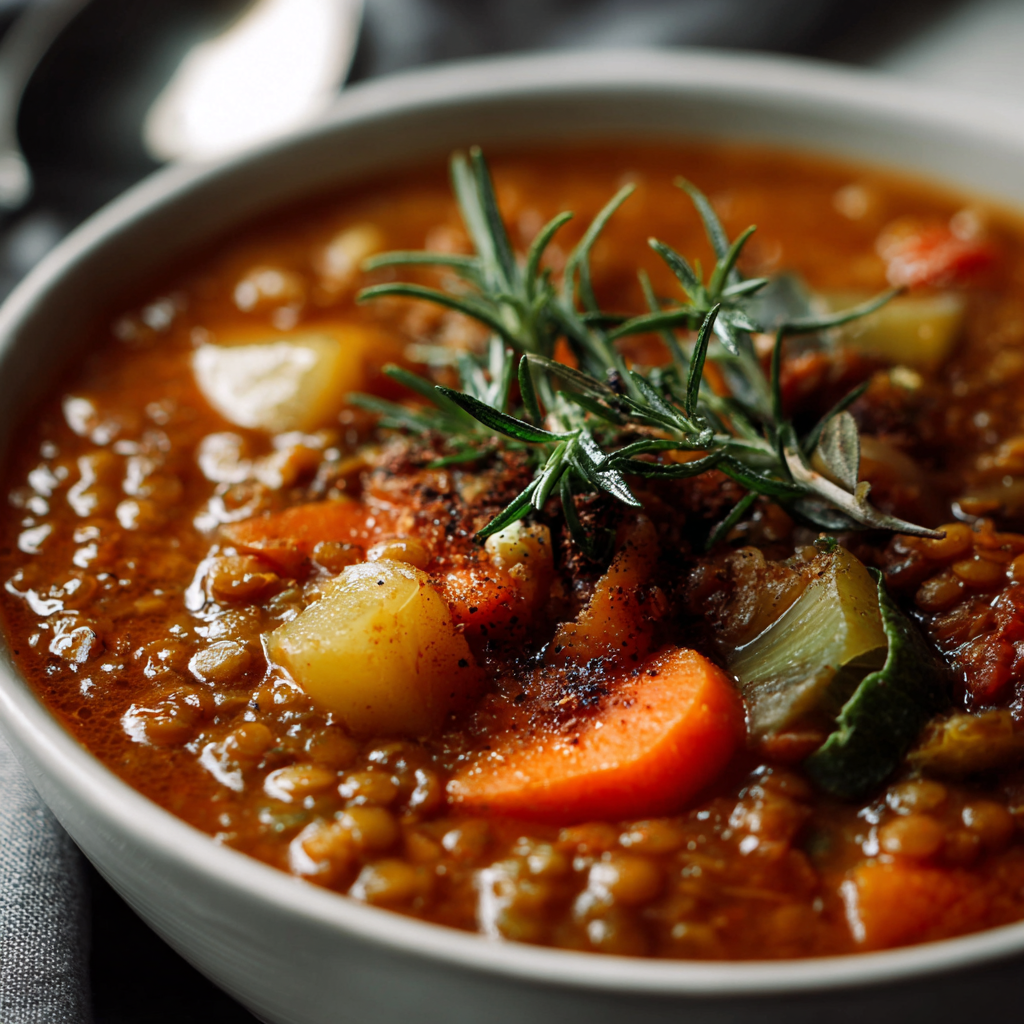
7. Pour in your broth and water carefully. Pour your vegetable or chicken broth and water into the pot with the lentils and vegetables. Next, stir everything together, ensuring the liquid distributes evenly. Meanwhile, the liquid will come to about three-quarters up the sides of the ingredients. Additionally, the pot will be full but ingredients settle as they cook. However, ensure all lentils are submerged beneath the liquid. Furthermore, this ratio of liquid to solids creates proper soup consistency.
8. Add your canned tomatoes and seasonings. Add your diced tomatoes with their juices to the pot. Next, add your bay leaves, dried thyme, dried oregano, ground cumin, ground turmeric, sea salt, and black pepper. Using a wooden spoon, stir everything together thoroughly. Meanwhile, the seasonings will distribute throughout the liquid. Additionally, the soup will immediately smell more complex and flavorful. However, taste at this point and adjust seasonings to your preference. As a result, initial seasoning allows flavors to develop throughout cooking.
9. Bring the soup to a gentle boil. Increase your heat to medium-high and allow the soup to come to a gentle boil. Next, you’ll see bubbles breaking the surface actively. However, once boiling begins, reduce the heat to medium or medium-low to create a gentle simmer. Meanwhile, vigorous boiling can cause lentils to break apart and soup to become cloudy. Additionally, a gentle simmer develops better flavor while maintaining ingredient integrity. However, maintaining proper temperature throughout cooking requires attention. As a result, adjust heat as needed to maintain gentle simmering.
10. Simmer until lentils are completely tender. Allow your soup to simmer gently for about 25-35 minutes until the lentils are completely soft and beginning to break down. Next, the lentils are done when they can be easily crushed between a spoon and the side of the pot. Meanwhile, some lentils will naturally break apart, thickening the soup. Additionally, this natural breakdown creates a slightly creamy texture. However, you want some whole lentils remaining for texture and nutrition. Furthermore, testing lentil doneness ensures proper cooking. As a result, patience creates superior results.
11. Add your leafy greens to the soup. Add your fresh spinach or kale to the simmering soup. Next, stir to distribute throughout. Meanwhile, the greens will wilt quickly in the hot soup. Additionally, leafy greens add nutrients and visual appeal. However, don’t overcook greens—brief wilting preserves their nutritional value. Furthermore, greens add vibrant color to the finished soup. As a result, adding greens near the end maintains their nutritional integrity.
12. Add brightness with lemon juice and vinegar. Squeeze fresh lemon juice into the soup and stir gently. Next, add your apple cider vinegar and stir to combine. Meanwhile, lemon juice and vinegar add subtle acidity that brightens flavors. Additionally, citric acid and acetic acid enhance flavors you don’t taste consciously but appreciate. However, add these acids cautiously—taste before adding more. Furthermore, excessive acid creates overly sour soup. As a result, balance is absolutely key.
13. Taste and adjust seasonings to perfection. Taste your soup and adjust seasonings as needed. Next, add more sea salt if necessary, black pepper for heat, or additional herbs for complexity. Meanwhile, proper seasoning is absolutely essential for delicious soup. Additionally, what seems perfect to you may need adjustment. However, taste as you go and adjust throughout cooking. Furthermore, final seasoning prevents needing excessive adjustment at serving time. As a result, thoughtful seasoning ensures perfect results.
14. Optional: Use an immersion blender for creamier texture. For a partially blended, extra-creamy soup, use an immersion blender for just 30-60 seconds, creating thicker consistency while maintaining some texture. Next, blending incorporates lentil starches, creating natural creaminess. Meanwhile, this creates luxurious texture without adding cream or oil. Additionally, partial blending maintains rustic appeal. However, this step is entirely optional—chunky soup is absolutely delicious. Furthermore, you can blend more or less depending on preferred consistency. As a result, texture is a matter of personal preference.
15. Prepare your fresh parsley garnish. While your soup finishes, chop your fresh parsley finely. Next, keep it separate from the soup. Meanwhile, fresh parsley adds brightness and visual appeal. Additionally, fresh herbs provide aromatic interest. However, parsley is optional—the soup is complete without it. Furthermore, other fresh herbs work if you prefer different options. As a result, use your preferred fresh herbs.
16. Serve immediately while hot and aromatic. Ladle your soup into serving bowls. Next, garnish with fresh parsley and a crack of fresh black pepper. Meanwhile, serve immediately while the soup is still steaming. Additionally, crusty whole grain bread for dipping provides delightful textural contrast. However, the soup is absolutely satisfying and complete on its own. Furthermore, some people prefer serving with a simple salad for additional vegetables. As a result, serve according to your preference.
Serving and Storage Tips
How to Serve Your Heart Healthy Lentil Soup
First, serve your soup hot in warmed bowls for maximum comfort and appeal. Next, crusty whole grain bread for dipping provides fiber-rich accompaniment. Additionally, simple salad with vinaigrette creates light balance. However, the soup is equally satisfying enjoyed plain as a complete meal. Furthermore, this soup works equally well for quick weeknight dinners and leisurely weekend meals. As a result, serve whenever you need nourishment and comfort.
Proper Storage and Extended Shelf Life
To begin, store leftover lentil vegetable soup in an airtight container in the refrigerator for up to six days. Next, the flavors actually deepen as the soup sits, making it wonderful for next-day enjoyment. Additionally, proper storage ensures food safety and maintains soup quality. Furthermore, this soup freezes beautifully for up to three months in freezer-safe containers. Additionally, thaw frozen soup overnight in the refrigerator before reheating gently on the stovetop. However, add fresh parsley and lemon juice after thawing to maintain fresh flavors. In contrast to many dishes, soup actually improves as flavors meld during storage.
Helpful Notes and Tips for Success
Understanding key techniques ensures your heart healthy lentil soup turns out absolutely delicious every single time. First, lentil type matters slightly for final texture. Meanwhile, red lentils become creamy and soft, creating naturally thickened soup. However, green lentils maintain their shape better while remaining tender. Additionally, using red lentils creates creamier soup without additional fat. As a result, red lentils are ideal for this recipe.
Next, the gentle simmer is absolutely crucial for developing proper flavor and maintaining ingredient integrity. Additionally, vigorous boiling causes lentils to break down excessively and soup to become cloudy. Meanwhile, a gentle simmer—where small bubbles occasionally break the surface—is perfect. However, maintaining proper temperature requires attention. As a result, adjust heat as needed.
Furthermore, balancing acids with other seasonings creates harmonious taste that prevents the soup from tasting sharp. To begin, lemon juice and vinegar add brightness. Meanwhile, herbs and spices add complexity. However, proper balance prevents any single flavor from dominating. Additionally, tasting throughout cooking allows adjustment. As a result, thoughtful seasoning creates superior results.
Additionally, using low-sodium broth allows you to control salt levels and prevents the soup from becoming overly salty. To begin, quality broth creates better soup than high-sodium varieties. Meanwhile, even the best broth needs salt for proper flavor. However, adding salt gradually allows perfect adjustment. Furthermore, proper salt balance enhances all other flavors. As a result, broth selection matters.
Finally, extra virgin olive oil provides heart-healthy monounsaturated fats and amazing flavor. To begin, quality olive oil makes tremendous difference. Meanwhile, expensive olive oil isn’t necessary for cooking. However, good-quality oil produces noticeably superior results. Furthermore, olive oil provides heart-healthy fats essential for cardiovascular health. As a result, choosing quality olive oil is worthwhile.
Common Mistakes to Avoid
To begin, one frequent error is using high heat when sautéing vegetables, causing them to burn. Meanwhile, medium heat ensures gentle caramelization without burning. However, careful monitoring prevents this issue. Additionally, another mistake involves vigorous boiling after adding ingredients, causing lentils to break down excessively. In contrast, gentle simmering creates perfect texture.
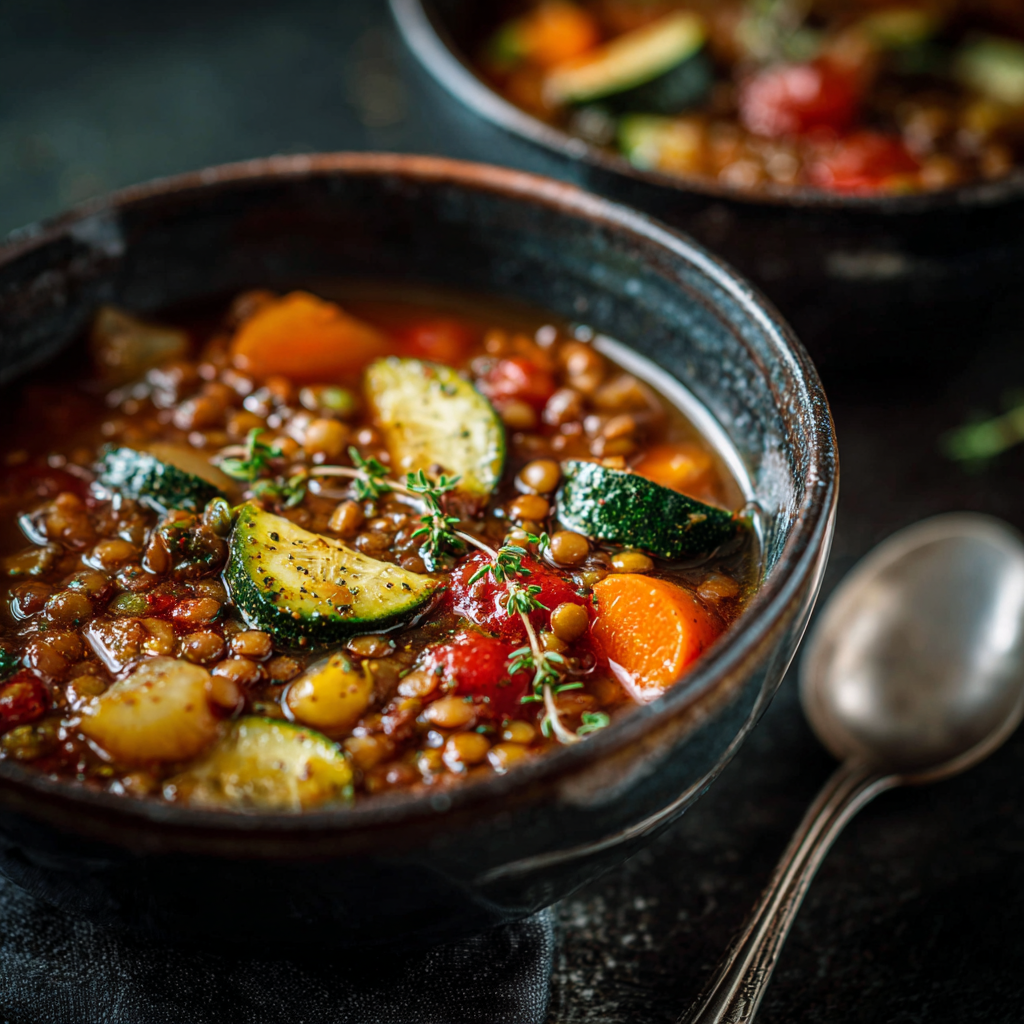
Furthermore, some home cooks underseason the soup, thinking it should be less seasoned than other dishes. Meanwhile, proper seasoning is absolutely essential. Additionally, underseasoned soup tastes flat and unfinished. However, proper seasoning transforms simple ingredients into something delicious. As a result, tasting and adjusting seasonings throughout cooking is crucial.
Finally, some people skip fresh herbs, missing out on the brightness and aroma they provide. Meanwhile, even a small amount of fresh parsley adds significant improvement. As a result, fresh garnishes are worth the minimal effort.
Chef Tips
Professional nutritionists recommend adding one tablespoon of ground flaxseed to each serving for additional heart-healthy omega-3 fatty acids and fiber, which can be stirred in after ladling into bowls. Additionally, for extra depth and umami richness, add one-quarter teaspoon of miso paste dissolved in warm broth before serving—this adds complexity without making the soup taste fermented.
Frequently Asked Questions
Is this soup completely plant-based? Yes, using vegetable broth instead of chicken broth makes it completely plant-based and vegan. Lentils provide all necessary protein for complete nutrition without animal products.
Can I use different vegetables in this soup? Absolutely. Add zucchini, bell peppers, mushrooms, potatoes, or whatever vegetables you prefer. Adjust cooking times based on vegetable type to ensure everything cooks evenly.
How much sodium is in each serving of this soup? This recipe is extremely low in sodium—approximately 500-600 mg per serving with the low-sodium broth. This makes it genuinely heart-healthy and appropriate for sodium-restricted diets.
Can I make this soup in a slow cooker? Yes, sauté aromatics on the stovetop as directed, then transfer everything to a slow cooker. Cook on low for 6-8 hours or high for 3-4 hours, adding leafy greens during the last 30 minutes.
Is this soup suitable for meal prep? Absolutely. This soup actually improves with time as flavors develop. Prepare a large batch, cool completely, then divide into individual containers for grab-and-go healthy meals throughout the week.
Why This Heart Healthy Lentil Soup Becomes a Favorite Recipe
First, the combination of satisfying flavor with genuine nutritional benefits makes this soup feel special rather than obligatory. Next, the affordable ingredients and simple preparation mean you can enjoy healthy eating without excessive cost or time investment. Meanwhile, the impressive nutrition—protein, fiber, antioxidants, minerals—makes your body feel genuinely cared for. Additionally, the soup tastes genuinely delicious, preventing that “diet food” taste that discourages healthy eating. Furthermore, because it freezes beautifully, you can batch-prepare for convenient healthy meals throughout the month.
As a result, this heart healthy lentil soup bridges the gap between health and pleasure perfectly. In contrast to foods that taste like punishment, this soup delivers genuine satisfaction. However, it genuinely supports cardiovascular health through whole-food ingredients. Additionally, once you master this basic recipe, you’ll experiment with variations. Therefore, this recipe deserves a permanent place in your healthy meal rotation.
The Bottom Line
Heart healthy lentil vegetable soup represents the ideal solution for those seeking nutritious meals that taste absolutely delicious and support cardiovascular wellness. Next, whether you’re managing heart health, pursuing sustainable nutrition, seeking meal prep solutions, or wanting food that nourishes without guilt, this recipe delivers professional results every single time. Additionally, the combination of protein-rich lentils, colorful vegetables, heart-healthy olive oil, and aromatic herbs creates something genuinely memorable and worth making regularly.
To begin your heart healthy cooking journey, gather quality lentils and fresh vegetables this week. Afterward, set aside 45 minutes on your next day to create a big batch. Furthermore, as you sip your nourishing, delicious lentil soup and feel genuine satisfaction from food that truly cares for your body, you’ll understand why this recipe deserves permanent space in your healthy meal rotation. The genuine warmth, impressive nutrition, authentic flavor, and remarkable simplicity combine to create something truly special that transforms ordinary meals into moments of self-care and wellness.
Did you adore this heart healthy lentil vegetable soup recipe? We’d absolutely love to hear about it! Please save this recipe for your next wellness meal, pin it to your Pinterest board for easy access, and share it with friends and family who deserve delicious, heart-nourishing home-cooked meals. Your love and support mean everything to us—every save, share, and pin encourages us to create more delicious recipes and helpful health-conscious cooking content. Thank you for being part of our warm, welcoming culinary community!