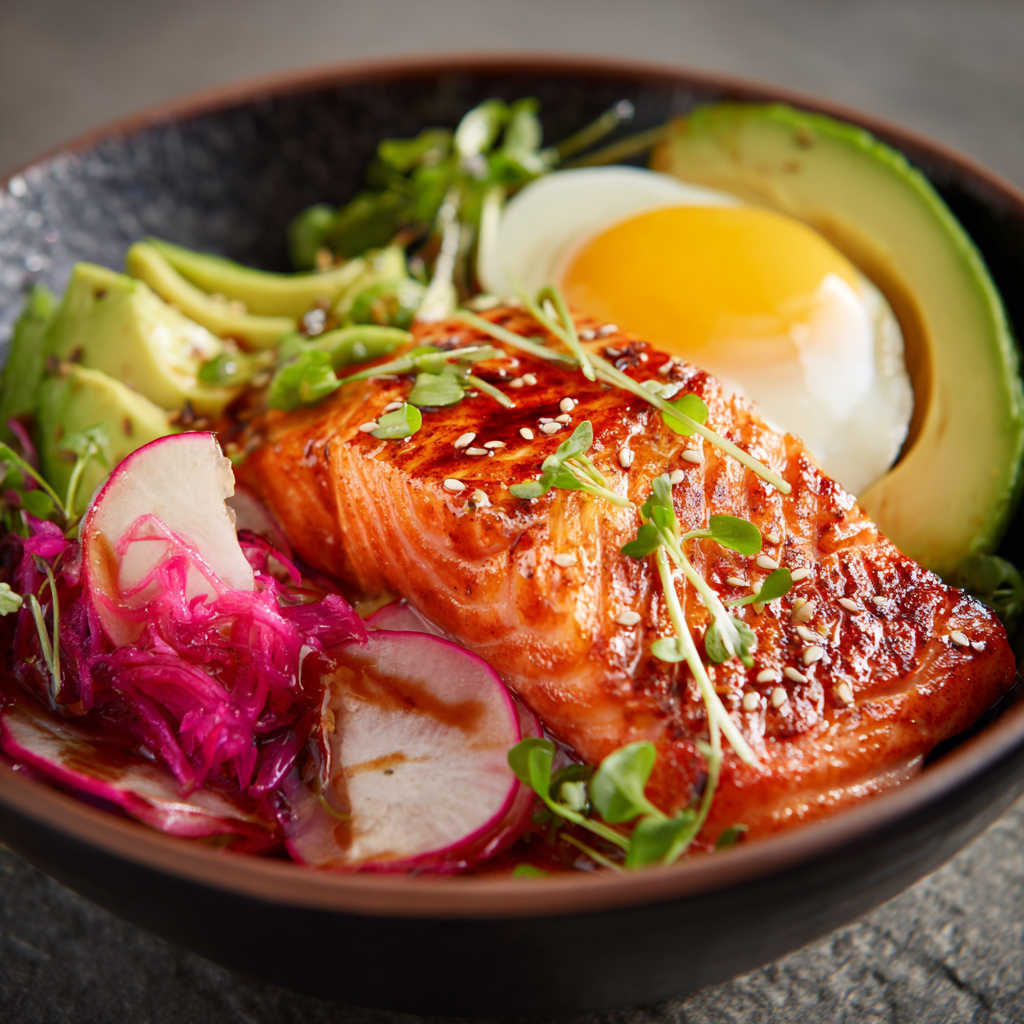
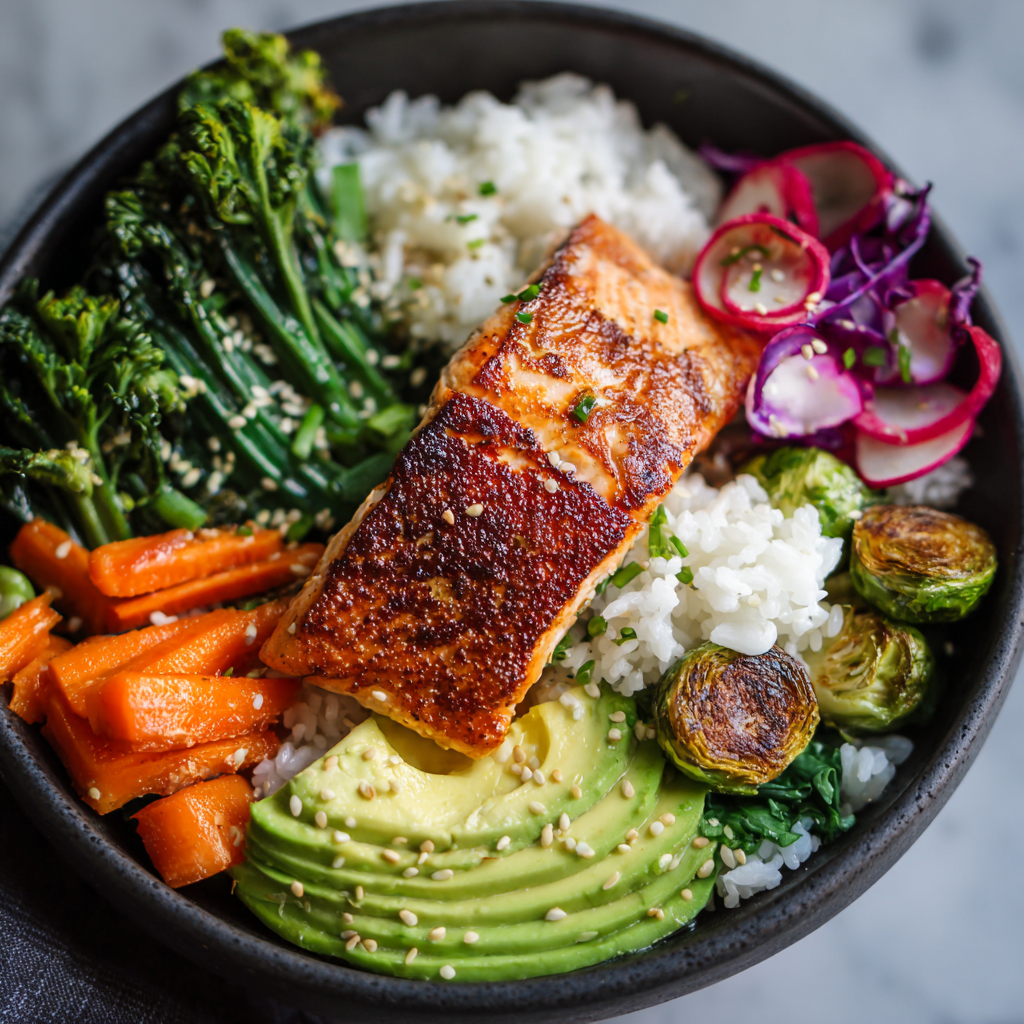
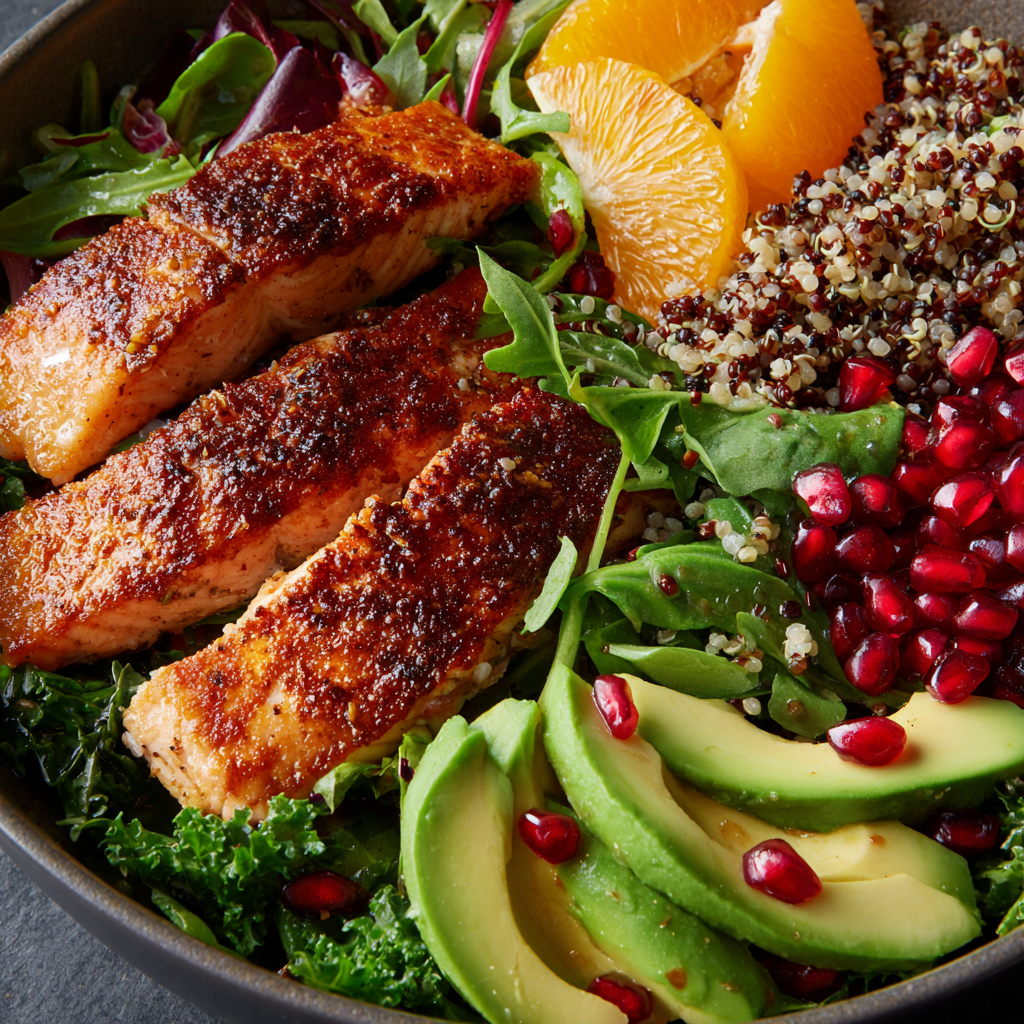
There’s something profoundly meaningful about nourishing your body with a bowl filled with vibrant vegetables, omega-3-rich salmon, and wholesome grains that taste absolutely delicious while genuinely supporting your health and wellbeing. This Heart Healthy Salmon Bowl Recipe combines perfectly cooked salmon with colorful vegetables, nutritious quinoa or rice, and a bright, flavorful dressing that creates a balanced, satisfying meal that’s as beautiful to look at as it is wonderful for your body. What makes this recipe truly special is how it celebrates the intersection of health and genuine indulgence, proving that nutritious food doesn’t require sacrificing taste, satisfaction, or visual appeal. Whether you’re committed to a heart-healthy lifestyle, recovering from surgery, celebrating wellness milestones, or simply treating yourself to something nourishing and delicious, this salmon bowl delivers complete nutrition alongside restaurant-quality presentation and absolutely craveable flavors. The combination of lean protein, healthy fats, colorful vegetables, and whole grains creates a meal that leaves you feeling satisfied, energized, and genuinely cared for. Your body will thank you with every bite, as this beautiful bowl provides all the nutrients your heart needs while your palate rejoices in the delicious, fresh, and completely balanced eating experience.
Ingredients
This recipe makes 2 large, gorgeous salmon bowls.
For the Salmon:
- 2 salmon fillets (5 to 6 ounces each)
- 1 tablespoon olive oil
- ½ teaspoon salt
- ¼ teaspoon black pepper
- ½ teaspoon garlic powder
- ½ teaspoon smoked paprika
- 1 lemon, cut into wedges
For the Bowls Base:
- 1 cup cooked quinoa or brown rice
- 2 cups fresh spinach or arugula
- 1 cup shredded purple cabbage
- 1 cup sliced cucumber
- 1 cup shredded carrots
- ½ cup roasted or raw beets, sliced
- ¼ cup sliced radishes
- ½ avocado, sliced
- ¼ cup cherry tomatoes, halved
- 2 tablespoons pumpkin seeds or sunflower seeds
- 2 tablespoons sliced almonds
For the Light Lemon Tahini Dressing:
- 3 tablespoons tahini
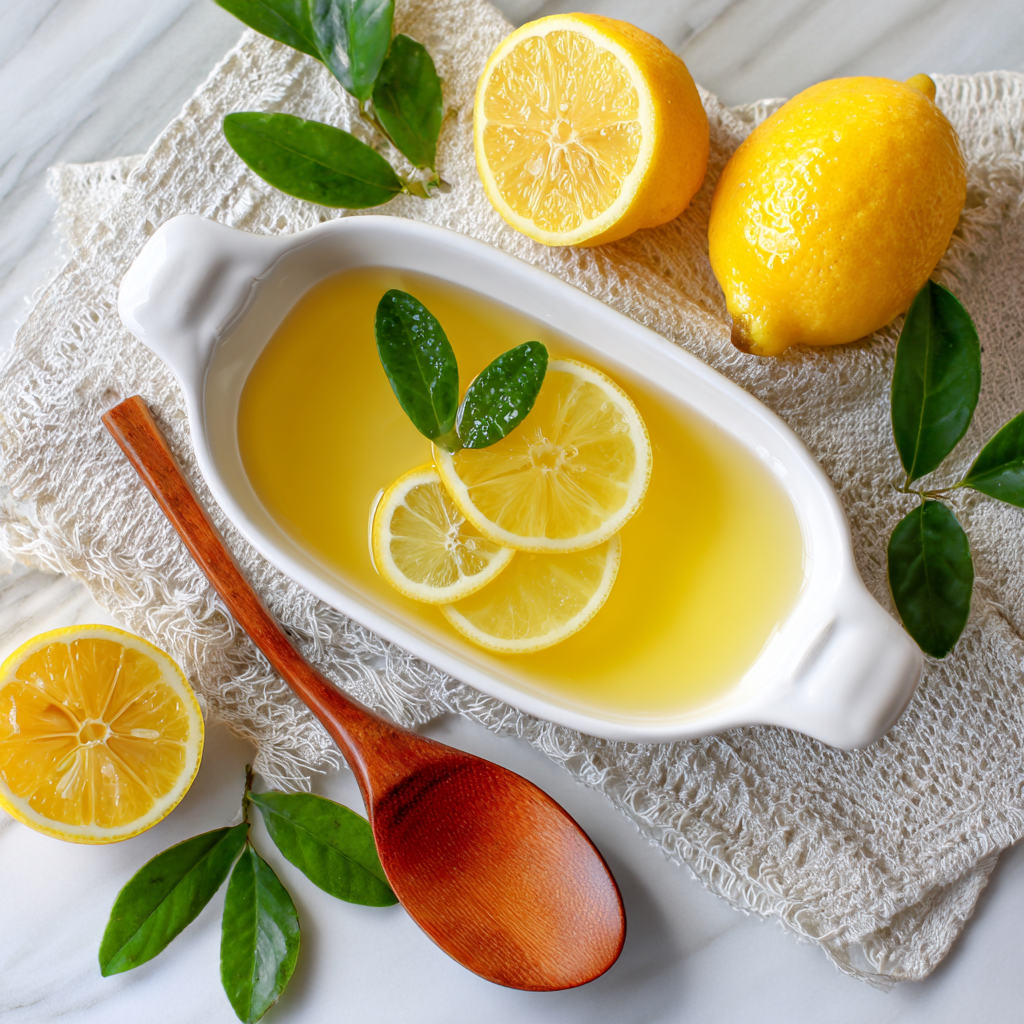
- Juice of 1 lemon (approximately 3 tablespoons)
- 2 tablespoons extra virgin olive oil
- 1 clove garlic, minced
- 2 tablespoons warm water
- ¼ teaspoon salt
- ⅛ teaspoon black pepper
- ½ teaspoon Dijon mustard
- Pinch of cayenne pepper (optional)
For Garnish:
- Fresh parsley or cilantro
- Lemon wedges
- Edible flowers (optional)
- Sesame seeds
Instructions
Prepare Your Ingredients
- Remove the salmon fillets from the refrigerator about 10 minutes before cooking to allow them to reach closer to room temperature for more even cooking throughout.
- Begin cooking your quinoa or brown rice according to package instructions, or use pre-cooked grains if you prefer to save time on busy days.
- While the grains cook, prepare all your vegetables by washing, slicing, and arranging them in separate small bowls or containers within easy reach.
- Pat the salmon fillets dry using paper towels, gently pressing away any surface moisture that would prevent proper browning and searing.
- In a small bowl, combine the salt, black pepper, garlic powder, and smoked paprika, stirring together until the seasonings are evenly distributed.
- Sprinkle the seasoning mixture evenly over both sides of the salmon fillets, gently pressing the seasonings into the flesh so they adhere firmly.
Cook the Salmon to Perfection
- Heat the olive oil in a large skillet over medium-high heat, allowing it to become shimmering and hot but not smoking before adding the salmon.
- Carefully place the seasoned salmon fillets skin-side up in the hot skillet, allowing them to cook undisturbed for 4 to 5 minutes until the bottom develops a beautiful golden crust.
- Using a spatula or fish turner, gently flip the salmon fillets and cook the flesh side for another 2 to 3 minutes until the flesh is mostly cooked through but still slightly soft in the very center.
- The salmon should flake easily with a fork at this point, indicating that it’s cooked to a safe internal temperature of 145°F without becoming dry or overdone.
- Squeeze fresh lemon juice over the cooked salmon fillets while they rest for 1 minute in the skillet, adding brightness and flavor to the perfectly cooked fish.
- Transfer the cooked salmon to a clean plate and set it aside to cool slightly while you assemble your beautiful bowls.
Prepare the Lemon Tahini Dressing
- In a small mixing bowl, combine the tahini and minced garlic, stirring to distribute the garlic evenly throughout the seed paste.
- Pour in the fresh lemon juice slowly while whisking, creating a smooth mixture that combines the tahini and lemon without lumps or graininess.
- Whisk in the extra virgin olive oil in a thin stream while continuing to whisk, creating an emulsion that becomes silky and cohesive.
- Add the Dijon mustard and salt, whisking until these ingredients are completely incorporated throughout the dressing.
- Slowly add the warm water one tablespoon at a time while whisking, creating a pourable dressing with a consistency that coats vegetables beautifully without being too thin.
- Taste the dressing and adjust the seasonings as desired—add more lemon for brightness, more salt for savory depth, or additional water if it’s too thick.
- If desired, add a pinch of cayenne pepper for subtle heat that awakens the palate without overwhelming the delicate flavors.
Assemble the Beautiful Bowls
- Divide the cooked quinoa or brown rice evenly between two large, beautiful bowls, creating an even base layer for your vegetables.
- Arrange the fresh spinach or arugula on top of the grain base, creating a bed of fresh greens that will support all your additional toppings.
- Artfully arrange the sliced cucumber, shredded carrots, purple cabbage, roasted beets, and radishes around the bowl, creating distinct sections of color and texture.
- Position the sliced avocado in one section, the cherry tomato halves in another, and the remaining vegetables in their own areas for visual appeal and easy eating.
- Top each bowl with one of the cooked salmon fillets, positioning it prominently in the center or slightly to the side of the bowl.
- Sprinkle the pumpkin seeds and sliced almonds generously over the top, distributing them evenly across the entire bowl for satisfying crunch.
- Drizzle the lemon tahini dressing generously over the entire bowl, allowing it to flow between the vegetables and coat the salmon beautifully.
- Garnish with fresh parsley or cilantro leaves, lemon wedges, and a sprinkle of sesame seeds for final elegance and visual appeal.
- Serve immediately while the salmon is still warm and the vegetables maintain their crisp, fresh textures and vibrant colors.
Serving and Storing Tips
How to Serve This Nourishing Bowl
Present each beautiful salmon bowl on elegant tableware that showcases the vibrant colors and careful arrangement you’ve created. First, ensure each component is visible and contributes to the overall visual appeal, demonstrating the care and attention invested in its preparation. Additionally, drizzle the dressing artfully rather than pouring it all at once, which creates visual interest and ensures the vegetables don’t become overly saturated. Meanwhile, consider serving the dressing on the side so guests can control the amount and enjoy the fresh vegetables’ natural flavors if preferred. For extra nourishment, you might pair this bowl with herbal tea, fresh water infused with lemon, or a fresh juice for a complete wellness experience. Furthermore, serve while the salmon is still warm for optimal flavor, as the temperature contrast with the cool vegetables creates a satisfying, complete eating experience.
Storage Instructions for Maximum Nutrition
Keep leftover salmon bowl components in separate airtight containers in the refrigerator for up to 3 days, storing the dressing separately to prevent the vegetables from becoming overly saturated. The cooked salmon keeps perfectly for 3 days and can be enjoyed cold directly from the container or gently reheated. The grains maintain their quality for up to 5 days when stored properly in an airtight container, making them perfect for meal prep. Fresh vegetables like spinach, cucumber, and radishes are best consumed within 2 to 3 days, while harder vegetables like carrots and beets keep for up to 5 days. To assemble a quick meal using leftover components, simply reheat the salmon gently if desired, combine fresh greens with grains, add previously prepared vegetables, and drizzle with dressing just before eating. The lemon tahini dressing keeps in the refrigerator for up to 5 days in a sealed container, making it perfect for quick bowl assembly throughout the week.
Helpful Notes and Pro Tips
Tips for Perfect Salmon Every Time
Start by selecting wild-caught salmon when possible, as it contains more omega-3 fatty acids and tends to have better flavor than farm-raised varieties. Additionally, allowing the salmon to reach room temperature before cooking helps it cook evenly throughout without the exterior overcooking while the center remains cool. Never skip patting the salmon dry, as surface moisture prevents proper searing and browning, which are essential for developing flavor and texture. Furthermore, using a meat thermometer to verify doneness removes any guesswork—salmon is safely cooked at 145°F, and this is easy to verify with a quick temperature check. The key to moist, flaky salmon is not cooking it past medium doneness—it should still have a slight translucency in the very center when removed from heat, as carryover cooking will complete the process perfectly. Meanwhile, if your salmon fillets are particularly thick, you might reduce the heat slightly and cook them a minute or two longer to ensure the center reaches the proper temperature without burning the exterior.
Tips for Building Balanced Bowls
Create visual balance by using a variety of colors—the more colorful your bowl, the more diverse nutrients it contains. Additionally, combine different textures including creamy avocado, crunchy seeds, tender greens, and firm vegetables for a satisfying eating experience. Include a protein source like salmon, a healthy fat from tahini or avocado, complex carbohydrates from grains, and plenty of vegetables for complete nutrition. Furthermore, prepare components in advance when possible, allowing you to assemble quick, nutritious meals throughout the week without extensive cooking. The key to a satisfying bowl is balance—ensure your grains, protein, vegetables, healthy fats, and dressing are present in appropriate proportions for genuine nutrition and satisfaction.
Tips for the Perfect Lemon Tahini Dressing
Ensure your tahini is well-stirred before measuring, as the oil can separate from the paste if it sits for extended periods. Additionally, always add liquid slowly when whisking tahini, as the emulsion will break if you rush the process. The warm water is important for creating proper consistency—cold water may not incorporate as smoothly, so use room temperature or warm water for best results. Furthermore, if your dressing becomes too thick after sitting, simply whisk in additional water one tablespoon at a time until it reaches the desired consistency. The dressing should coat a spoon without being so thick that it clumps—it should drizzle smoothly and coat vegetables beautifully.
Ingredient Substitutions and Variations
If you prefer a different grain base, farro, barley, millet, or amaranth work beautifully and provide slightly different nutritional profiles and flavors. In contrast, for a lighter option, you could use a mixture of shredded vegetables as the base instead of grains for a lower-carbohydrate version. For those avoiding tahini, you can create a similarly nourishing dressing using Greek yogurt, almond butter, or sunflower seed butter as the base. You could also create a different dressing entirely using olive oil, vinegar, and herbs for a lighter Mediterranean flavor. Alternatively, replacing salmon with grilled chicken breast, baked tofu, or chickpeas creates vegetarian versions that are equally satisfying and nutritious. For different seasonal variations, you could use roasted Brussels sprouts, roasted asparagus, or grilled vegetables instead of raw vegetables for completely different flavor and texture profiles.
Vegetable and Topping Variations
Beyond the suggested vegetables, you can create completely personalized bowls by choosing from an unlimited array of options including raw zucchini ribbons, shredded beets, roasted sweet potatoes, or steamed broccoli. Additionally, different nuts like walnuts, hazelnuts, or pecans provide different flavor profiles and nutritional benefits that appeal to various preferences. You could also experiment with different seeds like flax, hemp, or chia for additional omega-3 fatty acids and nutritional density. Meanwhile, fresh herbs like dill, tarragon, or cilantro can replace or supplement the parsley for different fresh flavors. You might also consider adding fermented foods like kimchi or sauerkraut for added probiotics that support digestive health.
Chef Tips
Professional nutritionists always emphasize the importance of color variety in bowls, as different colored vegetables contain different beneficial compounds—orange carrots provide beta-carotene, purple cabbage offers anthocyanins, and green vegetables provide chlorophyll and other vital nutrients. Additionally, whisking tahini dressing by hand rather than using a blender creates a smoother emulsion without adding air, resulting in a silkier, more luxurious dressing.
Frequently Asked Questions
Can I make these salmon bowls ahead of time for meal prep throughout the week? Yes, you can prepare components separately and store them in individual containers, then assemble bowls fresh with warm or room temperature salmon and dressing just before eating for optimal freshness.
What should I do if my lemon tahini dressing becomes too thick after storing in the refrigerator? Simply whisk in additional warm water one tablespoon at a time until you achieve the desired consistency, then taste and adjust seasonings as needed.
Can I use frozen salmon for these bowls, and will it affect the final result? Yes, frozen salmon works beautifully—simply thaw it overnight in the refrigerator before using, which maintains quality though fresh salmon is ideal if available.
How do I prevent the fresh greens from wilting if I need to store assembled bowls? Keep the greens and other vegetables separate until just before serving, allowing you to assemble each bowl with fresh, crisp vegetables that maintain their texture and nutritional value.
Is there a way to make this bowl dairy-free or vegan while maintaining the nutritional completeness? You can use plant-based grains, replace salmon with chickpeas or tofu, include avocado for healthy fat, and the tahini dressing is already vegan—this creates a complete plant-based alternative.
Conclusion
Heart Healthy Salmon Bowl represents the perfect marriage of genuine nutrition, visual beauty, and authentic deliciousness that nourishes your body while delighting your senses. This recipe proves that heart-healthy eating doesn’t require deprivation or boring, flavorless food—instead, it celebrates the joy of colorful vegetables, omega-3-rich salmon, and satisfying whole grains combined with a creamy, delicious dressing. Whether you’re committed to cardiovascular health, managing a specific health condition, recovering and rebuilding strength, or simply treating yourself to something genuinely nourishing and delicious, this salmon bowl delivers on every level. From the moment you begin cooking the salmon and preparing the vibrant vegetables to that final bite combining all the beautiful components, every aspect of this experience feels completely wholesome and genuinely beneficial for your body. The straightforward instructions mean that even busy schedules can accommodate meal preparation and advance component prep for quick, nutritious eating throughout the week. Most importantly, the care and attention you invest in preparing this meal shines through in every nutrient-dense bite, reminding yourself that you deserve genuine nourishment and wellness. This is more than just food—it’s an investment in your health, vitality, and long-term wellbeing served in the most beautiful and delicious form possible.
Did you absolutely love creating this Heart Healthy Salmon Bowl as much as we loved sharing this recipe with you? We’d genuinely adore hearing about your nourishing meal experience! Please save this recipe to your favorites, pin it to your Pinterest board, and share it with friends and family who deserve delicious, nutritious food that supports their wellness journey. Your shares, comments, and feedback inspire us to keep developing health-conscious recipes that prove nutritious eating can be utterly delicious and beautiful. Don’t forget to tag us on social media if you make this stunning bowl—we can’t wait to see your gorgeous creations and hear how amazing you feel after nourishing your body with this thoughtful, delicious, and absolutely healthful salmon bowl!