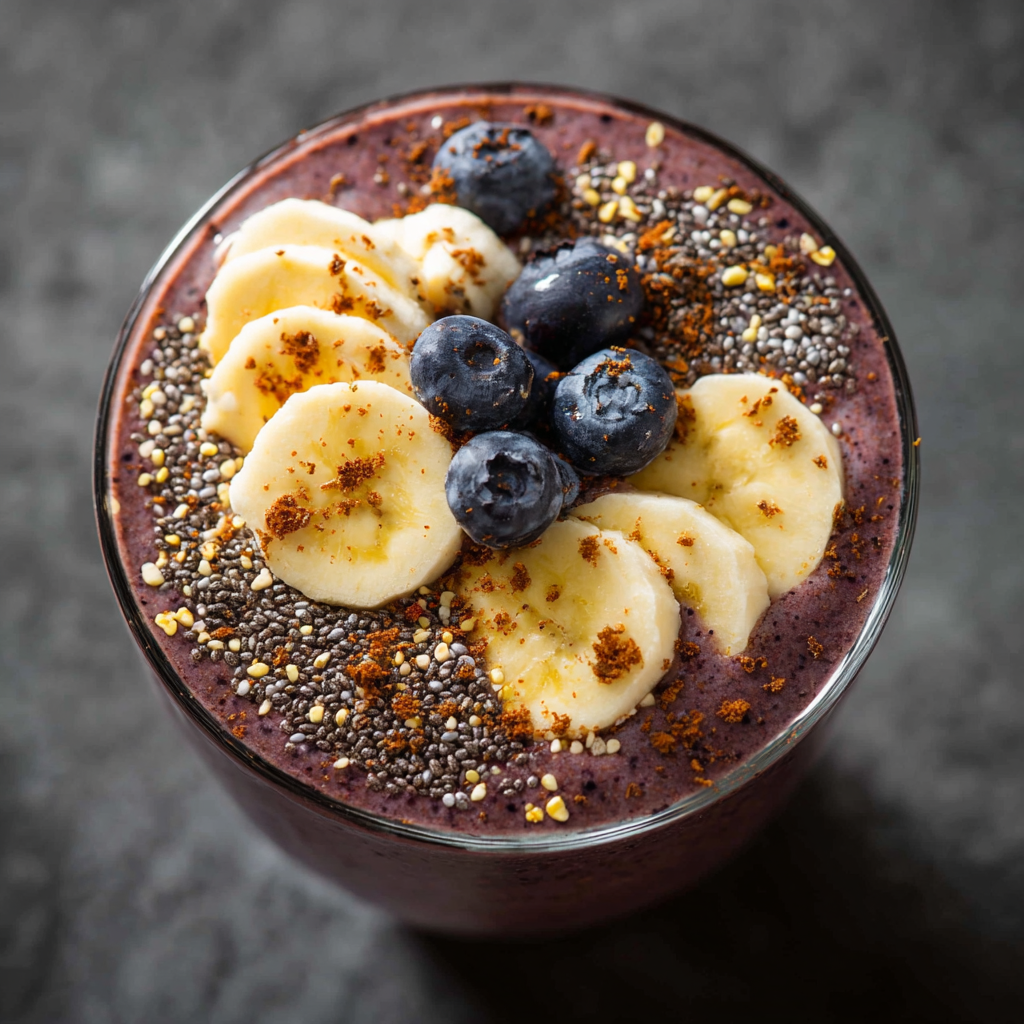
When January mornings call for something quick, nourishing, and energizing, this high protein smoothie delivers creamy satisfaction and lasting fullness that powers you through your busiest days with ease. Packed with 30 grams of protein and wholesome ingredients, this smoothie tastes like a milkshake while supporting your fitness goals and keeping hunger at bay for hours. What makes this recipe particularly brilliant is how it combines protein sources with fruits, healthy fats, and superfoods into one convenient glass that takes just five minutes to prepare yet provides comprehensive nutrition that rivals a complete meal. The thick, creamy texture feels indulgent and satisfying while the natural sweetness from fruit eliminates any need for added sugars or artificial flavors. Whether you’re rushing out the door to work, refueling after a morning workout, or simply need a nutritious breakfast that doesn’t require cooking, this protein smoothie delivers delicious results that make healthy habits feel effortless rather than restrictive.
Ingredients
This recipe makes 1 large smoothie (about 16 ounces).
- 1 scoop (30g) vanilla protein powder
- 1 cup unsweetened almond milk (or milk of choice)
- 1/2 cup plain Greek yogurt (2% or nonfat)
- 1 medium banana, frozen
- 1/2 cup frozen mixed berries
- 1 tablespoon natural almond butter
- 1 tablespoon ground flaxseed
- 1 teaspoon chia seeds
- 1/2 teaspoon vanilla extract
- 1/4 teaspoon ground cinnamon
- 3-4 ice cubes (optional, for extra thickness)
- 1 cup fresh spinach (optional)
- 1 teaspoon honey or maple syrup (optional, if additional sweetness desired)
Instructions
- Place the unsweetened almond milk in your blender first to prevent ingredients from sticking to the bottom and ensure smooth blending.
- Add the protein powder and Greek yogurt to the blender, which provides the protein foundation for this satisfying smoothie.
- Break the frozen banana into chunks and add them to the blender for natural sweetness and creamy texture.
- Add the frozen mixed berries, which contribute antioxidants, flavor, and beautiful color to the finished smoothie.
- Spoon in the almond butter, ensuring it drops into the liquid rather than sticking to the sides of the blender.
- Sprinkle the ground flaxseed and chia seeds into the blender for omega-3 fatty acids and additional fiber.
- Add the vanilla extract and ground cinnamon, which enhance flavor without adding calories or sugar.
- Include the fresh spinach if using, knowing it will blend completely and remain undetectable in taste while boosting nutrition significantly.
- Add ice cubes if you prefer an extra-thick, frosty consistency similar to a milkshake.
- Secure the blender lid tightly and start blending on low speed for 10 seconds to break down the frozen ingredients.
- Increase to high speed and blend for 45 to 60 seconds until completely smooth with no visible chunks remaining.
- Stop the blender and scrape down the sides with a spatula if needed, then blend for another 10 seconds to incorporate everything.
- Check the consistency—if too thick, add a splash more milk and blend briefly; if too thin, add more ice or frozen fruit.
- Taste the smoothie and add honey or maple syrup if you prefer additional sweetness, blending for just 5 seconds to incorporate.
- Pour the smoothie into a large glass immediately while it’s cold and at peak texture.
- Garnish with a sprinkle of chia seeds, a few fresh berries, or a dusting of cinnamon if desired before enjoying right away.
Understanding Protein’s Role in Your Wellness Goals
Protein serves as the foundation for building and maintaining lean muscle mass, which becomes increasingly important as we age and metabolic rate naturally declines. Consuming adequate protein—especially at breakfast—triggers satiety hormones that reduce hunger throughout the day and prevent overeating at subsequent meals. This makes protein smoothies particularly valuable for weight management, as they create genuine fullness that lasts several hours rather than the quick energy spike and crash associated with carbohydrate-heavy breakfasts.
This smoothie delivers approximately 30 grams of protein from multiple sources including whey or plant-based protein powder, Greek yogurt, and almond butter. Combining different protein sources provides a more complete amino acid profile than relying on a single source alone, ensuring your body receives all the building blocks needed for tissue repair, immune function, and hormone production. Furthermore, protein requires more energy to digest than carbohydrates or fats, slightly boosting your metabolism and increasing the total calories you burn throughout the day.
Starting your morning with substantial protein sets a positive tone for your entire eating pattern and makes subsequent healthy choices feel easier and more natural. Research consistently shows that high-protein breakfasts improve appetite control, reduce cravings for sugary foods, and support better overall diet quality throughout the day. Consequently, making this smoothie part of your morning routine creates positive momentum that extends far beyond the immediate nutritional benefits of the drink itself.
Selecting the Best Protein Powder
Choosing quality protein powder significantly impacts both the nutritional value and taste of your smoothie. Whey protein isolate digests quickly and provides all essential amino acids in optimal ratios for muscle building and recovery, making it ideal for post-workout smoothies. Alternatively, whey protein concentrate costs less and contains slightly more lactose and fat, which some people prefer for creamier texture and sustained energy release.
For those avoiding dairy, plant-based protein powders made from pea, rice, hemp, or blended sources work beautifully and provide comparable protein content. Look for varieties that combine multiple plant proteins to ensure complete amino acid profiles, as individual plant proteins often lack certain essential amino acids. Additionally, check labels carefully to avoid excessive added sugars, artificial sweeteners, or unnecessary fillers that diminish the nutritional quality you’re seeking.
Vanilla-flavored protein powder offers the most versatility for smoothie recipes because it complements virtually any fruit combination without clashing. However, chocolate protein powder creates delicious results when paired with bananas, berries, and peanut butter for a dessert-like experience. Unflavored protein powder provides maximum flexibility and works well when you want the fruit flavors to shine, though it may require slightly more natural sweetener to achieve the same palatability.
Creating Creamy Texture Without Ice Cream
Achieving milkshake-like creaminess without adding ice cream or heavy cream requires understanding which ingredients contribute body and smooth texture. Frozen bananas serve as the secret weapon in healthy smoothies, providing natural sweetness and incredible creaminess when blended thoroughly. The banana’s pectin and natural starches create a thick, almost ice-cream-like consistency that makes the smoothie feel indulgent despite containing no added fats or sugars beyond what’s naturally present.
Greek yogurt adds substantial thickness and tangy richness while contributing additional protein that boosts the smoothie’s nutritional profile significantly. The yogurt’s fat content—even in low-fat varieties—creates mouthfeel and satisfaction that makes the smoothie taste more filling and satisfying than versions made with protein powder alone. Furthermore, Greek yogurt provides probiotics that support digestive health and may improve nutrient absorption and immune function.
Nut butter contributes healthy fats that create satiety and help your body absorb fat-soluble vitamins from the fruits and vegetables in your smoothie. Just one tablespoon provides enough fat to make the smoothie satisfying without adding excessive calories or overwhelming the other flavors. The slight grittiness from nut butter also contributes interesting texture that prevents the smoothie from feeling too uniform or one-dimensional, though blending thoroughly creates a perfectly smooth result if that’s your preference.
Boosting Nutrition with Superfood Add-Ins
Ground flaxseed provides omega-3 fatty acids that support heart health, reduce inflammation, and contribute to healthy skin and hair. These essential fats cannot be produced by your body, making dietary sources crucial for optimal health and wellness. Additionally, flaxseed contains lignans with antioxidant properties and substantial fiber that supports digestive health while adding virtually no detectable flavor or texture to your smoothie.
Chia seeds absorb liquid and create a slightly thicker consistency while contributing additional omega-3s, fiber, and minerals including calcium and magnesium. These tiny seeds pack impressive nutritional value relative to their size, providing sustained energy release that helps maintain stable blood sugar throughout your morning. Moreover, the fiber from both flaxseed and chia seeds feeds beneficial gut bacteria, supporting digestive health and potentially improving mood and cognitive function through the gut-brain connection.
Adding fresh spinach dramatically increases the nutritional density of your smoothie without impacting taste whatsoever. The banana and berries completely mask the spinach’s flavor while the leafy greens contribute vitamins A, C, and K along with iron, folate, and antioxidants. This sneaky vegetable addition helps you meet daily produce recommendations effortlessly, transforming your smoothie into a genuine nutritional powerhouse that supports energy, immunity, and overall vitality.
Balancing Natural Sweetness and Nutrition
Using frozen fruit instead of fresh creates thicker texture while eliminating the need for excessive ice that can dilute flavor. Frozen bananas provide concentrated sweetness because their starches convert to sugars during freezing, creating more intense banana flavor than fresh bananas would offer. Similarly, frozen berries become more vibrant and flavorful when blended, releasing their juices and creating beautiful color throughout the smoothie.
The natural sugars in fruit provide quick energy along with fiber that moderates their absorption and prevents blood sugar spikes. Unlike added sugars or fruit juices, whole frozen fruit delivers vitamins, minerals, and phytonutrients that contribute to overall health while satisfying sweet cravings. The combination of protein, healthy fats, and fiber from other ingredients further slows sugar absorption, creating sustained energy release rather than the crash associated with high-sugar, low-protein breakfasts.
Most people find this smoothie perfectly sweet without any added sweeteners thanks to the ripe banana and mixed berries. However, if you prefer sweeter smoothies or use unsweetened protein powder, a small drizzle of honey or maple syrup adds pleasant sweetness without significantly impacting nutritional quality. Starting with less sweetener and adjusting to taste prevents over-sweetening and allows you to gradually reduce your preference for intense sweetness over time.
Mastering Blending Technique
Starting with liquid at the bottom of the blender prevents ingredients from getting stuck around the blades and ensures everything blends smoothly without creating clumps. This simple trick eliminates the frustration of having to stop repeatedly to scrape down sides or add more liquid to get things moving. Additionally, layering ingredients strategically—liquids first, then powders, then frozen items—creates optimal blending conditions that produce silky-smooth results.
Blending in stages rather than immediately going to high speed prevents motor strain and produces better texture. Starting on low speed breaks down large frozen chunks without overworking the motor, then increasing to high speed creates that perfectly smooth, creamy consistency without any grittiness or chunks. High-powered blenders can handle immediate high-speed blending, but standard blenders benefit from the gradual approach that produces comparable results.
Knowing when to stop blending prevents over-processing that can make smoothies thin and foamy rather than thick and creamy. Generally, 60 to 90 seconds of total blending time produces optimal results—enough to thoroughly combine everything and break down frozen fruit completely, but not so much that friction heats the smoothie or changes its texture. If your smoothie seems thin, adding more frozen fruit rather than continuing to blend creates better consistency.
Customizing for Dietary Needs and Preferences
This versatile smoothie recipe adapts easily to various dietary requirements and taste preferences without compromising nutrition or satisfaction. For vegan versions, use plant-based protein powder and substitute the Greek yogurt with coconut yogurt, cashew yogurt, or additional almond butter for creaminess. These dairy-free alternatives create comparable texture while maintaining the high protein content that makes this smoothie so filling and effective for weight management.
Those following keto or low-carb eating patterns can reduce carbohydrates by using fewer berries, replacing banana with avocado for creaminess, and adding MCT oil or coconut oil for additional healthy fats. This modification significantly lowers net carbs while maintaining the satisfying, milkshake-like texture that makes the smoothie so enjoyable. The avocado contributes no detectable flavor but creates incredible richness that rivals the banana version.
For nut-free versions essential for those with allergies, substitute sunflower seed butter or tahini for the almond butter and use oat milk or coconut milk instead of almond milk. These swaps maintain the nutritional profile and creamy texture without introducing allergens that could cause reactions. Similarly, the recipe accommodates lactose intolerance through dairy-free yogurt alternatives or by omitting yogurt entirely and increasing protein powder slightly to maintain adequate protein content.
Serving and Storing Tips
Serving Tips
Enjoy this smoothie immediately after blending while it’s cold and at peak texture for maximum enjoyment and satisfaction. The thick, frosty consistency doesn’t last long at room temperature, so drinking it right away ensures you experience the milkshake-like quality that makes this smoothie so appealing. For slower sipping, keep your smoothie cold by using an insulated tumbler or adding extra ice cubes that melt gradually as you drink.
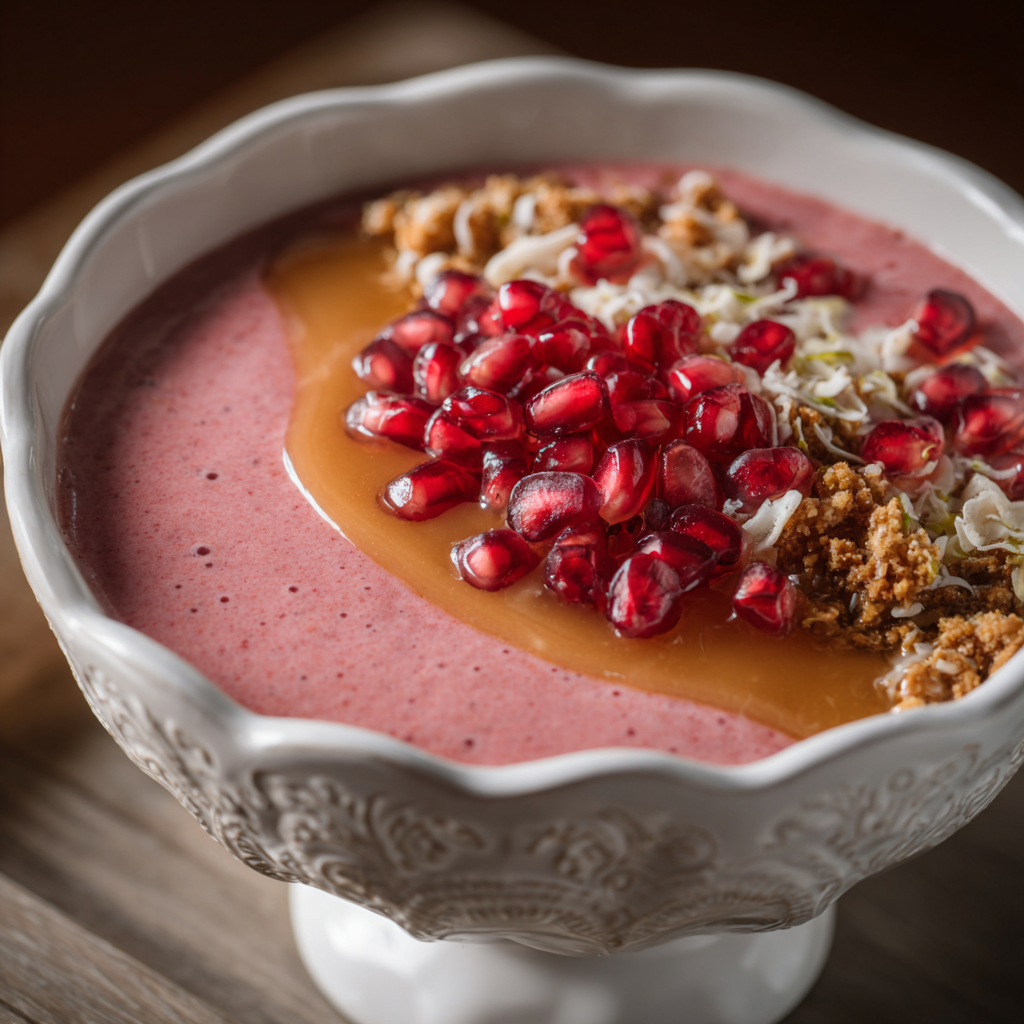
Transform this smoothie into a complete meal by pairing it with a small handful of nuts, a hard-boiled egg, or whole grain toast for additional fiber and sustained energy. While the smoothie provides substantial protein and nutrients, some people prefer a bit of solid food alongside it to create more complete satiety. Alternatively, pour the smoothie into a bowl and top it with granola, sliced fruit, coconut flakes, and seeds for a smoothie bowl that feels more like a proper breakfast.
This protein smoothie works beautifully as a post-workout recovery drink consumed within 30 minutes of finishing exercise. The combination of fast-digesting whey protein and simple carbohydrates from fruit creates optimal conditions for muscle recovery and glycogen replenishment. Additionally, the smoothie’s liquid form means nutrients absorb quickly, delivering essential amino acids to tired muscles when they need them most for repair and growth.
Storage Tips
While smoothies taste best fresh, you can prepare ingredients in advance by portioning everything except liquid into freezer bags or containers. When ready to blend, simply dump the pre-portioned frozen ingredients into your blender, add fresh milk, and blend for instant smoothie convenience. This meal prep approach makes healthy breakfasts even easier during hectic mornings when you’re tempted to skip breakfast or grab something less nutritious.
If you need to make the smoothie ahead of time, store it in an airtight jar or bottle in the refrigerator for up to 24 hours maximum. Shake or stir vigorously before drinking, as ingredients naturally separate during storage. However, texture and flavor deteriorate significantly after a few hours, so this approach works best only when absolutely necessary rather than as standard practice.
Freezing finished smoothies works reasonably well for up to 1 month if you’re willing to accept some texture changes. Pour the smoothie into freezer-safe jars leaving headspace for expansion, then thaw overnight in the refrigerator and shake well before drinking. Alternatively, pour smoothie into ice cube trays, then blend the frozen cubes with a splash of fresh milk when ready to drink, which restores much of the original texture and flavor.
Helpful Notes
Experimenting with different frozen fruit combinations keeps your smoothies interesting and prevents flavor fatigue. Tropical blends with mango, pineapple, and coconut create vacation-inspired flavors, while mixed berries with cherries offer antioxidant-rich options. Seasonal variations using peaches in summer or pears in fall showcase different produce throughout the year while maintaining the nutritional benefits that make this smoothie so valuable.
For chocolate lovers, add 1 tablespoon of unsweetened cocoa powder along with a chocolate protein powder for a rich, dessert-like experience that still supports your wellness goals. The cocoa contributes additional antioxidants and magnesium while creating indulgent flavor that satisfies sweet cravings without added sugar. This variation tastes remarkably similar to a chocolate milkshake while delivering 30+ grams of protein and substantial nutrients.
Boosting the smoothie’s nutritional content even further requires creative additions that enhance benefits without compromising taste. A tablespoon of wheat germ adds B vitamins and vitamin E, while half a scoop of collagen peptides supports skin, hair, and joint health. Powdered greens, spirulina, or acai powder transform your smoothie into a genuine superfood powerhouse, though these ingredients have stronger flavors that some people find less appealing.
Common mistakes include adding too much liquid, which creates thin, watery smoothies rather than thick, satisfying ones, or using fresh fruit instead of frozen, which requires excessive ice that dilutes flavor. Additionally, under-blending leaves chunks of frozen fruit that make drinking unpleasant, while over-blending creates foam and thin texture. Finding the balance through practice produces consistently excellent results.
Chef Tips
Professional smoothie makers often freeze ripe bananas in advance by peeling them, breaking into chunks, and storing in freezer bags for instant smoothie readiness. This preparation ensures you always have perfectly ripe bananas available and eliminates the disappointment of finding only green bananas when you want to make a smoothie.
Another expert technique involves blooming the chia seeds by mixing them with almond milk 5 minutes before blending, which creates a gel that thickens the smoothie even more. This optional step produces an extra-luxurious texture that closely mimics thick milkshakes while boosting fiber content significantly.
Frequently Asked Questions
Can I use fresh fruit instead of frozen? Yes, but add more ice to achieve thick consistency; frozen fruit creates better texture and eliminates the need for excessive ice that dilutes flavor.
How do I make this smoothie lower in calories? Use water or unsweetened almond milk, reduce nut butter to 1 teaspoon, and use nonfat Greek yogurt while maintaining protein content for satiety.
Will the spinach make my smoothie taste green? No, the banana and berries completely mask the spinach’s flavor; you’ll get all the nutrients without any detectable vegetable taste.
Can I prep smoothie ingredients in advance? Absolutely, portion all ingredients except liquid into freezer bags, then blend with fresh milk whenever you need a quick, healthy breakfast.
How long does this smoothie keep me full? Most people stay satisfied for 3 to 4 hours thanks to the high protein, healthy fats, and fiber that create genuine, lasting fullness.
Fueling Your Active Lifestyle
Starting your day with substantial protein and comprehensive nutrition sets the foundation for sustained energy, mental clarity, and physical performance throughout your morning. This smoothie proves that nourishing your body properly doesn’t require extensive meal preparation or complicated cooking skills—sometimes the most effective nutrition comes in simple, convenient forms. When you prioritize protein and whole food ingredients, fueling yourself well becomes effortless rather than another task on your overwhelming to-do list.
The practical advantages of mastering a go-to protein smoothie recipe extend far beyond convenience to include significant time savings and reduced decision fatigue. Having a reliable breakfast formula eliminates morning stress about what to eat and ensures you never skip breakfast due to lack of time or preparation. Furthermore, the minimal cleanup required—just rinsing your blender—makes healthy eating more sustainable by removing barriers that often derail good intentions.
As you incorporate this high protein smoothie into your regular routine, you’ll likely notice improvements in your energy levels, appetite control, and overall sense of wellbeing. The combination of protein, healthy fats, and nutrient-dense ingredients supports stable blood sugar, reducing the mid-morning crashes and cravings that often sabotage wellness goals. Many people find that starting their day with proper nutrition creates positive momentum that influences all their subsequent food choices, making healthy eating feel natural rather than forced.
The simple act of prioritizing protein and nutrition at breakfast creates a powerful foundation for achieving your fitness and wellness goals. Each satisfying smoothie reinforces your commitment to treating your body well and proves that nourishing yourself properly enhances rather than restricts your enjoyment of food. These accumulated positive choices transform temporary resolutions into lasting lifestyle changes that support strength, vitality, and genuine satisfaction without deprivation, struggle, or the constant mental battle between convenience and health.
Did this High Protein New Year Smoothie become your morning essential? If you loved how it kept you satisfied for hours, how the creamy texture made healthy eating feel indulgent, and how quickly it came together even on your busiest mornings, we’d be absolutely thrilled if you could save this recipe for daily use, pin it to your healthy breakfast or meal prep board, or share it with friends who need quick, nutritious solutions for hectic schedules. Your support and enthusiasm mean everything to us and inspire us to keep creating and sharing recipes that make wellness accessible, delicious, and completely sustainable for everyone. Tell us in the comments which flavor variations you tried and how this smoothie supported your fitness journey—we love hearing about your creative combinations and health transformations!