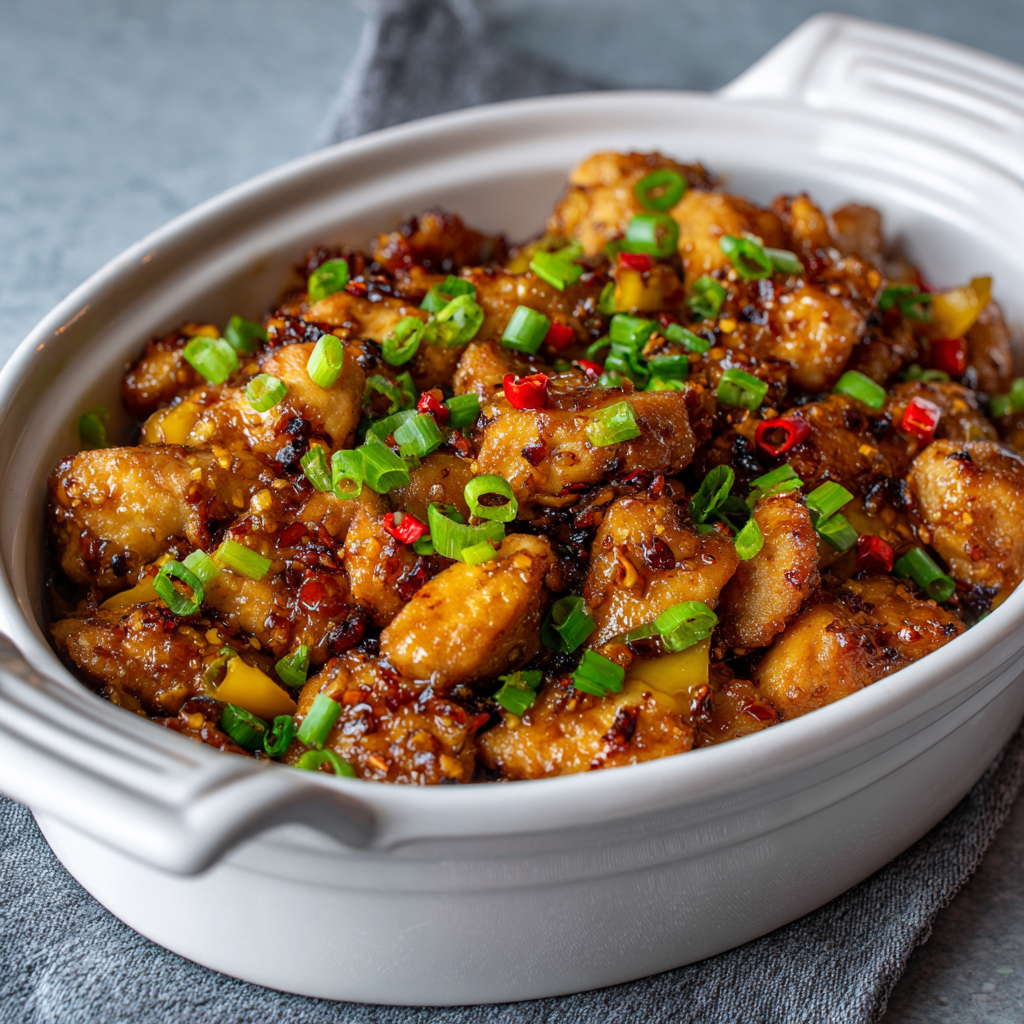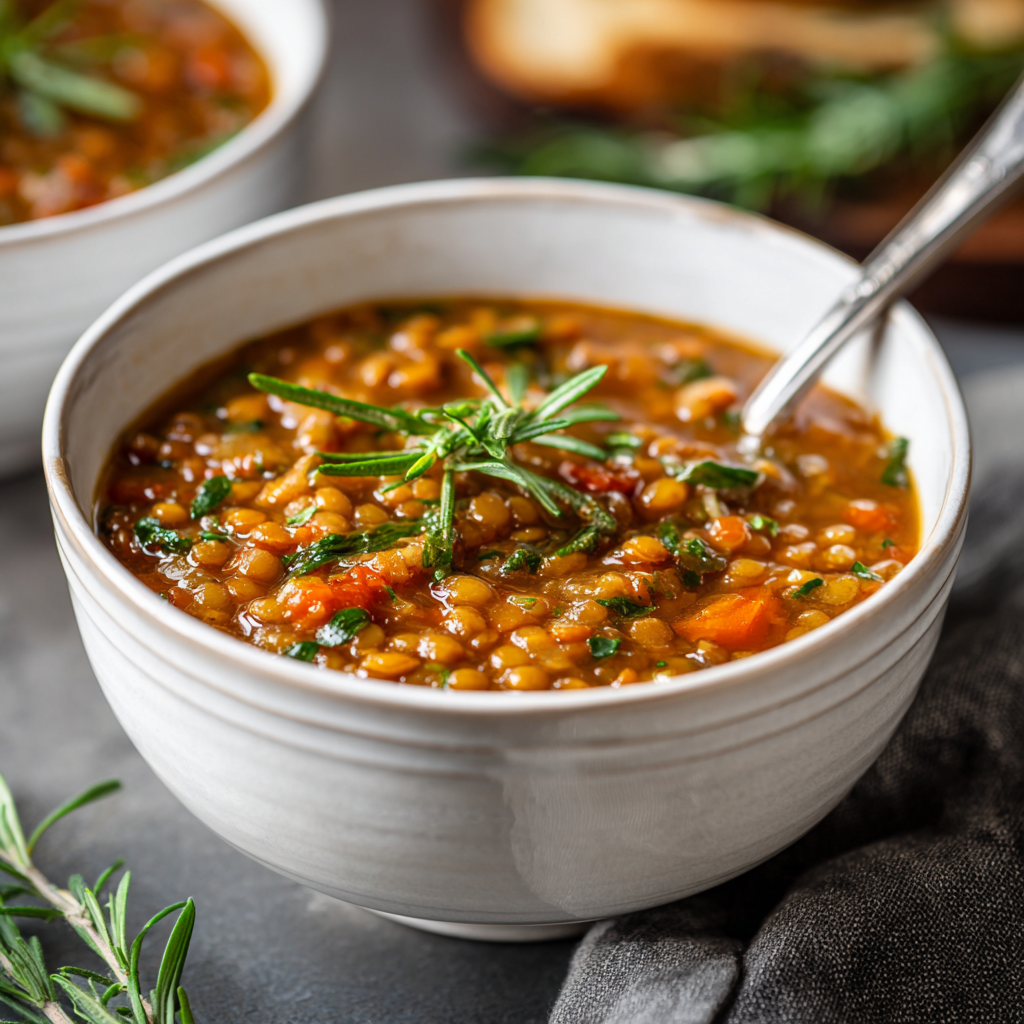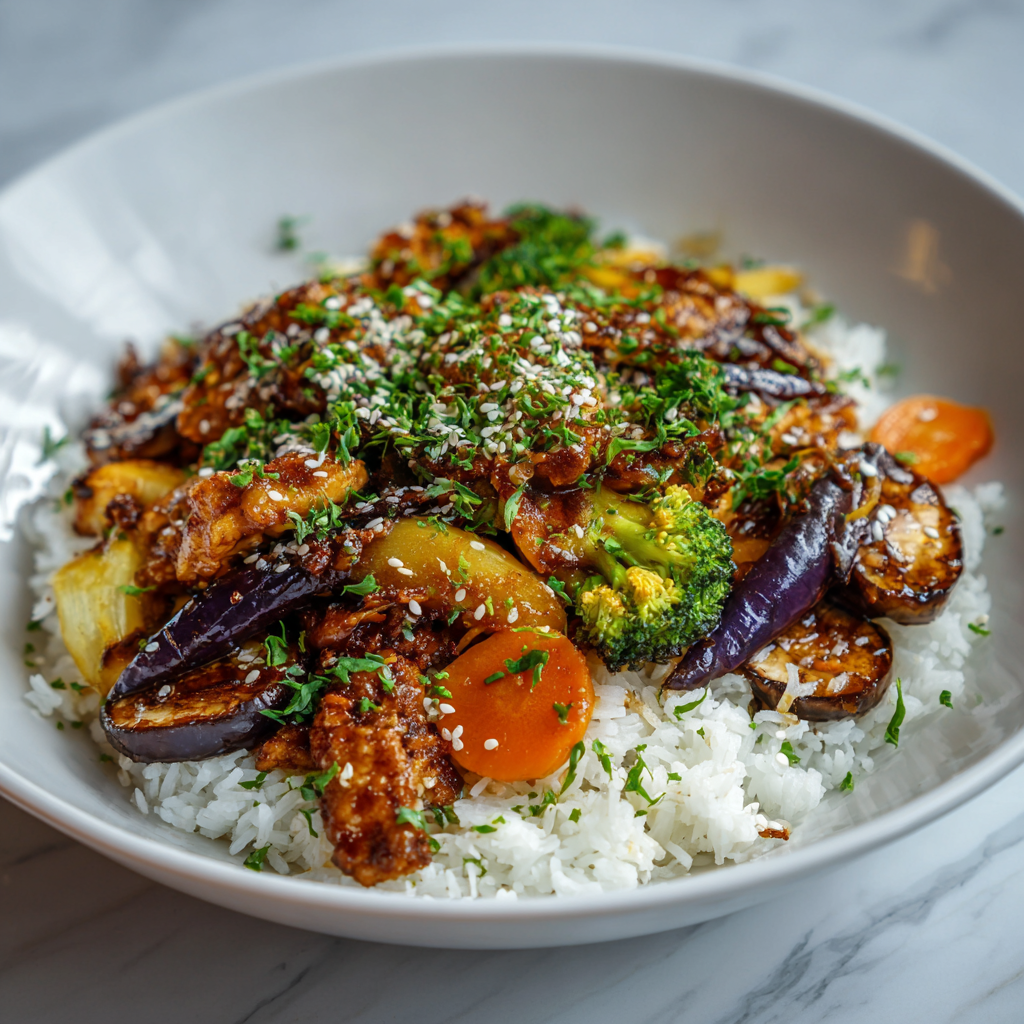
When cravings for takeout strike hard, resist the urge to order from your favorite restaurant by preparing this High Protein Stir Fry Bowl at home in less time than delivery would take. Loaded with tender protein, vibrant vegetables, and a savory sauce that tastes absolutely authentic, these bowls prove that homemade Asian-inspired cuisine surpasses restaurant versions while delivering superior nutrition and cost savings. First, this recipe packs more protein than most restaurant bowls through the strategic combination of multiple protein sources that work together seamlessly. Next, every element comes together in approximately 25 minutes from start to finish, making this accessible for busy weeknights when elaborate cooking feels impossible. Additionally, the combination of crisp-tender vegetables, succulent protein, and perfectly seasoned sauce creates layers of flavor and texture that keep every bite exciting and deeply satisfying. Most importantly, this bowl represents complete, balanced nutrition—substantial enough to serve as a filling dinner yet light enough that you feel energized rather than sluggish afterward. Whether you’re an athlete fueling recovery, someone focused on building muscle, or simply seeking a delicious, protein-rich meal that doesn’t require complicated techniques, this recipe delivers results that’ll have you returning to it week after week.
Ingredients
This recipe makes 2 servings (one generous bowl per person).
For the Protein:
- 8 ounces boneless, skinless chicken breast, cut into bite-sized pieces
- 4 ounces large shrimp, peeled and deveined
- 2 tablespoons soy sauce
- 1 tablespoon rice vinegar
- 1 teaspoon sesame oil
- 1/2 teaspoon garlic powder
- 1/4 teaspoon ground ginger
- 1/4 teaspoon black pepper
For the Stir Fry Sauce:
- 3 tablespoons low-sodium soy sauce
- 2 tablespoons oyster sauce
- 1 tablespoon rice vinegar
- 1 tablespoon honey or maple syrup
- 2 teaspoons sesame oil
- 1 teaspoon grated fresh ginger
- 3 cloves garlic, minced
- 1/4 teaspoon red pepper flakes, optional
- 1/4 cup low-sodium chicken or vegetable broth
- 1 teaspoon cornstarch mixed with 1 tablespoon water (slurry)
For the Bowl Base and Vegetables:
- 2 tablespoons olive oil or avocado oil, divided
- 2 cups broccoli florets
- 1 medium red bell pepper, sliced into thin strips
- 1 medium yellow bell pepper, sliced into thin strips
- 1 medium zucchini, sliced into half-moons
- 1 cup snap peas, strings removed
- 1 medium carrot, sliced thin or julienned
- 4 ounces mushrooms, sliced
- 3 cups cooked brown rice or cauliflower rice
- 3 green onions, sliced thin, divided
- 2 cloves garlic, minced
- 1 tablespoon grated fresh ginger
For Toppings and Garnish:
- 1/4 cup raw almonds or cashews, sliced
- 2 tablespoons raw sesame seeds, white and/or black
- Fresh cilantro or parsley, chopped
- Lime wedges for serving
- Sriracha or chili oil, optional
Preparing and Marinating the Protein
To begin, cut your chicken breast into uniform bite-sized pieces, approximately three-quarters of an inch each—this ensures even cooking without pieces becoming overcooked on the exterior while remaining raw in the center. Pat the chicken pieces dry using paper towels, as moisture prevents proper browning and creates steam instead of the desirable golden exterior. Next, peel and devein your shrimp if not already prepared, patting them dry as well to promote proper searing and beautiful color development.
In a medium bowl, combine two tablespoons of soy sauce, rice vinegar, sesame oil, garlic powder, ground ginger, and black pepper to create a flavorful marinade that will infuse your proteins. Add the chicken pieces and shrimp to this mixture, tossing gently to ensure complete coverage. First, allow this marinade to sit while you prepare your vegetables—even 10 to 15 minutes makes a noticeable difference in flavor absorption. Next, the acid from the rice vinegar begins breaking down the proteins, tenderizing them while the seasonings penetrate throughout. This simple step transforms basic protein into something genuinely flavorful without requiring lengthy marinating times that don’t fit busy schedules.
Creating Your Signature Stir Fry Sauce
While your proteins marinate, prepare your sauce by combining low-sodium soy sauce, oyster sauce, rice vinegar, honey or maple syrup, and sesame oil in a small bowl. Add the grated fresh ginger, minced garlic, and optional red pepper flakes, stirring everything together until the honey dissolves completely and the mixture becomes homogeneous. Next, pour in the low-sodium broth and stir well. In a separate small container, mix the cornstarch with water to create a slurry that will thicken your sauce to the perfect consistency without creating clumps.
Taste your sauce and adjust the flavors according to your preferences—add more soy sauce for deeper umami, more honey for sweetness, or additional ginger for pungency. This sauce should feel balanced between salty from the soy sauce, slightly sweet from the honey, tangy from the vinegar, and aromatic from the ginger and garlic. First, remember that you’ll add the cornstarch slurry only at the very end of cooking, so the current texture doesn’t matter. Next, this sauce is the flavor foundation for your entire bowl, so spend a moment ensuring it tastes absolutely delicious before moving forward with cooking.
Cooking Your Proteins to Perfection
Heat one tablespoon of oil in a large skillet or wok over medium-high heat until it shimmers and moves easily across the pan. Once sufficiently hot, remove the chicken and shrimp from their marinade using a slotted spoon, reserving any leftover marinade for later use. Carefully add the marinated chicken to the hot skillet, spreading it in a single layer without crowding the pan. Resist the urge to stir or move the pieces around, allowing them to develop a beautiful golden crust for approximately three to four minutes on the first side.
Stir the chicken pieces and continue cooking for approximately two to three more minutes until all sides develop color and the internal temperature reaches 165 degrees Fahrenheit. Next, transfer the cooked chicken to a clean plate and set aside temporarily. Return the skillet to medium-high heat and add the marinated shrimp in a single layer, cooking for approximately one to two minutes per side until they turn pink and opaque throughout—be careful not to overcook shrimp as it becomes rubbery and tough when cooked too long.
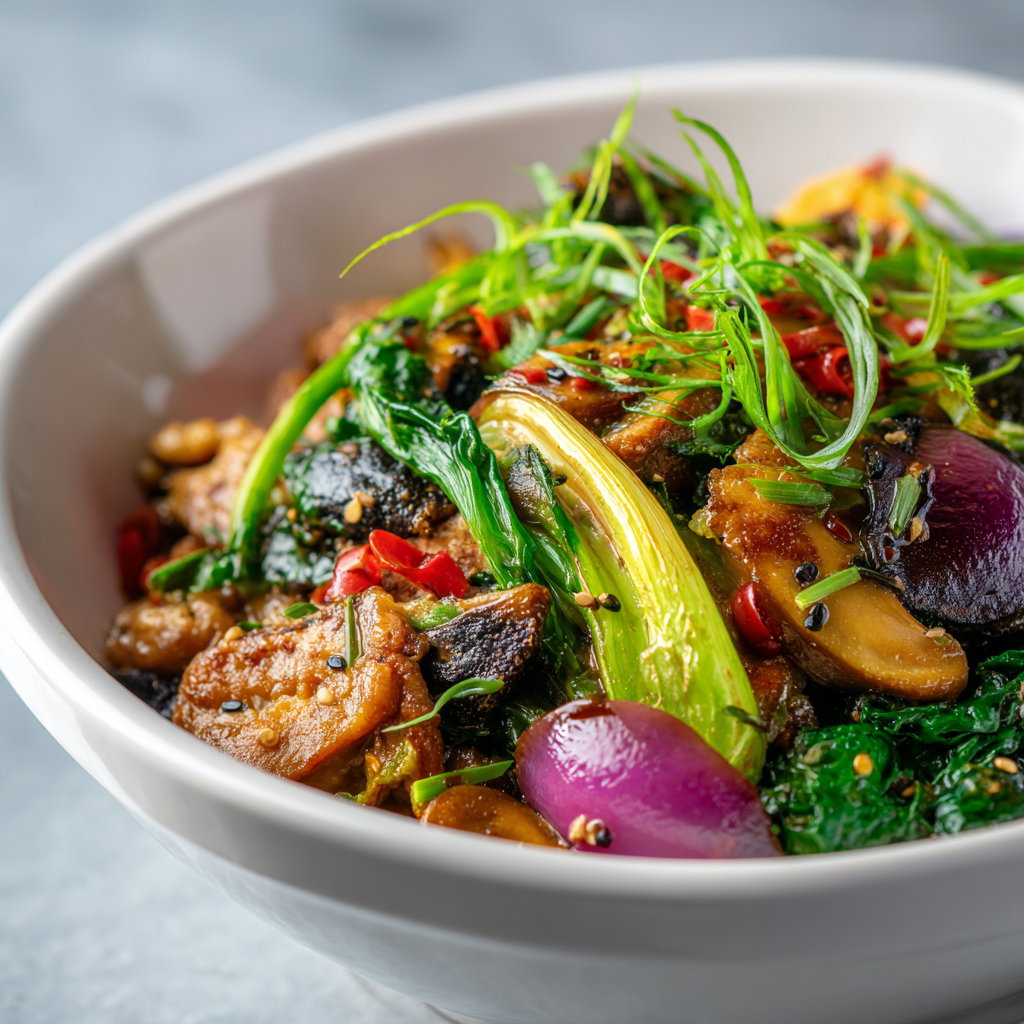
Once the shrimp finishes cooking, return the chicken to the skillet to reheat gently. First, this combines all your proteins in one place while keeping them warm. Next, having both proteins ready at the same time streamlines your final assembly process and ensures everything comes together seamlessly.
Stir Frying Your Vegetables
In the same skillet or wok over medium-high heat, add the remaining tablespoon of oil. Once hot, add the broccoli florets and cook for approximately two minutes without stirring, allowing them to develop slight color before tossing. Next, add the sliced bell peppers and continue cooking for approximately two minutes more, stirring occasionally. Afterward, add the sliced zucchini, snap peas, carrot slices, and mushrooms, continuing to cook and stir frequently for approximately three to four minutes until all vegetables reach a crisp-tender texture.
Add the minced garlic and grated ginger during the final minute of cooking, stirring constantly to ensure they don’t burn while releasing their aromatic compounds throughout the vegetables. The finished vegetables should retain bright color and slight firmness—they’ll continue cooking slightly from residual heat even after you remove the pan from the stove. First, overcooking vegetables results in mushy texture and nutrient loss, so timing is crucial for achieving the perfect result. Next, vegetables cooked this briefly maintain their nutritional content, vibrant color, and satisfying crunch that makes the eating experience genuinely enjoyable.
Combining Everything and Creating the Final Sauce
Return the cooked chicken and shrimp to the skillet with the vegetables, stirring gently to combine all components. Pour your prepared sauce over everything, stirring well to coat every element evenly. Next, add the reserved marinade from your proteins, which contains additional flavor compounds that have been sitting and developing while you cooked everything else.
Heat the mixture over medium heat for approximately two minutes, stirring occasionally, until the sauce begins to bubble slightly at the edges. Add your cornstarch slurry gradually while stirring constantly, beginning with half of it and adding more as needed to reach your desired sauce thickness. Cook for an additional 30 to 60 seconds until the sauce thickens and becomes glossy, clinging to the proteins and vegetables beautifully. First, if you add all the slurry at once, you risk over-thickening your sauce, so adding gradually allows better control. Next, the finished sauce should coat your ingredients without being gloppy or starchy-tasting—it should feel like a light, flavorful glaze rather than a thick gravy.
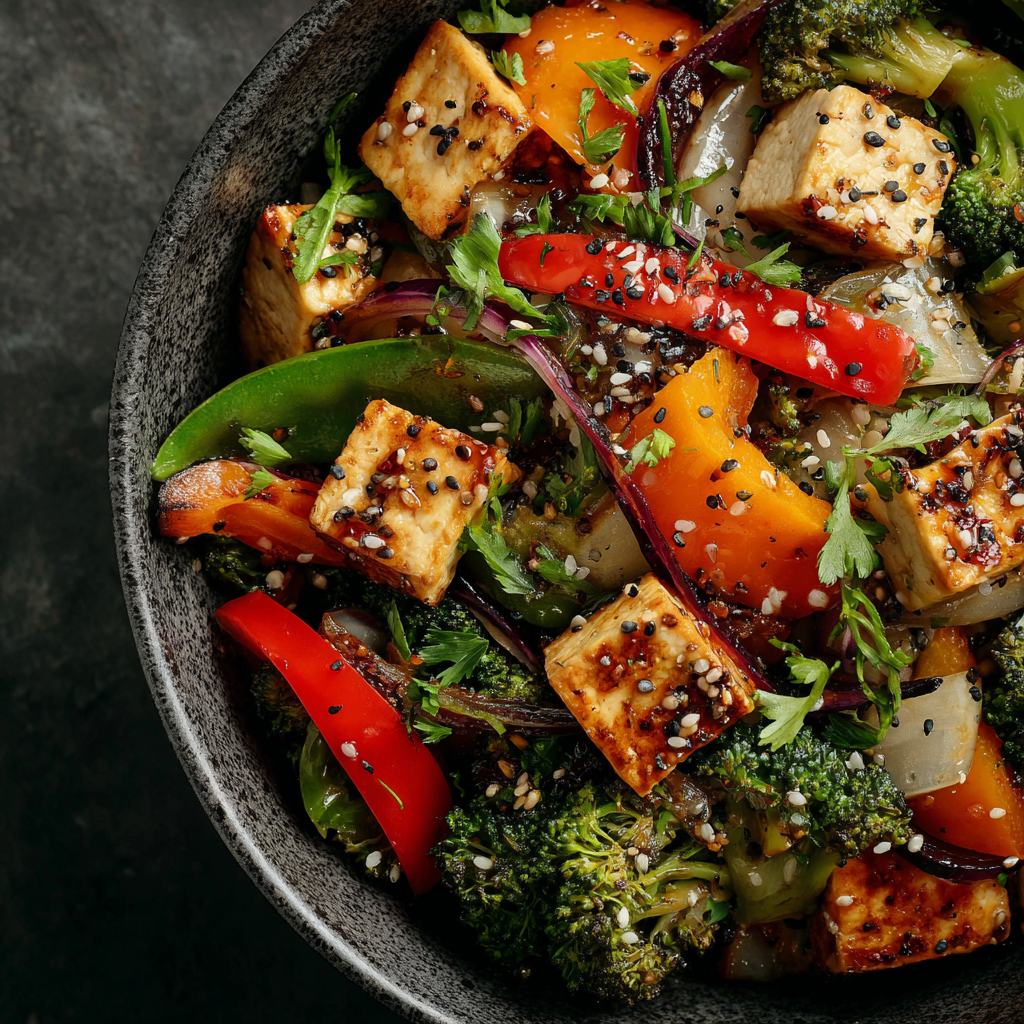
Add most of your sliced green onions to the stir fry mixture, stirring gently to incorporate them while maintaining their fresh quality. Taste and adjust the seasoning as needed—if your sauce needs more depth, add additional soy sauce; if it needs brightness, add more vinegar or lime juice. Remove from heat and allow the mixture to rest for one minute before serving, which allows the flavors to meld and the temperature to stabilize slightly.
Assembling Your High Protein Stir Fry Bowl
To begin assembly, divide your cooked brown rice or cauliflower rice evenly between two large bowls, creating a generous foundation for all the other components. Next, spoon the hot stir fry mixture—with all its proteins, vegetables, and sauce—directly over the grain base, distributing it evenly across each bowl. Afterward, any sauce remaining in the skillet should be divided between the bowls as well, drizzled over everything for maximum flavor.
Sprinkle the sliced almonds or cashews across the top of each bowl, adding richness, crunch, and additional protein. Scatter the sesame seeds generously, creating visual appeal while adding nutty flavor and nutritional benefits. Next, add the reserved sliced green onions as a final garnish, providing fresh color and mild onion flavor that brightens the entire dish. Add chopped fresh cilantro or parsley for additional herbaceous aroma and visual sophistication.
Serve immediately while everything remains warm with lime wedges on the side for those who prefer additional citrus brightness. Additionally, offer sriracha or chili oil alongside, allowing guests to customize their spice level according to personal preferences. The contrast between warm proteins and vegetables, cool grain base, and crunchy toppings creates a dynamic eating experience that satisfies completely.
Serving and Storing Tips
Serving Tips
These bowls shine brightest when served immediately after assembly, while the stir fry components remain hot and the toppings maintain their crispness and individual textures. Present them in substantial bowls to make the meal feel restaurant-quality and worthy of your efforts. Additionally, arrange extra lime wedges, additional sauce, and sriracha or chili oil on the side, allowing guests to customize their bowls to their exact preferences and spice tolerance.
Furthermore, these pair beautifully with cold beverages like iced tea, sparkling water with fresh lemon, or a light beer. For a more complete meal, serve with miso soup or a simple cucumber salad as a starter. For casual gatherings, consider serving the components separately family-style, allowing everyone to assemble their own personalized version with preferred protein-to-vegetable ratios.
Storage Tips
First, store the cooked stir fry mixture including proteins, vegetables, and sauce in a single airtight container in the refrigerator for up to three days. Afterward, keep the cooked rice or cauliflower rice in a separate container to maintain its texture and prevent it from becoming soggy. Store the nuts, seeds, and fresh herbs separately, adding them only just before serving to maintain their crispness and vibrant qualities.
Additionally, the prepared sauce keeps well in a sealed container for up to five days, allowing you to make quick stir fries throughout the week by simply cooking proteins and vegetables fresh. When ready to enjoy a bowl from your meal prep work, reheat the stir fry mixture gently in the microwave for 90 to 120 seconds or in a skillet over medium heat for two to three minutes, stirring occasionally. Next, reheat the grain separately or serve at room temperature if you prefer a cooler base. Unlike fully assembled bowls which become soggy after a few hours, storing components separately maintains their individual quality and textures throughout the week.
Helpful Notes and Ingredient Substitutions
The flexibility of this recipe allows you to adapt it based on what proteins appeal to you, what vegetables are in season, and your dietary preferences without compromising its high-protein integrity. For protein options, substitute the chicken and shrimp combination with beef sirloin, pork tenderloin, tofu, tempeh, or additional shrimp. Additionally, you can use all one protein if preferred—simply double the quantity of whichever protein you’re most excited about serving.
For vegetable options, replace any of the suggested vegetables with your preferences—try bok choy, asparagus, green beans, cauliflower, Brussels sprouts, or cabbage depending on season and availability. Furthermore, any firm vegetables work beautifully in stir fries, so let your preferences and what’s fresh at your market guide your selections. Next, if you lack oyster sauce, substitute with additional soy sauce mixed with a touch of molasses or honey for similar depth.
To save time during busy weeks, prepare your sauce up to two days in advance and store it in the refrigerator. Moreover, marinate your proteins the evening before, allowing you to simply cook everything fresh when hunger strikes. Next, prep all your vegetables and store them in separate containers—this takes just 15 minutes but saves considerable time during actual cooking. Avoid common mistakes by not over-cooking your vegetables—they should remain crisp-tender with bright color, not soft or dull. Additionally, don’t skip the cornstarch slurry, as this transforms your loose sauce into something that clings beautifully to ingredients rather than running off into your rice.
Chef Tips
First, create deeper umami flavors by adding one tablespoon of miso paste to your sauce instead of some of the soy sauce—this adds complexity that makes people wonder about your secret ingredient. Next, toast your sesame seeds lightly in a dry skillet for one minute before garnishing, which intensifies their nutty flavor and aroma without requiring additional oil or effort.
Frequently Asked Questions
Can I prepare all components of this bowl in advance? Yes, cook your proteins and vegetables the day before and store separately—simply reheat gently and assemble fresh bowls in minutes when ready to eat.
What if I don’t have time for all the individual steps? Use pre-cut vegetables from your market, rotisserie chicken, frozen shrimp, and bottled stir fry sauce to reduce preparation time while maintaining nutrition.
Is brown rice necessary or can I use white rice? Absolutely use white rice if preferred—it provides similar carbohydrates though slightly less fiber than brown rice, though brown rice offers superior nutrition.
Can I make this recipe less spicy for family members who prefer milder flavors? Yes, omit the red pepper flakes from the sauce and skip the sriracha garnish—the dish remains delicious and flavorful without heat.
How can I make this recipe vegetarian without sacrificing protein content? Use tofu or tempeh as your protein source, and add chickpeas or lentils to boost protein content further while maintaining the stir fry’s satisfying nature.
Why High Protein Stir Fry Bowls Belong in Your Weekly Rotation
These bowls represent the perfect intersection of nutrition, flavor, and practicality that makes home cooking genuinely worthwhile. First, they deliver substantial protein through multiple sources that work together to create complete amino acid profiles, essential for building and maintaining lean muscle mass. Next, the abundance of vegetables provides vitamins, minerals, and fiber that support overall health while keeping calories reasonable despite generous portions.
The quick cooking time means you can have restaurant-quality meals on the table faster than delivery would arrive, while investing less money and controlling every ingredient that enters your body. Most importantly, these bowls prove that Asian-inspired cuisine doesn’t require complicated techniques or mysterious ingredients—instead, quality components prepared with intention create authentic, delicious results that rival professional restaurant versions.
The versatility of stir fries means you’ll return to this recipe again and again, each time adapting it based on what proteins appeal to you and what vegetables are in season. From weeknight dinners to weekend meal prep sessions to impressive meals for entertaining, these bowls adapt seamlessly to every situation. First-time cooks find these bowls encouraging because every step is straightforward, while experienced home cooks appreciate the flavor complexity and endless customization opportunities.
Furthermore, the high protein content means you stay satisfied for hours afterward, preventing afternoon energy crashes and snacking that undermines your nutrition goals. The vibrant colors, satisfying textures, and authentic flavors make eating well feel genuinely enjoyable rather than restrictive or temporary. Whether you’re an athlete fueling recovery, someone building muscle at the gym, or simply seeking delicious, balanced meals that feel indulgent while supporting your health, these stir fry bowls deliver everything you need in a single, beautiful package.
Did you love this High Protein Stir Fry Bowl recipe? If so, we’d absolutely adore it if you’d save this recipe for later, pin it to your favorite Pinterest board, or share it with friends and family who appreciate quick, delicious, protein-packed meals that taste like restaurant takeout. Your support means everything to us and inspires us to keep creating nutritious recipes that make healthy eating feel achievable, enjoyable, and genuinely delicious. Thank you for cooking with us today!