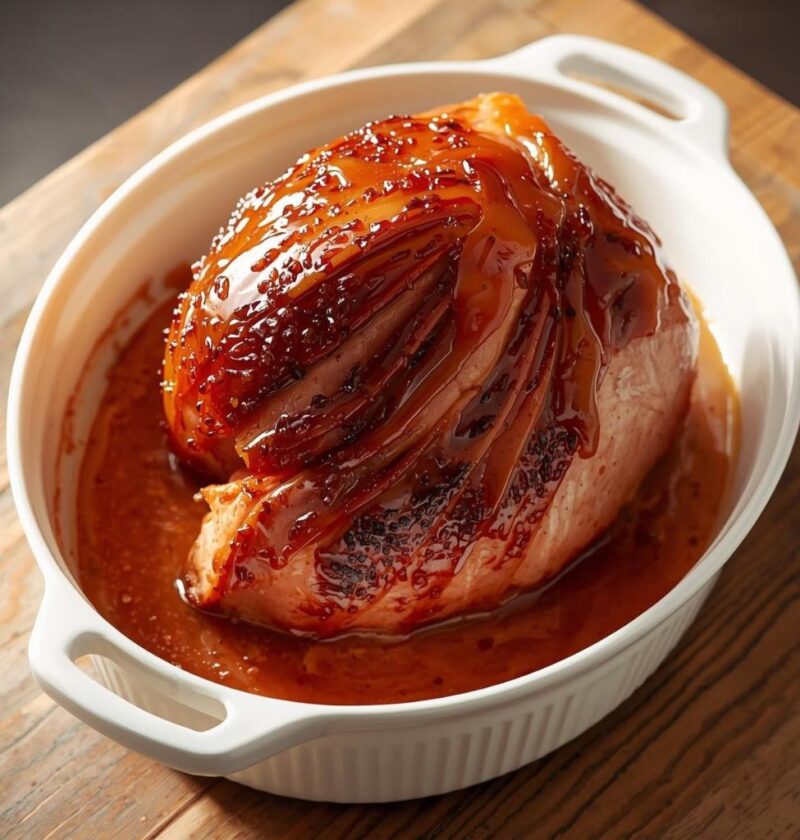
Honey glazed ham is the ultimate elegant centerpiece that brings together the natural richness of quality ham with the pure, golden sweetness of honey to create a stunning main course that’s both refined and genuinely comforting. This beautiful glazed ham features a succulent, tender interior with a lustrous, caramelized exterior that glistens under the light and delivers bold flavors that make people close their eyes in satisfaction with every bite. What makes this recipe so special is the way honey creates a smoother, more refined glaze compared to brown sugar versions, allowing the subtle ham flavors to shine through while the glaze adds sophisticated sweetness and beautiful caramelization. Additionally, honey glazed ham works equally well for elegant holiday celebrations, special occasion dinners, impressive family gatherings, Easter meals, or any occasion where you want to serve a show-stopping centerpiece that requires surprisingly little hands-on effort. The beauty of this recipe lies in its elegant simplicity and the way a few quality ingredients combined with proper technique create something that tastes far more complicated than it actually is. Furthermore, despite its impressive appearance and indulgent taste, preparing this dish is remarkably straightforward and manageable, making it perfect for home cooks who want to create elegant meals without spending hours in the kitchen or mastering complicated culinary techniques.
Ingredients
This recipe serves 12–16 people with generous portions and satisfying leftovers
For the Ham:
- 1 bone-in ham, fully cooked (10–12 pounds)
- ½ cup water or ham broth
- ¼ cup apple juice or orange juice (optional, for additional moisture)
For the Honey Glaze:
- ¾ cup pure honey (wildflower or clover honey works beautifully)
- 4 tablespoons unsalted butter
- 2 tablespoons whole grain mustard
- 1 tablespoon Dijon mustard
- 1 tablespoon apple cider vinegar
- 1 teaspoon fresh ginger, grated or minced
- ½ teaspoon ground cinnamon
- ¼ teaspoon ground cloves
- ¼ teaspoon black pepper
- ¼ teaspoon salt
- ⅛ teaspoon cayenne pepper
- Optional: 1 tablespoon bourbon or brandy for sophistication
- Optional: 1 tablespoon fresh orange zest for brightness
- Optional: 1 teaspoon fresh thyme for herbaceous depth
- Optional: ¼ teaspoon smoked paprika for subtle smokiness
For Scoring and Garnish:
- Whole cloves for studding
- Fresh rosemary sprigs for garnish
- Orange slices or fresh berries for decoration
- Fresh mint for final garnish
Step-by-Step Instructions
1. Preheat your oven to 325°F and position the oven rack to allow adequate space for the ham without blocking heat circulation.
2. Remove the ham from the refrigerator approximately 30 minutes before baking to allow it to come closer to room temperature for more even cooking throughout.
3. Place the ham, cut-side down, in a large roasting pan with raised sides that will adequately contain the drippings and liquids.
4. Pour the water or ham broth into the bottom of the roasting pan, creating a liquid base that will keep the ham moist during the extended baking period.
5. If using juice, add it to the liquid in the bottom of the pan, combining it with the water for additional flavor and moisture.
6. Cover the roasting pan tightly with aluminum foil, ensuring that steam cannot escape during the initial gentle baking period.
7. Bake the covered ham at 325°F for approximately 15–18 minutes per pound, or roughly 2.5 to 3 hours for a 10–12 pound ham.
8. While the ham is baking, prepare the honey glaze by combining the pure honey and unsalted butter in a medium saucepan over medium-low heat.
9. Stir the mixture gently and constantly until the butter melts completely and combines evenly with the honey, creating a smooth, golden mixture.
10. Remove the saucepan from the heat and allow it to cool slightly, approximately 2–3 minutes, before adding other ingredients.
11. Stir in the whole grain mustard, Dijon mustard, and apple cider vinegar, mixing until completely incorporated and smooth.
12. Add the fresh ginger, ground cinnamon, ground cloves, black pepper, salt, and cayenne pepper, stirring until these ingredients are evenly distributed.
13. If using optional bourbon, orange zest, fresh thyme, or smoked paprika, add these ingredients now and stir until completely combined.
14. Taste the glaze and adjust seasonings as needed, adding more mustard for tang, honey for additional sweetness, or spices for deeper complexity according to your preference.
15. Remove the ham from the oven after approximately 2.5 to 3 hours of baking, verifying that the internal temperature has reached at least 140°F using a meat thermometer.
16. Carefully remove the aluminum foil covering and reserve the liquid remaining in the pan for serving as a sauce alongside the ham.
17. Using a sharp knife, score the surface of the ham in a diagonal crosshatch pattern, cutting through the fat layer but not deeply into the meat.
18. Space the score lines approximately ½ inch apart to create a uniform, professional-looking pattern that allows the glaze to penetrate the ham beautifully.
19. If desired, stud the scored ham with whole cloves, pressing one clove into the center of each diamond created by the crosshatch scoring pattern.
20. Brush the entire surface of the ham generously with the prepared honey glaze, ensuring complete coverage on all sides and surfaces.
21. Return the glazed ham to the oven, uncovered, and bake for an additional 30–45 minutes until the glaze becomes deeply caramelized and turns a beautiful golden amber color.
22. Baste the ham with additional glaze every 10–15 minutes during this final baking period, using a basting brush to ensure even caramelization and build layers of flavor.
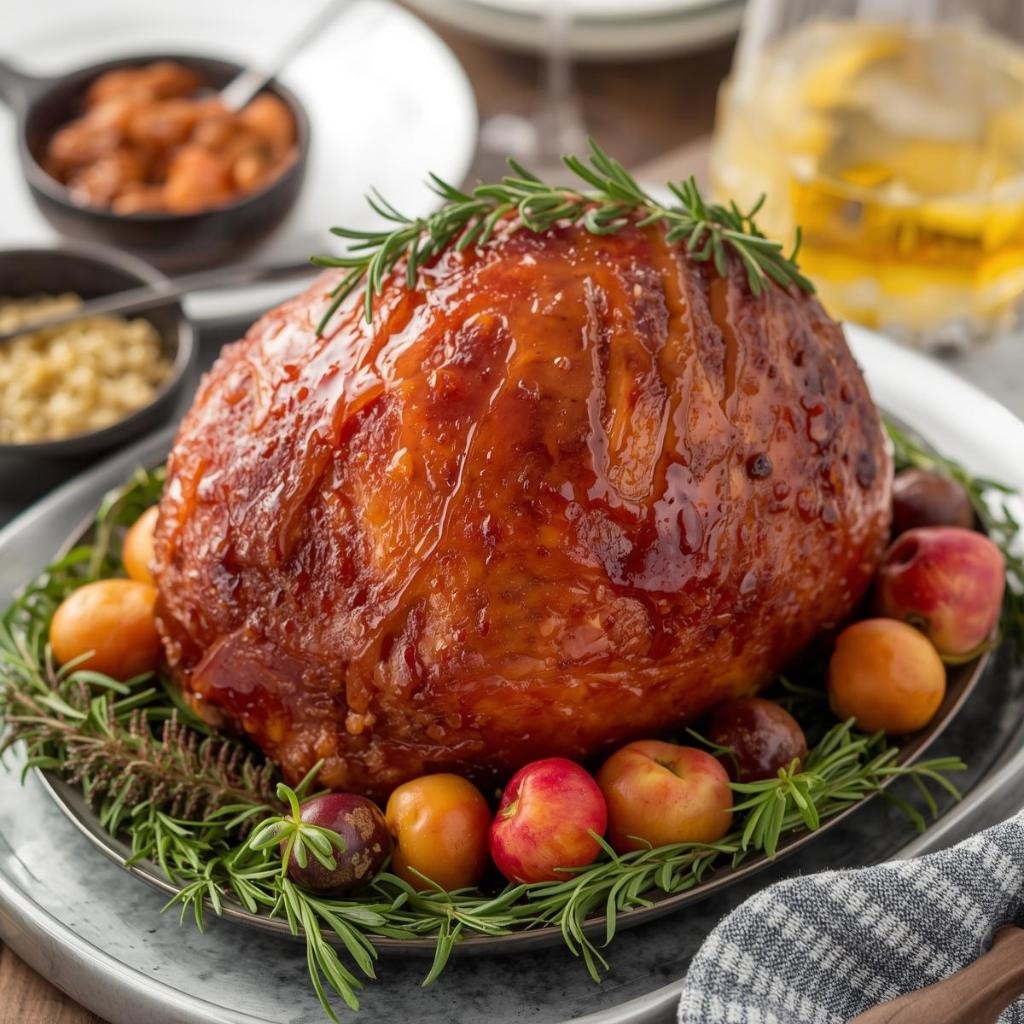
23. Remove from the oven when the glaze is deeply caramelized, glossy, and bubbly, creating a beautiful, lustrous exterior that glistens.
24. Allow the ham to rest for approximately 15–20 minutes before carving, which allows the juices to redistribute throughout the meat for maximum tenderness.
25. Transfer the ham to a beautiful serving platter and garnish artistically with fresh rosemary, orange slices, or fresh berries for visual appeal and elegance.
Serving Tips
Next, present this stunning honey glazed ham as the centerpiece of your table, positioning it prominently where it can be admired before carving and serving. Additionally, arrange fresh herbs, citrus slices, and garnishes artfully around the ham to enhance its visual appeal and create a complete, magazine-worthy presentation. These pair wonderfully with elegant sides like creamy au gratin potatoes, roasted asparagus with hollandaise, glazed carrots, or wild rice pilaf for a complete celebration meal. Meanwhile, fresh salads featuring spring greens, citrus vinaigrettes, or bright berry combinations provide refreshing contrast to the rich, sweet ham. Furthermore, dinner rolls, challah bread, or cornbread are essential accompaniments that soak up the delicious pan drippings beautifully. They work perfectly as the centerpiece for holiday celebrations, Easter dinners, spring entertaining, sophisticated special occasion meals, Thanksgiving alternatives, or any occasion where you want to serve an impressive main course that becomes the conversation starter and highlight of the entire gathering.
Storage Tips
To store leftover ham, allow it to cool completely to room temperature before wrapping it tightly in aluminum foil or placing it in an airtight container in the refrigerator, where it’ll keep for up to five days. However, it’s best enjoyed within the first three days while the meat remains tender and moist and the glaze maintains optimal texture and flavor. When reheating, place slices on a baking sheet, cover with foil, and warm in a 325°F oven for about 10–15 minutes until heated through completely. Alternatively, you can reheat slices gently in a skillet over medium heat for 3–5 minutes, adding a splash of water or broth to prevent the meat from drying out during reheating. For the pan drippings and glaze, store them separately in an airtight container in the refrigerator for up to one week, then reheat gently on the stovetop or in the microwave before serving with the ham. For freezing, wrap the cooled ham slices tightly in plastic wrap and aluminum foil, then place in a freezer-safe container for up to three months. To use frozen ham, thaw it overnight in the refrigerator and reheat using one of the methods mentioned above. Additionally, the honey glaze can be frozen in an airtight container for up to three months, then thawed and reheated for future use.
Helpful Notes
Ham Selection: To begin with, choosing a quality bone-in ham is essential for success with this recipe—the bone adds flavor during cooking and creates a more impressive presentation than boneless alternatives. However, boneless hams work in this recipe, though they may dry out more quickly and require closer monitoring during baking. Additionally, allow approximately ¾ to 1 pound of ham per person when planning your menu, accounting for bone weight and potential shrinkage during cooking.
Honey Quality Matters: Next, using pure honey rather than honey-flavored corn syrup creates a noticeably superior glaze with genuine honey flavor and proper caramelization properties. Additionally, different honey varieties create subtle flavor variations—wildflower honey offers complex floral notes, while clover honey provides mild, straightforward sweetness. Furthermore, raw or unpasteurized honey may crystallize during heating, so use regular pasteurized honey for this recipe.
Temperature Precision: Meanwhile, using a meat thermometer ensures the ham reaches a safe internal temperature of 140°F without overcooking and drying out the meat. Additionally, inserting the thermometer into the thickest part of the ham without touching bone ensures an accurate reading. Furthermore, even though fully cooked hams only need to be heated through, proper temperature monitoring prevents overcooking while ensuring both food safety and optimal texture.
Creating the Perfect Glaze: To understand the technique, allowing the honey and butter mixture to cool slightly before adding acidic ingredients like vinegar and mustard prevents the glaze from breaking or separating. Additionally, ensuring all ingredients are thoroughly mixed prevents lumps and creates a smooth, consistent glaze that applies evenly to the ham. Furthermore, tasting the glaze before applying allows you to adjust seasonings to match your personal preference and the specific ham you’re using.
Scoring and Studding: To understand why scoring matters, cutting through the outer fat layer allows the glaze to penetrate the ham and caramelize beautifully, creating the distinctive crosshatch pattern associated with elegant baked hams. Additionally, scoring should penetrate the fat but not cut deeply into the meat—aim for approximately ¼-inch depth. Furthermore, studding with whole cloves adds visual sophistication and subtle spice that complements the honey glaze beautifully.
Ingredient Substitutions: However, you can replace pure honey with maple syrup for different flavor, use agave nectar as an alternative sweetener, or add molasses for deeper richness. Additionally, different mustards like spicy brown or stone-ground create varying flavor profiles. Furthermore, bourbon, brandy, or sherry can be replaced with rum, cognac, or even additional honey for different flavor dimensions.
Glaze Application: To achieve maximum caramelization and beautiful appearance, basting the ham every 10–15 minutes during the final cooking period ensures even caramelization and builds layers of complex flavor. Additionally, using a basting brush applies the glaze more evenly than pouring, preventing excess glaze from sliding off the sides. Furthermore, more frequent basting creates deeper caramelization and more professional-looking results that impress guests.
Preventing Meat Dryness: Meanwhile, covering the ham initially with foil prevents the exterior from drying out during the longer, gentler cooking period. Additionally, maintaining liquid in the bottom of the roasting pan creates steam that keeps the ham moist throughout cooking. Furthermore, allowing the ham to rest after cooking prevents juices from running out when carving and helps maintain moisture throughout the meat.
Common Mistakes to Avoid: However, don’t skip the initial covered baking period—this slow, gentle cooking keeps the ham from drying out despite the long cooking time. Additionally, don’t apply the glaze too early, as it will burn rather than caramelize if cooked for too long. Furthermore, avoid cooking the ham at too high a temperature, as this dries out the meat and prevents the gentle heating necessary for tender, succulent results.
Time-Saving Tricks: To streamline preparation, prepare the honey glaze the night before and store it in an airtight container in the refrigerator, then reheat it gently before applying to the ham. Additionally, you can score the ham and apply the initial glaze up to two hours before baking, then proceed with the final cooking when ready to serve. Meanwhile, you can purchase pre-scored hams from your butcher, saving time while allowing you to focus on creating the perfect glaze.
Chef Tips
Tip 1: Add one tablespoon of bourbon, one tablespoon of fresh orange zest, and one teaspoon of fresh thyme to the honey glaze for sophisticated complexity that elevates this from good to absolutely extraordinary, creating depth and elegance that feels intentional and restaurant-quality.
Tip 2: Reserve approximately ¼ cup of the honey glaze before applying to the ham, then brush additional coats during the final 15 minutes of baking to build deeper caramelization and create a more lustrous, professional-looking finished product with beautiful glossy appeal.
Frequently Asked Questions
How long does it take to bake a honey glazed ham? Allow approximately 15–18 minutes per pound at 325°F for initial baking, then add 30–45 minutes for glaze application and caramelization. A 10–12 pound ham typically takes 3–3.5 hours total.
Can I use a spiral-cut ham instead of a bone-in ham? Yes, spiral-cut hams work beautifully in this recipe, though they may dry out slightly faster due to the cut surfaces. Monitor them closely and baste frequently with the honey glaze to maintain moisture.
What’s the best way to reheat leftover honey glazed ham? Place slices in a baking dish, cover with foil, and warm at 325°F for 10–15 minutes. Alternatively, heat gently in a skillet over medium heat with a splash of water or broth to prevent drying.
Can I make the honey glaze ahead of time? Absolutely—prepare it the night before and store in an airtight container in the refrigerator, then reheat gently on the stovetop or in the microwave before applying to the ham.
How do I know when the ham is fully cooked and ready? Use a meat thermometer to verify the internal temperature has reached at least 140°F. Check in the thickest part without touching bone for the most accurate reading.
Why This Recipe Works
The magic of honey glazed ham comes from the gentle, slow cooking that keeps the meat tender and moist while allowing the honey glaze to caramelize beautifully on the exterior. Additionally, the combination of honey, butter, and spices creates a deeply flavored glaze that’s balanced between pure sweetness and savory complexity, preventing the dish from feeling one-dimensional or cloying. Meanwhile, the scoring technique allows the glaze to penetrate the ham while creating the signature crosshatch pattern that signals quality and care in preparation. Furthermore, frequent basting during the final cooking period builds layers of flavor and creates a lustrous, professionally finished exterior that glistens beautifully. The beauty of this recipe also lies in its ability to feed a large crowd while requiring minimal hands-on work—most of the cooking happens passively while you attend to other meal preparations.
Variations to Try
Maple and Bourbon Version: Next, replace half the honey with pure maple syrup and add two tablespoons of bourbon for sophisticated, autumnal flavor that feels completely different yet equally delicious.
Spiced Orange Version: To try something different, increase the orange zest to two tablespoons and add ¼ teaspoon of ground nutmeg and additional cinnamon for a brighter, more citrus-forward glaze.
Hot Honey Spiced Version: However, add ¼ teaspoon of cayenne pepper and ½ teaspoon of fresh red pepper flakes to the glaze for spicy, exciting flavor that builds heat gradually.
Asian-Inspired Honey Version: As an alternative, add two tablespoons of soy sauce, one tablespoon of fresh ginger paste, and one teaspoon of sesame oil to create an entirely different flavor profile.
Herb Infused Version: For deeper complexity, add one tablespoon of fresh thyme, one tablespoon of fresh rosemary, and one teaspoon of fresh sage to the glaze for Mediterranean-inspired depth.
Brown Butter Honey Version: To create a luxurious variation, brown the butter before combining with honey, then proceed with the recipe for nutty, complex depth.
Complementary Side Dishes
These honey glazed hams shine brightest when paired with sides that either complement or contrast their sweet, savory profile. Next, creamy au gratin potatoes or scalloped potatoes provide rich, indulgent accompaniments. Additionally, roasted asparagus with hollandaise, glazed carrots, or spring vegetable medleys offer lighter, fresher contrasts. Meanwhile, wild rice pilaf or herbed stuffing provide traditional, satisfying sides. Furthermore, fresh salads with bright vinaigrettes provide refreshing counterpoints to the ham’s sweetness.
Sauce Recommendations
The pan drippings create an incredible sauce naturally, enriched by the honey and ham flavors. Next, whisk in one tablespoon of cornstarch mixed with two tablespoons of water to the hot pan drippings, stirring over medium heat until the sauce thickens beautifully. Additionally, strain through a fine-mesh sieve for silky smooth sauce if desired. Furthermore, you can add an additional tablespoon of honey or a splash of bourbon to enhance complexity and depth.
Presentation and Garnishing
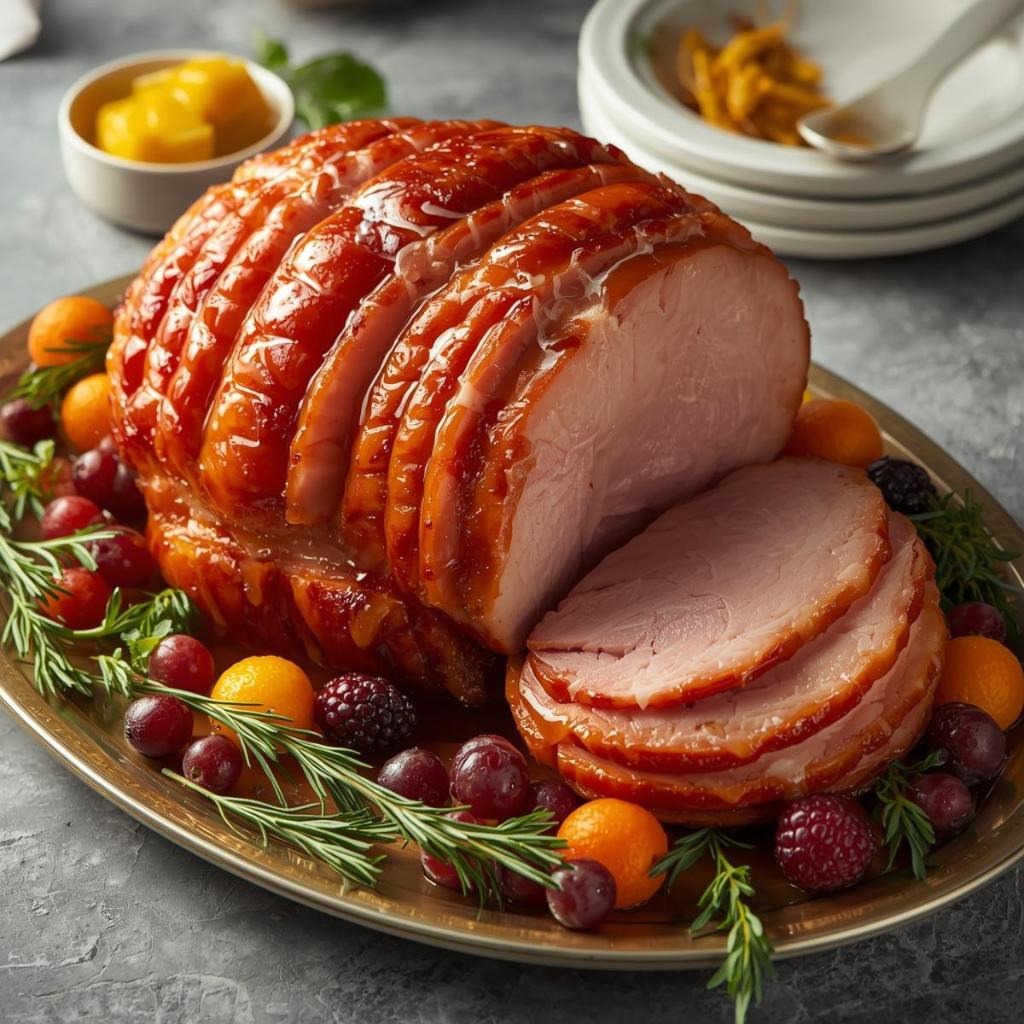
For stunning presentation, place the carved ham on a beautiful serving platter, arranging the slices slightly overlapping in a circular pattern around the bone. Additionally, garnish with fresh rosemary sprigs, orange slices, fresh berries, or candied orange peel for visual impact and elegance. Furthermore, position the pan drippings in a decorative gravy boat alongside the ham, allowing guests to drizzle as much sauce as they desire over their portions.
Wine and Beverage Pairing Suggestions
Honey glazed ham pairs beautifully with beverages that either complement or contrast its sweetness and richness. Next, Riesling or Gewürztraminer provide sweetness that mirrors the glaze while offering acidity that cuts through richness. Additionally, Pinot Noir or a light red offers subtle contrast without overwhelming the ham’s delicate honey flavors. Meanwhile, sparkling wines like Champagne or Prosecco provide elegant refinement and bright acidity that cuts through the richness beautifully.
Final Thoughts
Honey glazed ham represents the perfect intersection of elegant sophistication, genuine flavor depth, and practical ease of preparation that makes it ideal for any special occasion, holiday celebration, or meal where you want to serve a stunning centerpiece. Whether you’re hosting an elegant holiday dinner, celebrating Easter with family, preparing an impressive special occasion meal, or simply wanting to serve a beautiful main course that becomes the conversation starter, this ham delivers consistently delicious results that become memorable highlights. Additionally, the endless customization possibilities for glaze variations mean you can make this exactly as you prefer, adjusting sweetness, spice levels, and complementary flavors to suit your palate and available ingredients. Next time you’re planning a meal that needs to impress without requiring complicated techniques or extensive prep work, remember that honey glazed ham is just three hours away from becoming the show-stopping centerpiece that everyone raves about long after the celebration ends.
Did you love this recipe? If you enjoyed making this Honey Glazed Ham, we’d be thrilled if you’d save this recipe to your favorites, pin it to your Pinterest board, or share it with a friend who’d appreciate it! Your support means everything to us and helps us keep creating delicious recipes to share. Tell us in the comments what glaze variations you tried and what side dishes you served alongside this beautiful ham—we’d absolutely love to hear about your experience and see how you made this elegant centerpiece your own!