Lemon bars represent the quintessential bright, tangy dessert that brings refreshing citrus flavor to any table while delivering the perfect balance of buttery shortbread crust and silky lemon custard filling. First, this classic preparation celebrates the natural brightness of fresh lemons through a carefully balanced combination of pucker and sweetness that makes these bars absolutely irresistible and genuinely craveable. The beauty of lemon bars lies in their simplicity, requiring just basic pantry ingredients and straightforward techniques while delivering sophisticated flavors that taste far more complicated than the actual preparation suggests. Additionally, these bars bring sunshine and elegance to any gathering, whether you’re preparing a casual picnic or hosting an impressive celebration where quality desserts matter most. Lemon bars work perfectly for spring and summer entertaining, afternoon tea service, bake sales, and any occasion where you want a light, refreshing dessert that won’t leave guests feeling overly full or heavy. Next, you’ll appreciate how this recipe takes approximately 50 minutes from start to finish, making it incredibly accessible even for home bakers with limited time or experience. Furthermore, the versatility of this preparation allows for endless variations with different citrus fruits and topping options while maintaining the classic appeal that makes lemon bars universally beloved and repeatedly requested. Whether you’re using fresh lemons or frozen juice, lemon bars deliver consistently impressive results that taste bakery-quality, feel elegant, and remain fresh for several days after baking.
Ingredients
Serves: 16-20 bars
For the Shortbread Crust:
- 2 cups all-purpose flour
- ½ cup powdered sugar, sifted
- ¼ teaspoon salt
- 1 cup unsalted butter, cold and cubed
- 1 tablespoon fresh lemon zest (optional, for enhanced flavor)
For the Lemon Custard Filling:
- 4 large eggs
- 1.5 cups granulated sugar
- ¼ cup all-purpose flour
- ¼ teaspoon baking powder
- ½ teaspoon salt
- ¾ cup fresh lemon juice (about 4 to 5 lemons)
- 2 tablespoons lemon zest
- 2 tablespoons unsalted butter, melted
- 1 teaspoon vanilla extract
For Dusting:
- 2 to 3 tablespoons powdered sugar, for final dusting
- Fleur de sel or flaky sea salt (optional, for finishing)
- Additional lemon zest (optional garnish)
Preparation and Cooking Instructions
Preparing the Pan and Oven
First, preheat your oven to 350°F and position a rack in the center. Next, line a 9-by-13-inch baking pan with aluminum foil, allowing the foil to extend slightly beyond the edges for easy removal of the bars after baking. Alternatively, use parchment paper for a more environmentally friendly option that still allows easy removal. The foil or parchment acts as a barrier preventing direct contact between the bars and the pan, which ensures even baking and makes cleanup remarkably simple.
Creating the Shortbread Crust
In a medium mixing bowl, whisk together the all-purpose flour, sifted powdered sugar, and salt, combining thoroughly. Next, add the cold cubed butter to the flour mixture and use a pastry cutter, two knives, or your fingertips to work the butter into the flour until the mixture resembles coarse breadcrumbs with pea-sized pieces of butter visible throughout. If using lemon zest in the crust, add it now and toss to distribute evenly.
Press the mixture firmly into the bottom of the prepared baking pan, creating an even layer that extends all the way to the edges and into the corners. Use the bottom of a measuring cup or your hands to press down firmly, as this creates a dense, stable crust that supports the custard filling beautifully. Bake the crust in your preheated 350°F oven for 12 to 15 minutes until it becomes light golden in color and feels slightly firm to the touch.
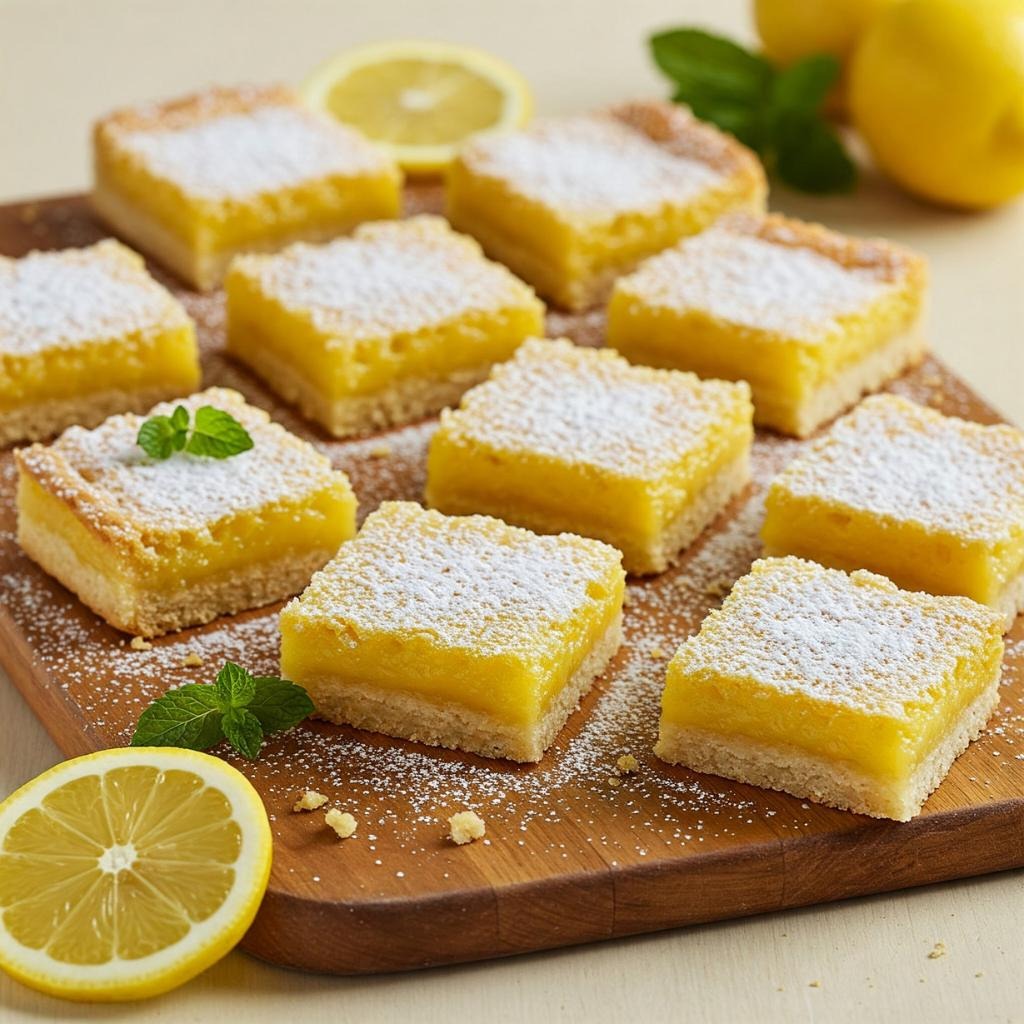
Preparing the Lemon Custard Filling
Meanwhile, prepare the custard filling by cracking the eggs into a large mixing bowl and whisking them thoroughly until well beaten. Next, add the granulated sugar to the beaten eggs and whisk vigorously for about 2 minutes until the mixture becomes pale and slightly thickened, which indicates thorough combining and helps incorporate air that creates tender custard texture.
In a separate small bowl, whisk together the all-purpose flour, baking powder, and salt, then fold this dry mixture into the egg and sugar mixture gently until just combined. Next, stir in the fresh lemon juice, lemon zest, melted butter, and vanilla extract, combining thoroughly until a smooth, uniform custard forms. The filling should be bright yellow and smell intensely of lemon, indicating maximum citrus flavor.
Baking the Bars
Once the crust has baked for 12 to 15 minutes and achieved light golden color, carefully pour the prepared lemon custard filling over the hot crust, spreading it evenly with a spatula. The filling should settle smoothly across the crust without requiring excessive spreading. Place the pan back in your preheated 350°F oven and bake for 18 to 22 minutes until the custard filling becomes set but still slightly jiggly in the very center when the pan is gently shaken.
The bars are done when the filling is mostly firm with just a slight wobble in the center, indicating the custard has cooked through while remaining tender and creamy. Do not overbake, as excessive baking causes the filling to become tough and slightly rubbery rather than silky and smooth. Remove from the oven and allow the bars to cool completely to room temperature in the pan, which typically takes about one to two hours depending on your kitchen temperature.
Chilling and Cutting
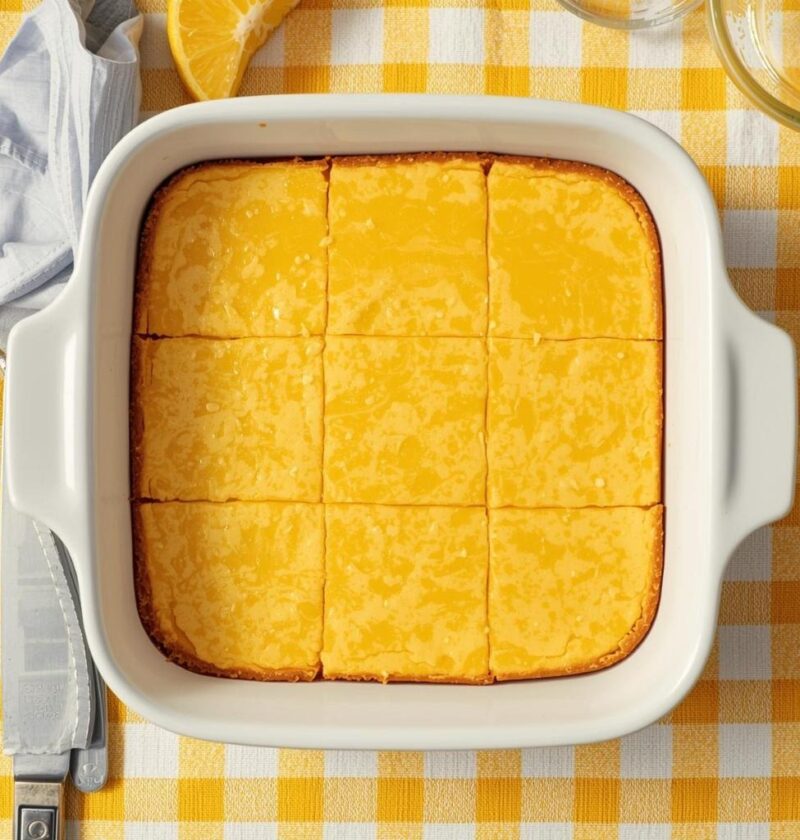
Once completely cooled to room temperature, refrigerate the bars for at least 2 hours, preferably overnight, which allows the custard to firm up properly and makes cutting into clean bars much easier. Next, use the foil or parchment edges to lift the entire block of bars out of the pan onto a clean cutting surface. Using a sharp knife dipped in hot water and wiped dry between cuts, carefully cut the bars into 16 to 20 pieces of uniform size.
Wipe the knife clean and dip in hot water between each cut to create clean edges and prevent the lemon custard from dragging and creating messy cuts. This simple technique transforms the appearance of the finished bars from homemade to bakery-quality, impressing anyone who sees them.
Finishing and Storing
Just before serving, dust the tops of the cooled lemon bars generously with powdered sugar using a fine mesh sieve for even, elegant coverage. If desired, sprinkle with a pinch of fleur de sel or flaky sea salt, which enhances the lemon flavor beautifully and adds sophisticated complexity. Additionally, add a light garnish of fresh lemon zest on top for visual appeal and concentrated lemon flavor.
Store the lemon bars in an airtight container with parchment paper between layers to prevent sticking. The bars will keep at room temperature for up to 2 days, though they taste best within the first day of cutting.
Serving Tips
Lemon bars shine as a versatile dessert perfect for virtually any occasion where bright, refreshing flavors are appreciated. First, serve them at afternoon tea service alongside hot tea, coffee, or lemonade for an elegant, light dessert course that feels sophisticated and refined. Additionally, they pair beautifully at spring and summer garden parties, outdoor picnics, and casual gatherings where light, citrus-forward desserts are particularly welcome and timely.
Next, lemon bars work wonderfully as contributions to bake sales, potluck celebrations, and casual gatherings where portable, individually wrapped desserts are convenient and appreciated. Furthermore, they make excellent additions to dessert platters and buffets alongside other treats, providing contrasting brightness that cuts through heavier chocolate and vanilla options. Meanwhile, lemon bars serve perfectly as gifts when packaged in attractive boxes with ribbon, making them ideal for housewarmings, thank-you gifts, or simple tokens of appreciation.
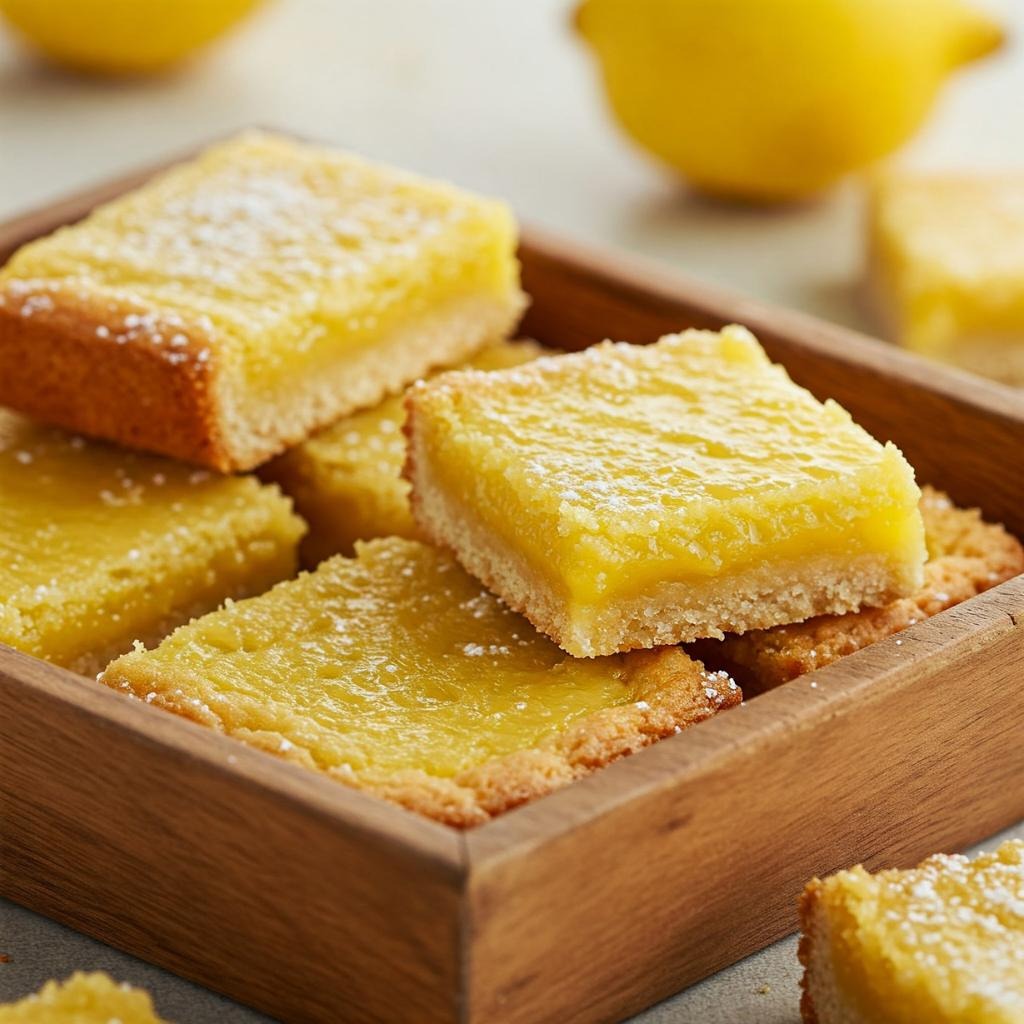
For elegant occasions, arrange lemon bars on tiered cake stands with fresh lemon slices and mint leaves for garnish, creating a visually stunning presentation. Additionally, smaller portions work beautifully as elegant dessert tastings when multiple options are offered. Furthermore, lemon bars complement brunch spreads wonderfully, offering lighter sweetness than traditional desserts and pairing beautifully with fresh fruit, yogurt, and coffee service.
Storage and Make-Ahead Tips
Room Temperature Storage
Allow the lemon bars to cool completely before storing them in an airtight container at room temperature. They will keep for up to 2 days when stored properly, maintaining good texture and flavor, though they taste best within the first day of assembly. Store the bars in a single layer or separated by parchment paper to prevent sticking and ensure they remain intact without damage.
Refrigerator Storage
Additionally, lemon bars store beautifully in the refrigerator for up to 4 days when kept in an airtight container covered with plastic wrap or parchment paper. The refrigeration firms up the custard slightly, making the bars even easier to serve in neat pieces. Before serving refrigerated bars, allow them to sit at room temperature for about 15 minutes to allow the flavors to fully develop and the texture to soften slightly from the chilled state.
Freezing Instructions
Furthermore, unbaked crust and unbaked filling can be frozen separately for up to 1 month when properly stored. Freeze the pressed crust in the baking pan covered tightly with plastic wrap and foil. When ready to bake, thaw the crust in the refrigerator, top with the filling, and bake as directed, adding about 5 minutes to the total baking time due to the cooler starting temperature.
Fully baked lemon bars freeze beautifully for up to 3 months when wrapped individually in plastic wrap and stored in a freezer-safe container or bag. Thaw at room temperature for about one hour before serving, then dust with powdered sugar just before presentation.
Make-Ahead Strategy
Additionally, you can prepare the shortbread crust up to one day ahead and store it covered at room temperature. The next day, prepare the custard filling and bake as directed, reducing oven time by 2 to 3 minutes since the crust will be at room temperature rather than freshly baked. Alternatively, you can prepare both components completely and refrigerate the assembled, unbaked bars overnight, then bake the next day for flexibility in your entertaining timeline.
Helpful Notes and Variations
Lemon Selection and Juice Extraction
First, use fresh lemons for the brightest, most vibrant flavor, avoiding bottled lemon juice when possible because it lacks the fresh essence that makes these bars truly special. Meanwhile, Meyer lemons provide sweeter, slightly less acidic juice that creates a more delicate flavor profile compared to regular Eureka or Lisbon lemons. Additionally, for maximum juice extraction, roll the lemons on the counter before cutting, apply gentle pressure to loosen the juices, then cut and squeeze using a citrus juicer for easy, efficient extraction.
When zesting lemons, use a microplane or fine grater, capturing only the bright yellow outer layer without including the bitter white pith. The zest provides concentrated flavor and beautiful appearance that enhances both the filling and the finished presentation.
Crust Variations and Customization
If you prefer a sweeter crust, add an additional tablespoon of powdered sugar to the crust mixture. Next, for a more buttery, robust crust, increase the butter slightly to 1.25 cups, though this requires slightly more flour to maintain proper texture. Additionally, the crust can be flavored with a quarter teaspoon of vanilla extract or almond extract for subtle depth that complements the lemon beautifully.
For graham cracker crust variation, substitute 1 cup of the all-purpose flour with 1 cup of crushed graham crackers for different textural appeal, though the traditional butter shortbread crust remains most authentic.
Filling Variations and Citrus Swaps
First, lime juice and zest can replace lemon for completely different but equally delicious bars with tropical flavor notes. Next, blood orange juice creates beautiful deep pink or red-colored filling with unique flavor complexity. Additionally, a combination of lemon and orange juice creates balanced citrus flavor without becoming too intensely lemon-forward.
For those preferring less tartness, reduce the lemon juice to ½ cup and add ¼ cup of sweetened condensed milk to the filling, creating slightly creamier, less acidic bars. Meanwhile, adding a tablespoon of honey to the filling creates subtle sweetness and smoothness that balances the tartness beautifully.
Add-Ins and Flavor Enhancements
First, add a quarter teaspoon of almond extract to the custard filling for subtle, sophisticated depth that enhances without overwhelming the lemon. Next, incorporate a tablespoon of poppy seeds into the filling for textural interest and subtle nutty flavor. Additionally, fresh lavender buds or dried culinary lavender can be steeped briefly in the lemon juice, then strained, for delicate floral notes that complement citrus beautifully.
For those enjoying subtle spice, a pinch of cayenne pepper adds unexpected complexity and warmth that makes guests wonder about your secret ingredients.
Common Mistakes to Avoid
First, avoid using butter that’s not sufficiently cold when making the crust; warm butter creates greasy dough rather than tender shortbread with proper texture. Keep butter cold by cutting into cubes and chilling before combining with dry ingredients. Additionally, do not overmix the crust dough, as excessive mixing develops gluten and creates tough shortbread rather than tender, crumbly texture.
Next, resist overbaking the custard filling; a slight jiggle in the center indicates perfect doneness. Overcooked custard becomes tough and cracks rather than remaining silky and smooth. Furthermore, do not skip the chilling step; custard that hasn’t properly chilled becomes difficult to cut cleanly and crumbles rather than presenting neat, attractive bars.
Chef Tips
First, for extra-creamy custard with deeper yellow color, substitute one egg white with an additional egg yolk, which increases richness without creating overly eggy flavor. Next, to achieve perfectly clean bar cuts, dip your knife in hot water and wipe it dry between every cut, then use a sawing motion rather than pressing down forcefully, which prevents dragging and creates clean, professional-looking edges.
Frequently Asked Questions
Can I use bottled lemon juice instead of fresh? Fresh lemon juice provides superior brightness and flavor, though bottled juice works in a pinch; use approximately the same quantity though the flavor will be noticeably less vibrant and fresh.
Why did my crust become tough and hard rather than tender? Overmixing the crust dough develops too much gluten, creating tough shortbread; mix only until the mixture resembles breadcrumbs without overworking the dough.
How do I prevent the powdered sugar coating from clumping? Sift the powdered sugar through a fine mesh sieve immediately before dusting the bars, which breaks up any lumps and creates an even, elegant coating.
Can I make lemon bars without eggs? The eggs provide structure and richness essential to the custard filling; eliminating them requires significant recipe reformulation that fundamentally changes the dessert.
Why is my custard filling watery instead of thick and silky? Insufficient baking time causes watery custard; ensure the custard has set properly before removing from the oven, indicated by a slight jiggle only in the very center.
Why This Recipe Works
The magic of lemon bars lies in understanding how shortbread crust and custard filling interact to create exceptional flavor and texture contrast. First, the cold butter worked into the flour creates a tender, flaky crust with rich butter flavor that provides perfect foundation for bright, tangy custard. Additionally, partial pre-baking of the crust prevents it from becoming soggy from the wet custard filling while allowing it to cook through completely.
Furthermore, the custard filling made with eggs and minimal flour creates silky, creamy texture that’s firm enough to cut cleanly yet tender enough to melt slightly on the tongue. Meanwhile, the balance of sugar and lemon juice creates perfect tension between sweetness and tartness that prevents the bars from tasting one-dimensional. The baking powder in the filling creates subtle lift that makes the custard slightly fluffy rather than dense and heavy.
This recipe respects the bright simplicity of lemons while enhancing them through complementary butter and sugar. The result is a dessert that feels elegant and sophisticated while remaining approachable and achievable for cooks of all baking experience levels.
Variations Worth Exploring
Next time you prepare lemon bars, consider these creative variations that build on the classic foundation. First, try a strawberry lemon variation by topping the prepared crust with fresh sliced strawberries before pouring the custard, creating fruit-studded bars with garden-fresh appeal.
Additionally, create a lavender lemon version by steeping dried culinary lavender in the lemon juice, then straining before using in the filling for delicate floral complexity. Furthermore, experiment with a coconut crust version by replacing half the flour with unsweetened shredded coconut and increasing the butter slightly for tropical flavor that complements the bright lemon beautifully. Meanwhile, try a white chocolate lemon variation by stirring white chocolate chunks into the prepared custard before baking for sweetness that balances the tartness.
Perfect Pairings and Serving Suggestions
Lemon bars work beautifully as part of dessert spreads in numerous combinations. First, pair them with chocolate brownies and vanilla cookies for a well-rounded dessert selection that offers variety. Next, serve alongside fresh berries and whipped cream for light, elegant plating. Additionally, they complement tea service beautifully when paired with hot tea, coffee, or lemonade. Furthermore, lemon bars work perfectly at casual gatherings alongside sandwiches and fresh fruit for complete refreshing menus.
For gift-giving, package lemon bars in attractive boxes with tissue paper and ribbons for housewarmings, thank-you gifts, or simple tokens of appreciation that feel thoughtful and homemade.
Final Thoughts
Lemon bars prove that simple recipes executed with quality ingredients and proper technique deliver truly impressive results. The combination of buttery shortbread crust and silky lemon custard filling creates a dessert that’s both comforting and sophisticated, refreshing and indulgent. The entire preparation takes approximately 50 minutes with most time dedicated to baking and cooling rather than complex preparation, making lemon bars practical for any occasion without requiring professional pastry experience.
This classic recipe has remained beloved for good reason: it delivers consistent, impressive results every single time when prepared with attention and care. Whether you’re baking for casual gatherings or elegant celebrations, lemon bars bring brightness, elegance, and genuine satisfaction to any table, making them an indispensable dessert for countless occasions and cherished memories spanning years.
Did you love making these Lemon Bars? If this recipe brought joy to your kitchen and bright citrus delight to your celebration, please save this recipe for future use, pin it to your favorite board, or share it with friends and family who appreciate fresh, light desserts that impress. Your support means everything to us and helps us continue creating more amazing recipes that make home baking easier, more enjoyable, and genuinely delicious. We’d love to hear how your lemon bars turned out—your feedback inspires us to keep bringing you quality recipes that deliver real, delightful results every single time you bake.