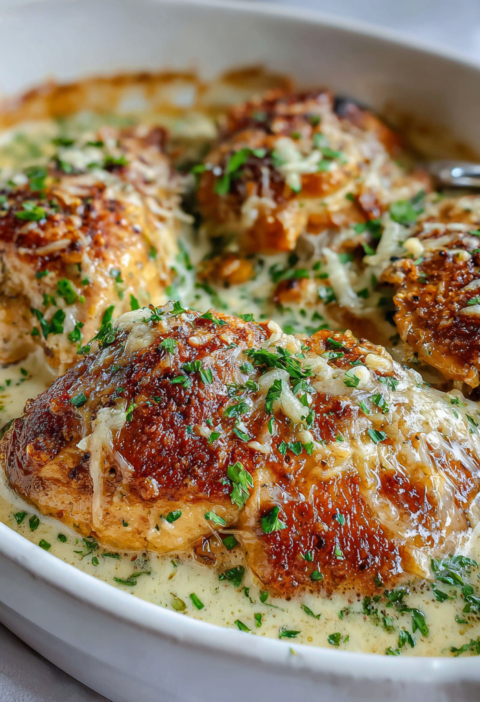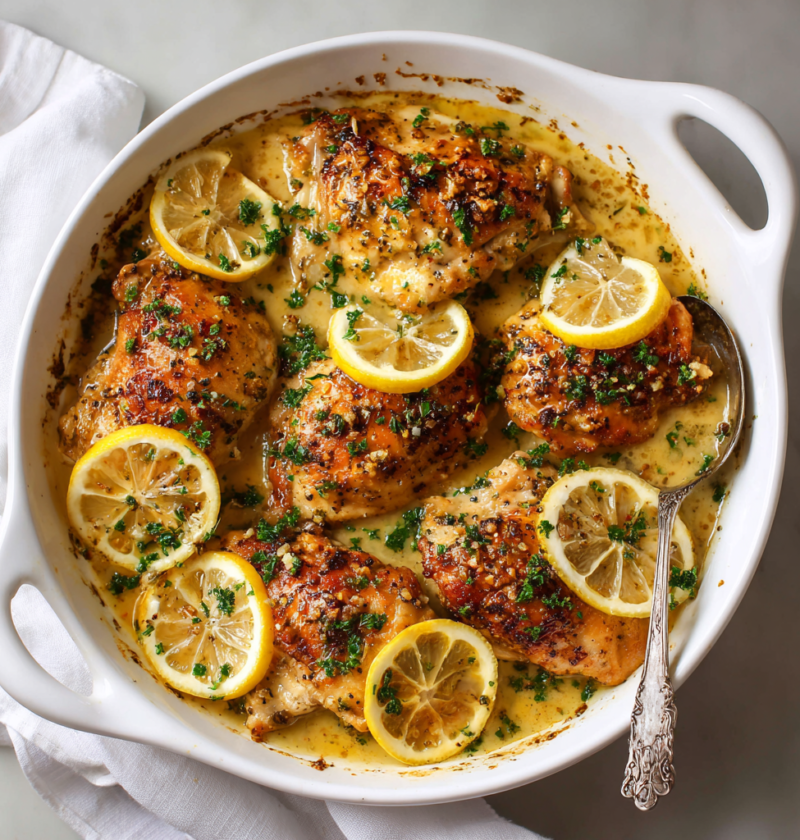
There’s something undeniably elegant about perfectly seared chicken breasts glazed with a bright, buttery lemon sauce that delivers restaurant-quality sophistication while requiring less than twenty minutes of active cooking time. First time I made lemon butter chicken, I was struck by how such simple ingredients—lemon, butter, garlic, and chicken—combined to create something so delicious that guests assumed I’d spent hours in the kitchen when really the whole process took mere minutes. The beauty of this recipe lies in its remarkable simplicity paired with absolutely exceptional results: no cream, no complicated techniques, just quality ingredients working together in perfect harmony to create something genuinely extraordinary. Additionally, this recipe proves that elegant, sophisticated dinner solutions don’t require fancy equipment or professional training; straightforward cooking methods and quality seasonings create restaurant-quality results that feel special without being stressful. Whether you’re preparing an impressive weeknight dinner, cooking something special for someone you love, meal prepping for busy weeks ahead, or simply craving something light yet absolutely satisfying, this lemon butter chicken delivers bright, fresh flavors with tender, juicy meat that disappears from the plate faster than you can replenish it.
Ingredients
This recipe makes 4 servings.
• 4 boneless, skinless chicken breasts (about 6-8 ounces each) • 5 tablespoons unsalted butter, divided • 2 tablespoons olive oil • 6 cloves fresh garlic, minced • 1/2 cup fresh lemon juice (about 3-4 fresh lemons) • Zest of 2 lemons • 1 cup chicken broth • 1/4 cup dry white wine or additional chicken broth • 1/2 cup heavy cream (optional, for richness) • 1 teaspoon kosher salt • 1/2 teaspoon black pepper • 1/2 teaspoon garlic powder • 1/4 teaspoon white pepper (optional, for smoother flavor) • 1/2 teaspoon Italian seasoning • 1/4 teaspoon red pepper flakes (optional) • 2 bay leaves • 1 teaspoon fresh thyme leaves (or 1/2 teaspoon dried) • 1 teaspoon fresh rosemary leaves (or 1/2 teaspoon dried) • 1 tablespoon Dijon mustard • 1 teaspoon honey or sugar (to balance acidity) • 3 tablespoons fresh parsley, finely chopped • 2 tablespoons fresh chives, finely chopped (optional) • 1 tablespoon cornstarch mixed with 2 tablespoons water (optional, for thickening)
Step-by-Step Instructions
Preparing Your Ingredients and Chicken
- Pat the chicken breasts completely dry using paper towels, ensuring every surface is moisture-free for optimal browning and crust development.
- Cut each chicken breast horizontally in half to create thinner, more evenly-cooked pieces that will cook faster and more consistently.
- Gently pound the chicken pieces to an even thickness of about half an inch using a meat mallet or the bottom of a heavy skillet.
- In a small bowl, combine the kosher salt, black pepper, garlic powder, white pepper, Italian seasoning, and red pepper flakes.
- Season both sides of each chicken piece generously with the spice mixture, distributing it evenly across the entire surface.
- Zest both lemons using a microplane grater or fine grater, setting the zest aside for finishing the dish.
- Juice the lemons to collect the fresh lemon juice, straining out seeds if necessary for the clearest juice possible.
Searing the Chicken to Perfection
- Heat 2 tablespoons of butter and 2 tablespoons of olive oil in a large skillet over medium-high heat until the butter foams and just starts to brown slightly.
- Carefully place the seasoned chicken pieces into the hot skillet, arranging them without overlapping if possible—work in batches if necessary to avoid crowding.
- Sear the chicken for 5-6 minutes on the first side without moving them around, allowing a beautiful golden-brown crust to develop across the entire surface.
- Flip each piece using tongs and sear the other side for another 4-5 minutes until light golden brown and mostly cooked through.
- Transfer the seared chicken to a plate momentarily, but don’t worry about it being fully cooked yet—residual heat will complete the cooking process later.
Building the Lemon Butter Sauce
- Reduce the heat to medium and add the remaining 3 tablespoons of butter to the same skillet, allowing it to melt and coat the bottom evenly.
- Stir in the minced garlic and cook for about 1 minute, stirring constantly until it becomes fragrant and light golden without burning.
- Pour in the white wine and use a wooden spoon to gently scrape up any browned bits stuck to the bottom of the pan—these flavorful bits are liquid gold for your sauce.
- Add the chicken broth and bring the mixture to a gentle simmer over medium heat, stirring occasionally.
- Stir in the bay leaves, fresh thyme, and fresh rosemary, distributing the herbs evenly throughout the sauce.
- Reduce the heat to medium-low and allow the sauce to simmer gently for about 2 minutes, stirring occasionally.
- Taste the sauce and adjust seasonings with additional salt and pepper as needed, remembering that you’ll be adding lemon juice which adds acidity.
Adding the Lemon and Creating Balance
- Gradually pour in the fresh lemon juice while stirring constantly, adding it slowly to achieve the perfect balance of bright citrus without overwhelming the palate.
- Stir in the Dijon mustard, which adds subtle tang and helps balance the acidity of the lemon beautifully.
- Add the honey or sugar, stirring gently—just 1 teaspoon helps balance the brightness of the lemon without making the sauce sweet.
- If using heavy cream, add it now and stir thoroughly to create a richer, more luxurious sauce with a pale golden color.
- Taste the sauce and make any necessary adjustments to seasonings, adding more lemon juice for brightness, more salt for depth, or more honey if it’s too tart.
- If the sauce seems too thin, mix the cornstarch slurry and stir it into the warm sauce over medium-low heat for 1-2 minutes until thickened.
- If the sauce seems too thick, gradually stir in additional chicken broth a tablespoon at a time until you reach your desired consistency.
Bringing Everything Together
- Return the seared chicken pieces to the skillet, nestling them into the lemon butter sauce so they’re partially submerged.
- Bring the sauce to a gentle simmer on the stovetop for about 2 minutes, then immediately reduce heat to the lowest setting.
- Transfer the entire skillet to a preheated 375°F oven—if your skillet isn’t oven-safe, carefully transfer the chicken and sauce to a baking dish before placing in the oven.
- Bake for 8-10 minutes until the chicken is cooked through and an instant-read thermometer inserted into the thickest piece reads 165°F (74°C).
- Remove from the oven and let the chicken rest in the sauce for 3-4 minutes, allowing flavors to settle and chicken to retain its natural juices.
- Remove and discard the bay leaves from the sauce.
Final Presentation and Garnish
- Taste the sauce one final time and make any necessary adjustments to seasonings—the sauce should taste bright, buttery, and perfectly balanced.
- Sprinkle the fresh parsley and chives over the chicken and sauce just before serving for brightness and fresh herbal notes.
- Generously add the reserved lemon zest over the top, which provides visual appeal and an extra burst of fresh lemon flavor on each bite.
Serving and Storing Tips
How to Serve This Elegant, Fresh Dish
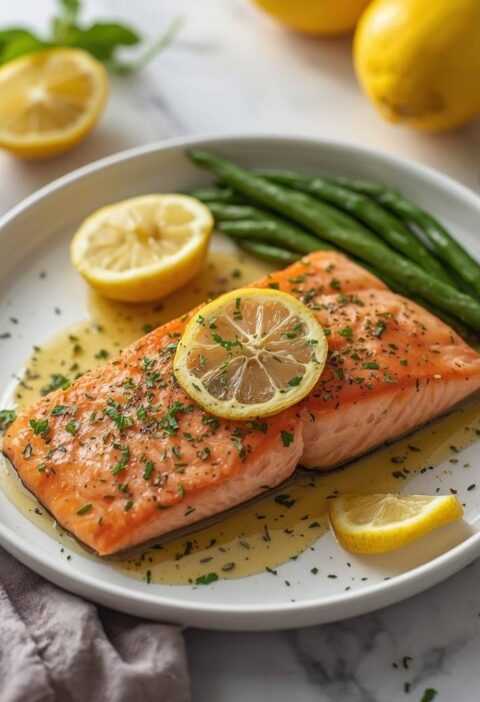
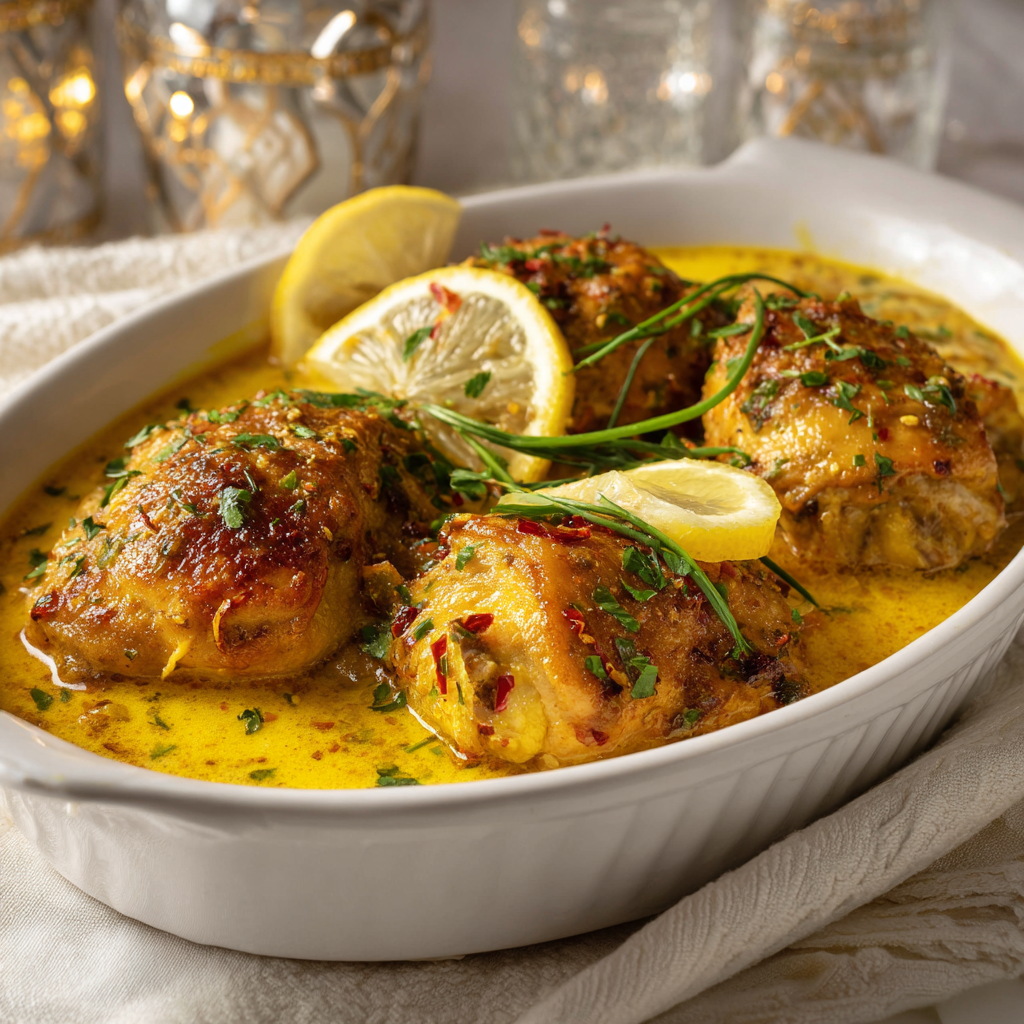
This lemon butter chicken is excellent served alongside pasta, rice, roasted potatoes, or mashed potatoes for soaking up the incredible bright sauce. However, if you prefer different accompaniments, consider pairing it with cauliflower rice, polenta, or crusty bread for different textures and flavor experiences. Next, fresh vegetables like roasted asparagus, steamed broccoli, sautéed green beans, or roasted zucchini provide wonderful textural contrast and additional nutrition without overwhelming the bright, fresh flavors. Additionally, a simple green salad dressed in light vinaigrette works beautifully alongside this dish for cutting through the richness of the butter sauce. For a lighter presentation, serve alongside steamed or sautéed spinach tossed with garlic for added vegetables and nutrition without heaviness. A crisp white wine like Sauvignon Blanc, Pinot Grigio, or Albariño pairs beautifully with the bright lemon and buttery sauce flavors.
Storing Your Leftovers Properly
Store any leftover lemon butter chicken in an airtight container in the refrigerator for up to 3 days, keeping it completely covered to prevent the sauce from drying out or oxidizing. To reheat, place the chicken and sauce in a skillet over medium-low heat, stirring occasionally and adding a splash of chicken broth if the sauce has thickened too much—this gentle stovetop method preserves the delicate flavors beautifully. Alternatively, microwave individual portions in a microwave-safe container for 1-2 minutes, stirring halfway through, though the stovetop method produces noticeably superior results for texture and flavor. For freezing, let the chicken cool completely before transferring to a freezer-safe container or zip-top bag for up to 2 months. Thaw frozen portions overnight in the refrigerator and reheat gently on the stovetop over medium-low heat, tasting and adjusting the lemon and butter balance as needed since flavors can shift slightly during freezing.
Helpful Tips and Tricks
Ingredient Substitutions and Variations
If you don’t have fresh lemon juice, bottled lemon juice works adequately though fresh always produces superior brightness and complex flavor. Swap white wine for dry vermouth, additional chicken broth, or even a splash of champagne for different subtle flavor profiles. For a lighter version without cream, simply omit the heavy cream—the sauce is equally delicious with the bright lemon and butter shining through. Fresh herbs can be replaced with dried herbs at half the quantity, though fresh herbs provide noticeably more vibrant, aromatic flavor and visual appeal. Consider adding capers, sun-dried tomatoes, or roasted red peppers to the sauce for additional flavor complexity and visual interest. For a spicier version, increase the red pepper flakes to 1/2 teaspoon or add a dash of hot sauce to the finished sauce for extra heat.
Common Mistakes to Avoid
Many home cooks add all the lemon juice at once, which can make the sauce overly tart rather than bright and balanced—add gradually while tasting frequently. Don’t skip patting the chicken dry, as moisture prevents proper browning and creates steam instead of developing that golden, flavorful crust. Another common mistake is cooking the chicken too long after adding the sauce; it should finish cooking gently without overcooking and becoming dry. Using bottled lemon juice from concentrate is problematic if possible; fresh lemon juice provides superior brightness and complex flavor that concentrate simply cannot match. Finally, skipping the Dijon mustard is a mistake, as it adds subtle complexity that helps balance the brightness of the lemon beautifully.
Time-Saving Strategies
Prepare your minced garlic and fresh herbs the night before, storing them separately in the refrigerator for quick assembly on cooking day. Juice and zest your lemons the morning of cooking, storing the juice and zest separately in the refrigerator until ready to use. Consider using boneless, skinless chicken thighs instead of breasts, which are naturally more forgiving and harder to overcook while providing richer flavor. Another useful tip is pounding your chicken breasts to even thickness the morning of cooking, then refrigerating until ready to cook for time savings. Pre-measure all your seasonings into a small bowl the night before, so seasoning the chicken requires only one quick step.
Chef Tips for Perfect Results
The secret to perfectly balanced lemon butter sauce is adding the lemon juice gradually while tasting frequently—this allows you to achieve the perfect brightness without making the sauce too tart or acidic. Always use freshly squeezed lemon juice rather than bottled varieties, as fresh juice provides superior brightness, complexity, and the delicate flavor that makes this dish truly special.
Frequently Asked Questions
Can I use chicken thighs instead of breasts? Absolutely—boneless, skinless chicken thighs are naturally more forgiving and stay incredibly juicy; they cook slightly faster so reduce searing time to 4 minutes per side.
What if my sauce is too acidic or sour? Add a touch more honey or a splash of heavy cream to balance the acidity; this mellows the tartness while maintaining the bright lemon character.
Can I make this sauce in advance? Yes, prepare the sauce up to 24 hours ahead and refrigerate it, then gently reheat over medium-low heat with a splash of chicken broth to restore the perfect consistency.
How do I prevent the sauce from breaking or separating? Keep the heat at medium-low after adding the cream and lemon juice; high heat can cause separation, so stir frequently and maintain gentle cooking.
Can I use lime juice instead of lemon juice? Absolutely—fresh lime juice creates a slightly different but equally delicious variation; use the same amount and follow the same techniques for excellent results.
Conclusion
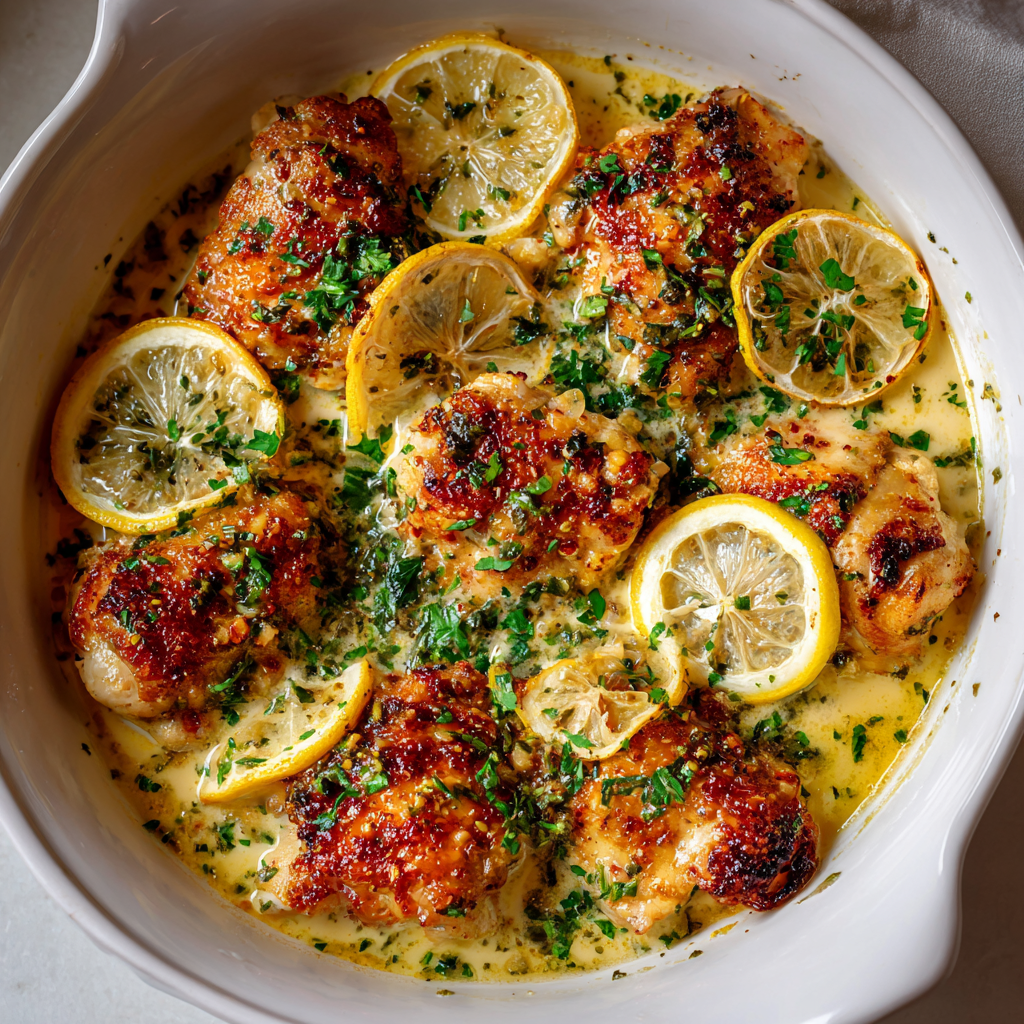
This lemon butter chicken recipe represents the perfect balance of elegant sophistication and accessible home cooking, delivering restaurant-quality results that taste far more complicated than the straightforward technique actually requires. Moreover, the combination of tender, perfectly-seared chicken and bright, buttery lemon sauce creates a flavor profile that feels light and fresh while remaining deeply satisfying and indulgent. The magic of this dish lies in respecting simple technique: properly searing the chicken for deep flavor development, creating a balanced sauce through gradual addition of lemon juice, and understanding how to layer flavors for maximum complexity. Additionally, this recipe is incredibly adaptable, allowing you to customize it with different vegetables, proteins, or sauce variations without compromising the
fundamental excellence of the dish. I genuinely believe this will become a go-to recipe in your cooking rotation because it’s fast enough for busy weeknights, elegant enough for special occasions, and delicious enough that everyone asks for the recipe. The combination of tender chicken, bright lemon, and luxurious butter creates a complete meal that tastes impressive without requiring the stress or time investment usually associated with restaurant-quality cooking.
Did you love this recipe? Please save it, pin it, and share it with your friends and family! Your support means the world to us and motivates us to keep creating more delicious, easy recipes for you to enjoy. Let us know in the comments how your lemon butter chicken turned out—we’d absolutely love to hear about your experience and any creative variations you tried to make it your own!