
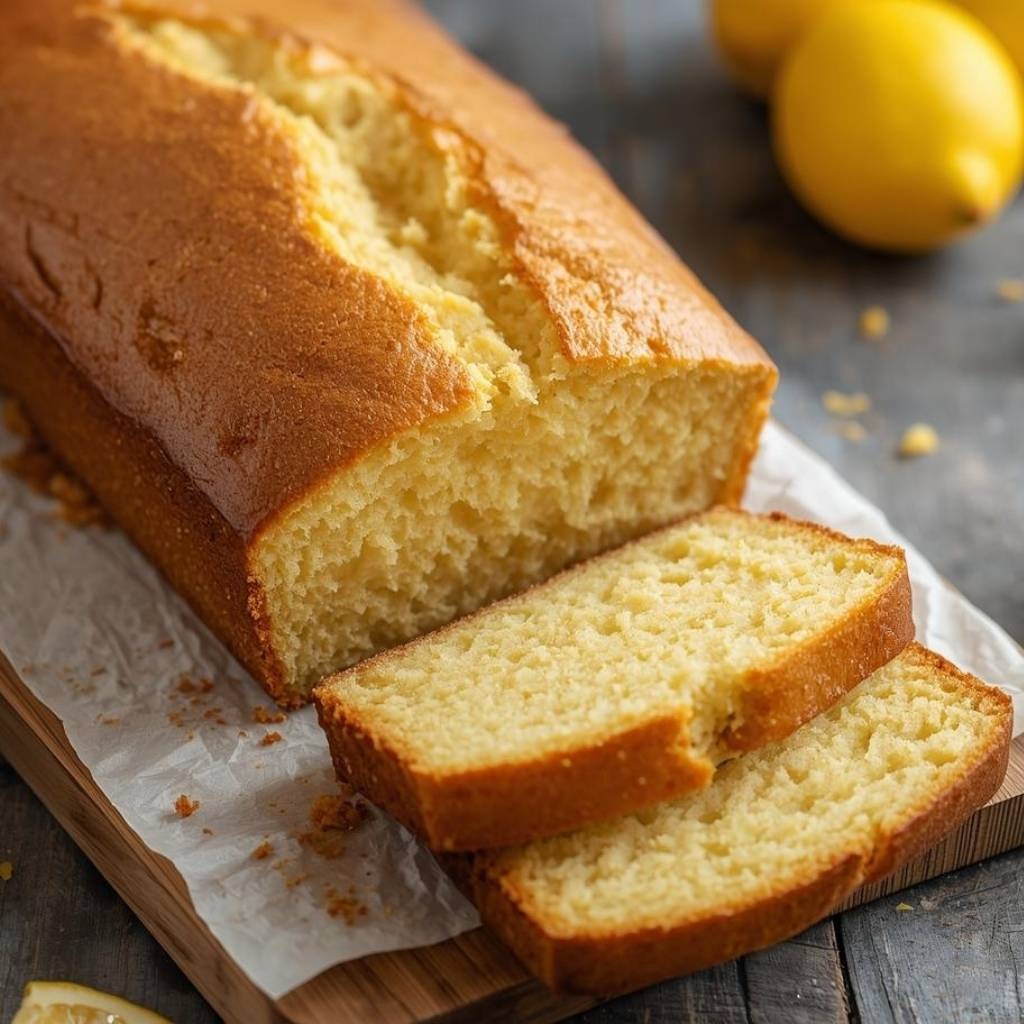
There’s something profoundly comforting about the bright, cheerful flavor of fresh lemon cake—a treat that simultaneously energizes and soothes with its perfect balance of tartness and sweetness that awakens your taste buds. This classic lemon loaf cake has earned its beloved place in bakeries and home kitchens everywhere, cherished for its tender crumb, vibrant citrus flavor, and the way it brightens even the dreariest of days with its sunny disposition. What makes this recipe particularly wonderful is how it delivers authentic lemon flavor without requiring special ingredients or advanced baking techniques that intimidate home bakers. First, the simplicity of the ingredient list belies the incredible results you’ll achieve, proving that sometimes the most delicious treats are those that rely on quality ingredients and proper technique rather than complexity or excessive additions. Additionally, the moist crumb and luscious lemon glaze transform simple pantry staples into something absolutely extraordinary that tastes like it came from an upscale bakery. Moreover, once you master this reliable recipe, you’ll find yourself baking it repeatedly throughout the year for snacks, gifts, and special occasions, as people constantly request the recipe after tasting even a single slice.
Ingredients
This recipe makes 1 loaf (approximately 10-12 slices)
For the Cake
• 1 3/4 cups all-purpose flour • 1 1/2 teaspoons baking powder • 1/4 teaspoon baking soda • 1/2 teaspoon salt • 1/2 cup unsalted butter, softened to room temperature • 1 cup granulated sugar • 2 large eggs, room temperature • 3 tablespoons fresh lemon juice • 2 tablespoons fresh lemon zest (about 2-3 medium lemons) • 1/2 cup sour cream or Greek yogurt, room temperature • 1/4 cup whole milk, room temperature • 1 teaspoon vanilla extract
For the Lemon Glaze
• 1 1/2 cups confectioners’ sugar • 2-3 tablespoons fresh lemon juice • 1 teaspoon fresh lemon zest (optional, for garnish) • Pinch of salt
Optional Toppings
• Candied lemon slices for decoration • White chocolate shavings or curls • Fresh lemon zest for garnish • Edible flowers for elegance
Step-by-Step Instructions
- Preheat your oven to 350°F (175°C) and position the rack in the center of the oven for even, consistent baking throughout. Next, grease a 9×5-inch loaf pan generously with butter or non-stick cooking spray, then dust the bottom and sides lightly with flour to prevent sticking.
- Whisk together the all-purpose flour, baking powder, baking soda, and salt in a small mixing bowl, ensuring all dry ingredients are evenly distributed throughout. Set this mixture aside and make sure there are no lumps of baking soda remaining that could create bitter flavors in your finished loaf.
- In a large mixing bowl, cream together the softened butter and granulated sugar using an electric mixer on medium speed. Beat for approximately 3-4 minutes until the mixture becomes light, fluffy, and pale in color—this crucial step incorporates air and creates a tender, delicate crumb structure.
- Add the eggs one at a time to the butter mixture, beating well after each addition to fully incorporate before adding the next. Next, pour in the fresh lemon juice and lemon zest, and beat until everything is well combined and the batter appears smooth and uniform throughout.
- Add the vanilla extract and stir until fully incorporated. Additionally, the batter should look pale yellow and slightly fluffy at this point, indicating that the mixture has been properly creamed.
- Reduce the mixer speed to low and add one-third of the dry flour mixture, stirring until just combined and no dry streaks remain visible. Then, pour in half of the sour cream mixture and stir gently until incorporated.
- Add half of the remaining flour mixture and stir until just combined. Meanwhile, pour in the remaining sour cream and milk together, stirring gently until the wet ingredients are incorporated throughout.
- Finish by adding the final third of the flour mixture, stirring until the batter is just combined and uniform in appearance. Be careful not to overmix at this stage, as this will result in a tough, dense loaf rather than the tender, delicate cake you’re aiming for.
- Pour the batter into the prepared loaf pan and smooth the top with an offset spatula or the back of a spoon. Additionally, you can gently tap the pan on the counter a few times to release any air bubbles that could create large holes in the finished loaf.
- Bake in the preheated 350°F oven for 50-60 minutes, or until a toothpick inserted into the center comes out clean or with just a few moist crumbs. The loaf should be golden brown on top and spring back slightly when gently pressed with your finger.
- Remove the loaf from the oven and allow it to cool in the pan for about 15 minutes. First, this brief rest allows the loaf to set slightly while still retaining its warmth, making it easier to turn out without falling apart.
- Turn the loaf out onto a wire cooling rack and let it cool completely before glazing. However, you can drizzle the glaze while the loaf is still slightly warm for a more absorbed, moist finish, or wait until completely cool for a more defined glaze appearance.
Lemon Glaze Recipe and Application
Creating the Perfect Glaze
- In a small mixing bowl, whisk together the confectioners’ sugar and fresh lemon juice, starting with 2 tablespoons of juice and adding more as needed. Next, stir until the mixture reaches a pourable consistency that’s thick enough to coat the loaf but thin enough to drip slightly down the sides.
- Add the pinch of salt and stir to incorporate, then taste the glaze and adjust with additional lemon juice if you prefer more tartness. Additionally, if the glaze seems too thick, add water one teaspoon at a time until you reach the correct consistency.
- Pour the glaze over the completely cooled loaf, allowing it to drip naturally down the sides. Meanwhile, use an offset spatula or the back of a spoon to spread the glaze evenly across the top surface.
- If using candied lemon slices or other toppings, add them to the wet glaze immediately before it sets. First, this allows the decorations to adhere beautifully and become part of the finished presentation.
- Allow the glaze to set for at least 30 minutes to 1 hour before slicing, ensuring it hardens slightly and becomes less sticky. However, the glaze will remain tender and won’t create a hard shell like fondant.
Serving and Storing Tips
Serving Suggestions
This delightful lemon loaf cake is perfect for countless occasions and moments throughout your day. Serve thick slices at breakfast alongside fresh-squeezed orange juice and a steaming cup of coffee or herbal tea for an indulgent morning ritual. Next, pack individual slices in your lunchbox as a bright, uplifting snack that provides a mood boost during the afternoon slump. Additionally, slice and arrange the loaf on a beautiful platter for afternoon tea gatherings, where it pairs wonderfully with herbal tea, lemonade, or light beverages. Furthermore, this loaf shines at springtime brunches, Easter celebrations, or garden parties where its sunny flavor and appearance fit perfectly with the season’s fresh, bright aesthetic.
Storage Tips
To keep your lemon loaf cake fresh and delicious, wrap the completely cooled loaf tightly in plastic wrap or aluminum foil and store it at room temperature for up to 3 days. However, if you want to extend its shelf life, place the wrapped loaf in an airtight container and refrigerate it for up to 5 days, where it will maintain its moisture and tender texture beautifully. For longer-term storage, slice the loaf first and wrap individual slices tightly in plastic wrap before placing them in a freezer bag, freezing them for up to 3 months. Additionally, frozen slices can be thawed at room temperature for about 1-2 hours before serving, or warmed gently in a 300°F oven for 8-10 minutes for that just-baked taste and aroma everyone loves.
Helpful Notes and Substitutions
Making It Your Own
There are numerous ways to customize this recipe to suit your preferences and ingredient availability. First, if you prefer a less intense lemon flavor, reduce the lemon zest to 1 tablespoon and the lemon juice to 2 tablespoons, adjusting to taste. Next, you can substitute Greek yogurt or buttermilk for the sour cream, though this will slightly change the flavor profile and texture. Additionally, if you don’t have fresh lemons available, you can use high-quality bottled lemon juice and lemon oil, though fresh is always superior in flavor and aroma.
Adding Flavor Layers
The beauty of this recipe is its canvas for subtle flavor additions that enhance rather than overpower the lemon. For instance, add 1/2 teaspoon of almond extract to complement the lemon beautifully and add depth. Meanwhile, a touch of poppy seeds stirred into the batter creates texture and visual interest. Furthermore, a small amount of lavender or rose water can create an intriguing, sophisticated flavor that surprises and delights. Additionally, white chocolate chips folded gently into the batter add sweetness and richness that balances the tartness of the lemon.
Common Mistakes to Avoid
One of the biggest pitfalls in lemon cake baking is using too much lemon juice in the glaze, which can make it taste overly bitter or harsh. Instead, add lemon juice gradually and taste as you go, adjusting to your preference. Additionally, skipping the crucial step of bringing eggs and dairy products to room temperature results in a lumpy batter and uneven baking. Furthermore, opening the oven door too early or too frequently can cause the loaf to collapse or bake unevenly, so resist the urge to peek until at least 45 minutes have passed.

Chef Tips
Zest your lemons before cutting them in half to juice, as it’s much easier to zest whole lemons than halved ones. Additionally, use fresh, high-quality lemons with thin skin, as they typically contain more juice and have more vibrant zest. Furthermore, brushing the warm loaf with a simple lemon syrup (equal parts lemon juice and sugar) before applying the glaze creates extra moisture and intensifies the lemon flavor beautifully.
Frequently Asked Questions
Can I make this recipe with bottled lemon juice? While fresh lemon juice produces superior flavor and aroma, you can substitute bottled juice in equal amounts, though the finished cake will have less vibrant lemon flavor and fragrance.
How do I know when the loaf is done baking? A toothpick inserted into the center should come out clean or with just a few moist crumbs; if it has lots of wet batter on it, return the loaf to the oven for 5 more minutes.
Can I freeze the loaf before glazing it? Yes, you can freeze the cooled, unglazed loaf for up to 3 months, then thaw it and apply the glaze when you’re ready to serve it for freshest appearance.
What’s the best way to achieve a smooth glaze? Sift the confectioners’ sugar before mixing to remove lumps, and add lemon juice gradually while whisking until you reach a smooth, pourable consistency without lumps.
Can I make this recipe as a cake in a round pan instead of a loaf? Yes, pour the batter into a greased 8-inch round cake pan and bake at 350°F for 30-35 minutes until a toothpick comes out clean; the baking time will be shorter due to the shallower depth.
Why This Recipe Works
The combination of sour cream and milk creates exceptional moisture and tenderness while the butter-sugar creaming process incorporates air for lift and delicate texture. Moreover, the fresh lemon juice and zest infuse authentic citrus flavor that cannot be replicated with extracts or other substitutions. Additionally, the ratio of leavening agents is perfectly calibrated to create a loaf that rises beautifully without becoming too cakey or crumbly. Furthermore, the baking temperature of 350°F is precisely calibrated to brown the exterior beautifully while keeping the interior moist and tender throughout the entire loaf.
First, room temperature ingredients are absolutely essential for proper emulsification and smooth, even batter that bakes consistently. Next, the lemon glaze both adds flavor and provides visual appeal that transforms the simple loaf into something bakery-worthy. Meanwhile, the combination of lemon juice in both the batter and glaze creates layered citrus flavor that intensifies the lemon taste without overwhelming it.
Flavor Variations and Inspirations
Once you’ve perfected the classic version, numerous variations await your experimentation and creativity. For instance, create a lemon-blueberry version by folding 1 cup of fresh or frozen blueberries into the batter along with the berries. Additionally, a lemon-poppy seed variation adds textural interest and visual appeal. Meanwhile, a lemon-vanilla bean combination creates subtle sophistication. Furthermore, experimenting with a lemon-blackberry or lemon-raspberry version offers delicious variations while maintaining the bright lemon flavor as the star.
Pairing and Serving Ideas
This versatile loaf cake pairs beautifully with numerous beverages and foods throughout the day. First, serve warm slices with herbal teas like chamomile, lavender, or earl grey for afternoon gatherings. Next, pair it with cold lemonade, iced tea, or sparkling water for refreshing springtime snacks. Additionally, serve alongside fresh fruit salads, yogurt parfaits, or light breakfast options. Furthermore, for a more indulgent approach, pair slices with coffee and a dollop of whipped cream for an elegant dessert.
Special Touches and Presentation
Transform your lemon loaf cake into an impressive gift or special treat with thoughtful presentation. First, wrap a fully cooled loaf in clear cellophane tied with a lemon-themed ribbon for a beautiful, gift-ready presentation. Next, arrange candied lemon slices on the glaze before it sets for stunning visual appeal. Additionally, dust the finished loaf with confectioners’ sugar for an elegant, bakery-quality appearance. Furthermore, serving the loaf on a beautiful cake server or wooden board elevates it into a show-stopping centerpiece.
Conclusion
Lemon loaf cake represents the perfect intersection of simplicity and sophistication—accessible enough for everyday baking yet impressive enough to serve at special occasions and celebrations. The bright citrus flavor, moist tender crumb, and beautiful appearance make this loaf an instant favorite that people will request again and again. Now that you have this reliable recipe in your baking collection, you’ll find yourself reaching for lemons regularly and enjoying these wonderful treats throughout the seasons, whether as a cheerful breakfast treat or an elegant afternoon dessert.
Did you absolutely love baking this delicious lemon loaf cake? Please save this recipe to your recipe collection, pin it to your favorite Pinterest board, and share it with friends and family who would enjoy making this wonderful treat! Your support and enthusiasm mean the world to us and encourage us to keep creating more amazing recipes and helpful baking content for your kitchen. We’d genuinely love to hear about your baking experience in the comments below—tell us how your loaf turned out, if you tried any fun variations, what toppings you added, and how your friends and family loved this homemade citrus-filled masterpiece!