
Lemon pound cake represents one of the most elegant and timeless desserts in the baking world, offering bright citrus flavor with tender, moist crumb that melts on your tongue with every bite. This classic cake has graced afternoon tea tables, holiday dessert spreads, and celebration buffets for generations, earning its place as a beloved staple in home kitchens everywhere. What makes this recipe truly special is the way it balances rich buttery cake with the refreshing zing of fresh lemon, creating a sophisticated flavor profile that feels both comforting and refined. The beauty of lemon pound cake lies in its versatility; serve it plain with coffee, dress it up with a simple glaze, or layer it with fresh berries and whipped cream for something more elaborate. Unlike lighter cakes that require delicate handling, pound cake is wonderfully forgiving and actually improves over a day or two as the flavors deepen and mellow. Whether you’re baking for an afternoon gathering, a special celebration, or simply craving something with a burst of citrus brightness, this lemon pound cake delivers pure satisfaction. The combination of quality butter, fresh lemon juice, and lemon zest creates a cake that tastes both homemade and surprisingly simple to achieve.
Ingredients
Serves: 10-12 people
For the Lemon Pound Cake:
- 3 cups all-purpose flour
- ½ teaspoon baking powder
- ½ teaspoon salt
- 1 cup unsalted butter, room temperature
- 2 cups granulated sugar
- 5 large eggs, room temperature
- ¾ cup sour cream, room temperature
- ¼ cup fresh lemon juice
- 3 tablespoons freshly grated lemon zest (about 2-3 lemons)
- 1 teaspoon vanilla extract
For the Lemon Glaze:
- 2 cups powdered sugar, sifted
- 2-3 tablespoons fresh lemon juice
- 1 tablespoon lemon zest (optional)
Optional Garnish:
- Candied lemon slices
- Fresh mint leaves
- Whipped cream
- Fresh berries
Step-by-Step Instructions
For the Lemon Pound Cake:
- Preheat your oven to 325°F and prepare a 10-inch Bundt pan or loaf pan by greasing thoroughly and flouring all surfaces, ensuring the pan is properly coated to prevent sticking.
- Sift together the flour, baking powder, and salt in a medium bowl, whisking gently to combine these dry ingredients evenly and incorporate air throughout.
- In a large mixing bowl, beat the room-temperature butter and granulated sugar together on medium speed for 4-5 minutes until the mixture becomes pale, fluffy, and significantly increases in volume.
- Next, add the eggs one at a time, beating well after each addition and allowing each egg to fully incorporate before adding the next; this gradual process prevents the batter from curdling and ensures smooth integration.
- Stir in the lemon zest and vanilla extract, mixing briefly until these aromatic ingredients are evenly distributed throughout the batter.
- In a small bowl, whisk together the sour cream and fresh lemon juice, creating a mixture that will add moisture and tanginess to your cake.
- Alternate adding the flour mixture and sour cream mixture to the butter mixture in four additions, beginning and ending with the flour, stirring gently after each addition to avoid overmixing.
- Pour the batter into your prepared pan and smooth the top with a spatula, ensuring the batter is distributed evenly throughout.
- Bake for 50-60 minutes until a toothpick or cake tester inserted into the thickest part comes out clean or with just a few moist crumbs, indicating the cake is fully cooked.
- Remove the cake from the oven and allow it to cool in the pan for about 20 minutes before carefully turning it out onto a wire rack to cool completely.
- Once cooled completely, place the cake on a serving plate or cake stand, preparing it for glazing or frosting.
For the Lemon Glaze:
- Sift the powdered sugar into a medium bowl to remove any lumps and create a smooth, silky base for your glaze.
- Add the fresh lemon juice gradually to the powdered sugar, whisking constantly until you achieve a smooth, pourable consistency that coats the back of a spoon.
- If the glaze is too thick, add additional lemon juice one teaspoon at a time; if too thin, add a bit more powdered sugar to reach the desired consistency.
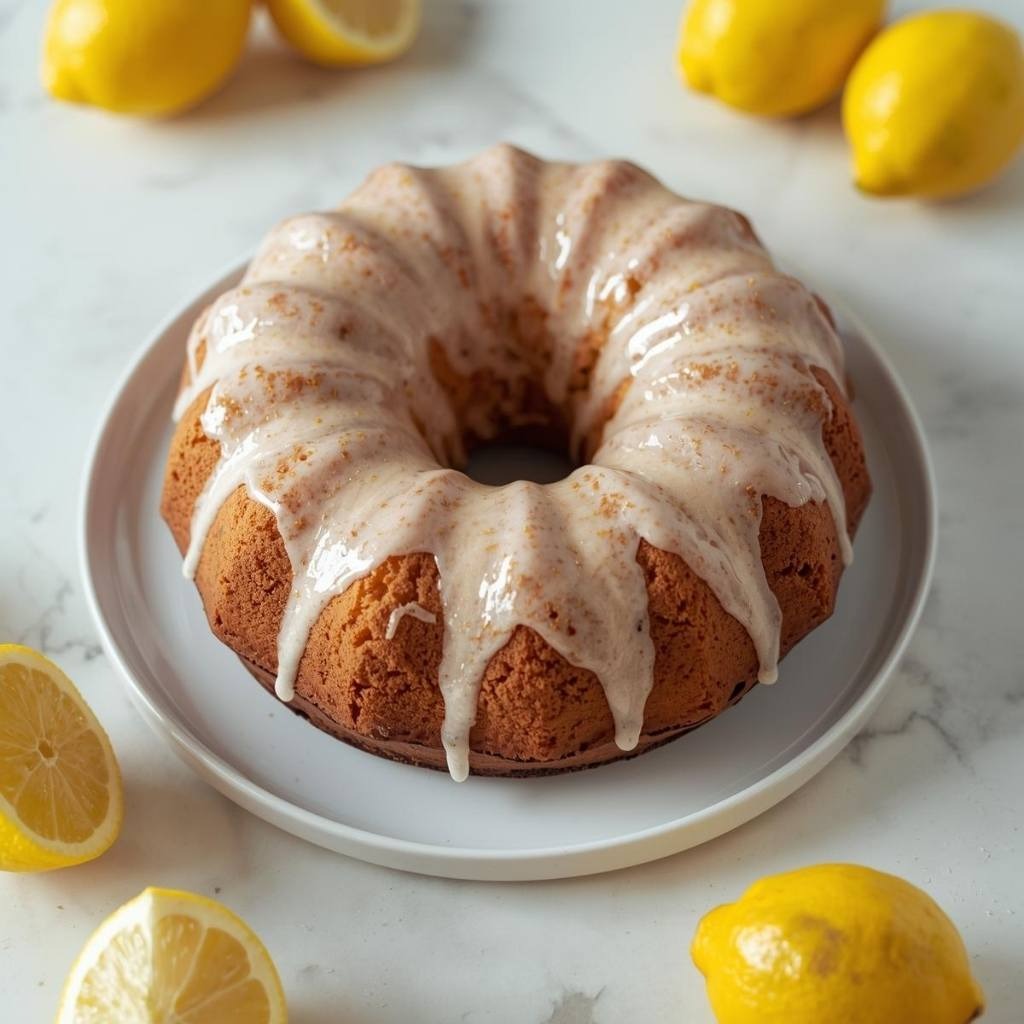
- Drizzle the glaze over the cooled cake, allowing it to flow naturally down the sides and create an elegant, rustic appearance.
- Garnish with optional candied lemon slices or fresh mint if desired, adding visual appeal and complementary flavor.
- Allow the glaze to set for at least 30 minutes before slicing and serving, ensuring it firms up slightly for better presentation.
Why Pound Cake Excels
Pound cake holds a special place in the baking world because of its inherent qualities and remarkable reliability. First, the high proportion of butter creates rich flavor and luxurious mouthfeel that distinguishes pound cake from lighter cake varieties. Additionally, the dense crumb structure actually improves with time, as flavors deepen and the cake absorbs moisture, making it perfect for baking a day or two ahead. Furthermore, pound cake is remarkably forgiving; slight variations in mixing time or ingredient temperature rarely result in disaster. The traditional formula of equal weights of butter, sugar, eggs, and flour creates a naturally balanced cake that’s difficult to mess up. Moreover, the sturdy structure means pound cake slices cleanly without crumbling, making it ideal for both casual and formal presentations.
Lemon as the Perfect Flavor
The choice of lemon as the starring flavor for pound cake is brilliant because of how it interacts with the rich butter base. Next, fresh lemon juice adds brightness and acidity that cuts through the richness, preventing the cake from feeling heavy or cloying. Additionally, lemon zest contributes aromatic oils that infuse the entire cake with delicate citrus fragrance. Furthermore, the combination of lemon juice and lemon zest ensures you get both the sharp flavor and the subtle aromatic qualities that make lemon distinctive. In contrast to other flavoring options, lemon enhances rather than overwhelms the buttery foundation, allowing both elements to shine. Finally, lemon pairs beautifully with numerous accompaniments, from simple glazes to fresh berries to whipped cream, making it endlessly versatile.
Serving Tips
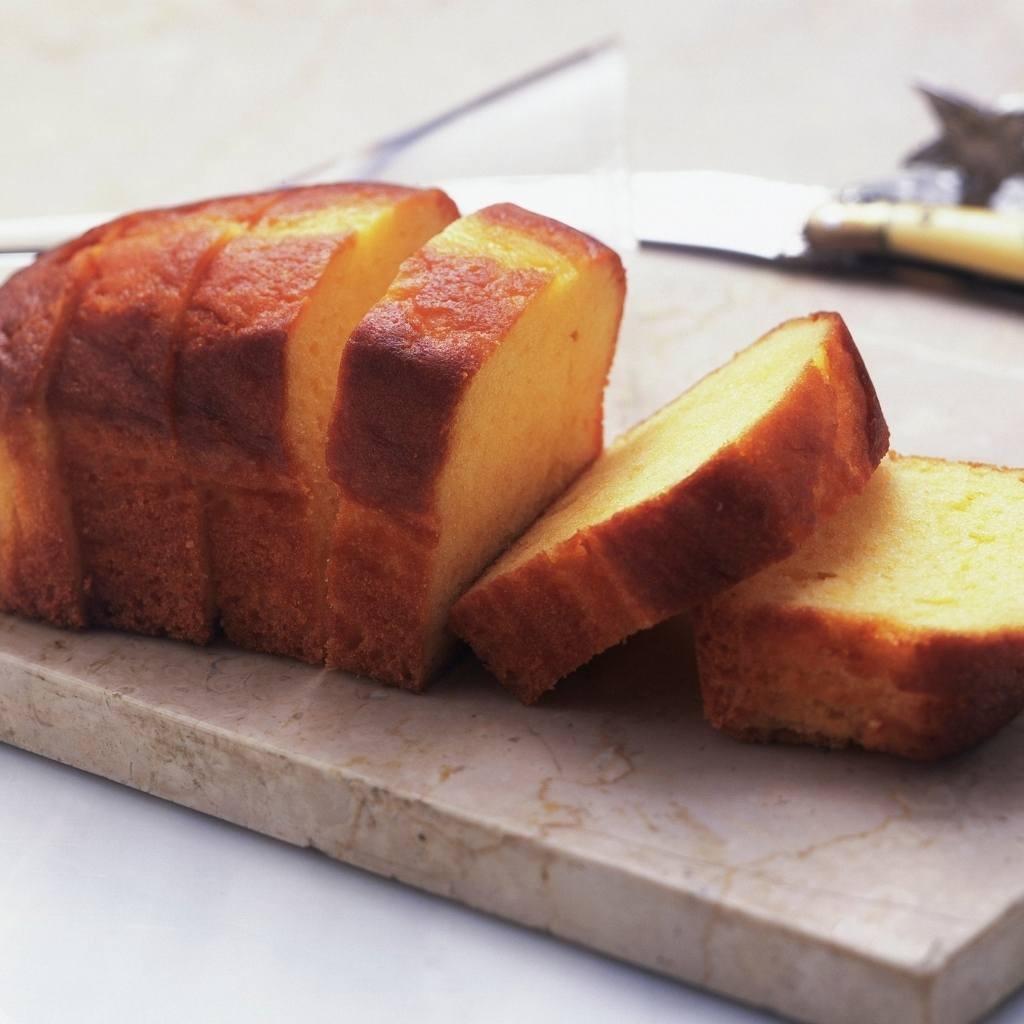
Serve lemon pound cake sliced and arranged on a beautiful platter or cake stand, showcasing the golden interior and creating an inviting presentation. Additionally, pair slices with afternoon tea, coffee, or hot chocolate for a sophisticated tea-time treat that guests will love. Furthermore, consider serving it with fresh berries and whipped cream for a more elegant presentation, transforming simple pound cake into an impressive dessert. For brunch gatherings, serve slices toasted and topped with butter for a wonderful breakfast treat that feels special. Additionally, layer slices with lemon curd and whipped cream for a more decadent dessert that takes minimal effort but looks impressive. You can also serve it alongside fresh fruit salad, as the bright lemon flavor complements both berries and stone fruits beautifully. Finally, for a simple dessert, just slice and serve with a dusting of powdered sugar or a drizzle of the lemon glaze.
Storage and Make-Ahead Tips
Room Temperature Storage:
Lemon pound cake keeps beautifully at room temperature for up to 5 days when wrapped tightly in plastic wrap or stored in an airtight container. In fact, the cake tastes even better on the second or third day after baking, as the flavors mellow and integrate. However, avoid storing it in the refrigerator, as cold temperatures can dry out the cake more quickly than room temperature storage.
Freezing Instructions:
The unglazed cake can be frozen for up to 3 months when wrapped tightly in plastic wrap and aluminum foil, then stored in a freezer-safe container. To use, thaw the cake at room temperature for about 2-3 hours before glazing or serving. Additionally, you can glaze the cake before freezing, though the glaze may crack slightly during freezing and thawing.
Make-Ahead Strategy:
Bake the cake 2-3 days ahead for optimal flavor development, storing it wrapped tightly at room temperature. Next, prepare the glaze up to 1 week ahead by storing it in an airtight container in the refrigerator. When ready to serve, simply thaw the glazed cake at room temperature for a few minutes and it’s ready to enjoy. This approach allows you to have a homemade dessert ready with minimal last-minute effort.
Helpful Tips for Success
Mastering this recipe requires understanding a few key techniques that ensure consistent, perfect results. First, bring all your ingredients to room temperature before beginning; this creates better emulsion and ensures smooth, well-combined batter. Next, don’t skip the creaming step of beating butter and sugar together; this incorporates air and creates the light, tender crumb you’re aiming for. Additionally, add eggs slowly and individually rather than all at once, as this prevents the batter from becoming lumpy or curdled. When alternating wet and dry ingredients, start and end with the flour mixture to minimize overmixing and protect the delicate crumb structure.
Furthermore, use fresh, quality lemons for the best flavor; bottled lemon juice lacks the bright complexity of fresh juice. If you’re grating lemon zest, use a microplane or fine grater rather than a box grater, as this produces finer zest that distributes more evenly throughout the batter. Additionally, avoid grating the white pith beneath the zest, as it’s bitter and can negatively impact the flavor. For a more intense lemon flavor, increase the zest slightly or add an extra tablespoon of fresh lemon juice to the batter. Finally, if you prefer a less sweet cake, reduce the glaze sugar slightly or skip the glaze entirely and dust the cake with powdered sugar instead.
Chef Tips
Professional bakers recommend weighing your ingredients rather than measuring by volume for pound cake, as this ensures perfect consistency and reduces variables that could affect the final result. Additionally, tap the filled cake pan on the counter several times before baking to release air bubbles trapped in the batter, which creates a more even crumb and prevents large holes in the finished cake.
Frequently Asked Questions
Can I make this cake without sour cream? Yes, substitute plain Greek yogurt or buttermilk in equal amounts, though the flavor will be slightly different and the texture may be marginally less moist without the tanginess of sour cream.
How do I prevent a dome from forming on top of the cake? Wrap the sides of your cake pan loosely with aluminum foil about halfway through baking to insulate the edges and encourage more even rising, or lower the oven temperature by 25 degrees for a more gentle bake.
Can I substitute bottled lemon juice for fresh lemon juice? While bottled juice works in a pinch, fresh lemon juice delivers superior brightness and complexity that significantly impacts the final flavor, so fresh is strongly recommended whenever possible.
How do I know when the cake is fully baked? Insert a toothpick into the thickest part of the cake; it should come out clean or with just a few moist crumbs, not wet batter, indicating the cake is fully cooked through.
Can I add other flavors to this recipe? Absolutely—add poppy seeds, almond extract, or fresh herbs like lavender or rosemary; however, start with small amounts and taste as you go to maintain the delicate lemon flavor balance.
Flavor Variations to Explore
This lemon pound cake serves as a wonderful foundation for creative variations that suit different occasions and preferences. First, consider adding poppy seeds to the batter for a classic lemon poppy seed cake that adds texture and subtle nutty flavor. Next, incorporate a tablespoon of almond extract for deeper complexity that complements the lemon beautifully. Additionally, swirl lemon curd through the batter before baking for pockets of intense lemon flavor throughout. Furthermore, add fresh blueberries or raspberries to the batter for a mixed berry variation that’s elegant and delicious. Finally, infuse the simple syrup with fresh herbs like lavender or rosemary for an herbal dimension that feels contemporary and sophisticated.
Why This Recipe Works
Lemon pound cake succeeds because it respects time-tested baking principles while celebrating fresh, quality ingredients. The high proportion of butter creates inherent richness and flavor, while the careful alternating of wet and dry ingredients ensures a tender crumb that’s neither too dense nor too light. Moreover, fresh lemon juice and zest provide brightness and aromatic character that transforms ordinary butter cake into something special and memorable.
This recipe appeals to home bakers because it requires no special equipment or advanced techniques; if you can cream butter and sugar and crack eggs, you can make this cake. Additionally, the generous size means you can serve a crowd or enjoy slices throughout the week as flavors deepen and improve. Furthermore, the optional glaze adds elegance without requiring any special skills or ingredients.
Perfect Occasions for Lemon Pound Cake
This cake shines at virtually any gathering where a homemade dessert would be appreciated. First, serve it at afternoon tea for an elegant, traditional presentation. Next, bring it to potlucks where the sturdy cake travels well and slices beautifully on arrival. Additionally, present it as a hostess gift when visiting friends, wrapped beautifully and accompanied by a handwritten recipe card. Furthermore, serve it at brunches, luncheons, and garden parties where light, refreshing desserts are welcomed. Finally, enjoy it simply at home with morning coffee, as the bright lemon flavor pairs wonderfully with hot beverages.
Final Thoughts
Making lemon pound cake from scratch is a rewarding experience that yields a cake that looks and tastes far more impressive than the simple technique required to create it. Additionally, there’s something deeply satisfying about the aroma of fresh lemon and butter baking in your oven, filling your home with warmth and anticipation. This recipe proves that elegant, refined desserts are entirely within the reach of home bakers who appreciate quality ingredients and time-tested techniques.
Next time you want to bake something special that will impress family and friends, remember that this lemon pound cake delivers sophisticated flavor and beautiful results with straightforward steps. The combination of rich butter, bright lemon, and tender crumb creates a cake that tastes both nostalgic and contemporary. Whether it’s your first time making it or your hundredth, this classic dessert never fails to bring joy and satisfaction to the table.
We’d absolutely love to hear what you think about this lemon pound cake recipe! Did you try it? How did your cake turn out? Did you add any special variations or creative toppings? Please save this recipe to your favorite collection, pin it to your Pinterest board so you can find it easily when you’re craving citrus brightness, and share it with friends and family who appreciate homemade baked goods. Your feedback and support truly encourage us to keep creating delicious recipes and helpful baking guidance for you. Thank you for being part of our cooking community!