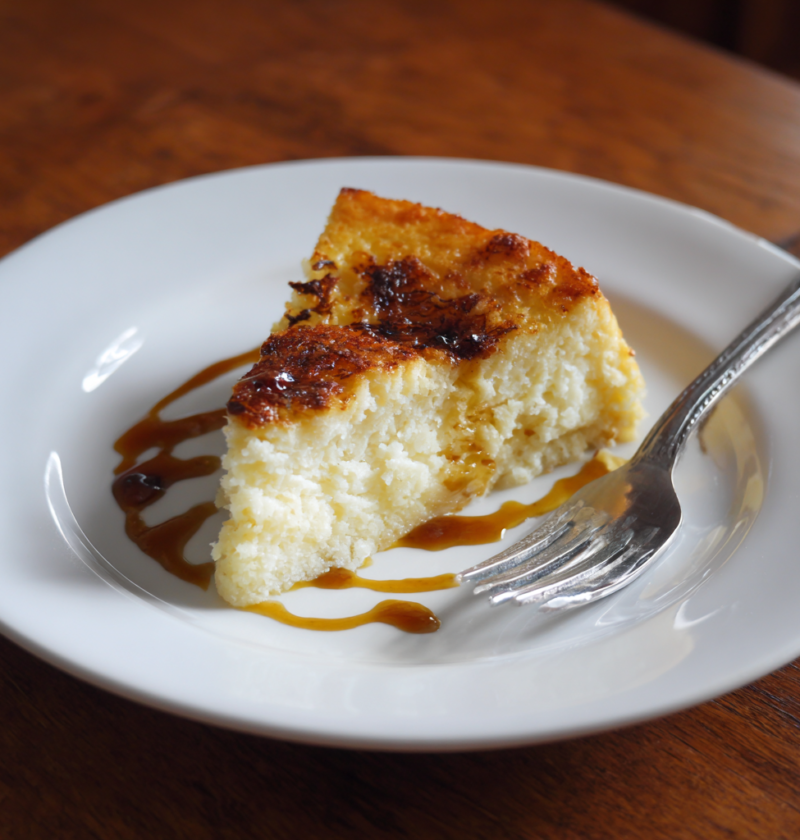
Imagine biting into a warm, buttery scone with a bright, sunny burst of fresh lemon flavor that feels both elegant and incredibly comforting. These delightful treats capture the essence of spring and summer in every bite, making them perfect for breakfast, afternoon tea, or whenever you crave something that tastes like pure sunshine. What makes lemon scones truly special is their ability to feel sophisticated without requiring special baking skills or complicated techniques. The tartness of the lemon brightens what could otherwise feel heavy, creating a perfectly balanced pastry that leaves you wanting just one more bite. Whether you’re hosting a garden party, treating yourself to something special, or impressing guests with homemade baked goods, these scones deliver bakery-quality results from your own kitchen. The simplicity of this recipe proves that impressive flavor doesn’t require complicated ingredients or hours of preparation time.
Ingredients
Makes: 12 scones
- 2 cups all-purpose flour
- 1/4 cup granulated sugar
- 1 tablespoon baking powder
- 1/2 teaspoon salt
- 3 tablespoons fresh lemon zest (about 2 to 3 lemons)
- 6 tablespoons cold unsalted butter, cubed
- 1/2 cup heavy cream, plus more for brushing
- 1 large egg
- 3 tablespoons fresh lemon juice
- 1 teaspoon vanilla extract
- 2 tablespoons turbinado sugar for topping (optional)
For the Lemon Glaze (Optional)
- 1 cup powdered sugar
- 2 to 3 tablespoons fresh lemon juice
- 1 tablespoon lemon zest
Step-by-Step Instructions
- Preheat your oven to 400°F and line a large baking sheet with parchment paper to ensure even browning and easy cleanup. Next, position your oven rack in the upper third of the oven so heat circulates properly around each scone.
- In a large mixing bowl, whisk together the flour, granulated sugar, baking powder, salt, and fresh lemon zest until the zest is evenly distributed throughout. Additionally, whisking the zest with dry ingredients helps prevent it from clumping together and ensures the lemon flavor disperses evenly.
- Add the cubed cold butter to the dry mixture and use a pastry cutter, two knives, or your fingertips to work the butter into the flour. The texture should resemble coarse breadcrumbs with small, visible butter pieces throughout; these pockets create the flaky layers that make scones so irresistible.
- In a small bowl, whisk together the heavy cream, egg, lemon juice, and vanilla extract until the mixture is uniform and smooth. However, avoid overbeating as you don’t want to incorporate excess air that could create an uneven texture.
- Pour the cream mixture into the flour-butter mixture and gently fold everything together using a rubber spatula or wooden spoon. Stir only until the dough just comes together; overmixing develops gluten and creates tough, dense scones instead of tender, crumbly ones.
- Turn the dough out onto a lightly floured work surface and gently pat it into a circle approximately one inch thick. Unlike bread dough, scone dough requires a delicate touch; handle it as little as possible to preserve the flakiness you’ve worked to develop.
- Using a sharp knife or a 2-inch round biscuit cutter, cut the dough into 12 equal pieces. For wedge-shaped scones, divide the circle into quarters and then cut each quarter in half; for round scones, use the biscuit cutter and gently gather scraps without reworking them excessively.
- Place each scone on the prepared baking sheet, spacing them about two inches apart to allow for expansion during baking without crowding. Brush the tops lightly with additional heavy cream and sprinkle with turbinado sugar if desired for a glistening, crunchy finish.
- Bake for 12 to 15 minutes, until the scones are golden brown on top and a toothpick inserted into the center comes out clean or with just a few moist crumbs. Meanwhile, your kitchen will fill with an irresistible lemon aroma.
- Remove the scones from the oven and let them cool on the baking sheet for 2 to 3 minutes. Afterward, transfer them to a wire cooling rack to cool completely before glazing or serving.
- To make the optional lemon glaze, whisk together the powdered sugar, fresh lemon juice, and lemon zest in a small bowl until you reach a drizzling consistency. Add lemon juice one tablespoon at a time until the glaze reaches your desired thickness.
- Once the scones are completely cooled, drizzle the lemon glaze over each one using a fork or small spoon. Alternatively, serve the scones unglazed with clotted cream, whipped cream, or simply with butter for a more subtle lemon experience.
Serving and Storage Tips
Serving Your Scones
These bright and delightful scones taste wonderful in numerous ways depending on the occasion and your mood. First, serve them warm from the oven with a generous dollop of clotted cream and a spoonful of lemon curd for an authentic cream tea experience. Additionally, they pair beautifully with whipped cream and fresh berries like raspberries or blueberries for a lighter, fruit-forward dessert. For breakfast, try serving them alongside scrambled eggs and fresh fruit for a complete, satisfying meal. Furthermore, at brunches and afternoon gatherings, guests love customizing their own scones with various spreads and toppings. In contrast to these elaborate presentations, some people prefer enjoying them simply with butter and a strong cup of tea or coffee—there’s absolutely no wrong way to savor them.
Storage Tips
Next, proper storage ensures your scones remain fresh and delicious for several days. Store cooled scones in an airtight container at room temperature for up to two days, placing parchment paper between layers to prevent sticking and moisture accumulation. However, if you want to keep them longer, wrap each scone individually in plastic wrap and freeze for up to one month. To reheat frozen scones, thaw them at room temperature for about 30 minutes, then warm them in a 350°F oven for 5 to 7 minutes until heated through and fragrant. Additionally, you can refrigerate uncooked scone dough in an airtight container for up to 24 hours before baking, which actually allows flavors to develop more fully. Alternatively, prepare and shape the scones, freeze them on a baking sheet until solid, then bake directly from frozen, adding just 2 to 3 minutes to the total baking time.
Helpful Notes and Tips
Creating perfect lemon scones becomes significantly easier when you understand several key techniques that separate good scones from truly exceptional ones. First, the lemon zest is your flavor foundation; fresh, vibrant zest makes an enormous difference compared to older zest that has lost its essential oils and aroma. Next, keeping all ingredients cold—especially the butter—is absolutely crucial for achieving those beautiful, flaky layers. Additionally, fresh lemon juice adds tartness and complexity that bottled juice simply cannot replicate, so always use freshly squeezed lemons when possible. However, if you only have bottled juice available, it still works, though the flavor will be slightly less bright and pronounced.
Several ingredient substitutions and variations allow you to customize this recipe to your preferences and what you have available. You can replace some of the heavy cream with Greek yogurt or sour cream for a tangier, more complex flavor profile. Furthermore, if you don’t have fresh lemons, you can use Meyer lemons when in season for a slightly sweeter, more floral lemon flavor. For a dairy-free version, substitute the butter with cold coconut oil and replace the heavy cream with full-fat coconut milk mixed with a tablespoon of fresh lemon juice. Additionally, you can add a quarter teaspoon of almond extract alongside the vanilla for subtle depth. If you prefer less sweetness, reduce the granulated sugar to two tablespoons and skip the turbinado sugar topping, letting the bright lemon flavor take center stage.
Avoiding common mistakes helps ensure your first batch is your best batch. Overmixing the dough creates gluten development, resulting in tough, dense scones; mix only until ingredients combine. In contrast, some people undermix, leaving streaks of flour, so finding the sweet spot between these extremes is important. Additionally, using room-temperature butter prevents flakiness, so always keep butter cold and work quickly. Furthermore, don’t skip the fresh lemon zest as it provides essential oils that create the bright, sunny flavor you’re seeking. Finally, resist opening the oven door frequently during baking, as temperature fluctuations interfere with proper rising and browning of these delicate pastries.
Chef Tips
First, for scones with exceptional height and professional appearance, use a sharp cutter and press straight down with a quick motion rather than twisting, which seals the edges and prevents the scones from rising properly in the oven. Additionally, for an extra-special presentation, brush the baked scones with lemon juice immediately after removing them from the oven while they’re still warm; this creates a subtle glaze that locks in moisture and adds extra lemon flavor.
Frequently Asked Questions
Can I use bottled lemon juice instead of fresh? Yes, bottled lemon juice works in a pinch, though the flavor will be slightly less bright and aromatic; use about two tablespoons of bottled juice if fresh isn’t available.
What’s the best way to get more lemon flavor into the scones? Use fresh lemon zest generously, add fresh lemon juice to the wet ingredients, and consider drizzling with the optional lemon glaze for maximum flavor impact throughout.
Can I make the dough ahead of time? Absolutely; you can refrigerate shaped, unbaked scones for up to 24 hours, or freeze them for up to one month and bake directly from frozen, adding just two to three minutes to baking time.
Should I always make the lemon glaze, or can I skip it? The glaze is entirely optional; scones are delicious on their own or with simple cream, though the glaze adds extra sweetness and lemon brightness if you enjoy it.
Why do my scones sometimes spread too much instead of rising upward? This usually happens from using warm butter, overmixing the dough, or oven temperature being too low; ensure your butter is cold, handle the dough minimally, and verify your oven temperature with a thermometer.
Final Thoughts
Baking a batch of lemon scones transforms an ordinary day into something special, filling your home with the bright, uplifting aroma of fresh citrus. The recipe’s simplicity makes it accessible to bakers at any skill level, while the elegant results make it feel like you’ve accomplished something impressive. Whether you’re hosting a spring brunch, treating yourself to a leisurely breakfast, or surprising a loved one with homemade pastries, these scones deliver on every level. Moreover, knowing that you created these bakery-quality treats from scratch brings a satisfaction that store-bought versions simply cannot replicate.
The beauty of mastering this recipe lies in its versatility and the confidence it builds for future baking endeavors. Once you understand the basic scone-making technique, you can easily experiment with different citrus fruits, swap in various add-ins, or adapt it to your dietary preferences. Additionally, scones are one of those baked goods that genuinely improve with practice; each batch teaches you something new about handling delicate dough and perfecting timing. Next time fresh lemons appear at the market, remember this recipe and treat yourself and everyone around you to something that tastes like pure spring sunshine.
Did you love this recipe? Save it, pin it, and share it with your friends and family! Your support means everything to us and helps us create more delicious recipes for you to enjoy. Leave a comment below telling us how your scones turned out—we’d absolutely love to hear from you!