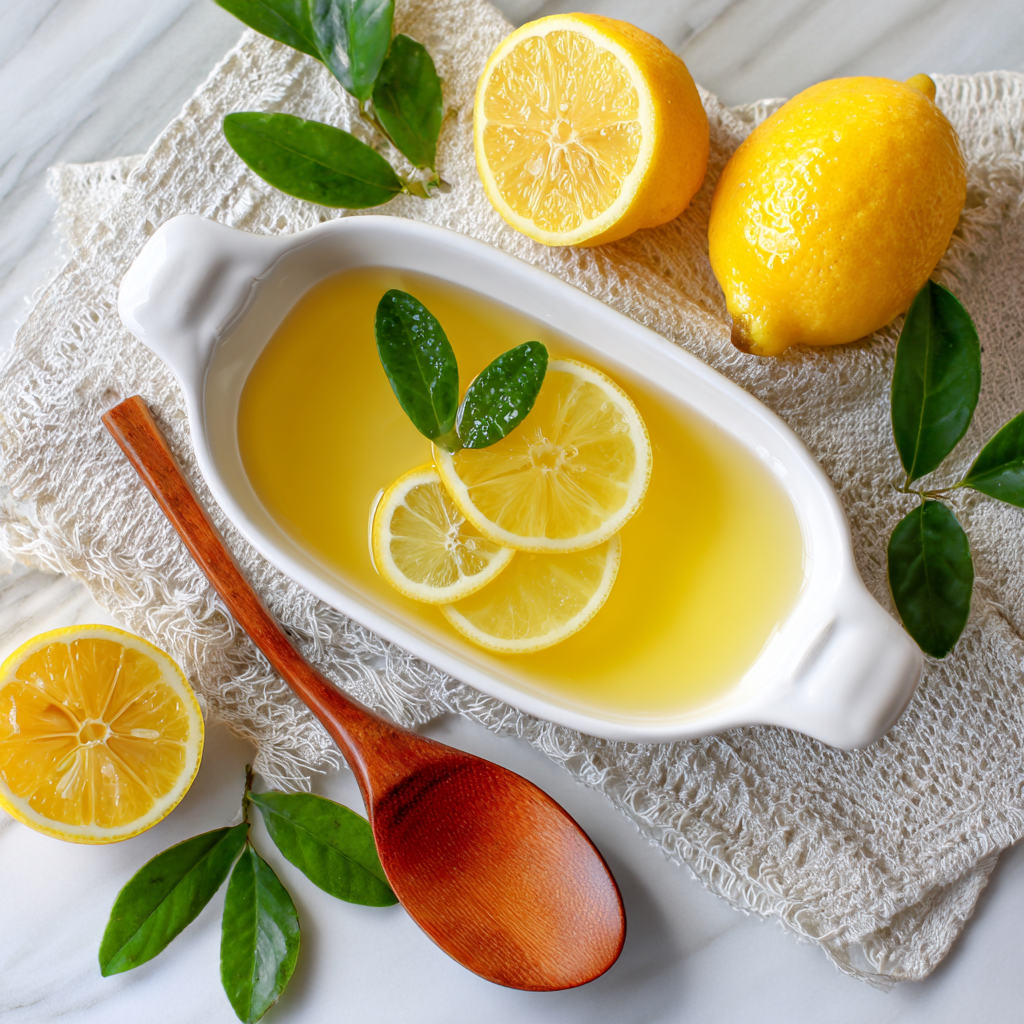
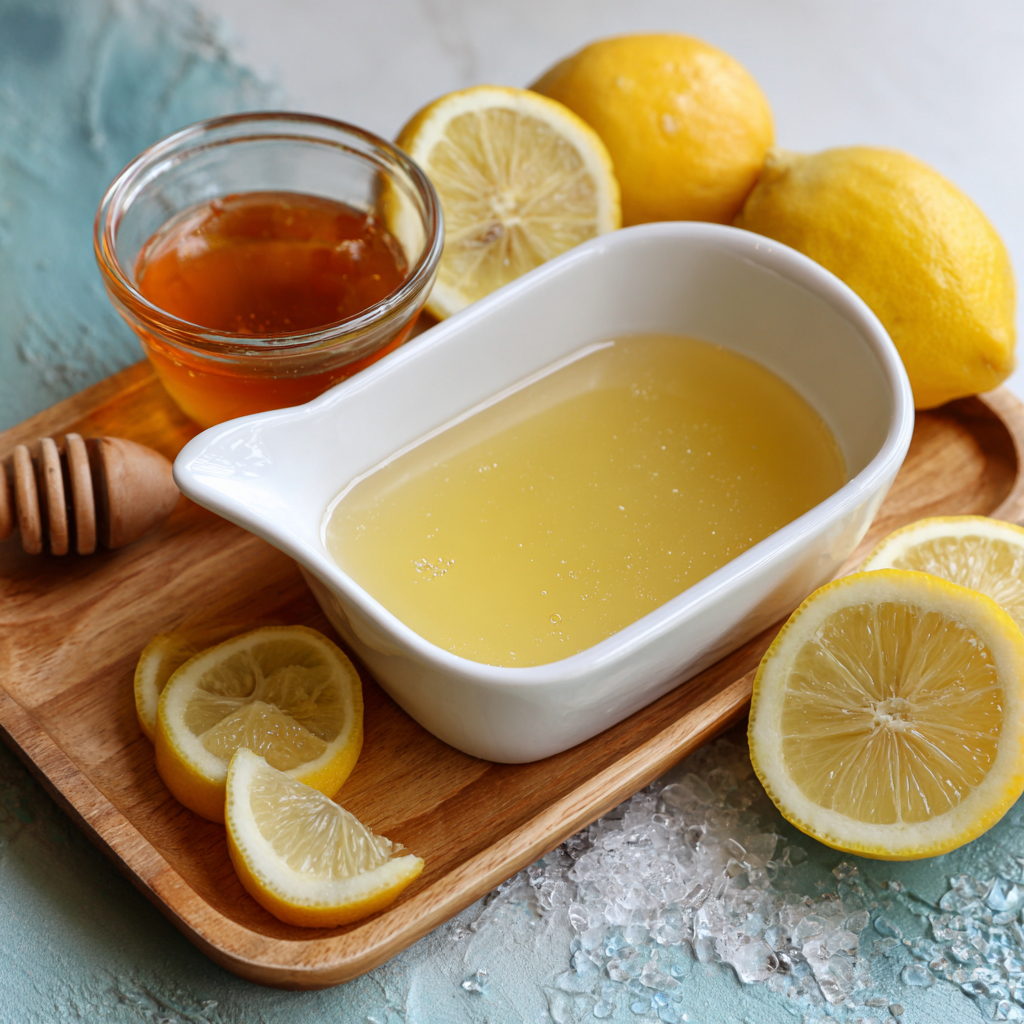
Imagine creating a lemonade bar in your own home where guests can customize their drinks with a silky, concentrated lemon syrup that tastes like pure summer in a bottle. This lemonade bar lemon syrup recipe transforms fresh lemons into a vibrant golden syrup that becomes the foundation for endless beverage variations—classic lemonade, sparkling lemonades, flavored iterations, or even a lemon syrup drizzle over desserts. What makes this recipe truly special is how it captures the essence of ripe lemons without any artificial flavoring or processed ingredients, creating something far superior to store-bought versions. The concentrated syrup keeps beautifully in your refrigerator for weeks, meaning you can whip up fresh lemonade anytime without needing to juice lemons or dissolve sugar. Each sip delivers bright, balanced acidity with natural sweetness—precisely calibrated to create the most refreshing summer beverage imaginable. Whether you’re hosting a gathering, seeking a homemade alternative to sugary store-bought drinks, or wanting to inspire creativity with a DIY lemonade bar concept, this lemon syrup accomplishes all three with impressive results.
Ingredients
Yields: Approximately 2 cups of syrup (makes about 8-10 glasses of lemonade)
- 8-10 fresh lemons (about 2 pounds), preferably Meyer or Eureka variety
- 2 cups granulated sugar
- 1 cup water
- 1 tablespoon honey or corn syrup (prevents crystallization)
- 1 teaspoon vanilla extract (optional, enhances flavor)
- Pinch of sea salt (enhances lemon brightness)
- 2-3 fresh mint leaves (optional, for flavor infusion)
- Zest of 1 lemon (optional, for added brightness)
Why Homemade Lemon Syrup Changes Everything
First, fresh lemon juice contains natural acids and oils that create depth and complexity far superior to bottled lemon juice or powdered mixes. Meanwhile, making syrup instead of simple lemonade allows you to store concentrate that stays fresh for weeks. However, the real magic lies in how you control the sweetness level, acidity balance, and ingredient quality. Additionally, homemade syrup tastes cleaner and brighter than store-bought versions filled with artificial flavoring and preservatives. As a result, this single syrup becomes the foundation for countless beverages and creative variations, transforming your kitchen into a personal lemonade bar.
Step-by-Step Instructions
1. Prepare your fresh lemons thoroughly. To begin, select bright yellow lemons that yield slightly to pressure—these indicate ripe, juicy fruit. Next, wash your lemons under running water and pat dry with paper towels. Additionally, washing removes any surface dirt or residue. Meanwhile, you’ll want approximately 8 to 10 lemons depending on their size and juiciness. However, smaller, lighter lemons often contain more juice than large, heavier ones, so choose accordingly.
2. Juice your lemons efficiently. Cut your prepared lemons in half. Next, using a citrus juicer, handheld lemon reamer, or electric citrus press, extract every drop of juice from each lemon half. Meanwhile, rolling lemons firmly on your counter before cutting helps release more juice. Additionally, warm lemons extracted from a warm place produce more juice than cold lemons—if your lemons are cold, you can warm them briefly in warm water. However, the goal is extracting approximately one cup of fresh lemon juice.
3. Strain your fresh lemon juice. Pour your freshly squeezed lemon juice through a fine-mesh strainer into a clean bowl. Next, use the back of a spoon to press gently on any pulp, extracting all liquid. Meanwhile, straining removes seeds and large pulp particles that could cloud your finished syrup. Additionally, fresh lemon juice may separate slightly—simply stir before measuring to ensure accuracy.
4. Combine your sugar and water in a saucepan. Pour two cups of granulated sugar and one cup of water into a medium saucepan. Next, place it over medium heat. Using a wooden spoon, stir occasionally until the sugar dissolves completely and the mixture becomes clear. Meanwhile, this typically takes three to five minutes depending on your stove’s heat. However, avoid letting the mixture boil vigorously—gentle heat prevents crystallization and maintains clarity.
5. Add honey or corn syrup to prevent crystallization. Once your sugar water is clear and dissolved, add one tablespoon of honey or corn syrup. Next, stir this in thoroughly, incorporating it completely. Meanwhile, this ingredient prevents your finished syrup from crystallizing as it cools and stores. Additionally, honey adds subtle complexity while corn syrup provides straightforward clarity. However, both accomplish the same crystallization-prevention goal.
6. Cool your sugar syrup slightly. Remove your pan from heat and allow it to cool for about five minutes. Meanwhile, you want the syrup warm but not boiling hot—this prevents the lemon juice from losing volatile flavor compounds through excessive heat. However, it should still be warm enough to thoroughly blend with the lemon juice. Additionally, cooling slightly prevents the finished syrup from becoming too hot to handle.
7. Add your fresh lemon juice to the warm syrup. Pour your strained fresh lemon juice into your warm sugar syrup. Next, stir gently but thoroughly, incorporating the juice completely. Meanwhile, the mixture will initially look opaque but will become clear as it cools. Additionally, the warmth allows the flavors to blend beautifully. However, the syrup will thicken considerably as it cools.
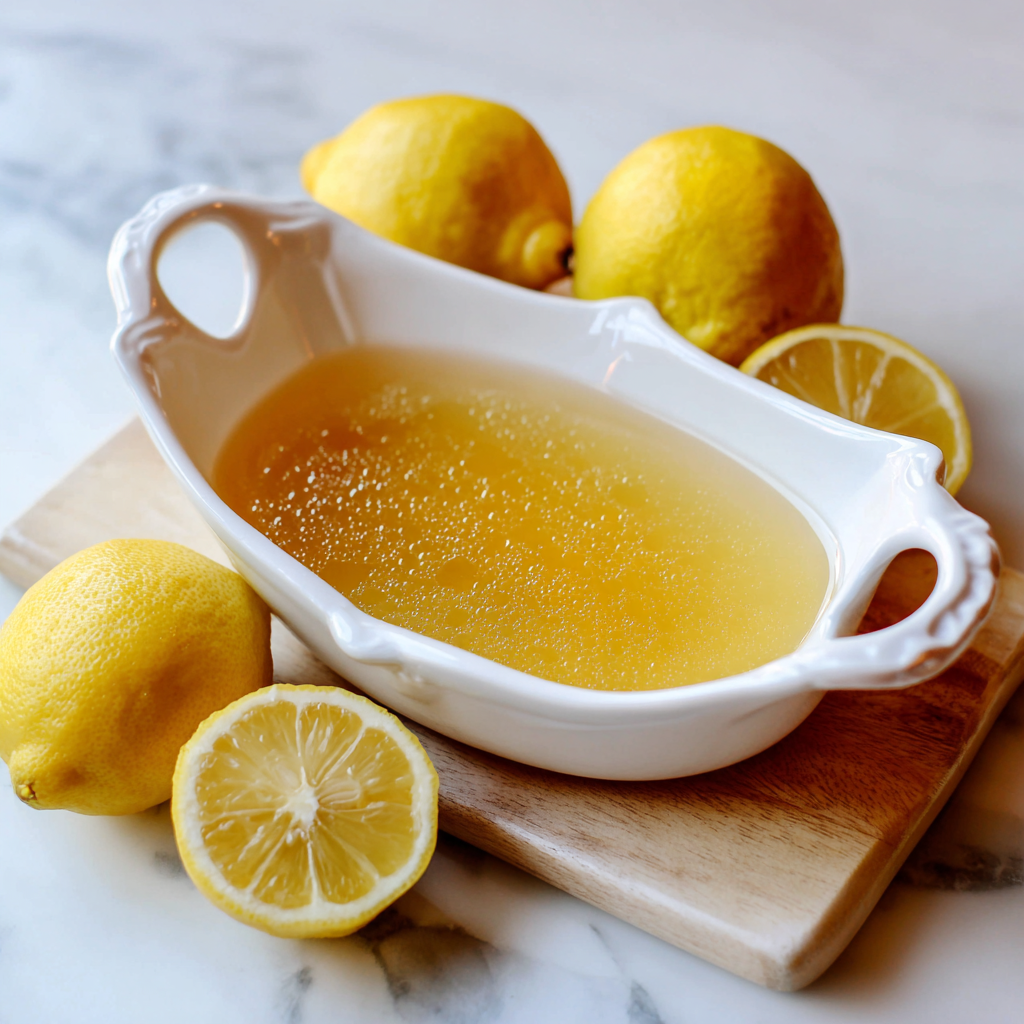
8. Incorporate optional flavor enhancers if desired. At this point, add your optional ingredients: one teaspoon vanilla extract, a pinch of sea salt, and lemon zest if using. Next, stir these in thoroughly. Meanwhile, vanilla adds subtle depth while salt enhances lemon brightness without making the syrup taste salty. Additionally, lemon zest provides aromatic, intensely flavored oils. However, these additions are entirely optional—the syrup is delicious without them.
9. Optional: Infuse with fresh mint for complexity. If desired, tear two or three fresh mint leaves and add them to your warm syrup. Next, allow them to steep for about five minutes, infusing the syrup with subtle mint flavor. Afterward, strain out the mint leaves using a fine-mesh strainer. Meanwhile, this step adds sophisticated complexity without overwhelming the lemon flavor. However, it’s optional and easily skipped.
10. Allow your syrup to cool completely. Pour your finished lemon syrup into a heat-safe glass bottle or container. Next, allow it to cool completely to room temperature—this typically takes about 30 minutes to one hour. Meanwhile, cooling allows the syrup to thicken to its final consistency. Additionally, transferring to glass bottles allows you to appreciate the beautiful golden color. However, any clean, airtight container works for storage.
11. Refrigerate your finished lemon syrup. Once completely cooled, seal your container and refrigerate your lemon syrup. Next, it will continue thickening slightly as it chills. Meanwhile, your finished syrup should reach the consistency of honey or corn syrup—thick enough to pour slowly but not so thick it’s difficult to work with. Additionally, refrigeration preserves freshness and extends shelf life significantly.
12. Test your syrup’s sweetness and acidity balance. Before using for your lemonade bar, test your syrup’s flavor profile. Next, mix one tablespoon of your syrup with one cup of cold water in a glass. Additionally, stir thoroughly and taste. Meanwhile, this determines how much syrup to use for perfect lemonade. However, different people prefer different sweetness levels, so testing ensures you can customize for various preferences.
Serving and Storage Tips
How to Serve Your Lemon Syrup at a Lemonade Bar
First, set up your lemonade bar with your syrup as the centerpiece, surrounded by fresh water, ice, sparkling water, and optional flavor additions. Next, provide clear instructions on syrup-to-water ratios—typically one part syrup to three parts water creates perfectly balanced lemonade. Additionally, offer optional add-ins like fresh mint, berries, cucumber slices, or herbs for creative customization. However, plain lemonade made with just syrup and water is absolutely delicious. Furthermore, provide glasses, ice, and garnishing options like lemon wheels or mint sprigs. As a result, guests can create their perfect custom beverages.
Proper Storage and Shelf Life
To begin, store your lemon syrup in an airtight glass bottle or container in the refrigerator for up to three weeks. Next, the syrup becomes denser and more concentrated as it cools, creating ideal consistency for serving. Additionally, refrigeration prevents fermentation and preserves freshness. However, if your syrup crystallizes over time, gently warm it in a warm water bath to restore fluidity. Furthermore, you can also freeze your syrup in ice cube trays for convenient portioned servings—frozen syrup cubes last up to three months in the freezer. In contrast to fresh lemonade that spoils quickly, concentrated syrup maintains quality for extended periods.
Helpful Notes and Tips for Success
Understanding key techniques ensures your lemonade bar lemon syrup turns out absolutely perfect every single time. First, lemon selection significantly impacts your final syrup’s flavor. Meanwhile, Meyer lemons are slightly sweeter with less acidity compared to Eureka or Lisbon varieties. However, any fresh, ripe lemons work beautifully—the key is selecting juicy, bright-colored fruit rather than hard, pale lemons. Additionally, heavier lemons indicate more juice content compared to lighter ones of the same size.
Next, the sugar-to-lemon-juice ratio is crucial for proper balance and shelf stability. Additionally, this recipe uses a ratio that prevents crystallization while remaining shelf-stable for weeks. Meanwhile, reducing sugar would create a syrup that ferments quickly, while increasing sugar would create something overly thick. However, you can adjust sweetness by tasting your test batch and adding water to thin or sugar to thicken as needed.
Furthermore, honey or corn syrup prevents crystallization by interfering with sugar crystal formation. To begin, without this ingredient, your syrup gradually becomes grainy and unpleasant. Meanwhile, even one tablespoon prevents this issue entirely. However, if you’ve made syrup without it and crystallization occurs, simply reheat gently to restore fluidity.
Additionally, the optional vanilla extract and salt enhance lemon flavor in subtle ways that make people wonder what creates the delicious taste. However, these additions are entirely optional. Meanwhile, fresh mint creates a sophisticated variation. Furthermore, lemon zest adds intense flavor and aroma. As a result, you can customize based on your preferences.
Finally, straining your lemon juice removes seeds and pulp that cloud your syrup’s appearance and affect texture. To begin, clear syrup looks more professional and appetizing. Meanwhile, cloudy syrup tastes fine but appears less appealing. However, some people appreciate the rustic appearance of unfiltered syrup.
Common Mistakes to Avoid
To begin, one frequent error is using bottled lemon juice instead of fresh. Meanwhile, bottled juice contains preservatives and lacks the bright, complex flavor of fresh-squeezed juice. However, fresh juice creates noticeably superior results worth the extra effort of squeezing.
Additionally, another mistake involves boiling the sugar solution vigorously, which causes crystallization and cloudiness. In contrast, gentle simmering maintains clarity and smooth texture. Furthermore, some home cooks skip the honey or corn syrup, then experience crystallization after storage. However, adding this single ingredient entirely prevents this issue.
Finally, not straining the lemon juice results in cloudy syrup with visible pulp and seeds. Meanwhile, a quick strain through a fine-mesh strainer takes seconds but dramatically improves the final product. As a result, this step is absolutely worth the minimal time investment.
Chef Tips
Professional bartenders recommend making lemon syrup in large batches and storing it in squeeze bottles, which makes creating custom lemonades effortless and allows precise control over sweetness levels for different guests. Additionally, for a sophisticated variation, infuse your syrup with lavender, rosemary, or chamomile by steeping dried herbs in your warm syrup for five minutes, then straining before cooling.
Frequently Asked Questions
How much lemon syrup do I use to make one glass of lemonade? Typically, one to one-and-a-half tablespoons of syrup per eight ounces of water creates perfectly balanced lemonade. However, adjust based on personal preference—some prefer sweeter or tangier lemonade than others.
Can I use bottled lemon juice instead of fresh? You can, though the syrup will lack the bright, complex flavor of fresh-squeezed juice. Fresh juice creates noticeably superior results worth the extra effort, though bottled juice works acceptably in a pinch.
How long does this syrup actually last in the refrigerator? Properly stored in an airtight container, lemon syrup stays fresh and safe for three to four weeks in the refrigerator. If crystallization occurs, gently reheat in a warm water bath to restore fluidity.
Can I make this recipe with lime or other citrus fruits? Absolutely. You can substitute lime juice, orange juice, or grapefruit juice using the same method. However, adjust sweetness based on the fruit’s natural acidity—limes require the same amount of sugar, while oranges might need slightly less.
Can I use this syrup for anything other than lemonade? Yes, this lemon syrup is versatile—drizzle over vanilla ice cream, add to sparkling water for refreshing drinks, use as a cake drizzle, or stir into iced tea for lemony flavor. It’s delicious in many applications beyond lemonade.
Why This Lemon Syrup Becomes a Summer Staple
First, having homemade lemon syrup on hand transforms creating refreshing beverages from a time-consuming task into an effortless endeavor. Next, the versatility of syrup means you can make classic lemonade, sparkling variations, or creative flavored versions depending on your mood. Meanwhile, hosting a lemonade bar impresses guests and creates interactive, memorable entertainment. Additionally, the superior flavor of homemade syrup compared to store-bought versions satisfies discerning palates. Furthermore, making syrup in batches means you’re always prepared for last-minute refreshments.
As a result, this lemon syrup bridges the gap between convenience and quality perfectly. In contrast to bottled lemon juice and powdered mixes that taste artificial and processed, fresh syrup delivers genuine flavor. However, it requires minimal effort once you understand the basic technique. Additionally, once you master this formula, you’ll find yourself experimenting with flavor variations and creative applications. Therefore, this recipe deserves a permanent place in your summer preparation routine.
The Bottom Line
Lemonade bar lemon syrup represents the ideal solution for those seeking to create refreshing, customizable beverages without artificial ingredients or excessive sugar. Next, whether you’re hosting gatherings, seeking healthier alternatives to store-bought drinks, or wanting to explore creative flavor combinations, this recipe delivers professional café results every single time. Additionally, the combination of fresh lemons, balanced sweetness, and convenient shelf-stable storage creates something genuinely practical and delicious.
To begin your lemonade bar journey, invest in fresh, ripe lemons and quality sugar this week. Afterward, set aside 30 minutes on your next afternoon to prepare a batch of syrup. Furthermore, as you serve your beautiful golden syrup and watch guests customize their perfect lemonades, you’ll understand why this simple preparation method is absolutely worthwhile. The authentic flavor, impressive presentation, convenient versatility, and genuine deliciousness combine to create something truly special that transforms ordinary summer days into memorable moments of refreshment.
Did you adore this lemonade bar lemon syrup recipe? We’d absolutely love to hear about it! Please save this recipe for your next summer gathering, pin it to your Pinterest board for easy access, and share it with friends and family who deserve delicious, refreshing homemade beverages. Your love and support mean everything to us—every save, share, and pin encourages us to create more delicious recipes and helpful beverage content. Thank you for being part of our warm, welcoming culinary community!