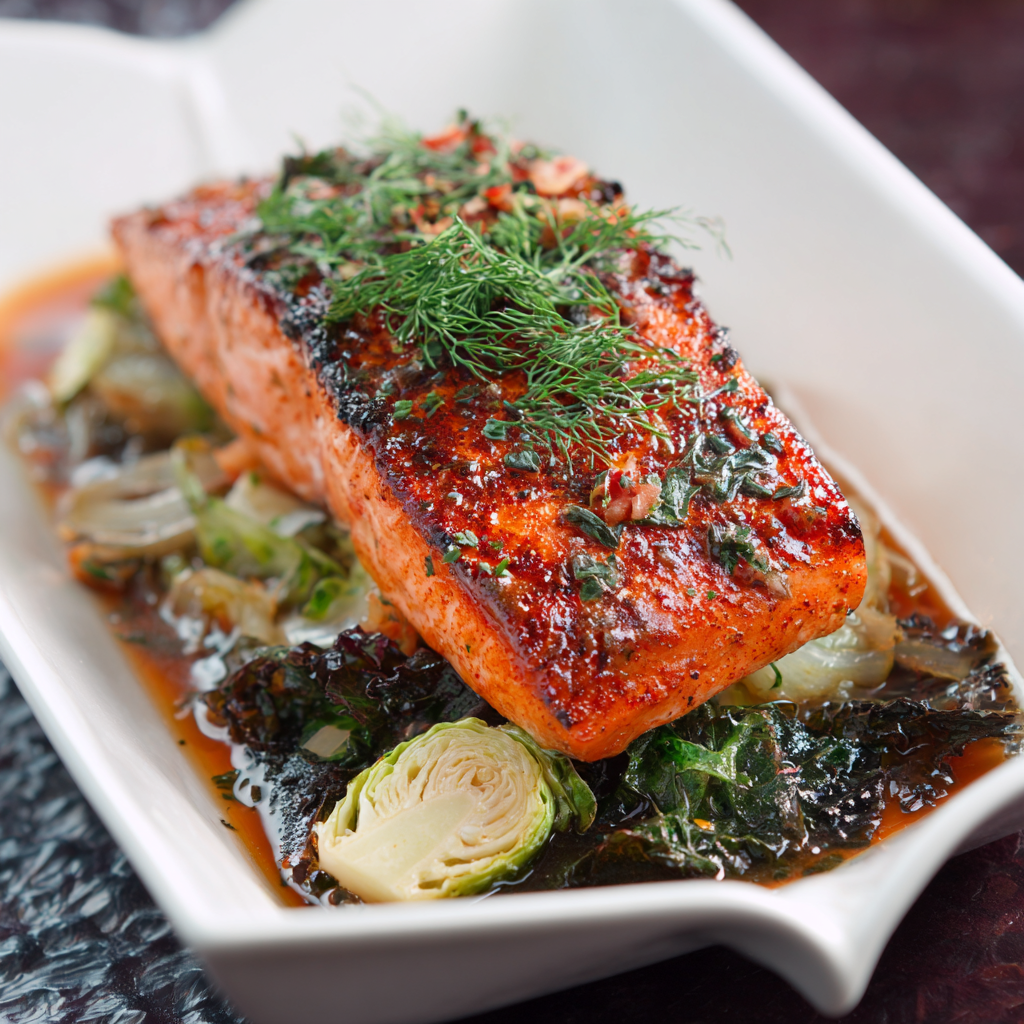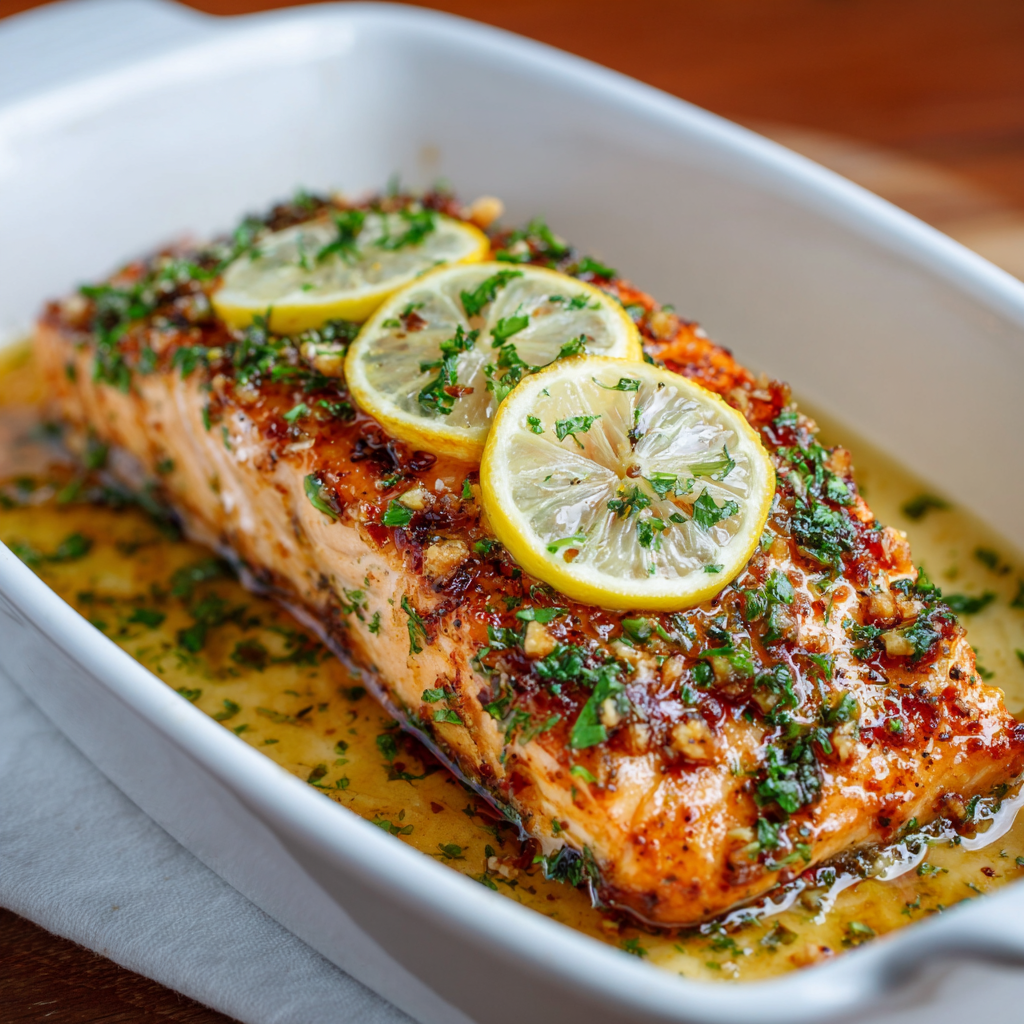
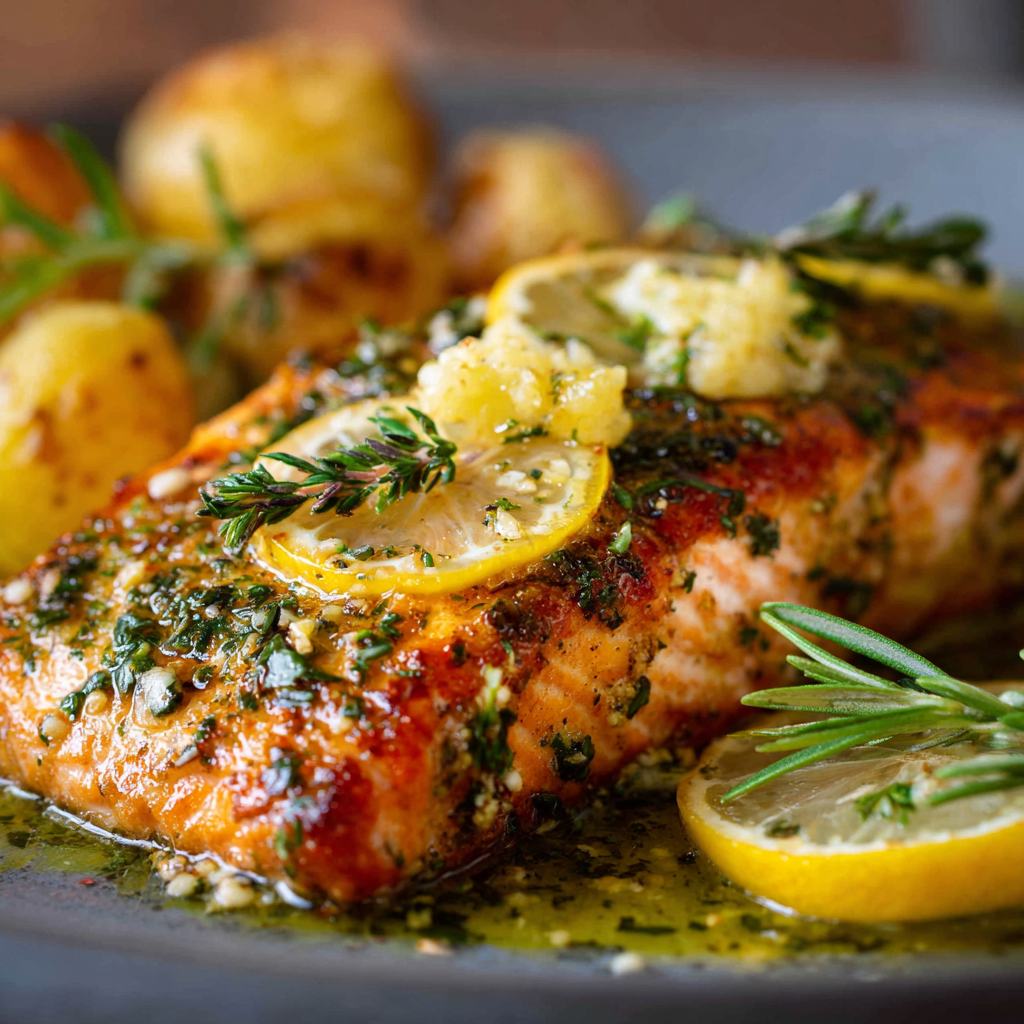
When you’re committed to eating healthier but refuse to sacrifice flavor or satisfaction, nothing delivers quite like tender salmon fillets bathed in bright lemon butter sauce that’s both elegant and incredibly easy to prepare. This low-carb masterpiece combines heart-healthy omega-3 rich fish with the classic pairing of butter, garlic, and fresh lemon into a dish that tastes like something from an upscale restaurant while fitting perfectly into your wellness goals. What makes this recipe truly exceptional is how it achieves restaurant-quality results in less than twenty minutes using simple ingredients and straightforward techniques that anyone can master. The combination of perfectly cooked salmon with crispy skin, aromatic garlic butter, and bright citrus creates layers of flavor that make healthy eating feel like a treat rather than a sacrifice. Whether you’re following keto, paleo, or simply trying to reduce carbohydrates while eating more nutritious foods, this salmon delivers satisfaction and nourishment that supports your goals beautifully. Best of all, it’s versatile enough for busy weeknight dinners yet impressive enough for entertaining guests who will never guess how quick and easy it was to prepare.
Ingredients
This recipe makes 4 servings.
For the Salmon:
- 4 salmon fillets (6 ounces each), skin-on
- 1 teaspoon salt
- 1/2 teaspoon black pepper
- 1/2 teaspoon paprika
- 1/4 teaspoon garlic powder
- 2 tablespoons olive oil or avocado oil
For the Lemon Butter Sauce:
- 4 tablespoons unsalted butter
- 4 cloves garlic, minced
- 1/4 cup fresh lemon juice (about 2 lemons)
- 1 tablespoon lemon zest
- 1/4 cup dry white wine or chicken broth
- 2 tablespoons fresh parsley, chopped
- 1 tablespoon fresh dill, chopped (optional)
- 1/4 teaspoon red pepper flakes (optional)
- Salt and pepper to taste
For Serving:
- Lemon wedges
- Fresh herbs for garnish
- Cauliflower rice, zucchini noodles, or salad
Instructions
- Remove the salmon fillets from the refrigerator 15 minutes before cooking to bring to room temperature.
- Pat the salmon fillets completely dry with paper towels on all sides.
- Season both sides of the salmon with salt, pepper, paprika, and garlic powder.
- Heat the olive oil in a large skillet over medium-high heat until it shimmers.
- Place the salmon fillets skin-side down in the hot skillet, pressing gently with a spatula.
- Cook for 4 to 5 minutes without moving them, allowing the skin to crisp.
- Carefully flip the salmon fillets using a thin spatula.
- Cook for an additional 3 to 4 minutes until the salmon reaches your desired doneness.
- Check for doneness—the salmon should flake easily and reach 145°F internally.
- Transfer the cooked salmon to a plate and tent with foil to keep warm.
- Reduce the heat to medium and add the butter to the same skillet.
- Once the butter melts, add the minced garlic and sauté for 1 minute until fragrant.
- Pour in the white wine or chicken broth and bring to a simmer.
- Let the liquid reduce by half, about 2 to 3 minutes.
- Stir in the fresh lemon juice and lemon zest, mixing well.
- Add the chopped parsley, dill if using, and red pepper flakes if desired.
- Season the sauce with salt and pepper to taste.
- Let the sauce simmer for 1 more minute until it slightly thickens.
- Return the salmon to the skillet, spooning the sauce over the fillets.
- Cook for 1 minute to warm the salmon and let it absorb the sauce flavors.
- Remove from heat and transfer the salmon to serving plates.
- Spoon additional sauce over each fillet generously.
- Garnish with fresh herbs and lemon wedges.
- Serve immediately with your choice of low-carb sides.
Selecting and Preparing Perfect Salmon
Choosing quality salmon makes an enormous difference in both flavor and nutrition, so it’s worth seeking out the best you can find and afford. Wild-caught salmon typically offers superior flavor, firmer texture, and better nutritional profile compared to farmed varieties, though quality farmed salmon can certainly be delicious. Look for salmon with bright, vibrant color—whether orange-pink for sockeye or deeper red for king—and avoid any with brown spots or dull appearance that indicates age. Fresh salmon should smell clean and ocean-like, never fishy or ammonia-scented.
Skin-on salmon provides multiple advantages that make it the preferred choice for pan-searing. The skin protects the delicate flesh from direct heat, preventing overcooking and helping maintain moisture. Additionally, when cooked properly, salmon skin becomes wonderfully crispy and delicious—many people consider it the best part. The skin also contains concentrated omega-3 fatty acids and additional nutrients, making it nutritionally valuable beyond just taste and texture considerations.
Bringing salmon to room temperature before cooking ensures more even cooking from edge to center. Cold fish hits the hot pan and cooks unevenly, with the exterior overcooking before the center reaches proper temperature. This brief rest also allows the fish to relax, which helps it cook more uniformly. Furthermore, thoroughly drying the surface with paper towels removes moisture that would prevent proper searing and crispy skin development—this simple step dramatically improves final results.
Achieving Perfectly Cooked Salmon
Mastering salmon doneness separates good results from exceptional ones, as this delicate fish can go from perfect to overcooked in seconds. The ideal internal temperature is 125°F to 130°F for medium-rare, which leaves the center slightly translucent and very moist. Cooking to 145°F as USDA recommends produces fully opaque, flaky salmon that’s still moist if you’re careful. Many people prefer salmon cooked to medium-rare for maximum moisture and silky texture, though cook to your personal preference and comfort level.
Visual cues help determine doneness when you don’t have a thermometer handy. The salmon should change from translucent to opaque, and the flesh should just begin to flake when gently pressed with a fork. Additionally, white albumin protein will begin appearing between the flakes—a little is normal, but excessive amounts indicate overcooking. The flesh should feel firm but still give slightly when pressed, not hard or dry. Developing these observational skills allows you to cook salmon perfectly every time.
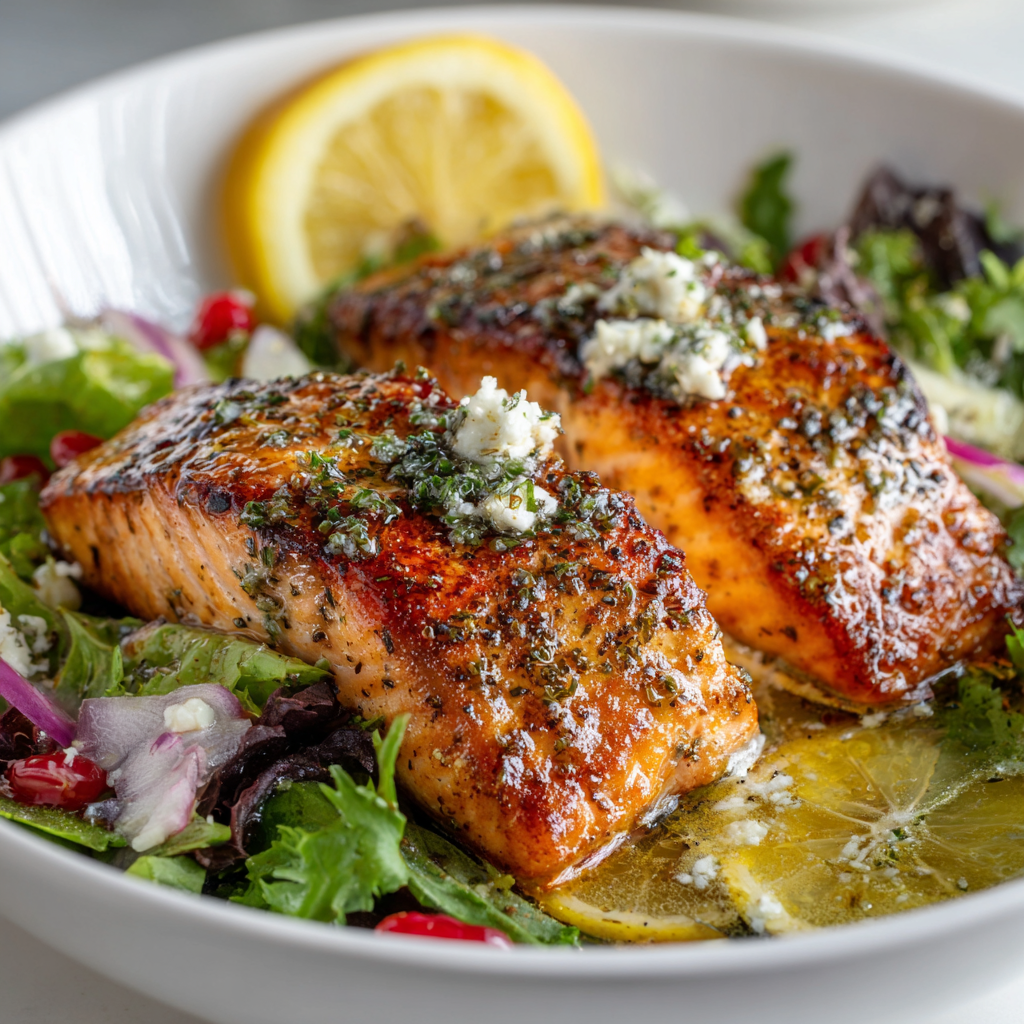
Getting that coveted crispy skin requires proper technique beyond just high heat. Starting skin-side down and pressing gently with a spatula ensures full contact with the hot pan, preventing curling that would create unevenly cooked spots. Resist the urge to move or flip the salmon too early—let it sit undisturbed for the full cooking time to develop that gorgeous golden-brown crust. The salmon will naturally release from the pan when the skin is properly crisped; if it sticks stubbornly, it needs more time.
Creating Bright, Flavorful Sauce
The lemon butter sauce transforms simple cooked salmon into something genuinely special through bright acidity and rich butteriness. This classic French-style sauce, sometimes called “beurre blanc” when made with wine, creates restaurant-quality finish that takes just minutes to prepare. The butter provides luxurious richness and helps the sauce coat the salmon beautifully, while the lemon adds brightness that cuts through that richness and enhances the fish’s natural flavors.
Deglazing the pan with wine or broth serves multiple purposes beyond just adding liquid. This technique captures all those flavorful browned bits left from cooking the salmon, incorporating them into the sauce rather than wasting them. The wine also contributes acidity and complexity that makes the sauce taste more sophisticated and layered. For those avoiding alcohol, chicken broth with a splash of white wine vinegar provides similar deglazing benefits with comparable flavor complexity.
Fresh herbs add aromatic complexity and visual appeal that dried herbs simply cannot match. Parsley contributes bright, fresh flavor and beautiful green color, while dill offers that classic pairing with salmon that tastes familiar and comforting. Adding herbs at the end preserves their vibrant color and fresh flavor rather than cooking them into dullness. The lemon zest intensifies the citrus flavor without adding excessive liquid or acidity, creating more pronounced lemon taste that defines the sauce’s character.
Understanding Low-Carb Benefits
This salmon recipe delivers exceptional nutrition that supports various health goals beyond just reducing carbohydrates. Each serving provides approximately 35 grams of high-quality protein that supports muscle maintenance, satiety, and metabolic function. Additionally, salmon offers abundant omega-3 fatty acids—EPA and DHA—that support heart health, reduce inflammation, and contribute to brain function. These healthy fats also help your body absorb fat-soluble vitamins from other foods you eat throughout the day.
The virtually zero carbohydrate content makes this dish perfect for ketogenic diets, low-carb eating plans, or anyone managing blood sugar levels. Unlike carb-heavy meals that cause blood sugar spikes and subsequent crashes, this protein and fat-focused dish provides steady energy without those rollercoaster effects. Furthermore, the high protein and fat content creates exceptional satiety that prevents snacking and overeating later—you’ll feel genuinely satisfied for hours after eating.
Beyond macronutrient benefits, salmon provides impressive micronutrition including vitamin D, vitamin B12, selenium, and astaxanthin—the antioxidant that gives salmon its pink color. These nutrients support immune function, bone health, energy metabolism, and cellular protection. Choosing wild-caught salmon when possible maximizes these nutritional benefits while avoiding the environmental concerns and potential contaminants associated with some farmed varieties.
Serving and Storing Tips
Serving Tips
Serve this lemon butter salmon immediately while hot for the best texture and flavor experience. The crispy skin and warm, buttery sauce taste most delicious when freshly prepared. Plating the salmon over cauliflower rice creates a complete low-carb meal that soaks up the delicious sauce beautifully. Alternatively, serve alongside zucchini noodles, roasted asparagus, sautéed spinach, or a fresh garden salad for colorful, nutritious accompaniments that maintain the low-carb focus.
For elegant presentation, place the salmon skin-side up to showcase that beautiful crispy exterior, then spoon the glossy lemon butter sauce over the top, allowing it to pool attractively around the fish. Garnishing with fresh herb sprigs, lemon slices, and perhaps a sprinkle of flaky sea salt adds restaurant polish that makes weeknight dinner feel special. Additionally, serving lemon wedges on the side allows guests to add extra brightness according to their preferences.
This salmon works beautifully for meal prep, providing healthy lunches throughout the week. Cook the salmon according to the recipe, then portion it with various low-carb vegetables into containers. The salmon stays delicious cold in salads or reheats gently for warm meals. However, make fresh sauce when reheating rather than storing salmon in sauce, which helps maintain better texture. This flexibility makes healthy eating convenient even during the busiest weeks.
Storage Tips
Store leftover cooked salmon in an airtight container in the refrigerator for up to 3 days, keeping it separate from the sauce if possible to maintain better texture. The salmon will firm up when chilled, which is perfectly normal. When reheating, do so gently to prevent overcooking and drying out—microwave on reduced power in 30-second intervals, or warm in a 275°F oven for 10 minutes. Adding a splash of water or fresh lemon juice while reheating helps restore moisture.
Leftover salmon transforms beautifully into various second meals beyond simple reheating. Flake it into salads for protein-rich lunches, make salmon cakes by mixing with almond flour and eggs, or create creamy salmon dip blended with cream cheese and herbs. Cold salmon tastes delicious on cucumber slices, in lettuce wraps, or atop cauliflower rice bowls. These creative uses prevent food waste while providing convenient, healthy meals throughout the week.
Freezing cooked salmon works acceptably for up to 2 months, though the texture will change somewhat after thawing. Wrap individual portions tightly in plastic wrap, then place in freezer bags with air removed. Thaw overnight in the refrigerator before gently reheating or using cold in salads. While not quite as perfect as fresh, frozen salmon still provides nutritious, convenient meals when you need them. Raw salmon also freezes beautifully if you prefer to cook it fresh after thawing.
Helpful Notes
Making this salmon even more weeknight-friendly involves minimal prep shortcuts that save time without sacrificing quality. Purchase salmon that’s already portioned into individual fillets to eliminate knife work. Use pre-minced garlic from a jar if fresh garlic feels too fussy. Buy pre-washed salad greens or pre-riced cauliflower for instant sides that require zero preparation. These modifications reduce active cooking time to under 15 minutes while still producing restaurant-quality results.
For those following strict keto or wanting to increase healthy fats, several adjustments enhance the recipe’s macronutrient profile. Add an extra tablespoon or two of butter to the sauce for increased richness and fat content. Top the finished salmon with sliced avocado for additional healthy fats and creamy texture. Drizzle with extra olive oil before serving. These simple additions increase satiety and fat intake without adding carbohydrates.
Customizing the flavor profile keeps this salmon interesting across multiple preparations. Mediterranean version uses oregano, olives, and sun-dried tomatoes instead of dill. Asian-inspired variation incorporates ginger, sesame oil, and coconut aminos. Cajun-spiced salmon uses blackening spices for heat and complexity. Pesto-topped salmon adds basil and pine nuts for Italian flair. These variations showcase the recipe’s versatility and prevent boredom from eating the same preparation repeatedly.
Common mistakes that ruin salmon include overcooking, using too-high heat, or constantly moving the fish during cooking. Always err on the side of slight undercooking since residual heat continues cooking after removal from heat. Use medium-high rather than high heat to prevent burning before the center cooks through. Let the salmon sit undisturbed during cooking to develop proper crust and prevent sticking. These simple precautions ensure tender, moist results rather than dry, overcooked disappointment.
Chef Tips
Professional chefs know that scoring the salmon skin with a sharp knife before cooking prevents it from curling during cooking. Make 3 to 4 shallow diagonal cuts through the skin without cutting into the flesh. This technique allows the skin to contract without causing the entire fillet to curl up, ensuring even contact with the pan and uniform cooking. This small detail separates amateur cooking from professional-quality results.
Another expert technique involves basting the salmon with the lemon butter sauce during the final minute of cooking. Spoon the warm sauce over the top of the fish repeatedly, which adds flavor while helping create glossy, attractive finish. This basting also ensures the salmon stays moist and flavorful throughout. Additionally, removing the pan from heat and letting the salmon rest in the warm sauce for a minute allows flavors to penetrate more deeply without additional cooking.
Frequently Asked Questions
Can I use skinless salmon fillets? Yes, though you’ll miss the crispy skin texture; reduce cooking time slightly and watch carefully to prevent overcooking.
How do I know when salmon is done without a thermometer? The flesh should be opaque throughout and flake easily with a fork; it should feel firm but still slightly give when pressed gently.
Can I make this sauce dairy-free? Yes, use ghee or olive oil instead of butter; the flavor will be different but still delicious with the lemon and herbs.
Why did my salmon stick to the pan? The pan wasn’t hot enough, the fish wasn’t dry, or you tried to flip too early; ensure proper heat and let it cook undisturbed.
Can I bake this salmon instead of pan-searing? Absolutely, bake at 400°F for 12 to 15 minutes, then broil 2 minutes to crisp the skin; make the sauce separately on the stovetop.
Embracing Healthy, Flavorful Eating
Starting your healthy eating journey with recipes like this lemon butter salmon proves that nutritious food doesn’t have to be boring or feel like deprivation. This dish demonstrates how eating well can be genuinely delicious, satisfying, and even indulgent when you focus on quality ingredients and proper technique. When you serve this beautiful salmon with its bright, buttery sauce, you’re proving to yourself and others that healthy choices can be the most enjoyable choices.
The practical advantages of this salmon recipe extend beyond nutrition to include remarkable speed and simplicity that fit seamlessly into busy lifestyles. This dish goes from refrigerator to table in less than 25 minutes, making it faster than ordering takeout while being infinitely healthier and more satisfying. Furthermore, salmon’s versatility means it pairs with countless low-carb sides, preventing monotony and allowing you to create different meals using the same basic preparation.
As you incorporate this salmon into your regular rotation, you’ll discover how sustainable healthy eating becomes when it tastes this good. There’s no willpower required when your healthy dinner is something you genuinely crave and look forward to eating. This shift from seeing healthy food as sacrifice to viewing it as pleasure represents the fundamental change that makes wellness goals achievable long-term rather than just temporary resolutions.
The simple act of preparing beautiful, nourishing food for yourself represents an important form of self-care and self-respect. Taking fifteen minutes to cook salmon properly, making bright sauce from scratch, and plating everything attractively sends a message that you’re worth the effort and deserve delicious, healthful meals. This mindset transformation—from restriction to abundance—often makes the difference between diets that fail and lifestyle changes that last.
Did this Low Carb Lemon Butter Salmon become your new healthy dinner favorite? If you loved how quickly it came together, how restaurant-quality it tasted, and how it fit perfectly into your wellness goals, we’d be thrilled if you could save this recipe for weekly rotation, pin it to your healthy eating Pinterest board, or share it with friends working toward their health goals. Your support and enthusiasm inspire us to continue creating and sharing recipes that make nutritious eating delicious and achievable for everyone. Tell us in the comments what low-carb sides you served with your salmon and whether this became a requested meal in your household—we love hearing about your healthy cooking successes!