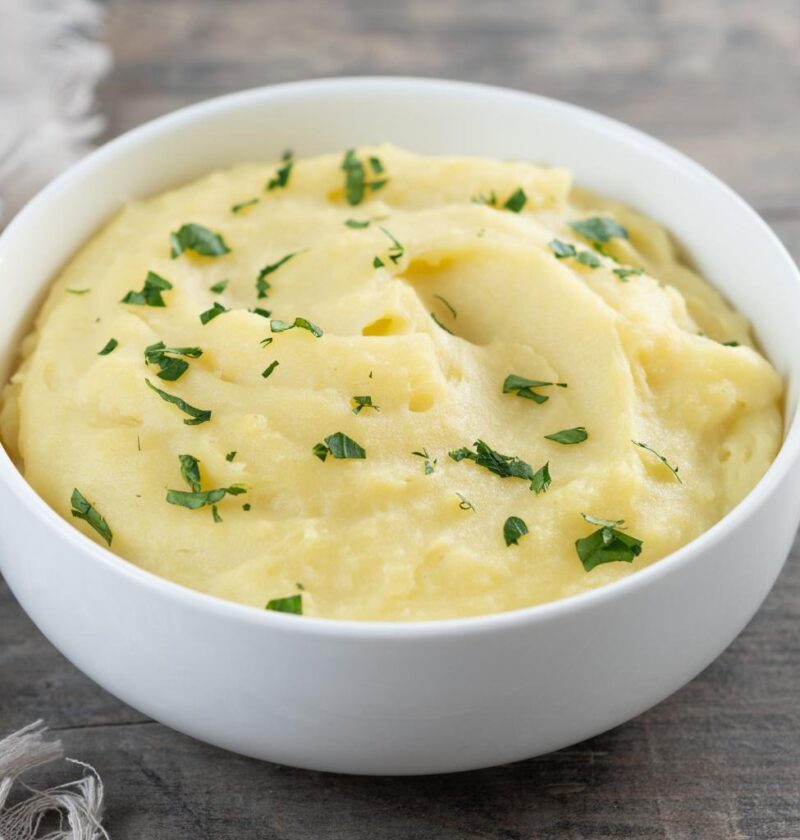
Mashed potatoes represent the ultimate comfort food, a creamy, fluffy side dish that has earned its place on dinner tables for generations. First, this classic preparation transforms simple potatoes into something luxuriously smooth and utterly irresistible through the perfect balance of butter, cream, and gentle handling. The beauty of truly exceptional mashed potatoes lies not in complicated techniques but in understanding how to treat the potatoes with care while incorporating quality ingredients at just the right moment. Additionally, perfect mashed potatoes feel both nostalgic and elegant, equally at home on a casual family dinner table or gracing the most formal dinner party. This dish brings warmth and satisfaction to any meal, whether you’re preparing a weeknight dinner or hosting a special celebration that demands something truly memorable. Next, you’ll discover that the entire preparation takes approximately 25 minutes from start to finish, making this accessible even during busy times when simplicity matters most. Furthermore, the versatility of this recipe allows for endless variations and flavor additions while maintaining the classic comfort food appeal that makes people come back for seconds. Whether you’re a seasoned home cook or someone just beginning their culinary journey, perfectly creamy mashed potatoes deliver consistently impressive results that feel restaurant-quality yet homemade and genuine.
Ingredients
Serves: 6-8 people
- 3 pounds russet potatoes or yukon gold potatoes
- 1 teaspoon salt (for boiling water)
- 6 tablespoons unsalted butter, softened to room temperature
- ½ cup heavy cream or half-and-half, warmed
- ¼ cup whole milk, warmed
- ¾ teaspoon salt
- ½ teaspoon freshly ground white pepper
- ¼ teaspoon ground white pepper (optional, for subtle flavor)
- ¼ teaspoon garlic powder (optional)
- Pinch of ground nutmeg (optional)
- 2 tablespoons fresh chives, finely chopped (for garnish)
- 1 tablespoon fresh parsley, finely chopped (for garnish)
- 1 tablespoon fresh thyme leaves (optional garnish)
- Extra butter for serving (optional)
- Fleur de sel or flaky sea salt (optional finishing salt)
Preparation and Cooking Instructions
Selecting and Preparing the Potatoes
First, choose high-starch potatoes like russets or medium-starch potatoes like yukon gold, as these varieties break down beautifully and create the creamiest texture. Waxy potatoes like red or fingerling varieties don’t work as well because they hold their shape too firmly. Peel the potatoes under cool running water using a vegetable peeler, removing the skin completely. Next, cut the peeled potatoes into uniform 2-inch chunks, as consistent sizing ensures even cooking throughout the batch. Place the potato chunks immediately in a large pot filled with cold water to prevent discoloration from oxidation, which occurs when cut potatoes sit exposed to air for extended periods.
Cooking the Potatoes
Add salt to the cold water with the potatoes and bring the pot to a rolling boil over high heat. Once boiling vigorously, reduce the heat to medium-high and maintain a gentle but consistent boil for approximately 15 to 20 minutes, depending on the size of your potato chunks. The potatoes are done when a fork easily pierces the largest pieces without resistance, indicating they’ve softened completely. Next, drain the potatoes thoroughly in a colander, allowing all excess water to escape completely. This step is crucial because excess water in the potatoes results in a watery, thin consistency rather than the fluffy, creamy texture you’re seeking.
Drying the Potatoes
After draining, return the hot potatoes to the empty cooking pot and place it over low heat for about one minute, stirring occasionally. This brief heating drives off remaining surface moisture, leaving the potatoes dry and ready to absorb the butter and cream optimally. Additionally, the residual heat keeps the potatoes warm throughout the mashing process, ensuring they absorb the dairy products evenly. Remove the pot from heat and allow the potatoes to cool for just one minute before proceeding.
Mashing the Potatoes
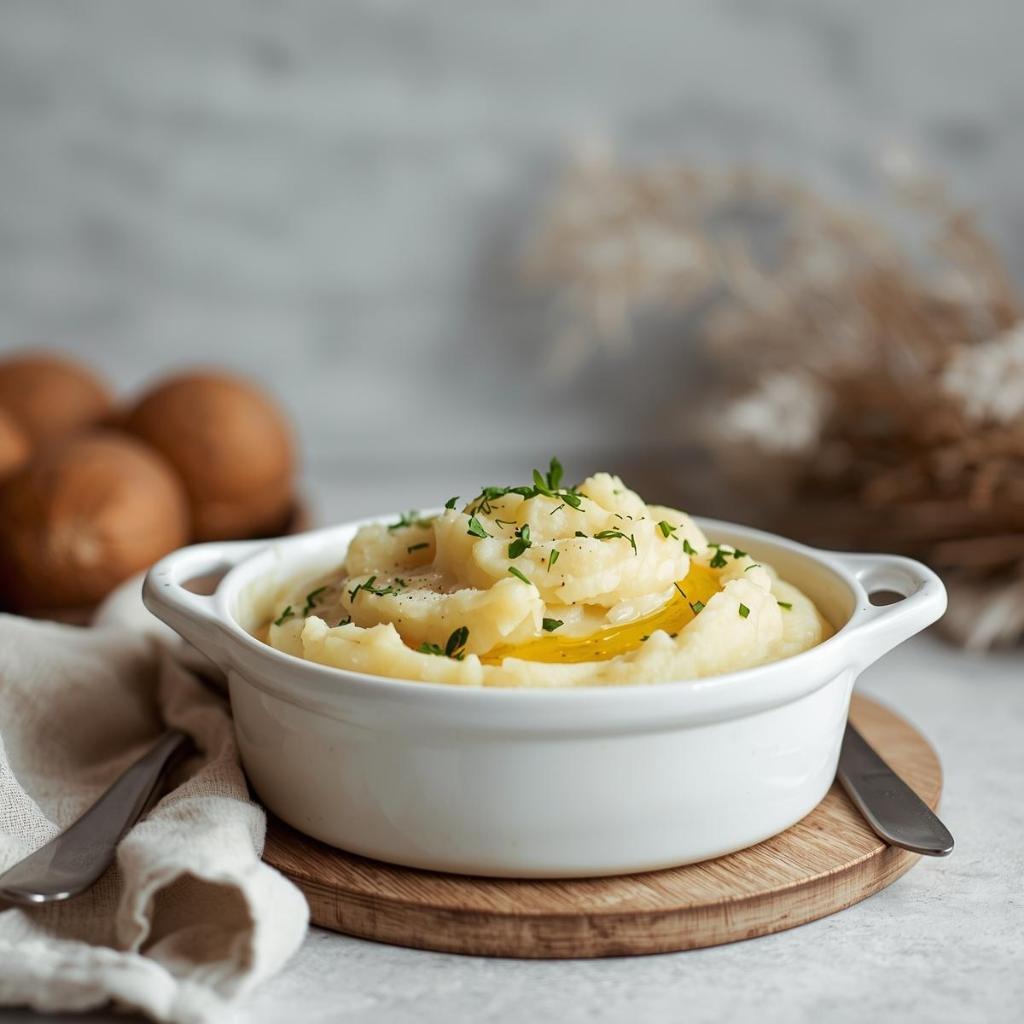
Using a potato ricer, hand masher, or food mill, work the warm potatoes into smooth, lump-free consistency. First, consider using a potato ricer if you prefer absolutely smooth, fluffy mashed potatoes, as this tool produces superior texture compared to hand mashers. Meanwhile, a hand masher works beautifully for slightly chunkier texture that some prefer. Never use a food processor, as this overworks the potatoes and creates a gluey, unpleasant consistency that’s unpleasant to eat. Mash the potatoes directly in the pot, working in batches if necessary to ensure each piece breaks down completely.
Incorporating Butter and Cream
Add the softened butter to the mashed potatoes in three additions, folding gently with a rubber spatula after each addition until fully incorporated. The butter should disappear into the potatoes, creating a creamy, luxurious base. Next, slowly pour the warm cream and milk mixture into the potatoes while folding gently with a rubber spatula or wooden spoon. This gentle folding motion combines the dairy with the potatoes without overworking them, which would cause them to become gluey and unpleasant. Continue folding until the mixture reaches your desired consistency, remembering that the potatoes continue to absorb liquid slightly as they cool.
Seasoning and Finishing
Season the mashed potatoes with salt, white pepper, and optional garlic powder and nutmeg, stirring gently to distribute seasonings evenly. Taste the potatoes and adjust seasonings according to your preference, remembering that seasonings will become slightly less pronounced as the potatoes cool. Additionally, if the consistency seems too thick, add a bit more warm milk or cream in small increments until reaching the perfect texture. Conversely, if the potatoes seem too thin or watery, continue mashing gently to incorporate more potato starch and thicken the mixture naturally.
Serving and Garnishing
Transfer the mashed potatoes to a serving bowl or keep warm in the pot until ready to serve. Create a shallow well in the center and add a tablespoon of butter if desired, allowing it to melt beautifully into the potatoes. Finally, garnish with freshly chopped chives, parsley, and fresh thyme leaves for color and herbaceous brightness. If desired, finish with a light sprinkle of fleur de sel or flaky sea salt for added sophistication and textural contrast.
Serving Tips
Mashed potatoes shine as a universally beloved side dish that complements virtually every main course imaginable. First, serve them alongside roasted chicken or herb-baked poultry, where the creamy richness provides perfect balance to lighter proteins. Additionally, they pair beautifully with roasted beef, beef tenderloin, or steak for classic steakhouse-style meals that feel both comforting and elegant. Next, try mashed potatoes with pork chops, roasted pork, or ham for traditional flavor combinations that never disappoint.
Furthermore, this dish works wonderfully with roasted fish or salmon, where the creamy potatoes complement the delicate protein beautifully. Meanwhile, mashed potatoes make perfect accompaniments to gravy-based dishes like meatloaf, chicken and dumplings, or pot roast, where the potatoes soak up delicious pan sauces. Additionally, they fit perfectly into vegetarian meals when paired with roasted vegetables, grains, and fresh salads for nutritionally balanced, meat-free meals.
For holiday gatherings, mashed potatoes hold a traditional place of honor on the table, often becoming the dish that family members specifically request and remember years later. Furthermore, they work beautifully as part of traditional Thanksgiving spreads alongside turkey, gravy, stuffing, and cranberry sauce. Meanwhile, they complement Christmas ham and other festive proteins that grace holiday tables. Additionally, mashed potatoes work as comfort food for any occasion, from casual family dinners to elegant dinner parties where classic elegance matters most.
Storage and Make-Ahead Tips
Refrigerator Storage
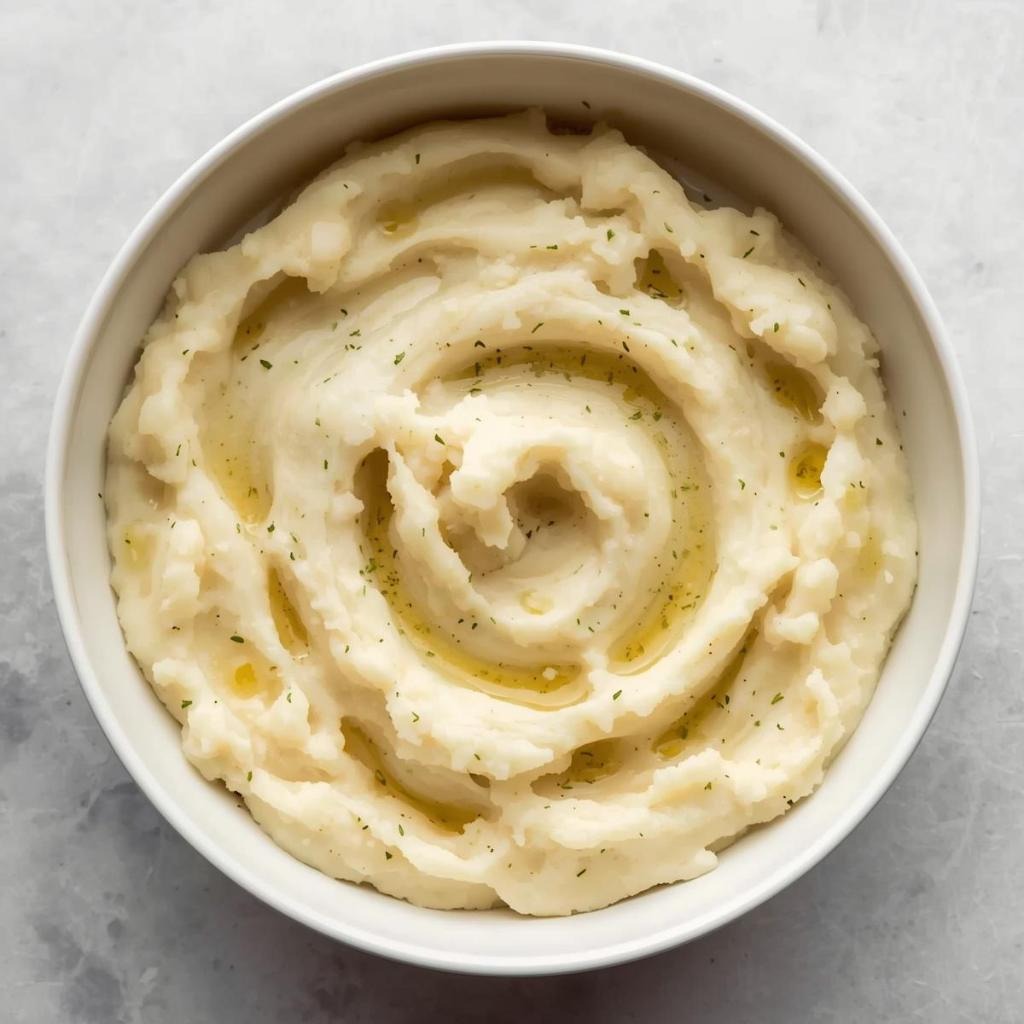
Allow the mashed potatoes to cool to room temperature before transferring to an airtight glass container for refrigerator storage. They will keep for up to 3 days when stored properly in a covered container. To reheat, place the mashed potatoes in a saucepan over low heat, stirring occasionally and adding a splash of warm cream or milk to restore the original creamy consistency. Heat gently for about 5 to 7 minutes until warmed throughout, being careful not to scorch the bottom. Alternatively, transfer to a microwave-safe dish, cover loosely, and microwave on medium power for 2 to 3 minutes, stirring halfway through the heating process.
Freezing Instructions
Next, mashed potatoes freeze well for up to 3 months when prepared and stored correctly. Cool the dish completely, then transfer to a freezer-safe container or freezer bags, removing as much air as possible before sealing. When ready to use, thaw overnight in the refrigerator, then reheat gently in a saucepan over low heat. However, note that the texture may become slightly separated after freezing, so add a splash of warm cream or milk during reheating and stir well to recombine the mixture. The flavor remains excellent even after freezing, though the texture benefits from gentle reheating and the addition of fresh dairy products.
Make-Ahead Strategy
Additionally, you can prepare mashed potatoes up to 8 hours ahead and refrigerate covered until serving time. When ready to serve, reheat gently in a saucepan over low heat, stirring occasionally and adding a bit of cream if needed to achieve the desired consistency. Alternatively, prepare the potatoes and let them sit in a warm bowl covered with a lid or foil until serving time, which keeps them warm for about 30 minutes without requiring reheating.
Helpful Notes and Variations
Potato Selection and Varieties
First, russet potatoes are the traditional choice for mashed potatoes, offering high starch content that creates fluffy, light texture. Meanwhile, yukon gold potatoes provide a naturally buttery flavor and slightly creamier texture without requiring additional seasonings. Additionally, a combination of russet and yukon gold creates excellent balance between fluffiness and creaminess. Red potatoes with their skins left on create country-style mashed potatoes with textural contrast, though they won’t be as smooth as traditional versions.
Cream and Butter Variations
If you prefer lighter mashed potatoes with less richness, substitute some or all of the heavy cream with half-and-half or whole milk for a thinner consistency. Next, for decadent versions even richer than the standard recipe, increase the heavy cream and reduce the milk accordingly. Additionally, sour cream or crème fraîche can replace half the heavy cream for a tangy flavor dimension that brightens the dish. Furthermore, for dairy-free preparations, use unsweetened plant-based milk and plant-based butter, though the flavor profile will shift slightly from traditional mashed potatoes.
Flavor Customization and Add-Ins
First, add roasted garlic cloves for deeper, more complex garlic flavor that’s mellow and sweet rather than sharp and pungent. Next, incorporate fresh herbs like rosemary, thyme, or dill for unique flavor dimensions. Additionally, crispy bacon bits, caramelized onions, or sautéed mushrooms stirred into the finished potatoes create more substantial variations with savory depth. Furthermore, sharp cheddar cheese, gruyere, or smoked gouda add richness and distinctive cheese flavors that transform the dish.
For vegetable variations, try adding steamed broccoli, roasted cauliflower, or corn for added nutrition and textural interest. Meanwhile, a touch of horseradish adds subtle spice and sophistication, particularly when serving with roasted beef. Additionally, crispy fried onions scattered over the top add textural contrast and savory crunch. Fresh truffle oil drizzled over elegant versions creates a luxurious, restaurant-quality presentation for special occasions.
Common Mistakes to Avoid
First, avoid using cold butter or cream, as this cools down the mashed potatoes and prevents proper incorporation. Always warm dairy products before adding. Additionally, do not overwork the potatoes with a food processor or electric mixer, as this creates a gluey, unpleasant consistency rather than fluffy texture. Next, resist boiling the potatoes vigorously in excess water, as waterlogged potatoes result in thin, watery mashed potatoes. Furthermore, do not skip the drying step after draining, as excess moisture prevents proper absorption of butter and cream, resulting in inferior texture and flavor.
Chef Tips
First, for extra creamy texture without heaviness, substitute half the heavy cream with potato cooking water or broth, which adds moisture while keeping the dish light and fluffy. Next, to achieve perfectly fluffy mashed potatoes, ensure all ingredients are at warm temperature before combining, as temperature stability helps the mixture incorporate evenly without becoming overworked or gluey.
Frequently Asked Questions
Can I make mashed potatoes without heavy cream? Yes, you can use all milk or half-and-half, though the result will be less rich; the potatoes will still taste delicious though slightly lighter in texture.
What’s the best tool for mashing potatoes? A potato ricer creates the smoothest, fluffiest texture, followed by a hand masher for slightly chunkier results; never use a food processor as it creates a gluey consistency.
How do I prevent mashed potatoes from becoming gluey? Avoid overworking the potatoes, use appropriate tools like a ricer or masher rather than a food processor, and don’t boil the potatoes in excess water.
Can I make mashed potatoes ahead of time? Yes, prepare them up to 8 hours ahead and refrigerate covered, then reheat gently over low heat with a splash of warm cream to restore creaminess.
How do I fix mashed potatoes that are too thick or too thin? If too thick, add warm cream or milk in small increments while stirring; if too thin, continue mashing gently to incorporate more potato starch naturally.
Why This Recipe Works
The magic of perfect mashed potatoes lies in understanding how starch, moisture, and fat interact to create exceptional texture. First, high-starch potatoes like russets contain enough natural starch to create fluffy, light texture when cooked properly. Additionally, the drying step after boiling removes excess moisture that would otherwise thin the potatoes and prevent proper butter and cream absorption.
Furthermore, incorporating softened butter and warm cream in measured amounts ensures the potatoes absorb these ingredients fully rather than becoming gluey or separated. Meanwhile, gentle folding rather than aggressive mixing prevents overworking the starch, which would release too much starch and create unwanted gluiness. The seasoning balance creates depth without overwhelming the delicate potato flavor, allowing the natural vegetable essence to shine through.
This recipe respects the quality of good potatoes while enhancing them through complementary ingredients and careful technique. The result is a side dish that feels elegant and special while remaining approachable and easy to execute for cooks of all skill levels.
Variations Worth Exploring
Next time you prepare mashed potatoes, consider these creative variations that build on the classic foundation. First, try roasted garlic mashed potatoes by substituting minced raw garlic with roasted garlic cloves for deeper, sweeter garlic flavor. Additionally, create a bacon and cheddar variation by stirring crispy bacon bits and sharp cheddar cheese into the finished potatoes for a more substantial, savory dish.
Furthermore, experiment with herb-infused versions using fresh rosemary, thyme, or dill for distinctive flavor profiles. Meanwhile, for a luxurious truffle version, drizzle quality truffle oil over the top and serve at elegant dinner parties. Additionally, try loaded baked potato-style mashed potatoes by topping with crispy bacon, fresh chives, and sharp cheddar for casual family dinners with exciting flavor combinations.
Perfect Pairings and Meal Planning
Mashed potatoes work beautifully as part of complete dinner plates in virtually infinite combinations. First, pair them with herb-roasted chicken and roasted vegetables for classic, comforting meals. Next, serve alongside grilled steak and asparagus for a steakhouse-style dinner. Additionally, they complement baked fish and fresh salads for lighter yet satisfying meals. Furthermore, mashed potatoes work perfectly in comfort food preparations like chicken and dumplings, pot roast, or meatloaf where they soak up delicious pan sauces and gravies.
For holiday gatherings, mashed potatoes deserve prominent placement alongside turkey, ham, or other festive proteins. Meanwhile, they work beautifully as part of vegetarian meals when paired with roasted vegetables and grains for balanced, meat-free dinners. Additionally, smaller portions work as elegant additions to formal dinner parties where each component deserves careful attention and care.
Final Thoughts
Perfect mashed potatoes prove that sometimes the simplest recipes deliver the most remarkable results. The combination of quality potatoes, butter, cream, and careful technique creates something truly special that transforms a basic vegetable into a memorable dish. The entire preparation takes approximately 25 minutes, making this practical for any meal without requiring advance planning or complicated techniques.
This classic recipe has remained popular for good reason: it delivers consistent, impressive results every single time when prepared with attention and care. Whether you’re cooking for family or entertaining guests, mashed potatoes bring warmth, comfort, and genuine satisfaction to the dinner table, making them an indispensable part of countless meals and cherished memories.
Did you love making these Mashed Potatoes? If this recipe brought joy to your kitchen and delight to your table, please save this recipe for future use, pin it to your favorite board, or share it with friends and family who appreciate classic, creamy vegetable dishes that never go out of style. Your support means everything to us and helps us continue creating more amazing recipes that make home cooking easier, more enjoyable, and genuinely delicious. We’d love to hear how your mashed potatoes turned out—your feedback inspires us to keep bringing you quality recipes that deliver real, satisfying results every single time you cook.