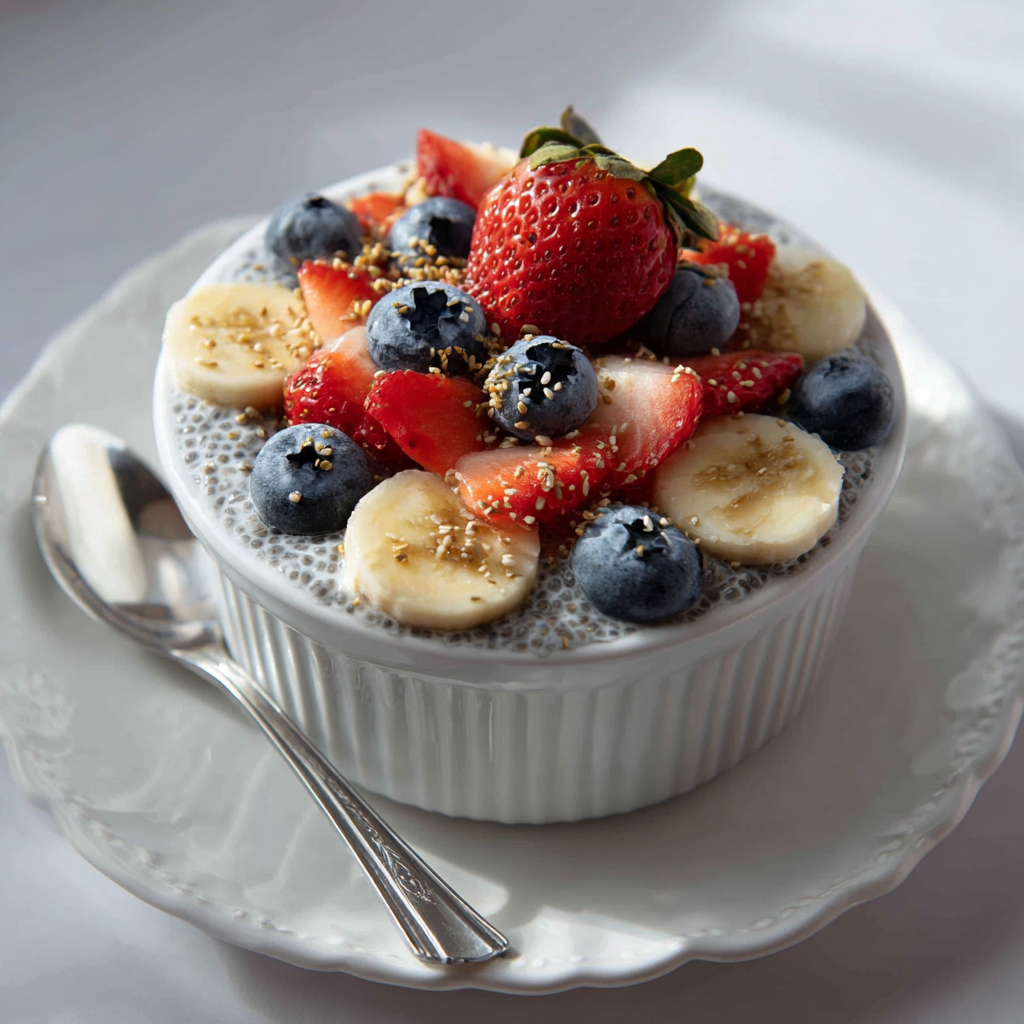
Starting your morning with a nutritious breakfast that’s already prepared and waiting in your refrigerator makes sticking to your wellness goals feel effortless rather than overwhelming. This chia pudding meal prep combines protein-rich chia seeds, creamy plant-based milk, and delicious toppings into satisfying breakfasts or snacks that taste like dessert while fueling your body with incredible nutrition. What makes this recipe truly exceptional is how it transforms tiny seeds into creamy, pudding-like perfection through simple overnight soaking that requires absolutely no cooking skills or complicated techniques. The combination of omega-3 fatty acids, fiber, protein, and antioxidants creates lasting energy and fullness that carries you through busy mornings without crashes or cravings. Whether you’re rushing out the door for work or enjoying a leisurely weekend breakfast, these make-ahead puddings provide grab-and-go convenience that eliminates excuses and keeps you committed to your health intentions. Best of all, the base recipe is endlessly customizable with different flavors and toppings, meaning you can enjoy variety all week long without getting bored or feeling like you’re eating the same thing repeatedly.
Ingredients
This recipe makes 5 servings.
For the Base Chia Pudding:
- 1 1/2 cups chia seeds
- 4 1/2 cups unsweetened almond milk (or milk of choice)
- 1/4 cup pure maple syrup or honey
- 2 teaspoons pure vanilla extract
- 1/4 teaspoon salt
- 1/2 teaspoon ground cinnamon (optional)
For Vanilla Berry Variation:
- 1 cup fresh strawberries, sliced
- 1/2 cup fresh blueberries
- 2 tablespoons sliced almonds
- 1 tablespoon unsweetened shredded coconut
For Chocolate Peanut Butter Variation:
- 3 tablespoons unsweetened cocoa powder
- 2 tablespoons natural peanut butter
- 1 tablespoon mini chocolate chips
- 1 tablespoon chopped peanuts
- Sliced banana
For Tropical Mango Variation:
- 1 cup fresh mango, diced
- 1/2 cup fresh pineapple, diced
- 2 tablespoons unsweetened coconut flakes
- 1 tablespoon macadamia nuts, chopped
- Fresh mint leaves
For Apple Cinnamon Variation:
- 1 large apple, diced
- 2 tablespoons chopped walnuts
- 1 tablespoon raisins
- Extra cinnamon for topping
- Drizzle of almond butter
For Protein-Packed Variation:
- 5 scoops vanilla protein powder
- 1/2 cup Greek yogurt
- Fresh berries
- 2 tablespoons granola
- 1 tablespoon hemp seeds
Instructions
- Combine the chia seeds, almond milk, maple syrup, vanilla extract, salt, and cinnamon in a large mixing bowl.
- Whisk the mixture vigorously for 2 minutes to ensure the chia seeds are evenly distributed.
- Let the mixture sit for 5 minutes, then whisk again thoroughly to prevent clumping.
- Repeat this process one more time after another 5 minutes for the smoothest texture.
- Divide the base chia pudding evenly among five mason jars or meal prep containers.
- Cover each container tightly with a lid and refrigerate for at least 4 hours or overnight.
- Check the pudding after the initial setting period and stir if any separation has occurred.
- Prepare your chosen toppings and store them separately in small containers or bags.
For Chocolate Variation:
- Mix cocoa powder into one portion of the base mixture before refrigerating.
- Add an extra tablespoon of sweetener to balance the cocoa’s bitterness.
For Protein Variation:
- Blend protein powder with the base mixture before dividing into containers.
- Adjust milk quantity if mixture becomes too thick after adding protein powder.
- When ready to eat, remove a container from the refrigerator and give it a good stir.
- Add your prepared toppings just before serving to maintain their freshness and texture.
- Enjoy cold directly from the container or transfer to a bowl for a more formal presentation.
- Add a splash of milk if the pudding has thickened too much during storage.
- Consume within 5 days for optimal freshness and texture.
The Nutritional Power of Chia Seeds
Chia seeds pack an impressive nutritional punch that makes them one of the most nutrient-dense foods you can incorporate into your diet. These tiny seeds contain all nine essential amino acids, making them a complete plant-based protein source that supports muscle maintenance and repair during weight loss. Additionally, chia seeds provide approximately 10 grams of fiber per ounce, which promotes digestive health, stabilizes blood sugar levels, and creates lasting fullness that prevents mid-morning snacking on less healthy options.
The omega-3 fatty acids in chia seeds offer anti-inflammatory benefits that support heart health, brain function, and overall wellness. These healthy fats also help your body absorb fat-soluble vitamins from other foods you eat throughout the day. Furthermore, chia seeds contain significant amounts of calcium, magnesium, and phosphorus that strengthen bones and teeth—particularly important for those reducing dairy consumption. This combination of protein, fiber, healthy fats, and minerals creates balanced nutrition that fuels your body properly from the very start of your day.
When chia seeds come into contact with liquid, they develop a unique gel-like coating that creates the characteristic pudding texture. This gelatinous quality comes from soluble fiber that expands to about 10 times the seeds’ original size, which is why proper ratios of seeds to liquid matter significantly. The absorption process takes several hours, making overnight preparation ideal for achieving smooth, creamy consistency without any crunchy, underhydrated seeds. This natural thickening eliminates the need for processed additives or artificial thickeners found in many commercial puddings.
Creating the Perfect Base Recipe
The base chia pudding recipe serves as a versatile foundation that you can customize infinitely based on your preferences and nutritional goals. The ratio of 1 part chia seeds to 3 parts liquid creates ideal pudding consistency—thick enough to be satisfying but not so dense that it becomes difficult to eat. Using unsweetened plant-based milk keeps calories and added sugars low while providing additional nutrients, though dairy milk works equally well if you prefer or tolerate it better than alternatives.
Sweetener quantity in this recipe is deliberately moderate, providing just enough sweetness to make the pudding enjoyable without overwhelming your palate or adding excessive sugar. Maple syrup and honey both offer trace minerals and antioxidants that refined sugar lacks, though you can reduce the amount further as your taste buds adjust to less sweet foods. Alternatively, use mashed banana, dates, or sugar-free sweeteners if you’re following specific dietary protocols that restrict natural sugars.
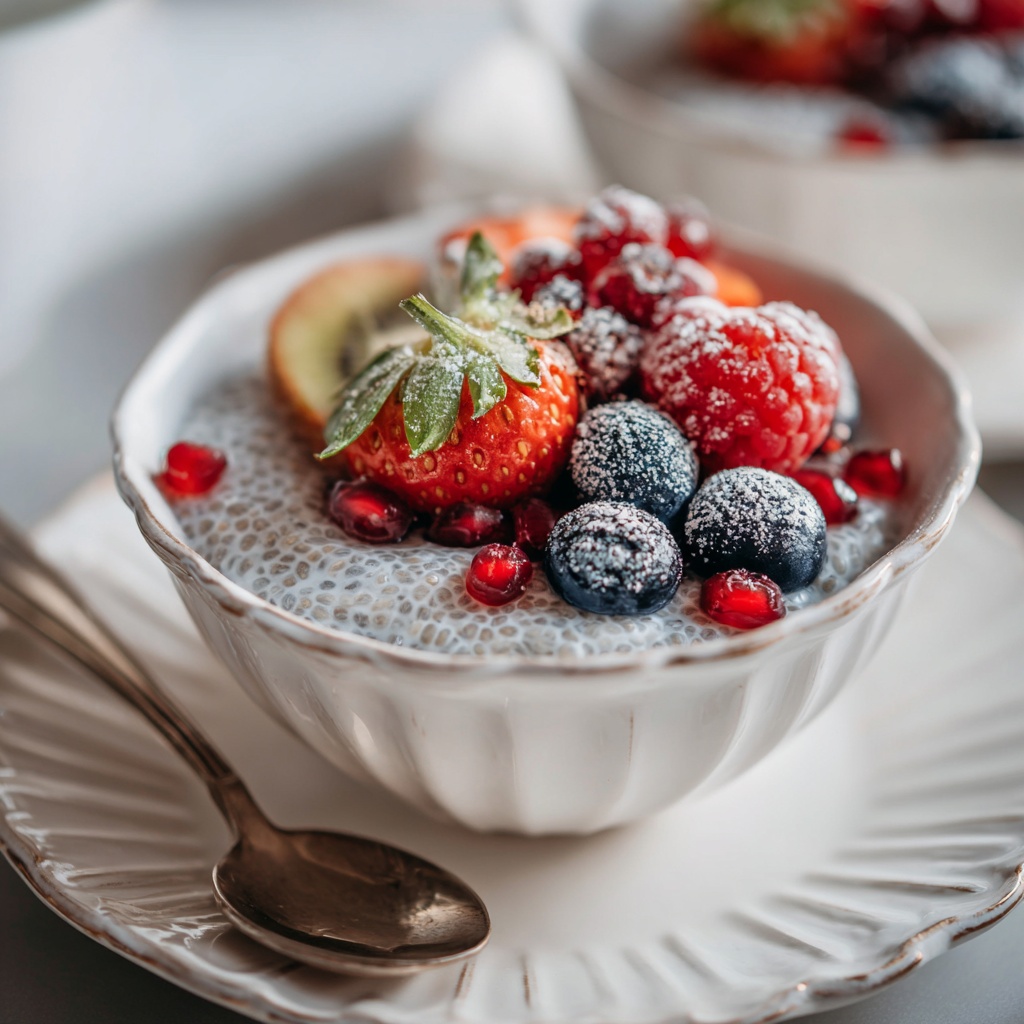
Vanilla extract and cinnamon transform plain chia pudding from bland to delicious by adding warmth and complexity that make mornings feel special. These aromatics create the impression of indulgent dessert despite the healthy ingredients, which helps you look forward to breakfast rather than viewing it as just another diet obligation. Moreover, cinnamon may help regulate blood sugar levels and adds antioxidants without any calories, making it a smart addition for those focused on metabolic health.
Mastering Texture and Consistency
Achieving perfectly smooth, creamy chia pudding requires understanding the importance of proper whisking and resting periods. When chia seeds first contact liquid, they want to clump together and create uneven texture with some areas overly thick and others too watery. Whisking vigorously after mixing and then again after 5 and 10 minutes distributes the seeds evenly throughout the liquid before they fully gel. This technique prevents those frustrating clumps that ruin the eating experience and make chia pudding feel more like a science experiment than delicious breakfast.
The thickness of your chia pudding depends on several factors including the exact liquid-to-seed ratio, how long it sits, and the temperature of your refrigerator. Pudding continues thickening as it sits, so what seems perfect on day one might become too dense by day three. Don’t hesitate to stir in a splash of milk to restore your preferred consistency throughout the week. This adjustment is completely normal and doesn’t indicate you did anything wrong during preparation.
For those who prefer absolutely smooth texture without any discernible seeds, blending the soaked pudding briefly creates ultra-creamy results similar to commercial puddings. After the chia seeds have fully hydrated overnight, transfer portions to a blender and pulse a few times until smooth. This technique works particularly well for the chocolate variation or when introducing chia pudding to children or picky eaters who might object to the seed texture. However, most people find the natural texture pleasant and satisfying once they become accustomed to it.
Creating Delicious Flavor Variations
The beauty of chia pudding meal prep lies in how easily you can create multiple flavors from one base recipe. Preparing five different variations means you never get bored, and each morning feels like you’re trying something new rather than eating leftovers. The chocolate peanut butter version tastes like dessert for breakfast, satisfying sweet cravings in a nutritious way that supports rather than sabotages your goals. Meanwhile, the tropical mango variation feels fresh and energizing, perfect for those mornings when you want something light and fruity.
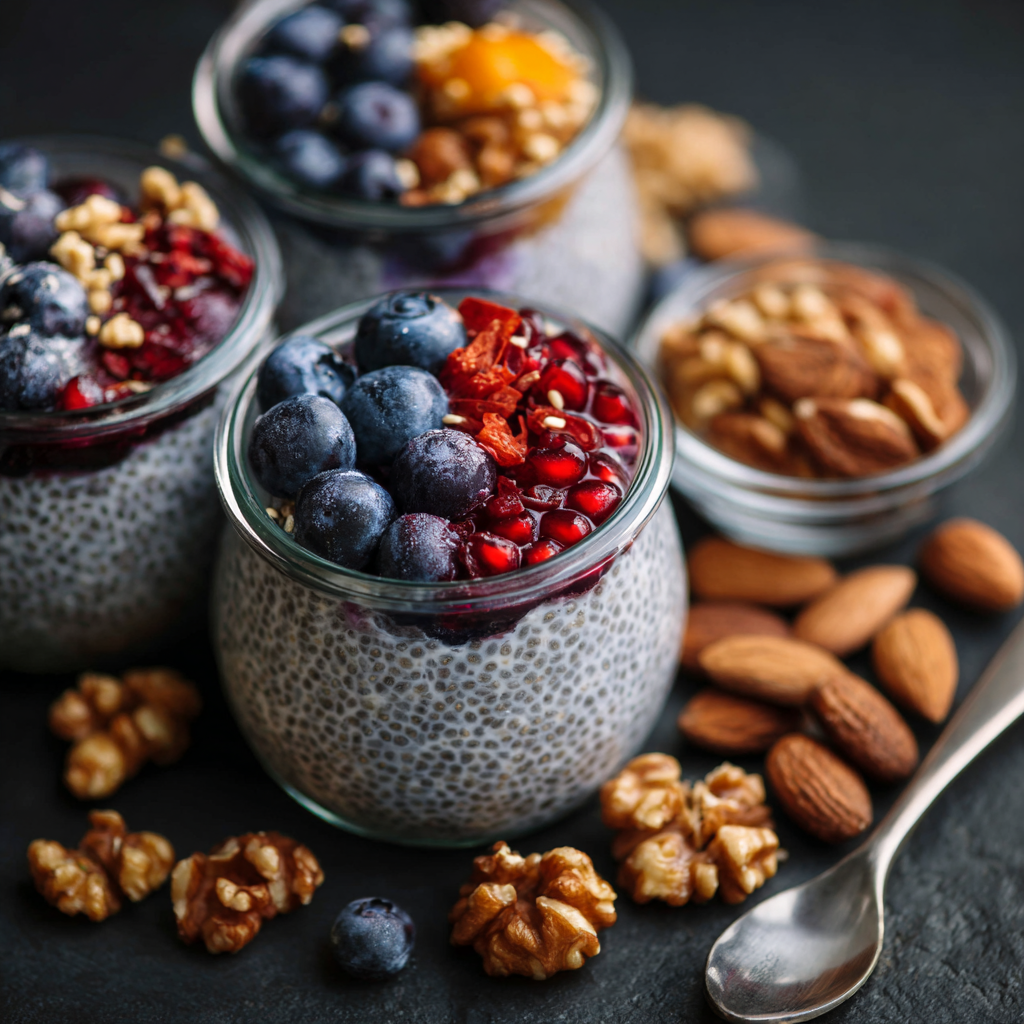
Layering flavors and toppings creates visual appeal that makes your meal prep feel special and Instagram-worthy rather than sad or diet-like. Using clear mason jars allows you to see the beautiful layers and colors, which significantly impacts how much you enjoy eating them. This visual component isn’t superficial—we truly do taste with our eyes first, and attractive food genuinely tastes better because our brains perceive it as more valuable and satisfying.
Storing toppings separately until you’re ready to eat maintains their ideal texture and prevents sogginess or wilting. Fresh fruit stays crisp and vibrant, nuts remain crunchy, and granola doesn’t get soggy when you add it right before eating. This small extra step makes the difference between meal prep that feels fresh all week versus sad, mushy containers you force yourself to eat out of obligation. Small containers, silicone muffin cups, or even snack-size bags work perfectly for portioning toppings alongside your pudding containers.
Serving and Storing Tips
Serving Tips
Serve chia pudding cold straight from the refrigerator for a refreshing breakfast that requires absolutely zero morning preparation time. The pudding tastes best when thoroughly chilled, as the cold temperature enhances the creamy texture and makes the flavors more vibrant. Simply grab a jar from the fridge, add your toppings, and eat it with a spoon directly from the container or transfer it to a bowl for a more leisurely breakfast experience.
For those who prefer less cold food, remove your chia pudding from the refrigerator 10 to 15 minutes before eating to take the chill off. The pudding never needs heating—in fact, warming it would change the texture unpleasantly—but room temperature can be more comfortable for sensitive teeth or on cold winter mornings. Additionally, this brief waiting period allows flavors to bloom and become more pronounced than when eaten ice-cold.
Chia pudding works beautifully beyond just breakfast, serving as healthy snacks, light desserts, or even post-workout recovery meals. The balanced nutrition makes it appropriate any time you need sustained energy without heaviness or blood sugar crashes. Furthermore, the portable nature means you can enjoy chia pudding at your desk, in the car, at the gym, or anywhere else your day takes you without needing utensils if you use a spoon-friendly container.
Storage Tips
Store prepared chia pudding in airtight containers in the refrigerator for up to 5 days, where it actually improves slightly as flavors meld together. Mason jars with tight-fitting lids work exceptionally well because they’re leak-proof, easy to see through, and the right size for individual servings. Glass containers are preferable to plastic because they don’t absorb odors or stains, though BPA-free plastic containers work perfectly fine if that’s what you have available.
Keep fresh fruit toppings separate until serving to maintain their quality and prevent them from making the pudding watery. Berries release juice as they sit, bananas oxidize and turn brown, and cut apples discolor—storing them separately preserves their fresh appearance and texture. Prepare toppings in batches every 2 to 3 days rather than for the full week to ensure optimal freshness, which takes just a few minutes and significantly improves your meal prep quality.
Freezing chia pudding works in a pinch but isn’t ideal because the texture changes slightly after thawing. The pudding may separate and become slightly grainy, though thorough stirring usually restores acceptable consistency. If you do freeze portions, use them within 2 months and thaw overnight in the refrigerator rather than at room temperature. This extended storage option can be useful for using up ingredients before they expire or preparing larger batches less frequently.
Helpful Notes
Choosing the right milk significantly impacts both the flavor and nutrition of your chia pudding. Unsweetened almond milk provides neutral flavor with minimal calories, while coconut milk creates richer, more indulgent results with tropical undertones. Oat milk offers creaminess similar to dairy milk, and cashew milk provides subtle sweetness and smooth texture. Conversely, soy milk contributes additional protein but has a more distinctive flavor that not everyone enjoys. Experiment with different options to discover your preference, keeping in mind that thicker milks create thicker pudding.
For those following specific dietary requirements, chia pudding adapts easily to various protocols without losing its appeal. Make it completely sugar-free using stevia or monk fruit sweetener, increase protein by adding collagen peptides or protein powder, or enhance it with superfoods like maca powder, spirulina, or acai for additional nutrients. These modifications allow the same efficient meal prep process while addressing your unique nutritional needs and preferences.
Scaling this recipe up or down is incredibly simple since the ratios remain constant regardless of quantity. Preparing larger batches for multiple weeks worth of pudding uses the same technique and barely requires more time than small batches. Simply multiply all ingredients proportionally, mix in your largest bowl, and portion into as many containers as needed. This approach works particularly well if multiple family members want chia pudding or if you want both breakfast and snack portions throughout the week.
Common mistakes that ruin chia pudding include using too much liquid (creating soup), too little liquid (creating paste), inadequate stirring (creating clumps), or adding toppings too early (creating sogginess). Following the 3:1 liquid-to-seed ratio, whisking multiple times during the first 15 minutes, and storing toppings separately ensures consistent success with every batch. Additionally, using fresh, quality chia seeds matters—old seeds may not hydrate properly and can taste slightly bitter or stale.
Chef Tips
Professional meal preppers understand that slightly under-sweetening the base pudding allows toppings to add the final flavor dimension without everything becoming overly sweet. This technique creates better balance and makes naturally sweet fruits taste even more vibrant and special. Additionally, you can adjust sweetness at serving time by drizzling a bit of honey or maple syrup over individual portions rather than committing the entire batch to one sweetness level.
Another expert strategy involves creating a “master mix” of dry ingredients—chia seeds, cinnamon, and even powdered sweetener if using—that you can portion into containers and just add liquid later. This approach works wonderfully for travel or times when you need to prep pudding in a hurry. Simply add the appropriate amount of milk to each container of dry mix, shake well, refrigerate overnight, and wake up to ready-made pudding without any measuring or mixing.
Frequently Asked Questions
Can I use white chia seeds instead of black?
Yes, they’re nutritionally identical and work exactly the same way; white seeds create a lighter-colored pudding that some people find more visually appealing.
Why is my chia pudding too thick or too thin?
Adjust the ratio by adding more milk to thin or more chia seeds to thicken; pudding thickens over time, so wait until day two before adjusting significantly.
How do I prevent the seeds from clumping together?
Whisk vigorously immediately after mixing, then again at 5 and 10 minutes before full refrigeration; this distributes seeds before they gel completely.
Is chia pudding actually filling enough for breakfast?
Yes, the combination of fiber, protein, and healthy fats provides 4 to 5 hours of sustained energy; add protein powder or nuts for even more staying power.
Can kids eat chia pudding?
Absolutely, chia seeds are safe and nutritious for children over one year old; sweeten slightly more and blend smooth if texture is an issue for picky eaters.
Building Sustainable Morning Routines
Establishing healthy breakfast habits sets a positive tone that influences your choices throughout the entire day. This chia pudding meal prep removes the most common breakfast barriers—lack of time, decision fatigue, and cooking skills—by providing delicious, nutritious meals that are already prepared and waiting. When mornings become easier and breakfast becomes something you look forward to rather than rushing through or skipping, you create sustainable patterns that support long-term wellness rather than short-term dieting.
The practical advantages of chia pudding extend beyond convenience to include impressive affordability that makes healthy eating accessible regardless of budget. Chia seeds cost significantly less per serving than most grab-and-go breakfast options, particularly when purchased in bulk from warehouse stores or online retailers. Furthermore, a little goes a long way—these tiny seeds expand dramatically, meaning one bag lasts for numerous meal prep sessions and provides weeks worth of nutritious breakfasts.
Did this New Year Chia Pudding Meal Prep transform your mornings and make healthy eating feel effortless? If you loved how convenient it made your busy mornings, how delicious it tasted despite being so nutritious, and how the variety kept you excited all week, we’d be thrilled if you could save this recipe for weekly meal prep, pin it to your healthy breakfast Pinterest board, or share it with friends working toward their wellness goals. Your support and enthusiasm inspire us to continue creating and sharing recipes that make nutritious eating delicious and sustainable for everyone. Tell us in the comments which flavor variation became your favorite and how chia pudding has changed your breakfast routine—we love hearing about your journey to better health!