Starting the new year with a bowl of warm, nourishing soup feels like giving your body exactly what it needs after weeks of holiday indulgence. This comforting cabbage soup combines fresh vegetables, aromatic herbs, and savory broth into a light yet satisfying dish that helps you reset without feeling deprived or hungry. What makes this recipe truly special is how it delivers incredible flavor from simple, wholesome ingredients while supporting your wellness goals naturally and deliciously. The combination of tender cabbage, vibrant vegetables, and perfectly seasoned broth creates layers of taste that make healthy eating feel like a treat rather than a sacrifice. Whether you’re committed to a full detox plan or simply want to incorporate more vegetables into your diet, this soup delivers nourishment and comfort in every spoonful. Best of all, it comes together in one pot with minimal effort, making it perfect for busy January days when you’re getting back into routines while still prioritizing your health and wellbeing.
Ingredients
This recipe makes 8 servings.
- 2 tablespoons olive oil
- 1 large yellow onion, diced
- 3 cloves garlic, minced
- 3 large carrots, peeled and sliced
- 3 celery stalks, chopped
- 1 red bell pepper, diced
- 1 green bell pepper, diced
- 1 medium head green cabbage (about 2 pounds), chopped
- 1 can (28 ounces) diced tomatoes with juice
- 6 cups low-sodium vegetable broth
- 2 cups water
- 2 bay leaves
- 1 teaspoon dried oregano
- 1 teaspoon dried basil
- 1/2 teaspoon dried thyme
- 1/2 teaspoon paprika
- 1/4 teaspoon red pepper flakes (optional)
- 1 teaspoon salt
- 1/2 teaspoon black pepper
- 2 tablespoons fresh lemon juice
- 1/4 cup fresh parsley, chopped
- 2 tablespoons fresh dill, chopped (optional)
Instructions
- Heat the olive oil in a large stockpot or Dutch oven over medium heat until it shimmers.
- Add the diced onion to the pot and sauté for 4 to 5 minutes until softened and translucent.
- Stir in the minced garlic and cook for 1 minute until fragrant.
- Add the sliced carrots and chopped celery, cooking for 5 minutes while stirring occasionally.
- Toss in the diced bell peppers and continue cooking for another 3 minutes.
- Add the chopped cabbage in batches if necessary, stirring until it wilts slightly and fits in the pot.
- Pour in the diced tomatoes with their juice, stirring to combine with the vegetables.
- Add the vegetable broth and water, bringing the mixture to a boil over high heat.
- Stir in the bay leaves, oregano, basil, thyme, paprika, and red pepper flakes if using.
- Season with salt and black pepper, adjusting to taste.
- Reduce the heat to medium-low and cover the pot, leaving the lid slightly ajar.
- Simmer the soup for 30 to 35 minutes until all vegetables are tender but not mushy.
- Check the cabbage for tenderness by piercing it with a fork—it should be soft but still have some texture.
- Remove the bay leaves and discard them.
- Stir in the fresh lemon juice, which brightens all the flavors beautifully.
- Taste and adjust seasonings, adding more salt, pepper, or lemon juice as needed.
- Remove from heat and stir in the fresh parsley and dill.
- Ladle the hot soup into bowls and serve immediately, or let it cool before storing.
The Power of Cabbage for Wellness
Cabbage serves as the nutritional powerhouse at the heart of this detox soup, offering remarkable health benefits beyond just being low in calories. This cruciferous vegetable contains high levels of vitamins C and K, which support immune function and bone health respectively. Additionally, cabbage provides significant amounts of fiber that promotes digestive health and helps you feel satisfied longer despite the soup’s light caloric profile. The natural compounds in cabbage have been studied for their potential anti-inflammatory properties, making this soup genuinely supportive of your wellness goals.
The transformation that cabbage undergoes during cooking makes it both more digestible and more flavorful than raw preparations. As the cabbage simmers in the aromatic broth, it softens and absorbs the surrounding flavors while releasing its own subtle sweetness. Furthermore, cooking breaks down some of the fibrous structures that can cause digestive discomfort when consumed raw, making this soup gentle on your system. This tender-crisp texture creates satisfying bites that feel substantial without being heavy.
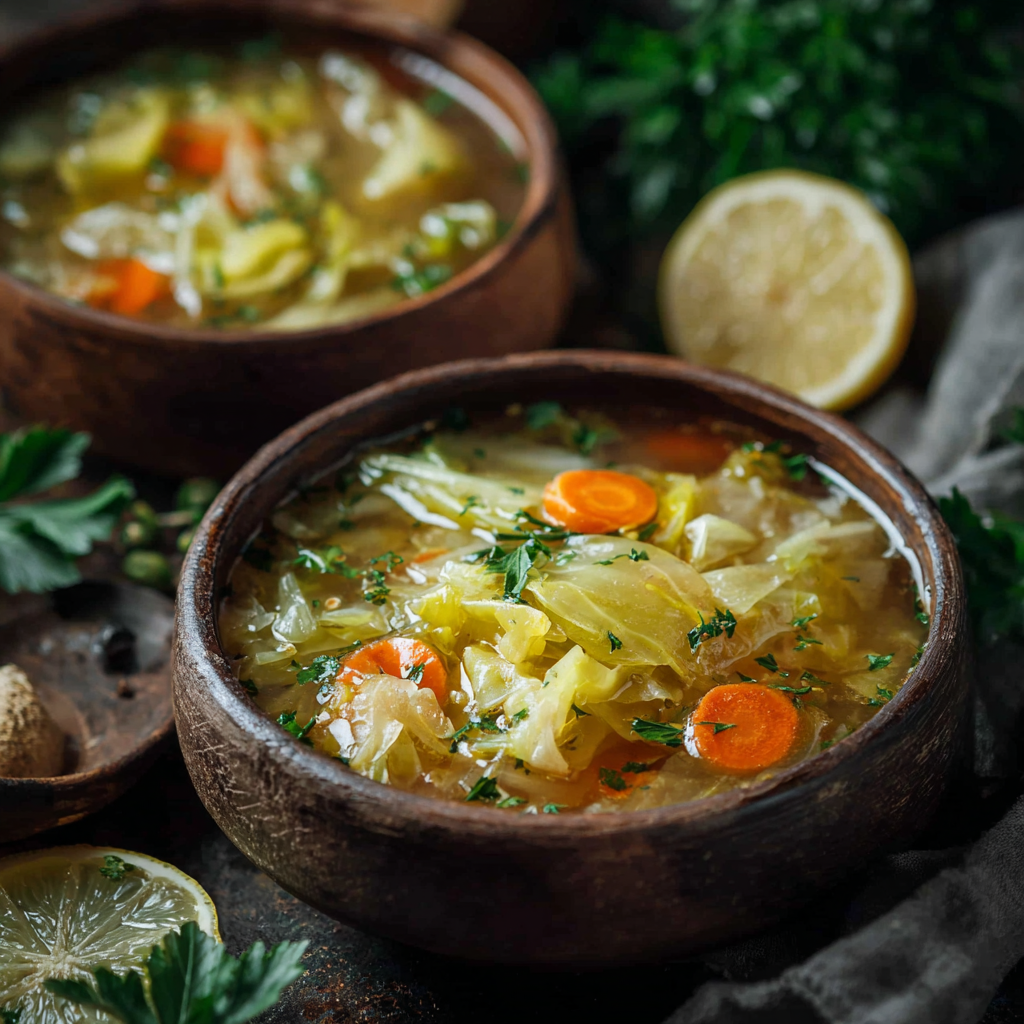
For those new to cooking with cabbage, understanding proper preparation ensures the best results. Remove any damaged outer leaves, then quarter the head and cut out the tough core before slicing. Chopping the cabbage into roughly 1-inch pieces creates ideal texture that cooks evenly and remains pleasant to eat. Moreover, cabbage holds up beautifully to long cooking times without disintegrating, which means this soup actually tastes even better the next day as flavors continue melding together.
Building a Flavorful Vegetable Base
The aromatic foundation of sautéed onions, garlic, carrots, and celery creates depth that prevents this healthy soup from tasting bland or boring. This classic combination, known as a mirepoix variation, forms the flavor backbone of countless soups and stews across culinary traditions. Taking time to properly sauté these vegetables releases their natural sugars and develops complex flavors that simple simmering alone cannot achieve. As a result, your soup tastes rich and satisfying despite containing no added fats beyond the initial olive oil.
Bell peppers contribute both nutritional value and visual appeal that makes this soup more inviting and interesting. The combination of red and green peppers provides slightly different flavor notes—red peppers offer sweetness while green peppers add subtle bitterness that creates balance. Additionally, their vibrant colors make the finished soup look fresh and appetizing rather than monotone and dull. These peppers also contain high levels of vitamin C and antioxidants that support your body’s natural detoxification processes.
Layering vegetables at different stages ensures each maintains its ideal texture in the finished soup. Hardy vegetables like carrots and celery go in first since they need more cooking time to become tender. Meanwhile, adding cabbage after these firmer vegetables have softened allows everything to finish cooking simultaneously. This thoughtful timing creates a soup where every vegetable contributes its best texture and flavor rather than some being mushy while others remain undercooked.
Choosing the Right Broth and Seasonings
Vegetable broth provides a light, clean foundation that allows the natural flavors of the vegetables to shine without overwhelming them. Low-sodium versions give you complete control over the final salt level, which is particularly important since different brands vary dramatically in saltiness. Moreover, using quality vegetable broth rather than just water creates significantly more complex flavor that makes this simple soup taste gourmet. The combination of broth and water provides perfect balance—enough flavor to be interesting but not so concentrated that it masks the fresh vegetable taste.
The herb blend in this recipe creates Mediterranean-inspired flavor that feels comforting and familiar rather than medicinal or diet-like. Oregano and basil provide classic Italian notes, while thyme adds earthy depth and paprika contributes subtle warmth and color. These dried herbs work beautifully in long-simmered soups, releasing their essential oils gradually throughout the cooking process. Furthermore, bay leaves add subtle complexity that’s difficult to identify but noticeably absent when omitted.
Fresh lemon juice added at the end serves as the secret ingredient that elevates this soup from good to exceptional. The bright acidity cuts through the earthiness of the cabbage and brings all the flavors into sharp focus. This technique, called “finishing with acid” in culinary terms, awakens your taste buds and makes every component taste more vivid. Additionally, lemon juice provides vitamin C and creates a lighter, fresher impression that reinforces the soup’s healthy, cleansing nature.
Serving and Storing Tips
Serving Tips
Serve this detox cabbage soup hot in large bowls for a satisfying meal that nourishes both body and soul. The soup works beautifully as a light lunch, dinner starter, or even a snack between meals when you need something warm and filling without excessive calories. Garnish each bowl with extra fresh herbs, a squeeze of lemon, or a sprinkle of red pepper flakes for those who enjoy more heat.
This soup pairs wonderfully with whole grain bread, crackers, or a simple side salad for those who want a more substantial meal. Alternatively, serve it alongside grilled chicken breast or baked fish for added protein that keeps you satisfied longer. For a complete detox-friendly meal, consider offering fresh fruit, herbal tea, or infused water to maintain the clean, healthy theme throughout your dining experience.
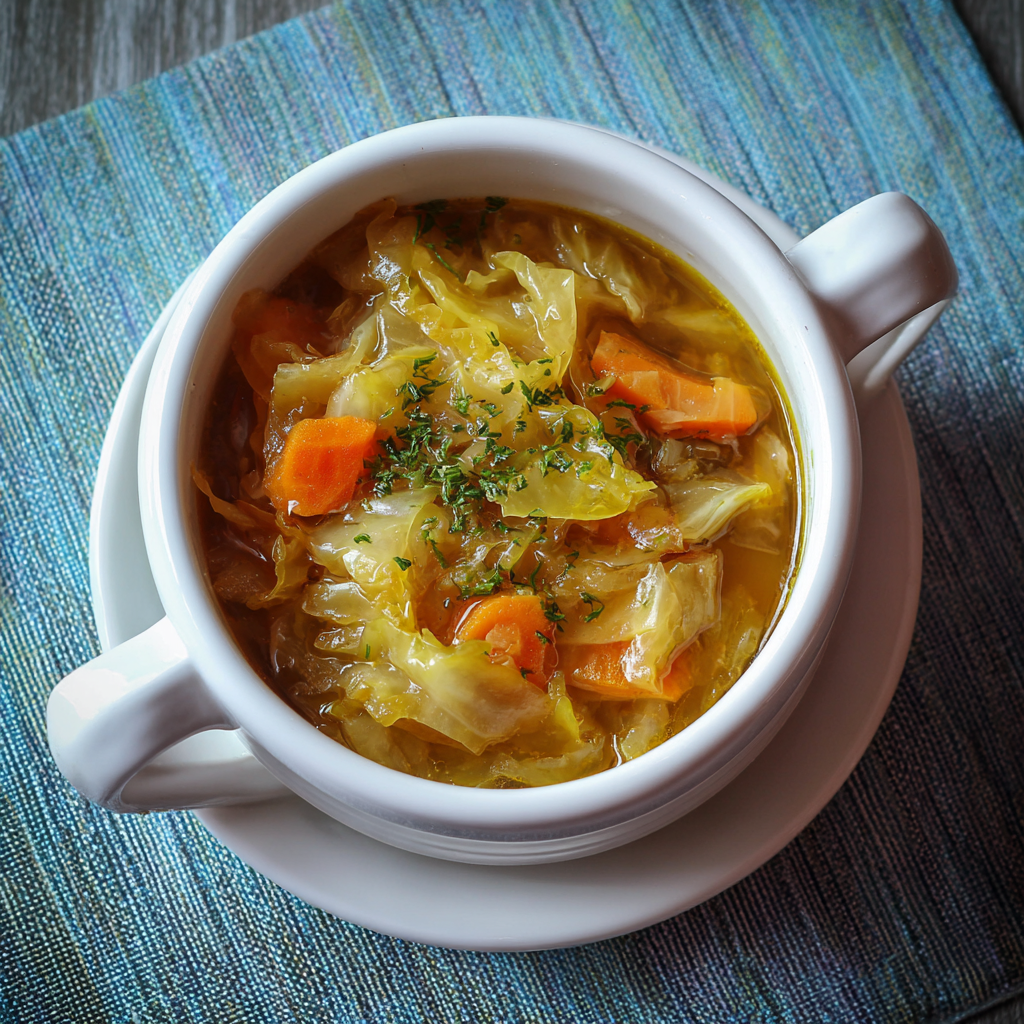
The beauty of this soup lies in how it supports various eating plans and dietary preferences simultaneously. It’s naturally vegan, vegetarian, gluten-free, dairy-free, and low in calories, making it accessible to virtually everyone at your table. Furthermore, its gentle flavors and easy digestibility make it appropriate for those recovering from illness or simply seeking lighter fare after holiday overindulgence.
Storage Tips
Store leftover soup in airtight containers in the refrigerator for up to 5 days, where the flavors actually improve as they meld together. The vegetables continue absorbing the seasoned broth, creating even more delicious results the next day. This makes the soup perfect for meal prep—cook once and enjoy healthy lunches or dinners throughout your busy week without additional effort.
When reheating refrigerated soup, warm it gently on the stovetop over medium heat, stirring occasionally until heated through. Alternatively, microwave individual portions in 2-minute intervals, stirring between each burst. Add a splash of vegetable broth or water if the soup has thickened too much during storage, then adjust seasonings with fresh lemon juice, salt, or herbs to refresh the flavors.
Freezing this soup works exceptionally well for longer storage up to 3 months. Cool the soup completely before transferring it to freezer-safe containers, leaving about an inch of headspace to allow for expansion. Thaw frozen soup overnight in the refrigerator, then reheat as you would refrigerated leftovers. Interestingly, the texture of the vegetables holds up remarkably well through freezing, making this an excellent candidate for batch cooking and portioning for future healthy meals.
Helpful Notes
Making this soup in larger batches takes barely more effort than a single batch and provides ready-made healthy meals for weeks. Simply double or triple the recipe using your largest stockpot, then portion the cooled soup into individual containers for easy grab-and-go lunches. This approach makes sticking to healthy eating goals significantly easier since nutritious food is already prepared and waiting when hunger strikes.
For those following specific detox protocols, this soup adapts easily to various requirements. Omit the olive oil for oil-free diets, increase the vegetables for more volume, or add cayenne pepper to boost metabolism naturally. Additionally, you can incorporate other detox-supporting ingredients like turmeric, ginger, or leafy greens without significantly altering the recipe’s foundation or cooking method.
Customizing the vegetables based on what you have available or what’s in season makes this recipe endlessly adaptable. Zucchini, green beans, spinach, kale, or mushrooms all work beautifully as additions or substitutions. However, maintain roughly similar vegetable quantities to preserve the proper broth-to-vegetable ratio that creates ideal consistency. Too many vegetables absorbs too much liquid, while too few creates thin, watery soup.
Common mistakes that compromise flavor include under-seasoning, skipping the initial sauté step, or omitting the finishing lemon juice. Always taste and adjust seasonings before serving, take time to properly brown the aromatics, and never forget that bright hit of acidity at the end. These simple steps transform plain vegetable soup into something you actually look forward to eating rather than just enduring for health benefits.
Chef Tips
Professional chefs know that cutting vegetables into uniform sizes ensures even cooking where everything finishes simultaneously. Aim for pieces that are roughly the same size—about 1-inch chunks work perfectly for this soup. Additionally, cutting vegetables on the diagonal creates more surface area that absorbs flavors better and looks more refined in the finished dish.
Another expert technique involves tasting the soup multiple times throughout cooking and adjusting seasonings gradually. Add salt and herbs conservatively at first, then taste every 10 minutes during simmering to assess how flavors are developing. This approach prevents over-seasoning while ensuring the final result tastes perfectly balanced. Remember that you can always add more seasoning but can never remove it once added.
Frequently Asked Questions
Can I use a different type of cabbage?
Yes, red cabbage, savoy cabbage, or Napa cabbage all work beautifully, though they’ll change the soup’s color and slightly alter the flavor profile.
How can I add more protein to this soup?
Stir in cooked white beans, chickpeas, lentils, or diced grilled chicken during the last 10 minutes of cooking for added protein and substance.
Why does my soup taste bland?
Increase the salt gradually until flavors brighten, add more lemon juice for acidity, or boost herbs and spices—proper seasoning makes all the difference.
Can I make this in a slow cooker?
Absolutely, sauté the aromatics first, then transfer everything to a slow cooker and cook on low for 6 to 8 hours or high for 3 to 4 hours.
Is this soup actually good for detoxing?
While your liver and kidneys naturally detoxify your body, this nutrient-dense, fiber-rich soup supports overall health and provides vitamins that aid these natural processes.
Starting Fresh with Nourishing Food
Beginning the new year with intention and care for your body creates positive momentum that carries through the months ahead. This detox cabbage soup represents more than just a healthy recipe—it symbolizes commitment to treating yourself with kindness and prioritizing wellness after the indulgent holiday season. When you prepare a large pot of this nourishing soup, you’re making an investment in your health that pays dividends with every satisfying bowl.
The practical advantages of this recipe extend beyond nutrition to include remarkable convenience and affordability. Using simple, inexpensive vegetables that are available year-round means you can make this soup anytime without breaking your budget or hunting for exotic ingredients. Furthermore, the one-pot preparation minimizes cleanup, and the large yield provides multiple meals from a single cooking session, making healthy eating accessible even during your busiest weeks.
Did this New Year Detox Cabbage Soup become your secret weapon for feeling amazing in January? If you loved how nourishing it made you feel, how easy it was to prepare, and how the flavors surprised you with their depth and satisfaction, we’d be so grateful if you could save this recipe for future wellness moments, pin it to your healthy eating Pinterest board, or share it with friends who are looking to start the year strong. Your support and enthusiasm inspire us to continue creating and sharing recipes that make healthy eating delicious and sustainable for everyone. Tell us in the comments how this soup made you feel and whether it’s become part of your regular rotation—we love hearing about your wellness journey!