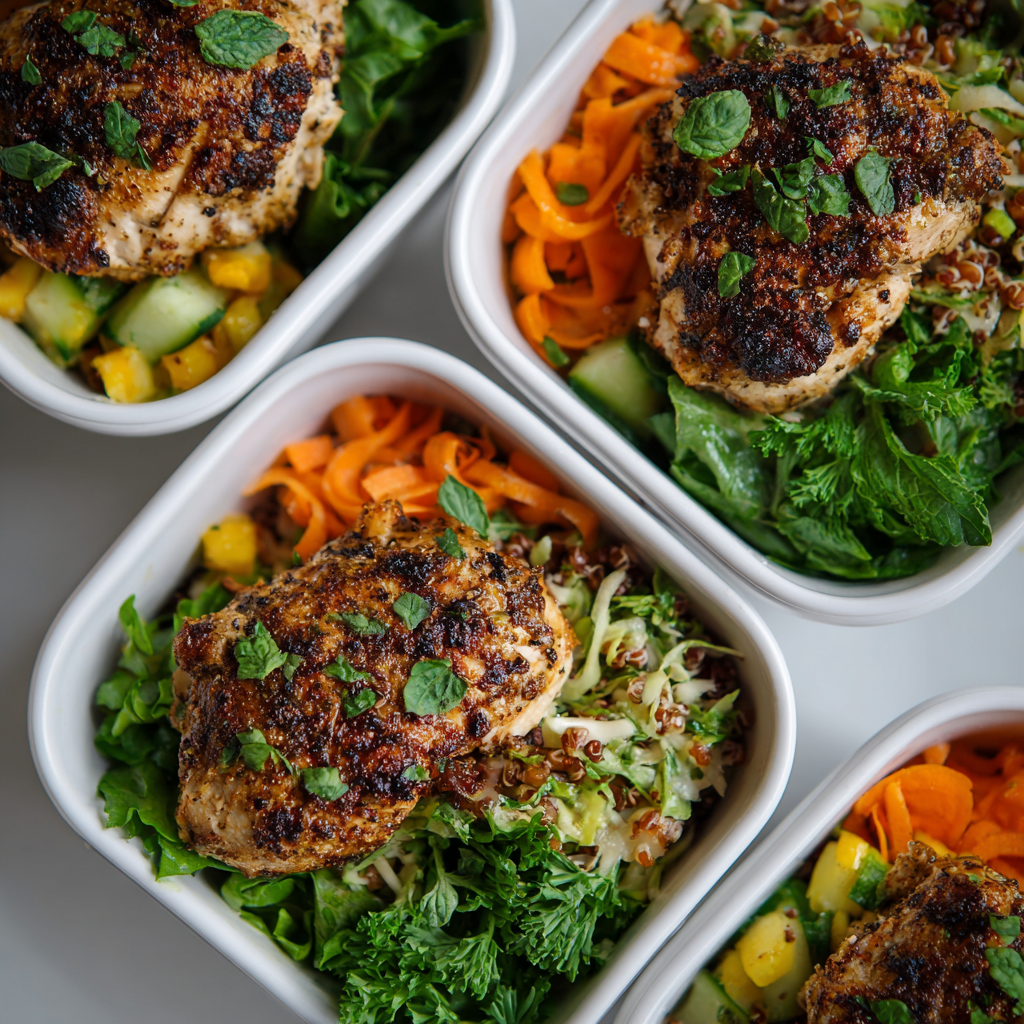
When you’re serious about reaching your health goals this year, having nutritious meals ready to go makes all the difference between success and falling back into old habits. These chicken meal prep bowls combine perfectly seasoned lean protein, colorful vegetables, wholesome grains, and flavorful dressing into complete meals that taste restaurant-quality all week long. What makes this recipe truly exceptional is how it delivers balanced nutrition and genuine flavor without requiring you to eat the same boring meal five days in a row. The combination of tender chicken, vibrant roasted vegetables, fluffy quinoa, and zesty dressing creates satisfying variety that keeps you excited about healthy eating rather than feeling deprived or restricted. Whether you’re new to meal prepping or you’re a seasoned pro looking for fresh inspiration, these bowls provide the perfect template you can customize endlessly based on your preferences and what’s in season. Best of all, dedicating just one hour on Sunday gives you grab-and-go lunches for the entire week, eliminating decision fatigue and making it effortless to stick with your wellness intentions even during your busiest days.
Ingredients
This recipe makes 5 meal prep bowls.
For the Chicken:
- 2 pounds boneless, skinless chicken breasts
- 3 tablespoons olive oil
- 2 teaspoons garlic powder
- 2 teaspoons onion powder
- 1 teaspoon paprika
- 1 teaspoon dried oregano
- 1 teaspoon salt
- 1/2 teaspoon black pepper
- 1/2 teaspoon cumin
For the Roasted Vegetables:
- 2 cups broccoli florets
- 2 medium bell peppers (mixed colors), cut into strips
- 2 medium zucchini, sliced into half-moons
- 1 pint cherry tomatoes
- 2 tablespoons olive oil
- 1 teaspoon Italian seasoning
- 1/2 teaspoon garlic powder
- Salt and pepper to taste
For the Base:
- 2 cups dry quinoa
- 4 cups water or low-sodium chicken broth
- 1/2 teaspoon salt
- 4 cups fresh spinach or mixed greens
For the Lemon Herb Dressing:
- 1/3 cup olive oil
- 1/4 cup fresh lemon juice
- 2 tablespoons Dijon mustard
- 2 cloves garlic, minced
- 1 tablespoon honey
- 2 tablespoons fresh parsley, chopped
- 1 tablespoon fresh dill, chopped
- Salt and pepper to taste
Optional Add-ins:
- 1 cup chickpeas, drained and rinsed
- 1/2 cup crumbled feta cheese
- 1/4 cup sliced almonds or pumpkin seeds
- Fresh lemon wedges
Instructions
- Preheat your oven to 425°F and line two large baking sheets with parchment paper.
- Rinse the quinoa thoroughly in a fine-mesh strainer under cold water for 30 seconds.
- Combine the rinsed quinoa, water or broth, and salt in a medium saucepan over high heat.
- Bring to a boil, then reduce heat to low, cover, and simmer for 15 minutes.
- Remove the quinoa from heat and let it sit covered for 5 minutes, then fluff with a fork.
- Meanwhile, pat the chicken breasts completely dry with paper towels.
- Mix together the olive oil, garlic powder, onion powder, paprika, oregano, salt, pepper, and cumin in a small bowl.
- Rub the spice mixture all over the chicken breasts, coating them evenly on both sides.
- Place the seasoned chicken on one of the prepared baking sheets.
- Arrange the broccoli, bell peppers, zucchini, and cherry tomatoes on the second baking sheet.
- Drizzle the vegetables with olive oil and sprinkle with Italian seasoning, garlic powder, salt, and pepper.
- Toss the vegetables to coat evenly, then spread them in a single layer.
- Place both baking sheets in the oven on separate racks.
- Roast the vegetables for 20 to 25 minutes, stirring halfway through, until tender and slightly charred.
- Bake the chicken for 25 to 30 minutes until the internal temperature reaches 165°F.
- Remove both pans from the oven and let the chicken rest for 5 minutes.
- Slice the chicken breasts into strips or cubes, depending on your preference.
- Prepare the dressing by whisking together olive oil, lemon juice, Dijon mustard, garlic, honey, parsley, and dill.
- Season the dressing with salt and pepper to taste, adjusting as needed.
- Divide the spinach or mixed greens equally among five meal prep containers.
- Add equal portions of cooked quinoa to each container.
- Distribute the sliced chicken evenly across all five containers.
- Divide the roasted vegetables among the containers, creating colorful, balanced portions.
- Add optional chickpeas, feta cheese, or nuts if using.
- Store the dressing separately in small containers or jars.
- Seal all containers and refrigerate for up to 5 days.
- When ready to eat, drizzle with dressing and enjoy cold or reheated.
Building Balanced Nutrition
Creating meal prep bowls that actually support your health goals requires thoughtful attention to macronutrient balance and portion sizes. Each component serves a specific nutritional purpose that contributes to overall satisfaction and sustained energy throughout your day. The chicken provides lean protein—approximately 30 grams per serving—that builds and maintains muscle tissue while keeping you feeling full for hours. Protein also requires more energy to digest than carbohydrates or fats, slightly boosting your metabolism and supporting weight management efforts.
Quinoa serves as the complex carbohydrate base that fuels your body and brain with steady energy rather than the spikes and crashes associated with refined grains. Unlike white rice or pasta, quinoa is a complete protein containing all nine essential amino acids, making it particularly valuable for those reducing meat consumption. Additionally, quinoa provides impressive amounts of fiber, magnesium, and iron that support digestive health, muscle function, and oxygen transport throughout your body. This ancient grain creates satisfying substance that makes these bowls feel like complete meals rather than skimpy salads.
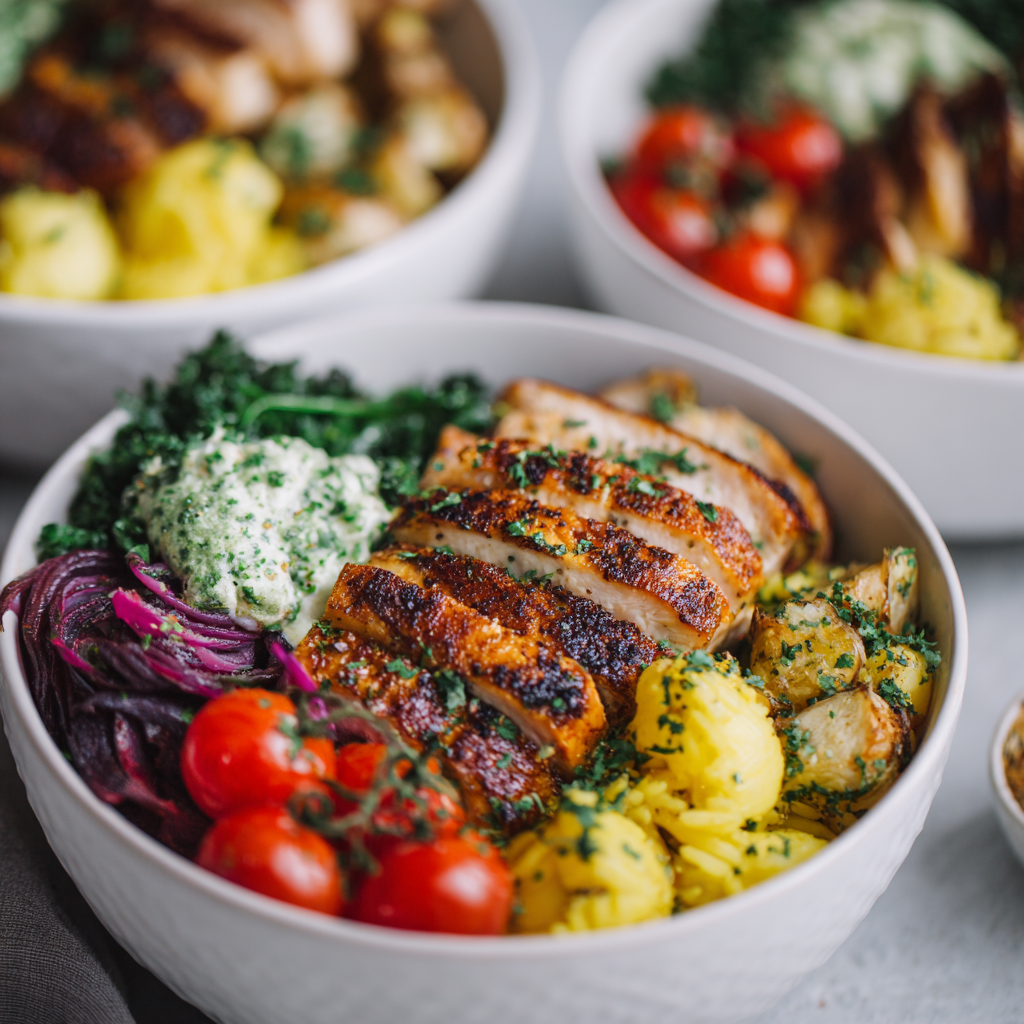
The variety of colorful vegetables delivers essential vitamins, minerals, antioxidants, and additional fiber that round out the nutritional profile beautifully. Different colored vegetables provide different phytonutrients—red peppers offer vitamin C and lycopene, broccoli supplies vitamin K and sulforaphane, while spinach contributes iron and folate. This rainbow approach ensures comprehensive nutrition that supports immune function, reduces inflammation, and protects against chronic disease. Furthermore, the high water and fiber content of vegetables adds volume without excessive calories, helping you feel satisfied on appropriate portions.
Mastering Chicken Meal Prep
Perfectly cooked chicken makes or breaks meal prep bowls, as dry, flavorless protein turns healthy eating into a chore rather than a pleasure. The key to juicy, delicious chicken lies in proper seasoning and avoiding overcooking that creates dry, rubbery texture. Starting with completely dry chicken allows the spice rub to adhere properly and promotes better browning during roasting. Additionally, using a meat thermometer ensures you cook chicken to exactly 165°F—the safe minimum temperature—without going higher and sacrificing moisture and tenderness.
The spice blend in this recipe creates aromatic, flavorful chicken that tastes intentional rather than bland or one-dimensional. Garlic powder and onion powder provide savory depth, paprika adds subtle sweetness and color, while oregano and cumin contribute Mediterranean and Southwestern notes that keep things interesting. This generous seasoning penetrates the meat during cooking, creating flavor throughout rather than just on the surface. Moreover, using olive oil in the rub helps conduct heat evenly and promotes beautiful golden-brown color that makes the chicken visually appealing all week long.
Letting the chicken rest after cooking allows the juices to redistribute throughout the meat rather than running out when you cut into it immediately. This brief resting period—just 5 minutes—makes a noticeable difference in juiciness and ensures every bite stays moist and flavorful. When slicing for meal prep, cut against the grain into strips or cubes that are easy to eat with a fork, which makes the bowls more convenient for on-the-go lunches at work or school.
Creating Flavorful Roasted Vegetables
Roasting vegetables at high temperature transforms them from watery and bland into caramelized and delicious through the magic of the Maillard reaction. This chemical process creates hundreds of new flavor compounds that develop only at temperatures above 300°F, producing the characteristic browning and sweet, nutty flavors that make roasted vegetables so irresistible. Furthermore, roasting concentrates flavors by evaporating moisture, intensifying the natural sweetness and creating pleasantly crispy edges that add textural interest to your meal prep bowls.
The vegetable selection in this recipe provides variety in color, texture, and nutrition that prevents meal prep boredom. Broccoli offers satisfying crunch and earthy flavor, bell peppers contribute sweetness and vibrant color, zucchini adds mild flavor and soft texture, while cherry tomatoes burst with concentrated tomatoey goodness. Together, these vegetables create visual appeal that makes your meal prep bowls look as good as they taste, which significantly impacts how much you enjoy eating them throughout the week.
Proper spacing on the baking sheet ensures vegetables roast rather than steam, which is crucial for achieving that desirable caramelization. Overcrowding traps moisture and prevents browning, resulting in soggy vegetables that lack flavor and appeal. If your vegetables don’t fit comfortably in a single layer, use two baking sheets or roast in batches rather than piling them on top of each other. This extra effort makes the difference between vegetables you look forward to eating and ones you force down for the sake of your diet.
Serving and Storing Tips
Serving Tips
Serve these meal prep bowls cold straight from the refrigerator for quick, convenient meals that require zero preparation time. The flavors meld beautifully over the first day or two, creating even more delicious results than when freshly made. Simply grab a container from the fridge, drizzle with the lemon herb dressing, and enjoy at your desk, in the park, or anywhere your day takes you without needing access to a microwave or additional prep space.
For those who prefer warm meals, reheating portions works beautifully while maintaining good texture and flavor. Remove the greens and dressing before reheating, then microwave the chicken, quinoa, and vegetables for 1 to 2 minutes until warmed through. Alternatively, reheat components separately if you want the vegetables extra crispy—warm them in a 400°F oven for 5 minutes while microwaving the quinoa and chicken. Add fresh greens and dressing after reheating for the best textural contrast and flavor.
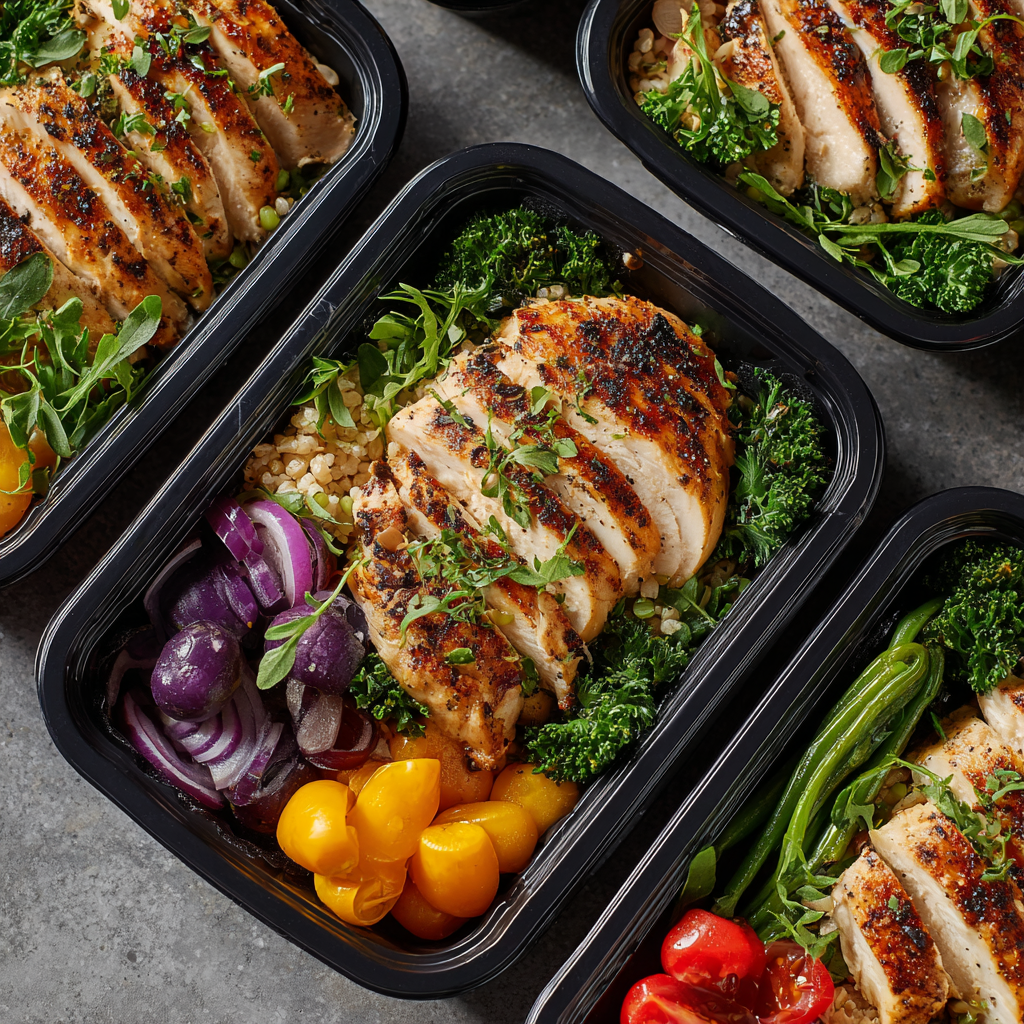
Customizing these bowls keeps meal prep exciting rather than monotonous throughout the week. Add different toppings each day—sliced avocado on Monday, feta cheese on Tuesday, toasted nuts on Wednesday—to create variety without additional cooking. Furthermore, switching up the dressing or using different seasonings on the chicken transforms the flavor profile completely, making five days of the same base ingredients feel like five different meals.
Storage Tips
Store meal prep bowls in airtight glass or BPA-free plastic containers in the refrigerator for up to 5 days. Glass containers are preferable because they don’t absorb odors or stains, reheat more evenly in the microwave, and allow you to see the contents without opening them. However, plastic containers are lighter and more portable if you’re carrying lunch to work or school daily. Regardless of container choice, ensure they seal tightly to maintain freshness and prevent cross-contamination with other refrigerator items.
Keep the dressing separate in small containers or jars to prevent the greens from wilting and becoming soggy. This crucial step maintains texture and ensures your bowls taste fresh all week rather than sad and limp by Wednesday. Small mason jars, dressing containers with pour spouts, or even cleaned prescription bottles work perfectly for individual dressing portions that travel easily and prevent spills in your bag.
Freezing individual components extends the life of your meal prep beyond one week. Cooked chicken and quinoa freeze exceptionally well for up to 3 months in freezer-safe containers or bags. However, avoid freezing the vegetables and greens, which become mushy and unappetizing when thawed. This partial freezing approach allows you to cook larger batches of chicken and grains, then combine them with freshly prepared vegetables each week for maximum efficiency and freshness.
Helpful Notes
Choosing the right meal prep containers significantly impacts how much you enjoy and actually use your prepared meals. Invest in quality containers with secure, leak-proof lids that won’t pop open in your bag and create disasters. Containers with divided sections keep components separate if you prefer, though single-compartment containers work perfectly well for bowls where everything mingles together. Additionally, ensure your containers are microwave-safe, dishwasher-safe, and appropriately sized—containers that are too large make portions look smaller and less satisfying.
For maximum efficiency, prep multiple components simultaneously while the oven and stovetop are already in use. While the quinoa cooks on the stove and the chicken and vegetables roast in the oven, use that time to wash greens, prepare the dressing, and organize your containers. This multitasking approach means you can complete the entire meal prep in about an hour rather than spending your whole afternoon in the kitchen. Furthermore, cleaning as you go prevents overwhelming cleanup at the end and makes the process more enjoyable.
Customizing these bowls based on dietary preferences or restrictions maintains the basic template while accommodating various needs. Make them paleo by substituting cauliflower rice for quinoa, create vegan versions using seasoned chickpeas or tofu instead of chicken, or adapt them for keto by replacing quinoa with additional vegetables and adding more healthy fats. The bowl formula—protein plus vegetable plus grain/base plus greens plus dressing—works with countless ingredient variations.
Common meal prep mistakes include making too much food that goes bad before you can eat it, creating portions that are too large or too small, or preparing foods that don’t reheat well. Start with 4 to 5 days worth of meals until you establish your routine and preferences. Weigh or measure components initially to understand appropriate portions, then you can eyeball amounts once you’re familiar with what works for your needs. Finally, choose ingredients that maintain quality throughout the week rather than foods that deteriorate quickly.
Chef Tips
Professional meal preppers understand that slight undercooking of vegetables ensures they maintain better texture throughout the week. Vegetables continue cooking slightly from residual heat and during reheating, so removing them when they’re just tender rather than fully soft prevents mushiness later. This technique is particularly important for vegetables like zucchini that release moisture during storage and can become watery if initially overcooked.
Another expert strategy involves varying your cooking methods and seasonings each week to prevent flavor fatigue. Grill the chicken instead of roasting it, try different spice blends like Cajun or curry, swap quinoa for brown rice or farro, or experiment with different vegetable combinations based on what’s on sale or in season. These variations use the same efficient meal prep process while keeping your meals interesting and preventing the boredom that often derails healthy eating plans.
Frequently Asked Questions
How long do these meal prep bowls actually stay fresh?
They stay safe and tasty for 5 days when stored properly at 40°F or below; the dressing stays fresh separately for up to one week.
Can I use chicken thighs instead of breasts?
Absolutely, boneless skinless thighs work beautifully and stay even juicier; they contain slightly more fat and calories but offer richer flavor.
What if I don’t like quinoa?
Substitute brown rice, farro, barley, cauliflower rice, or even sweet potato cubes—any grain or starchy vegetable works in this template.
Do I have to eat these cold?
Not at all, reheat without the greens and dressing for warm meals, then add the cold components after heating for textural contrast.
How many calories are in each bowl?
Approximately 400 to 450 calories per bowl with dressing, providing 35g protein, 40g carbs, and 15g fat for balanced nutrition.
Building Sustainable Healthy Habits
Meal prepping represents one of the most powerful strategies for achieving health goals because it removes decision-making during moments when willpower is low. When you open your refrigerator on a hectic Tuesday and see ready-made nutritious meals, you’re infinitely more likely to stick with your intentions than if you’re standing in front of an empty fridge trying to figure out what to eat. This proactive approach transforms healthy eating from a constant struggle into an automatic habit that requires minimal ongoing effort.
The practical advantages of meal prepping extend well beyond nutrition to include significant time and money savings. Cooking once and eating multiple times throughout the week is dramatically more efficient than preparing individual meals daily. Additionally, buying ingredients in bulk and using them completely reduces food waste and grocery costs compared to purchasing takeout or eating at restaurants. These financial and time benefits make healthy eating accessible regardless of your schedule or budget constraints.
As you establish your meal prep routine, you’ll discover an unexpected sense of calm and control that comes from knowing your nutrition is handled. The Sunday afternoon you spend preparing meals becomes a form of self-care—an investment in your future self that pays dividends throughout the week. This ritual creates structure and intention around eating that helps break patterns of mindless consumption or stress-eating that often sabotage wellness goals.
Did these New Year Healthy Chicken Meal Prep Bowls transform your approach to eating well during busy weeks? If you loved how convenient they made healthy eating, how delicious they tasted all week long, and how they helped you stay on track with your goals, we’d be thrilled if you could save this recipe for weekly meal prep, pin it to your healthy living Pinterest board, or share it with friends working toward their wellness goals. Your support and enthusiasm inspire us to continue creating and sharing recipes that make nutritious eating achievable and sustainable for everyone. Tell us in the comments what variations you tried and how meal prepping has changed your health journey—we love being part of your success story!