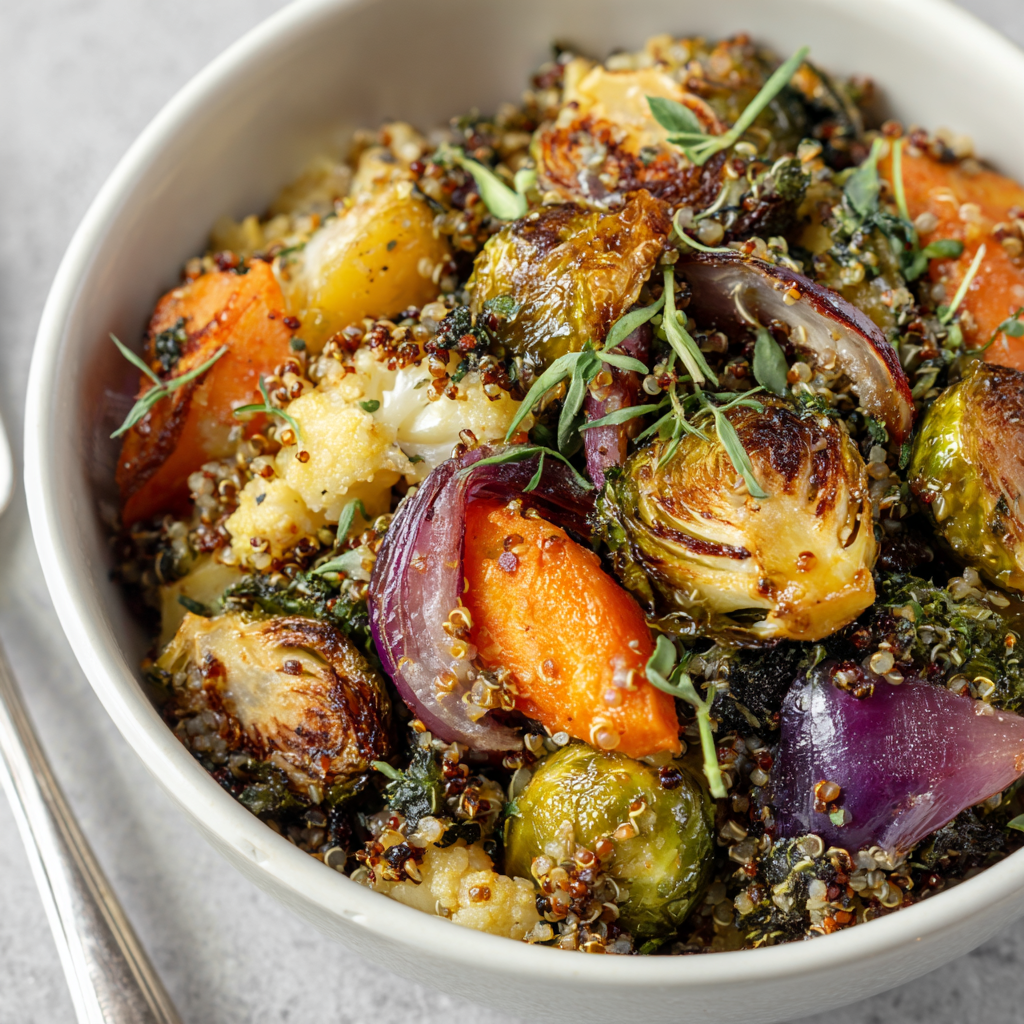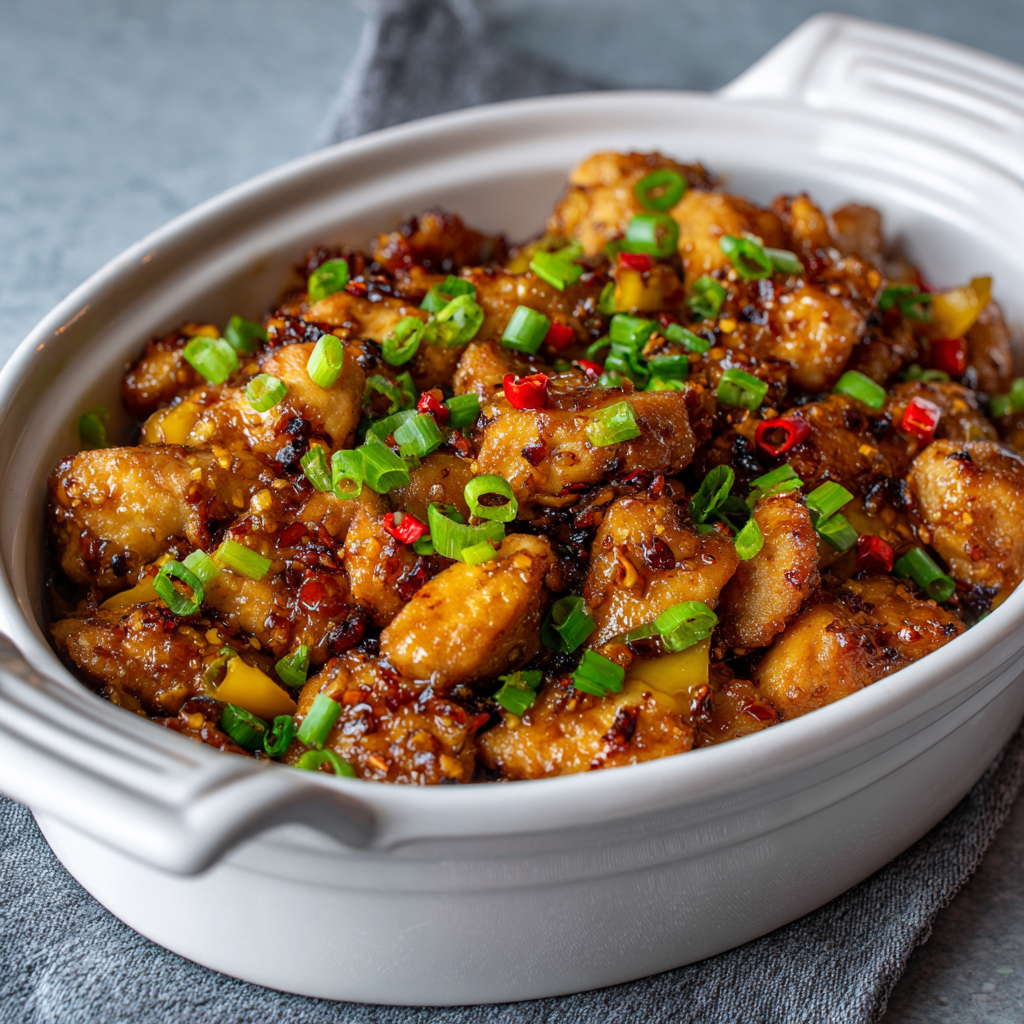
When January arrives and you’re committed to eating better without sacrificing flavor, this healthy honey garlic chicken delivers all the sweet, savory satisfaction you crave with a fraction of the calories and guilt. Tender chicken breasts get coated in a glossy sauce that balances natural honey sweetness with aromatic garlic and tangy undertones, creating a dish that tastes indulgent while supporting your wellness goals. What makes this version truly special is how it achieves that beloved sticky, caramelized coating using wholesome ingredients and smart cooking techniques instead of heavy oils or refined sugars. The result is a family-friendly dinner that comes together in about 35 minutes, proving that healthy eating can be delicious, satisfying, and completely crave-worthy. Whether you’re meal prepping for the week ahead or need a quick weeknight solution that everyone will love, this recipe delivers restaurant-quality results with kitchen-friendly simplicity.
Ingredients
This recipe makes 4 servings.
- 1.5 pounds boneless, skinless chicken breasts, cut into bite-sized pieces
- 1/2 teaspoon salt
- 1/4 teaspoon black pepper
- 1/4 teaspoon garlic powder
- 2 tablespoons cornstarch
- 1 tablespoon olive oil
- 6 cloves garlic, minced
- 1/3 cup raw honey
- 1/4 cup low-sodium soy sauce
- 2 tablespoons rice vinegar
- 1 tablespoon fresh lemon juice
- 1/2 teaspoon fresh ginger, grated
- 1/4 teaspoon red pepper flakes (optional)
- 1/4 cup water
- 1 teaspoon cornstarch mixed with 1 tablespoon water (slurry)
- 2 green onions, sliced
- 1 tablespoon sesame seeds
- Fresh cilantro for garnish (optional)
Instructions
- Cut the chicken breasts into uniform bite-sized pieces, approximately 1-inch cubes, to ensure even cooking throughout.
- Season the chicken pieces with salt, black pepper, and garlic powder, tossing to coat evenly.
- Sprinkle the 2 tablespoons of cornstarch over the seasoned chicken and toss until each piece is lightly coated.
- Heat the olive oil in a large non-stick skillet over medium-high heat until it shimmers.
- Add the cornstarch-coated chicken pieces to the hot skillet in a single layer, working in batches if necessary to avoid overcrowding.
- Cook the chicken for 3 to 4 minutes without stirring, allowing the bottom to develop a golden crust.
- Flip each piece and continue cooking for another 3 to 4 minutes until the chicken is golden on all sides and cooked through to 165°F.
- Transfer the cooked chicken to a clean plate and set aside while you prepare the sauce.
- Reduce the heat to medium and add the minced garlic to the same skillet, stirring constantly for 30 seconds until fragrant.
- Pour in the honey, soy sauce, rice vinegar, lemon juice, grated ginger, and red pepper flakes if using, whisking to combine.
- Add the 1/4 cup of water to the skillet and bring the sauce to a gentle simmer, stirring occasionally.
- Let the sauce simmer for 2 to 3 minutes, allowing the flavors to meld and intensify.
- Stir the cornstarch slurry once more to recombine, then slowly pour it into the simmering sauce while whisking continuously.
- Cook the sauce for 1 to 2 minutes more, stirring constantly, until it thickens to a glossy, coating consistency.
- Return the cooked chicken pieces to the skillet, tossing to coat every piece thoroughly in the sticky honey garlic sauce.
- Cook for another minute, stirring gently, until the chicken is heated through and completely glazed.
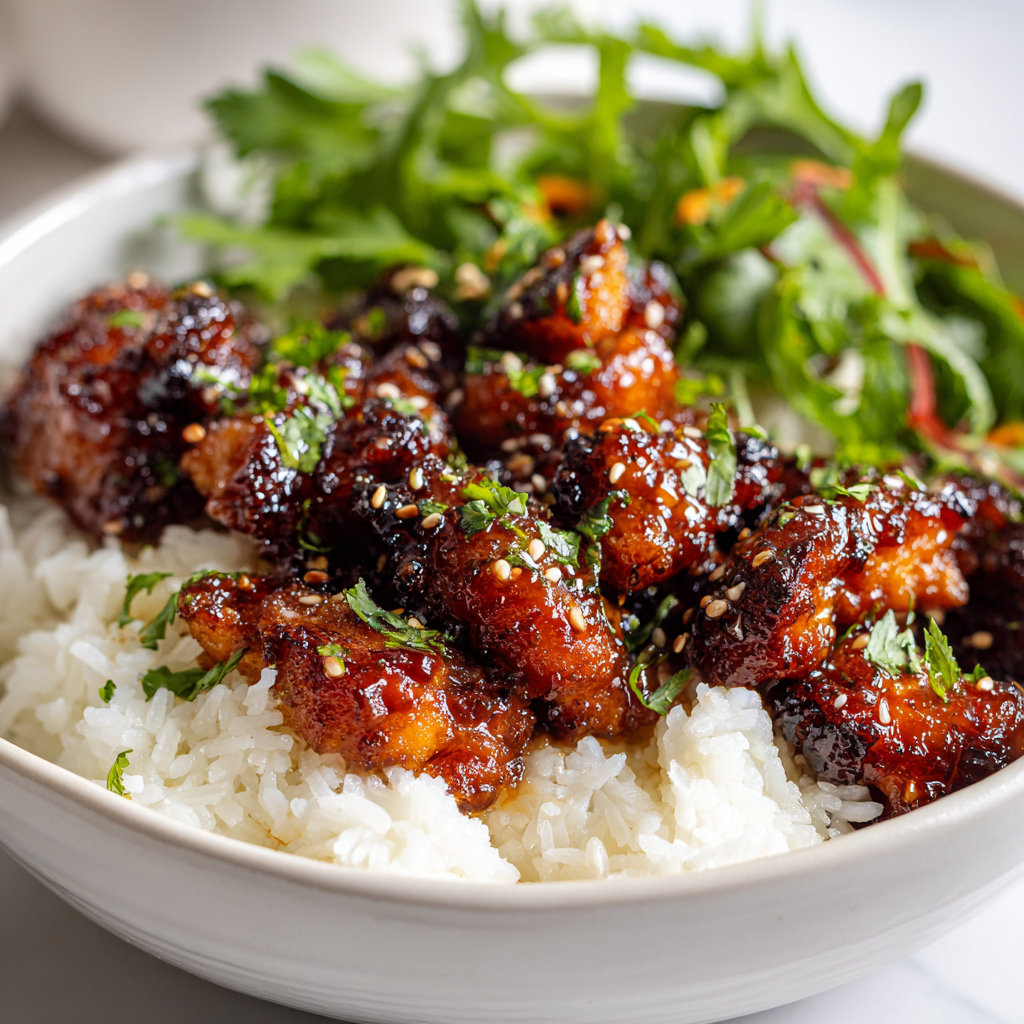
- Remove from heat and garnish with sliced green onions, sesame seeds, and fresh cilantro before serving immediately.
Creating a Healthier Sweet and Savory Balance
Building a lighter version of honey garlic chicken requires rethinking traditional methods that rely on deep frying or excessive amounts of oil and sugar. This recipe uses a light cornstarch coating instead of heavy battering, which creates texture and helps the sauce adhere while adding minimal calories. Furthermore, cooking in a non-stick skillet with just one tablespoon of olive oil produces beautifully browned chicken without the greasiness of traditional stir-fries or fried preparations.
Using raw honey instead of refined sugar or corn syrup provides natural sweetness along with trace minerals and antioxidants that processed sweeteners lack. Raw honey also has a more complex flavor profile with floral notes that make the sauce taste more sophisticated and interesting. Additionally, the honey caramelizes slightly as it cooks, creating depth and richness without requiring additional fat or calories.
The combination of rice vinegar and fresh lemon juice adds bright acidity that cuts through the honey’s sweetness and prevents the sauce from becoming cloying or one-dimensional. This balance is crucial for creating a healthy version that tastes satisfying rather than like diet food. Meanwhile, the low-sodium soy sauce provides savory umami depth while allowing you to control the final salt level, ensuring the dish doesn’t become overly salty like many restaurant versions.
Maximizing Flavor with Minimal Oil
Achieving crispy, golden chicken with minimal oil requires understanding a few key techniques that maximize browning without deep frying. The light cornstarch coating creates a protective layer that crisps beautifully in the hot skillet while sealing in the chicken’s natural juices. This method produces texture similar to fried chicken but uses a fraction of the oil, significantly reducing calories and fat without sacrificing satisfaction.
Preheating the skillet properly ensures the chicken sears immediately upon contact rather than steaming in its own juices. When the pan is hot enough, that single tablespoon of oil becomes remarkably effective at promoting browning across all the chicken pieces. Additionally, avoiding overcrowding allows heat to circulate around each piece, creating crispy edges that contribute both texture and deep, caramelized flavor to the finished dish.
Cooking the chicken in batches if necessary prevents the temperature from dropping too much when you add the meat, which is essential for proper browning. While it takes a few extra minutes, this patience pays off with chicken that’s beautifully golden and flavorful rather than pale and steamed. Subsequently, the browned bits left in the pan become part of the sauce, adding another layer of complexity and ensuring no flavor is wasted.
Building Aromatic Depth with Fresh Ingredients
Fresh garlic forms the aromatic foundation that makes this dish so compelling and crave-worthy. Using six cloves might seem generous, but they mellow considerably as they cook and blend with the honey, creating savory depth that balances the sweetness perfectly. Moreover, cooking the garlic after removing the chicken prevents burning while still allowing it to release its essential oils and fragrant compounds into the pan.
Fresh ginger adds warmth and complexity that elevates the sauce beyond basic honey garlic into something more nuanced and restaurant-quality. The ginger’s slight heat and aromatic properties complement both the sweet honey and savory garlic, creating harmony among all the flavors. Even though it’s used in a small amount, its impact is significant, contributing brightness and interest that keeps each bite engaging.
The green onions added at the end provide fresh, mild onion flavor along with visual appeal that makes the dish look more appetizing and professional. Unlike cooked onions, these retain a slight crunch and vibrant color that adds textural contrast to the tender chicken and glossy sauce. Similarly, sesame seeds contribute nutty flavor and a pleasant crunch that enhances both taste and presentation without adding significant calories.
Achieving the Perfect Sauce Consistency
Creating a sauce that’s thick enough to cling to the chicken without being gummy or overly heavy requires understanding how cornstarch works as a thickener. The small amount of cornstarch mixed with water creates a slurry that, when added to the simmering sauce, produces a glossy, translucent coating rather than an opaque, flour-based gravy. This technique is standard in Asian cooking and creates that characteristic shine associated with takeout-style dishes.
Adding the slurry slowly while whisking prevents lumps from forming and allows you to control the final consistency precisely. If you add too much too quickly, the sauce can become unpleasantly thick, so pour it in gradually and stop when the sauce reaches coating consistency. Remember that the sauce will continue thickening slightly as it cools, so aim for a texture that’s just slightly thinner than your desired final result.
Simmering the sauce before adding the thickener allows the flavors to concentrate and meld together, creating more depth than simply mixing everything cold. This brief cooking time also evaporates excess water and allows the honey to caramelize slightly, developing richer, more complex sweetness. Subsequently, when you add the chicken back and toss everything together, each piece becomes thoroughly coated in that beautifully thickened, flavorful glaze.
Understanding the Nutritional Benefits
This healthy version delivers approximately 280 to 320 calories per serving while providing substantial protein that supports muscle maintenance and creates lasting fullness. The lean chicken breast offers around 35 grams of protein per serving, which helps stabilize blood sugar and prevents energy crashes that often follow carb-heavy meals. Additionally, protein’s high thermic effect means your body burns more calories digesting it compared to fats or carbohydrates.
Keeping the oil to just one tablespoon for the entire recipe dramatically reduces fat content without compromising flavor or satisfaction. Traditional honey garlic chicken often contains 15 to 20 grams of fat per serving from deep frying or excessive oil, while this version contains only 4 to 6 grams. This reduction makes the dish appropriate for various eating plans while still tasting indulgent and special rather than restrictive.
The natural honey provides quick energy along with antioxidants and enzymes that refined sugars lack, though it’s still important to enjoy it in moderation. By using just 1/3 cup for four servings, each portion contains only about 17 grams of natural sugar—reasonable for a meal that also provides protein, fiber from garnishes, and essential nutrients. Consequently, this dish can fit into balanced eating patterns without derailing wellness goals or causing the blood sugar spikes associated with heavily sweetened restaurant versions.
Serving and Storing Tips
Serving Tips
Serve this honey garlic chicken hot over cauliflower rice for an ultra-low-carb option that keeps the meal light and vegetable-forward. Alternatively, pair it with brown rice, quinoa, or whole wheat noodles for more substantial portions that still maintain the healthy character of the dish. The sticky sauce coats whatever base you choose, creating satisfying bites that make healthy eating feel like a treat rather than a sacrifice.
For complete nutrition, add plenty of steamed or roasted vegetables alongside the chicken. Broccoli, snap peas, bell peppers, and baby bok choy all pair beautifully with the honey garlic sauce and contribute fiber, vitamins, and minerals that round out the meal. Additionally, the vegetables add volume and color to your plate, making portions look more generous and appealing while keeping calories reasonable.
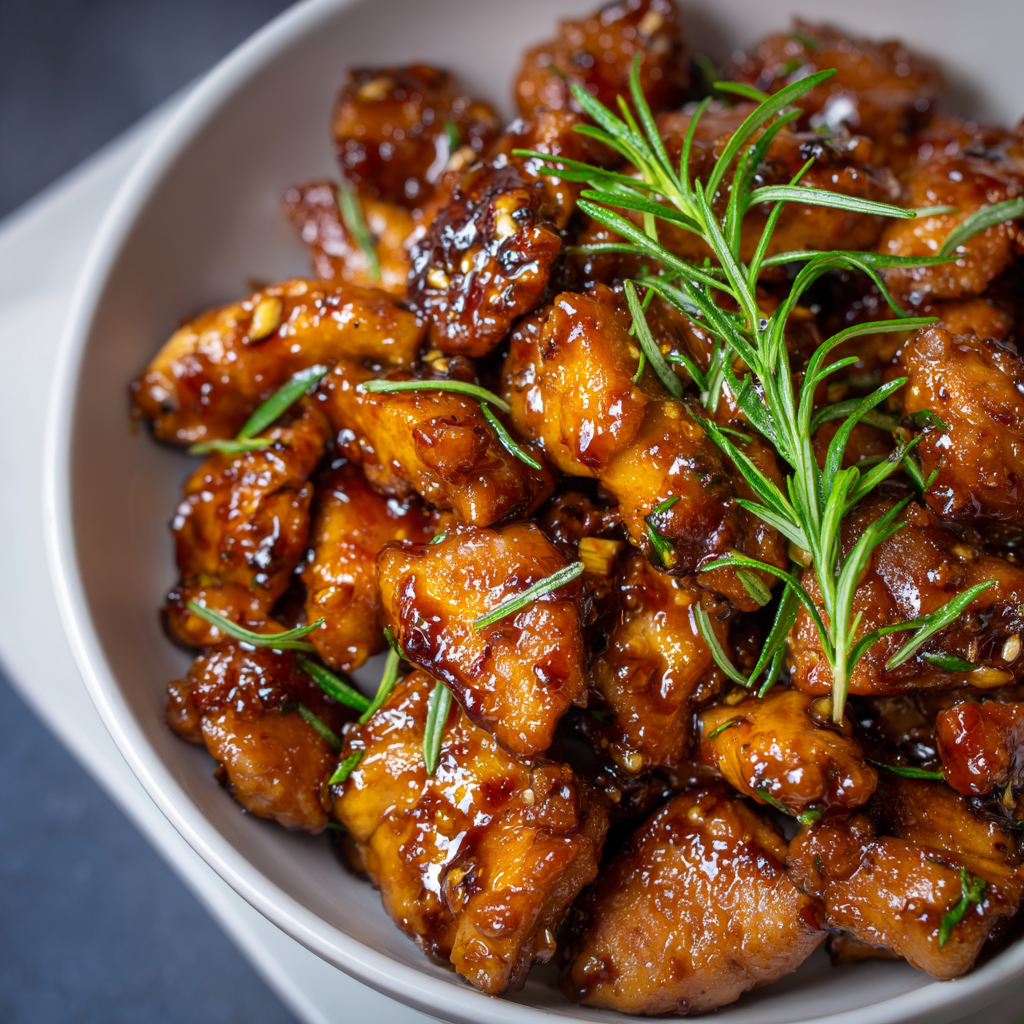
This recipe works wonderfully for meal prep, as the chicken stays tender and the sauce maintains its appealing consistency even after refrigeration. Pack individual portions in containers with your chosen grain and vegetables for grab-and-go lunches that beat anything you’d buy from a restaurant. The flavors actually improve slightly after sitting, as the chicken continues absorbing the sauce overnight, making day-two meals just as delicious as the original dinner.
Storage Tips
Store leftover honey garlic chicken in an airtight container in the refrigerator for up to 4 days. Keep any rice or vegetables separate from the chicken if possible, as this prevents everything from becoming soggy and allows you to reheat each component optimally. Furthermore, separating components gives you flexibility to mix and match leftovers throughout the week, creating variety from a single cooking session.
When reheating, warm the chicken gently in a skillet over medium-low heat with a tablespoon of water to refresh the sauce and prevent drying. Alternatively, microwave in 45-second intervals, stirring between each burst and adding a splash of water if the sauce has thickened too much. Avoid reheating at high temperatures, which can make the chicken rubbery and cause the sauce to separate or crystallize.
Freezing works well for longer storage up to 3 months, though you may need to refresh the sauce slightly upon reheating. Cool the chicken completely before transferring to freezer-safe containers, removing as much air as possible to prevent freezer burn and maintain quality. Thaw frozen portions overnight in the refrigerator, then reheat gently, stirring in a teaspoon of honey and water if needed to restore the sauce’s glossy consistency.
Helpful Notes
Using chicken thighs instead of breasts creates an even juicier result with slightly more calories from the darker meat’s higher fat content. Boneless, skinless thighs work beautifully in this recipe and are often more economical than breasts while being nearly impossible to overcook. If using thighs, increase the cooking time by 1 to 2 minutes per side to ensure they reach the proper internal temperature.
For a vegetarian version, substitute extra-firm tofu or tempeh cut into cubes for the chicken, following the same coating and cooking method. These plant-based proteins absorb the honey garlic sauce beautifully and crisp up nicely in the hot skillet, creating satisfying texture and flavor. Additionally, you could use cauliflower florets for a completely different but equally delicious vegetable-forward version.
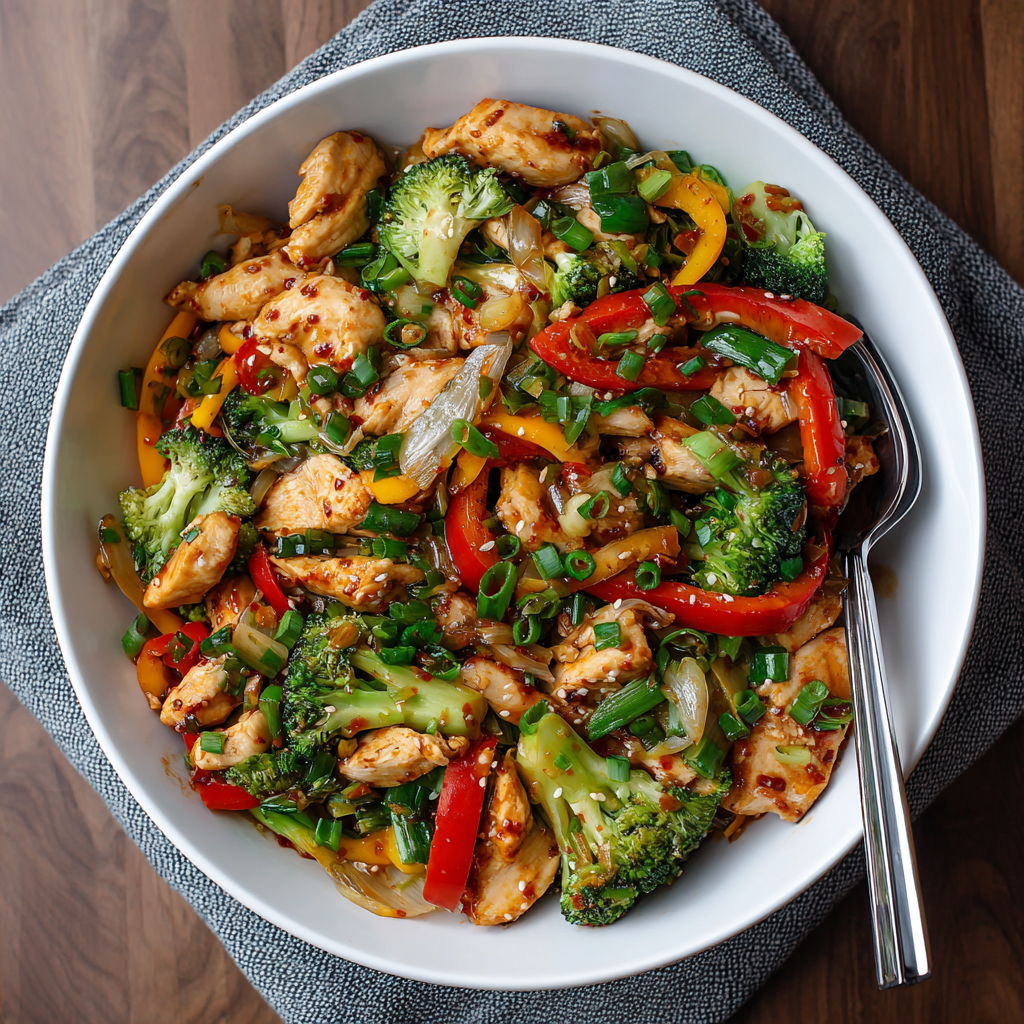
Adding vegetables directly to the pan creates a complete one-pan meal with minimal cleanup and maximum convenience. Broccoli florets, sliced bell peppers, or snap peas can be added after removing the chicken, cooking for 3 to 4 minutes before adding the sauce. This approach streamlines dinner preparation while increasing the nutritional value and making the dish more filling without significantly impacting calories.
Common mistakes include using too much cornstarch, which creates gummy, unpleasant texture, or cooking over heat that’s too low, which prevents proper browning and results in pale, steamed-looking chicken. Additionally, skipping the cornstarch coating entirely produces chicken that doesn’t hold the sauce well, leading to a separated, messy presentation rather than the glossy, restaurant-style finish you’re aiming for.
Chef Tips
Professional cooks often add a splash of chicken broth to the sauce along with the water for extra savory depth that makes the dish taste richer without adding calories. This small adjustment creates more complex flavor that elevates the entire dish beyond typical home cooking.
Another expert technique involves reserving some of the sauce before adding the chicken back, then drizzling it over the finished dish at the table. This creates visual appeal with extra gloss and ensures every portion gets plenty of that delicious honey garlic coating that makes this dish so appealing.
Frequently Asked Questions
Can I use frozen chicken for this recipe?
Yes, but thaw it completely first and pat very dry before coating with cornstarch; excess moisture prevents proper browning and makes the coating soggy.
Is there a substitute for honey?
Maple syrup works well with slightly different flavor, or use agave nectar for lower glycemic impact; avoid artificial sweeteners as they don’t caramelize properly.
How do I prevent the sauce from burning?
Keep the heat at medium once you add the sauce ingredients, stir frequently, and don’t let it cook too long before adding the thickener.
Can I make this ahead of time?
The chicken is best freshly cooked, but you can prep the sauce and cut the chicken in advance; cook just before serving for optimal texture.
Is this recipe gluten-free?
Use tamari or coconut aminos instead of soy sauce to make it completely gluten-free while maintaining the savory umami flavor.
Supporting Your Healthy Eating Goals
Starting the year with recipes that prove healthy eating doesn’t mean bland, boring food makes maintaining your wellness commitments infinitely easier and more sustainable. This honey garlic chicken demonstrates that with smart ingredient choices and proper cooking techniques, you can enjoy the flavors you love while supporting your body’s needs. When meals taste this good and leave you feeling energized rather than heavy and sluggish, healthy eating stops feeling like deprivation and starts feeling like self-care.
The practical advantages of mastering this recipe extend beyond its impressive nutrition to include remarkable versatility and convenience. Once you understand the basic method—coating protein lightly, searing it properly, and creating a flavorful sauce—you can apply these techniques to countless other dishes and flavor combinations. Furthermore, the quick cooking time and simple ingredient list make this recipe accessible even during your busiest weeks when cooking feels overwhelming.
Did this New Year Honey Garlic Chicken become your new favorite healthy dinner? If you loved how it satisfied your cravings while supporting your wellness goals, how the sticky sauce made healthy eating feel indulgent, and how quickly it came together on busy weeknights, we’d be absolutely thrilled if you could save this recipe for your weekly meal rotation, pin it to your healthy dinner board, or share it with friends who are looking for delicious ways to eat better. Your support and enthusiasm mean the world to us and inspire us to keep creating and sharing recipes that make nutritious eating accessible, enjoyable, and completely crave-worthy for everyone. Tell us in the comments what you served alongside your chicken and whether you tried any creative variations—we love hearing about your healthy eating victories!