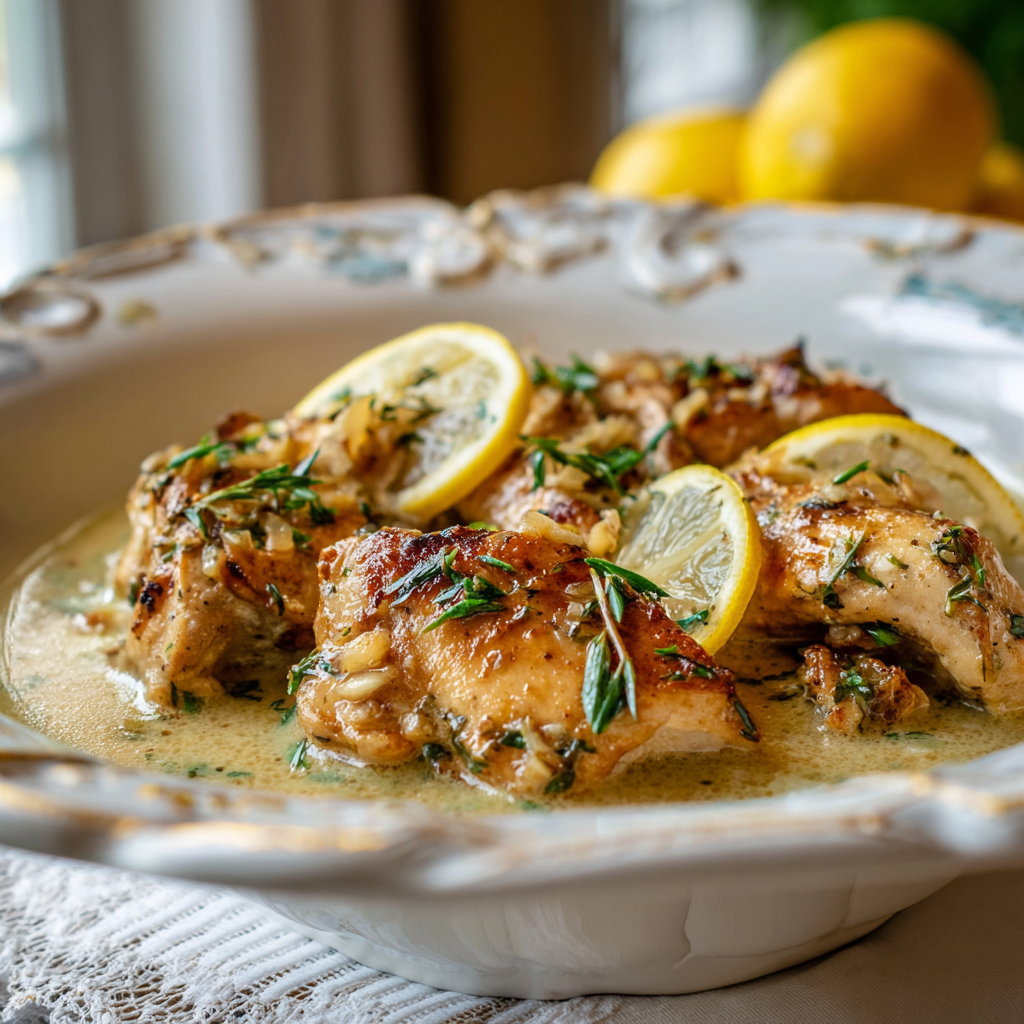
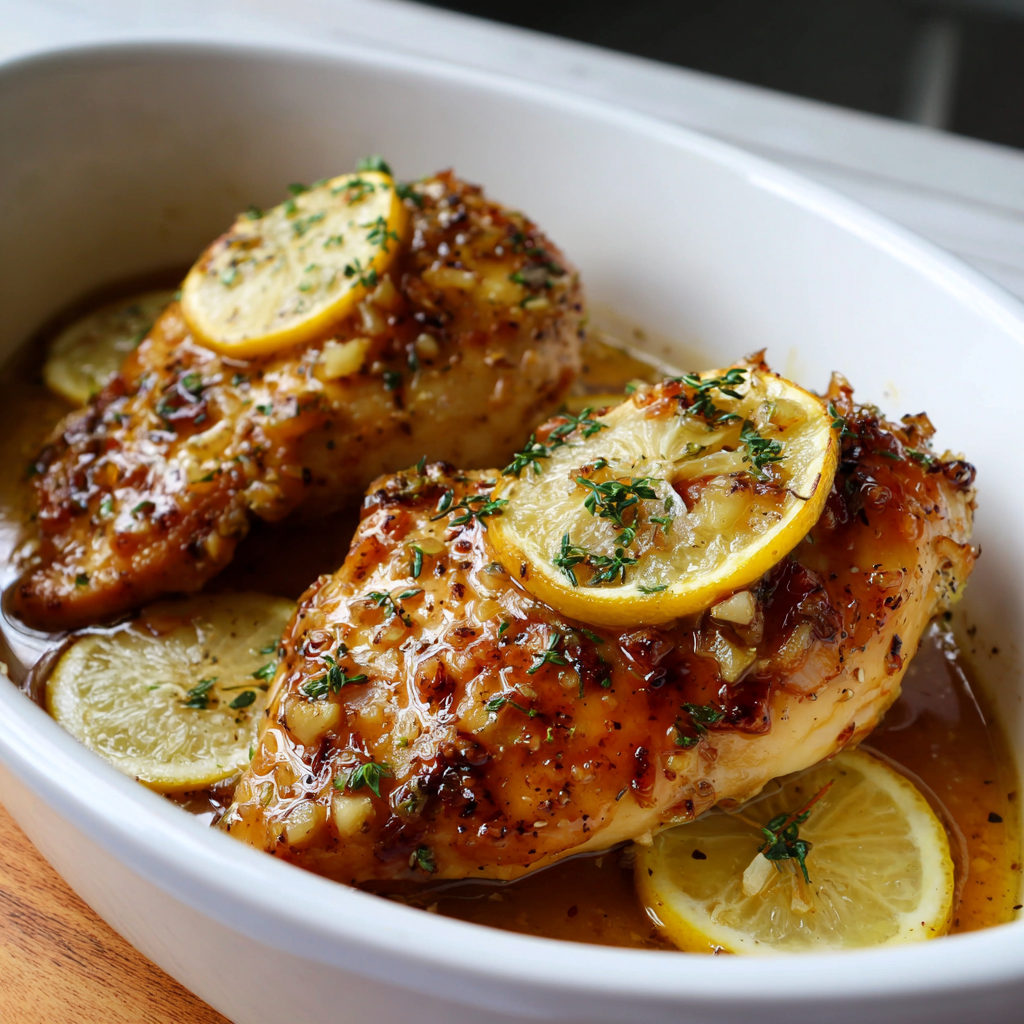
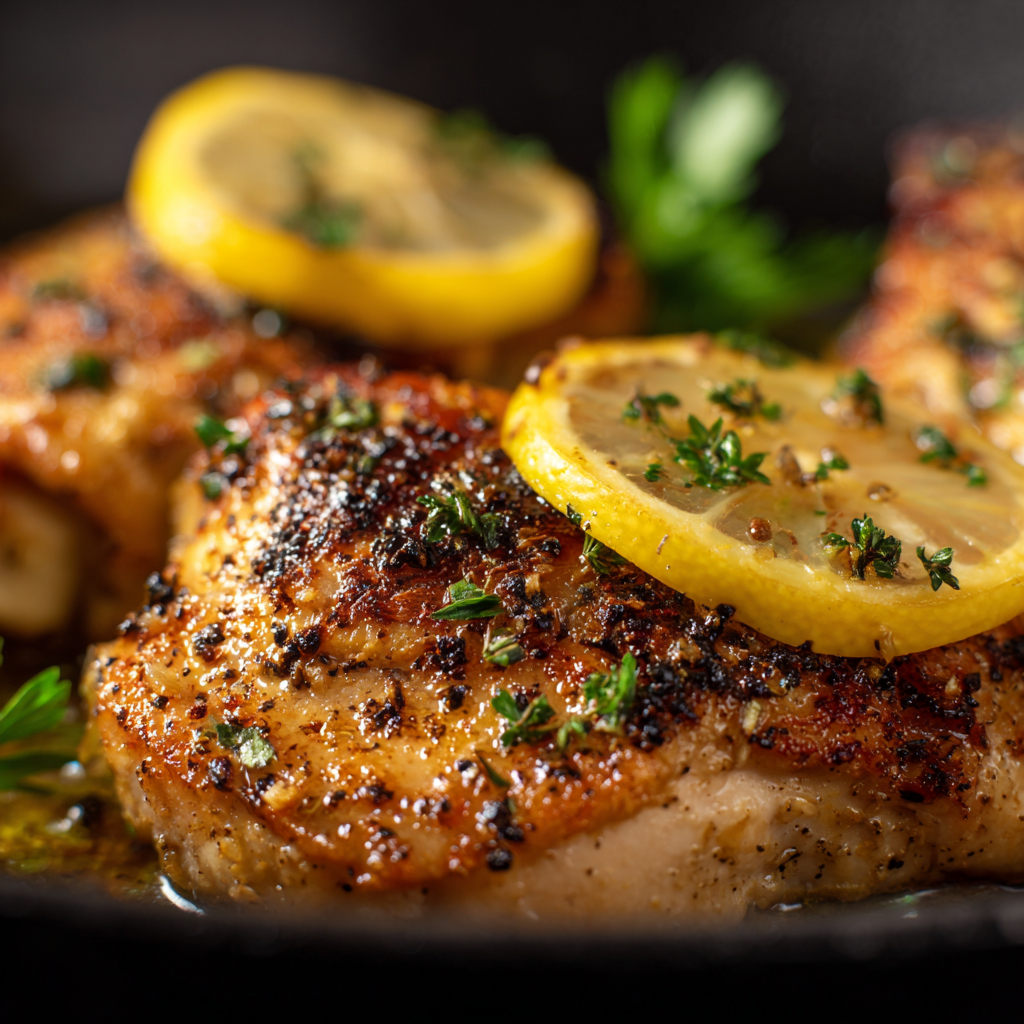
When the calendar turns to January and you’re craving something fresh yet deeply satisfying, this lemon garlic chicken delivers bright, vibrant flavors that feel like a celebration of new beginnings. Tender, juicy chicken breasts get bathed in a golden sauce bursting with zesty lemon and aromatic garlic that transforms a simple protein into something truly memorable. What makes this dish particularly special is how it comes together in just 30 minutes using everyday ingredients you likely already have in your kitchen, making it perfect for busy weeknights when you want something impressive without the fuss. The combination of tangy citrus and savory garlic creates a restaurant-quality meal that feels light and energizing—exactly what you need to start the year feeling your best.
Ingredients
This recipe makes 4 servings.
- 4 boneless, skinless chicken breasts (about 6 ounces each)
- 1 teaspoon salt
- 1/2 teaspoon black pepper
- 1/2 teaspoon paprika
- 3 tablespoons olive oil, divided
- 6 cloves garlic, minced
- 1/2 cup low-sodium chicken broth
- 1/4 cup fresh lemon juice (about 2 lemons)
- 2 tablespoons unsalted butter
- 1 tablespoon honey
- 1 teaspoon lemon zest
- 1/4 teaspoon red pepper flakes (optional)
- 2 tablespoons fresh parsley, chopped
- Lemon slices for garnish
Instructions
- Pat the chicken breasts dry with paper towels to remove excess moisture, which helps achieve better browning.
- Season both sides of each chicken breast generously with salt, black pepper, and paprika, pressing the spices gently into the meat.
- Heat 2 tablespoons of olive oil in a large skillet over medium-high heat until it shimmers but doesn’t smoke.
- Add the seasoned chicken breasts to the hot skillet, making sure not to overcrowd the pan.
- Cook the chicken for 6 to 7 minutes without moving it, allowing a golden crust to form on the bottom.
- Flip each chicken breast carefully and continue cooking for another 6 to 7 minutes until the internal temperature reaches 165°F.
- Transfer the cooked chicken to a clean plate and tent loosely with aluminum foil to keep warm while you prepare the sauce.
- Reduce the heat to medium and add the remaining tablespoon of olive oil to the same skillet.
- Add the minced garlic to the pan, stirring constantly for about 30 seconds until fragrant but not browned.
- Pour in the chicken broth and fresh lemon juice, scraping up any browned bits from the bottom of the pan with a wooden spoon.
- Stir in the butter, honey, lemon zest, and red pepper flakes if using, whisking until the butter melts completely.
- Bring the sauce to a gentle simmer and let it cook for 3 to 4 minutes until it reduces slightly and thickens.
- Return the chicken breasts to the skillet along with any accumulated juices from the plate.
- Spoon the warm sauce over the chicken repeatedly, allowing the flavors to meld for 2 to 3 minutes.
- Remove the skillet from heat and sprinkle the fresh parsley over everything for a pop of color and freshness.
- Transfer the chicken to serving plates, drizzle generously with the lemon garlic sauce, and garnish with lemon slices before serving.
Building Bright, Balanced Flavors
Creating this lemon garlic chicken involves understanding how acid, fat, and aromatics work together to create depth without heaviness. The fresh lemon juice provides brightness that cuts through the richness of the butter and olive oil, creating a sauce that feels indulgent yet light. Meanwhile, the garlic adds savory complexity that grounds the citrus notes and prevents the dish from tasting one-dimensional or overly tart.
Using both lemon juice and lemon zest maximizes citrus flavor while adding different dimensions to the final dish. Fresh lemon juice contributes tangy acidity that brightens every bite, while the zest provides aromatic oils that smell incredible and taste intensely lemony without additional sourness. Together, they create a more complete lemon flavor that tastes fresher and more vibrant than using juice alone.
The touch of honey balances the lemon’s acidity and rounds out the sauce, preventing it from tasting harsh or overly sharp. This subtle sweetness doesn’t make the dish taste sugary but rather creates harmony among all the flavors. Additionally, honey helps the sauce cling to the chicken better, creating a glossy coating that looks as beautiful as it tastes.
Achieving Perfectly Cooked Chicken
Mastering the technique of cooking chicken breasts properly transforms this simple dish from ordinary to exceptional. Starting with dry chicken is crucial because moisture on the surface creates steam rather than allowing proper browning. Furthermore, patting the chicken dry helps seasonings adhere better, creating more flavorful meat with a beautiful golden exterior that adds visual appeal and textural contrast.
Cooking the chicken without moving it allows the Maillard reaction to occur, creating those desirable browned bits that contribute deep, savory flavor. Resist the temptation to flip or move the chicken multiple times, as this prevents proper crust formation and can cause the meat to stick to the pan. Instead, be patient and let the chicken develop that gorgeous golden color before turning it just once.
Using a meat thermometer ensures your chicken reaches the safe internal temperature of 165°F without overcooking. Overcooked chicken becomes dry and tough, losing its appeal despite even the most delicious sauce. By checking the temperature, you can pull the chicken off the heat at precisely the right moment when it’s cooked through yet still incredibly juicy and tender.
Maximizing Garlic Without Bitterness
Fresh garlic provides the aromatic foundation that makes this dish so compelling and memorable. However, garlic requires careful handling because it can quickly turn bitter if burned or overcooked. Adding the garlic after removing the chicken from the pan and reducing the heat prevents scorching while still allowing the garlic to release its fragrant oils into the cooking fat.
Mincing the garlic finely ensures it distributes evenly throughout the sauce and cooks quickly without burning. Large chunks of garlic take longer to cook and may remain raw-tasting in the finished dish, while finely minced garlic melts into the sauce and creates consistent flavor throughout. Additionally, fresh garlic tastes significantly better than pre-minced options, which often have off-flavors from preservatives or oxidation.
Stirring the garlic constantly during its brief cooking time prevents any pieces from sitting on the hot pan surface long enough to burn. Those 30 seconds of active stirring make the difference between beautifully fragrant garlic and acrid, bitter flavors that ruin the entire dish. This simple attention to timing and technique ensures your sauce tastes vibrant and delicious rather than harsh or unpleasant.
Creating the Perfect Pan Sauce
Deglazing the pan after cooking the chicken captures all those flavorful browned bits stuck to the skillet, transforming them into the foundation of your sauce. Those caramelized proteins and sugars contain concentrated flavor that would otherwise be wasted, and the liquid helps lift them off the pan and incorporate them into the sauce. This technique, used in professional kitchens everywhere, adds depth and complexity that makes homemade sauces taste restaurant-quality.
Allowing the sauce to simmer and reduce concentrates the flavors while creating a slightly thicker consistency that coats the chicken beautifully. As the liquid evaporates, the remaining sauce becomes more intense and develops a silky texture from the butter and natural chicken juices. However, watch carefully to prevent over-reduction, which can make the sauce too thick or overly intense rather than bright and balanced.
Returning the chicken to the pan with the sauce allows the meat to absorb those wonderful flavors while staying warm and ready to serve. Spooning the sauce over the chicken multiple times creates layers of flavor and ensures every bite delivers that perfect combination of juicy chicken and tangy, garlicky sauce. This final step brings all the elements together into a cohesive, delicious dish that tastes like it took much longer to prepare.
Serving and Storing Tips
Serving Tips
Serve this lemon garlic chicken immediately while it’s hot and the sauce is still glossy and aromatic. The dish pairs beautifully with light, fresh sides that complement rather than compete with the bright citrus flavors. Consider serving it alongside fluffy white rice or creamy mashed potatoes that soak up the delicious sauce, roasted vegetables like asparagus or green beans, or a simple arugula salad dressed with olive oil and lemon.
For an elegant presentation, arrange the chicken on a platter, drizzle generously with the pan sauce, and garnish with fresh lemon slices and additional parsley. These simple touches make the dish look restaurant-worthy and create visual appeal that enhances the dining experience. Additionally, crusty bread works wonderfully for sopping up any extra sauce that pools on the plate, ensuring not a drop of that flavorful liquid goes to waste.
This recipe works beautifully for meal prep, as the chicken stays moist and flavorful when properly stored. Pack individual portions with your chosen side dishes in containers for healthy, delicious lunches or dinners throughout the week. The bright flavors remain vibrant even after reheating, making this dish a practical choice for busy people who want homemade quality without daily cooking.
Storage Tips
Store leftover chicken and sauce in an airtight container in the refrigerator for up to 4 days. Keep the chicken and sauce together rather than separating them, as the moisture from the sauce helps prevent the chicken from drying out during storage. Furthermore, the chicken continues absorbing the lemon garlic flavors as it sits, often tasting even better the next day when the flavors have had time to fully penetrate the meat.
When reheating, warm the chicken gently in a skillet over medium-low heat, adding a splash of chicken broth if the sauce has thickened too much. Alternatively, microwave individual portions in 30-second intervals, stirring the sauce and checking the temperature between each burst to prevent overcooking. Avoid reheating at high temperatures, which can make the chicken rubbery and dry despite the sauce.
Freezing works well for longer storage up to 3 months, though the texture of the sauce may separate slightly upon thawing. Cool the chicken completely before transferring it to freezer-safe containers or bags, removing as much air as possible to prevent freezer burn. Thaw frozen chicken overnight in the refrigerator, then reheat gently, whisking the sauce to bring it back together if needed.
Helpful Notes
Using chicken breasts of similar size ensures even cooking throughout the batch. If your chicken breasts vary significantly in thickness, pound the thicker portions gently with a meat mallet to create uniform thickness. This simple step prevents thin pieces from overcooking while thick portions are still reaching temperature, giving you perfectly cooked chicken throughout.
For extra flavor, marinate the chicken breasts in lemon juice, garlic, and olive oil for 30 minutes to 2 hours before cooking. This optional step infuses the meat with flavor from the inside out and helps tenderize it slightly, though the recipe delivers excellent results even without marinating. Just remember to pat the chicken dry before cooking if you do marinate it to ensure proper browning.
Bone-in, skin-on chicken thighs work beautifully as a substitution if you prefer dark meat or want more budget-friendly options. Increase the cooking time to 10 to 12 minutes per side and ensure the internal temperature reaches 175°F for optimal texture. The sauce complements dark meat wonderfully, creating an even richer, more succulent version of this dish.
Common mistakes include cooking over heat that’s too high, which burns the garlic and creates bitter flavors, or skipping the step of reducing the sauce, which results in thin, watery liquid that doesn’t coat the chicken properly. Additionally, using bottled lemon juice rather than fresh produces flat, artificial-tasting results that lack the brightness and aroma of freshly squeezed citrus.
Chef Tips
Professional chefs often add a tablespoon of capers to the sauce for extra briny, tangy flavor that complements the lemon beautifully. This optional addition creates more complex flavor profiles and adds visual interest with the little green spheres dotting the golden sauce.
Another expert technique involves butterflying thick chicken breasts before cooking, which creates thinner cutlets that cook faster and more evenly. Simply slice horizontally through the thickest part of the breast, stopping before cutting all the way through, then opening it like a book and pounding gently to even thickness.
Frequently Asked Questions
Can I use chicken thighs instead of breasts?
Absolutely, bone-in or boneless thighs work wonderfully and stay even juicier; just adjust cooking time to 10-12 minutes per side.
What can I substitute for fresh lemon juice?
Fresh lemon juice is strongly recommended, but in a pinch, use half the amount of white wine vinegar mixed with a touch of sugar.
How do I prevent the garlic from burning?
Add garlic after reducing heat and cook for only 30 seconds while stirring constantly, then immediately add the liquids.
Can this be made ahead of time?
Yes, cook completely and refrigerate; reheat gently with a splash of broth to refresh the sauce before serving.
Is this recipe gluten-free?
Yes, this recipe is naturally gluten-free as written, making it suitable for those with gluten sensitivities or celiac disease.
Embracing Fresh, Flavorful Cooking
Starting the new year with recipes that feel light yet satisfying helps establish healthy eating patterns that actually stick. This lemon garlic chicken proves that nutritious meals don’t require complicated techniques or expensive ingredients to taste absolutely delicious. When you create dishes this flavorful using simple, wholesome ingredients, eating well becomes a pleasure rather than a chore, making it easier to maintain positive habits throughout the year.
The practical advantages of mastering this recipe extend well beyond its wonderful taste. Having a reliable 30-minute chicken recipe in your repertoire means you always have an answer to the eternal “what’s for dinner” question, even on your busiest days. Furthermore, the basic technique you learn here—searing protein and creating a pan sauce—applies to countless other dishes, making you a more confident and capable home cook overall.
Did this New Year Lemon Garlic Chicken become your new go-to weeknight dinner? If you loved how bright and flavorful it tasted, how quickly it came together, and how it made you feel like a restaurant-quality chef in your own kitchen, we’d be absolutely thrilled if you could save this recipe for your meal rotation, pin it to your favorite chicken recipes board, or share it with friends who need easy, delicious dinner inspiration. Your support and enthusiasm mean everything to us and inspire us to keep creating and sharing recipes that make home cooking accessible, enjoyable, and deeply satisfying for everyone. Tell us in the comments what you served alongside this chicken and whether you tried any fun variations—we love hearing about your culinary adventures!