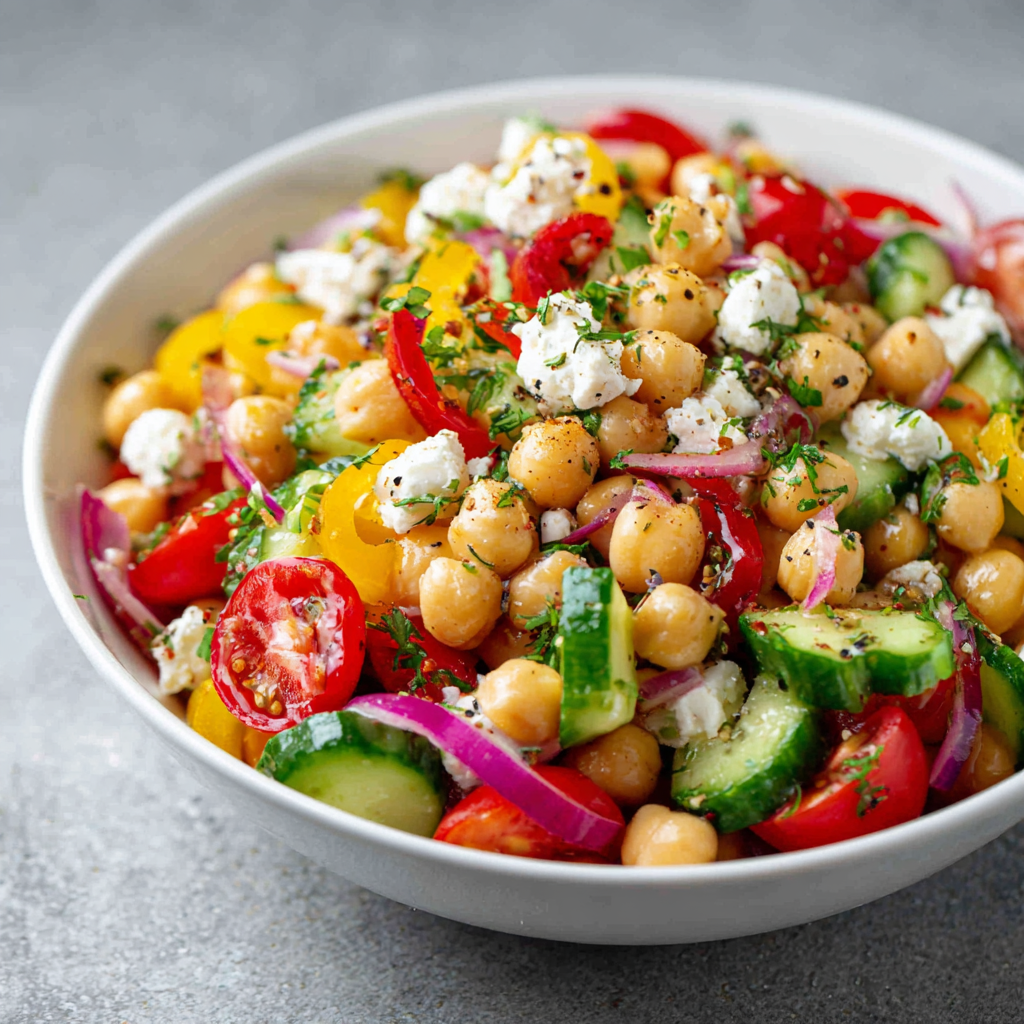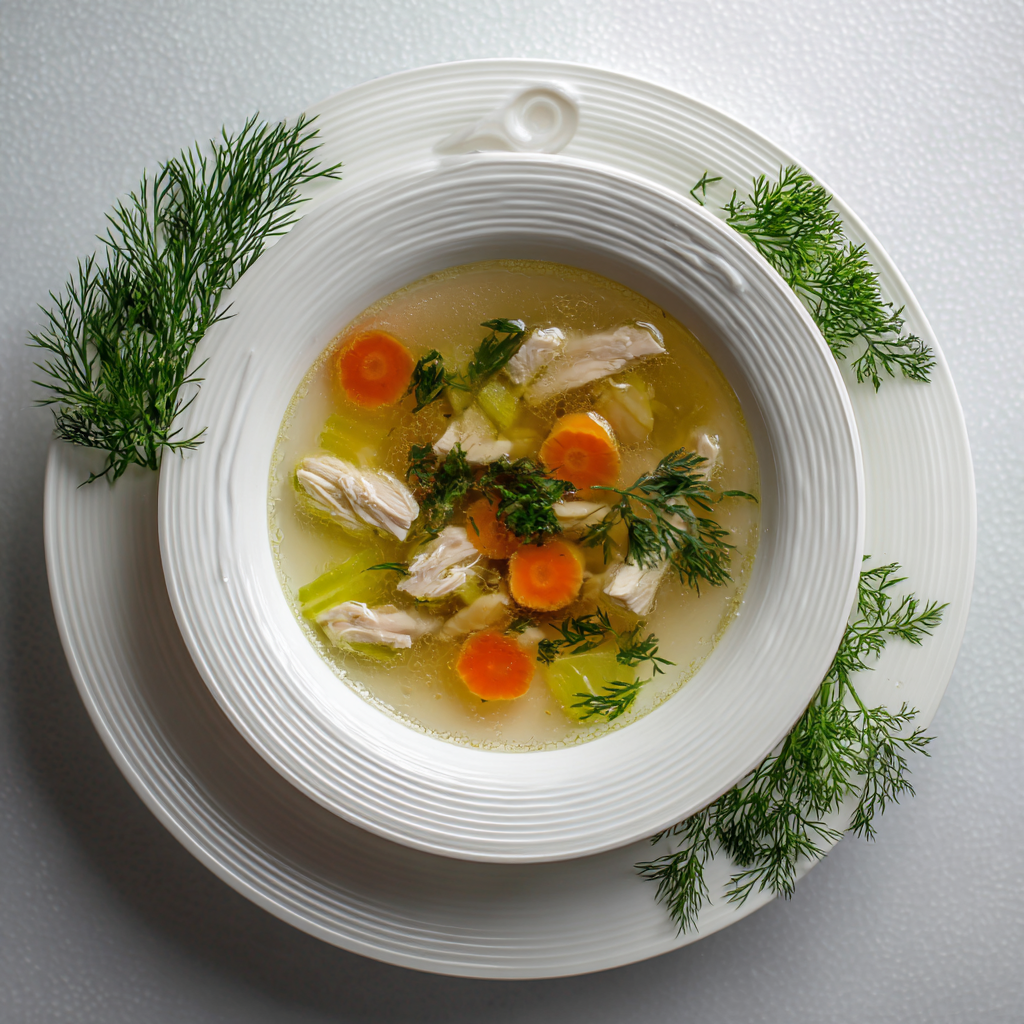
When January arrives and you’re focused on feeling lighter and healthier, nothing provides more comfort and nourishment than a steaming bowl of homemade chicken soup that’s both deeply satisfying and remarkably low in calories. This wholesome soup combines tender chicken, colorful vegetables, and aromatic herbs into a healing bowl that supports your wellness goals while warming you from the inside out. What makes this recipe truly exceptional is how it delivers rich, full-bodied flavor and genuine satisfaction despite containing minimal fat and calories that fit perfectly into any weight loss plan. The combination of lean protein, fiber-rich vegetables, and flavorful broth creates lasting fullness that keeps you satisfied for hours without the heaviness or guilt of calorie-dense comfort foods. Whether you’re recovering from holiday indulgence, fighting off winter colds, or simply craving nourishing food that makes you feel good, this soup provides everything your body needs in one comforting bowl. Best of all, it comes together easily in one pot, makes generous portions perfect for meal prep, and tastes even better the next day as the flavors continue developing and deepening throughout the week.
Ingredients
This recipe makes 8 servings.
- 1 tablespoon olive oil
- 1 large yellow onion, diced
- 3 large carrots, peeled and sliced
- 3 celery stalks, chopped
- 4 cloves garlic, minced
- 1 tablespoon fresh ginger, grated (optional)
- 8 cups low-sodium chicken broth
- 2 cups water
- 1.5 pounds boneless, skinless chicken breasts
- 2 bay leaves
- 1 teaspoon dried thyme
- 1 teaspoon dried oregano
- 1/2 teaspoon dried rosemary
- 1 teaspoon salt
- 1/2 teaspoon black pepper
- 1 medium zucchini, diced
- 1 cup green beans, trimmed and cut into 1-inch pieces
- 1 red bell pepper, diced
- 2 cups fresh spinach or kale, chopped
- 1/4 cup fresh parsley, chopped
- 2 tablespoons fresh dill, chopped (optional)
- 2 tablespoons fresh lemon juice
- Red pepper flakes (optional, for serving)
Instructions
- Heat the olive oil in a large stockpot or Dutch oven over medium heat.
- Add the diced onion, sliced carrots, and chopped celery to the pot.
- Sauté the vegetables for 6 to 8 minutes, stirring occasionally, until softened.
- Stir in the minced garlic and grated ginger if using, cooking for 1 minute until fragrant.
- Pour in the chicken broth and water, stirring to combine with the vegetables.
- Add the whole chicken breasts to the pot along with the bay leaves.
- Stir in the dried thyme, oregano, rosemary, salt, and black pepper.
- Bring the soup to a boil over high heat.
- Reduce the heat to medium-low and cover the pot partially.
- Simmer for 20 to 25 minutes until the chicken is cooked through and reaches 165°F internally.
- Remove the chicken breasts from the pot and place them on a cutting board.
- Let the chicken rest for 5 minutes, then shred or dice it into bite-sized pieces.
- Meanwhile, add the diced zucchini, green beans, and bell pepper to the simmering broth.
- Cook the vegetables for 8 to 10 minutes until tender but still slightly crisp.
- Return the shredded chicken to the pot and stir to combine.
- Add the chopped spinach or kale and cook for 2 to 3 minutes until wilted.
- Remove and discard the bay leaves.
- Stir in the fresh lemon juice, which brightens all the flavors beautifully.
- Taste and adjust seasonings, adding more salt, pepper, or lemon juice as needed.
- Remove from heat and stir in the fresh parsley and dill.
- Ladle the hot soup into bowls and serve immediately with red pepper flakes if desired.
Building Flavor Without Added Calories
Creating deeply satisfying soup with minimal calories requires understanding how to build flavor through technique rather than relying on heavy cream, butter, or excessive amounts of oil. This recipe achieves rich taste by properly sautéing aromatic vegetables, which releases their natural sugars and creates a savory foundation that enriches every spoonful. The combination of onions, carrots, and celery—known as mirepoix in French cooking—forms the flavor backbone of countless soups and provides complexity that prevents this light soup from tasting bland or watery.
Using quality low-sodium chicken broth allows you to control the final salt level while providing substantial flavor without excessive calories. Store-bought broth creates convenience, though making your own from chicken bones and vegetable scraps provides even more depth and nutrition including beneficial collagen. The minimal olive oil used for sautéing adds just enough fat to help your body absorb fat-soluble vitamins from the vegetables while contributing negligible calories to the final per-serving count.
Fresh herbs and aromatics like garlic, ginger, and lemon juice create vibrant, complex flavors that make this soup taste special rather than like diet food. These ingredients contribute virtually no calories while dramatically enhancing taste and satisfaction. The fresh lemon juice added at the end is particularly crucial—its bright acidity awakens your taste buds and makes all the other flavors more pronounced and enjoyable. This professional technique transforms good soup into great soup without adding any calories whatsoever.
Maximizing Protein and Satisfaction
Lean chicken breast provides substantial protein—approximately 25 grams per serving—that creates lasting fullness and supports muscle maintenance during weight loss. Protein requires more energy to digest than carbohydrates or fats, slightly boosting your metabolism and helping you burn more calories throughout the day. Additionally, protein-rich meals trigger satiety hormones that reduce hunger and prevent overeating at subsequent meals, making this soup an excellent choice for anyone trying to manage their weight effectively.
Cooking the chicken breasts whole in the broth infuses them with flavor while keeping them incredibly tender and juicy. This gentle poaching method prevents the dryness that often plagues boneless, skinless chicken breasts cooked through other methods. Furthermore, the chicken releases its own flavors into the broth as it cooks, creating richer, more chicken-y soup that tastes like it simmered for hours. Shredding the cooked chicken rather than dicing it creates more surface area that better absorbs the flavorful broth, ensuring every bite delivers maximum taste.
For those who prefer even more protein or want to stretch the recipe further, rotisserie chicken provides an excellent shortcut. Simply skip the raw chicken and add 3 to 4 cups of shredded rotisserie chicken during the final minutes of cooking. This approach saves time while still delivering delicious results, though the broth won’t be quite as rich as when you cook raw chicken directly in the soup. Both methods work beautifully depending on your available time and preferences.
Loading Up on Low-Calorie Vegetables
The generous variety of colorful vegetables provides volume, nutrition, and satisfaction with minimal caloric impact. Each cup of mixed vegetables in this soup contains roughly 25 to 50 calories while providing substantial amounts of fiber, vitamins, minerals, and antioxidants that support overall health. The high water and fiber content creates physical fullness that stretches your stomach and triggers satisfaction signals, helping you feel genuinely full on a reasonable portion rather than eating beyond your needs.
Different vegetables contribute unique nutritional benefits that make this soup remarkably nourishing despite its low calorie count. Carrots provide beta-carotene for eye health and immune function, celery offers anti-inflammatory compounds and electrolytes, while bell peppers supply impressive amounts of vitamin C. Meanwhile, leafy greens like spinach or kale contribute iron, calcium, and vitamin K along with compounds that support detoxification. This rainbow approach ensures comprehensive nutrition that supports your body’s needs during periods of caloric restriction.
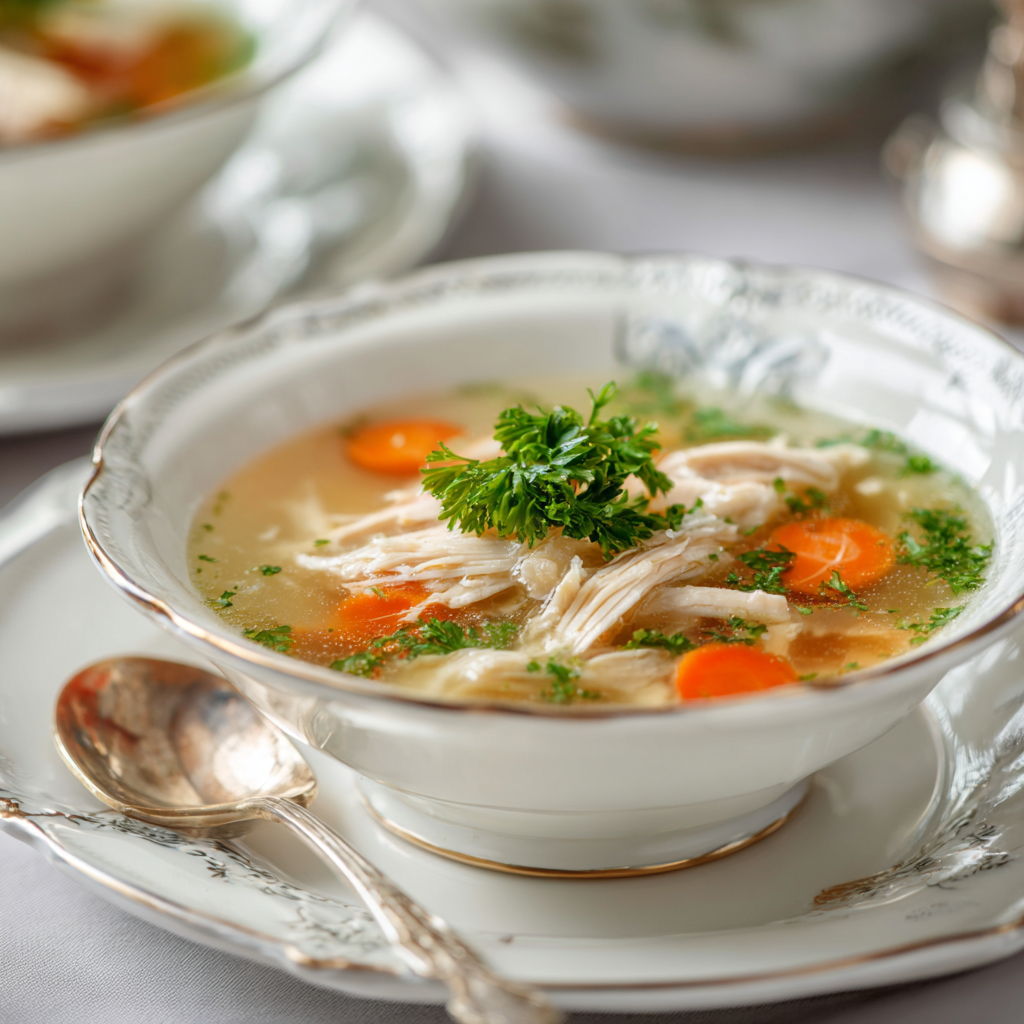
Adding vegetables in stages ensures each maintains its ideal texture in the finished soup. Hardy vegetables like carrots and celery go in early since they need more cooking time, while quicker-cooking vegetables like zucchini and bell peppers are added later to prevent mushiness. Leafy greens go in last, wilting in just minutes while maintaining their vibrant color and tender-crisp texture. This thoughtful timing creates a soup where every vegetable contributes its best texture and flavor rather than everything becoming overcooked and bland.
Creating Healing, Anti-Inflammatory Benefits
Chicken soup has earned its reputation as healing comfort food through more than just cultural tradition—science supports its benefits for immune function and recovery. The warm broth helps thin mucus and keeps you hydrated, while the steam opens nasal passages and soothes irritated throats. Additionally, the nutrients from chicken and vegetables support immune function, and the soup’s anti-inflammatory properties may help reduce cold and flu symptoms. This makes the soup valuable beyond just weight loss, providing genuine wellness benefits during winter months when illness is common.
The optional fresh ginger adds powerful anti-inflammatory and immune-boosting compounds that enhance the soup’s healing properties. Ginger also aids digestion and can help settle upset stomachs, making this soup gentle enough for those recovering from illness or digestive issues. Furthermore, the garlic contributes antimicrobial properties that support immune function, while turmeric (which you can add if desired) provides additional anti-inflammatory benefits. These functional ingredients transform simple soup into genuine wellness food.
The gelatin and collagen released from cooking chicken contribute to joint health, skin elasticity, and gut lining integrity. While using boneless chicken breasts provides less collagen than cooking with bones, some beneficial compounds still transfer into the broth. For maximum collagen content, consider adding a few chicken wings or drumsticks to the pot during cooking, then removing them before serving. This strategy boosts nutritional value without significantly impacting calorie count per serving.
Serving and Storing Tips
Serving Tips
Serve this chicken soup hot in large bowls for a satisfying meal that nourishes without weighing you down. The soup works beautifully as a complete light lunch or dinner, providing balanced nutrition from protein, vegetables, and aromatic herbs in one convenient bowl. For those wanting more substance, serve it alongside a small whole grain roll or a handful of crackers, though the soup is genuinely filling on its own thanks to the generous portions of chicken and vegetables.
For elegant presentation, garnish each bowl with extra fresh herbs, a crack of black pepper, and perhaps a thin lemon slice floating on top. These simple touches make the soup feel special rather than like diet food, which significantly impacts psychological satisfaction and enjoyment. Additionally, having red pepper flakes or hot sauce available allows each person to customize their heat level, creating more interesting flavor profiles that prevent meal prep boredom throughout the week.
This soup pairs wonderfully with simple side salads that add crunch and freshness without excessive calories. A crisp green salad with lemon vinaigrette, cucumber salad, or fresh vegetable crudités all complement the soup’s warm, comforting nature. For beverages, water with fresh lemon, herbal tea, or sparkling water keeps the meal light and refreshing while supporting hydration goals that often get neglected during busy days.
Storage Tips
Store leftover soup in airtight containers in the refrigerator for up to 5 days, where it actually improves as flavors continue melding together. The vegetables continue absorbing the seasoned broth, creating even more delicious results the next day. This characteristic makes chicken soup ideal for meal prep—cook once and enjoy healthy lunches or dinners throughout your busy week without additional cooking beyond simple reheating.
When reheating refrigerated soup, warm it gently on the stovetop over medium heat, stirring occasionally until heated through. Alternatively, microwave individual portions in 2-minute intervals, stirring between each burst. Add a splash of broth or water if the soup has thickened during storage, then adjust seasonings with fresh lemon juice, herbs, or salt to refresh the flavors and make leftovers taste nearly as good as freshly made.
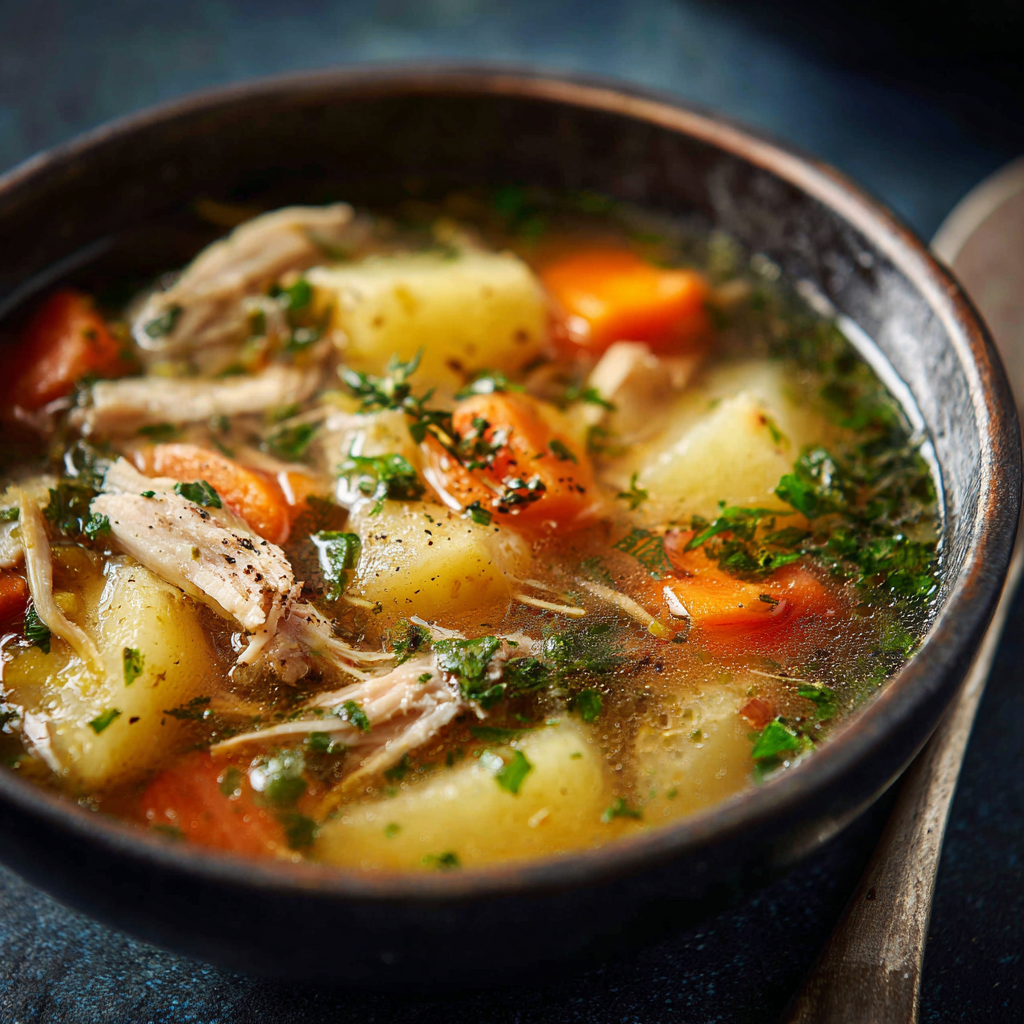
Freezing this chicken soup works exceptionally well for longer storage up to 4 months. Cool the soup completely before transferring it to freezer-safe containers, leaving about an inch of headspace to allow for expansion. For maximum convenience, portion the soup into individual servings before freezing, which allows you to thaw only what you need. Thaw frozen soup overnight in the refrigerator, then reheat as you would fresh leftovers for healthy meals that taste homemade whenever you need them.
Helpful Notes
Making larger batches of this soup requires minimal additional effort and provides ready-made healthy meals for weeks. Simply double the recipe using your largest stockpot, then portion the cooled soup into containers for easy meal prep. Having individual portions of healthy, low-calorie soup in your freezer removes excuses and makes sticking with wellness goals significantly easier even during your most challenging, busiest weeks.
For those following specific dietary requirements, this soup adapts easily to various protocols without losing its appeal. The recipe is already naturally low in fat and carbohydrates while being gluten-free and dairy-free. Make it Whole30-compliant by ensuring your broth contains no added sugars, or increase vegetables and reduce chicken for lower-protein options if needed. This flexibility makes the soup accessible to virtually everyone regardless of their specific eating plan.
Customizing vegetables based on what you have available or what’s on sale makes this recipe remarkably economical. Cauliflower, broccoli, mushrooms, cabbage, or additional leafy greens all work beautifully as additions or substitutions. However, maintain similar total vegetable quantities to preserve the ideal soup consistency. Too many vegetables makes it more like vegetable stew with some chicken, while too few creates thin, unsatisfying broth that won’t keep you full.
Common mistakes that create disappointing chicken soup include overcooking the chicken, under-seasoning the broth, or skipping the finishing lemon juice. Cook chicken just until it reaches 165°F to prevent dry, stringy texture. Taste and adjust seasonings before serving—remember that you can always add more salt but can never remove it once added. Never skip that bright hit of acidity at the end, which transforms the entire pot from good to exceptional.
Chef Tips
Professional chefs know that slightly under-seasoning the soup initially and adjusting at the end creates better results than trying to season perfectly from the start. As the soup simmers, flavors concentrate and develop, making early seasoning potentially too strong by the time you’re ready to serve. Instead, add conservative amounts of salt and herbs initially, then taste and adjust just before serving when you can accurately assess the final flavor profile.
Another expert technique involves reserving some fresh vegetables to add during the final minutes of cooking rather than adding everything at once. This creates textural variety with some vegetables that are soft and integrated into the broth and others that remain slightly crisp and fresh-tasting. This simple adjustment prevents monotonous texture and makes each spoonful more interesting and satisfying throughout the entire bowl.
Frequently Asked Questions
How many calories are in each serving?
Approximately 150 to 180 calories per generous serving, providing 25g protein, 15g carbs, and 2g fat for excellent satiety with minimal calories.
Can I use chicken thighs instead of breasts?
Yes, though they contain more calories and fat; remove skin and trim visible fat, then cook the same way for richer flavor.
How can I make this soup even more filling?
Add white beans, chickpeas, or a small amount of quinoa for additional fiber and substance without dramatically increasing calories.
Why does my soup taste bland?
You likely need more salt and lemon juice—low-calorie soups need proper seasoning to taste vibrant; also ensure you’re using quality broth.
Can I make this in a slow cooker?
Absolutely, sauté aromatics first, then transfer everything except delicate vegetables to a slow cooker and cook on low for 6 to 8 hours; add quick-cooking vegetables during the last 30 minutes.
Supporting Your Wellness Journey
Starting the new year with nourishing, low-calorie meals that genuinely satisfy makes achieving your health goals feel achievable rather than overwhelming. This chicken soup proves that eating for weight loss doesn’t mean suffering through tasteless, unsatisfying meals that leave you hungry and miserable. When you prepare a large pot of this flavorful, comforting soup, you’re creating a tool that supports your intentions while still providing genuine enjoyment and nourishment.
The practical advantages of this soup extend well beyond its impressive nutrition to include remarkable convenience and affordability. Using simple, inexpensive ingredients that are available year-round means you can make this soup anytime without breaking your budget or hunting for exotic items. Furthermore, the one-pot preparation minimizes cleanup, and the generous yield provides multiple meals from a single cooking session, making healthy eating accessible even during your most hectic weeks.
Did this New Year Low Calorie Chicken Soup become your secret weapon for staying on track with your wellness goals? If you loved how satisfying it was despite being so low in calories, how the flavors kept you coming back for more, and how it made healthy eating feel effortless, we’d be thrilled if you could save this recipe for weekly meal prep, pin it to your healthy eating Pinterest board, or share it with friends working toward their goals. Your support and enthusiasm inspire us to continue creating and sharing recipes that make weight loss delicious and sustainable for everyone. Tell us in the comments how this soup supported your journey and what vegetables you added—we love hearing about your wellness victories!