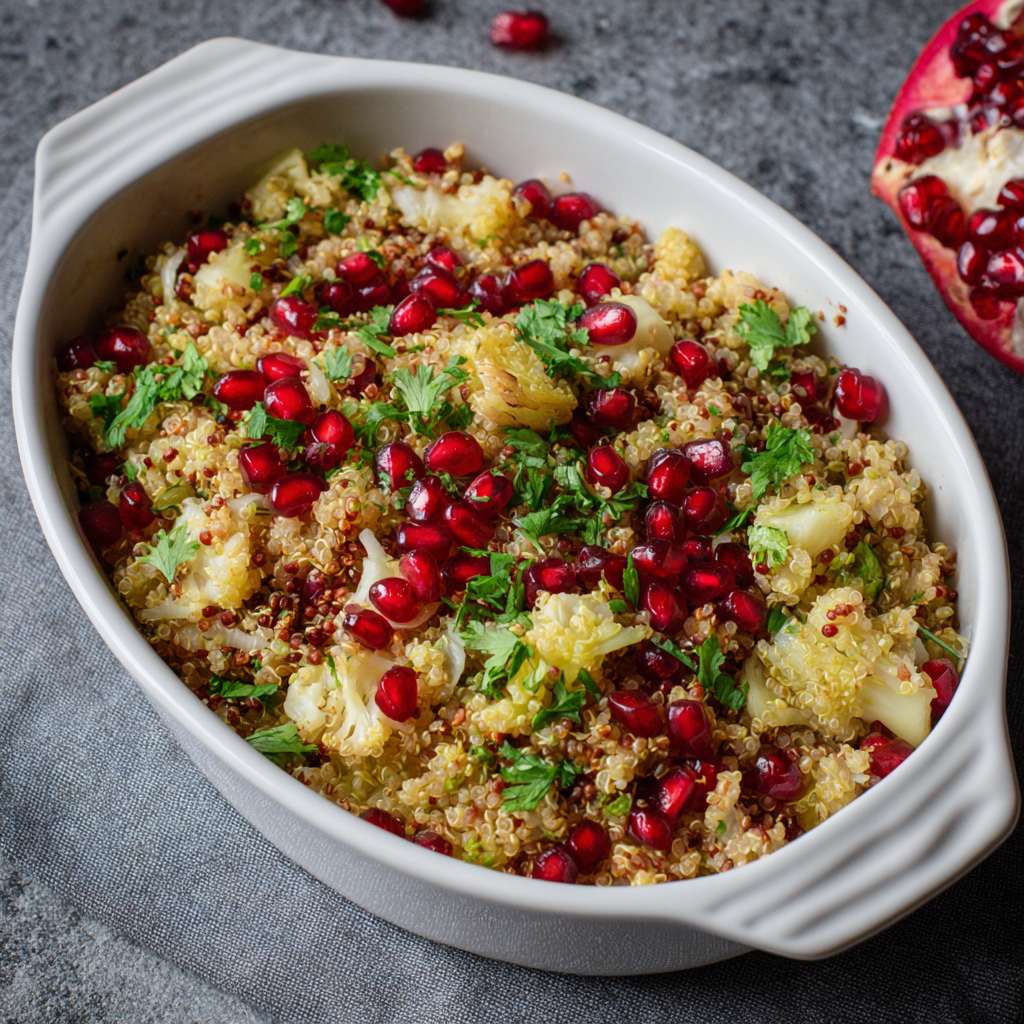
When January arrives and you’re craving something fresh, vibrant, and energizing, this quinoa salad delivers crisp vegetables, protein-packed grains, and bright flavors that make healthy eating feel like a celebration rather than a sacrifice. Fluffy quinoa forms the foundation for a rainbow of colorful vegetables and a zesty lemon dressing that awakens your taste buds and leaves you feeling nourished from the inside out. What makes this salad truly special is how it satisfies completely despite being plant-based and naturally light, proving that nutritious meals can be genuinely filling and crave-worthy without relying on heavy ingredients or rich sauces. The combination of complex carbohydrates, plant protein, fiber-rich vegetables, and healthy fats creates lasting fullness that sustains you for hours while supporting your wellness goals. Whether you’re meal prepping for busy workweeks, looking for a potluck contribution that accommodates various dietary needs, or simply want a refreshing dish that makes you feel amazing, this quinoa salad checks every box while tasting absolutely delicious.
Ingredients
This recipe makes 6 servings.
- 1 cup uncooked quinoa (white, red, or tri-color)
- 2 cups water or vegetable broth
- 1/4 teaspoon salt
- 1 English cucumber, diced
- 1 pint cherry tomatoes, halved
- 1 red bell pepper, diced
- 1 yellow bell pepper, diced
- 1/2 red onion, finely diced
- 1 can (15 ounces) chickpeas, drained and rinsed
- 1/2 cup Kalamata olives, pitted and halved
- 1/2 cup fresh parsley, chopped
- 1/4 cup fresh mint, chopped
- 1/3 cup crumbled feta cheese (optional)
- 1/4 cup olive oil
- 3 tablespoons fresh lemon juice (about 1.5 lemons)
- 1 tablespoon red wine vinegar
- 2 cloves garlic, minced
- 1 teaspoon Dijon mustard
- 1 teaspoon honey or maple syrup
- 1/2 teaspoon dried oregano
- 1/2 teaspoon ground cumin
- 1/4 teaspoon salt
- 1/4 teaspoon black pepper
- 1/4 cup toasted sunflower seeds or slivered almonds
Instructions
- Rinse the quinoa thoroughly in a fine-mesh strainer under cold running water for 30 seconds to remove the bitter coating called saponin.
- Combine the rinsed quinoa, water or broth, and 1/4 teaspoon salt in a medium saucepan over high heat.
- Bring the mixture to a boil, then immediately reduce the heat to low and cover the pan with a tight-fitting lid.
- Simmer the quinoa gently for 15 minutes without lifting the lid or stirring, allowing it to absorb the liquid completely.
- Remove the saucepan from heat and let it sit covered for 5 minutes, which allows the quinoa to steam and become perfectly fluffy.
- Fluff the cooked quinoa with a fork to separate the grains, then spread it on a large baking sheet to cool to room temperature.
- While the quinoa cools, prepare all your vegetables by dicing the cucumber, halving the tomatoes, and chopping the bell peppers into uniform pieces.
- Finely dice the red onion and soak the pieces in cold water for 5 minutes to mellow the sharp bite, then drain well.
- Drain and rinse the chickpeas thoroughly under cold water, shaking off excess moisture before adding them to your mixing bowl.
- Prepare the dressing by whisking together the olive oil, lemon juice, red wine vinegar, minced garlic, Dijon mustard, and honey in a small bowl.
- Add the oregano, cumin, salt, and black pepper to the dressing, whisking until completely emulsified and smooth.
- Transfer the cooled quinoa to a large mixing bowl, breaking up any clumps that may have formed.
- Add the cucumber, tomatoes, bell peppers, drained red onion, chickpeas, olives, parsley, and mint to the quinoa.
- Pour the dressing over the salad ingredients and toss everything together gently but thoroughly using large spoons or your hands.
- Add the crumbled feta cheese if using and fold it in gently to distribute evenly without breaking it up too much.
- Taste the salad and adjust seasonings with additional salt, pepper, or lemon juice as needed to achieve perfect balance.
- Cover the bowl and refrigerate for at least 30 minutes to allow flavors to meld and develop, though it can be served immediately if needed.
- Just before serving, sprinkle the toasted sunflower seeds or almonds over the top for added crunch and visual appeal.
Understanding Quinoa’s Nutritional Power
Quinoa stands out among grains as a complete protein containing all nine essential amino acids your body cannot produce on its own. This rare quality among plant foods makes quinoa particularly valuable for vegetarians, vegans, or anyone looking to diversify their protein sources beyond animal products. With approximately 8 grams of protein per cooked cup, quinoa contributes significantly to the protein content of this salad while providing sustained energy that keeps you full and focused.
Beyond protein, quinoa delivers impressive amounts of fiber—about 5 grams per cup—that supports digestive health and helps stabilize blood sugar levels. This fiber content creates physical fullness and slows digestion, preventing the rapid blood sugar spikes and crashes associated with refined grains. Additionally, the combination of protein and fiber makes this salad remarkably satiating despite being relatively low in calories, supporting weight management goals without leaving you hungry or unsatisfied.
The vitamin and mineral profile of quinoa includes significant amounts of magnesium, iron, zinc, and B vitamins that support energy production, immune function, and overall wellness. Magnesium in particular plays crucial roles in hundreds of bodily processes including muscle function, nervous system regulation, and blood pressure control. Consequently, incorporating quinoa into your regular rotation provides wide-ranging nutritional benefits that extend far beyond basic macronutrients.
Cooking Perfect Fluffy Quinoa
Rinsing quinoa before cooking removes the naturally occurring saponins that create bitter, soapy flavors if left on the grains. While many brands now sell pre-rinsed quinoa, taking 30 seconds to rinse it yourself ensures the best possible flavor and prevents any unpleasant aftertaste. This simple step dramatically improves the final result and makes the difference between quinoa you tolerate and quinoa you genuinely enjoy.
Using the proper water-to-quinoa ratio of 2:1 ensures perfectly cooked grains that are tender yet maintain pleasant texture rather than becoming mushy or remaining crunchy. Cooking in vegetable broth instead of water adds subtle savory depth that makes the quinoa more flavorful on its own, though plain water works perfectly fine if that’s what you have available. Either way, the quinoa absorbs the liquid completely, creating fluffy, separated grains ideal for salads.
Allowing the quinoa to rest off the heat with the lid on completes the cooking process through residual steam, ensuring every grain finishes cooking evenly. Skipping this resting period often results in slightly undercooked quinoa with a chalky center that detracts from the salad’s overall texture. Furthermore, spreading the cooked quinoa on a baking sheet to cool prevents it from continuing to steam in the pot, which can make it mushy and clumpy rather than light and fluffy.
Building Layers of Fresh Flavor
The combination of crisp, raw vegetables creates textural variety and fresh flavors that keep every bite interesting and satisfying. English cucumbers work particularly well because they contain fewer seeds and less water than regular cucumbers, preventing the salad from becoming watery as it sits. Similarly, cherry tomatoes provide concentrated sweet-tart flavor and maintain their integrity better than large tomatoes that might release too much juice.
Bell peppers contribute satisfying crunch along with impressive amounts of vitamin C—more than citrus fruits in many cases—while adding vibrant color that makes the salad visually stunning. Using multiple colors of bell peppers creates visual appeal and provides slightly different flavor profiles, with red peppers being sweetest and yellow offering mild, sunny flavor. This rainbow approach makes the salad more attractive and appetizing, which significantly impacts psychological satisfaction and enjoyment.
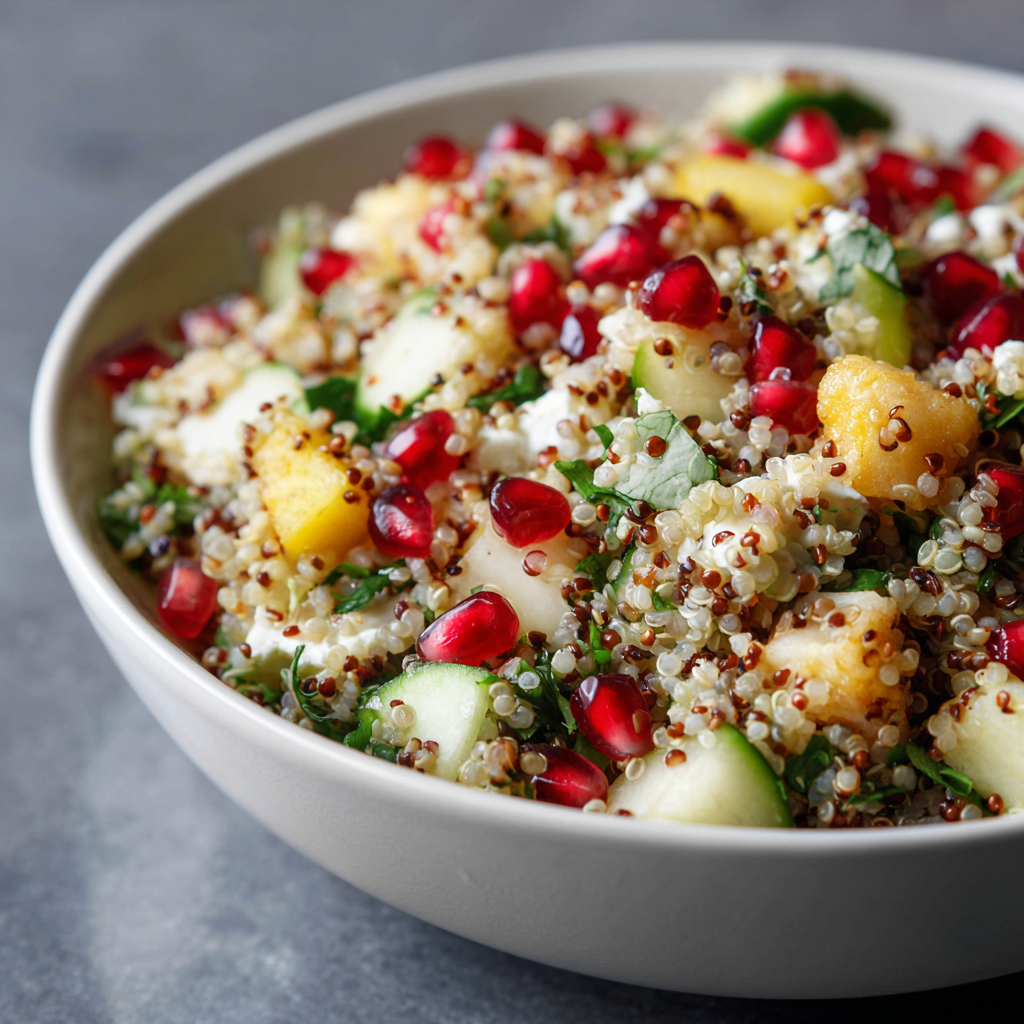
Fresh herbs elevate this salad from good to exceptional with bright, aromatic flavors that dried herbs simply cannot provide. Parsley contributes fresh, slightly peppery notes while mint adds cooling brightness that perfectly complements the tangy lemon dressing. Using generous amounts of fresh herbs transforms the salad into something that tastes restaurant-quality rather than like standard meal prep, making healthy eating feel special and enjoyable rather than repetitive or boring.
Creating the Perfect Tangy Dressing
A well-balanced dressing brings all the salad components together while adding moisture and flavor that makes every ingredient taste better. The combination of lemon juice and red wine vinegar provides bright acidity that cuts through the richness of olive oil and feta while enhancing all the other flavors. This tangy base prevents the salad from tasting heavy or one-dimensional despite the substantial quinoa and chickpeas.
Adding Dijon mustard serves dual purposes—it contributes tangy depth while acting as an emulsifier that helps the oil and vinegar combine into a smooth, cohesive dressing. Without the mustard, the dressing would separate quickly, requiring constant re-mixing before each serving. The small amount of honey balances the acidity and rounds out the flavors without making the dressing taste sweet, creating harmony among all the components.
Whisking the dressing ingredients together thoroughly before adding them to the salad ensures even distribution of flavors throughout every bite. Some people prefer making dressing in a jar with a tight lid, shaking vigorously to emulsify, which works equally well and saves washing a whisk. Either method creates a dressing that clings to the quinoa and vegetables rather than pooling at the bottom of the bowl, ensuring consistent flavor in every serving.
Incorporating Protein and Healthy Fats
Chickpeas add plant-based protein and fiber that boost the salad’s satiety factor while contributing creamy texture and mild, nutty flavor. With approximately 7 grams of protein and 6 grams of fiber per half-cup serving, chickpeas transform this side salad into a complete meal that provides lasting energy. Additionally, chickpeas contain resistant starch that feeds beneficial gut bacteria, supporting digestive health and potentially improving metabolic function.
The optional feta cheese adds tangy, salty richness along with additional protein and calcium, though the salad remains delicious and satisfying without it for those avoiding dairy. Using crumbled feta rather than cubed ensures every bite gets a little cheese rather than some bites having too much and others having none. For vegan versions, nutritional yeast provides similar umami savoriness and creates a cheese-like flavor that many people find surprisingly satisfying.
Olive oil in the dressing provides heart-healthy monounsaturated fats that help your body absorb fat-soluble vitamins from the vegetables while contributing to satiety. Furthermore, topping the salad with toasted nuts or seeds adds pleasant crunch along with additional healthy fats, protein, and minerals like magnesium and zinc. These crunchy elements create textural contrast that makes the salad more interesting and enjoyable, preventing the monotony that can make healthy eating feel tedious.
Mastering Make-Ahead Convenience
This quinoa salad actually improves after sitting for several hours or overnight as the quinoa absorbs the dressing and the flavors meld together beautifully. Unlike delicate green salads that wilt quickly, this hearty grain salad maintains excellent texture for several days, making it ideal for meal prep and busy schedules. Preparing a large batch on Sunday provides healthy lunches throughout the week with zero additional cooking required beyond simple portioning.
Storing the salad properly ensures maximum freshness and food safety throughout the week. Keep it in an airtight container in the refrigerator where it stays fresh for up to 5 days, though it’s usually eaten long before then. If planning to store the salad longer than 2 days, consider keeping the dressing separate and adding it to individual portions as needed, which prevents the vegetables from becoming too soft or the quinoa from absorbing all the moisture.
For optimal presentation and texture, add the crunchy toppings like nuts or seeds just before serving rather than mixing them in ahead of time. This preserves their satisfying crunch and prevents them from becoming soft and losing their textural contribution. Similarly, if using tender greens like spinach or arugula in your variation, add them to individual portions rather than the entire batch to prevent wilting and maintain maximum freshness.
Serving and Storing Tips
Serving Tips
Serve this quinoa salad chilled or at room temperature depending on your preference and the weather. During summer months, the cold salad feels refreshing and cooling, while at room temperature it has slightly more pronounced flavors that some people prefer. For best results, remove the salad from the refrigerator 15 to 20 minutes before serving to take the chill off and allow the flavors to brighten.
This versatile salad works beautifully as a complete light lunch, a substantial side dish for grilled proteins, or a base for Buddha bowls topped with additional vegetables and your favorite sauce. Layer it with roasted sweet potatoes, avocado slices, and tahini dressing for a satisfying bowl that covers all your nutritional bases. Alternatively, stuff it into whole wheat pitas with hummus and lettuce for portable lunches that travel well to work or school.
For entertaining, serve the quinoa salad on a large platter garnished with lemon wedges, extra fresh herbs, and a drizzle of olive oil for an impressive presentation. This dish accommodates various dietary needs including vegetarian, vegan (without feta), gluten-free, and dairy-free options, making it perfect for potlucks where guests may have different requirements. The colorful appearance and fresh flavors appeal to even those who don’t typically enjoy healthy food, making it a crowd-pleaser at any gathering.
Storage Tips
Store leftover quinoa salad in airtight containers in the refrigerator where it maintains excellent quality for up to 5 days. The salad actually tastes better on days two and three as the flavors continue developing and the quinoa absorbs more of the tangy dressing. However, the vegetables may soften slightly over time, so it’s best enjoyed within the first few days if you prefer maximum crunch.
When meal prepping, divide the salad into individual portions in glass containers for grab-and-go convenience throughout your busy week. This approach saves time during hectic mornings and ensures you have healthy options readily available when hunger strikes and convenience foods might otherwise tempt you. Furthermore, portioned servings help with portion control and make tracking your nutrition easier if you’re following a specific eating plan.
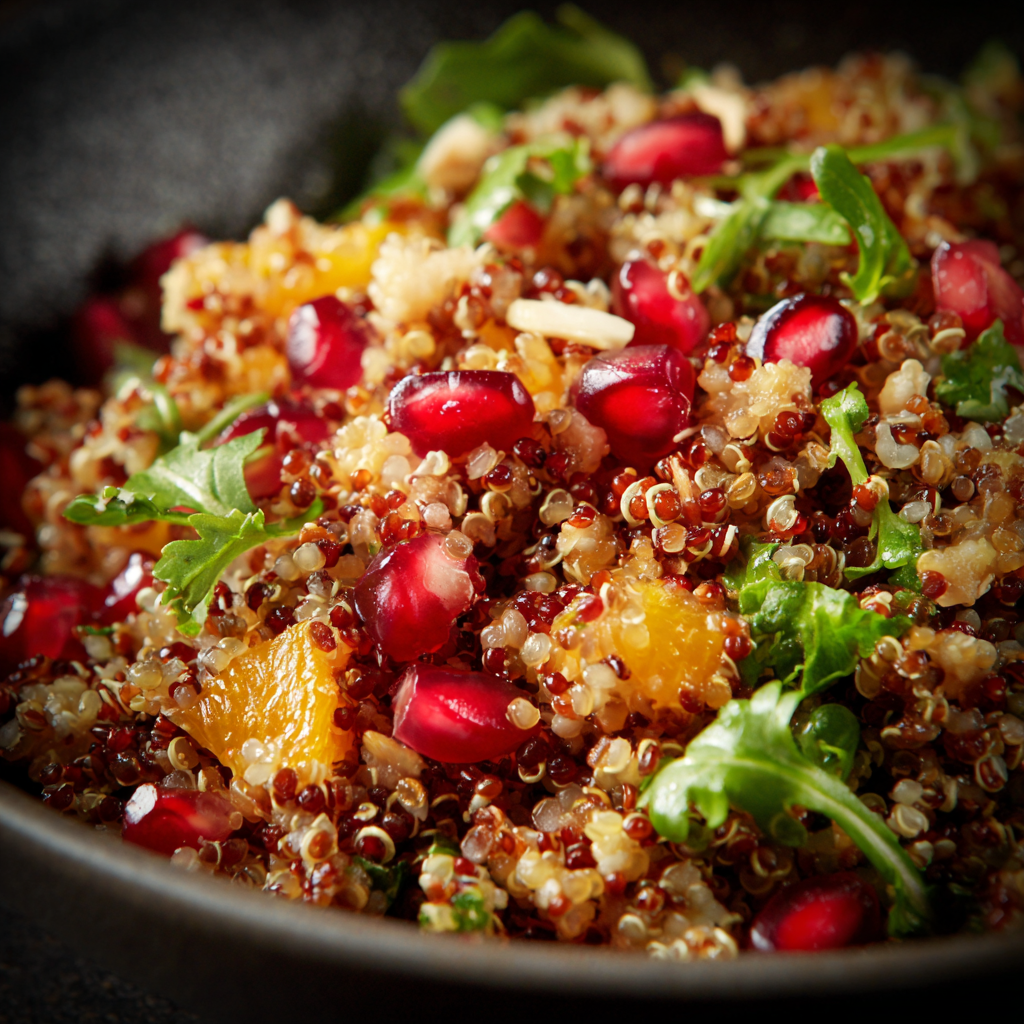
Freezing quinoa salad is not recommended because the vegetables become mushy and unpleasant when thawed, completely compromising the appealing texture. However, you can freeze cooked, plain quinoa for up to 3 months and make fresh salad as needed by thawing the quinoa and adding fresh vegetables and dressing. This approach provides some convenience while maintaining the quality that makes this salad so enjoyable and satisfying.
Helpful Notes
Experimenting with different quinoa colors creates visual interest and subtle flavor variations. White quinoa has the mildest, fluffiest texture and cooks fastest, while red quinoa maintains a slightly firmer bite and earthier flavor. Black quinoa offers the most robust, crunchy texture and takes a few extra minutes to cook. Tri-color quinoa blends all three varieties for beautiful presentation and complex texture.
For additional protein and Mediterranean flair, add diced grilled chicken, seared shrimp, or flaked canned tuna to transform this side salad into a complete meal. These additions boost protein content significantly while maintaining the fresh, bright character that makes the salad so appealing. Alternatively, hard-boiled eggs provide budget-friendly protein that many people find satisfying and filling.
Customizing vegetables based on seasonal availability and personal preferences keeps this recipe interesting and prevents boredom. Roasted beets, steamed broccoli, shredded carrots, diced avocado, or blanched green beans all work beautifully as additions or substitutions. However, maintain the balance between quinoa and vegetables to preserve the proper consistency—too many vegetables makes it watery, while too much quinoa creates a dry, starchy salad.
Common mistakes include not cooling the quinoa completely before assembling, which wilts the fresh vegetables and herbs, or adding the dressing too far in advance, which can make the salad soggy. Additionally, under-seasoning creates bland results that taste diet-like rather than delicious, so always taste and adjust before serving, adding extra lemon juice, salt, or herbs until the flavors pop.
Chef Tips
Professional chefs often toast quinoa in the dry saucepan for 2 to 3 minutes before adding liquid, which enhances its nutty flavor and creates more complex taste. This extra step takes minimal time but noticeably improves the final result, making the quinoa taste richer and more interesting even before adding vegetables and dressing.
Another expert technique involves massaging the chopped parsley and mint with a pinch of salt before adding them to the salad, which tenderizes the herbs and releases their aromatic oils. This simple step intensifies herb flavors and ensures they distribute more evenly throughout the salad rather than clumping together in certain areas.
Frequently Asked Questions
Can I use a different grain instead of quinoa? Yes, farro, bulgur wheat, brown rice, or couscous all work beautifully with similar cooking times; adjust liquid ratios according to specific grain instructions.
How do I make this salad more filling? Add more chickpeas, white beans, grilled chicken, or hard-boiled eggs for extra protein, or serve over mixed greens for additional volume.
Can I make this nut-free for allergies? Absolutely, substitute pumpkin seeds or omit the nuts entirely; the salad remains delicious and satisfying without any nut toppings.
Why is my quinoa mushy instead of fluffy? You likely used too much liquid or didn’t let it rest after cooking; use exactly 2 cups liquid per 1 cup quinoa and let it steam off heat.
Is this salad gluten-free? Yes, quinoa is naturally gluten-free, making this salad suitable for those with celiac disease or gluten sensitivity when prepared carefully.
Embracing Nutritious, Plant-Forward Eating
Starting your year with vibrant, plant-based meals like this quinoa salad reinforces your commitment to nourishing your body with nutrient-dense whole foods. This colorful dish proves that healthy eating doesn’t require deprivation or bland, boring meals that leave you counting down until your next indulgence. When you prepare foods with care, proper seasoning, and quality ingredients, nutritious meals become genuinely desirable rather than something you force yourself to eat out of obligation.
The practical advantages of mastering versatile grain salads extend far beyond this specific recipe to include countless variations and applications. Once you understand the basic formula—cooked grain plus raw vegetables plus flavorful dressing—you can create infinite combinations based on seasonal produce, personal preferences, and what’s already in your refrigerator. This flexibility prevents food waste while building confidence in your ability to create delicious, healthy meals without strict recipe adherence.
As you incorporate this quinoa salad into your regular rotation, you’ll discover how satisfying plant-forward eating becomes when done with intention and creativity. The combination of protein, fiber, healthy fats, and fresh vegetables creates complete nutrition that supports energy, mental clarity, and overall wellness. Many people find that properly prepared grain salads become preferred lunches that they actively look forward to rather than sacrifices made in pursuit of health goals.
The simple act of choosing whole, minimally processed ingredients creates a foundation for sustainable wellness that naturally extends throughout your entire eating pattern. Each nourishing bowl reinforces positive habits and proves that supporting your health enhances rather than diminishes your quality of life. These accumulated choices transform temporary resolutions into lasting lifestyle changes that support vitality, longevity, and genuine enjoyment of food without restriction, guilt, or the constant mental battle between what you want and what you think you should eat.
Did this New Year Quinoa Salad become your favorite meal prep solution? If you loved how the bright flavors made healthy eating exciting, how the combination of ingredients kept you satisfied for hours, and how versatile it proved throughout your busy week, we’d be absolutely thrilled if you could save this recipe for regular rotation, pin it to your meal prep or healthy lunch board, or share it with friends who want to start eating better without sacrificing flavor or satisfaction. Your support and enthusiasm mean the world to us and inspire us to keep creating and sharing recipes that make nutritious eating accessible, delicious, and completely crave-worthy for everyone. Tell us in the comments which add-ins you tried and how you customized this salad to fit your preferences—we love hearing about your creative variations and wellness journey successes!