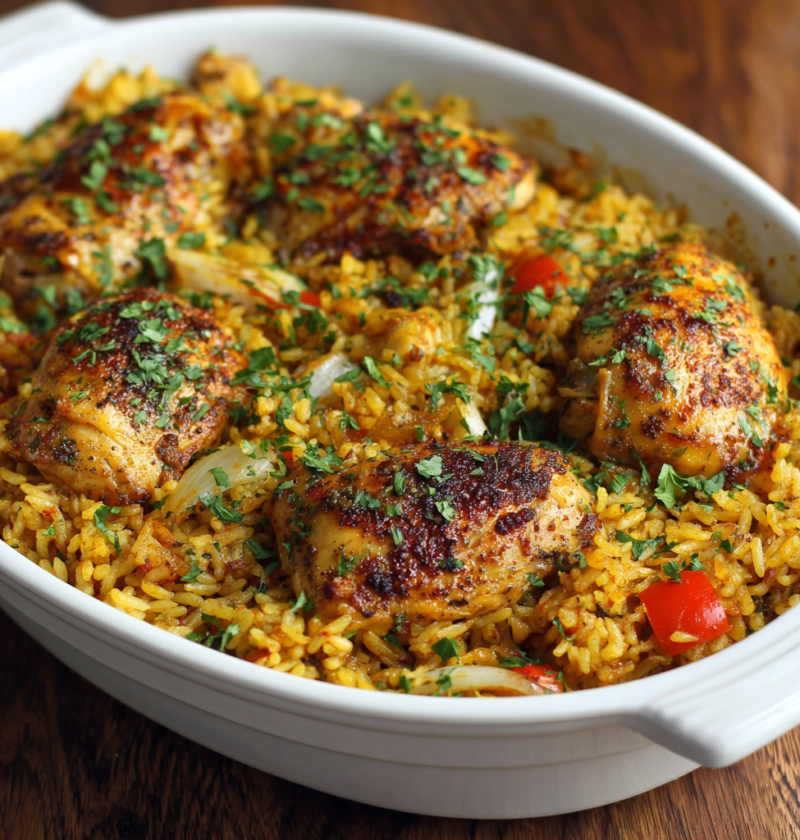
There’s nothing quite like the convenience and satisfaction of pulling a single pot from the stovetop knowing that dinner is complete, delicious, and requires virtually no cleanup afterward. First time I made this one pot chicken and rice, I was amazed at how the rice absorbed all the savory flavors from the chicken and broth, creating something that tasted like it had been simmering for hours when really it took less than thirty minutes from start to finish. The beauty of this dish lies in its incredible efficiency: everything cooks together in one pot, flavors meld beautifully, and you’re left with maximum taste and minimum dishes to wash. Additionally, this recipe proves that weeknight dinner solutions don’t need to be complicated, boring, or repetitive; a few quality ingredients and proper technique transform humble chicken and rice into something genuinely crave-worthy and deeply satisfying. Whether you’re feeding a hungry family, meal prepping for busy weeks ahead, cooking for yourself on a hectic evening, or simply looking for a reliable recipe that delivers consistent results every single time, this one pot chicken and rice serves up comfort, convenience, and delicious results that remind you exactly why one-pot meals have become beloved staples in kitchens everywhere.
Ingredients
This recipe makes 4 to 6 servings.
• 4 boneless, skinless chicken breasts (about 6-8 ounces each) or 1.5 pounds chicken thighs • 2 tablespoons unsalted butter • 2 tablespoons olive oil • 1 medium yellow onion, diced • 3 cloves fresh garlic, minced • 2 medium carrots, peeled and diced • 1.5 cups long-grain white rice • 3 cups chicken broth • 1 cup frozen peas • 1 teaspoon kosher salt • 1/2 teaspoon black pepper • 1 teaspoon garlic powder • 1/2 teaspoon onion powder • 1/2 teaspoon dried thyme • 1/4 teaspoon paprika • 1/4 teaspoon turmeric (optional, for color and subtle flavor) • 2 bay leaves • 1 tablespoon fresh lemon juice • 1/2 cup diced bell peppers (red, yellow, or orange) • 1/4 cup diced celery • 3 tablespoons fresh parsley, finely chopped • 2 tablespoons fresh chives, finely chopped (optional) • Zest of 1 lemon
Step-by-Step Instructions
Preparing Your Ingredients
- Pat the chicken breasts or thighs completely dry using paper towels, ensuring every surface is moisture-free for optimal browning.
- Cut each chicken breast into bite-sized pieces or leave thighs whole, depending on your preference for chunk size in the finished dish.
- In a small bowl, combine the kosher salt, black pepper, garlic powder, onion powder, dried thyme, paprika, and turmeric.
- Season the chicken pieces generously with the spice mixture, distributing it evenly across all surfaces.
- Dice all your vegetables into uniform, bite-sized pieces so they cook evenly throughout the cooking process.
Building Flavor Through Browning
- Heat the butter and olive oil in a large pot or Dutch oven over medium-high heat until the butter foams and just starts to brown slightly.
- Add the seasoned chicken pieces to the hot pot, working in batches if necessary to avoid overcrowding and steaming rather than browning.
- Cook the chicken for 3-4 minutes on the first side without moving it around, allowing it to develop a light golden color.
- Flip the chicken and cook for another 3-4 minutes until mostly cooked through—it doesn’t need to be completely done at this stage.
- Transfer the browned chicken to a plate using a slotted spoon, leaving the flavorful drippings in the pot.
Building the Aromatic Base
- Add the diced onion to the same pot and sauté for about 3-4 minutes, stirring occasionally until it becomes soft and translucent.
- Stir in the minced garlic and cook for approximately 1 minute until fragrant and golden, being careful not to burn it.
- Add the diced carrots, bell peppers, and celery, stirring gently to combine with the aromatic base.
- Cook the vegetables for 3-4 minutes, stirring occasionally, allowing them to release their moisture and begin to soften slightly.
- Sprinkle the remaining spice mixture evenly over the vegetables and stir thoroughly to coat everything with seasoning.
Adding the Rice and Liquid
- Add the dry rice to the pot, stirring constantly to coat each grain with the butter and oil mixture.
- Toast the rice for about 2 minutes, stirring frequently, which helps develop deeper, nutty flavor and prevents the rice from becoming mushy.
- Pour in the chicken broth gradually while stirring constantly to prevent lumps from forming in the rice.
- Add the bay leaves to the mixture, stirring to distribute them evenly throughout the pot.
- Taste the liquid and adjust seasonings with additional salt and pepper as needed, remembering that flavors will concentrate as rice cooks.
- Stir in the fresh lemon juice, which brightens the overall flavor and prevents the dish from tasting one-dimensional.
Bringing Everything Together
- Return the cooked chicken pieces to the pot, stirring gently to distribute them evenly throughout the rice and vegetables.
- Bring the entire mixture to a boil over medium-high heat, then immediately reduce the heat to low.
- Cover the pot tightly with a lid, ensuring no steam escapes from the sides or around the edges.
- Simmer the chicken and rice undisturbed for 18-20 minutes until the rice has absorbed most of the liquid and is tender.
- After 18 minutes, carefully lift the lid and test a few rice grains—they should be tender but still have slight texture rather than being mushy.
Final Steps and Finishing Touches
- Fold in the frozen peas gently using a wooden spoon or rice paddle, which will warm through during the residual heat.
- Let the pot rest off the heat for 3-4 minutes, covered, allowing the rice to fully absorb any remaining liquid and flavors to meld.
- Remove and discard the bay leaves from the pot.
- Fluff the rice gently using a fork, separating the grains and allowing steam to escape.
- Taste the finished dish and make any necessary adjustments to seasonings, adding more salt, pepper, or lemon juice as needed.
- Sprinkle the fresh parsley and chives over the top just before serving for brightness, visual appeal, and fresh herbal notes.
- Add a generous sprinkle of lemon zest over the entire pot, which provides subtle citrus notes that brighten the rich, savory flavors beautifully.
Serving and Storing Tips
How to Serve This Complete Comfort Meal
This one pot chicken and rice is essentially a complete meal on its own, requiring nothing more than perhaps a simple side salad or crusty bread for soaking up any remaining broth. However, if you want to round out the table, consider serving a fresh green salad dressed in light vinaigrette to cut through the richness and add freshness to the meal. Next, roasted vegetables like asparagus, green beans, or roasted broccoli provide additional textures and nutrients without overwhelming the palate. Additionally, garlic bread or dinner rolls work beautifully alongside this dish for guests who want extra carbohydrates or bread for savoring any remaining broth. For a lighter presentation, serve alongside steamed or sautéed spinach tossed with garlic for added vegetables and nutrition without heaviness. A crisp white wine like Sauvignon Blanc or a light Pinot Grigio pairs beautifully with the savory, comforting flavors of this one-pot meal.
Storing Your Leftovers Properly
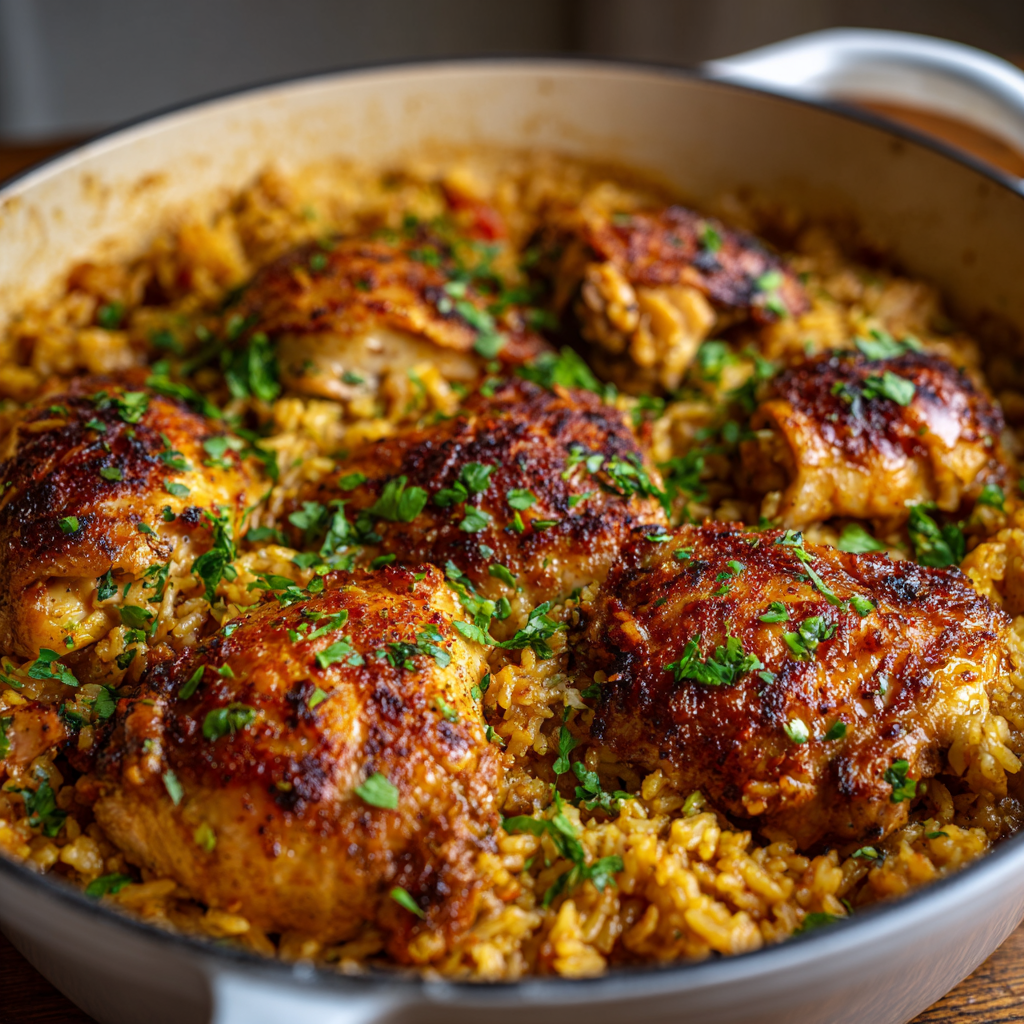
Store any leftover chicken and rice in an airtight container in the refrigerator for up to 3 days, keeping it completely covered to prevent the rice from drying out. To reheat, place portions in a pot over medium heat with a splash of chicken broth, stirring occasionally until heated through—this gentle method helps restore moisture and prevents the rice from becoming tough. Alternatively, microwave individual portions in a microwave-safe container for 1-2 minutes, stirring halfway through, though the stovetop method produces noticeably better results. For freezing, let the chicken and rice cool completely before transferring to a freezer-safe container or zip-top bag for up to 2 months. Thaw frozen portions overnight in the refrigerator and reheat gently on the stovetop with added chicken broth to restore the original consistency and moisture.
Helpful Tips and Tricks
Ingredient Substitutions and Variations
If you don’t have chicken broth, substitute with vegetable broth or even water, though chicken broth provides superior flavor and depth. Swap chicken for turkey, beef, or pork, adjusting cooking times based on the protein you choose and thickness of the pieces. For a vegetarian version, omit the chicken entirely and add extra vegetables like spinach, zucchini, green beans, mushrooms, or diced potatoes for heartiness and substance. Brown rice can be substituted for white rice, though you’ll need to increase the broth to 3.5 cups and extend cooking time to 35-40 minutes. Consider adding roasted red peppers, sun-dried tomatoes, corn, or caramelized onions to the pot for additional flavor complexity and sophistication. For a lighter version, use skinless chicken and reduce the butter to 1 tablespoon combined with 1 tablespoon of olive oil while maintaining the same broth ratio.
Common Mistakes to Avoid
Many home cooks skip browning the chicken, which misses the opportunity to develop crucial flavor through the Maillard reaction—even a quick sear adds significant depth. Don’t skip toasting the dry rice before adding liquid; this step prevents mushiness and creates a more pleasant texture and prevents a gummy result. Another mistake is not measuring rice and liquid accurately; use a 1:2 ratio of rice to liquid for proper absorption and consistent texture. Overcooking the rice is problematic, as this results in mushy, overcooked grains that fall apart when stirred—follow timing guidelines and check at the minimum time before continuing. Finally, stirring the pot constantly during cooking disrupts proper rice absorption and breaks down the grains; resist this urge and let it cook undisturbed.
Time-Saving Strategies
Use store-bought rotisserie chicken instead of cooking chicken from scratch, which saves significant prep and cooking time while providing equally delicious results. Purchase pre-cut vegetables from the grocery store if your budget allows, eliminating the tedious chopping and dicing process. Prepare the vegetable mixture the night before and refrigerate it, then simply combine with rice, chicken broth, and chicken when ready to cook. Another useful tip is using instant or quick-cooking rice to reduce total cooking time from 30 minutes to 15-20 minutes, though long-grain rice provides better texture and superior results. If time is extremely tight, layer uncooked chicken pieces directly on top of the rice mixture after toasting, then cover and cook as normal—the chicken will cook through while the rice absorbs liquid.
Chef Tips for Perfect Results
The secret to perfectly cooked, fluffy rice is maintaining proper rice-to-liquid ratio and resisting the urge to stir the pot during cooking—letting it cook undisturbed allows proper absorption and texture development. Always taste the broth before adding it to the pot and adjust seasonings generously, as rice absorbs and mutes flavors, requiring more seasoning than you might initially think.
Frequently Asked Questions
Can I use brown rice instead of white rice? Absolutely—use a 1:2.5 ratio of brown rice to chicken broth and increase cooking time to 40-45 minutes, checking at 35 minutes for doneness.
What if the rice comes out too dry or too wet? Too dry means you need more liquid next time; too wet means you added too much—adjust broth by 1/4 cup increments for future batches.
Can I prepare this dish ahead of time? Prepare through the browning stage and refrigerate up to 24 hours, then add rice, broth, and remaining ingredients when ready to cook.
How do I make this dish less heavy or more nutritious? Use skinless chicken, reduce butter and oil, add extra vegetables, or substitute half the white rice with brown rice for added fiber.
Can I add different vegetables or proteins to customize this meal? Absolutely—try adding spinach, mushrooms, corn, bell peppers, or different proteins like shrimp or turkey without disrupting the cooking method.
Conclusion
This one pot chicken and rice recipe embodies everything wonderful about efficient home cooking: minimal preparation, straightforward technique, and maximum flavor delivered with practically zero cleanup afterward. Moreover, the flexibility of this dish means you can easily customize it based on dietary preferences, available ingredients, or family favorites without compromising the fundamental excellence of the finished product. The combination of tender chicken, perfectly cooked rice, aromatic vegetables, and flavorful broth creates a complete meal that satisfies the appetite and comforts the soul simultaneously. Additionally, this recipe proves that shortcuts and smart techniques don’t diminish quality; using store-bought rotisserie chicken, pre-cut vegetables, and quality broth doesn’t prevent you from creating genuinely impressive, satisfying results. I genuinely believe this will become a beloved recipe in your cooking rotation because it’s convenient enough for busy weeknights, flexible enough for creative customization, and delicious enough to warrant making again and again. The magic of this one-pot meal lies in its simplicity and reliability; you know exactly what you’re getting every time, and everyone consistently loves it.
Did you love this recipe? Please save it, pin it, and share it with your friends and family! Your support means the world to us and motivates us to keep creating more delicious, easy recipes for you to enjoy. Let us know in the comments how your one pot chicken and rice turned out—we’d absolutely love to hear about your experience and any creative variations or additions you made to personalize this convenient, comforting classic!